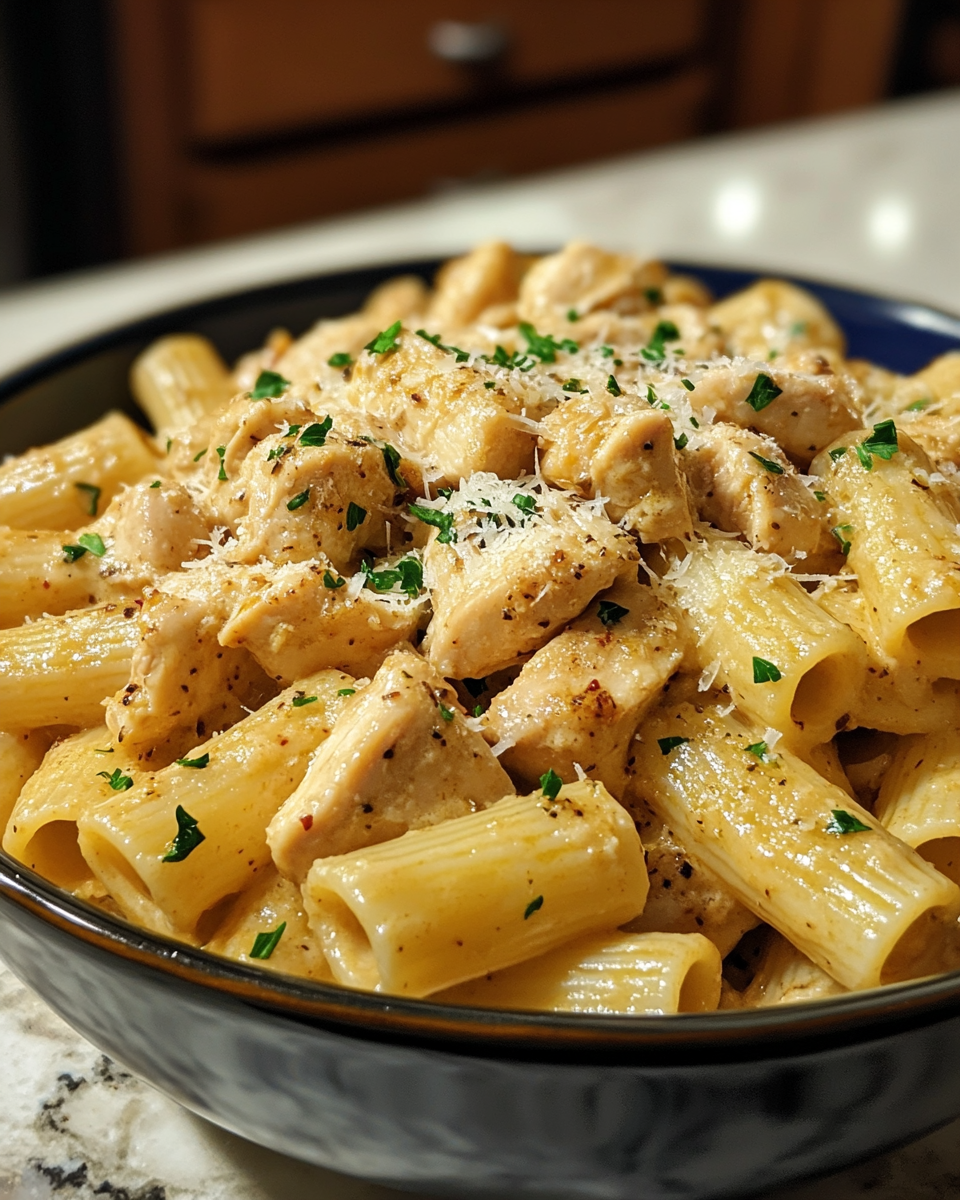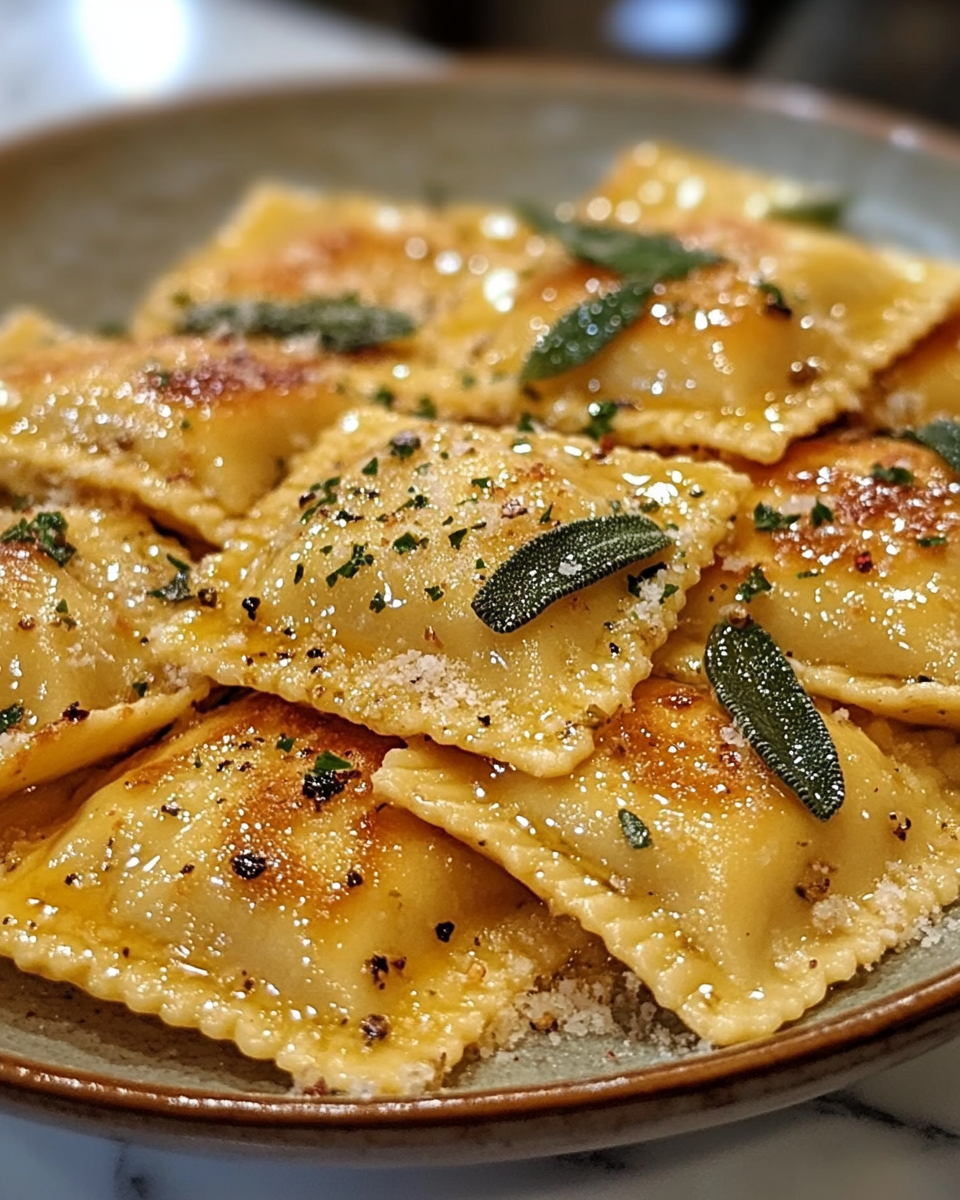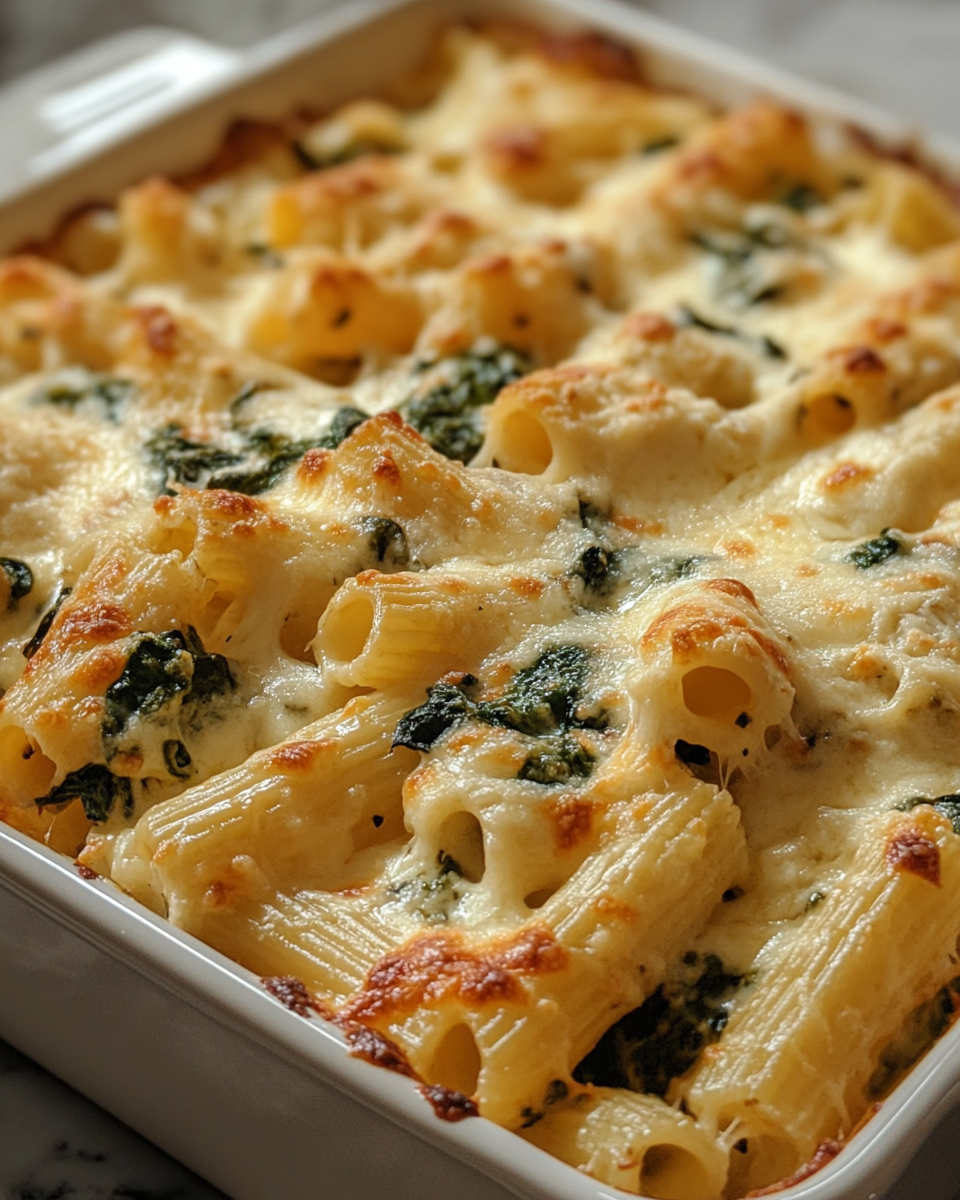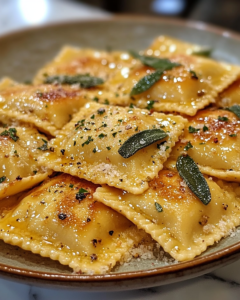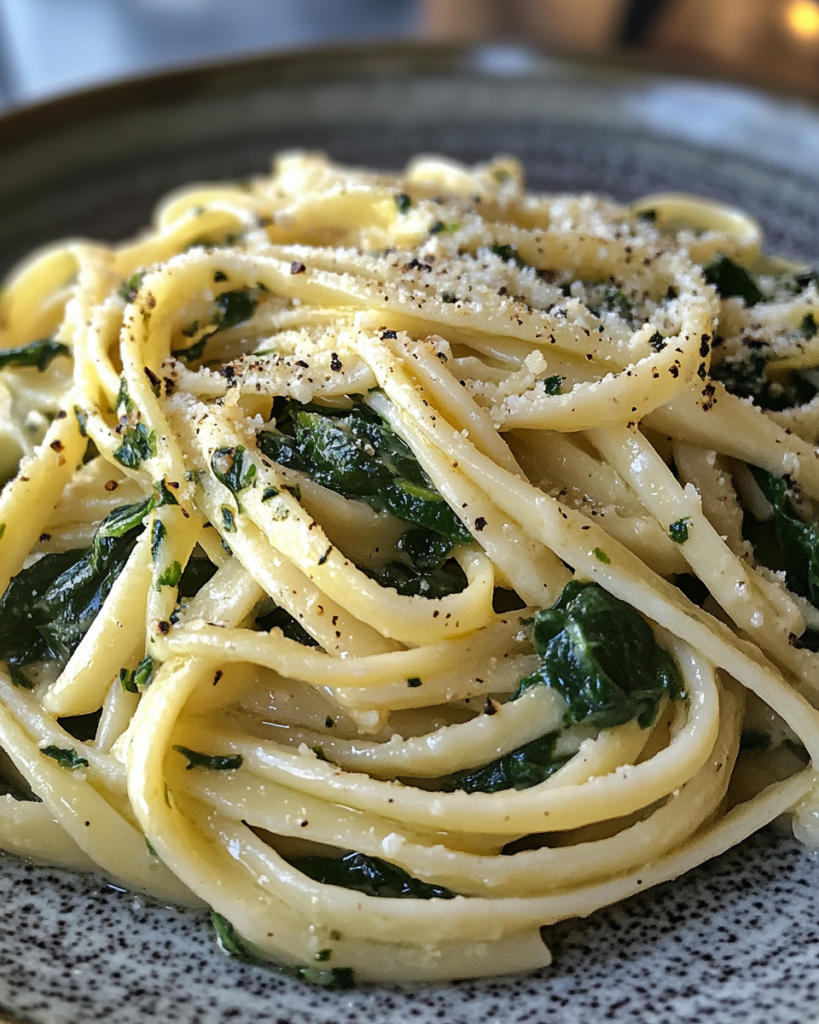
A bowl of spinach cream cheese pasta brings together tender pasta, silky sauce, and fresh greens in a way that feels smooth and satisfying. The creamy texture blends with garlic and spinach to create a dish that is both comforting and easy to prepare at home.
This spinach cream cheese pasta is ideal for busy evenings when a warm, filling meal is needed without a long cooking process. The cream cheese melts into a rich base that coats every strand of pasta, while spinach adds freshness and color.
The balance between creamy sauce and mild greens makes this dish appealing for both quick lunches and relaxed dinners. Each bite delivers a soft, velvety texture with gentle savory notes from garlic and seasoning.
Ingredients Overview
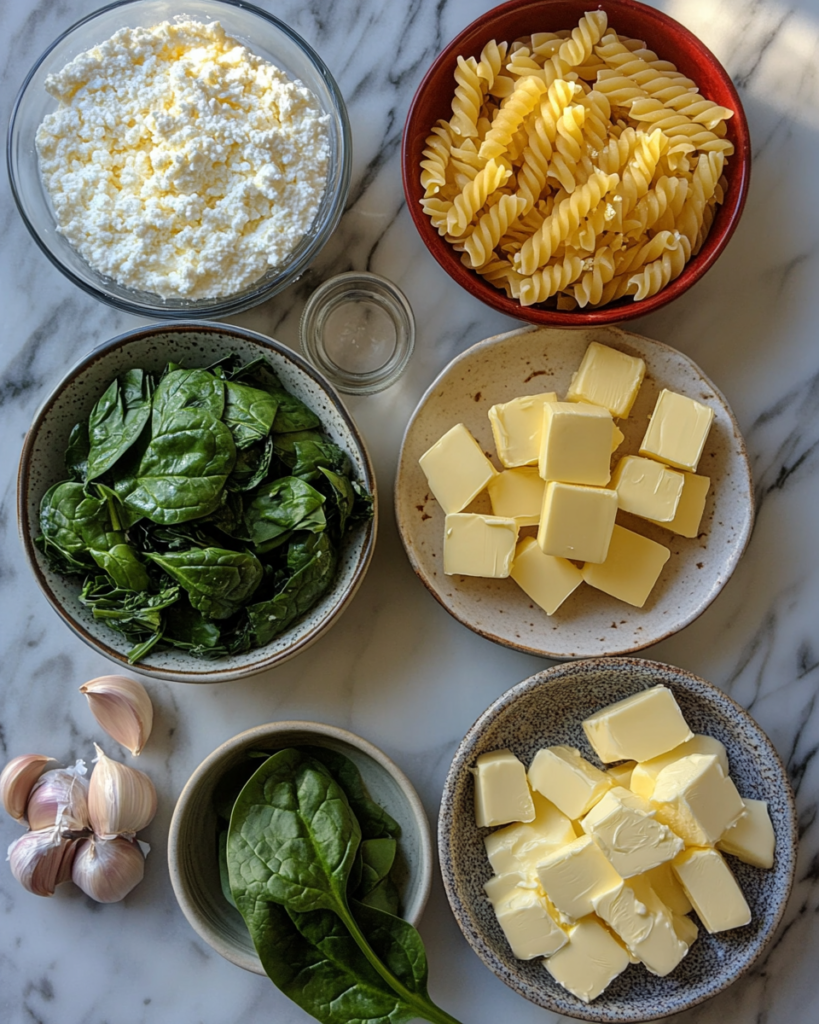
Spinach cream cheese pasta relies on a short list of ingredients that work together to create a rich, smooth sauce. The main component is cream cheese, which melts into a thick and velvety base when warmed. It gives the dish its signature creamy texture without needing heavy cream.
Fresh spinach is another key ingredient, adding a mild earthy taste and soft texture once cooked. Baby spinach is often preferred because it wilts quickly and blends easily into the sauce. Frozen spinach can also be used when thawed and drained well.
Garlic plays an important role by adding depth and aroma. When sautéed lightly, it infuses the oil and builds a savory foundation for the sauce. Olive oil or butter helps carry these flavors and supports even cooking.
Pasta serves as the structure of the dish. Shapes like penne, fettuccine, or spaghetti all work well because they hold onto the creamy sauce. Salt and black pepper round out the flavor, while grated Parmesan can be added for extra savory richness.
Milk or pasta water helps loosen the sauce to the right consistency. Substitutions are flexible: low-fat cream cheese can be used for a lighter version, and plant-based cream cheese works for a dairy-free alternative. Gluten-free pasta also fits well without changing the flavor profile.
Ingredients
12 oz pasta (penne, fettuccine, or spaghetti)
2 tablespoons olive oil
3 cloves garlic, minced
6 oz fresh spinach leaves
8 oz cream cheese, softened
1/2 cup milk or reserved pasta water
1/2 teaspoon salt
1/4 teaspoon black pepper
1/4 teaspoon red pepper flakes (optional)
1/3 cup grated Parmesan cheese
1 tablespoon butter (optional for extra richness)
Step-by-Step Instructions
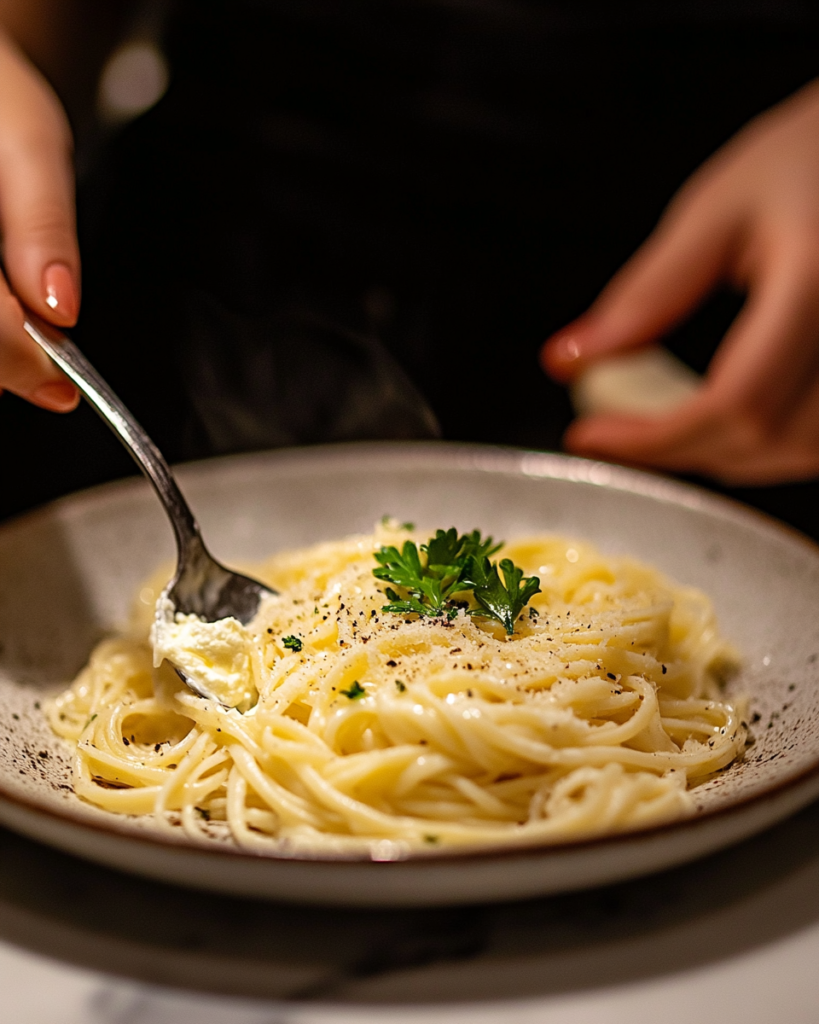
Start by bringing a large pot of salted water to a boil. Add the pasta and cook until al dente according to package directions. Reserve about one cup of pasta water before draining. This starchy water helps adjust the sauce later for a smooth consistency.
While the pasta cooks, place a large skillet over medium heat. Add olive oil and allow it to warm slightly. Add minced garlic and cook for about 30 to 60 seconds, stirring constantly to prevent burning. The garlic should become fragrant but not browned.
Add the spinach to the skillet in batches. Stir gently as it wilts down, which usually takes just a few minutes. Fresh spinach reduces quickly in volume, so continue adding until all leaves are softened.
Lower the heat and add cream cheese to the skillet. Stir slowly as it begins to melt into the spinach mixture. It may look thick at first, but it will loosen as it warms. Add milk or a small amount of reserved pasta water to create a smooth sauce.
Season the mixture with salt, black pepper, and red pepper flakes if using. Stir until the sauce becomes creamy and even in texture. If needed, add more pasta water a little at a time until the desired consistency is reached.
Add the drained pasta directly into the skillet. Toss gently to coat every piece in the spinach cream cheese sauce. Allow it to cook together for one to two minutes so the flavors combine well.
Finish by stirring in grated Parmesan cheese and optional butter for added richness. Once everything is fully combined, remove from heat and serve immediately while warm and creamy.
Avoid overheating the cream cheese, as high heat can cause the sauce to separate. Gentle heat and steady stirring keep the texture smooth and consistent.
Tips, Variations & Substitutions
For a lighter version of spinach cream cheese pasta, use reduced-fat cream cheese and replace butter with extra olive oil. The sauce will still be creamy but less dense. Plant-based cream cheese works well for a dairy-free version, especially when paired with almond or oat milk.
To add protein, cooked chicken, shrimp, or chickpeas can be stirred in near the end of cooking. These additions blend well with the creamy sauce without overpowering the spinach flavor.
For extra depth, sauté chopped onions along with garlic at the beginning. A pinch of nutmeg can also be added to the sauce for a subtle warm note that pairs well with spinach.
Whole wheat or chickpea pasta can be used for a higher fiber option. Adjust cooking time slightly based on the pasta type. If the sauce becomes too thick after resting, loosen it with a splash of warm milk or pasta water before serving.
Serving Ideas & Occasions
Spinach cream cheese pasta works well as a main dish for lunch or dinner. It pairs nicely with simple sides like roasted vegetables, garlic bread, or a light salad with lemon dressing.
It also fits well into casual gatherings or family meals because it can be prepared quickly and served straight from the skillet. A glass of sparkling water or iced tea complements the creamy texture without overpowering the flavor.
This dish is often served warm, but leftovers can be gently reheated with a small amount of milk to restore creaminess. It is a flexible meal that suits both everyday cooking and relaxed weekend dinners.
Nutritional & Health Notes
Spinach cream cheese pasta offers a balance of carbohydrates, fats, and some plant-based nutrients from spinach. Spinach contributes fiber, iron, and vitamins that support general wellness, while cream cheese provides richness and energy density.
Portion size plays an important role in maintaining balance, as the sauce is naturally creamy and filling. Choosing whole grain pasta can increase fiber content, while adding vegetables or lean protein can round out the meal.
Milk-based sauces like this one tend to be satisfying in smaller servings, making them suitable for balanced meal planning when paired with vegetables or lighter side dishes.
FAQs
Can I use frozen spinach instead of fresh?
Frozen spinach works well in spinach cream cheese pasta. It should be fully thawed and squeezed to remove excess water before cooking. This helps prevent the sauce from becoming too watery. Once prepared properly, frozen spinach blends smoothly into the creamy base and still delivers a mild, earthy flavor that pairs nicely with the sauce.
What type of pasta works best?
Pasta shapes that hold sauce well are ideal. Penne, fettuccine, and spaghetti are all strong choices. Short pasta like penne captures the creamy sauce inside its tubes, while long pasta allows the sauce to coat each strand evenly. The choice depends on personal preference, as all standard pasta types work with this dish.
Can I make this without dairy?
A dairy-free version can be made using plant-based cream cheese and non-dairy milk such as oat or almond milk. The texture will still be creamy, though slightly different in richness. Adding a small amount of olive oil can help maintain smoothness in the sauce.
How do I prevent the sauce from becoming too thick?
If the sauce becomes too thick, add reserved pasta water gradually while stirring. The starch in the water helps loosen the sauce while keeping it smooth. Adding small amounts at a time prevents it from becoming too thin and helps maintain a creamy consistency.
Can I add protein to this dish?
Yes, cooked chicken, shrimp, or chickpeas can be added. They should be cooked separately and mixed in at the end so they absorb the sauce without overcooking. This makes the dish more filling while keeping the creamy texture intact.
How should leftovers be stored?
Leftovers can be stored in an airtight container in the refrigerator for up to three days. When reheating, add a splash of milk or water to bring back the creamy texture. Warm gently over low heat or in the microwave, stirring occasionally.
Can I make this ahead of time?
Spinach cream cheese pasta is best enjoyed fresh, but it can be prepared ahead. The sauce may thicken after cooling, so reheating with added liquid is important. Cooking the pasta slightly al dente helps it hold texture when stored and reheated.