Classic Spaghetti Marinara 5 Simple Comforting Recipe

Posted on

Uncategorized

Difficulty

Prep time

Cooking time

Total time

Servings

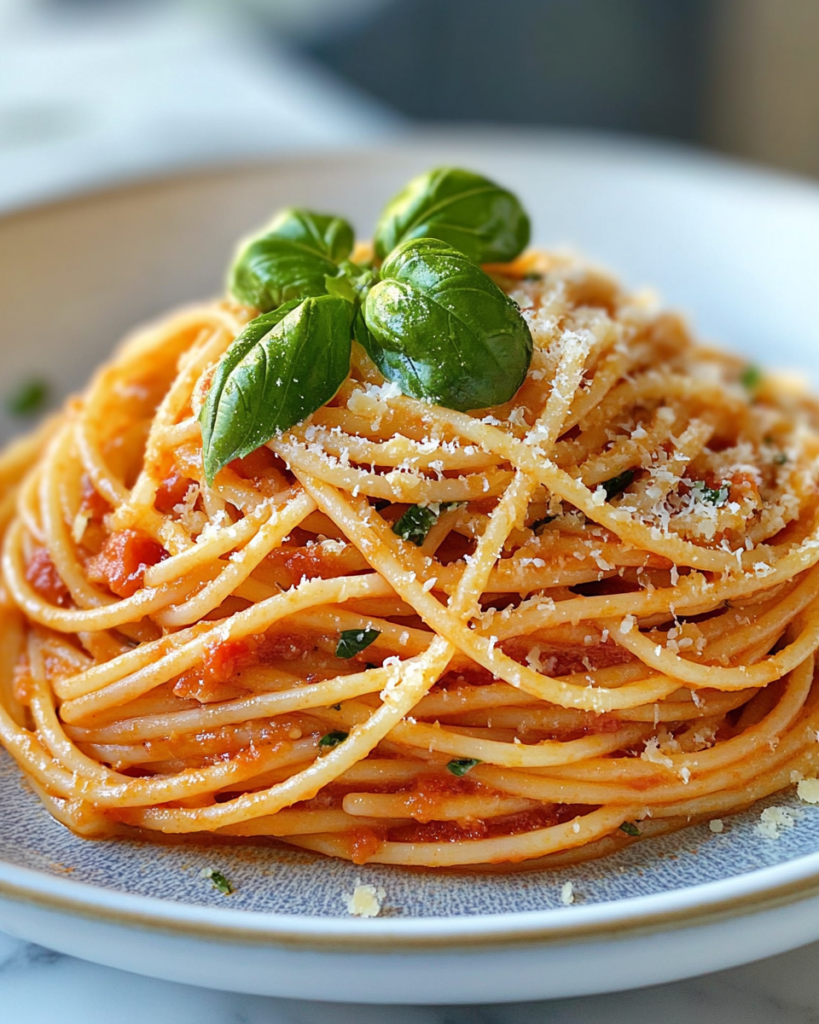
A bowl of Classic Spaghetti Marinara brings together tender pasta and a rich tomato sauce that feels warm and familiar. This dish highlights how a few well-chosen ingredients can create deep flavor without complexity. Classic Spaghetti Marinara is often found in home kitchens where comfort and tradition matter most.

The sauce is built on slowly cooked tomatoes, garlic, and olive oil, creating a smooth coating for perfectly cooked spaghetti. Every bite carries balanced acidity, subtle sweetness, and gentle herb notes. It is a dependable meal that fits both busy nights and relaxed dinners.

This version focuses on straightforward preparation and familiar pantry ingredients. The goal is a rich, smooth marinara that clings to pasta without feeling heavy. The aroma alone fills the kitchen with a welcoming sense of home cooking.

Ingredients Overview
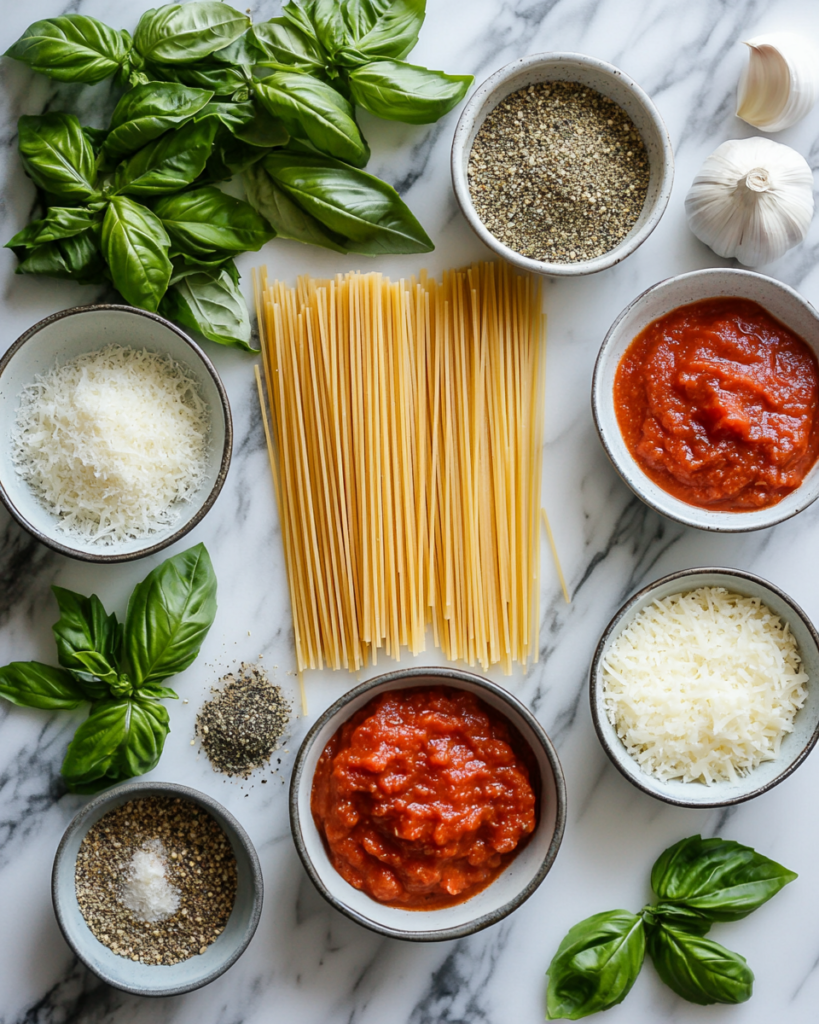
The foundation of Classic Spaghetti Marinara is ripe tomatoes, which bring natural sweetness and acidity. Crushed tomatoes or whole peeled tomatoes both work well, depending on the texture you prefer. When simmered, they break down into a rich base that forms the heart of the sauce.

Garlic adds depth and warmth. It should be gently sautéed in olive oil to release its aroma without turning bitter. Olive oil itself plays an important role, carrying flavor and helping the sauce develop a smooth finish.

Onion adds subtle sweetness and rounds out the tomato flavor. It melts into the sauce as it cooks, giving body and balance. Dried oregano and basil provide herbal notes that define the marinara profile.

Spaghetti is the traditional pasta choice, offering the right thickness to hold the sauce. Salt seasons both the pasta water and the sauce, bringing all elements together. A pinch of red pepper flakes can be added for gentle heat, though it is optional.

Parmesan cheese is often added at serving for a savory finish. If needed, it can be replaced with another aged hard cheese or omitted for a lighter dish. Each ingredient works together to create a balanced and satisfying meal.

Ingredients

12 ounces spaghetti
2 tablespoons olive oil
4 cloves garlic, minced
1 small yellow onion, finely chopped
28 ounces crushed tomatoes
1 teaspoon salt
1/2 teaspoon black pepper
1 teaspoon dried oregano
1 teaspoon dried basil
1/4 teaspoon red pepper flakes (optional)
1 teaspoon sugar
1/2 cup pasta water (reserved)
1/3 cup grated Parmesan cheese (optional)
Fresh basil leaves for garnish

Step-by-Step Instructions
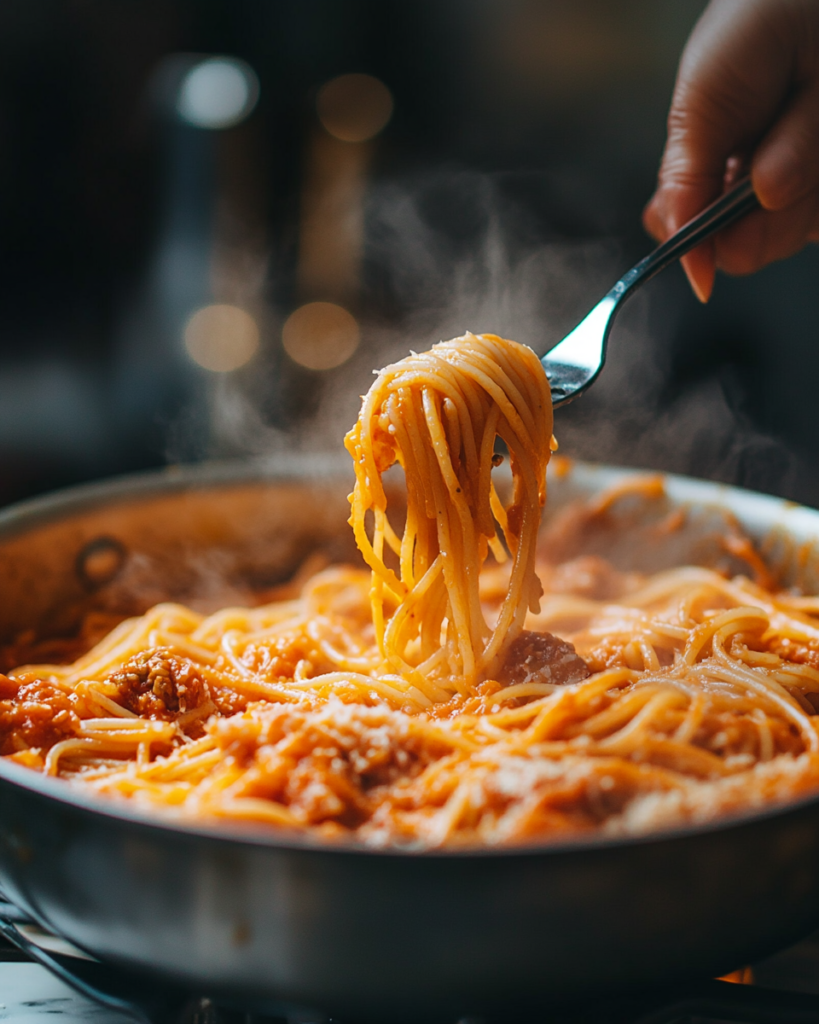
Begin by bringing a large pot of salted water to a boil. Add spaghetti and cook until firm yet tender, following package timing. Stir occasionally to prevent sticking. Before draining, reserve about half a cup of pasta water. This starchy liquid helps bind the sauce later.

While the pasta cooks, warm olive oil in a large skillet over medium heat. Add chopped onion and cook until soft and translucent. This step builds a gentle sweetness that supports the tomato base. Stir occasionally to avoid browning.

Add minced garlic and cook briefly until fragrant. Keep the heat moderate so the garlic softens without burning. Once aromatic, pour in crushed tomatoes and stir to combine with the onion and garlic mixture.

Season the sauce with salt, black pepper, oregano, basil, and optional red pepper flakes. Add sugar to balance tomato acidity. Stir well and let the sauce simmer gently. As it cooks, the flavors deepen and the texture thickens.

Allow the sauce to simmer until it reaches a rich, slightly thick consistency. Stir occasionally to prevent sticking at the bottom of the pan. If it becomes too thick, add a splash of reserved pasta water.

Add cooked spaghetti directly into the skillet with the sauce. Toss gently until every strand is coated evenly. Add more pasta water if needed to help the sauce cling smoothly.

Taste and adjust seasoning if necessary. Serve immediately while warm, topped with Parmesan cheese and fresh basil. The final dish should look glossy, with sauce evenly wrapped around each strand.

Tips, Variations & Substitutions

For a deeper flavor, let the sauce cook a little longer at low heat. Slow simmering allows the tomatoes to become richer and more rounded in taste. Stir occasionally to keep the texture smooth.

If fresh tomatoes are available, they can replace canned ones. Peel and crush them before cooking for best results. This adds a lighter, garden-fresh flavor.

Whole wheat or gluten-free pasta can be used instead of traditional spaghetti. Cooking times may vary slightly, so check texture while boiling. The sauce pairs well with many pasta shapes beyond spaghetti, such as linguine or penne.

For added protein, cooked lentils or sautéed mushrooms can be mixed into the sauce. These ingredients add body while keeping the dish simple. A small amount of butter stirred in at the end can also soften acidity and create a silkier finish.

Serving Ideas & Occasions

Classic Spaghetti Marinara works well as a main dish for lunch or dinner. It pairs nicely with a simple green salad dressed in olive oil and vinegar. Garlic bread or toasted baguette slices also complement the sauce.

For drinks, sparkling water with lemon or a light herbal tea balances the meal. It is also a popular choice for family meals, casual gatherings, or quiet evenings at home.

This dish fits many occasions because it is filling without being heavy. It can be served fresh from the stove or kept warm for short periods before serving.

Nutritional & Health Notes

This dish offers a balance of carbohydrates, healthy fats, and natural plant-based nutrients. Tomatoes provide vitamins and antioxidants, while olive oil contributes beneficial fats.

The pasta supplies energy through complex carbohydrates. Portion size can be adjusted based on dietary needs. Reducing cheese or using whole grain pasta can slightly change the nutritional profile.

The dish is naturally plant-based if cheese is omitted, making it suitable for various eating styles. It is also easy to adapt for lower sodium preferences by adjusting added salt.

FAQs

Can I use fresh tomatoes instead of canned?

Fresh tomatoes can be used in place of canned varieties. Choose ripe tomatoes for best flavor. Peel them if desired, then crush or blend before cooking. Fresh tomatoes may release more water, so the sauce might need extra simmering time to reach a thicker texture. The final taste will be lighter and slightly sweeter compared to canned versions.

What type of pasta works best for marinara sauce?

Spaghetti is the most traditional choice, but other pasta shapes also work well. Linguine, fettuccine, and penne all hold marinara sauce effectively. The key is selecting pasta with enough surface area to carry the sauce. Cooking the pasta until just tender helps it blend better with the sauce during mixing.

How do I make the sauce thicker?

To thicken marinara sauce, let it simmer longer over low heat so excess liquid evaporates. Stir occasionally to avoid sticking. Another option is to add a small amount of tomato paste. Reserved pasta water should be added carefully, as too much can thin the sauce again.

Can I prepare marinara sauce ahead of time?

Yes, marinara sauce can be prepared in advance. It often tastes even better after resting, as flavors continue to develop. Store it in an airtight container in the refrigerator. When ready to use, reheat gently on the stove and add a splash of water if it has thickened too much.

Is this dish suitable for a plant-based diet?

Classic Spaghetti Marinara is naturally plant-based when cheese is left out. The sauce is made from tomatoes, herbs, garlic, and olive oil, all plant-based ingredients. This makes it a flexible option for many eating styles. Adding vegetables like mushrooms or spinach can increase variety.

How can I reduce acidity in the sauce?

If the tomato sauce tastes too sharp, a small amount of sugar can help balance it. Cooking the sauce longer also softens acidity. Another option is adding a small knob of butter or a splash of olive oil at the end for a smoother finish.

Can I freeze leftover marinara sauce?

Yes, marinara sauce freezes well. Let it cool completely before placing it in a freezer-safe container. It can be stored for several months. When reheating, warm it slowly on the stove and stir occasionally. You may need to add a small amount of water to restore the original consistency.

[rank_math_breadcrumb]

Classic Spaghetti Marinara 5 Simple Comforting Recipe

Photo of author
Author: Carol
Published:

A bowl of Classic Spaghetti Marinara brings together tender pasta and a rich tomato sauce that feels warm and familiar. This dish highlights how a few well-chosen ingredients can create deep flavor without complexity. Classic Spaghetti Marinara is often found in home kitchens where comfort and tradition matter most.

The sauce is built on slowly cooked tomatoes, garlic, and olive oil, creating a smooth coating for perfectly cooked spaghetti. Every bite carries balanced acidity, subtle sweetness, and gentle herb notes. It is a dependable meal that fits both busy nights and relaxed dinners.

This version focuses on straightforward preparation and familiar pantry ingredients. The goal is a rich, smooth marinara that clings to pasta without feeling heavy. The aroma alone fills the kitchen with a welcoming sense of home cooking.

Ingredients Overview

The foundation of Classic Spaghetti Marinara is ripe tomatoes, which bring natural sweetness and acidity. Crushed tomatoes or whole peeled tomatoes both work well, depending on the texture you prefer. When simmered, they break down into a rich base that forms the heart of the sauce.

Garlic adds depth and warmth. It should be gently sautéed in olive oil to release its aroma without turning bitter. Olive oil itself plays an important role, carrying flavor and helping the sauce develop a smooth finish.

Onion adds subtle sweetness and rounds out the tomato flavor. It melts into the sauce as it cooks, giving body and balance. Dried oregano and basil provide herbal notes that define the marinara profile.

Spaghetti is the traditional pasta choice, offering the right thickness to hold the sauce. Salt seasons both the pasta water and the sauce, bringing all elements together. A pinch of red pepper flakes can be added for gentle heat, though it is optional.

Parmesan cheese is often added at serving for a savory finish. If needed, it can be replaced with another aged hard cheese or omitted for a lighter dish. Each ingredient works together to create a balanced and satisfying meal.

Ingredients

12 ounces spaghetti
2 tablespoons olive oil
4 cloves garlic, minced
1 small yellow onion, finely chopped
28 ounces crushed tomatoes
1 teaspoon salt
1/2 teaspoon black pepper
1 teaspoon dried oregano
1 teaspoon dried basil
1/4 teaspoon red pepper flakes (optional)
1 teaspoon sugar
1/2 cup pasta water (reserved)
1/3 cup grated Parmesan cheese (optional)
Fresh basil leaves for garnish

Step-by-Step Instructions

Begin by bringing a large pot of salted water to a boil. Add spaghetti and cook until firm yet tender, following package timing. Stir occasionally to prevent sticking. Before draining, reserve about half a cup of pasta water. This starchy liquid helps bind the sauce later.

While the pasta cooks, warm olive oil in a large skillet over medium heat. Add chopped onion and cook until soft and translucent. This step builds a gentle sweetness that supports the tomato base. Stir occasionally to avoid browning.

Add minced garlic and cook briefly until fragrant. Keep the heat moderate so the garlic softens without burning. Once aromatic, pour in crushed tomatoes and stir to combine with the onion and garlic mixture.

Season the sauce with salt, black pepper, oregano, basil, and optional red pepper flakes. Add sugar to balance tomato acidity. Stir well and let the sauce simmer gently. As it cooks, the flavors deepen and the texture thickens.

Allow the sauce to simmer until it reaches a rich, slightly thick consistency. Stir occasionally to prevent sticking at the bottom of the pan. If it becomes too thick, add a splash of reserved pasta water.

Add cooked spaghetti directly into the skillet with the sauce. Toss gently until every strand is coated evenly. Add more pasta water if needed to help the sauce cling smoothly.

Taste and adjust seasoning if necessary. Serve immediately while warm, topped with Parmesan cheese and fresh basil. The final dish should look glossy, with sauce evenly wrapped around each strand.

Tips, Variations & Substitutions

For a deeper flavor, let the sauce cook a little longer at low heat. Slow simmering allows the tomatoes to become richer and more rounded in taste. Stir occasionally to keep the texture smooth.

If fresh tomatoes are available, they can replace canned ones. Peel and crush them before cooking for best results. This adds a lighter, garden-fresh flavor.

Whole wheat or gluten-free pasta can be used instead of traditional spaghetti. Cooking times may vary slightly, so check texture while boiling. The sauce pairs well with many pasta shapes beyond spaghetti, such as linguine or penne.

For added protein, cooked lentils or sautéed mushrooms can be mixed into the sauce. These ingredients add body while keeping the dish simple. A small amount of butter stirred in at the end can also soften acidity and create a silkier finish.

Serving Ideas & Occasions

Classic Spaghetti Marinara works well as a main dish for lunch or dinner. It pairs nicely with a simple green salad dressed in olive oil and vinegar. Garlic bread or toasted baguette slices also complement the sauce.

For drinks, sparkling water with lemon or a light herbal tea balances the meal. It is also a popular choice for family meals, casual gatherings, or quiet evenings at home.

This dish fits many occasions because it is filling without being heavy. It can be served fresh from the stove or kept warm for short periods before serving.

Nutritional & Health Notes

This dish offers a balance of carbohydrates, healthy fats, and natural plant-based nutrients. Tomatoes provide vitamins and antioxidants, while olive oil contributes beneficial fats.

The pasta supplies energy through complex carbohydrates. Portion size can be adjusted based on dietary needs. Reducing cheese or using whole grain pasta can slightly change the nutritional profile.

The dish is naturally plant-based if cheese is omitted, making it suitable for various eating styles. It is also easy to adapt for lower sodium preferences by adjusting added salt.

FAQs

Can I use fresh tomatoes instead of canned?

Fresh tomatoes can be used in place of canned varieties. Choose ripe tomatoes for best flavor. Peel them if desired, then crush or blend before cooking. Fresh tomatoes may release more water, so the sauce might need extra simmering time to reach a thicker texture. The final taste will be lighter and slightly sweeter compared to canned versions.

What type of pasta works best for marinara sauce?

Spaghetti is the most traditional choice, but other pasta shapes also work well. Linguine, fettuccine, and penne all hold marinara sauce effectively. The key is selecting pasta with enough surface area to carry the sauce. Cooking the pasta until just tender helps it blend better with the sauce during mixing.

How do I make the sauce thicker?

To thicken marinara sauce, let it simmer longer over low heat so excess liquid evaporates. Stir occasionally to avoid sticking. Another option is to add a small amount of tomato paste. Reserved pasta water should be added carefully, as too much can thin the sauce again.

Can I prepare marinara sauce ahead of time?

Yes, marinara sauce can be prepared in advance. It often tastes even better after resting, as flavors continue to develop. Store it in an airtight container in the refrigerator. When ready to use, reheat gently on the stove and add a splash of water if it has thickened too much.

Is this dish suitable for a plant-based diet?

Classic Spaghetti Marinara is naturally plant-based when cheese is left out. The sauce is made from tomatoes, herbs, garlic, and olive oil, all plant-based ingredients. This makes it a flexible option for many eating styles. Adding vegetables like mushrooms or spinach can increase variety.

How can I reduce acidity in the sauce?

If the tomato sauce tastes too sharp, a small amount of sugar can help balance it. Cooking the sauce longer also softens acidity. Another option is adding a small knob of butter or a splash of olive oil at the end for a smoother finish.

Can I freeze leftover marinara sauce?

Yes, marinara sauce freezes well. Let it cool completely before placing it in a freezer-safe container. It can be stored for several months. When reheating, warm it slowly on the stove and stir occasionally. You may need to add a small amount of water to restore the original consistency.
Name

Lorem ipsum dolor sit amet, consectetur adipiscing elit. Suspendisse varius enim in eros elementum tristique. Duis cursus, mi quis viverra ornare, eros dolor interdum nulla, ut commodo diam libero vitae erat.

You Might Also Like...

Lemon Herb Chicken Bowtie Pasta 5 Simple Surprising Meal

Lemon Herb Chicken Bowtie Pasta 5 Simple Surprising Meal

Chicken Scampi Angel Hair 7 Simple Creamy Delight

Chicken Scampi Angel Hair 7 Simple Creamy Delight

Chicken Alfredo Spinach Bake 5 Simple Cozy Comfort

Chicken Alfredo Spinach Bake 5 Simple Cozy Comfort

Homestyle Chicken Noodle Skillet 30-Min Simple Fearless

Homestyle Chicken Noodle Skillet 30-Min Simple Fearless

Tags:

You might also like these recipes

Leave a Comment