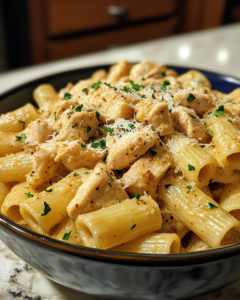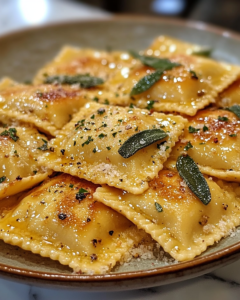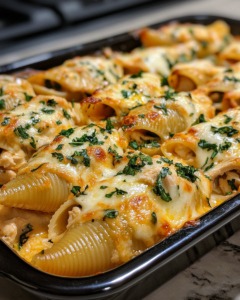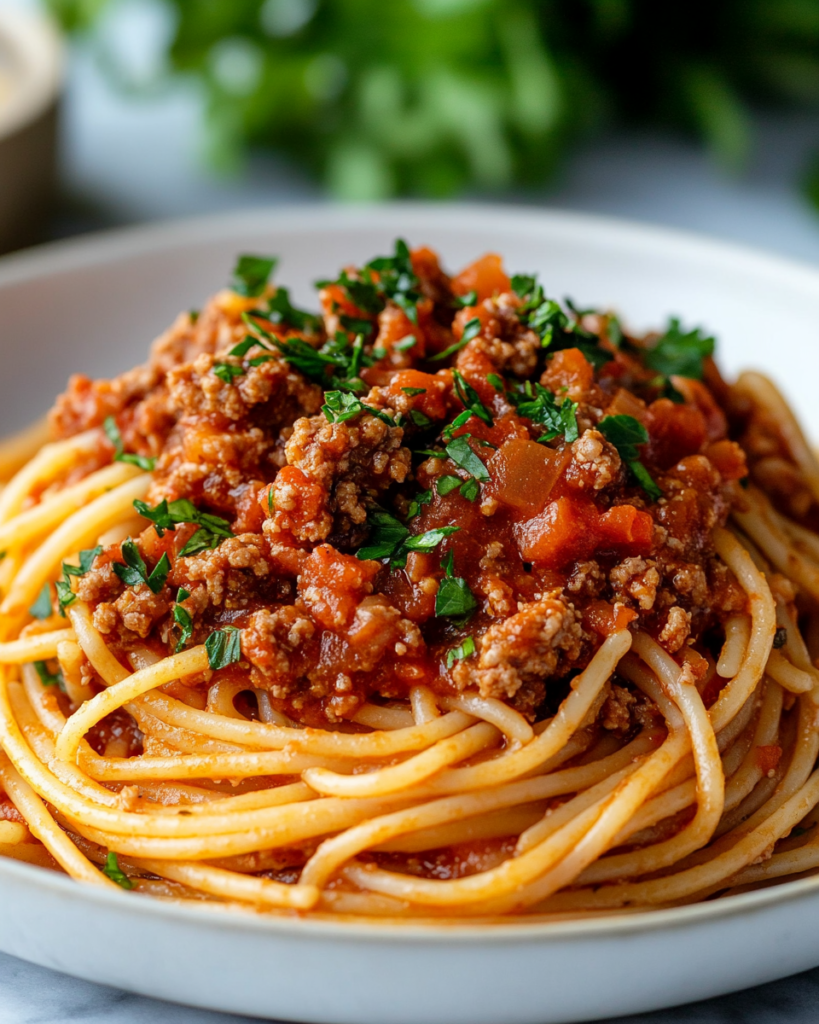
One-pan tomato pasta is a comforting skillet dish that brings together pasta, tomatoes, garlic, and herbs in a single cooking vessel. The beauty of One-pan tomato pasta lies in its ease and the way the pasta cooks directly in the sauce, absorbing every bit of flavor as it softens.
This dish is ideal for busy evenings when a warm, home-cooked meal is needed without complicated steps or multiple pots. The ingredients are basic, but when combined in one pan, they create a rich and satisfying result with minimal cleanup.
Unlike traditional pasta methods that require boiling separately, One-pan tomato pasta builds its sauce and cooks the pasta at the same time. This creates a naturally creamy texture as the starch from the pasta blends with the tomato base.
The result is a rustic, deeply flavored meal that feels both simple and hearty, perfect for family dinners or relaxed nights at home.
Ingredients Overview
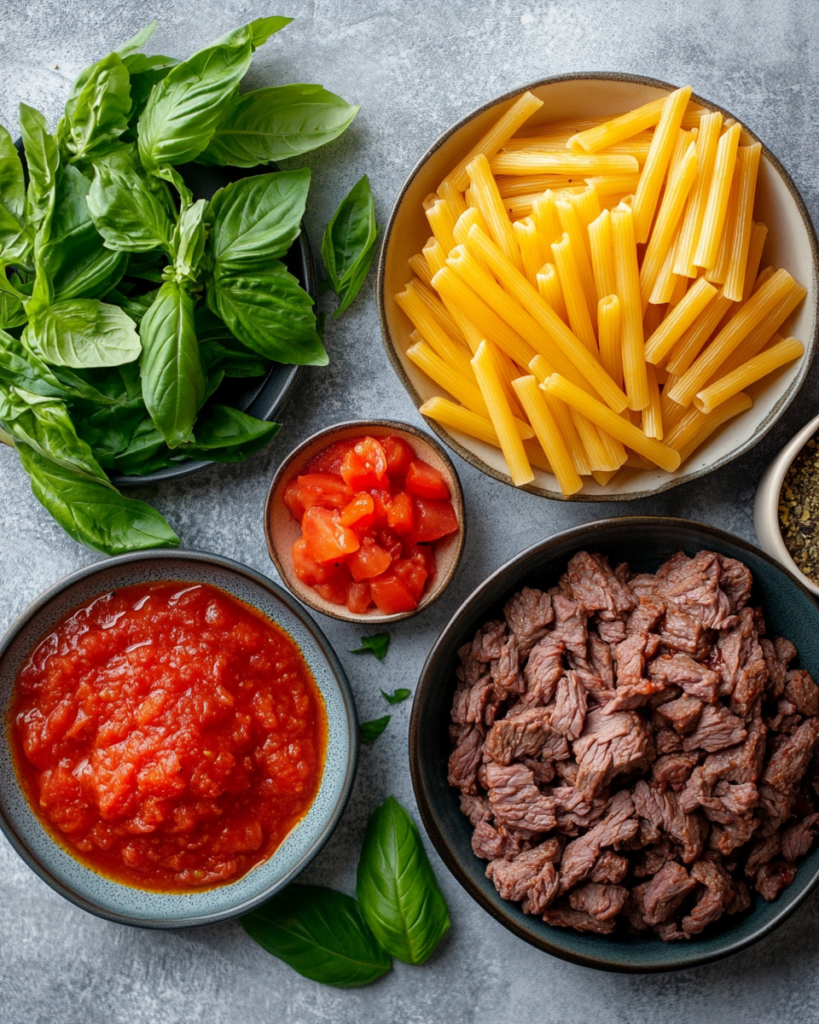
The foundation of One-pan tomato pasta is built on a handful of everyday ingredients that work together to create depth and balance. Ripe tomatoes form the base, offering natural sweetness and acidity that shape the sauce. Canned crushed tomatoes are commonly used because they provide consistency year-round and break down easily during cooking.
Aromatics like garlic and onion add warmth and savory depth. When gently sautéed in olive oil, they create the first layer of flavor that supports the tomato sauce. Olive oil also helps carry the flavors throughout the dish, giving it a smooth finish.
The pasta itself plays a central role. Short shapes like penne or fusilli work well because they cook evenly in the sauce and absorb flavor efficiently. As the pasta releases starch, it thickens the sauce naturally, giving it a silky consistency.
Vegetable broth or water is added to help cook the pasta directly in the pan. The liquid reduces gradually, allowing the flavors to concentrate. Dried herbs such as oregano or basil bring an earthy aroma that complements the tomato base.
Salt and black pepper balance the acidity and enhance overall taste. A touch of sugar may be added if the tomatoes are too sharp. Optional ingredients like chili flakes or parmesan cheese can add heat or richness depending on preference.
Substitutions are flexible. Whole wheat pasta can replace regular pasta for added fiber. Fresh tomatoes can be used when in season, though they may require longer cooking time. For a dairy-free version, nutritional yeast can replace cheese for a savory finish.
Ingredients
12 ounces penne pasta
2 tablespoons olive oil
1 medium onion, finely chopped
4 cloves garlic, minced
1 can (28 ounces) crushed tomatoes
2 cups vegetable broth
1 teaspoon dried oregano
1 teaspoon dried basil
1/2 teaspoon salt
1/2 teaspoon black pepper
1/2 teaspoon chili flakes (optional)
1 teaspoon sugar (optional)
1/4 cup grated parmesan cheese (optional)
Fresh basil leaves for garnish
Step-by-Step Instructions
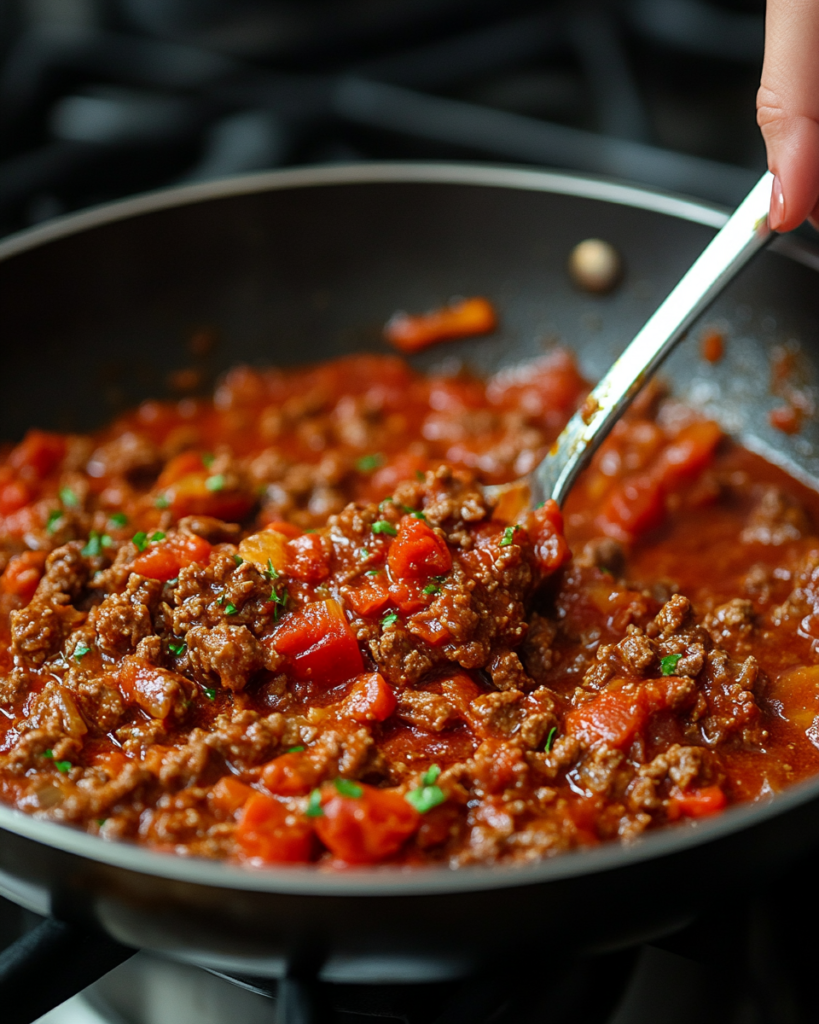
Begin by heating olive oil in a large deep skillet or sauté pan over medium heat. Once warm, add the chopped onion and cook for about 3 to 4 minutes until it becomes soft and translucent. Stir occasionally to prevent browning too quickly, as gentle cooking builds a sweeter base flavor.
Add the minced garlic and cook for another 30 to 60 seconds until fragrant. Be careful not to let the garlic burn, as it can turn bitter and affect the final taste of the sauce. At this stage, the kitchen should already carry a warm aroma from the sautéed aromatics.
Pour in the crushed tomatoes and stir to combine with the onion and garlic mixture. Add vegetable broth, dried oregano, dried basil, salt, black pepper, and chili flakes if using. Stir well so the seasoning spreads evenly throughout the liquid.
Bring the mixture to a gentle simmer. Once it begins to bubble lightly, add the dry pasta directly into the pan. Stir frequently during the first few minutes to prevent sticking, as the pasta will start absorbing liquid immediately.
Continue cooking over medium heat for about 12 to 15 minutes, stirring every couple of minutes. The sauce will gradually thicken as the pasta releases starch. If the mixture becomes too thick before the pasta is fully cooked, add a small splash of broth or water.
Taste the pasta near the end of cooking to check texture. The pasta should be tender but still slightly firm in the center. Adjust seasoning with additional salt or pepper if needed. If the tomatoes taste too acidic, add a small pinch of sugar to balance the flavor.
Once the pasta is cooked and the sauce is thick and glossy, remove the pan from heat. Stir in grated parmesan cheese if using, allowing it to melt into the sauce for added richness.
Finish with fresh basil leaves on top for a fragrant touch. Serve immediately while warm and creamy.
Common mistakes include using too little liquid or cooking on high heat, which can cause uneven pasta texture. Stirring regularly and maintaining a steady simmer helps achieve the best result.
Tips, Variations & Substitutions
One-pan tomato pasta can be adjusted in many ways depending on taste and dietary needs. For a richer flavor, add a splash of cream near the end of cooking to create a rosé-style sauce. For added protein, cooked chicken, shrimp, or chickpeas can be stirred in during the final minutes.
If a spicier version is preferred, increase chili flakes or add a pinch of smoked paprika. Fresh herbs like parsley or thyme can replace dried herbs for a brighter flavor profile.
Whole grain or gluten-free pasta works well, though cooking time may vary slightly. If using gluten-free pasta, gentle stirring is important to prevent breaking.
For a vegetable-packed version, add spinach, zucchini, or bell peppers during the simmering stage. These vegetables blend naturally into the sauce while adding texture and nutrition.
Leftovers can be stored and reheated with a splash of water or broth to restore creaminess.
Serving Ideas & Occasions
One-pan tomato pasta pairs well with simple side dishes such as a green salad, garlic bread, or roasted vegetables. A light drizzle of olive oil on top just before serving adds extra richness.
It works well for weeknight dinners, casual gatherings, or quick lunches. The dish is also suitable for meal preparation because it reheats easily and maintains flavor over time.
A glass of sparkling water or herbal iced tea complements the tomato-based sauce nicely without overpowering the meal.
Nutritional & Health Notes
One-pan tomato pasta offers a balanced mix of carbohydrates, vitamins, and moderate fats. Tomatoes provide natural antioxidants such as lycopene, while olive oil contributes healthy fats.
The dish can be adjusted to fit different dietary needs by modifying portion sizes or swapping ingredients. Whole grain pasta increases fiber content, supporting longer-lasting fullness.
Adding vegetables increases vitamin intake and improves overall nutrient balance. Cheese, if included, adds calcium and protein, though it can be omitted for a lighter version.
FAQs
Can I use fresh tomatoes instead of canned?
Fresh tomatoes can be used in One-pan tomato pasta, especially when they are in season. They should be chopped and cooked longer to break down fully into a sauce. The texture may be slightly lighter compared to canned tomatoes, but the flavor becomes naturally sweet as they simmer. If the mixture seems too thick or dry, adding a bit more broth helps maintain a smooth consistency.
What type of pasta works best?
Short pasta shapes such as penne, fusilli, or rigatoni work best for One-pan tomato pasta. These shapes cook evenly in the sauce and hold onto flavor well. Longer pasta like spaghetti can be used but may require more frequent stirring to prevent sticking. The key is to choose a shape that can absorb liquid while maintaining structure during cooking.
Can I make this dish vegan?
One-pan tomato pasta is easily made vegan by skipping parmesan cheese or replacing it with a plant-based alternative. The base ingredients are already plant-friendly, relying on tomatoes, herbs, pasta, and olive oil. Nutritional yeast can also be added at the end for a savory finish without dairy. The texture and flavor remain satisfying without animal products.
How do I prevent the pasta from sticking?
Stirring regularly during the first few minutes of cooking is important to prevent sticking. As the pasta releases starch, it can settle at the bottom of the pan if left unattended. Keeping a gentle simmer and ensuring enough liquid in the pan also helps the pasta cook evenly without clumping.
Can I store leftovers?
Leftover One-pan tomato pasta can be stored in an airtight container in the refrigerator. When reheating, adding a splash of water or broth helps bring back the sauce’s original texture. Gentle reheating on the stove works better than microwaving for maintaining consistency.
Can I add protein to this recipe?
Protein can be added easily to One-pan tomato pasta. Cooked chicken, shrimp, or plant-based options like chickpeas can be mixed in near the end of cooking. This allows the protein to absorb the sauce without overcooking. It creates a more filling meal while keeping the dish balanced.
Why is my sauce too thick or too thin?
If the sauce becomes too thick, it usually means the pasta has absorbed more liquid than expected. Adding small amounts of broth or water during cooking can fix this. If the sauce is too thin, letting it simmer uncovered for a few extra minutes helps it reduce and thicken naturally. The starch from the pasta plays a key role in adjusting the final consistency.