20-minute pasta dinner 20 Quickly Creamy Weeknight Bowl

Posted on

Uncategorized

Difficulty

Prep time

Cooking time

Total time

Servings

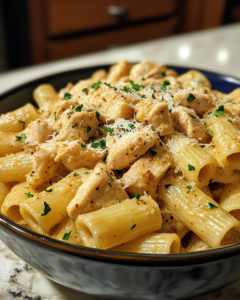
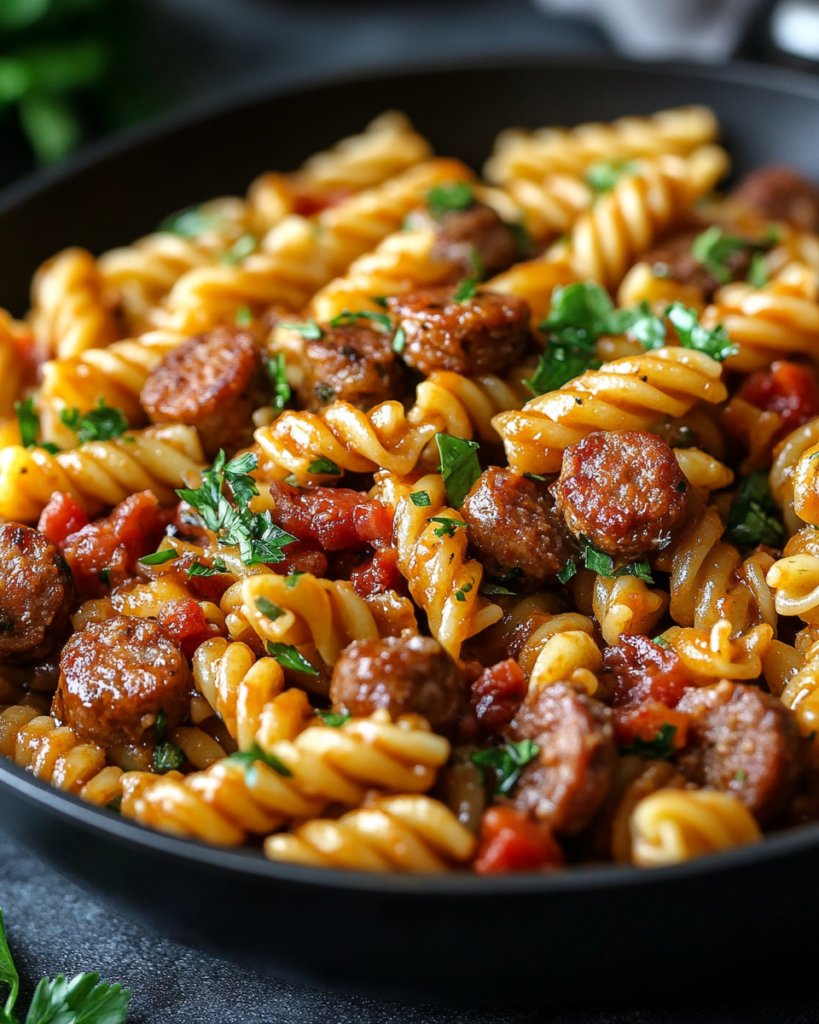
A 20-minute pasta dinner brings fast comfort to a single pan without complicated steps or long prep. This dish focuses on tender pasta coated in a creamy sauce, finished with garlic, olive oil, and a light touch of herbs for balance.

Each bite delivers smooth texture with warm savory notes, ideal for busy evenings when a satisfying plate is preferred without long kitchen effort. The sauce forms while pasta cooks, creating a rich coating that clings to every strand.

This approach keeps the process straightforward, using everyday pantry items and a short cooking window. The result is a creamy bowl that feels comforting while staying light enough for a simple evening meal.

Ingredients Overview
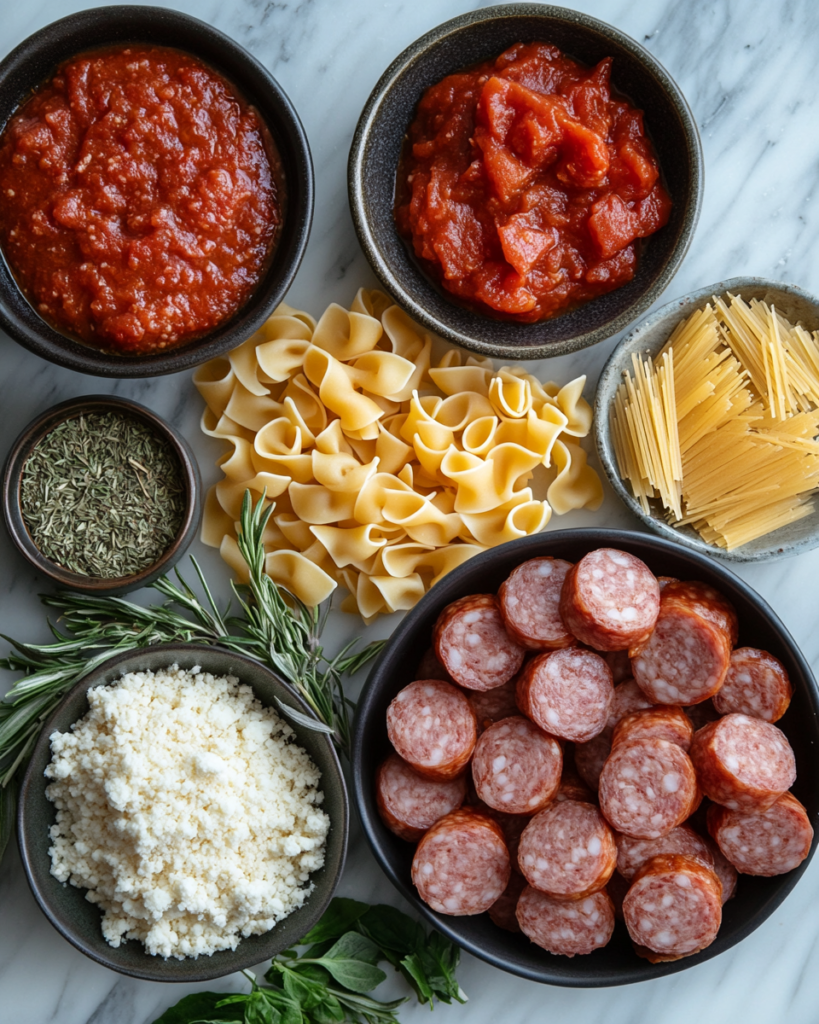
The foundation of this 20-minute pasta dinner begins with pasta that holds sauce well, such as spaghetti, penne, or fusilli. These shapes capture creamy elements and small flavor additions in every bite. Pasta water plays a key role, adding starch that helps form a silky sauce without heaviness.

Garlic adds depth and aroma, gently cooked in olive oil until fragrant. Olive oil provides richness and helps carry flavor through the entire dish. A small amount of butter can be added for extra smoothness, though it remains optional.

Cream forms the base of the sauce, offering a velvety texture that binds all elements together. For a lighter variation, half-and-half or evaporated milk can be used. Parmesan cheese contributes saltiness and body, melting into the sauce for added thickness.

Seasoning stays simple with salt, black pepper, and dried Italian herbs such as oregano or basil. A pinch of chili flakes can add mild warmth without overpowering the dish. Fresh parsley at the end brightens the overall flavor.

Optional additions like spinach, peas, or mushrooms can be included for texture and variety. These ingredients cook quickly and blend smoothly into the sauce, making the dish more substantial without extending preparation steps.

Ingredients

12 ounces spaghetti or penne
3 tablespoons olive oil
3 cloves garlic, minced
1 cup heavy cream
1 cup freshly grated Parmesan cheese
1/2 teaspoon salt
1/4 teaspoon black pepper
1/2 teaspoon dried Italian herbs
1/4 teaspoon chili flakes (optional)
1 tablespoon butter (optional)
2 tablespoons chopped fresh parsley
1/2 cup reserved pasta water
1 cup baby spinach (optional)

Step-by-Step Instructions
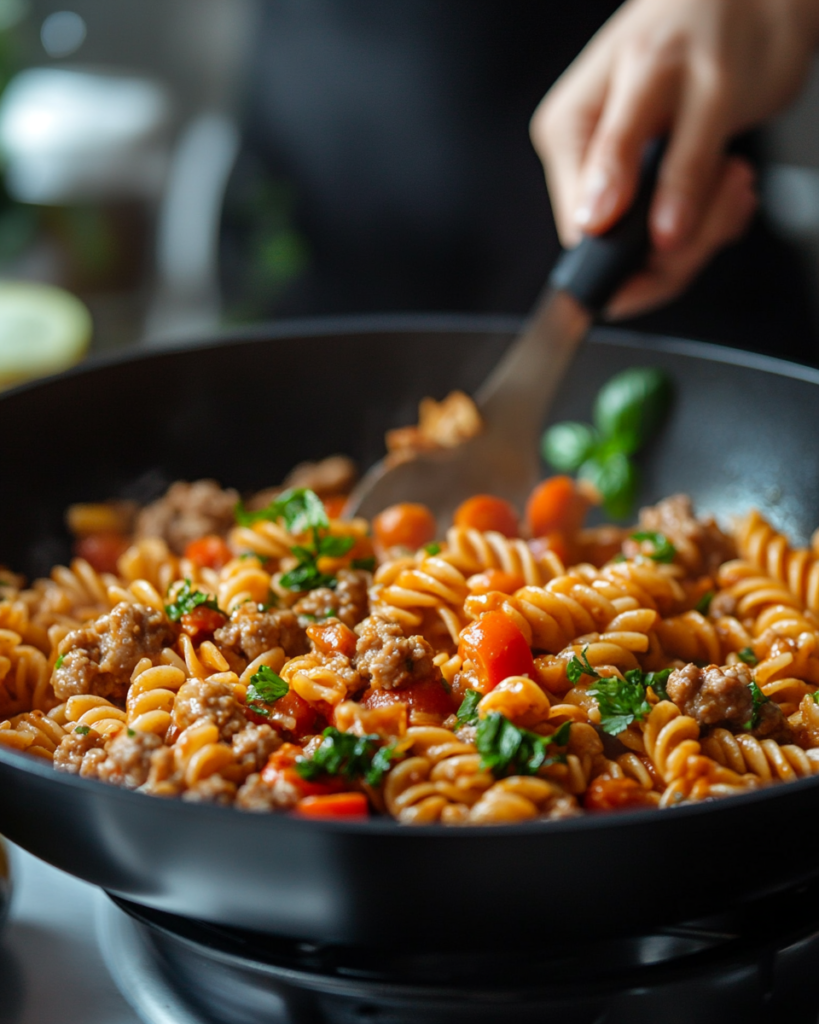
Begin by bringing a large pot of salted water to a boil. Add pasta and cook until tender with slight firmness at the center. Stir occasionally to prevent sticking. Before draining, reserve a cup of pasta water, which will help form the sauce later.

While pasta cooks, warm olive oil in a large skillet over medium heat. Add minced garlic and stir gently until fragrant and lightly golden. Keep the heat controlled to avoid browning, as garlic can turn bitter if overcooked.

Pour in cream and reduce heat slightly. Stir continuously until the mixture becomes smooth and warm. Add salt, pepper, dried herbs, and chili flakes if desired. Allow the mixture to simmer gently so flavors combine.

Add drained pasta directly into the skillet. Toss gently to coat each piece with sauce. Gradually add reserved pasta water, a small amount at a time, until the sauce reaches a silky consistency that clings to pasta.

Stir in Parmesan cheese until fully melted. The sauce will thicken slightly as cheese blends with cream and starch from pasta water. Add butter if using, allowing it to melt into the sauce for added smoothness.

Fold in spinach if included, letting residual heat soften the leaves. Continue stirring until everything is evenly coated. Remove from heat and sprinkle fresh parsley on top before serving.

Avoid high heat after cream is added, as it can cause separation. Stir gently to maintain a smooth texture. If sauce becomes too thick, a splash of pasta water restores balance.

Tips, Variations & Substitutions

For a lighter version of this 20-minute pasta dinner, replace heavy cream with half-and-half or a mix of milk and a small amount of cream. This keeps texture smooth while reducing richness slightly.

Protein additions such as grilled chicken strips, sautéed shrimp, or white beans can turn this dish into a fuller meal. Each option blends well with the creamy base without requiring complex preparation.

Vegetable variations include zucchini ribbons, cherry tomatoes, or mushrooms. These ingredients cook quickly and add texture contrast. Roasted vegetables can also be stirred in for deeper flavor.

For a dairy-free approach, use plant-based cream and nutritional yeast instead of Parmesan. Olive oil alone can still create a silky sauce when combined with pasta water.

Herb changes can shift the flavor profile. Basil offers a sweet note, while thyme adds earthy depth. A small amount of lemon zest can brighten the final dish without changing structure.

Serving Ideas & Occasions

This pasta fits well into casual evening meals, especially when a warm bowl of comfort food is desired without extended preparation. It pairs nicely with simple sides such as green salad, roasted vegetables, or toasted bread.

A light sparkling drink or chilled iced tea complements the creamy texture and keeps the meal balanced. The dish also works well for shared plates, served directly from the skillet for a relaxed dining style.

It suits weekday meals, quick gatherings, or situations where a satisfying dish is preferred without complex steps or multiple pans.

Nutritional & Health Notes

This 20-minute pasta dinner provides carbohydrates for energy, fats from olive oil and cream, and protein from cheese. It can be adjusted based on ingredient choices to suit different dietary preferences.

Adding vegetables increases fiber content and adds vitamins without changing cooking structure. Reducing cream or cheese lowers overall richness while maintaining flavor balance.

Portion control allows flexibility depending on dietary goals. The dish remains adaptable for lighter or more filling servings based on ingredient adjustments.

FAQs

Can gluten-free pasta be used?

Gluten-free pasta works well in this recipe. Cooking duration may vary slightly depending on the brand, so monitoring texture is important. A firm yet tender bite works best, as overcooking can lead to a softer structure. The sauce pairs well with rice-based or corn-based pasta options, which absorb creamy elements effectively.

What type of cream works best?

Heavy cream provides the richest texture, forming a smooth sauce that clings to pasta. Lighter alternatives such as half-and-half or evaporated milk also work, though the sauce will be slightly thinner. Each option blends well with cheese and pasta water, allowing flexibility based on dietary preference or pantry availability.

Can vegetables be added?

Vegetables such as spinach, mushrooms, peas, or zucchini fit well into this dish. They cook quickly and blend into the creamy sauce without altering structure. Pre-cooked vegetables can also be used for added convenience. Each addition introduces texture and color while maintaining a balanced flavor profile.

How can sauce thickness be adjusted?

Reserved pasta water plays a key role in adjusting consistency. Adding small amounts gradually loosens thick sauce, while additional cheese or gentle simmering thickens it. Stirring continuously helps maintain smooth texture without separation. Balance can be achieved based on preference for lighter or richer coating.

Can protein be included?

Grilled chicken, shrimp, or tofu can be added for additional protein. These ingredients should be cooked separately and folded in at the final stage. Each option blends well with the creamy base without changing cooking structure or requiring extra steps during pasta preparation.

What pasta shapes work best?

Spaghetti, penne, fusilli, and fettuccine all perform well. Shapes with ridges or curves hold sauce effectively, creating consistent flavor in each bite. Long pasta offers a smooth coating experience, while short pasta provides a more textured feel.

How can leftovers be stored?

Leftovers can be placed in a sealed container and kept in refrigeration. When reheating, a small splash of water or cream helps restore sauce texture. Gentle heating on low heat maintains smoothness without separating the sauce.

[rank_math_breadcrumb]

20-minute pasta dinner 20 Quickly Creamy Weeknight Bowl

Photo of author
Author: Carol
Published:

A 20-minute pasta dinner brings fast comfort to a single pan without complicated steps or long prep. This dish focuses on tender pasta coated in a creamy sauce, finished with garlic, olive oil, and a light touch of herbs for balance.

Each bite delivers smooth texture with warm savory notes, ideal for busy evenings when a satisfying plate is preferred without long kitchen effort. The sauce forms while pasta cooks, creating a rich coating that clings to every strand.

This approach keeps the process straightforward, using everyday pantry items and a short cooking window. The result is a creamy bowl that feels comforting while staying light enough for a simple evening meal.

Ingredients Overview

The foundation of this 20-minute pasta dinner begins with pasta that holds sauce well, such as spaghetti, penne, or fusilli. These shapes capture creamy elements and small flavor additions in every bite. Pasta water plays a key role, adding starch that helps form a silky sauce without heaviness.

Garlic adds depth and aroma, gently cooked in olive oil until fragrant. Olive oil provides richness and helps carry flavor through the entire dish. A small amount of butter can be added for extra smoothness, though it remains optional.

Cream forms the base of the sauce, offering a velvety texture that binds all elements together. For a lighter variation, half-and-half or evaporated milk can be used. Parmesan cheese contributes saltiness and body, melting into the sauce for added thickness.

Seasoning stays simple with salt, black pepper, and dried Italian herbs such as oregano or basil. A pinch of chili flakes can add mild warmth without overpowering the dish. Fresh parsley at the end brightens the overall flavor.

Optional additions like spinach, peas, or mushrooms can be included for texture and variety. These ingredients cook quickly and blend smoothly into the sauce, making the dish more substantial without extending preparation steps.

Ingredients

12 ounces spaghetti or penne
3 tablespoons olive oil
3 cloves garlic, minced
1 cup heavy cream
1 cup freshly grated Parmesan cheese
1/2 teaspoon salt
1/4 teaspoon black pepper
1/2 teaspoon dried Italian herbs
1/4 teaspoon chili flakes (optional)
1 tablespoon butter (optional)
2 tablespoons chopped fresh parsley
1/2 cup reserved pasta water
1 cup baby spinach (optional)

Step-by-Step Instructions

Begin by bringing a large pot of salted water to a boil. Add pasta and cook until tender with slight firmness at the center. Stir occasionally to prevent sticking. Before draining, reserve a cup of pasta water, which will help form the sauce later.

While pasta cooks, warm olive oil in a large skillet over medium heat. Add minced garlic and stir gently until fragrant and lightly golden. Keep the heat controlled to avoid browning, as garlic can turn bitter if overcooked.

Pour in cream and reduce heat slightly. Stir continuously until the mixture becomes smooth and warm. Add salt, pepper, dried herbs, and chili flakes if desired. Allow the mixture to simmer gently so flavors combine.

Add drained pasta directly into the skillet. Toss gently to coat each piece with sauce. Gradually add reserved pasta water, a small amount at a time, until the sauce reaches a silky consistency that clings to pasta.

Stir in Parmesan cheese until fully melted. The sauce will thicken slightly as cheese blends with cream and starch from pasta water. Add butter if using, allowing it to melt into the sauce for added smoothness.

Fold in spinach if included, letting residual heat soften the leaves. Continue stirring until everything is evenly coated. Remove from heat and sprinkle fresh parsley on top before serving.

Avoid high heat after cream is added, as it can cause separation. Stir gently to maintain a smooth texture. If sauce becomes too thick, a splash of pasta water restores balance.

Tips, Variations & Substitutions

For a lighter version of this 20-minute pasta dinner, replace heavy cream with half-and-half or a mix of milk and a small amount of cream. This keeps texture smooth while reducing richness slightly.

Protein additions such as grilled chicken strips, sautéed shrimp, or white beans can turn this dish into a fuller meal. Each option blends well with the creamy base without requiring complex preparation.

Vegetable variations include zucchini ribbons, cherry tomatoes, or mushrooms. These ingredients cook quickly and add texture contrast. Roasted vegetables can also be stirred in for deeper flavor.

For a dairy-free approach, use plant-based cream and nutritional yeast instead of Parmesan. Olive oil alone can still create a silky sauce when combined with pasta water.

Herb changes can shift the flavor profile. Basil offers a sweet note, while thyme adds earthy depth. A small amount of lemon zest can brighten the final dish without changing structure.

Serving Ideas & Occasions

This pasta fits well into casual evening meals, especially when a warm bowl of comfort food is desired without extended preparation. It pairs nicely with simple sides such as green salad, roasted vegetables, or toasted bread.

A light sparkling drink or chilled iced tea complements the creamy texture and keeps the meal balanced. The dish also works well for shared plates, served directly from the skillet for a relaxed dining style.

It suits weekday meals, quick gatherings, or situations where a satisfying dish is preferred without complex steps or multiple pans.

Nutritional & Health Notes

This 20-minute pasta dinner provides carbohydrates for energy, fats from olive oil and cream, and protein from cheese. It can be adjusted based on ingredient choices to suit different dietary preferences.

Adding vegetables increases fiber content and adds vitamins without changing cooking structure. Reducing cream or cheese lowers overall richness while maintaining flavor balance.

Portion control allows flexibility depending on dietary goals. The dish remains adaptable for lighter or more filling servings based on ingredient adjustments.

FAQs

Can gluten-free pasta be used?

Gluten-free pasta works well in this recipe. Cooking duration may vary slightly depending on the brand, so monitoring texture is important. A firm yet tender bite works best, as overcooking can lead to a softer structure. The sauce pairs well with rice-based or corn-based pasta options, which absorb creamy elements effectively.

What type of cream works best?

Heavy cream provides the richest texture, forming a smooth sauce that clings to pasta. Lighter alternatives such as half-and-half or evaporated milk also work, though the sauce will be slightly thinner. Each option blends well with cheese and pasta water, allowing flexibility based on dietary preference or pantry availability.

Can vegetables be added?

Vegetables such as spinach, mushrooms, peas, or zucchini fit well into this dish. They cook quickly and blend into the creamy sauce without altering structure. Pre-cooked vegetables can also be used for added convenience. Each addition introduces texture and color while maintaining a balanced flavor profile.

How can sauce thickness be adjusted?

Reserved pasta water plays a key role in adjusting consistency. Adding small amounts gradually loosens thick sauce, while additional cheese or gentle simmering thickens it. Stirring continuously helps maintain smooth texture without separation. Balance can be achieved based on preference for lighter or richer coating.

Can protein be included?

Grilled chicken, shrimp, or tofu can be added for additional protein. These ingredients should be cooked separately and folded in at the final stage. Each option blends well with the creamy base without changing cooking structure or requiring extra steps during pasta preparation.

What pasta shapes work best?

Spaghetti, penne, fusilli, and fettuccine all perform well. Shapes with ridges or curves hold sauce effectively, creating consistent flavor in each bite. Long pasta offers a smooth coating experience, while short pasta provides a more textured feel.

How can leftovers be stored?

Leftovers can be placed in a sealed container and kept in refrigeration. When reheating, a small splash of water or cream helps restore sauce texture. Gentle heating on low heat maintains smoothness without separating the sauce.
Name

Lorem ipsum dolor sit amet, consectetur adipiscing elit. Suspendisse varius enim in eros elementum tristique. Duis cursus, mi quis viverra ornare, eros dolor interdum nulla, ut commodo diam libero vitae erat.

You Might Also Like...

Lemon Herb Chicken Bowtie Pasta 5 Simple Surprising Meal

Lemon Herb Chicken Bowtie Pasta 5 Simple Surprising Meal

Chicken Scampi Angel Hair 7 Simple Creamy Delight

Chicken Scampi Angel Hair 7 Simple Creamy Delight

Chicken Alfredo Spinach Bake 5 Simple Cozy Comfort

Chicken Alfredo Spinach Bake 5 Simple Cozy Comfort

Homestyle Chicken Noodle Skillet 30-Min Simple Fearless

Homestyle Chicken Noodle Skillet 30-Min Simple Fearless

Tags:

You might also like these recipes

Leave a Comment