Zucchini Pasta with Sauce 7 Fresh Cozy Dish

Posted on

Veggies

Difficulty

Prep time

Cooking time

Total time

Servings

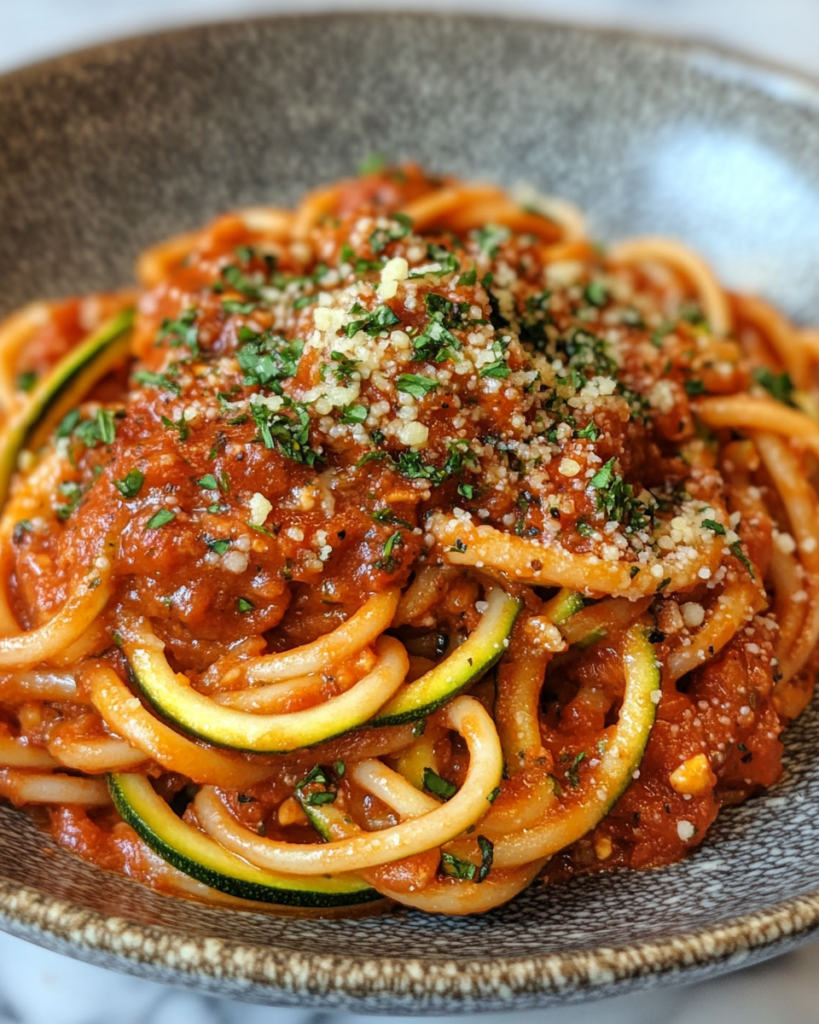
Zucchini pasta with sauce brings a light yet satisfying plate centered around tender vegetable strands coated in a rich tomato-based coating. This dish replaces traditional pasta with spiral-cut zucchini, creating a softer, garden-forward base that carries flavor beautifully.

The sauce clings gently to each strand, creating a balanced bite that feels comforting without heaviness. It suits home cooking routines where simplicity and freshness guide the plate.

This preparation works well for weekday meals or relaxed gatherings where a warm, saucy dish is appreciated. The zucchini softens slightly while still holding structure, while the sauce builds depth through slow simmering.

Each forkful delivers a contrast between the mild vegetable base and the bold, savory sauce. The result is a comforting dish that feels both nourishing and satisfying.

Ingredients Overview
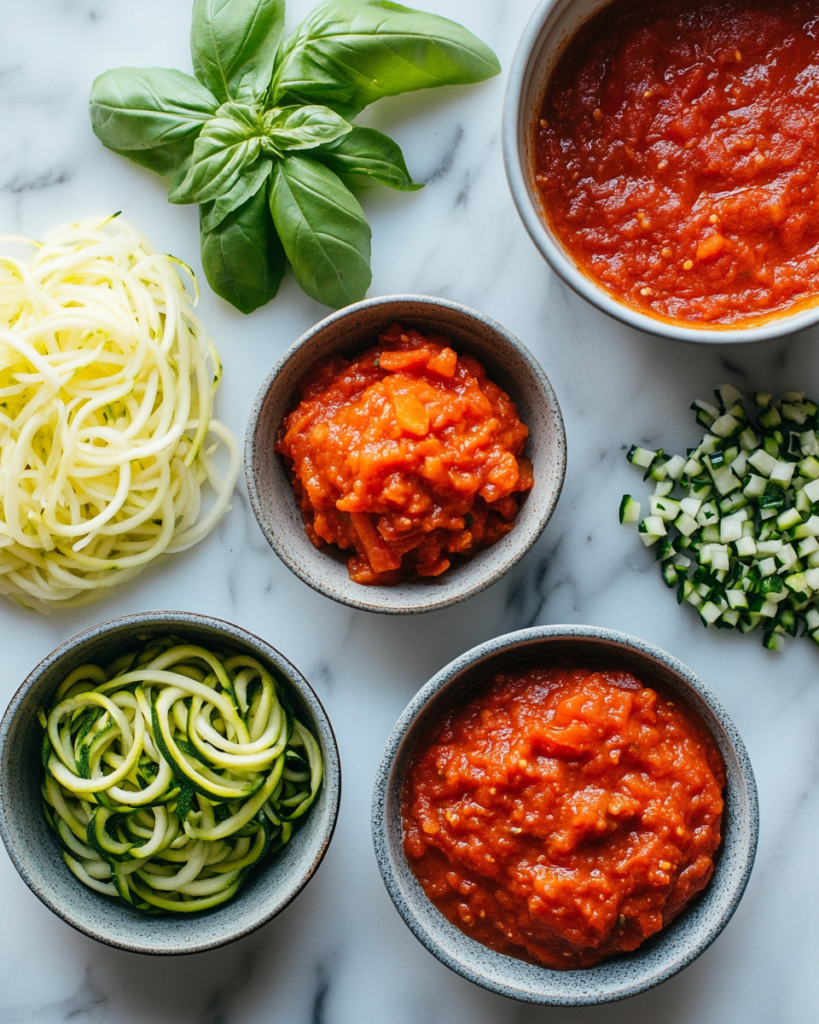
Zucchini serves as the foundation of this dish, replacing wheat-based pasta with a tender, vegetable-forward alternative. When spiralized, zucchini forms long strands that mimic noodles while absorbing the sauce’s flavors. Selecting firm zucchini with smooth skin helps maintain structure during cooking.

The sauce relies on ripe tomatoes or canned crushed tomatoes, forming a rich base with natural sweetness and acidity. Garlic and onion create aromatic depth, slowly softening as they cook. Olive oil supports the cooking process, helping flavors blend together.

Herbs such as basil and oregano introduce a fragrant, earthy note that lifts the sauce. Salt and black pepper adjust seasoning, allowing balance across the entire dish. A small amount of tomato paste can deepen richness if desired.

Parmesan cheese is optional but adds a savory finish when sprinkled on top. For variations, ground turkey, lentils, or mushrooms can be incorporated into the sauce for added texture and protein.

Zucchini noodles work best when lightly sautéed or gently warmed rather than heavily cooked, preserving a pleasant bite. The combination of vegetable strands and sauce creates a cohesive dish that feels hearty without relying on traditional pasta.

Ingredients

3 medium zucchini, spiralized
2 tablespoons olive oil
1 small yellow onion, finely chopped
3 cloves garlic, minced
2 cups crushed tomatoes
1 tablespoon tomato paste
1/2 teaspoon salt
1/4 teaspoon black pepper
1 teaspoon dried oregano
1/4 cup fresh basil leaves, chopped
1/4 teaspoon red pepper flakes (optional)
1/4 cup grated Parmesan cheese (optional)

Step-by-Step Instructions
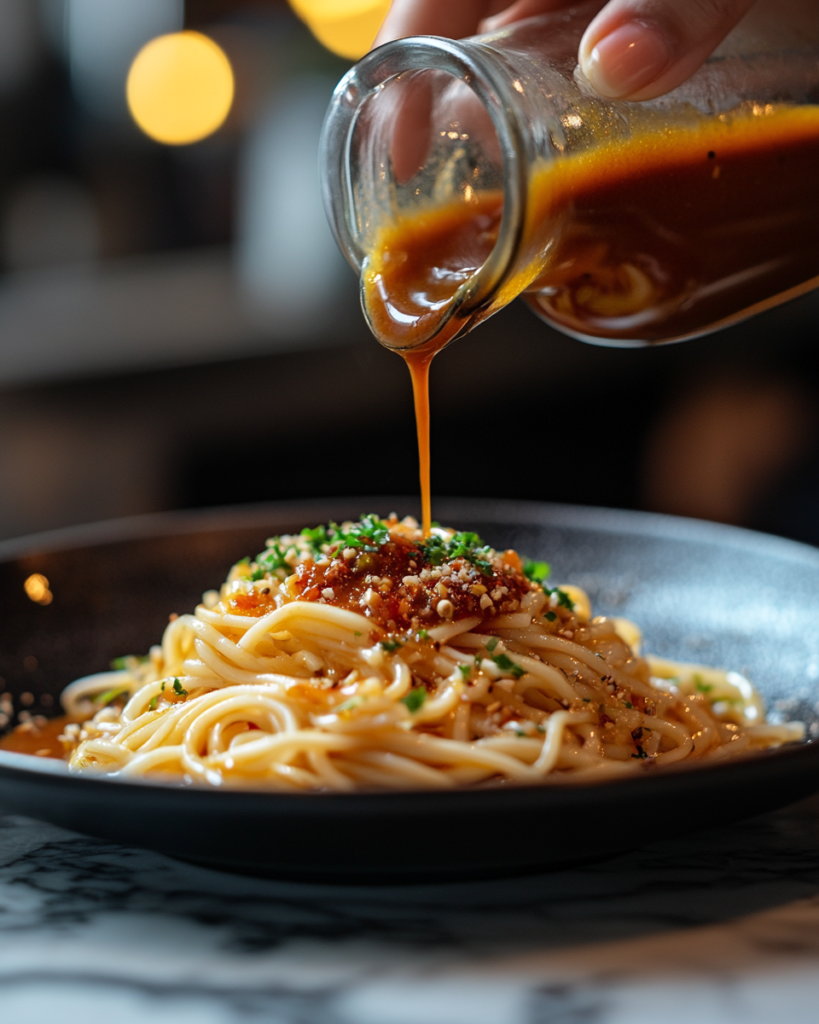
Begin by preparing the zucchini. Wash and trim both ends, then spiralize into noodle-like strands. Place them on a clean towel and lightly pat to remove excess moisture. This step helps prevent excess liquid during cooking and maintains a better texture.

Heat olive oil in a large skillet over medium heat. Add chopped onion and cook until soft and translucent, about 4–5 minutes. Stir occasionally to prevent browning too quickly. Once softened, add minced garlic and cook for about 30 seconds until fragrant.

Pour in crushed tomatoes and tomato paste, stirring to combine. Add salt, black pepper, oregano, and red pepper flakes if using. Lower the heat and allow the sauce to simmer for 15–20 minutes. Stir occasionally as it thickens and deepens in color.

While the sauce simmers, place another skillet over medium heat. Add zucchini strands and sauté for 2–3 minutes, just until slightly tender. Avoid overcooking, as zucchini releases water quickly and can become too soft.

Once the sauce has reached a thick consistency, add fresh basil and stir gently. Taste and adjust seasoning if necessary. Combine the zucchini strands with the sauce in the skillet, tossing lightly to coat evenly.

Allow everything to warm together for 1–2 minutes so flavors blend. Remove from heat and transfer to serving plates. Top with grated Parmesan cheese if desired.

Common mistakes include overcooking zucchini, which leads to a watery texture, or simmering the sauce at too high a temperature, which can reduce depth of flavor. Keeping heat controlled ensures a balanced result.

Tips, Variations & Substitutions

For a richer sauce, add a splash of vegetable broth during simmering. This increases depth without overpowering the tomato base. If a thicker texture is preferred, extend simmering slightly to reduce liquid naturally.

Protein additions such as sautéed mushrooms, ground chicken, or lentils can be stirred into the sauce. These ingredients absorb seasoning and contribute a heartier profile without altering the structure of the dish.

For a dairy-free version, skip Parmesan and finish with a drizzle of olive oil. Nutritional yeast can also be sprinkled for a savory note.

Spice levels can be adjusted by increasing or removing red pepper flakes. Fresh herbs such as parsley or thyme can substitute basil if desired, offering different aromatic qualities.

Zucchini can also be lightly roasted instead of sautéed for a slightly firmer texture. This variation adds a subtle caramelized edge to the dish.

Serving Ideas & Occasions

Zucchini pasta with sauce pairs well with crusty bread or a light green salad. The freshness of the salad balances the warm, saucy base, while bread helps gather remaining sauce from the plate.

This dish fits well into weekday dinners, relaxed lunches, or shared family-style meals. It also works well for warm-weather dining when lighter plates are preferred.

For beverages, sparkling water with citrus or a chilled herbal infusion complements the tomato and herb profile. The dish can be served in shallow bowls to highlight its saucy consistency.

Nutritional & Health Notes

This dish offers a vegetable-forward alternative to traditional pasta, reducing refined carbohydrate content while increasing vegetable intake. Zucchini provides hydration and fiber, supporting a balanced plate structure.

Tomato-based sauce contributes natural antioxidants and vitamin C. Olive oil adds healthy fats that support satiety and flavor absorption.

Protein additions can adjust nutritional balance depending on dietary goals. Cheese provides calcium and additional protein, though it remains optional.

Portion size can be adjusted easily, as zucchini strands are naturally light while still providing volume.

FAQs

Can zucchini pasta be stored after cooking?

Yes, it can be stored in an airtight container in the refrigerator for up to two days. However, zucchini releases moisture over time, which may soften the texture. For best results, store sauce and zucchini separately if planning ahead. Reheat the sauce gently on the stove, then combine with freshly warmed zucchini strands before serving.

Can frozen zucchini be used?

Frozen zucchini is possible, but it tends to release more water after thawing. This can lead to a softer texture. If using frozen zucchini, drain excess moisture thoroughly and sauté briefly before combining with sauce. Fresh zucchini is preferred for firmer strands and better structure.

What type of tomatoes work best?

Crushed tomatoes provide a balanced texture for sauce coating. Whole peeled tomatoes can also be used if blended after cooking. Fresh ripe tomatoes are another option during peak season, though they require longer simmering to develop depth.

How can sauce thickness be adjusted?

To thicken sauce, simmer uncovered for a longer period so moisture reduces naturally. Adding a small amount of tomato paste also increases density. If the sauce becomes too thick, a splash of water or broth can restore balance.

Can this dish be served cold?

Yes, it can be enjoyed at room temperature or slightly chilled. In this form, it resembles a vegetable salad with sauce coating. However, warming enhances aroma and texture, giving a more cohesive eating experience.

What herbs pair well besides basil?

Parsley, thyme, and oregano all complement the tomato base. Parsley adds brightness, thyme introduces earthy notes, and oregano strengthens the savory profile. A combination can be used depending on preference.

How can extra protein be added?

Cooked lentils, chickpeas, or sautéed chicken pieces can be added directly into the sauce. These ingredients absorb flavor well and increase satiety without altering the structure of the zucchini strands.

[rank_math_breadcrumb]

Zucchini Pasta with Sauce 7 Fresh Cozy Dish

Photo of author
Author: Carol
Published:

Zucchini pasta with sauce brings a light yet satisfying plate centered around tender vegetable strands coated in a rich tomato-based coating. This dish replaces traditional pasta with spiral-cut zucchini, creating a softer, garden-forward base that carries flavor beautifully.

The sauce clings gently to each strand, creating a balanced bite that feels comforting without heaviness. It suits home cooking routines where simplicity and freshness guide the plate.

This preparation works well for weekday meals or relaxed gatherings where a warm, saucy dish is appreciated. The zucchini softens slightly while still holding structure, while the sauce builds depth through slow simmering.

Each forkful delivers a contrast between the mild vegetable base and the bold, savory sauce. The result is a comforting dish that feels both nourishing and satisfying.

Ingredients Overview

Zucchini serves as the foundation of this dish, replacing wheat-based pasta with a tender, vegetable-forward alternative. When spiralized, zucchini forms long strands that mimic noodles while absorbing the sauce’s flavors. Selecting firm zucchini with smooth skin helps maintain structure during cooking.

The sauce relies on ripe tomatoes or canned crushed tomatoes, forming a rich base with natural sweetness and acidity. Garlic and onion create aromatic depth, slowly softening as they cook. Olive oil supports the cooking process, helping flavors blend together.

Herbs such as basil and oregano introduce a fragrant, earthy note that lifts the sauce. Salt and black pepper adjust seasoning, allowing balance across the entire dish. A small amount of tomato paste can deepen richness if desired.

Parmesan cheese is optional but adds a savory finish when sprinkled on top. For variations, ground turkey, lentils, or mushrooms can be incorporated into the sauce for added texture and protein.

Zucchini noodles work best when lightly sautéed or gently warmed rather than heavily cooked, preserving a pleasant bite. The combination of vegetable strands and sauce creates a cohesive dish that feels hearty without relying on traditional pasta.

Ingredients

3 medium zucchini, spiralized
2 tablespoons olive oil
1 small yellow onion, finely chopped
3 cloves garlic, minced
2 cups crushed tomatoes
1 tablespoon tomato paste
1/2 teaspoon salt
1/4 teaspoon black pepper
1 teaspoon dried oregano
1/4 cup fresh basil leaves, chopped
1/4 teaspoon red pepper flakes (optional)
1/4 cup grated Parmesan cheese (optional)

Step-by-Step Instructions

Begin by preparing the zucchini. Wash and trim both ends, then spiralize into noodle-like strands. Place them on a clean towel and lightly pat to remove excess moisture. This step helps prevent excess liquid during cooking and maintains a better texture.

Heat olive oil in a large skillet over medium heat. Add chopped onion and cook until soft and translucent, about 4–5 minutes. Stir occasionally to prevent browning too quickly. Once softened, add minced garlic and cook for about 30 seconds until fragrant.

Pour in crushed tomatoes and tomato paste, stirring to combine. Add salt, black pepper, oregano, and red pepper flakes if using. Lower the heat and allow the sauce to simmer for 15–20 minutes. Stir occasionally as it thickens and deepens in color.

While the sauce simmers, place another skillet over medium heat. Add zucchini strands and sauté for 2–3 minutes, just until slightly tender. Avoid overcooking, as zucchini releases water quickly and can become too soft.

Once the sauce has reached a thick consistency, add fresh basil and stir gently. Taste and adjust seasoning if necessary. Combine the zucchini strands with the sauce in the skillet, tossing lightly to coat evenly.

Allow everything to warm together for 1–2 minutes so flavors blend. Remove from heat and transfer to serving plates. Top with grated Parmesan cheese if desired.

Common mistakes include overcooking zucchini, which leads to a watery texture, or simmering the sauce at too high a temperature, which can reduce depth of flavor. Keeping heat controlled ensures a balanced result.

Tips, Variations & Substitutions

For a richer sauce, add a splash of vegetable broth during simmering. This increases depth without overpowering the tomato base. If a thicker texture is preferred, extend simmering slightly to reduce liquid naturally.

Protein additions such as sautéed mushrooms, ground chicken, or lentils can be stirred into the sauce. These ingredients absorb seasoning and contribute a heartier profile without altering the structure of the dish.

For a dairy-free version, skip Parmesan and finish with a drizzle of olive oil. Nutritional yeast can also be sprinkled for a savory note.

Spice levels can be adjusted by increasing or removing red pepper flakes. Fresh herbs such as parsley or thyme can substitute basil if desired, offering different aromatic qualities.

Zucchini can also be lightly roasted instead of sautéed for a slightly firmer texture. This variation adds a subtle caramelized edge to the dish.

Serving Ideas & Occasions

Zucchini pasta with sauce pairs well with crusty bread or a light green salad. The freshness of the salad balances the warm, saucy base, while bread helps gather remaining sauce from the plate.

This dish fits well into weekday dinners, relaxed lunches, or shared family-style meals. It also works well for warm-weather dining when lighter plates are preferred.

For beverages, sparkling water with citrus or a chilled herbal infusion complements the tomato and herb profile. The dish can be served in shallow bowls to highlight its saucy consistency.

Nutritional & Health Notes

This dish offers a vegetable-forward alternative to traditional pasta, reducing refined carbohydrate content while increasing vegetable intake. Zucchini provides hydration and fiber, supporting a balanced plate structure.

Tomato-based sauce contributes natural antioxidants and vitamin C. Olive oil adds healthy fats that support satiety and flavor absorption.

Protein additions can adjust nutritional balance depending on dietary goals. Cheese provides calcium and additional protein, though it remains optional.

Portion size can be adjusted easily, as zucchini strands are naturally light while still providing volume.

FAQs

Can zucchini pasta be stored after cooking?

Yes, it can be stored in an airtight container in the refrigerator for up to two days. However, zucchini releases moisture over time, which may soften the texture. For best results, store sauce and zucchini separately if planning ahead. Reheat the sauce gently on the stove, then combine with freshly warmed zucchini strands before serving.

Can frozen zucchini be used?

Frozen zucchini is possible, but it tends to release more water after thawing. This can lead to a softer texture. If using frozen zucchini, drain excess moisture thoroughly and sauté briefly before combining with sauce. Fresh zucchini is preferred for firmer strands and better structure.

What type of tomatoes work best?

Crushed tomatoes provide a balanced texture for sauce coating. Whole peeled tomatoes can also be used if blended after cooking. Fresh ripe tomatoes are another option during peak season, though they require longer simmering to develop depth.

How can sauce thickness be adjusted?

To thicken sauce, simmer uncovered for a longer period so moisture reduces naturally. Adding a small amount of tomato paste also increases density. If the sauce becomes too thick, a splash of water or broth can restore balance.

Can this dish be served cold?

Yes, it can be enjoyed at room temperature or slightly chilled. In this form, it resembles a vegetable salad with sauce coating. However, warming enhances aroma and texture, giving a more cohesive eating experience.

What herbs pair well besides basil?

Parsley, thyme, and oregano all complement the tomato base. Parsley adds brightness, thyme introduces earthy notes, and oregano strengthens the savory profile. A combination can be used depending on preference.

How can extra protein be added?

Cooked lentils, chickpeas, or sautéed chicken pieces can be added directly into the sauce. These ingredients absorb flavor well and increase satiety without altering the structure of the zucchini strands.
Name

Lorem ipsum dolor sit amet, consectetur adipiscing elit. Suspendisse varius enim in eros elementum tristique. Duis cursus, mi quis viverra ornare, eros dolor interdum nulla, ut commodo diam libero vitae erat.

You Might Also Like...

Lemon Herb Chicken Bowtie Pasta 5 Simple Surprising Meal

Lemon Herb Chicken Bowtie Pasta 5 Simple Surprising Meal

Chicken Scampi Angel Hair 7 Simple Creamy Delight

Chicken Scampi Angel Hair 7 Simple Creamy Delight

Chicken Alfredo Spinach Bake 5 Simple Cozy Comfort

Chicken Alfredo Spinach Bake 5 Simple Cozy Comfort

Homestyle Chicken Noodle Skillet 30-Min Simple Fearless

Homestyle Chicken Noodle Skillet 30-Min Simple Fearless

Tags:

You might also like these recipes

Leave a Comment