Veggie-loaded pasta 1 Simple Cozy Delight

Posted on

Veggies

Difficulty

Prep time

Cooking time

Total time

Servings

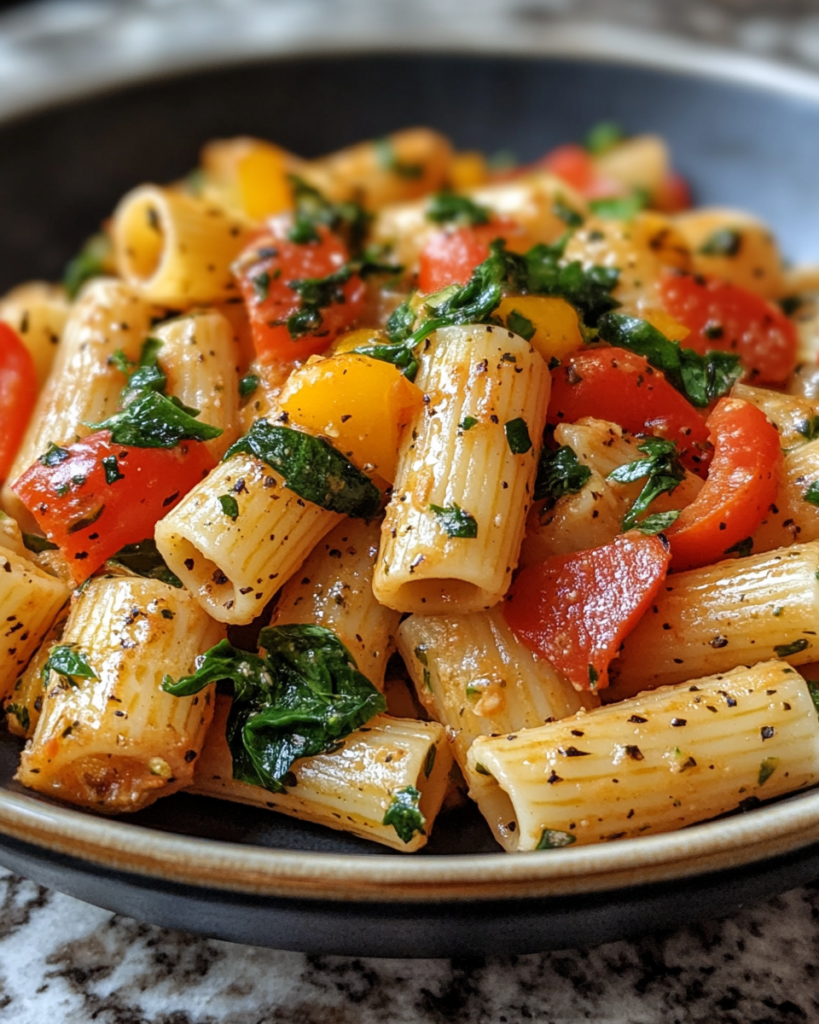
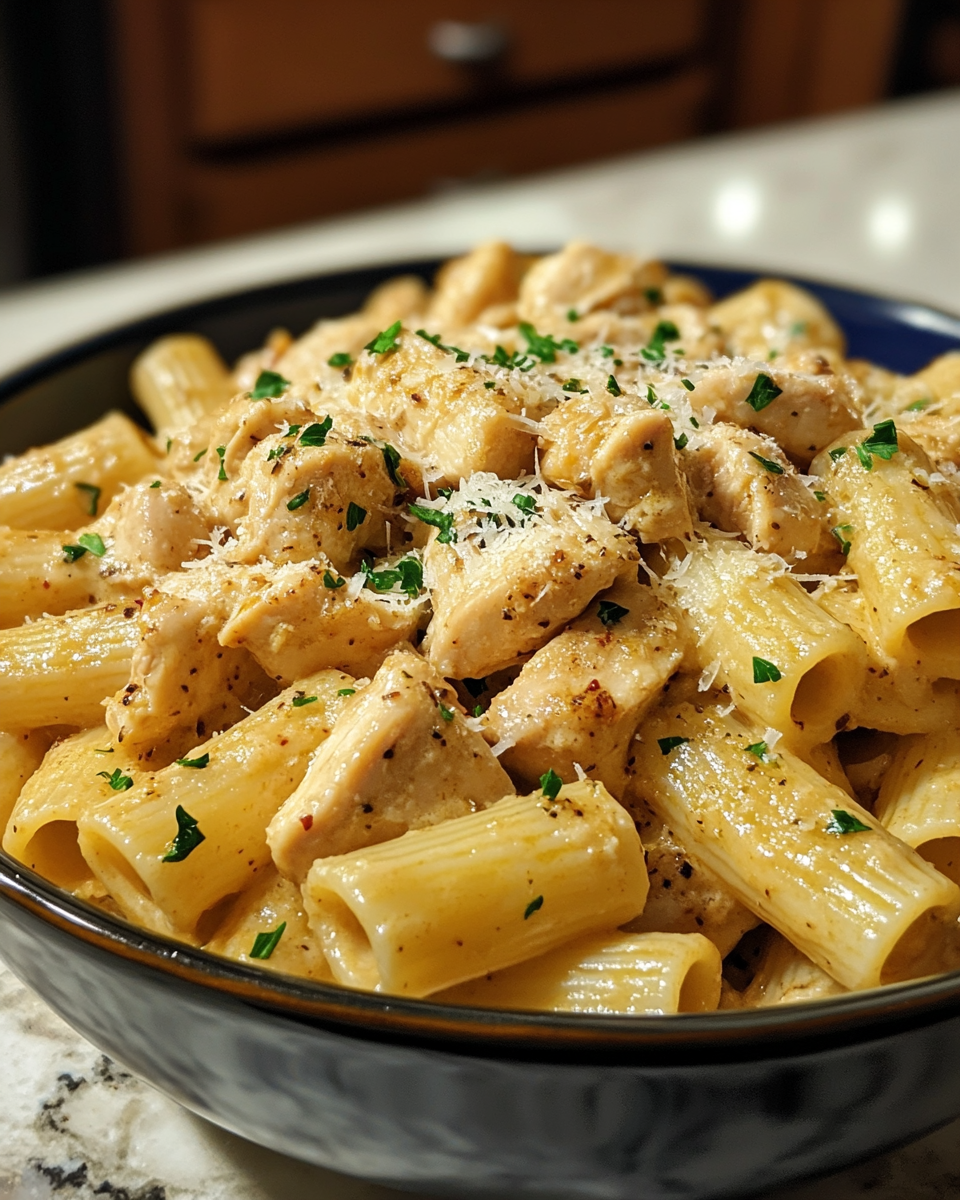
This Veggie-loaded pasta is a comforting bowl packed with colorful vegetables, tender pasta, and a light savory sauce that brings everything together in a naturally rich way. It is the kind of meal that fits easily into busy weeknights while still feeling warm and satisfying on the table.

Veggie-loaded pasta celebrates fresh produce in a way that feels balanced and filling. Each bite brings a mix of textures, from soft-cooked vegetables to perfectly tender pasta, all coated in a gentle garlic and tomato base.

It works well as a main dish on its own or as a side alongside grilled proteins. The beauty of Veggie-loaded pasta is how flexible it is, letting you use seasonal vegetables without changing the heart of the dish.

The result is a wholesome pasta bowl that feels comforting, colorful, and easy to enjoy any day of the week.

Ingredients Overview
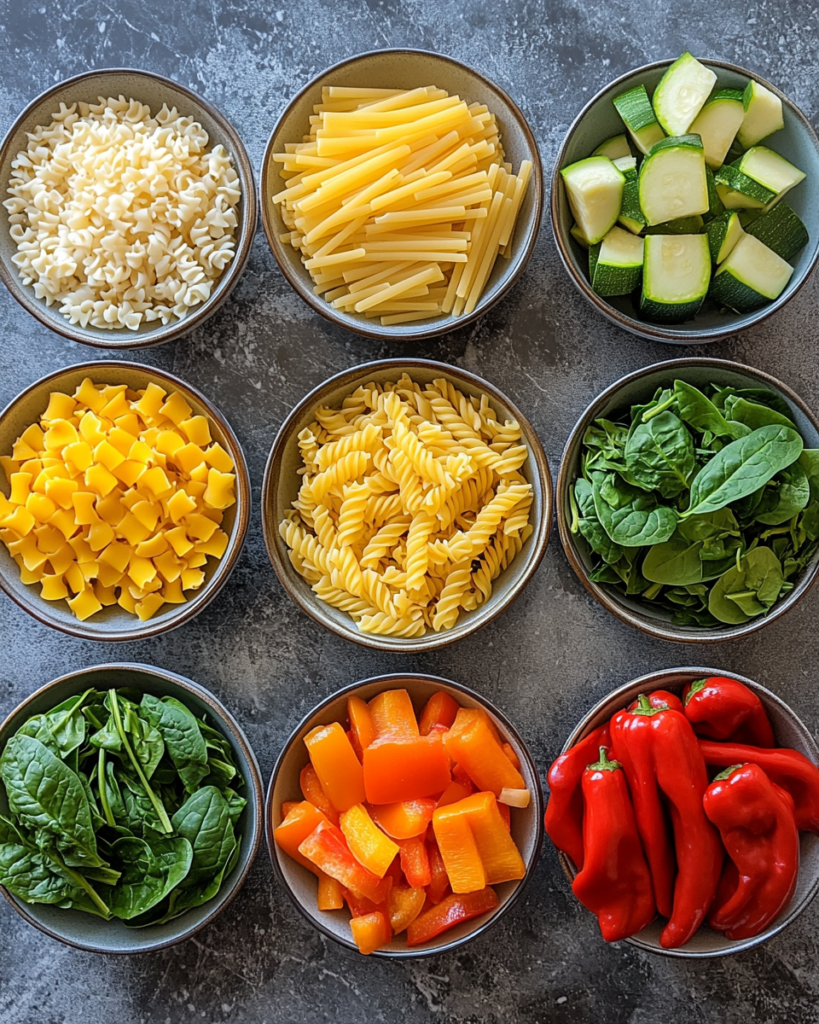
Veggie-loaded pasta relies on a combination of pasta, fresh vegetables, aromatics, and a simple sauce base. The pasta provides structure and heartiness, while vegetables bring freshness, natural sweetness, and texture. A mix of zucchini, bell peppers, spinach, and cherry tomatoes works especially well because they cook at different speeds and create layers of flavor.

Olive oil forms the base of the sauté, helping to soften the vegetables and carry flavor from the garlic and onions. Garlic adds depth, while onion brings a mild sweetness that balances the acidity of tomatoes. Cherry tomatoes break down slightly during cooking, creating a light sauce that coats the pasta without feeling heavy.

For added richness, grated Parmesan can be stirred in at the end, though it can be replaced with nutritional yeast for a dairy-free option. Whole wheat pasta or gluten-free pasta can be used depending on dietary needs, and both hold up well with the vegetable mixture.

Seasonings are intentionally simple, usually salt, black pepper, and dried Italian herbs like oregano or basil. These support the vegetables without overpowering them. Red pepper flakes can be added for gentle heat if desired.

The key to a good Veggie-loaded pasta is balance. The vegetables should stay slightly tender with a bit of bite, while the pasta remains firm enough to hold the sauce. Together, they create a dish that feels hearty yet light enough for regular meals.

Ingredients

12 ounces pasta (penne or fusilli)
2 tablespoons olive oil
1 medium yellow onion, diced
3 cloves garlic, minced
1 medium zucchini, chopped
1 red bell pepper, sliced
1 cup cherry tomatoes, halved
2 cups fresh spinach
1 teaspoon dried oregano
1/2 teaspoon dried basil
1/2 teaspoon salt
1/4 teaspoon black pepper
1/4 teaspoon red pepper flakes (optional)
1/2 cup grated Parmesan cheese (optional)
1/2 cup reserved pasta water
1 tablespoon lemon juice

Step-by-Step Instructions

Begin by bringing a large pot of salted water to a boil. Add the pasta and cook until al dente according to package directions. Before draining, reserve about 1/2 cup of pasta water to help bring the sauce together later.

While the pasta cooks, heat olive oil in a large skillet over medium heat. Add diced onion and cook for about 3 to 4 minutes until it becomes soft and slightly translucent. Stir frequently to prevent browning too quickly, as gentle cooking brings out a sweeter flavor.

Add minced garlic and cook for about 30 seconds until fragrant. Be careful not to let it burn, as it can turn bitter and affect the overall taste of the Veggie-loaded pasta.

Next, add zucchini and red bell pepper to the skillet. Cook for 5 to 6 minutes, stirring occasionally. The vegetables should soften but still hold their shape. This texture is important for a balanced final dish.

Add cherry tomatoes, oregano, basil, salt, black pepper, and red pepper flakes if using. Cook for another 3 to 4 minutes until the tomatoes begin to soften and release their juices, forming a light sauce.

Stir in the fresh spinach and cook just until wilted. This usually takes about 1 to 2 minutes. The spinach should remain bright green and tender.

Add the drained pasta directly into the skillet with the vegetables. Pour in a small amount of reserved pasta water, starting with a few tablespoons, and toss everything together. The starch in the water helps the sauce lightly coat the pasta.

If using Parmesan cheese, sprinkle it in at this stage and mix until melted and evenly distributed. Finish with a splash of lemon juice to brighten the flavors and bring balance to the dish.

Let everything cook together for another minute so the flavors blend well. The final texture should be glossy, lightly coated, and full of colorful vegetables evenly mixed through the pasta.

Tips, Variations & Substitutions

For extra depth, roasted vegetables can be used instead of sautéed ones. Roasting zucchini, peppers, and tomatoes before adding them to the pasta gives a slightly caramelized flavor that changes the overall profile.

If you prefer more protein, chickpeas or white beans can be added directly into the skillet. They blend well with the vegetables and help make the dish more filling without altering its core character.

Whole wheat pasta adds a slightly nutty flavor and extra fiber, while gluten-free pasta works well for dietary needs. Both should be cooked carefully to avoid becoming too soft when mixed with the vegetables.

For a creamier version, a small splash of cream or a spoonful of ricotta can be stirred in at the end. This creates a softer, richer sauce without overpowering the vegetables.

Fresh herbs like basil or parsley can be added just before serving for a brighter finish. A drizzle of olive oil at the end also enhances the texture and aroma.

Serving Ideas & Occasions

Veggie-loaded pasta works well as a main dish for lunch or dinner, especially when a lighter but filling meal is preferred. It pairs nicely with garlic bread, simple green salad, or roasted potatoes for a more complete plate.

It is also a practical choice for meal prep, as the flavors hold up well when stored and reheated. The vegetables maintain their character, and the pasta absorbs even more of the seasoning over time.

This dish is commonly served during casual family meals, weeknight dinners, or relaxed gatherings where comfort food is appreciated without heavy preparation.

A glass of iced tea, sparkling water with lemon, or a light white beverage pairs well with the fresh vegetable profile.

Nutritional & Health Notes

Veggie-loaded pasta offers a balanced mix of carbohydrates, fiber, and vitamins. The vegetables provide nutrients such as vitamin C, potassium, and antioxidants, while the pasta supplies energy through complex carbohydrates.

Using whole wheat pasta increases fiber content, which can support digestion and help maintain fullness for longer periods. Adding olive oil contributes healthy fats that help carry flavor and support nutrient absorption.

The dish can be adjusted easily for different dietary preferences by changing pasta types or skipping cheese. Despite being simple, it provides a wide range of nutrients thanks to its variety of vegetables.

FAQs

Can I use different vegetables in Veggie-loaded pasta?

Yes, this recipe is very flexible. You can substitute or add vegetables based on season or preference. Mushrooms, carrots, broccoli, and peas all work well. The key is to choose vegetables that cook in a similar timeframe or add them in stages so nothing becomes overcooked. The goal is to maintain a mix of textures that keeps the dish interesting while preserving its balance.

What type of pasta works best?

Short pasta shapes like penne, fusilli, or rigatoni work best because they hold the vegetable pieces and sauce well. These shapes create a more even bite compared to long noodles. However, spaghetti or linguine can also be used if preferred. The most important factor is cooking the pasta to al dente so it maintains structure when mixed with the vegetables.

Can Veggie-loaded pasta be made ahead of time?

Yes, it stores well in the refrigerator for up to three days. The flavors often deepen after resting. When reheating, add a splash of water or olive oil to restore moisture. Warm it gently on the stove or in the microwave to avoid drying out the vegetables or overcooking the pasta.

Is it possible to make this dish vegan?

Yes, it can easily be made vegan by skipping the Parmesan cheese or replacing it with nutritional yeast. Nutritional yeast adds a slightly nutty, savory flavor that works well with the vegetables. The rest of the ingredients are naturally plant-based, making it an easy adjustment without changing the structure of the dish.

How can I add more protein?

You can add chickpeas, white beans, lentils, or tofu to increase protein content. These ingredients blend well with the vegetables and pasta without overpowering the flavor. If you prefer animal protein, grilled chicken or shrimp can also be added. The dish remains flexible while still keeping its vegetable-focused base.

Why reserve pasta water?

Pasta water contains starch that helps bind the sauce to the pasta. Adding a small amount during mixing creates a light, glossy coating that improves texture. It also helps loosen the sauce slightly so it spreads more evenly across the vegetables and pasta, resulting in a more cohesive dish.

Can I make Veggie-loaded pasta spicy?

Yes, you can adjust the heat level easily. Red pepper flakes can be increased or fresh chili can be added during cooking. Another option is to finish the dish with a drizzle of chili oil. The spice blends well with the vegetables without overpowering their natural flavors.

[rank_math_breadcrumb]

Veggie-loaded pasta 1 Simple Cozy Delight

Photo of author
Author: Carol
Published:

This Veggie-loaded pasta is a comforting bowl packed with colorful vegetables, tender pasta, and a light savory sauce that brings everything together in a naturally rich way. It is the kind of meal that fits easily into busy weeknights while still feeling warm and satisfying on the table.

Veggie-loaded pasta celebrates fresh produce in a way that feels balanced and filling. Each bite brings a mix of textures, from soft-cooked vegetables to perfectly tender pasta, all coated in a gentle garlic and tomato base.

It works well as a main dish on its own or as a side alongside grilled proteins. The beauty of Veggie-loaded pasta is how flexible it is, letting you use seasonal vegetables without changing the heart of the dish.

The result is a wholesome pasta bowl that feels comforting, colorful, and easy to enjoy any day of the week.

Ingredients Overview

Veggie-loaded pasta relies on a combination of pasta, fresh vegetables, aromatics, and a simple sauce base. The pasta provides structure and heartiness, while vegetables bring freshness, natural sweetness, and texture. A mix of zucchini, bell peppers, spinach, and cherry tomatoes works especially well because they cook at different speeds and create layers of flavor.

Olive oil forms the base of the sauté, helping to soften the vegetables and carry flavor from the garlic and onions. Garlic adds depth, while onion brings a mild sweetness that balances the acidity of tomatoes. Cherry tomatoes break down slightly during cooking, creating a light sauce that coats the pasta without feeling heavy.

For added richness, grated Parmesan can be stirred in at the end, though it can be replaced with nutritional yeast for a dairy-free option. Whole wheat pasta or gluten-free pasta can be used depending on dietary needs, and both hold up well with the vegetable mixture.

Seasonings are intentionally simple, usually salt, black pepper, and dried Italian herbs like oregano or basil. These support the vegetables without overpowering them. Red pepper flakes can be added for gentle heat if desired.

The key to a good Veggie-loaded pasta is balance. The vegetables should stay slightly tender with a bit of bite, while the pasta remains firm enough to hold the sauce. Together, they create a dish that feels hearty yet light enough for regular meals.

Ingredients

12 ounces pasta (penne or fusilli)
2 tablespoons olive oil
1 medium yellow onion, diced
3 cloves garlic, minced
1 medium zucchini, chopped
1 red bell pepper, sliced
1 cup cherry tomatoes, halved
2 cups fresh spinach
1 teaspoon dried oregano
1/2 teaspoon dried basil
1/2 teaspoon salt
1/4 teaspoon black pepper
1/4 teaspoon red pepper flakes (optional)
1/2 cup grated Parmesan cheese (optional)
1/2 cup reserved pasta water
1 tablespoon lemon juice

Step-by-Step Instructions

Begin by bringing a large pot of salted water to a boil. Add the pasta and cook until al dente according to package directions. Before draining, reserve about 1/2 cup of pasta water to help bring the sauce together later.

While the pasta cooks, heat olive oil in a large skillet over medium heat. Add diced onion and cook for about 3 to 4 minutes until it becomes soft and slightly translucent. Stir frequently to prevent browning too quickly, as gentle cooking brings out a sweeter flavor.

Add minced garlic and cook for about 30 seconds until fragrant. Be careful not to let it burn, as it can turn bitter and affect the overall taste of the Veggie-loaded pasta.

Next, add zucchini and red bell pepper to the skillet. Cook for 5 to 6 minutes, stirring occasionally. The vegetables should soften but still hold their shape. This texture is important for a balanced final dish.

Add cherry tomatoes, oregano, basil, salt, black pepper, and red pepper flakes if using. Cook for another 3 to 4 minutes until the tomatoes begin to soften and release their juices, forming a light sauce.

Stir in the fresh spinach and cook just until wilted. This usually takes about 1 to 2 minutes. The spinach should remain bright green and tender.

Add the drained pasta directly into the skillet with the vegetables. Pour in a small amount of reserved pasta water, starting with a few tablespoons, and toss everything together. The starch in the water helps the sauce lightly coat the pasta.

If using Parmesan cheese, sprinkle it in at this stage and mix until melted and evenly distributed. Finish with a splash of lemon juice to brighten the flavors and bring balance to the dish.

Let everything cook together for another minute so the flavors blend well. The final texture should be glossy, lightly coated, and full of colorful vegetables evenly mixed through the pasta.

Tips, Variations & Substitutions

For extra depth, roasted vegetables can be used instead of sautéed ones. Roasting zucchini, peppers, and tomatoes before adding them to the pasta gives a slightly caramelized flavor that changes the overall profile.

If you prefer more protein, chickpeas or white beans can be added directly into the skillet. They blend well with the vegetables and help make the dish more filling without altering its core character.

Whole wheat pasta adds a slightly nutty flavor and extra fiber, while gluten-free pasta works well for dietary needs. Both should be cooked carefully to avoid becoming too soft when mixed with the vegetables.

For a creamier version, a small splash of cream or a spoonful of ricotta can be stirred in at the end. This creates a softer, richer sauce without overpowering the vegetables.

Fresh herbs like basil or parsley can be added just before serving for a brighter finish. A drizzle of olive oil at the end also enhances the texture and aroma.

Serving Ideas & Occasions

Veggie-loaded pasta works well as a main dish for lunch or dinner, especially when a lighter but filling meal is preferred. It pairs nicely with garlic bread, simple green salad, or roasted potatoes for a more complete plate.

It is also a practical choice for meal prep, as the flavors hold up well when stored and reheated. The vegetables maintain their character, and the pasta absorbs even more of the seasoning over time.

This dish is commonly served during casual family meals, weeknight dinners, or relaxed gatherings where comfort food is appreciated without heavy preparation.

A glass of iced tea, sparkling water with lemon, or a light white beverage pairs well with the fresh vegetable profile.

Nutritional & Health Notes

Veggie-loaded pasta offers a balanced mix of carbohydrates, fiber, and vitamins. The vegetables provide nutrients such as vitamin C, potassium, and antioxidants, while the pasta supplies energy through complex carbohydrates.

Using whole wheat pasta increases fiber content, which can support digestion and help maintain fullness for longer periods. Adding olive oil contributes healthy fats that help carry flavor and support nutrient absorption.

The dish can be adjusted easily for different dietary preferences by changing pasta types or skipping cheese. Despite being simple, it provides a wide range of nutrients thanks to its variety of vegetables.

FAQs

Can I use different vegetables in Veggie-loaded pasta?

Yes, this recipe is very flexible. You can substitute or add vegetables based on season or preference. Mushrooms, carrots, broccoli, and peas all work well. The key is to choose vegetables that cook in a similar timeframe or add them in stages so nothing becomes overcooked. The goal is to maintain a mix of textures that keeps the dish interesting while preserving its balance.

What type of pasta works best?

Short pasta shapes like penne, fusilli, or rigatoni work best because they hold the vegetable pieces and sauce well. These shapes create a more even bite compared to long noodles. However, spaghetti or linguine can also be used if preferred. The most important factor is cooking the pasta to al dente so it maintains structure when mixed with the vegetables.

Can Veggie-loaded pasta be made ahead of time?

Yes, it stores well in the refrigerator for up to three days. The flavors often deepen after resting. When reheating, add a splash of water or olive oil to restore moisture. Warm it gently on the stove or in the microwave to avoid drying out the vegetables or overcooking the pasta.

Is it possible to make this dish vegan?

Yes, it can easily be made vegan by skipping the Parmesan cheese or replacing it with nutritional yeast. Nutritional yeast adds a slightly nutty, savory flavor that works well with the vegetables. The rest of the ingredients are naturally plant-based, making it an easy adjustment without changing the structure of the dish.

How can I add more protein?

You can add chickpeas, white beans, lentils, or tofu to increase protein content. These ingredients blend well with the vegetables and pasta without overpowering the flavor. If you prefer animal protein, grilled chicken or shrimp can also be added. The dish remains flexible while still keeping its vegetable-focused base.

Why reserve pasta water?

Pasta water contains starch that helps bind the sauce to the pasta. Adding a small amount during mixing creates a light, glossy coating that improves texture. It also helps loosen the sauce slightly so it spreads more evenly across the vegetables and pasta, resulting in a more cohesive dish.

Can I make Veggie-loaded pasta spicy?

Yes, you can adjust the heat level easily. Red pepper flakes can be increased or fresh chili can be added during cooking. Another option is to finish the dish with a drizzle of chili oil. The spice blends well with the vegetables without overpowering their natural flavors.
Name

Lorem ipsum dolor sit amet, consectetur adipiscing elit. Suspendisse varius enim in eros elementum tristique. Duis cursus, mi quis viverra ornare, eros dolor interdum nulla, ut commodo diam libero vitae erat.

You Might Also Like...

Lemon Herb Chicken Bowtie Pasta 5 Simple Surprising Meal

Lemon Herb Chicken Bowtie Pasta 5 Simple Surprising Meal

Chicken Scampi Angel Hair 7 Simple Creamy Delight

Chicken Scampi Angel Hair 7 Simple Creamy Delight

Chicken Alfredo Spinach Bake 5 Simple Cozy Comfort

Chicken Alfredo Spinach Bake 5 Simple Cozy Comfort

Homestyle Chicken Noodle Skillet 30-Min Simple Fearless

Homestyle Chicken Noodle Skillet 30-Min Simple Fearless

Tags:

You might also like these recipes

Leave a Comment