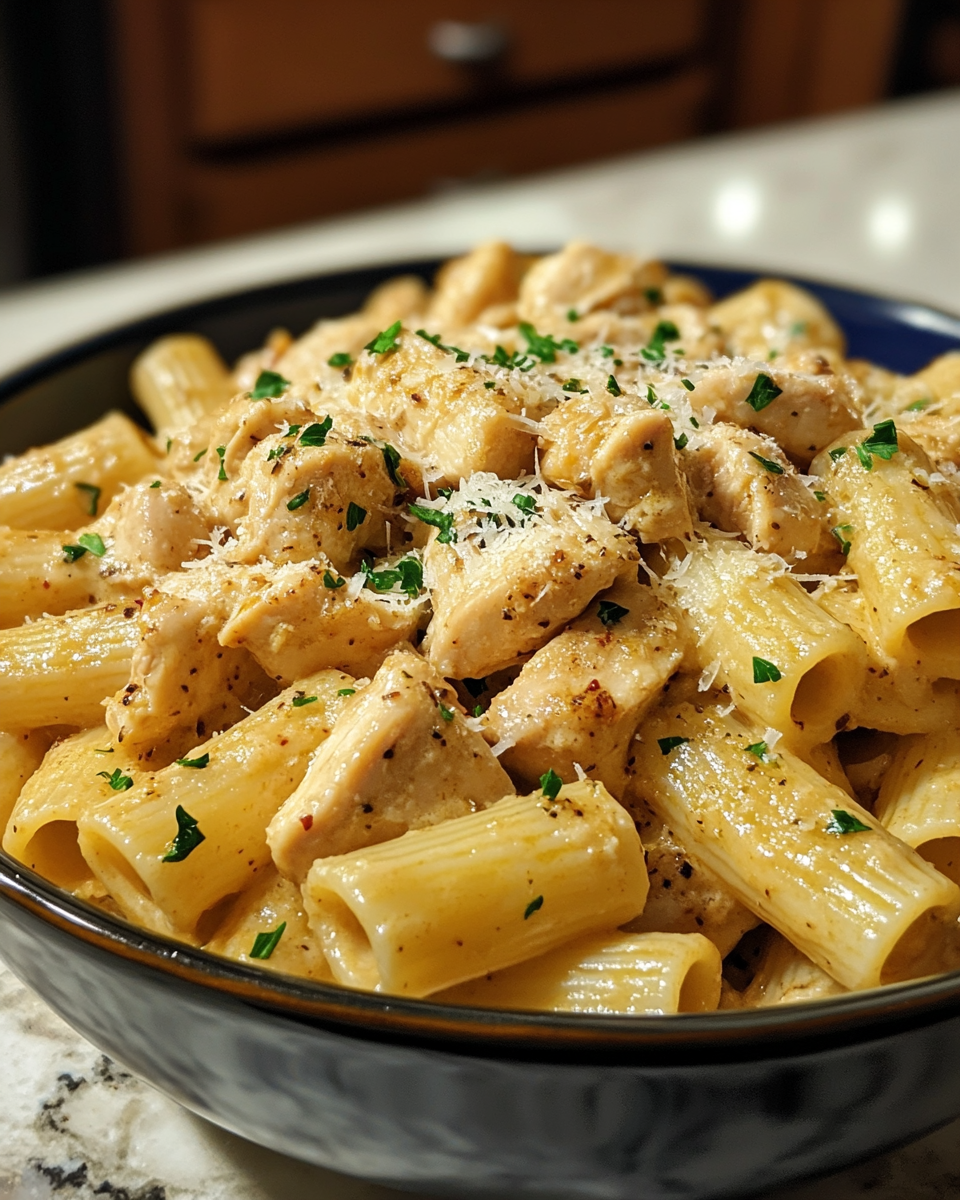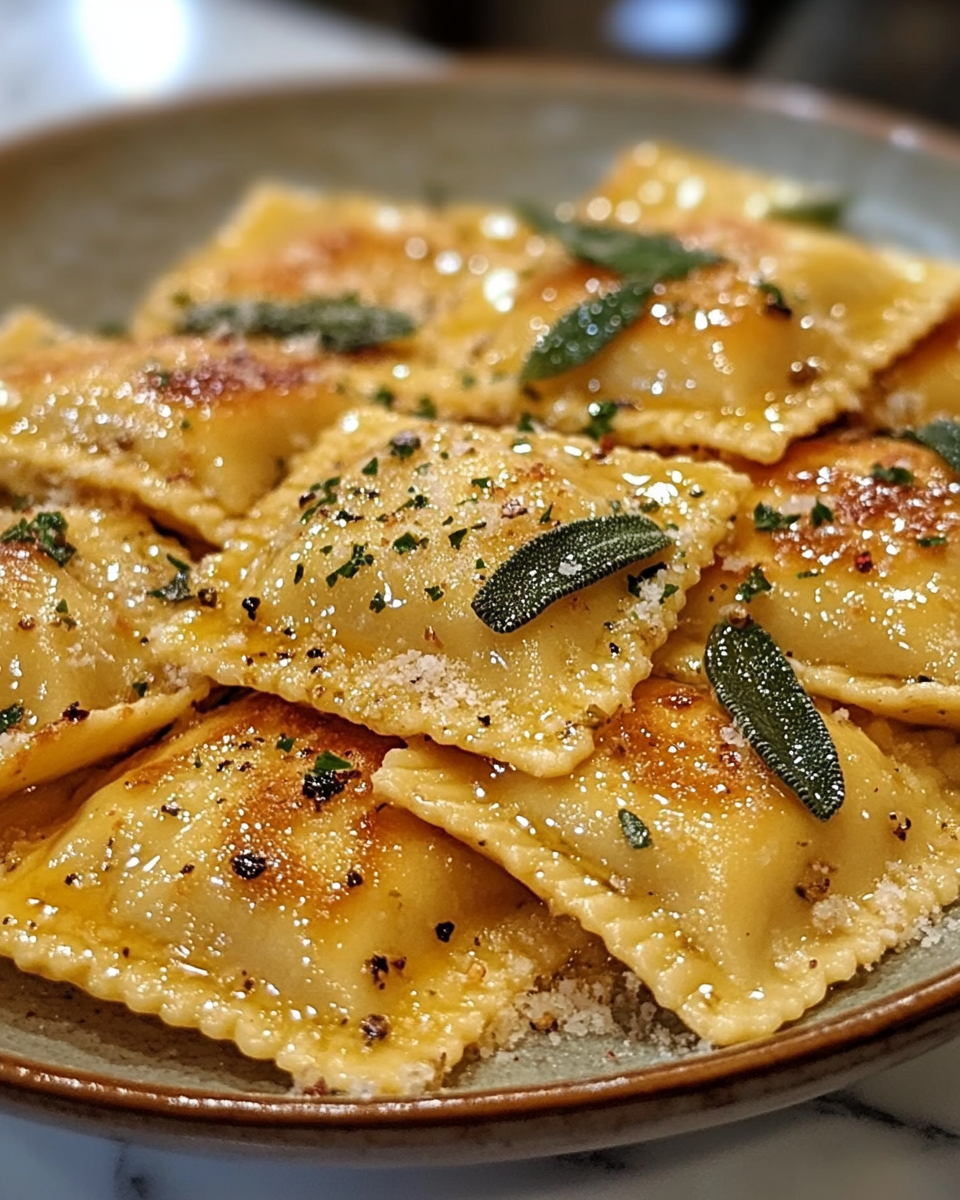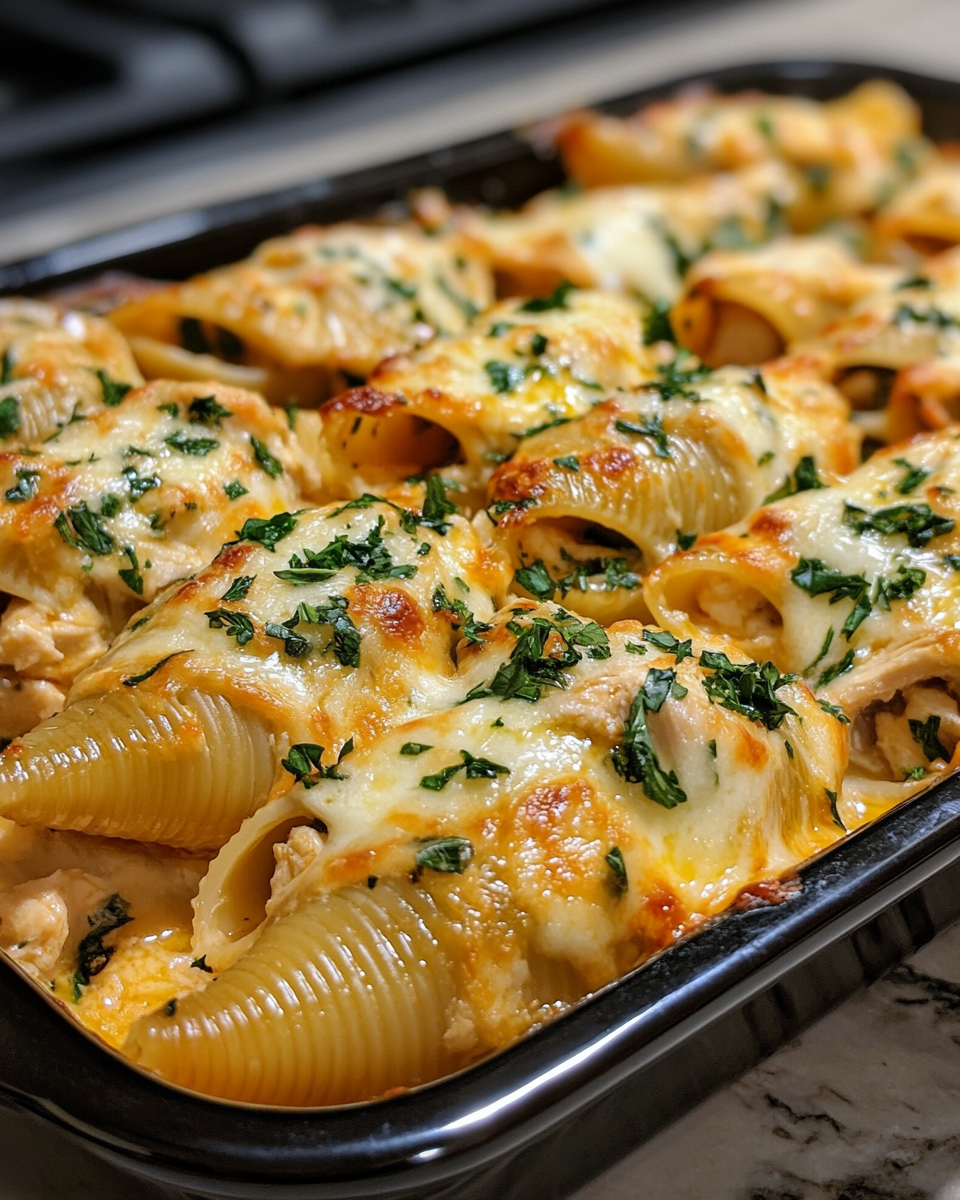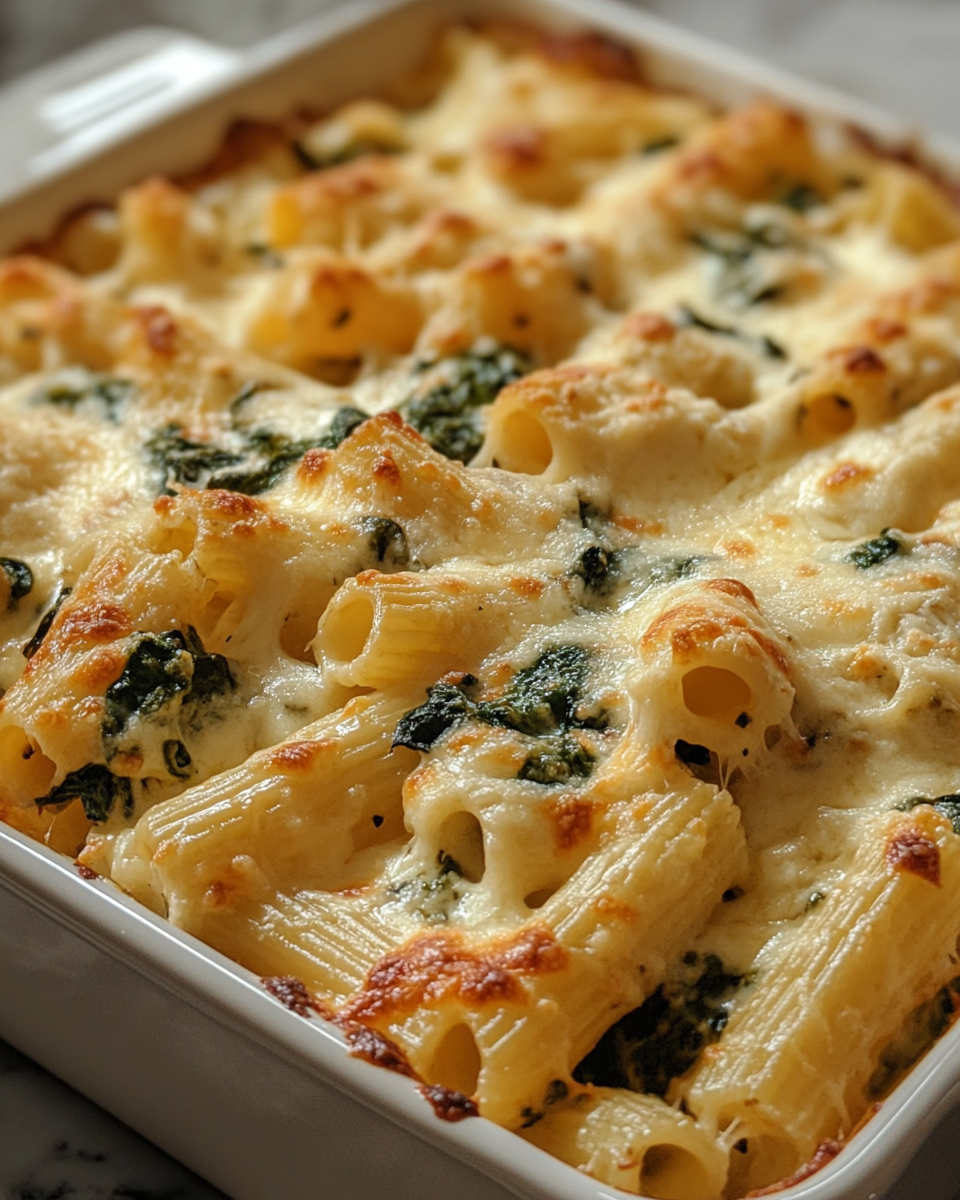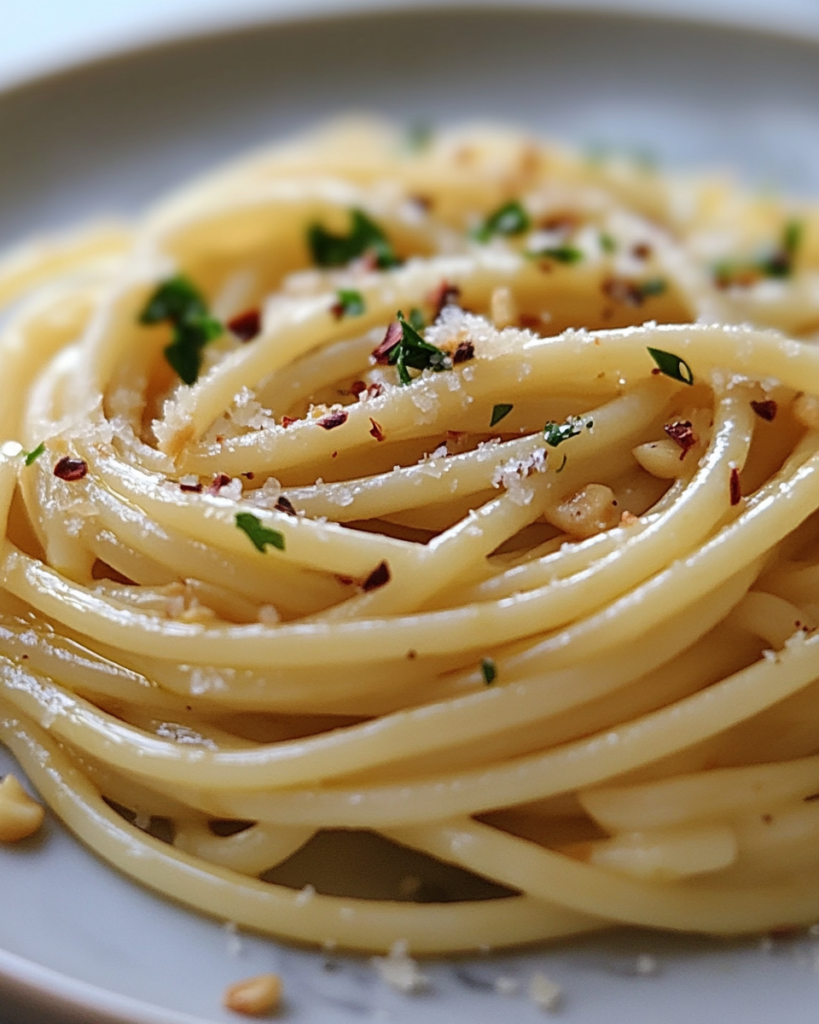
Olive oil garlic pasta is one of those timeless dishes that turns a handful of pantry staples into a warm, satisfying bowl of comfort. With gently toasted garlic infused into silky olive oil and tossed through perfectly cooked pasta, this dish delivers depth with very little effort.
What makes olive oil garlic pasta so appealing is its balance of simplicity and bold flavor. Each bite carries the richness of olive oil, the aromatic warmth of garlic, and the subtle bite of chili flakes if added. It is the kind of recipe that fits effortlessly into busy weeknights yet still feels comforting and complete.
This dish is rooted in traditional Italian cooking, where minimal ingredients are treated with care to bring out their natural character. Olive oil garlic pasta celebrates that idea with every forkful.
Ingredients Overview
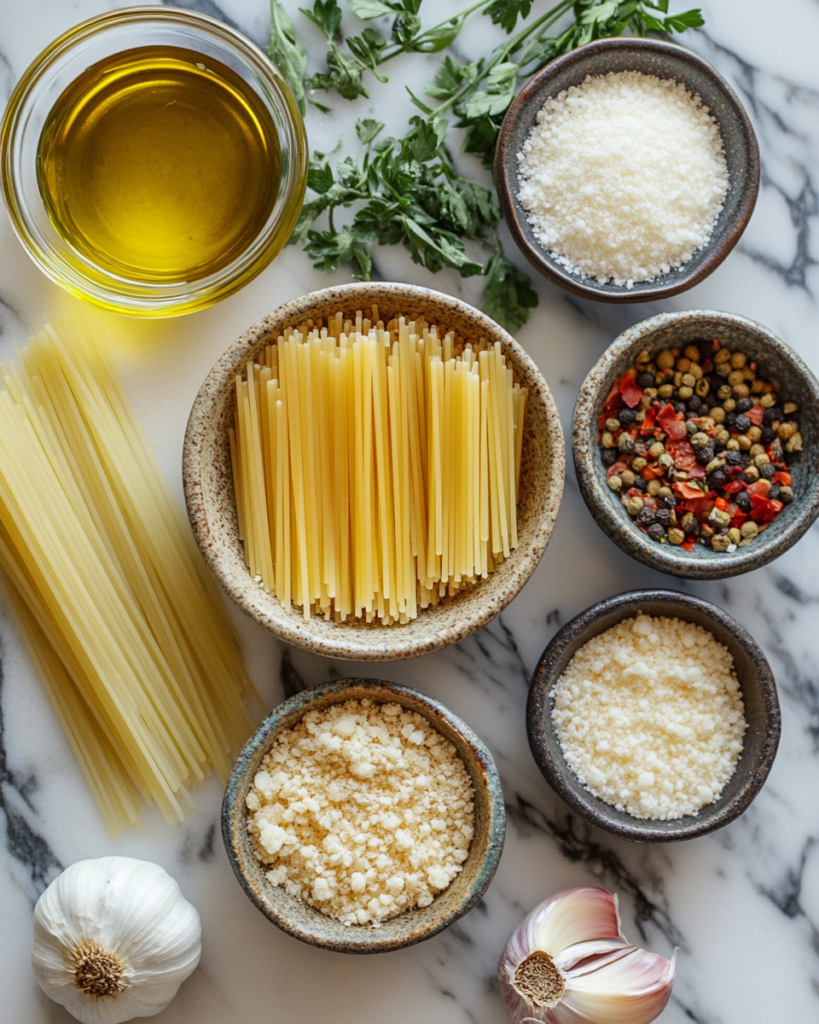
Olive oil garlic pasta relies on a short list of ingredients, but each one plays a crucial role in building flavor and texture. The base is extra virgin olive oil, which acts as both the cooking medium and the sauce. Its fruity, slightly peppery profile coats the pasta beautifully without feeling heavy.
Garlic is the star aromatics element. When gently heated in olive oil, it releases a mellow sweetness rather than a sharp bite. The key is controlled heat, which brings out its depth without burning it.
Pasta choice matters as well. Spaghetti, linguine, or bucatini work especially well because they hold onto the oil-based sauce. The starch released during cooking also helps the sauce cling naturally.
Red pepper flakes are optional but add a gentle heat that balances the richness of the oil. Fresh parsley brings freshness and color, while a small amount of reserved pasta water helps bind everything together into a silky coating.
Parmesan cheese is often added at the end for a salty, savory finish, though it can be left out for a dairy-free version. Salt is essential for seasoning both the pasta water and the final dish.
For substitutions, gluten-free pasta works well, and olive oil can be swapped with a lighter neutral oil, though flavor will change slightly. Garlic powder is not recommended as it lacks the same aromatic depth.
Ingredients
12 ounces spaghetti or linguine
1/2 cup extra virgin olive oil
6 cloves garlic, thinly sliced
1/2 teaspoon red pepper flakes
1 teaspoon salt (for pasta water)
1/2 teaspoon salt (for seasoning)
1/2 cup reserved pasta cooking water
1/4 cup fresh parsley, chopped
1/3 cup grated Parmesan cheese (optional)
Freshly ground black pepper to taste
Step-by-Step Instructions
Start by bringing a large pot of water to a boil. Add salt generously, then cook the pasta until it reaches al dente texture. This means it should still have a slight firmness when bitten. Before draining, reserve about half a cup of the pasta water, as it will help create a smooth sauce later.
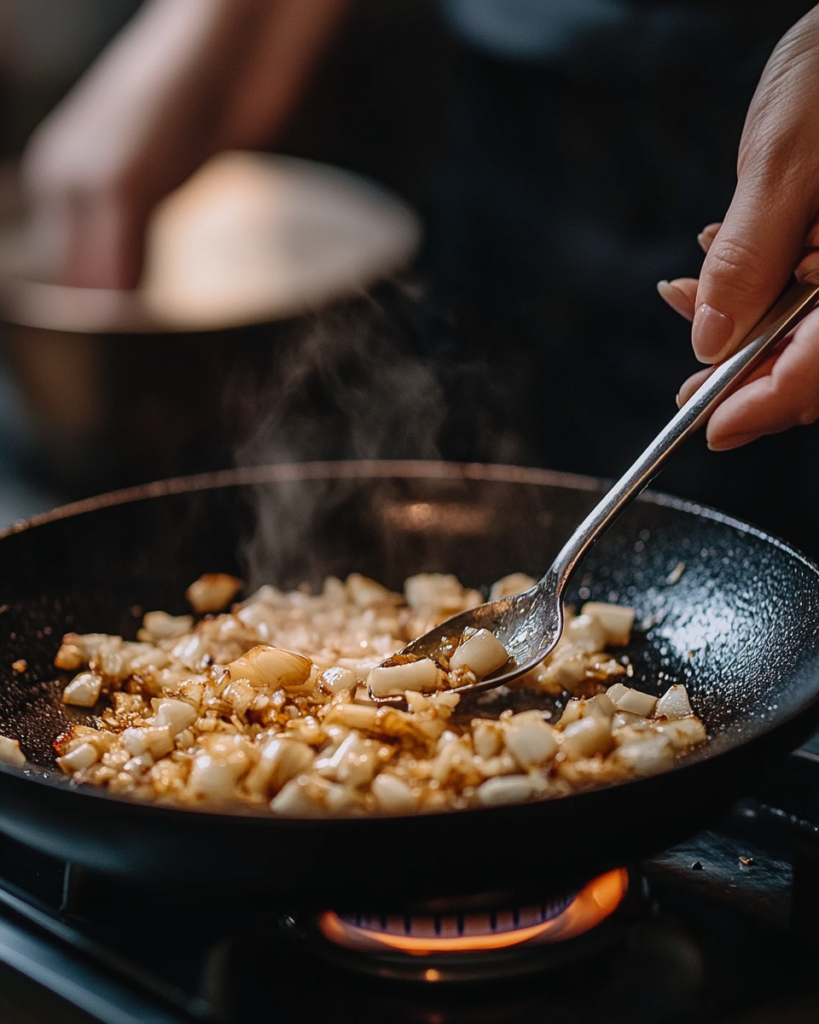
While the pasta cooks, place a large skillet over low to medium heat and pour in the olive oil. Add the sliced garlic slowly, allowing it to gently sizzle. The goal is to soften and lightly toast the garlic, not brown it too quickly. Stir often to keep the garlic evenly heated.
Once the garlic becomes fragrant and lightly golden, sprinkle in the red pepper flakes. Stir for a few seconds so the heat releases their flavor into the oil. Be careful not to let the garlic darken too much, as it can turn bitter.
Add the drained pasta directly into the skillet. Toss it gently so every strand becomes coated in the garlic-infused oil. Pour in a small amount of reserved pasta water and continue tossing. The starch in the water helps the oil cling to the pasta and creates a silky texture.
If the pasta seems dry, add a little more pasta water, one splash at a time. Keep the heat low during this step to avoid overcooking the garlic. The pasta should look glossy and well coated.
Sprinkle in chopped parsley and toss again. Season with salt and black pepper according to taste. If using Parmesan cheese, add it off the heat and mix until it melts slightly into the pasta.
Serve immediately while warm, as the texture is best when freshly tossed. The finished dish should be glossy, aromatic, and evenly coated without excess oil pooling at the bottom.
Tips, Variations & Substitutions
For deeper flavor, slice the garlic evenly so it cooks at the same rate. Uneven pieces can lead to some burning while others remain undercooked. Keeping the heat moderate is key for controlling the garlic’s texture and taste.
A variation of this dish includes adding anchovy fillets to the oil at the beginning. They dissolve into the oil and add a rich savory layer without overpowering the garlic. Another option is adding sautéed mushrooms for an earthy twist.
For extra freshness, a squeeze of lemon juice at the end brightens the entire dish. It balances the richness of the oil and enhances the herbs.
Whole wheat or gluten-free pasta can be used without changing the cooking method. If avoiding cheese, nutritional yeast can provide a similar savory finish.
This recipe also works well with added vegetables such as spinach or cherry tomatoes. They should be added toward the end so they stay vibrant and tender.
Serving Ideas & Occasions
Olive oil garlic pasta works beautifully as a quick dinner, especially when paired with a simple green salad or roasted vegetables. It also complements grilled chicken, shrimp, or baked fish if a heartier meal is desired.
For drinks, light white wines such as Pinot Grigio or Sauvignon Blanc pair well due to their crisp acidity. Sparkling water with lemon also works for a refreshing non-alcoholic option.
This dish is often served as a late-night meal or a quick lunch because of how fast it comes together. It is also suitable for casual gatherings where simple, comforting food is preferred.
Nutritional & Health Notes
Olive oil garlic pasta provides a balanced combination of carbohydrates, healthy fats, and a modest amount of protein depending on optional additions like cheese or seafood. Olive oil is a source of monounsaturated fats, which are commonly included in balanced diets.
Garlic adds aromatic depth along with natural compounds that contribute to its strong flavor profile. Parsley contributes small amounts of vitamins and freshness without altering the dish’s richness.
Portion size plays an important role in overall nutrition, as olive oil is calorie-dense. Adjusting the oil slightly can change the richness level without affecting the core flavor.
This dish can be adapted to suit lighter or more filling preferences by adjusting toppings and portion sizes.
FAQs
What type of pasta works best for olive oil garlic pasta?
Long pasta shapes such as spaghetti, linguine, or bucatini work best for olive oil garlic pasta. These shapes hold onto the oil-based sauce effectively, allowing each strand to be evenly coated. The texture of long pasta also pairs well with the light yet flavorful garlic oil mixture. Short pasta can be used, but it will not carry the sauce in the same way, resulting in a slightly different eating experience. Choosing a quality durum wheat pasta will also improve the final texture.
Can I make olive oil garlic pasta without cheese?
Yes, olive oil garlic pasta can be made without cheese. The dish is naturally dairy-free at its core, relying on olive oil and garlic for flavor. Omitting cheese keeps the dish lighter and allows the garlic-infused oil to stand out more clearly. If you want a similar savory finish, a small amount of nutritional yeast can be added. Fresh herbs like parsley also help bring brightness and balance without needing any dairy.
How do I prevent garlic from burning?
Garlic should always be cooked over low to medium heat when preparing olive oil garlic pasta. If the heat is too high, it can brown too quickly and develop a bitter taste. Slicing the garlic evenly helps it cook at the same rate. Stirring frequently while it gently sizzles in olive oil also prevents hot spots. Once it reaches a light golden color and becomes fragrant, it should be removed from high heat immediately.
Can I add protein to olive oil garlic pasta?
Yes, olive oil garlic pasta pairs well with several protein options. Grilled chicken, sautéed shrimp, or even flaked tuna can be added for a more filling meal. These proteins should be cooked separately and mixed in at the end to avoid overcooking. Plant-based options like chickpeas or white beans also work well and blend smoothly with the garlic oil base. Each option changes the texture slightly while keeping the core flavor intact.
Why is pasta water important in this recipe?
Reserved pasta water contains starch that helps bind the olive oil and garlic together, creating a smooth coating for the pasta. Without it, the oil may sit separately instead of clinging to the noodles. Adding it gradually allows control over texture, making the sauce glossy rather than greasy. It also helps loosen the pasta slightly if it becomes too dry after mixing.
Can I use pre-minced garlic instead of fresh garlic?
Fresh garlic is strongly preferred for olive oil garlic pasta because it provides a richer and more aromatic flavor. Pre-minced garlic often has a sharper, less balanced taste and can sometimes burn more quickly in oil. If it is the only option available, it should be added later in the cooking process and used sparingly. Fresh garlic delivers the best overall result.
How do I store and reheat leftovers?
Leftover olive oil garlic pasta can be stored in an airtight container in the refrigerator for up to three days. When reheating, add a small splash of water or olive oil to restore moisture. Warm it gently in a skillet over low heat rather than using high heat, which can dry out the pasta. Stirring while reheating helps redistribute the oil and brings the texture back together.