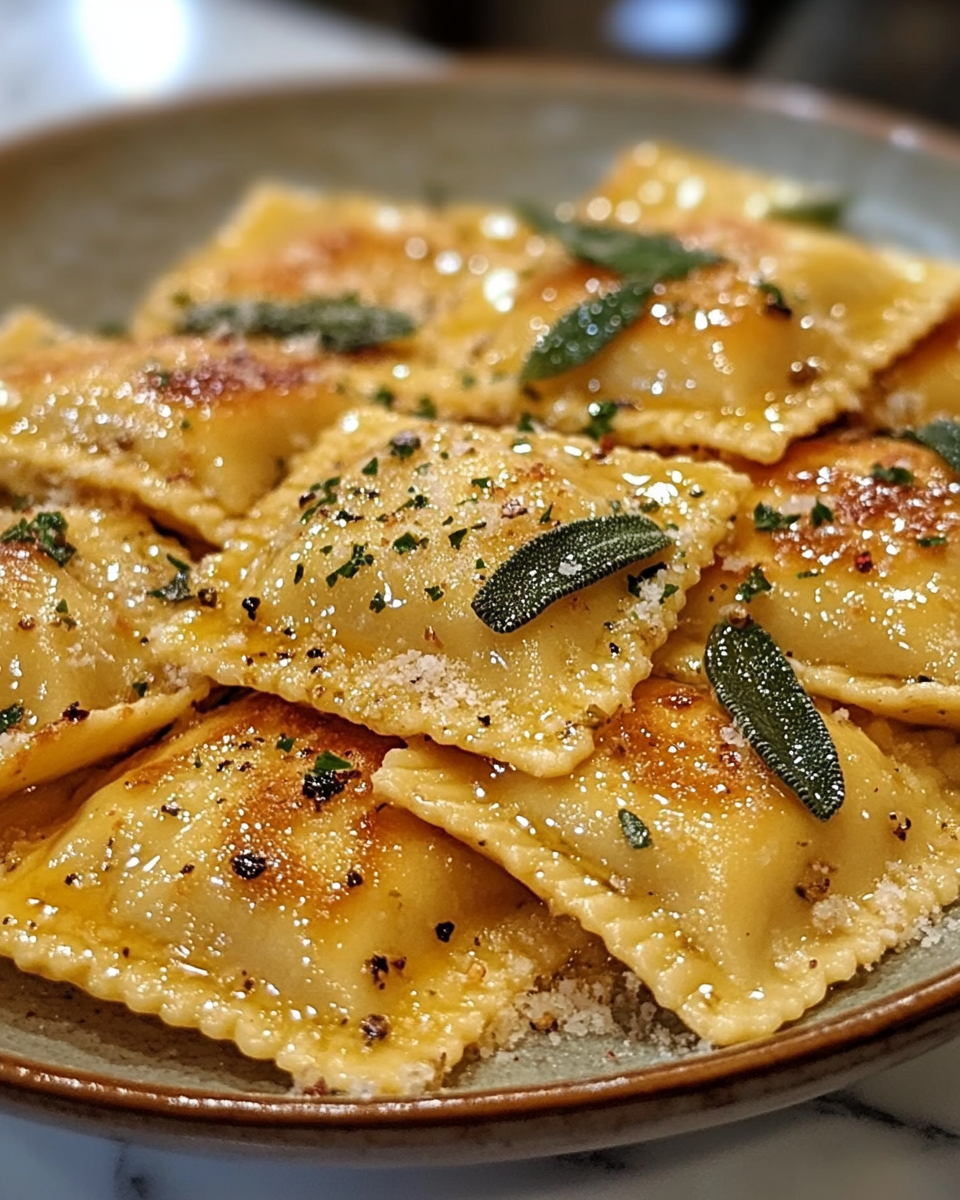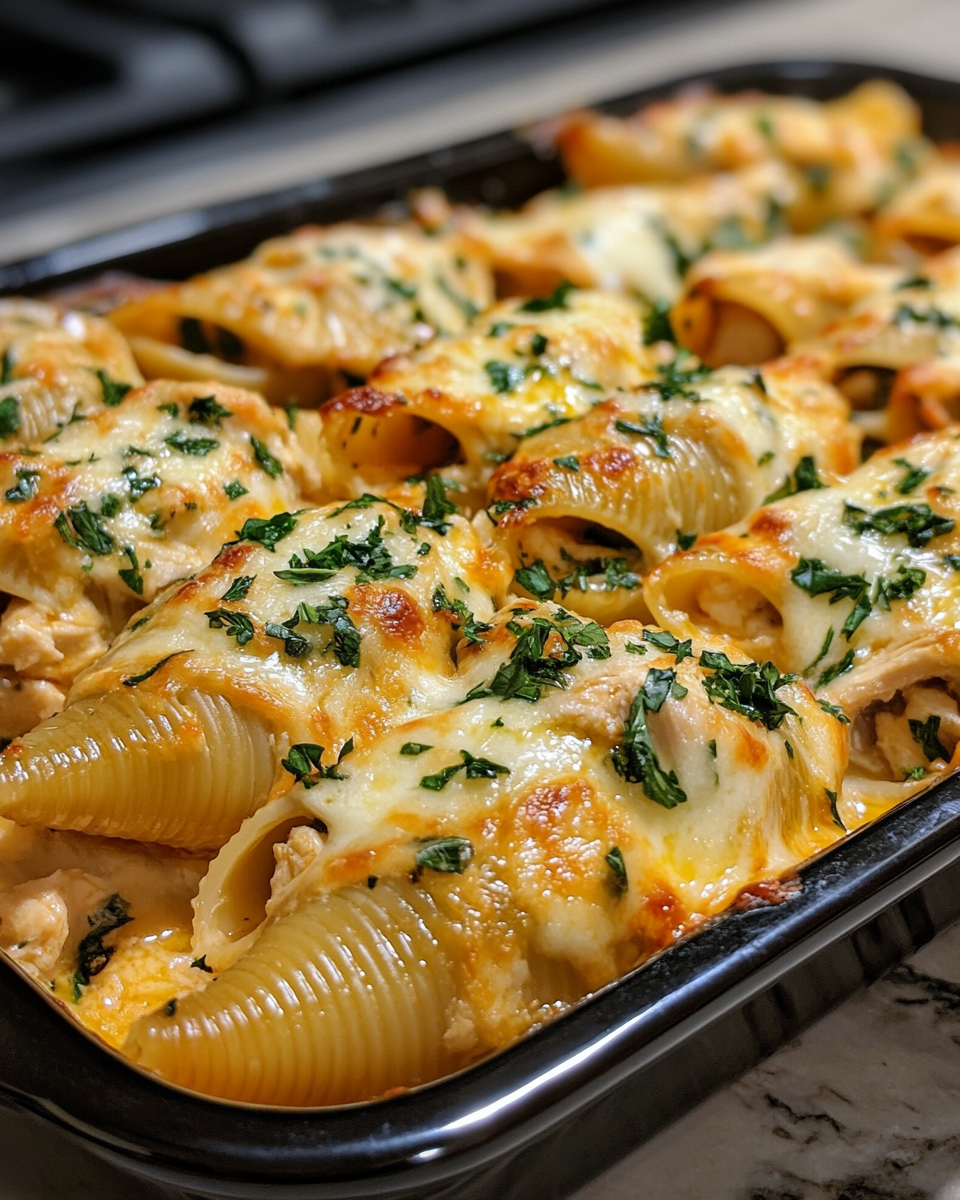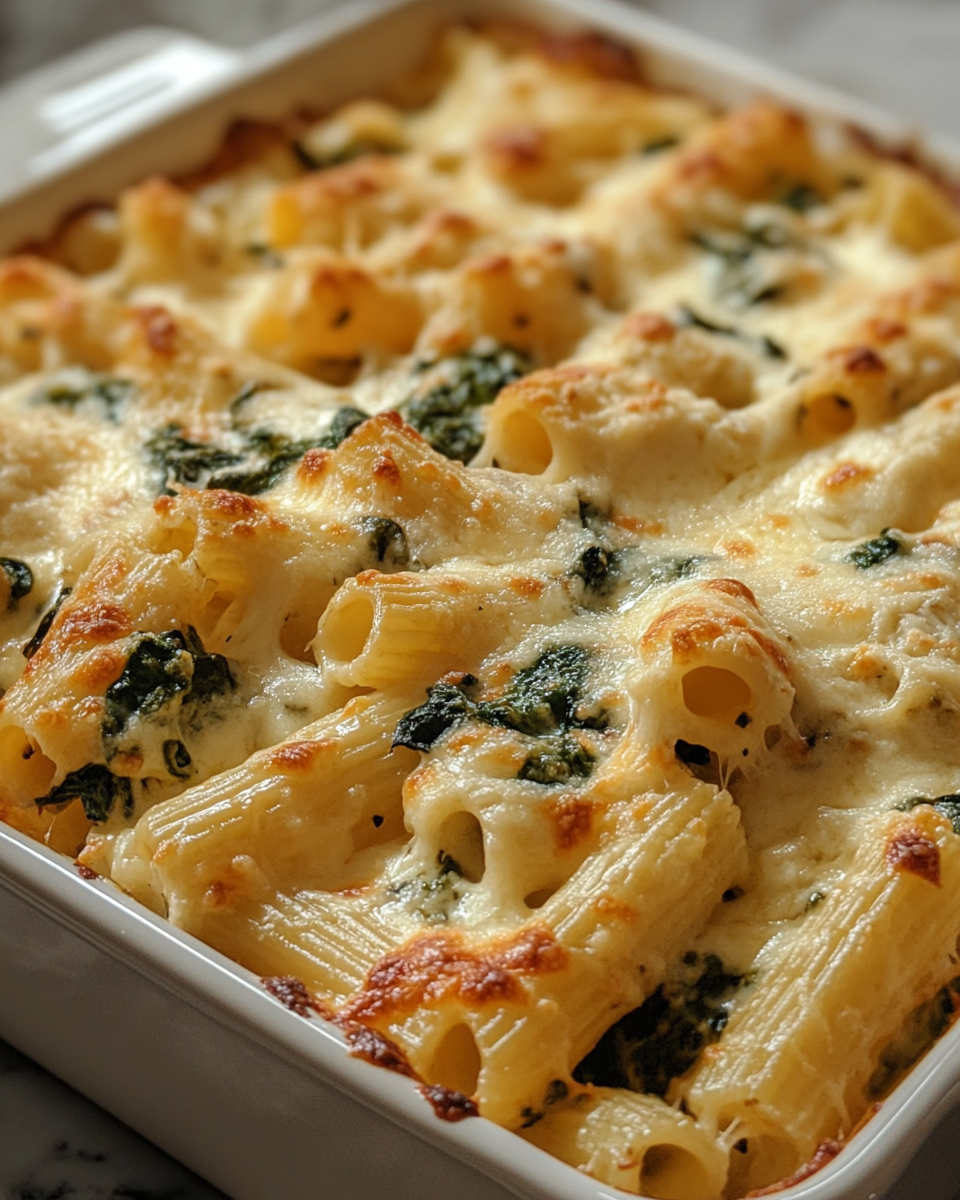
Easy Cheese Pasta: 5 Simple Happy Comfort Bowls

Posted on

Recent Posts, Veggies

Difficulty

Prep time

Cooking time

Total time

Servings

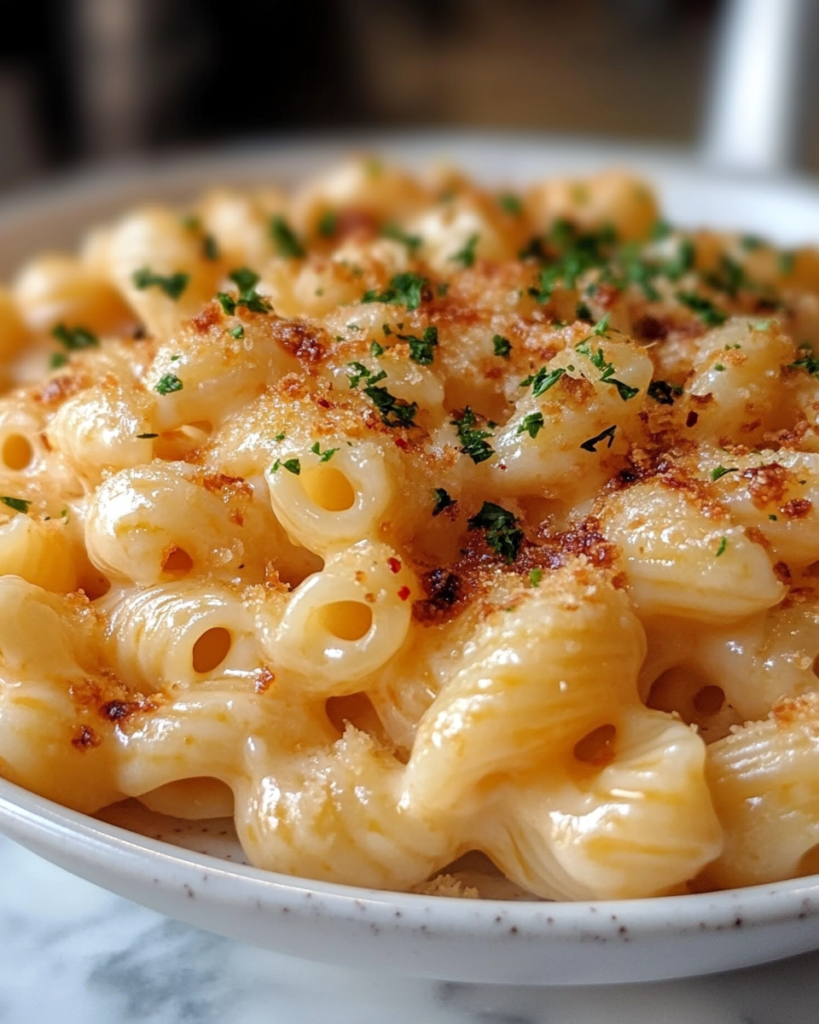
Easy cheese pasta is the kind of dish that brings warmth to the table with very little effort. It blends tender pasta with a smooth, creamy cheese sauce that coats every bite. The balance of mild dairy richness and gentle seasoning makes it a dependable meal for busy evenings or quiet weekends.

This recipe focuses on straightforward ingredients and clear steps so the result feels consistent every time. Easy cheese pasta works well as a main dish or a side, and it adapts easily to different tastes. Whether served fresh from the stove or reheated the next day, the texture stays satisfying and the flavor remains comforting.

Ingredients Overview
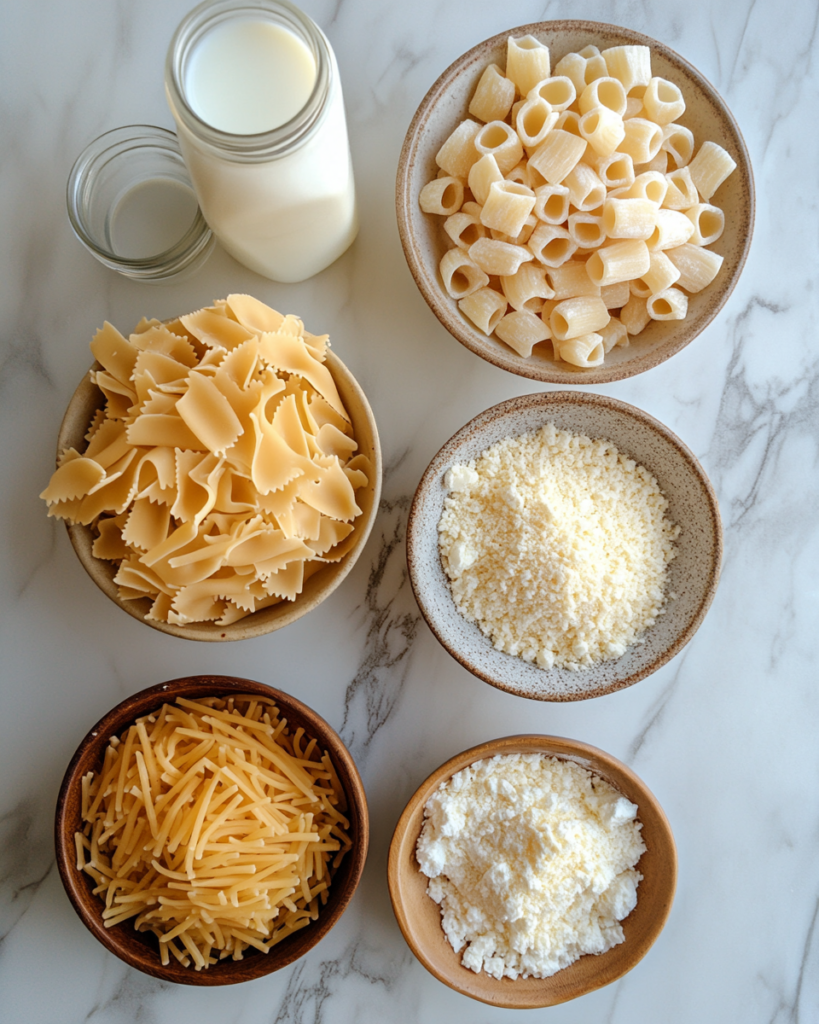
The beauty of easy cheese pasta lies in its short list of familiar ingredients. Each one plays a role in building the final texture and flavor, so choosing quality items makes a noticeable difference.

Pasta forms the base, and shapes like elbow macaroni, penne, or shells are ideal because they hold the sauce well. The surface and curves trap the cheese mixture, giving each bite a balanced ratio of pasta and sauce.

Cheese is the heart of the recipe. Cheddar is commonly used because it melts smoothly and has a mild, creamy taste. A mix of cheeses such as mozzarella or Monterey Jack can add stretch and softness. For a sharper note, a small amount of Parmesan can be included.

Milk and butter create the sauce base. Butter adds richness, while milk loosens the texture and helps the cheese melt evenly. Whole milk is often preferred for its fuller body, though lower-fat options can work with slight adjustments.

Flour acts as a thickener. When combined with butter, it forms a roux that stabilizes the sauce and prevents separation. This step helps achieve a silky consistency rather than a thin or grainy one.

Seasonings like salt, black pepper, and a touch of garlic powder bring out the natural flavor of the cheese without overpowering it. Mustard powder can be added in small amounts to deepen the taste without making it sharp.

Substitutions are simple. Gluten-free pasta can replace regular pasta, and plant-based milk with dairy-free cheese can be used for a non-dairy version. The structure remains similar, though the flavor may shift slightly depending on the ingredients chosen.

Ingredients

12 ounces elbow macaroni
2 tablespoons unsalted butter
2 tablespoons all-purpose flour
2 cups whole milk
2 cups shredded cheddar cheese
1/2 cup shredded mozzarella cheese
1/4 cup grated Parmesan cheese
1/2 teaspoon salt
1/4 teaspoon black pepper
1/2 teaspoon garlic powder
1/4 teaspoon mustard powder

Step-by-Step Instructions
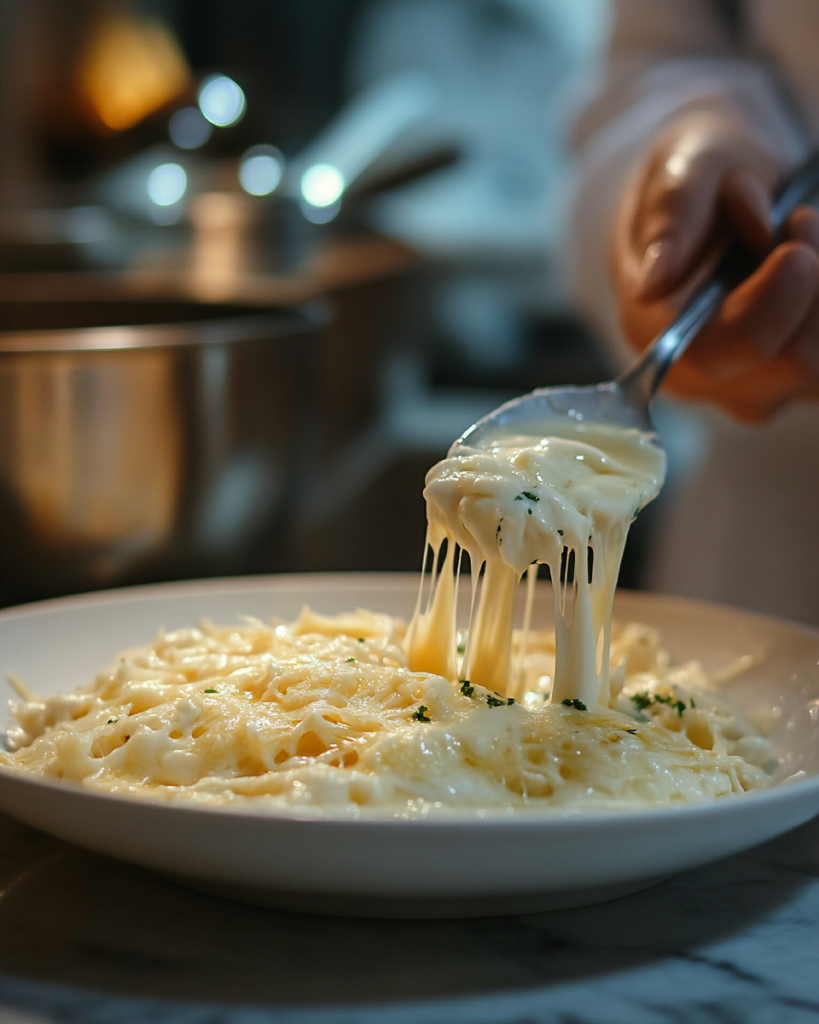
Begin by bringing a large pot of salted water to a boil. Add the pasta and cook according to package instructions until just tender. Stir occasionally to prevent sticking. Once cooked, drain the pasta and set it aside, keeping a small amount of pasta water in case it is needed later.

In a separate saucepan, melt the butter over medium heat. Once melted, add the flour and whisk continuously for about one minute. The mixture should form a smooth paste and turn slightly golden. This step is important because it removes the raw taste of the flour and builds the base of the sauce.

Slowly pour in the milk while whisking constantly. Adding the milk gradually helps prevent lumps from forming. Continue stirring until the mixture thickens and begins to coat the back of a spoon. This usually takes about three to five minutes.

Reduce the heat to low and begin adding the shredded cheese in small handfuls. Stir after each addition until fully melted before adding more. This gradual method keeps the sauce smooth and prevents clumping. Once all the cheese is incorporated, add the salt, black pepper, garlic powder, and mustard powder.

If the sauce appears too thick, add a splash of reserved pasta water or extra milk. The goal is a creamy consistency that flows easily but still clings to the pasta.

Add the cooked pasta to the sauce and stir until evenly coated. Make sure every piece is covered in the cheese mixture. Let it sit on low heat for a minute or two so the flavors blend together.

Avoid overheating at this stage, as high heat can cause the cheese to separate and become grainy. If the sauce thickens too much while sitting, a small amount of warm milk can bring it back to the desired texture.

Serve immediately while the sauce is smooth and creamy. The pasta will continue to absorb some of the sauce as it cools, so serving promptly keeps the texture at its best.

Tips, Variations & Substitutions

For a smoother sauce, always shred cheese from a block rather than using pre-shredded varieties. Packaged shredded cheese often contains additives that can affect how it melts.

If a richer flavor is desired, a small amount of cream can replace part of the milk. This creates a thicker and more indulgent sauce without changing the basic method.

To add texture, consider mixing in cooked vegetables like broccoli, peas, or sautéed mushrooms. These additions bring contrast while keeping the dish balanced.

Protein options such as grilled chicken or crispy bacon can turn easy cheese pasta into a more filling meal. These should be cooked separately and stirred in at the end.

For a baked version, transfer the finished pasta to a baking dish, top with extra cheese, and bake at 375°F for about 15 minutes until the top is lightly golden.

Dairy-free versions can be made using plant-based butter, milk, and cheese alternatives. The key is to choose products designed for melting to maintain a creamy consistency.

Gluten-free flour blends can replace all-purpose flour in the roux. The process remains the same, though the thickening time may vary slightly.

Serving Ideas & Occasions

Easy cheese pasta fits naturally into many meals. It works well as a quick dinner after a long day or as a side dish alongside roasted meats or grilled vegetables.

For a casual gathering, it can be served in a large dish where guests can help themselves. Pairing it with a fresh green salad adds contrast and keeps the meal balanced.

Garlic bread or a simple toasted baguette complements the creamy texture of the pasta. The crisp surface of the bread pairs nicely with the soft sauce.

As for drinks, a light white wine or sparkling water with lemon can balance the richness of the dish. For non-alcoholic options, iced tea or a mild fruit drink works well.

This dish is often prepared for family meals, potlucks, or simple celebrations where comfort food is appreciated. Its familiar taste makes it widely appealing across different age groups.

Nutritional & Health Notes

Easy cheese pasta provides a mix of carbohydrates, protein, and fats. The pasta supplies energy, while the cheese and milk contribute protein and calcium.

The dish is naturally rich due to the dairy content, so portion size plays a role in keeping it balanced within a meal. Pairing it with vegetables can add fiber and variety.

Using lower-fat milk and reducing the amount of cheese can lighten the dish without removing its core character. Whole grain pasta can also be used for added fiber.

Salt levels can be adjusted based on preference, especially if the cheese already contains a noticeable amount of sodium.

While this dish is comforting and filling, it is best enjoyed as part of a varied diet that includes a range of foods. Small adjustments can tailor it to different dietary needs while maintaining its familiar taste.

FAQs

Can I make easy cheese pasta ahead of time?

Yes, easy cheese pasta can be prepared in advance, though the texture may change slightly as it cools. The sauce tends to thicken as it sits, so storing it in an airtight container and reheating with a splash of milk helps restore its creaminess. Warm it gently on the stove or in the microwave, stirring occasionally to keep the sauce smooth. Avoid high heat during reheating, as this can cause the cheese to separate. Preparing it ahead works well for busy schedules, especially when you plan to reheat it just before serving.

What type of cheese melts best for this recipe?

Cheddar is a popular choice because it melts well and has a balanced flavor. Mixing it with mozzarella adds a softer texture, while a small amount of Parmesan brings depth. The key is to use cheeses known for good melting properties. Avoid very hard or dry cheeses on their own, as they may not create a smooth sauce. Freshly shredded cheese works better than pre-packaged options, as it melts more evenly and results in a creamier consistency throughout the dish.

How do I prevent the sauce from becoming grainy?

Grainy sauce usually happens when cheese is added to a mixture that is too hot or when it is cooked for too long. Lowering the heat before adding the cheese and stirring gradually helps maintain a smooth texture. Adding the cheese in small portions allows it to melt evenly. Using a proper roux also stabilizes the sauce. If the sauce begins to look grainy, removing it from heat and stirring in a small amount of warm milk can help bring it back together.

Can I use a different type of pasta?

Yes, many pasta shapes work well for easy cheese pasta. Short shapes like penne, shells, or fusilli are especially suitable because they hold the sauce effectively. Longer pasta like spaghetti can also be used, though it may not capture the sauce in the same way. The most important factor is cooking the pasta to the right texture so it blends well with the sauce. Slightly firm pasta tends to hold up better when mixed with the cheese mixture.

Is it possible to make this recipe without flour?

It is possible to skip the flour, though the texture of the sauce will be different. Without flour, the sauce may be thinner and less stable. One option is to reduce the amount of milk and rely on the melted cheese for thickness. Another approach is to use a small amount of cornstarch mixed with cold milk as a thickener. While the result may not be identical to a traditional roux-based sauce, it can still produce a smooth and satisfying dish.

How can I add more flavor without making it too strong?

Adding small amounts of seasoning can deepen the flavor without overpowering the dish. Garlic powder, mustard powder, or a pinch of paprika can bring subtle changes. Cooking the butter and flour until lightly golden also adds a mild nutty note. Mixing different cheeses can create a more layered taste while still keeping the dish balanced. The goal is to build gentle flavor rather than introducing anything too sharp or dominant.

Can I freeze easy cheese pasta?

Freezing is possible, though the texture may change slightly after thawing. The sauce can become less smooth due to the dairy content. If freezing, allow the pasta to cool completely before storing it in a sealed container. When reheating, thaw it in the refrigerator and warm it slowly with added milk to restore the creamy texture. While it may not be identical to freshly made pasta, it remains a practical option for saving leftovers.

[rank_math_breadcrumb]

Easy Cheese Pasta: 5 Simple Happy Comfort Bowls

Photo of author
Author: ahmed va
Published:

Easy cheese pasta is the kind of dish that brings warmth to the table with very little effort. It blends tender pasta with a smooth, creamy cheese sauce that coats every bite. The balance of mild dairy richness and gentle seasoning makes it a dependable meal for busy evenings or quiet weekends.

This recipe focuses on straightforward ingredients and clear steps so the result feels consistent every time. Easy cheese pasta works well as a main dish or a side, and it adapts easily to different tastes. Whether served fresh from the stove or reheated the next day, the texture stays satisfying and the flavor remains comforting.

Ingredients Overview

The beauty of easy cheese pasta lies in its short list of familiar ingredients. Each one plays a role in building the final texture and flavor, so choosing quality items makes a noticeable difference.

Pasta forms the base, and shapes like elbow macaroni, penne, or shells are ideal because they hold the sauce well. The surface and curves trap the cheese mixture, giving each bite a balanced ratio of pasta and sauce.

Cheese is the heart of the recipe. Cheddar is commonly used because it melts smoothly and has a mild, creamy taste. A mix of cheeses such as mozzarella or Monterey Jack can add stretch and softness. For a sharper note, a small amount of Parmesan can be included.

Milk and butter create the sauce base. Butter adds richness, while milk loosens the texture and helps the cheese melt evenly. Whole milk is often preferred for its fuller body, though lower-fat options can work with slight adjustments.

Flour acts as a thickener. When combined with butter, it forms a roux that stabilizes the sauce and prevents separation. This step helps achieve a silky consistency rather than a thin or grainy one.

Seasonings like salt, black pepper, and a touch of garlic powder bring out the natural flavor of the cheese without overpowering it. Mustard powder can be added in small amounts to deepen the taste without making it sharp.

Substitutions are simple. Gluten-free pasta can replace regular pasta, and plant-based milk with dairy-free cheese can be used for a non-dairy version. The structure remains similar, though the flavor may shift slightly depending on the ingredients chosen.

Ingredients

12 ounces elbow macaroni
2 tablespoons unsalted butter
2 tablespoons all-purpose flour
2 cups whole milk
2 cups shredded cheddar cheese
1/2 cup shredded mozzarella cheese
1/4 cup grated Parmesan cheese
1/2 teaspoon salt
1/4 teaspoon black pepper
1/2 teaspoon garlic powder
1/4 teaspoon mustard powder

Step-by-Step Instructions

Begin by bringing a large pot of salted water to a boil. Add the pasta and cook according to package instructions until just tender. Stir occasionally to prevent sticking. Once cooked, drain the pasta and set it aside, keeping a small amount of pasta water in case it is needed later.

In a separate saucepan, melt the butter over medium heat. Once melted, add the flour and whisk continuously for about one minute. The mixture should form a smooth paste and turn slightly golden. This step is important because it removes the raw taste of the flour and builds the base of the sauce.

Slowly pour in the milk while whisking constantly. Adding the milk gradually helps prevent lumps from forming. Continue stirring until the mixture thickens and begins to coat the back of a spoon. This usually takes about three to five minutes.

Reduce the heat to low and begin adding the shredded cheese in small handfuls. Stir after each addition until fully melted before adding more. This gradual method keeps the sauce smooth and prevents clumping. Once all the cheese is incorporated, add the salt, black pepper, garlic powder, and mustard powder.

If the sauce appears too thick, add a splash of reserved pasta water or extra milk. The goal is a creamy consistency that flows easily but still clings to the pasta.

Add the cooked pasta to the sauce and stir until evenly coated. Make sure every piece is covered in the cheese mixture. Let it sit on low heat for a minute or two so the flavors blend together.

Avoid overheating at this stage, as high heat can cause the cheese to separate and become grainy. If the sauce thickens too much while sitting, a small amount of warm milk can bring it back to the desired texture.

Serve immediately while the sauce is smooth and creamy. The pasta will continue to absorb some of the sauce as it cools, so serving promptly keeps the texture at its best.

Tips, Variations & Substitutions

For a smoother sauce, always shred cheese from a block rather than using pre-shredded varieties. Packaged shredded cheese often contains additives that can affect how it melts.

If a richer flavor is desired, a small amount of cream can replace part of the milk. This creates a thicker and more indulgent sauce without changing the basic method.

To add texture, consider mixing in cooked vegetables like broccoli, peas, or sautéed mushrooms. These additions bring contrast while keeping the dish balanced.

Protein options such as grilled chicken or crispy bacon can turn easy cheese pasta into a more filling meal. These should be cooked separately and stirred in at the end.

For a baked version, transfer the finished pasta to a baking dish, top with extra cheese, and bake at 375°F for about 15 minutes until the top is lightly golden.

Dairy-free versions can be made using plant-based butter, milk, and cheese alternatives. The key is to choose products designed for melting to maintain a creamy consistency.

Gluten-free flour blends can replace all-purpose flour in the roux. The process remains the same, though the thickening time may vary slightly.

Serving Ideas & Occasions

Easy cheese pasta fits naturally into many meals. It works well as a quick dinner after a long day or as a side dish alongside roasted meats or grilled vegetables.

For a casual gathering, it can be served in a large dish where guests can help themselves. Pairing it with a fresh green salad adds contrast and keeps the meal balanced.

Garlic bread or a simple toasted baguette complements the creamy texture of the pasta. The crisp surface of the bread pairs nicely with the soft sauce.

As for drinks, a light white wine or sparkling water with lemon can balance the richness of the dish. For non-alcoholic options, iced tea or a mild fruit drink works well.

This dish is often prepared for family meals, potlucks, or simple celebrations where comfort food is appreciated. Its familiar taste makes it widely appealing across different age groups.

Nutritional & Health Notes

Easy cheese pasta provides a mix of carbohydrates, protein, and fats. The pasta supplies energy, while the cheese and milk contribute protein and calcium.

The dish is naturally rich due to the dairy content, so portion size plays a role in keeping it balanced within a meal. Pairing it with vegetables can add fiber and variety.

Using lower-fat milk and reducing the amount of cheese can lighten the dish without removing its core character. Whole grain pasta can also be used for added fiber.

Salt levels can be adjusted based on preference, especially if the cheese already contains a noticeable amount of sodium.

While this dish is comforting and filling, it is best enjoyed as part of a varied diet that includes a range of foods. Small adjustments can tailor it to different dietary needs while maintaining its familiar taste.

FAQs

Can I make easy cheese pasta ahead of time?

Yes, easy cheese pasta can be prepared in advance, though the texture may change slightly as it cools. The sauce tends to thicken as it sits, so storing it in an airtight container and reheating with a splash of milk helps restore its creaminess. Warm it gently on the stove or in the microwave, stirring occasionally to keep the sauce smooth. Avoid high heat during reheating, as this can cause the cheese to separate. Preparing it ahead works well for busy schedules, especially when you plan to reheat it just before serving.

What type of cheese melts best for this recipe?

Cheddar is a popular choice because it melts well and has a balanced flavor. Mixing it with mozzarella adds a softer texture, while a small amount of Parmesan brings depth. The key is to use cheeses known for good melting properties. Avoid very hard or dry cheeses on their own, as they may not create a smooth sauce. Freshly shredded cheese works better than pre-packaged options, as it melts more evenly and results in a creamier consistency throughout the dish.

How do I prevent the sauce from becoming grainy?

Grainy sauce usually happens when cheese is added to a mixture that is too hot or when it is cooked for too long. Lowering the heat before adding the cheese and stirring gradually helps maintain a smooth texture. Adding the cheese in small portions allows it to melt evenly. Using a proper roux also stabilizes the sauce. If the sauce begins to look grainy, removing it from heat and stirring in a small amount of warm milk can help bring it back together.

Can I use a different type of pasta?

Yes, many pasta shapes work well for easy cheese pasta. Short shapes like penne, shells, or fusilli are especially suitable because they hold the sauce effectively. Longer pasta like spaghetti can also be used, though it may not capture the sauce in the same way. The most important factor is cooking the pasta to the right texture so it blends well with the sauce. Slightly firm pasta tends to hold up better when mixed with the cheese mixture.

Is it possible to make this recipe without flour?

It is possible to skip the flour, though the texture of the sauce will be different. Without flour, the sauce may be thinner and less stable. One option is to reduce the amount of milk and rely on the melted cheese for thickness. Another approach is to use a small amount of cornstarch mixed with cold milk as a thickener. While the result may not be identical to a traditional roux-based sauce, it can still produce a smooth and satisfying dish.

How can I add more flavor without making it too strong?

Adding small amounts of seasoning can deepen the flavor without overpowering the dish. Garlic powder, mustard powder, or a pinch of paprika can bring subtle changes. Cooking the butter and flour until lightly golden also adds a mild nutty note. Mixing different cheeses can create a more layered taste while still keeping the dish balanced. The goal is to build gentle flavor rather than introducing anything too sharp or dominant.

Can I freeze easy cheese pasta?

Freezing is possible, though the texture may change slightly after thawing. The sauce can become less smooth due to the dairy content. If freezing, allow the pasta to cool completely before storing it in a sealed container. When reheating, thaw it in the refrigerator and warm it slowly with added milk to restore the creamy texture. While it may not be identical to freshly made pasta, it remains a practical option for saving leftovers.
Name

Lorem ipsum dolor sit amet, consectetur adipiscing elit. Suspendisse varius enim in eros elementum tristique. Duis cursus, mi quis viverra ornare, eros dolor interdum nulla, ut commodo diam libero vitae erat.

You Might Also Like...

Budget Pasta Bowl: 5 Affordable Happy Meals

Budget Pasta Bowl: 5 Affordable Happy Meals

3-Ingredient Tomato Pasta: Simple Happy Dinner

3-Ingredient Tomato Pasta: Simple Happy Dinner

Garlic Olive Oil Pasta: 5 Simple Happy Plates

Garlic Olive Oil Pasta: 5 Simple Happy Plates

Butter Parmesan Pasta: 5 Simple Happy Comfort Bowl

Butter Parmesan Pasta: 5 Simple Happy Comfort Bowl

Tags:

You might also like these recipes

Leave a Comment