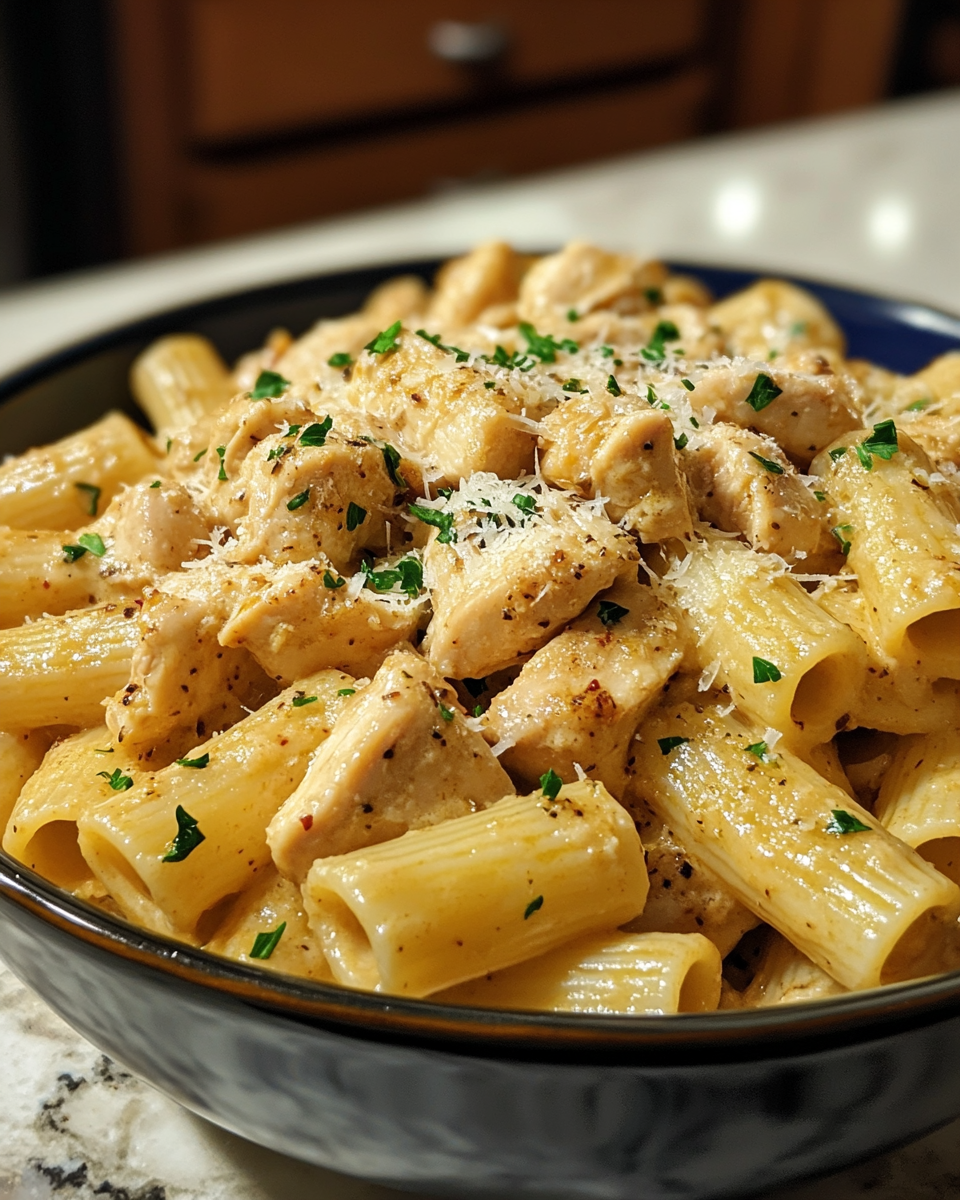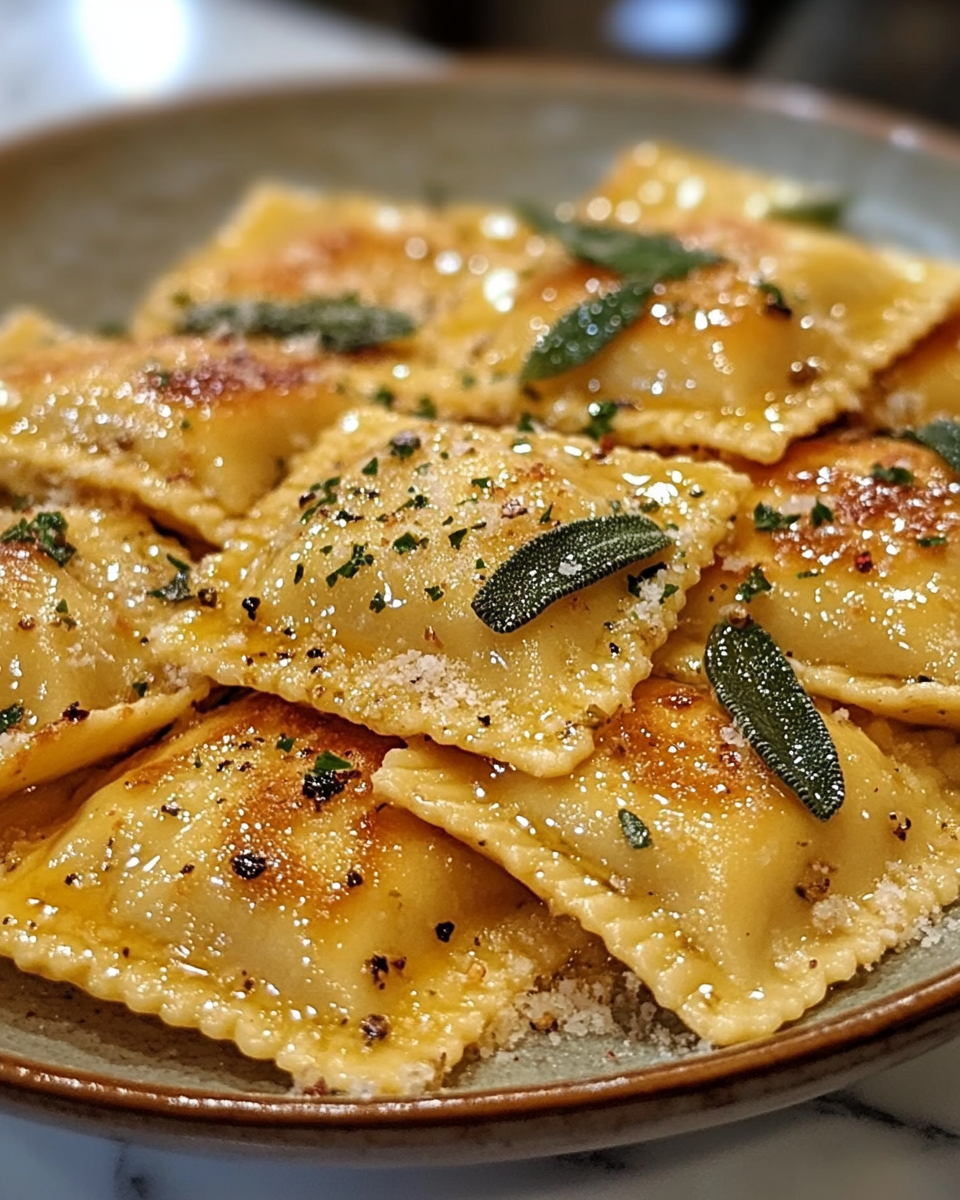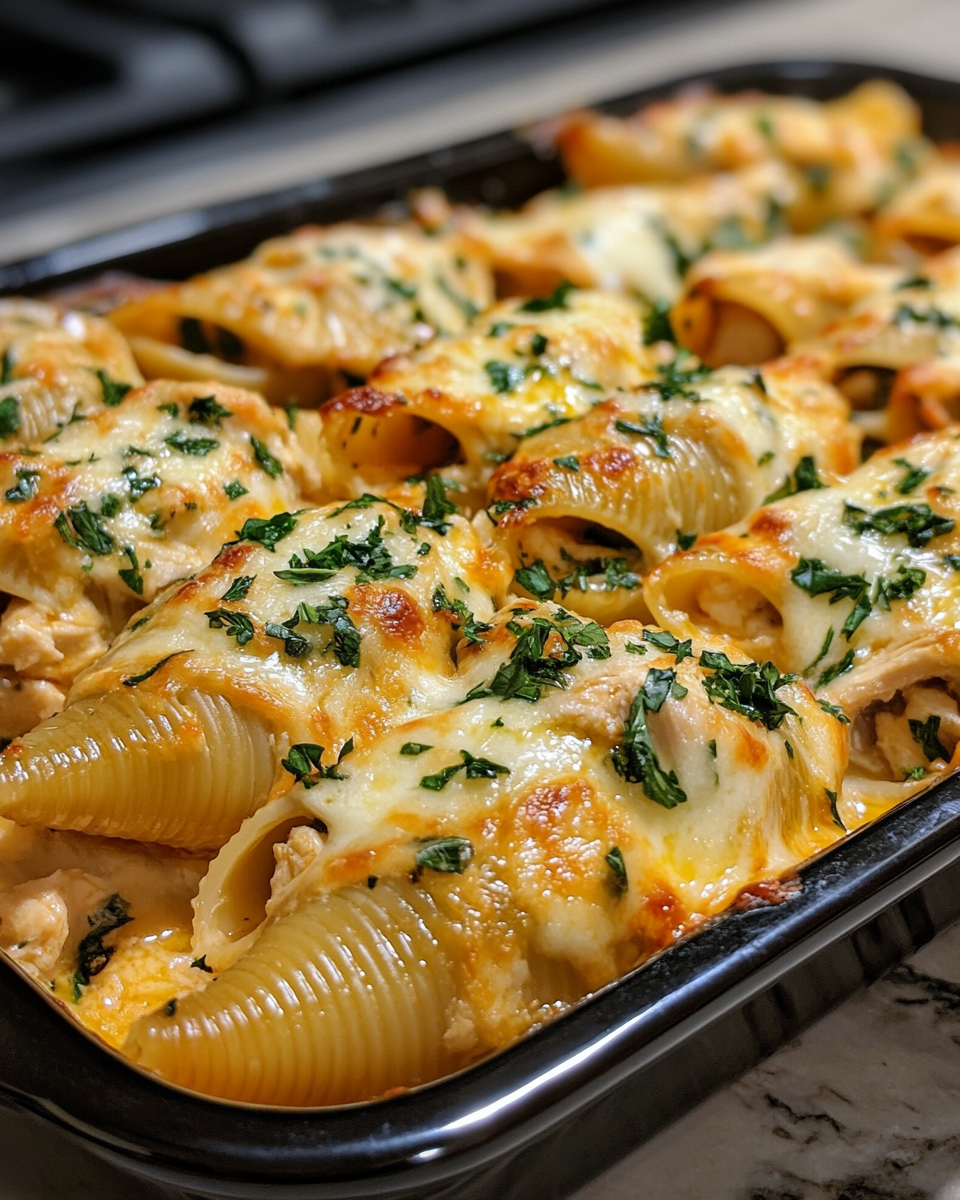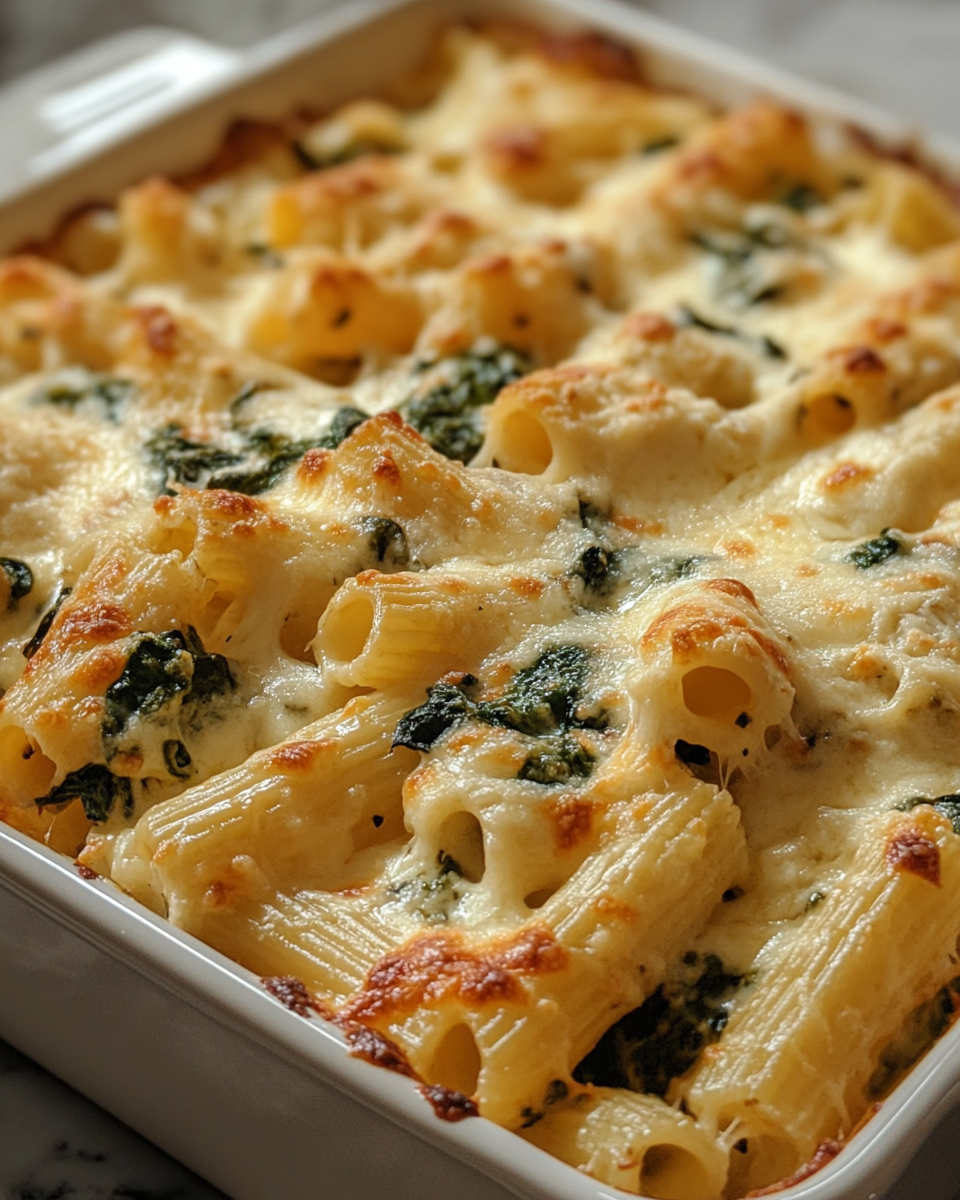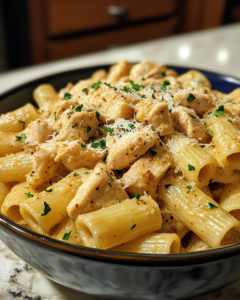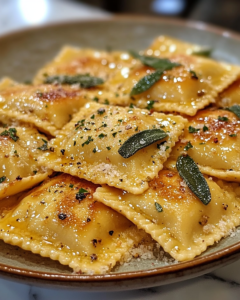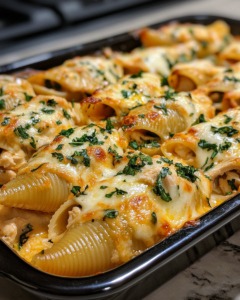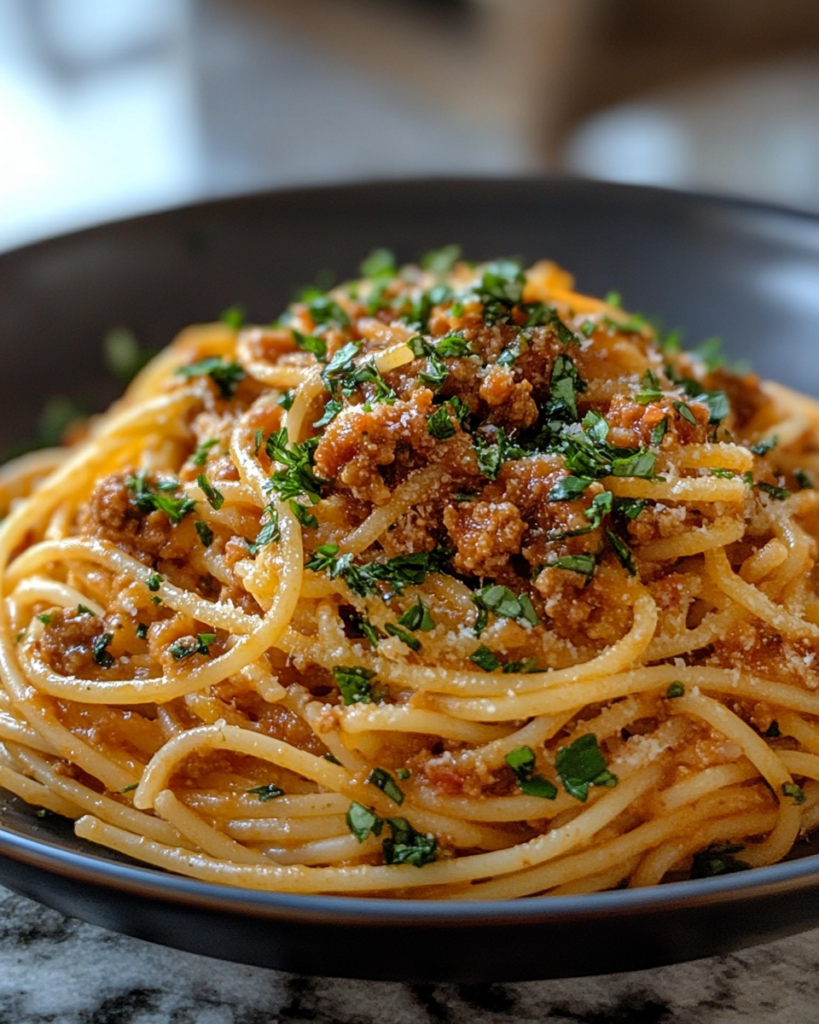
A budget pasta bowl is the kind of meal that proves comfort food does not need to be expensive or complicated. With a handful of pantry staples and a few fresh ingredients, you can create a filling, flavorful dish that works for busy weeknights or simple family dinners. This recipe focuses on stretching ingredients while still delivering satisfying texture and taste.
What makes a budget pasta bowl so appealing is its flexibility. You can adjust the ingredients based on what you already have, turning leftover vegetables or small amounts of protein into something cohesive and hearty. The balance of pasta, sauce, and add-ins creates a dish that feels complete without requiring specialty items.
Ingredients Overview
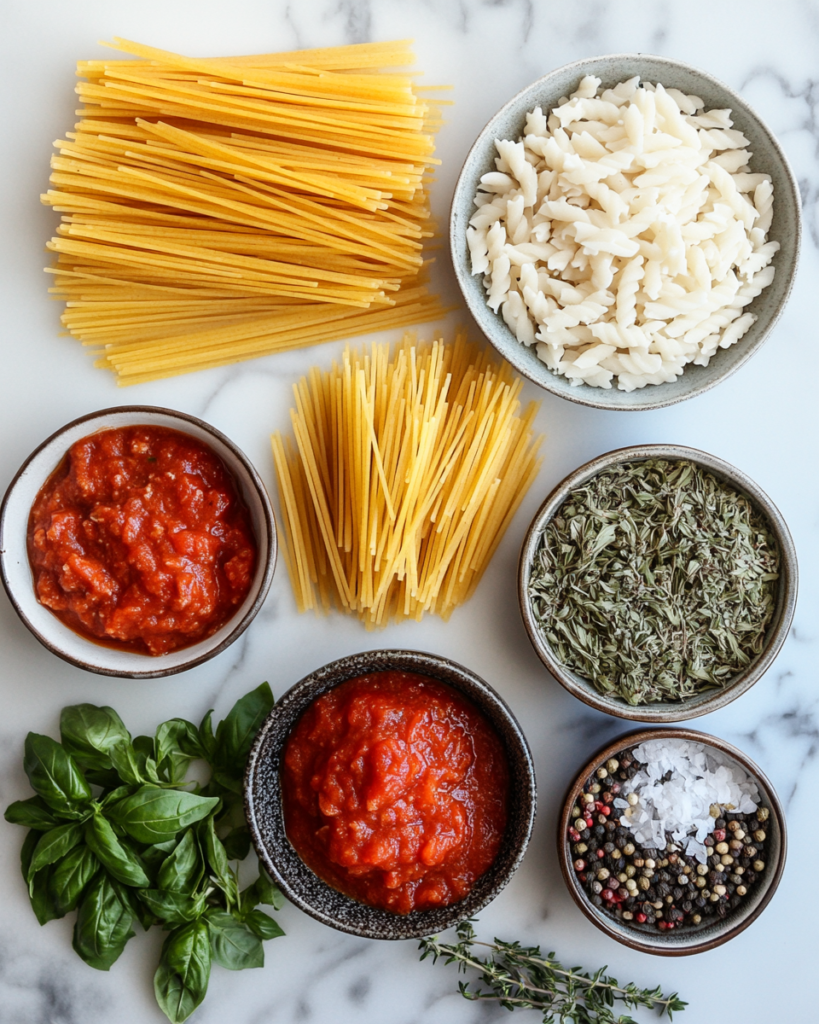
The success of a budget pasta bowl depends on choosing ingredients that are both affordable and versatile. Pasta is the base, and shapes like penne, fusilli, or spaghetti work well because they hold sauce effectively. Dried pasta is inexpensive, shelf-stable, and cooks quickly, making it a reliable foundation.
The sauce is where much of the flavor develops. Canned tomatoes, whether crushed or diced, are a cost-effective option that brings acidity and richness. A small amount of tomato paste can deepen the flavor without adding much expense. Garlic and onion provide aromatic depth, creating a savory base that makes the dish feel more complex than its simple ingredients suggest.
Protein can be added in modest amounts. Ground turkey, chicken, or even a small portion of sausage can stretch across multiple servings. For a vegetarian version, beans or lentils are excellent substitutes, adding both texture and nutrition at a low cost.
Vegetables play an important role in both flavor and volume. Options like zucchini, bell peppers, spinach, or frozen mixed vegetables help bulk up the dish while keeping costs down. Frozen vegetables are especially practical because they reduce waste and are often more affordable than fresh.
Cheese, such as grated Parmesan or a mild shredded cheese, adds a finishing touch. Even a small amount can bring a creamy, salty note that ties everything together. Olive oil, salt, pepper, and dried herbs like oregano or basil round out the seasoning.
Ingredients
12 ounces dried pasta (penne or spaghetti)
1 tablespoon olive oil
1 small onion, finely chopped
3 cloves garlic, minced
1 can (14 ounces) crushed tomatoes
2 tablespoons tomato paste
1 teaspoon dried oregano
1/2 teaspoon dried basil
1/2 teaspoon salt
1/4 teaspoon black pepper
1 cup cooked ground turkey or 1 can beans, drained
1 cup mixed vegetables (fresh or frozen)
1/4 cup grated Parmesan cheese
1/2 cup pasta cooking water (reserved)
Step-by-Step Instructions
Begin by bringing a large pot of salted water to a boil. Add the pasta and cook according to the package instructions until it reaches an al dente texture. This usually takes around 8 to 10 minutes depending on the shape. Before draining, reserve about half a cup of the pasta cooking water, which will later help adjust the sauce consistency.
While the pasta cooks, heat olive oil in a large skillet over medium heat. Add the chopped onion and cook for 4 to 5 minutes until it becomes soft and slightly translucent. Stir occasionally to prevent browning too quickly. Add the minced garlic and cook for another 30 seconds until fragrant, being careful not to let it burn.
Stir in the tomato paste and cook it for about a minute. This step deepens the flavor and removes any raw taste. Add the crushed tomatoes, oregano, basil, salt, and black pepper. Stir well and let the sauce simmer gently for 10 minutes. This allows the flavors to blend and the sauce to thicken slightly.
Add the cooked ground turkey or beans to the sauce, followed by the vegetables. If using frozen vegetables, there is no need to thaw them first. Stir everything together and let it cook for another 5 to 7 minutes until the vegetables are tender and heated through.
Drain the pasta and add it directly to the skillet with the sauce. Toss everything together so the pasta is evenly coated. If the sauce seems too thick, add a small amount of the reserved pasta water until you reach your desired consistency. The starch in the water helps the sauce cling to the pasta.
Sprinkle in the grated Parmesan cheese and stir again. Taste the dish and adjust seasoning if needed. Serve immediately while hot.
A common mistake is overcooking the pasta, which can make the dish feel heavy and soft. Another issue is adding too much water to the sauce, which can dilute the flavor. Keeping an eye on texture and consistency makes a noticeable difference in the final result.
Tips, Variations & Substitutions
One of the best aspects of a budget pasta bowl is how adaptable it is. If you do not have ground turkey, try using a small amount of chopped leftover chicken or even canned tuna for a different flavor. For a vegetarian option, lentils or chickpeas work well and are very cost-effective.
You can change the sauce base by adding a splash of milk or a spoonful of cream cheese for a slightly creamy texture without significantly increasing the cost. If you prefer a spicier dish, a pinch of red pepper flakes can add heat without overpowering the other ingredients.
For vegetables, use what is available and affordable. Carrots, peas, or even cabbage can be added for extra bulk. Cutting vegetables into small, even pieces helps them cook quickly and blend well with the pasta.
If you want to stretch the meal further, serve smaller portions of pasta and pair it with a simple side salad or bread. This approach keeps the meal balanced while making it feed more people.
Serving Ideas & Occasions
A budget pasta bowl is well suited for casual dinners, meal prep, or even packed lunches. It reheats easily, making it practical for busy schedules. Serving it with a slice of toasted bread or garlic bread adds a satisfying crunch and helps round out the meal.
For drinks, a simple glass of iced tea, lemonade, or water with citrus pairs nicely without adding extra cost. If serving for a family gathering, consider placing grated cheese and herbs on the table so everyone can adjust their bowl to their taste.
This dish is especially useful at the end of the week when ingredients need to be used up. It can also be prepared in larger batches for gatherings where a filling, crowd-friendly option is needed.
Nutritional & Health Notes
A budget pasta bowl offers a balanced mix of carbohydrates, protein, and vegetables. Pasta provides energy, while the added protein from meat or beans helps make the dish more satisfying. Including vegetables increases fiber and adds important nutrients.
Using moderate amounts of cheese keeps the dish flavorful without making it overly heavy. Choosing whole wheat pasta can increase fiber content if desired, though standard pasta works perfectly well for this recipe.
Keeping an eye on salt levels is important, especially when using canned ingredients. Rinsing beans and tasting before adding extra salt can help maintain a balanced flavor. Overall, this dish can fit into a variety of eating styles with small adjustments.
FAQs
Can I make a budget pasta bowl ahead of time?
Yes, a budget pasta bowl can be prepared in advance and stored in the refrigerator for up to three days. To keep the texture at its best, store the pasta and sauce together in an airtight container. When reheating, add a small splash of water to loosen the sauce and prevent it from drying out. Heat it gently on the stove or in the microwave, stirring occasionally. This makes it a practical option for meal prep, especially for busy weekdays when cooking from scratch may not be convenient.
What type of pasta works best?
Most types of pasta work well in a budget pasta bowl, but shapes that hold sauce are particularly effective. Penne, fusilli, and rigatoni are good choices because their ridges and curves catch the sauce and ingredients. Spaghetti is also a reliable option if that is what you have on hand. The key is to cook the pasta until just al dente so it maintains a slight firmness and does not become too soft when mixed with the sauce.
Can I freeze this dish?
A budget pasta bowl can be frozen, but there are a few considerations. Pasta can soften after freezing and reheating, so slightly undercooking it before freezing can help maintain a better texture. Store the dish in a freezer-safe container for up to two months. When reheating, thaw it in the refrigerator overnight and warm it on the stove with a bit of added liquid. While it may not be identical to freshly made, it remains a convenient option.
How can I make it more filling?
To make a budget pasta bowl more filling, you can increase the protein or add more vegetables. Beans, lentils, or a small amount of extra meat can boost the overall substance of the dish. Adding ingredients like mushrooms or zucchini can also create a heartier texture without significantly increasing cost. Serving it with bread or a side dish can further round out the meal and make it more satisfying.
Is this recipe suitable for vegetarians?
Yes, this recipe can easily be adapted for vegetarians by replacing the meat with beans, lentils, or even tofu. The sauce and pasta base remain the same, so the flavor profile stays rich and satisfying. Using vegetable-based protein sources keeps the dish affordable while still providing a balanced meal. It is a flexible option that works well for different dietary preferences.
What can I use instead of Parmesan cheese?
If Parmesan cheese is not available, there are several alternatives. Other hard cheeses like Pecorino or a mild cheddar can work in small amounts. Nutritional yeast is also an option for a dairy-free version, providing a slightly nutty flavor. Even without cheese, the dish can still taste complete if the sauce is well seasoned and balanced.
How do I keep the sauce from becoming too thick?
If the sauce becomes too thick, the easiest solution is to add a bit of the reserved pasta cooking water. This water contains starch, which helps loosen the sauce while keeping it cohesive. Add it gradually, stirring as you go, until you reach the desired consistency. Avoid adding too much at once, as this can dilute the flavor. Keeping the sauce at a gentle simmer also helps maintain the right texture.