Garlic Parmesan Alfredo Pasta (Ultra Creamy) 5 Easy Creamy Cozy

Posted on

Chicken

Difficulty

Prep time

Cooking time

Total time

Servings

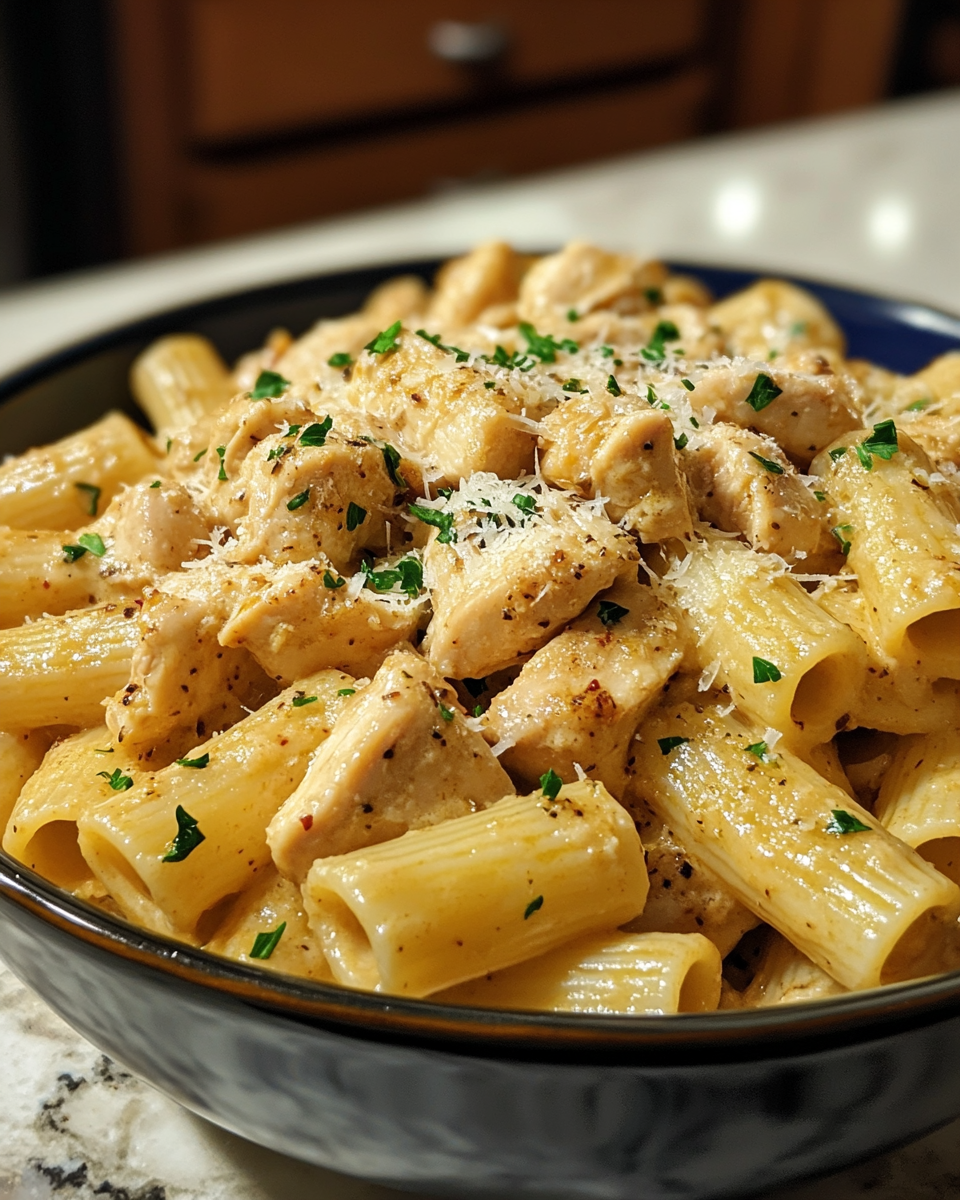
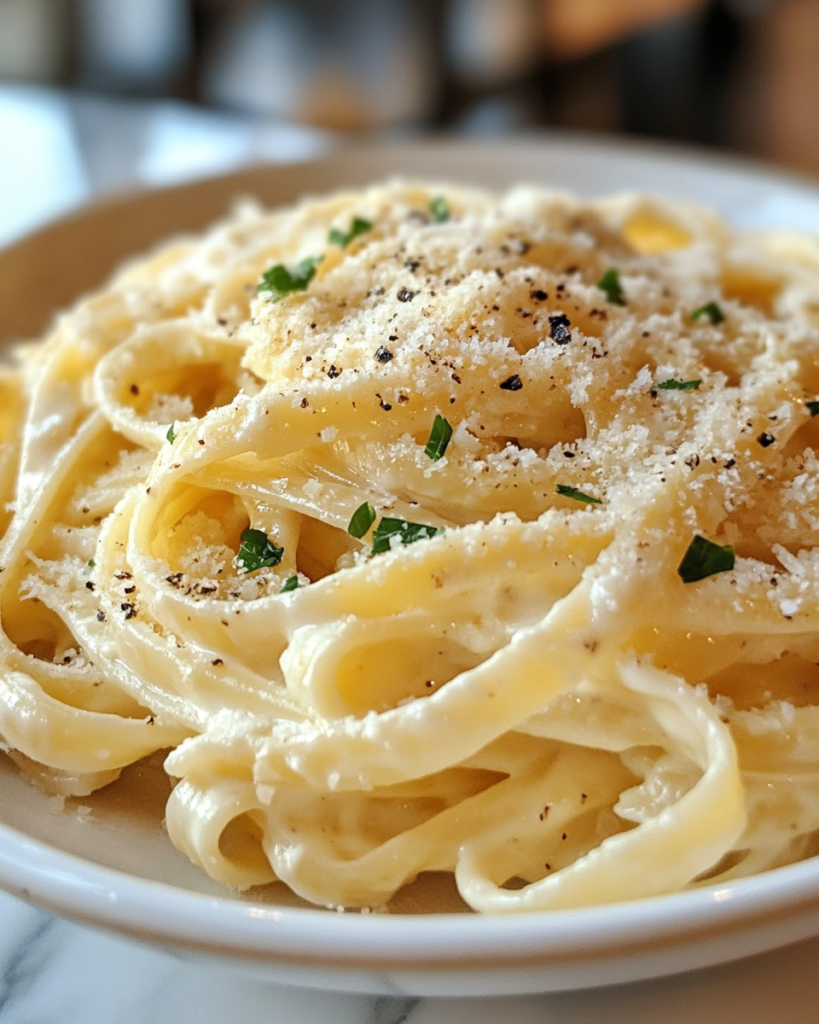
A rich Alfredo-style pasta built around garlic, parmesan, and a silky cream base delivers a thick, velvety texture that coats every strand of pasta. This dish focuses on controlled heat, gradual emulsification, and balanced seasoning to create a smooth sauce with depth and body.

The method centers on gently cooking garlic in butter, building a cream reduction, then melting parmesan into the mixture until a cohesive sauce forms. Pasta is folded into the sauce while starch helps bind everything together into a thick, glossy finish.

This preparation works well for quick dinner service or batch preparation, offering consistent texture when heat levels remain steady and ingredients are incorporated in stages.

Ingredients Overview
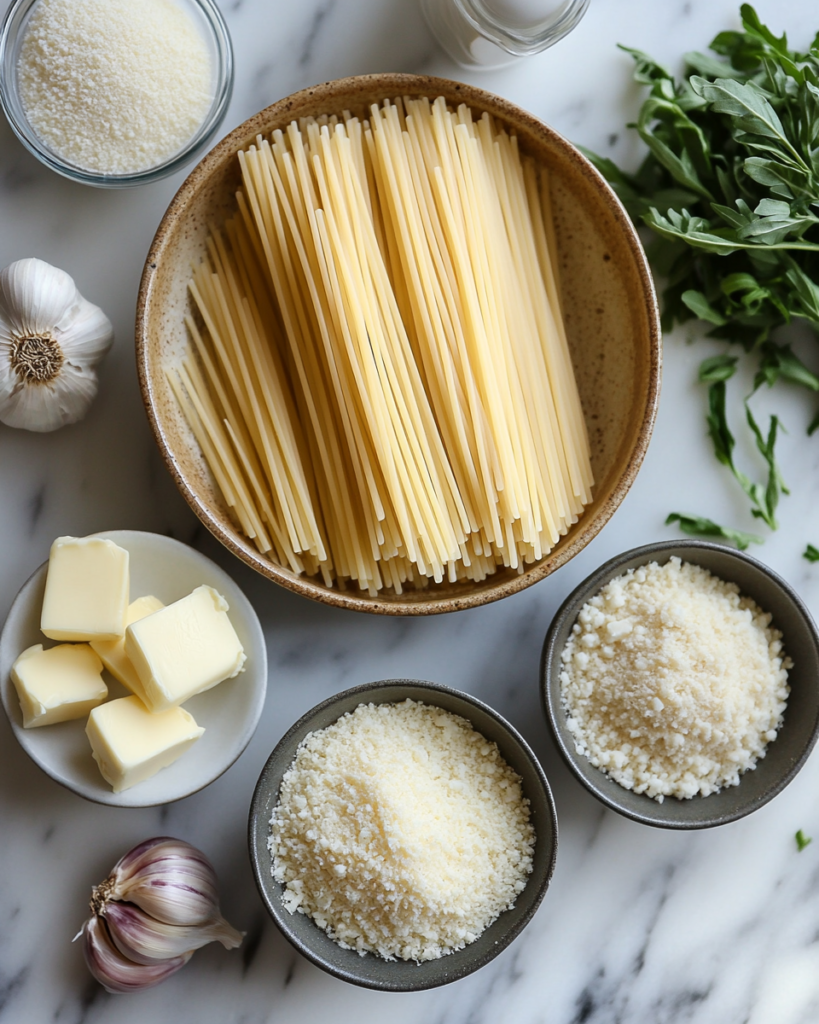
The foundation of this pasta relies on a small group of carefully balanced components. Garlic provides aromatic depth when gently cooked in butter, releasing a mellow flavor rather than sharp intensity. Butter forms the base fat that carries both garlic and cheese while also contributing to the smooth texture of the sauce.

Heavy cream acts as the primary liquid component, creating thickness when gently reduced over steady heat. Parmesan cheese is the key structural element, melting into the cream and forming a dense, cohesive sauce. Freshly grated parmesan works best since pre-grated varieties often contain anti-caking agents that affect melting behavior.

Pasta, typically fettuccine or linguine, provides structure and absorbs the sauce. The starch released during cooking helps bind the sauce naturally without additional thickeners.

Salt and black pepper adjust seasoning balance. A small amount of pasta cooking water can be reserved to adjust sauce consistency, allowing smoother coating of the noodles.

Optional additions include parsley for mild herbal contrast or a small pinch of nutmeg for warmth. These elements remain subtle so the garlic and parmesan remain dominant.

Ingredients

12 ounces fettuccine pasta
4 tablespoons unsalted butter
5 cloves garlic, finely minced
1 1/2 cups heavy cream
1 cup freshly grated parmesan cheese
1/2 teaspoon salt
1/2 teaspoon black pepper
1/4 teaspoon nutmeg (optional)
1/2 cup reserved pasta water
1 tablespoon chopped parsley (optional garnish)

Step-by-Step Instructions
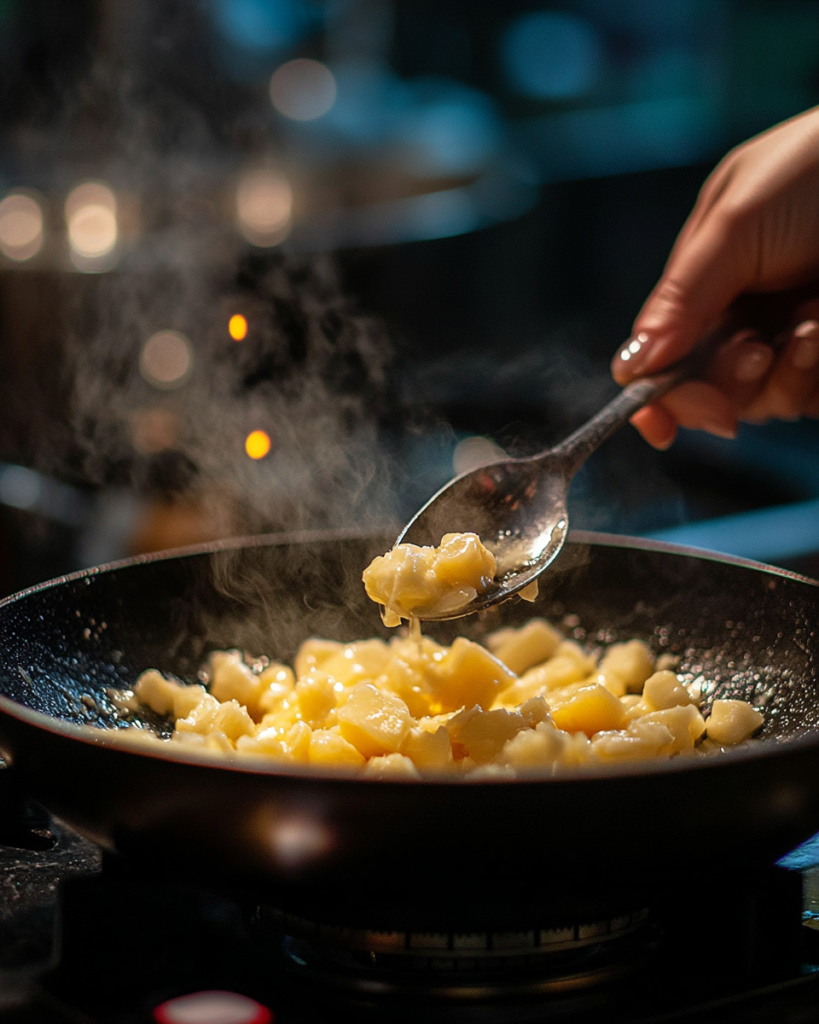
Begin by bringing a large pot of salted water to a steady boil. Add fettuccine and cook until firm yet tender. Stir occasionally to prevent sticking. Before draining, reserve half a cup of cooking liquid, then drain pasta and set aside.

Place a large skillet over medium heat. Add butter and allow it to melt completely without browning. Introduce minced garlic and cook gently for a short duration while stirring continuously. The goal is soft aromatic release rather than browning, which would create bitterness.

Pour heavy cream into the skillet. Stir slowly to combine with the butter and garlic mixture. Maintain steady heat so the cream warms evenly without rapid boiling. Allow the mixture to reduce slightly, forming a thicker consistency.

Gradually add grated parmesan while stirring continuously. The cheese should melt into the cream, forming a smooth sauce. If clumping occurs, lower heat and continue stirring until the texture becomes uniform.

Season with salt, black pepper, and optional nutmeg. Taste adjustment should remain light to preserve balance between dairy and garlic.

Add cooked pasta directly into the skillet. Toss gently to coat each strand evenly. If the sauce appears too thick, slowly add reserved pasta water in small increments until the desired consistency is reached.

Continue gentle tossing until the sauce clings evenly to the pasta surface. The starch from the pasta water helps bind the sauce, creating a glossy finish without separation.

Remove from heat once coating is uniform. Allow the pasta to rest briefly so the sauce settles and thickens slightly. Finish with chopped parsley if desired for mild color contrast.

Tips, Variations & Substitutions

Slow heat control is essential for maintaining a smooth sauce texture. High heat may cause separation of cream and cheese, leading to grainy consistency. Keeping the skillet at moderate temperature supports stable emulsification.

Freshly grated parmesan performs better than packaged alternatives due to cleaner melting properties. Finely grating the cheese improves integration speed and reduces clumping.

For a richer profile, a small amount of cream cheese can be incorporated during the melting stage. This increases thickness and adds a slight tangy layer.

Protein additions such as grilled chicken or sautéed shrimp pair well with the sauce. These should be cooked separately and folded in at the final stage to maintain texture integrity.

For a lighter variation, half-and-half may replace heavy cream, though sauce thickness will be reduced. In this case, additional parmesan can be added to maintain body.

Garlic intensity can be adjusted by reducing or increasing cloves. Slow cooking garlic in butter remains important regardless of quantity to avoid sharp flavor notes.

Serving Ideas & Occasions

This pasta pairs well with roasted vegetables such as asparagus, zucchini, or mushrooms, which provide contrast to the creamy base. Crisp green salads with light vinaigrette also balance the richness of the dish.

Garlic bread or toasted baguette slices complement the sauce by offering additional texture for scooping remaining sauce from the plate.

This dish is commonly served during casual dinners, family-style meals, or gatherings where warm comfort food is preferred. The creamy consistency holds well for short periods, making it suitable for shared serving.

A glass of lightly chilled white grape beverage or sparkling water with citrus complements the richness without overpowering the garlic and cheese profile.

Nutritional & Health Notes

This pasta contains a higher fat content due to cream, butter, and cheese. These ingredients contribute to satiety and provide a dense energy profile. Portion control may be considered depending on dietary goals.

Parmesan cheese contributes protein and calcium, while garlic provides aromatic compounds commonly used in savory cooking. Pasta contributes carbohydrates that serve as the main energy source.

Balancing this dish with lighter vegetable sides helps create a more rounded meal structure. Adjusting portion size or cream quantity can reduce overall richness if desired.

FAQs

What type of pasta works for this dish?

Long pasta shapes such as fettuccine or linguine work well due to their ability to hold creamy sauces. These shapes allow the sauce to cling evenly, creating consistent texture in each bite. Short pasta can also be used, though sauce distribution may vary slightly. Cooking should remain al dente to maintain structure during mixing with the sauce.

Can pre-grated cheese be used?

Pre-grated parmesan can be used, though texture may differ. Anti-caking agents sometimes prevent smooth melting, which may affect sauce consistency. Freshly grated cheese melts more evenly and integrates more effectively into the cream base. If pre-grated cheese is used, gradual addition and continuous stirring help improve results.

What causes sauce separation?

Separation often occurs when heat is too high or cheese is added too quickly. Maintaining moderate heat and gradual incorporation of cheese helps maintain smooth texture. Stirring consistently during melting stage supports stable emulsification between fat and dairy components.

Can milk replace heavy cream?

Milk can replace heavy cream, but sauce thickness will decrease. To compensate, additional parmesan or a small amount of butter may be added. The final texture will remain lighter compared to cream-based preparation.

How can garlic flavor be adjusted?

Garlic intensity depends on cooking duration and quantity used. Longer gentle cooking produces milder flavor, while shorter cooking retains stronger aroma. Adjusting clove quantity allows further control over overall profile.

Can protein be added?

Cooked chicken, shrimp, or turkey can be added. These should be prepared separately and combined during final mixing stage to maintain texture integrity. Protein should be fully cooked before integration.

How can leftover pasta be reheated?

Reheating should be done over low heat with a small amount of cream or water added. Gentle stirring helps restore sauce texture. High heat should be avoided to prevent separation.

………………..

[rank_math_breadcrumb]

Garlic Parmesan Alfredo Pasta (Ultra Creamy) 5 Easy Creamy Cozy

Photo of author
Author: ahmed va
Published:

A rich Alfredo-style pasta built around garlic, parmesan, and a silky cream base delivers a thick, velvety texture that coats every strand of pasta. This dish focuses on controlled heat, gradual emulsification, and balanced seasoning to create a smooth sauce with depth and body.

The method centers on gently cooking garlic in butter, building a cream reduction, then melting parmesan into the mixture until a cohesive sauce forms. Pasta is folded into the sauce while starch helps bind everything together into a thick, glossy finish.

This preparation works well for quick dinner service or batch preparation, offering consistent texture when heat levels remain steady and ingredients are incorporated in stages.

Ingredients Overview

The foundation of this pasta relies on a small group of carefully balanced components. Garlic provides aromatic depth when gently cooked in butter, releasing a mellow flavor rather than sharp intensity. Butter forms the base fat that carries both garlic and cheese while also contributing to the smooth texture of the sauce.

Heavy cream acts as the primary liquid component, creating thickness when gently reduced over steady heat. Parmesan cheese is the key structural element, melting into the cream and forming a dense, cohesive sauce. Freshly grated parmesan works best since pre-grated varieties often contain anti-caking agents that affect melting behavior.

Pasta, typically fettuccine or linguine, provides structure and absorbs the sauce. The starch released during cooking helps bind the sauce naturally without additional thickeners.

Salt and black pepper adjust seasoning balance. A small amount of pasta cooking water can be reserved to adjust sauce consistency, allowing smoother coating of the noodles.

Optional additions include parsley for mild herbal contrast or a small pinch of nutmeg for warmth. These elements remain subtle so the garlic and parmesan remain dominant.

Ingredients

12 ounces fettuccine pasta
4 tablespoons unsalted butter
5 cloves garlic, finely minced
1 1/2 cups heavy cream
1 cup freshly grated parmesan cheese
1/2 teaspoon salt
1/2 teaspoon black pepper
1/4 teaspoon nutmeg (optional)
1/2 cup reserved pasta water
1 tablespoon chopped parsley (optional garnish)

Step-by-Step Instructions

Begin by bringing a large pot of salted water to a steady boil. Add fettuccine and cook until firm yet tender. Stir occasionally to prevent sticking. Before draining, reserve half a cup of cooking liquid, then drain pasta and set aside.

Place a large skillet over medium heat. Add butter and allow it to melt completely without browning. Introduce minced garlic and cook gently for a short duration while stirring continuously. The goal is soft aromatic release rather than browning, which would create bitterness.

Pour heavy cream into the skillet. Stir slowly to combine with the butter and garlic mixture. Maintain steady heat so the cream warms evenly without rapid boiling. Allow the mixture to reduce slightly, forming a thicker consistency.

Gradually add grated parmesan while stirring continuously. The cheese should melt into the cream, forming a smooth sauce. If clumping occurs, lower heat and continue stirring until the texture becomes uniform.

Season with salt, black pepper, and optional nutmeg. Taste adjustment should remain light to preserve balance between dairy and garlic.

Add cooked pasta directly into the skillet. Toss gently to coat each strand evenly. If the sauce appears too thick, slowly add reserved pasta water in small increments until the desired consistency is reached.

Continue gentle tossing until the sauce clings evenly to the pasta surface. The starch from the pasta water helps bind the sauce, creating a glossy finish without separation.

Remove from heat once coating is uniform. Allow the pasta to rest briefly so the sauce settles and thickens slightly. Finish with chopped parsley if desired for mild color contrast.

Tips, Variations & Substitutions

Slow heat control is essential for maintaining a smooth sauce texture. High heat may cause separation of cream and cheese, leading to grainy consistency. Keeping the skillet at moderate temperature supports stable emulsification.

Freshly grated parmesan performs better than packaged alternatives due to cleaner melting properties. Finely grating the cheese improves integration speed and reduces clumping.

For a richer profile, a small amount of cream cheese can be incorporated during the melting stage. This increases thickness and adds a slight tangy layer.

Protein additions such as grilled chicken or sautéed shrimp pair well with the sauce. These should be cooked separately and folded in at the final stage to maintain texture integrity.

For a lighter variation, half-and-half may replace heavy cream, though sauce thickness will be reduced. In this case, additional parmesan can be added to maintain body.

Garlic intensity can be adjusted by reducing or increasing cloves. Slow cooking garlic in butter remains important regardless of quantity to avoid sharp flavor notes.

Serving Ideas & Occasions

This pasta pairs well with roasted vegetables such as asparagus, zucchini, or mushrooms, which provide contrast to the creamy base. Crisp green salads with light vinaigrette also balance the richness of the dish.

Garlic bread or toasted baguette slices complement the sauce by offering additional texture for scooping remaining sauce from the plate.

This dish is commonly served during casual dinners, family-style meals, or gatherings where warm comfort food is preferred. The creamy consistency holds well for short periods, making it suitable for shared serving.

A glass of lightly chilled white grape beverage or sparkling water with citrus complements the richness without overpowering the garlic and cheese profile.

Nutritional & Health Notes

This pasta contains a higher fat content due to cream, butter, and cheese. These ingredients contribute to satiety and provide a dense energy profile. Portion control may be considered depending on dietary goals.

Parmesan cheese contributes protein and calcium, while garlic provides aromatic compounds commonly used in savory cooking. Pasta contributes carbohydrates that serve as the main energy source.

Balancing this dish with lighter vegetable sides helps create a more rounded meal structure. Adjusting portion size or cream quantity can reduce overall richness if desired.

FAQs

What type of pasta works for this dish?

Long pasta shapes such as fettuccine or linguine work well due to their ability to hold creamy sauces. These shapes allow the sauce to cling evenly, creating consistent texture in each bite. Short pasta can also be used, though sauce distribution may vary slightly. Cooking should remain al dente to maintain structure during mixing with the sauce.

Can pre-grated cheese be used?

Pre-grated parmesan can be used, though texture may differ. Anti-caking agents sometimes prevent smooth melting, which may affect sauce consistency. Freshly grated cheese melts more evenly and integrates more effectively into the cream base. If pre-grated cheese is used, gradual addition and continuous stirring help improve results.

What causes sauce separation?

Separation often occurs when heat is too high or cheese is added too quickly. Maintaining moderate heat and gradual incorporation of cheese helps maintain smooth texture. Stirring consistently during melting stage supports stable emulsification between fat and dairy components.

Can milk replace heavy cream?

Milk can replace heavy cream, but sauce thickness will decrease. To compensate, additional parmesan or a small amount of butter may be added. The final texture will remain lighter compared to cream-based preparation.

How can garlic flavor be adjusted?

Garlic intensity depends on cooking duration and quantity used. Longer gentle cooking produces milder flavor, while shorter cooking retains stronger aroma. Adjusting clove quantity allows further control over overall profile.

Can protein be added?

Cooked chicken, shrimp, or turkey can be added. These should be prepared separately and combined during final mixing stage to maintain texture integrity. Protein should be fully cooked before integration.

How can leftover pasta be reheated?

Reheating should be done over low heat with a small amount of cream or water added. Gentle stirring helps restore sauce texture. High heat should be avoided to prevent separation.

………………..

Name

Lorem ipsum dolor sit amet, consectetur adipiscing elit. Suspendisse varius enim in eros elementum tristique. Duis cursus, mi quis viverra ornare, eros dolor interdum nulla, ut commodo diam libero vitae erat.

You Might Also Like...

Creamy Shrimp Alfredo Pasta Recipe 7 Simple Cozy

Creamy Shrimp Alfredo Pasta Recipe 7 Simple Cozy

Creamy Chicken Alfredo Pasta Bake 5 Ultimate Cozy Comfort

Creamy Chicken Alfredo Pasta Bake 5 Ultimate Cozy Comfort

Creamy Fettuccine Chicken Alfredo Recipe 7 Simple Devoted

Creamy Fettuccine Chicken Alfredo Recipe 7 Simple Devoted

Creamy Chicken Alfredo Pasta (Easy Dinner) 5 Easy Cozy

Creamy Chicken Alfredo Pasta (Easy Dinner) 5 Easy Cozy

Tags:

You might also like these recipes

Leave a Comment