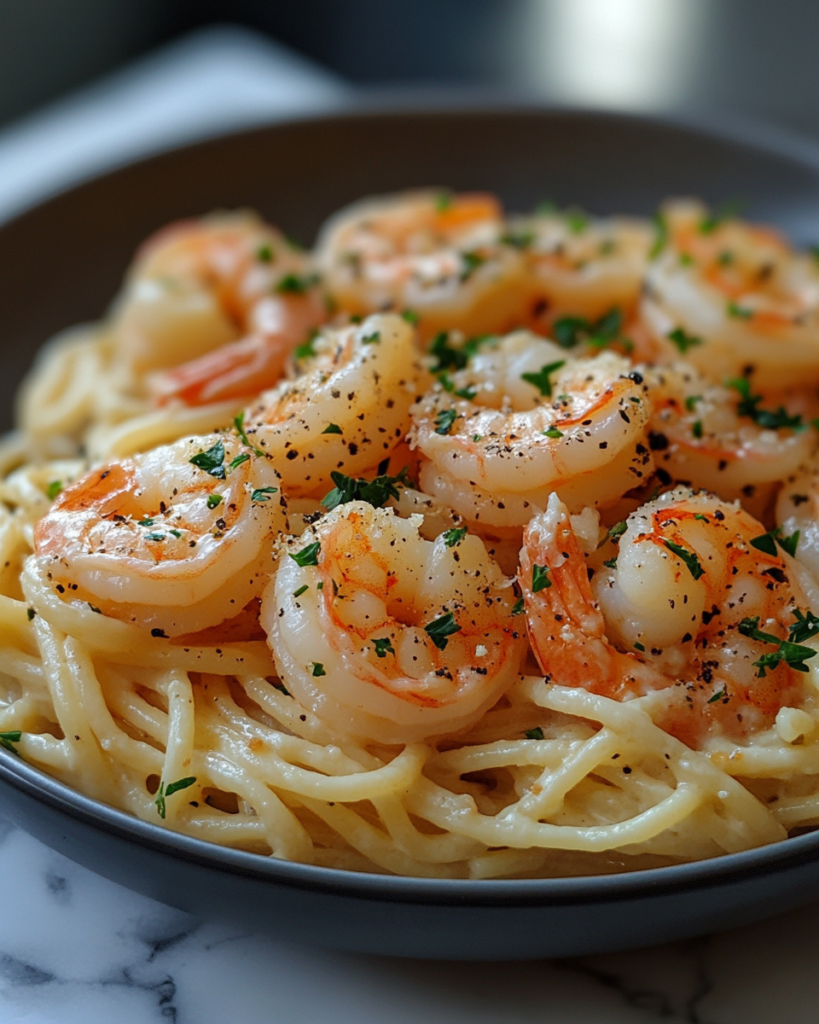
Creamy Shrimp Alfredo Pasta Recipe 7 Simple Cozy

Posted on

Seafood

Difficulty

Prep time

Cooking time

Total time

Servings

A creamy shrimp Alfredo pasta is one of those dishes that brings rich, comforting flavor to the table with surprisingly simple preparation. Tender shrimp, silky Alfredo sauce, and perfectly cooked pasta come together in a way that feels satisfying without being complicated.

This dish works well for weeknight dinners or a relaxed weekend meal when something warm and filling is desired. The sauce clings to every strand of pasta, while the shrimp add a light sweetness and soft texture that balances the richness.

Once everything is combined, the result is a pasta dish that feels comforting, aromatic, and full of depth from just a few carefully chosen ingredients.

Ingredients Overview
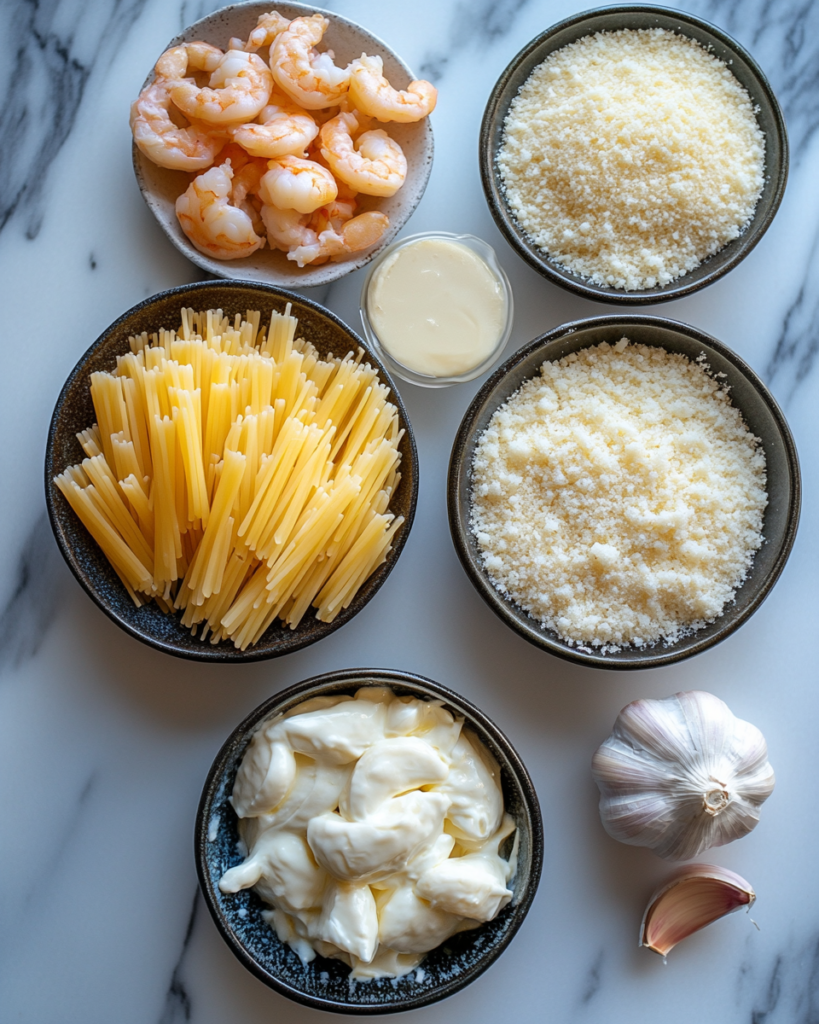
The foundation of creamy shrimp Alfredo pasta starts with shrimp, pasta, butter, cream, garlic, and Parmesan cheese. Each ingredient plays a specific role in creating the final texture and flavor.

Shrimp bring a tender, slightly sweet seafood flavor that pairs naturally with creamy sauces. Medium or large shrimp work well because they stay juicy without becoming rubbery during cooking. Fresh or frozen shrimp can be used depending on availability, but they should be peeled and deveined before cooking.

Fettuccine is the most traditional pasta choice for Alfredo sauce. Its wide, flat shape holds the creamy sauce well, allowing each bite to be evenly coated. However, linguine or spaghetti can also be used if preferred.

Heavy cream forms the base of the sauce, giving it a smooth and rich consistency. Butter adds depth and helps carry the garlic flavor throughout the dish. Fresh garlic is important because it infuses the sauce with a warm aroma without overpowering the shrimp.

Parmesan cheese brings saltiness and a slightly nutty taste that thickens the sauce naturally. It is best to use freshly grated Parmesan so it melts smoothly into the cream.

Salt, black pepper, and optional parsley round out the flavor profile. These simple additions bring balance without distracting from the main ingredients.

Ingredients

12 ounces fettuccine pasta
1 pound large shrimp, peeled and deveined
3 tablespoons butter
4 cloves garlic, minced
2 cups heavy cream
1 cup freshly grated Parmesan cheese
1/2 teaspoon salt
1/2 teaspoon black pepper
1/4 teaspoon paprika (optional)
2 tablespoons olive oil
1 tablespoon chopped parsley (optional)

Step-by-Step Instructions
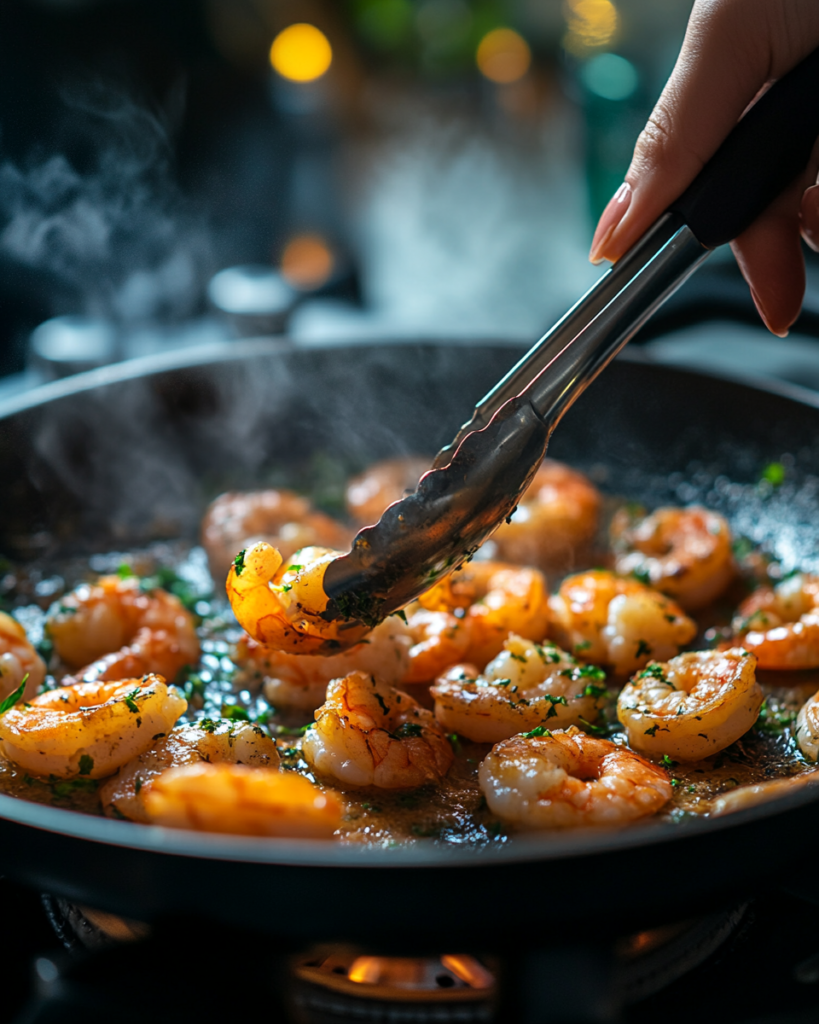
Start by cooking the fettuccine in a large pot of salted boiling water. Cook until just al dente according to package instructions. Drain the pasta and set it aside, reserving about half a cup of the pasta water in case the sauce needs thinning later.

While the pasta cooks, prepare the shrimp. Pat them dry with a paper towel to remove excess moisture. This helps them sear properly instead of steaming. Heat olive oil in a large skillet over medium heat. Add the shrimp in a single layer and cook for about 1 to 2 minutes per side until they turn pink and opaque. Remove them from the skillet and set aside.

In the same skillet, melt the butter over medium heat. Add minced garlic and cook for about 30 seconds until fragrant. Stir constantly to avoid browning the garlic, which can create a bitter taste.

Pour in the heavy cream and bring it to a gentle simmer. Stir slowly as it begins to warm. The cream should not boil rapidly, as this can affect its smooth texture.

Add the grated Parmesan cheese gradually, stirring until it melts completely into the sauce. The mixture will begin to thicken as the cheese blends with the cream. If the sauce becomes too thick, add a small amount of reserved pasta water until the desired consistency is reached.

Season the sauce with salt, black pepper, and paprika if using. Taste lightly and adjust seasoning as needed. The sauce should be creamy, smooth, and well balanced.

Return the cooked shrimp to the skillet and stir gently to coat them in the sauce. Let them warm through for about a minute.

Add the drained fettuccine directly into the skillet. Toss everything together until the pasta is fully coated with the Alfredo sauce. Use tongs to lift and mix the pasta gently, allowing the sauce to distribute evenly.

Once everything is combined, remove from heat. Sprinkle with chopped parsley if desired. Serve immediately while warm and creamy.

Tips, Variations & Substitutions

For a lighter version, half-and-half can replace some of the heavy cream, though the sauce will be slightly less rich. Adding a small amount of reserved pasta water can help maintain smoothness.

Chicken can be used instead of shrimp for a different protein option. Simply cook diced chicken breast until golden before making the sauce.

For extra depth, a pinch of red pepper flakes can be added to the garlic and butter mixture. This introduces a gentle heat that complements the creamy sauce.

Gluten-free pasta works well in this recipe, though cooking times may vary slightly. Be careful not to overcook it, as softer gluten-free pasta can break more easily when mixed with sauce.

Freshly grated Parmesan is highly recommended because pre-shredded cheese may not melt as smoothly, affecting the texture of the sauce.

Serving Ideas & Occasions

Creamy shrimp Alfredo pasta pairs well with light side dishes such as a simple green salad or steamed vegetables. Garlic bread also complements the dish by adding a crisp texture that contrasts with the creamy pasta.

It works well for casual dinners, date nights, or small gatherings where a warm and satisfying meal is desired. A glass of chilled sparkling water or a light white beverage pairs nicely with the richness of the sauce.

The dish is best served immediately after preparation while the sauce remains smooth and the pasta is warm and coated.

Nutritional & Health Notes

This pasta dish provides a balance of protein from shrimp, carbohydrates from pasta, and fats from cream and butter. Shrimp offer lean protein and essential nutrients such as selenium and vitamin B12.

The sauce is rich due to the dairy content, making it a filling meal best enjoyed in moderate portions. Adjusting the cream or cheese levels can slightly change the richness while maintaining flavor.

Adding vegetables such as spinach or broccoli can increase fiber content and bring additional color and texture to the dish without changing its core profile.

Homemade preparation allows control over salt levels and ingredient quality, which can support a more balanced meal overall.

FAQs

Can I use frozen shrimp for this recipe?

Frozen shrimp work well in creamy shrimp Alfredo pasta as long as they are properly thawed before cooking. Place them in the refrigerator overnight or run them under cold water until fully thawed. After thawing, pat them dry to remove excess moisture. This step helps the shrimp cook evenly and develop a better texture in the skillet. Frozen shrimp are a convenient option and often taste just as good as fresh when prepared correctly.

What type of pasta works best for Alfredo sauce?

Fettuccine is the most commonly used pasta for Alfredo sauce because its wide shape holds the creamy sauce effectively. However, other pasta types such as linguine, spaghetti, or tagliatelle also work well. The key is choosing a pasta that allows the sauce to cling evenly. Cooking the pasta to al dente is important so it maintains structure when mixed with the sauce and shrimp.

How do I prevent the sauce from becoming too thick?

If the Alfredo sauce becomes too thick, reserved pasta water can be added gradually. The starch in the water helps loosen the sauce while maintaining its creamy texture. Adding a small splash at a time while stirring allows better control over consistency. It is also important to keep the heat low once the cream and cheese are combined to avoid over-thickening.

Can I make this dish without cream?

Yes, a lighter version can be made using milk combined with a small amount of flour or cornstarch to help thicken the sauce. While the texture will be less rich than traditional Alfredo, it still provides a creamy coating for the pasta and shrimp. The flavor may be slightly milder, but garlic and Parmesan can help maintain depth.

Why is my shrimp turning rubbery?

Shrimp can become rubbery when overcooked. They only need a short cooking time, usually 1 to 2 minutes per side depending on size. Once they turn pink and opaque, they are done. Removing them from heat promptly prevents overcooking. They can be added back into the sauce at the end to warm through without additional cooking.

Can I add vegetables to this pasta?

Vegetables such as spinach, mushrooms, broccoli, or peas can be added to shrimp Alfredo pasta. They should be cooked before or along with the sauce depending on their texture. Spinach can be stirred in at the end, while harder vegetables like broccoli should be lightly steamed or sautéed first. This adds color, texture, and balance to the dish.

How long does leftover Alfredo pasta last?

Leftover shrimp Alfredo pasta can be stored in an airtight container in the refrigerator for up to two days. When reheating, add a small splash of milk or cream to restore the sauce’s creamy consistency. Heat gently over low heat or in short intervals in the microwave to avoid overcooking the shrimp and separating the sauce.

[rank_math_breadcrumb]

Creamy Shrimp Alfredo Pasta Recipe 7 Simple Cozy

Photo of author
Author: ahmed va
Published:

A creamy shrimp Alfredo pasta is one of those dishes that brings rich, comforting flavor to the table with surprisingly simple preparation. Tender shrimp, silky Alfredo sauce, and perfectly cooked pasta come together in a way that feels satisfying without being complicated.

This dish works well for weeknight dinners or a relaxed weekend meal when something warm and filling is desired. The sauce clings to every strand of pasta, while the shrimp add a light sweetness and soft texture that balances the richness.

Once everything is combined, the result is a pasta dish that feels comforting, aromatic, and full of depth from just a few carefully chosen ingredients.

Ingredients Overview

The foundation of creamy shrimp Alfredo pasta starts with shrimp, pasta, butter, cream, garlic, and Parmesan cheese. Each ingredient plays a specific role in creating the final texture and flavor.

Shrimp bring a tender, slightly sweet seafood flavor that pairs naturally with creamy sauces. Medium or large shrimp work well because they stay juicy without becoming rubbery during cooking. Fresh or frozen shrimp can be used depending on availability, but they should be peeled and deveined before cooking.

Fettuccine is the most traditional pasta choice for Alfredo sauce. Its wide, flat shape holds the creamy sauce well, allowing each bite to be evenly coated. However, linguine or spaghetti can also be used if preferred.

Heavy cream forms the base of the sauce, giving it a smooth and rich consistency. Butter adds depth and helps carry the garlic flavor throughout the dish. Fresh garlic is important because it infuses the sauce with a warm aroma without overpowering the shrimp.

Parmesan cheese brings saltiness and a slightly nutty taste that thickens the sauce naturally. It is best to use freshly grated Parmesan so it melts smoothly into the cream.

Salt, black pepper, and optional parsley round out the flavor profile. These simple additions bring balance without distracting from the main ingredients.

Ingredients

12 ounces fettuccine pasta
1 pound large shrimp, peeled and deveined
3 tablespoons butter
4 cloves garlic, minced
2 cups heavy cream
1 cup freshly grated Parmesan cheese
1/2 teaspoon salt
1/2 teaspoon black pepper
1/4 teaspoon paprika (optional)
2 tablespoons olive oil
1 tablespoon chopped parsley (optional)

Step-by-Step Instructions

Start by cooking the fettuccine in a large pot of salted boiling water. Cook until just al dente according to package instructions. Drain the pasta and set it aside, reserving about half a cup of the pasta water in case the sauce needs thinning later.

While the pasta cooks, prepare the shrimp. Pat them dry with a paper towel to remove excess moisture. This helps them sear properly instead of steaming. Heat olive oil in a large skillet over medium heat. Add the shrimp in a single layer and cook for about 1 to 2 minutes per side until they turn pink and opaque. Remove them from the skillet and set aside.

In the same skillet, melt the butter over medium heat. Add minced garlic and cook for about 30 seconds until fragrant. Stir constantly to avoid browning the garlic, which can create a bitter taste.

Pour in the heavy cream and bring it to a gentle simmer. Stir slowly as it begins to warm. The cream should not boil rapidly, as this can affect its smooth texture.

Add the grated Parmesan cheese gradually, stirring until it melts completely into the sauce. The mixture will begin to thicken as the cheese blends with the cream. If the sauce becomes too thick, add a small amount of reserved pasta water until the desired consistency is reached.

Season the sauce with salt, black pepper, and paprika if using. Taste lightly and adjust seasoning as needed. The sauce should be creamy, smooth, and well balanced.

Return the cooked shrimp to the skillet and stir gently to coat them in the sauce. Let them warm through for about a minute.

Add the drained fettuccine directly into the skillet. Toss everything together until the pasta is fully coated with the Alfredo sauce. Use tongs to lift and mix the pasta gently, allowing the sauce to distribute evenly.

Once everything is combined, remove from heat. Sprinkle with chopped parsley if desired. Serve immediately while warm and creamy.

Tips, Variations & Substitutions

For a lighter version, half-and-half can replace some of the heavy cream, though the sauce will be slightly less rich. Adding a small amount of reserved pasta water can help maintain smoothness.

Chicken can be used instead of shrimp for a different protein option. Simply cook diced chicken breast until golden before making the sauce.

For extra depth, a pinch of red pepper flakes can be added to the garlic and butter mixture. This introduces a gentle heat that complements the creamy sauce.

Gluten-free pasta works well in this recipe, though cooking times may vary slightly. Be careful not to overcook it, as softer gluten-free pasta can break more easily when mixed with sauce.

Freshly grated Parmesan is highly recommended because pre-shredded cheese may not melt as smoothly, affecting the texture of the sauce.

Serving Ideas & Occasions

Creamy shrimp Alfredo pasta pairs well with light side dishes such as a simple green salad or steamed vegetables. Garlic bread also complements the dish by adding a crisp texture that contrasts with the creamy pasta.

It works well for casual dinners, date nights, or small gatherings where a warm and satisfying meal is desired. A glass of chilled sparkling water or a light white beverage pairs nicely with the richness of the sauce.

The dish is best served immediately after preparation while the sauce remains smooth and the pasta is warm and coated.

Nutritional & Health Notes

This pasta dish provides a balance of protein from shrimp, carbohydrates from pasta, and fats from cream and butter. Shrimp offer lean protein and essential nutrients such as selenium and vitamin B12.

The sauce is rich due to the dairy content, making it a filling meal best enjoyed in moderate portions. Adjusting the cream or cheese levels can slightly change the richness while maintaining flavor.

Adding vegetables such as spinach or broccoli can increase fiber content and bring additional color and texture to the dish without changing its core profile.

Homemade preparation allows control over salt levels and ingredient quality, which can support a more balanced meal overall.

FAQs

Can I use frozen shrimp for this recipe?

Frozen shrimp work well in creamy shrimp Alfredo pasta as long as they are properly thawed before cooking. Place them in the refrigerator overnight or run them under cold water until fully thawed. After thawing, pat them dry to remove excess moisture. This step helps the shrimp cook evenly and develop a better texture in the skillet. Frozen shrimp are a convenient option and often taste just as good as fresh when prepared correctly.

What type of pasta works best for Alfredo sauce?

Fettuccine is the most commonly used pasta for Alfredo sauce because its wide shape holds the creamy sauce effectively. However, other pasta types such as linguine, spaghetti, or tagliatelle also work well. The key is choosing a pasta that allows the sauce to cling evenly. Cooking the pasta to al dente is important so it maintains structure when mixed with the sauce and shrimp.

How do I prevent the sauce from becoming too thick?

If the Alfredo sauce becomes too thick, reserved pasta water can be added gradually. The starch in the water helps loosen the sauce while maintaining its creamy texture. Adding a small splash at a time while stirring allows better control over consistency. It is also important to keep the heat low once the cream and cheese are combined to avoid over-thickening.

Can I make this dish without cream?

Yes, a lighter version can be made using milk combined with a small amount of flour or cornstarch to help thicken the sauce. While the texture will be less rich than traditional Alfredo, it still provides a creamy coating for the pasta and shrimp. The flavor may be slightly milder, but garlic and Parmesan can help maintain depth.

Why is my shrimp turning rubbery?

Shrimp can become rubbery when overcooked. They only need a short cooking time, usually 1 to 2 minutes per side depending on size. Once they turn pink and opaque, they are done. Removing them from heat promptly prevents overcooking. They can be added back into the sauce at the end to warm through without additional cooking.

Can I add vegetables to this pasta?

Vegetables such as spinach, mushrooms, broccoli, or peas can be added to shrimp Alfredo pasta. They should be cooked before or along with the sauce depending on their texture. Spinach can be stirred in at the end, while harder vegetables like broccoli should be lightly steamed or sautéed first. This adds color, texture, and balance to the dish.

How long does leftover Alfredo pasta last?

Leftover shrimp Alfredo pasta can be stored in an airtight container in the refrigerator for up to two days. When reheating, add a small splash of milk or cream to restore the sauce’s creamy consistency. Heat gently over low heat or in short intervals in the microwave to avoid overcooking the shrimp and separating the sauce.
Name

Lorem ipsum dolor sit amet, consectetur adipiscing elit. Suspendisse varius enim in eros elementum tristique. Duis cursus, mi quis viverra ornare, eros dolor interdum nulla, ut commodo diam libero vitae erat.

You Might Also Like...

Creamy Chicken Alfredo Pasta Bake 5 Ultimate Cozy Comfort

Creamy Chicken Alfredo Pasta Bake 5 Ultimate Cozy Comfort

Garlic Parmesan Alfredo Pasta (Ultra Creamy) 5 Easy Creamy Cozy

Garlic Parmesan Alfredo Pasta (Ultra Creamy) 5 Easy Creamy Cozy

Creamy Fettuccine Chicken Alfredo Recipe 7 Simple Devoted

Creamy Fettuccine Chicken Alfredo Recipe 7 Simple Devoted

Creamy Chicken Alfredo Pasta (Easy Dinner) 5 Easy Cozy

Creamy Chicken Alfredo Pasta (Easy Dinner) 5 Easy Cozy

Tags:

You might also like these recipes

Leave a Comment