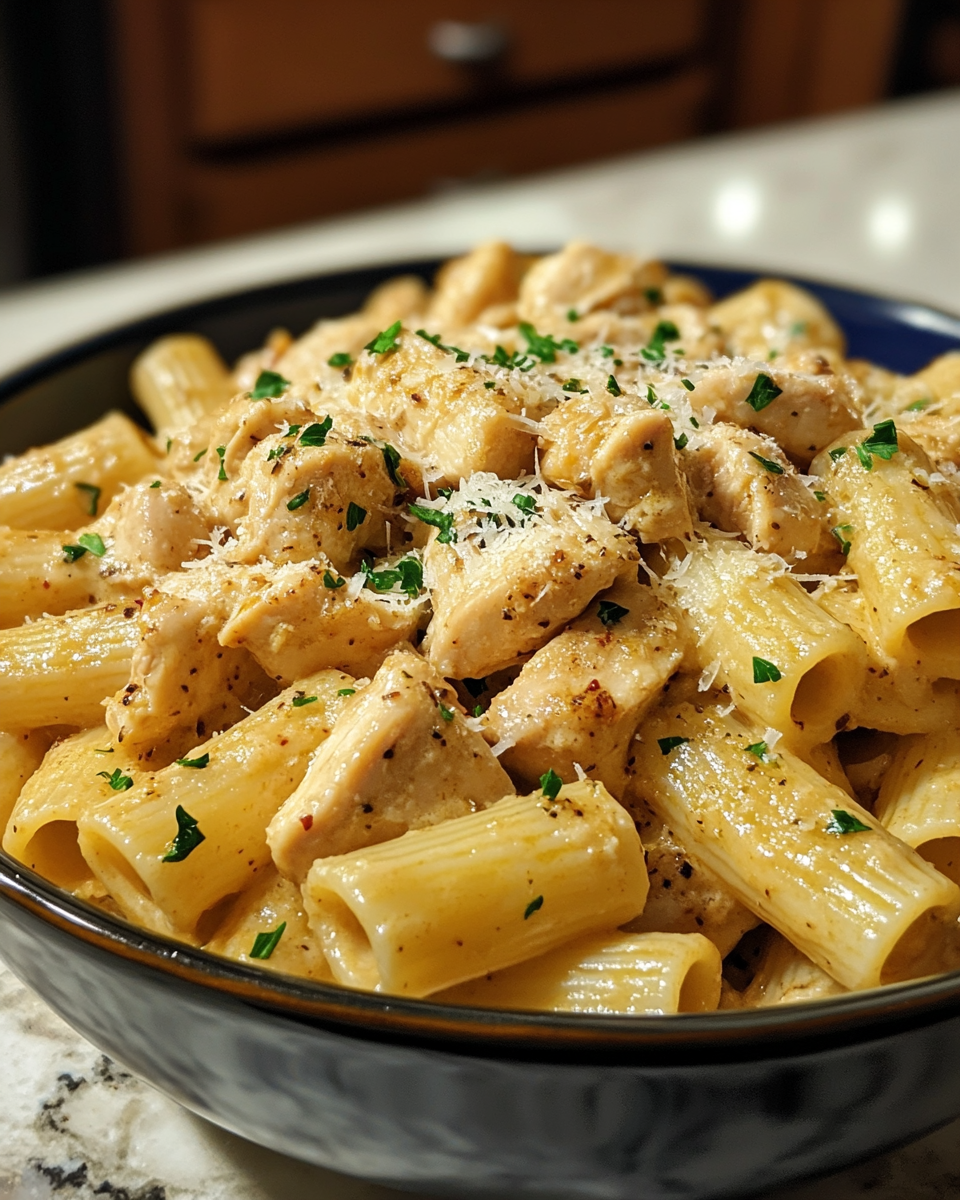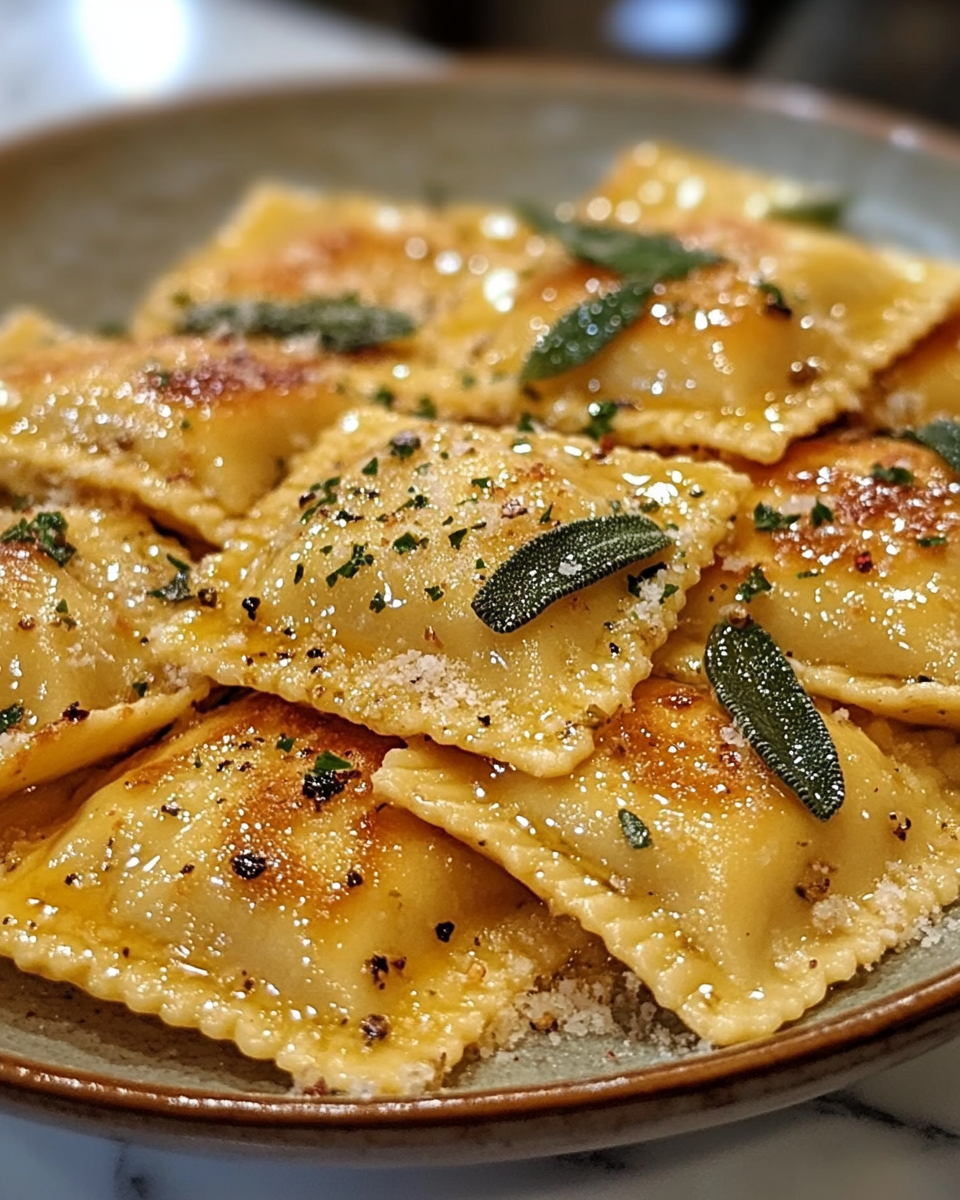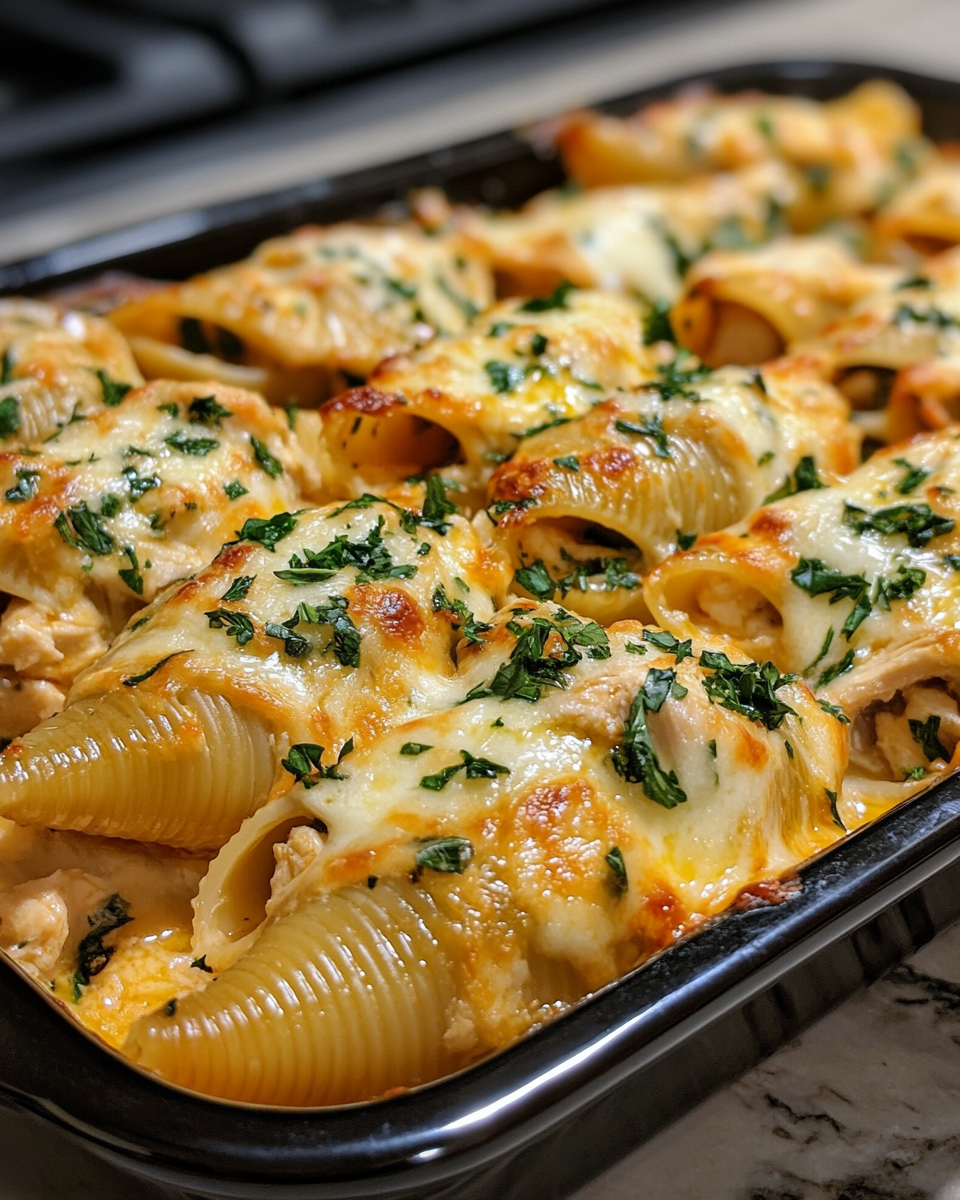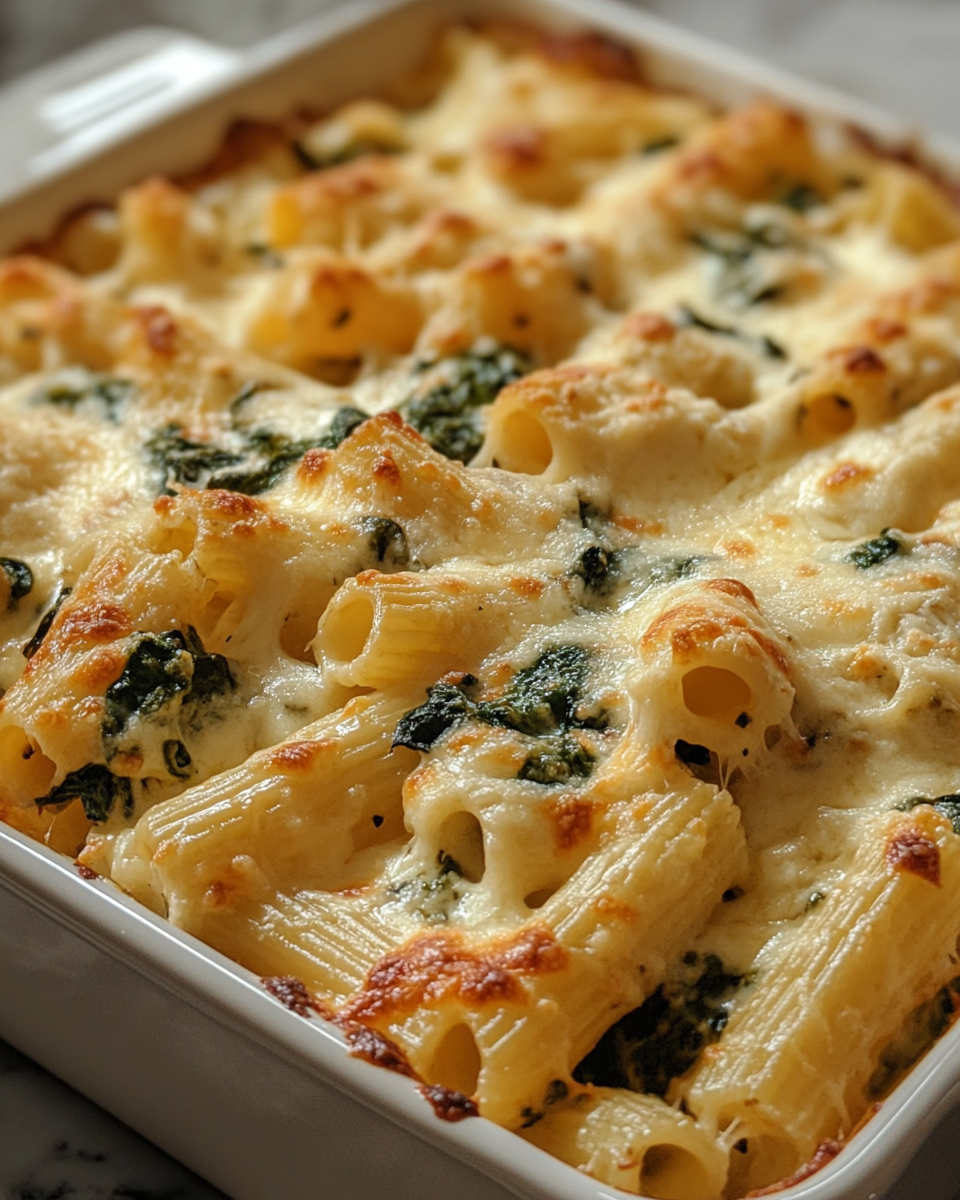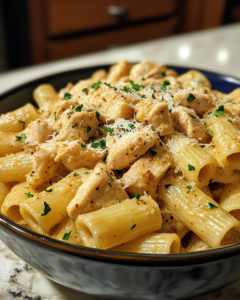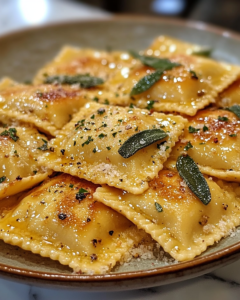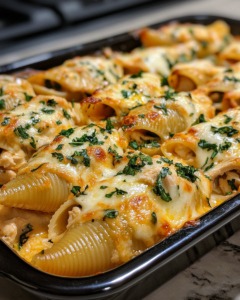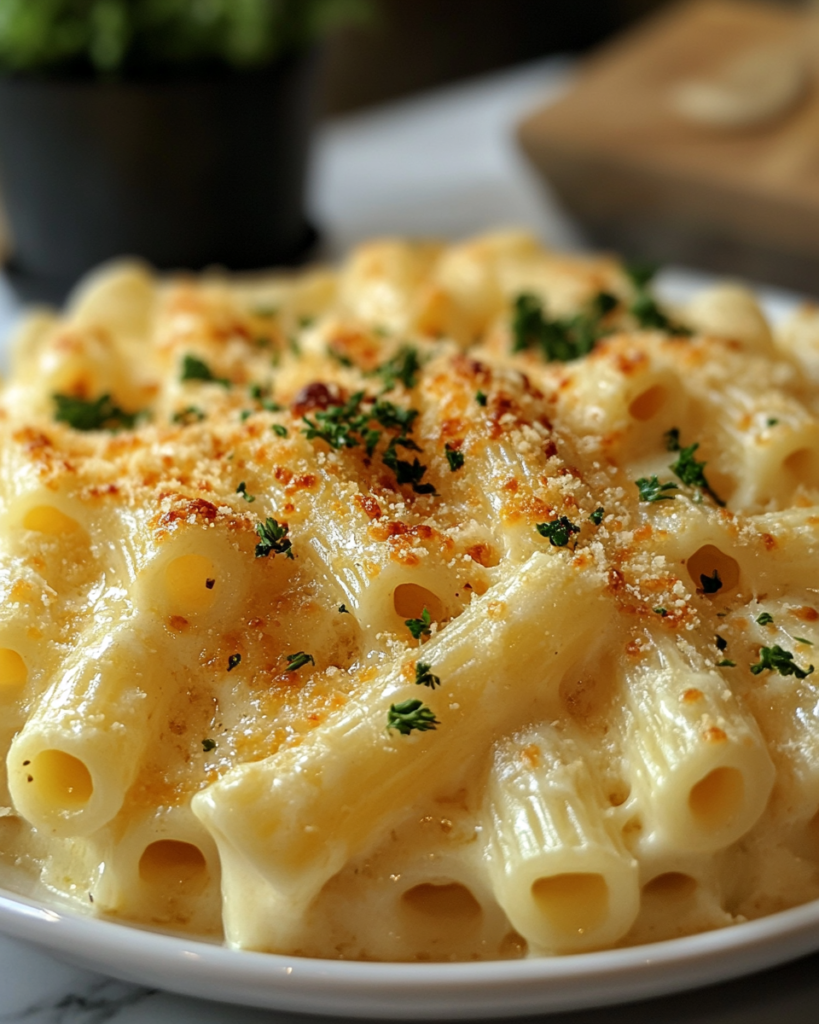
This Easy Cheesy Alfredo Pasta (Quick Meal) is a comforting bowl of tender pasta coated in a rich, creamy cheese sauce that comes together in minimal time. It is the kind of dish that fits perfectly into busy evenings when you want something warm, filling, and satisfying without spending hours in the kitchen.
The sauce is silky and smooth, made with butter, cream, and cheese that melt together into a luscious coating for every strand of pasta. A touch of garlic adds depth, while black pepper brings gentle warmth. The result is a restaurant-style Alfredo experience prepared at home with everyday ingredients.
This pasta is ideal for weeknight dinners, quick lunches, or even a cozy meal for guests. It pairs well with simple sides and can be customized easily with vegetables or protein add-ins. Every bite delivers creamy richness balanced with savory notes that make this dish a repeat favorite.
Ingredients Overview
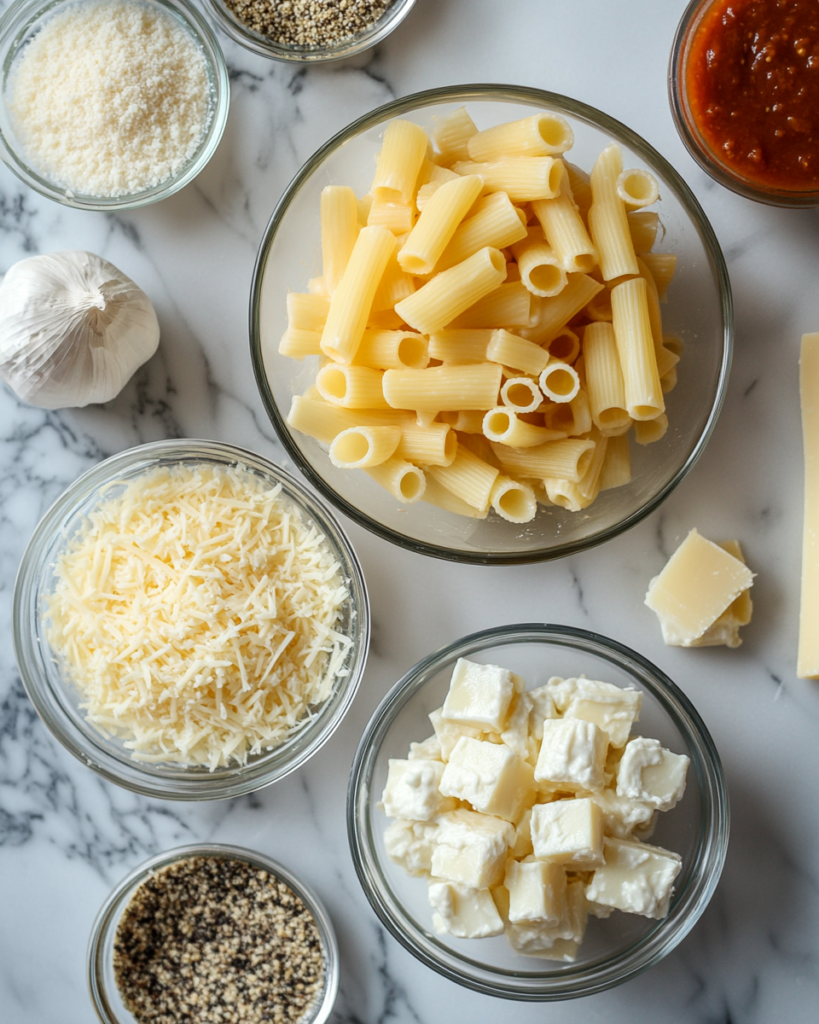
The foundation of this Easy Cheesy Alfredo Pasta lies in a handful of familiar ingredients that work together to create a smooth, creamy sauce. The pasta acts as the base, and its shape matters because it holds the sauce differently depending on whether you choose fettuccine, penne, or spaghetti. Fettuccine is commonly used because its wide surface holds more sauce.
Butter plays a key role in building richness and forming the base of the sauce. It blends with garlic to add depth and aroma without overpowering the dish. Heavy cream brings the signature silky texture, making the sauce thick and velvety once heated.
Cheese is the heart of the flavor. Parmesan is traditionally used for its salty, nutty profile, while mozzarella or a mild cheddar can be added for extra creaminess and stretch. Using freshly grated cheese helps it melt more smoothly compared to pre-shredded varieties.
Garlic adds warmth and savory depth, while salt and black pepper balance the richness of the cream and cheese. A small amount of pasta water can be added to loosen the sauce and help it cling evenly to the pasta.
Optional ingredients like parsley or grilled chicken can be included for freshness or added protein, making the dish more complete without changing its core creamy profile.
Ingredients
12 ounces fettuccine pasta
3 tablespoons unsalted butter
3 cloves garlic, minced
1 1/2 cups heavy cream
1 cup freshly grated Parmesan cheese
1/2 cup shredded mozzarella cheese
1/2 teaspoon salt
1/2 teaspoon black pepper
1/4 teaspoon garlic powder
1/2 cup reserved pasta water
2 tablespoons chopped parsley (optional)
Step-by-Step Instructions
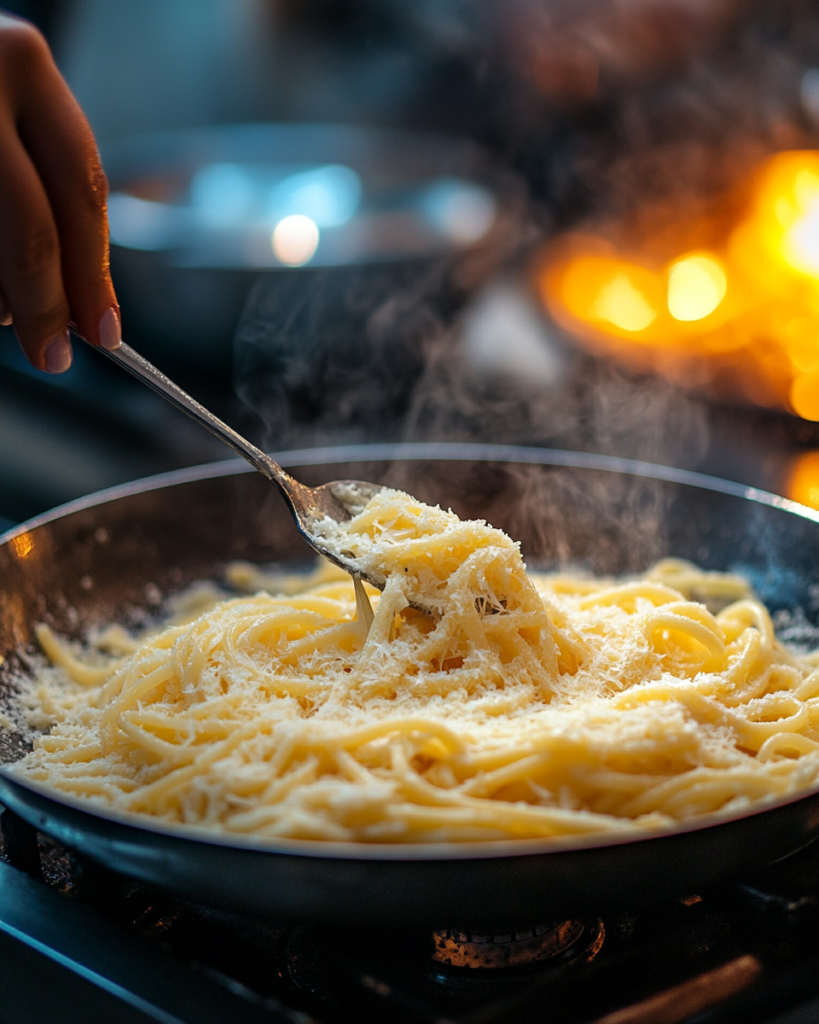
Begin by bringing a large pot of salted water to a boil. Add the fettuccine pasta and cook until al dente according to package directions. Stir occasionally to prevent sticking. Before draining, reserve about half a cup of pasta water, then drain the pasta and set it aside.
While the pasta cooks, place a large skillet over medium heat and add the butter. Allow it to melt completely, swirling the pan so it coats the surface evenly. Add the minced garlic and cook for about 30 to 60 seconds, just until fragrant. Avoid letting the garlic brown, as this can create a bitter taste.
Pour in the heavy cream and stir gently to combine with the butter and garlic. Let the mixture heat slowly until it begins to steam lightly. Keep the heat moderate so the cream does not scorch or separate.
Reduce the heat slightly and add the Parmesan cheese and mozzarella cheese. Stir continuously until the cheeses melt fully into the cream, forming a smooth and thick sauce. The texture should be creamy and slightly glossy.
Season the sauce with salt, black pepper, and garlic powder. Taste lightly and adjust seasoning as needed. If the sauce becomes too thick, add a small amount of the reserved pasta water and stir until it reaches a silky consistency.
Add the cooked pasta directly into the skillet. Toss gently using tongs or a spoon so every strand is coated evenly with the sauce. Let it cook together for 1 to 2 minutes so the pasta absorbs some of the flavor.
Remove from heat and sprinkle with chopped parsley if desired. Serve immediately while the sauce is warm and creamy. The texture is best enjoyed fresh, as it thickens slightly as it cools.
Common mistakes include overheating the cream, which can cause separation, or adding cheese too quickly, which may lead to clumping. Stirring steadily and keeping the heat controlled helps maintain a smooth sauce.
Tips, Variations & Substitutions
For a richer flavor, a small pinch of nutmeg can be added to the sauce. It blends well with cream-based dishes and adds subtle warmth without being noticeable.
If you prefer a lighter version, half-and-half can be used instead of heavy cream, though the sauce will be slightly thinner. Adding a bit more cheese can help maintain thickness.
Vegetable additions like sautéed mushrooms, spinach, or steamed broccoli work well with this pasta. They bring texture and balance to the creamy base.
Protein options such as grilled chicken, shrimp, or crispy bacon can turn this dish into a full meal. These additions pair naturally with the Alfredo sauce.
For a sharper flavor, a portion of Pecorino Romano cheese can replace some of the Parmesan. It gives a saltier and more robust taste profile.
Gluten-free pasta can be used without changing the sauce method, making this dish adaptable for different dietary needs.
Serving Ideas & Occasions
This creamy Alfredo pasta pairs well with garlic bread, roasted vegetables, or a fresh green salad. The contrast of textures helps balance the richness of the sauce.
It is often served as a main dish for family dinners, casual gatherings, or comforting weekend meals. Its quick preparation time makes it suitable for busy evenings.
For drinks, light options like sparkling water with lemon or a mild iced tea complement the creamy texture without overpowering the flavor.
It can also be served alongside grilled proteins or as part of a larger Italian-style meal spread.
Nutritional & Health Notes
This dish provides a balance of carbohydrates from pasta and fats from cream and cheese, making it a filling meal. The cheese adds protein and calcium, while butter contributes richness and energy.
Portion size plays an important role in balancing intake, as creamy pasta dishes tend to be more calorie-dense. Pairing with vegetables can add fiber and nutrients.
Using whole grain pasta can increase fiber content, while reducing cream or cheese slightly can lighten the dish without losing its creamy character.
Fresh ingredients like garlic and parsley add small amounts of vitamins and antioxidants, contributing to overall nutritional value.
FAQs
Can I use a different type of pasta?
Yes, different pasta shapes work well with Alfredo sauce. Fettuccine is commonly used because it holds the sauce effectively, but penne, linguine, or spaghetti can also be used. Short pasta like penne traps sauce inside its ridges, creating a slightly different texture in each bite. The cooking time may vary slightly depending on the type chosen, so it is important to follow package instructions for best results.
Why is my Alfredo sauce grainy?
A grainy sauce usually happens when cheese is added at too high a temperature or too quickly. To avoid this, reduce heat before adding cheese and stir slowly so it melts evenly. Using freshly grated cheese instead of pre-shredded versions also helps, as packaged cheese often contains anti-caking agents that affect smooth melting. Gentle heat control is key to maintaining a creamy texture.
Can I make Alfredo pasta without cream?
Yes, you can substitute cream with milk, though the sauce will be thinner. To improve thickness, a small amount of flour or extra cheese can be added. Some versions also use a mix of butter and pasta water to create a lighter sauce. While the texture differs slightly, the flavor remains rich when cheese and garlic are balanced properly.
How do I reheat leftover Alfredo pasta?
Reheat gently over low heat on the stove or in the microwave with a splash of milk or cream. Stir frequently to bring back the creamy texture. Avoid high heat, as it can cause the sauce to separate. Adding a small amount of liquid helps restore smoothness and prevents dryness.
Can I add protein to this dish?
Yes, grilled chicken, shrimp, or cooked sausage are popular additions. These proteins blend well with the creamy sauce and turn the pasta into a more filling meal. They should be cooked separately and added at the end to maintain texture and flavor balance.
What cheese works best for Alfredo sauce?
Parmesan is the traditional choice due to its nutty and salty flavor. Mozzarella can be added for extra creaminess, while Pecorino Romano offers a sharper taste. Freshly grated cheese is preferred for smoother melting and better consistency in the sauce.
How do I prevent pasta from sticking together?
Stir the pasta occasionally while boiling and use enough salted water to give it space to move freely. After draining, toss it immediately with the sauce so it does not clump. Keeping a bit of pasta water on hand also helps maintain a smooth coating when mixing.