Spicy Cajun Chicken Alfredo Pasta 1 Simple Surprising

Posted on

Uncategorized

Difficulty

Prep time

Cooking time

Total time

Servings

Spicy Cajun Chicken Alfredo Pasta brings together creamy sauce, seasoned chicken, and tender pasta in a skillet-style dish that works well for weeknight cooking. The Cajun spice blend adds heat and depth, while the Alfredo base keeps everything rich and smooth without becoming heavy on the palate.

This dish blends Italian-inspired Alfredo techniques with Southern-style seasoning. The result is a pasta meal that feels bold in flavor while staying straightforward in preparation. The chicken is seared until golden, then coated in a sauce made from butter, cream, garlic, and cheese.

Pasta acts as the foundation, holding the sauce and spices so every bite carries consistent flavor. The Cajun seasoning is adjustable, allowing the heat level to match personal preference. The creamy base balances the spice so the dish stays smooth rather than sharp.

This recipe works well for family dinners or casual gatherings because it comes together in one pan after the pasta is cooked separately. The combination of textures—silky sauce, tender chicken, and firm pasta—creates a balanced plate that feels satisfying without requiring complex steps.


Ingredients Overview
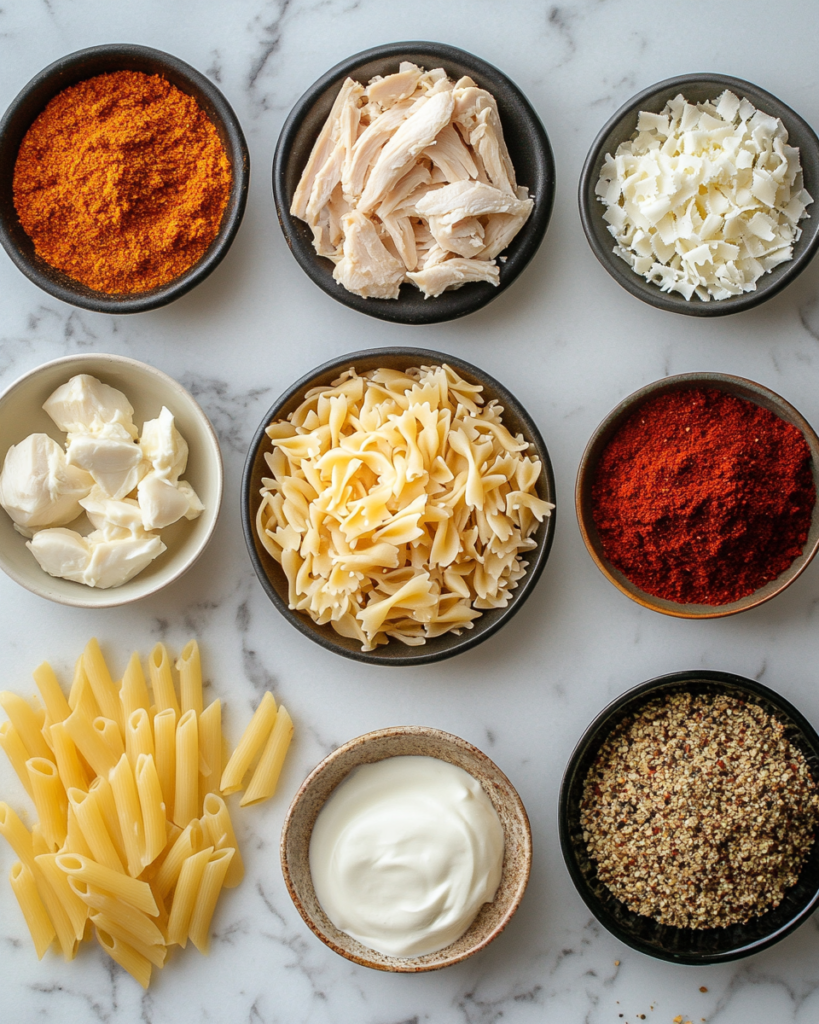
The main structure of this dish depends on three core components: chicken, pasta, and Alfredo sauce. Each plays a distinct role in building flavor and texture.

Chicken breast is commonly used because it cooks quickly and absorbs seasoning well. When coated in Cajun spices, it develops a deep color and a slightly smoky edge from the pan sear. Thigh meat can also be used for a juicier result.

Pasta such as fettuccine or penne works best because it holds onto the creamy sauce. Fettuccine provides long strands that wrap around the chicken, while penne captures sauce inside each tube.

The Alfredo sauce is built from butter, heavy cream, garlic, and Parmesan cheese. Butter provides richness, cream forms the base, garlic adds aroma, and Parmesan thickens the sauce while adding a salty finish. The Cajun seasoning introduces paprika, cayenne, garlic powder, and herbs, giving the dish its signature warmth.

Optional ingredients like bell peppers or parsley can add color and freshness. Substitutions are flexible: milk can replace part of the cream for a lighter texture, and gluten-free pasta works without changing the cooking method.


Ingredients

1 pound fettuccine pasta
1 1/2 pounds chicken breast, sliced into strips
2 tablespoons Cajun seasoning
1 teaspoon salt
1/2 teaspoon black pepper
2 tablespoons olive oil
3 tablespoons unsalted butter
4 cloves garlic, minced
2 cups heavy cream
1 cup grated Parmesan cheese
1/2 teaspoon paprika
1/4 teaspoon cayenne pepper
1/2 cup chicken broth
1 small red bell pepper, sliced
2 tablespoons chopped parsley


Step-by-Step Instructions
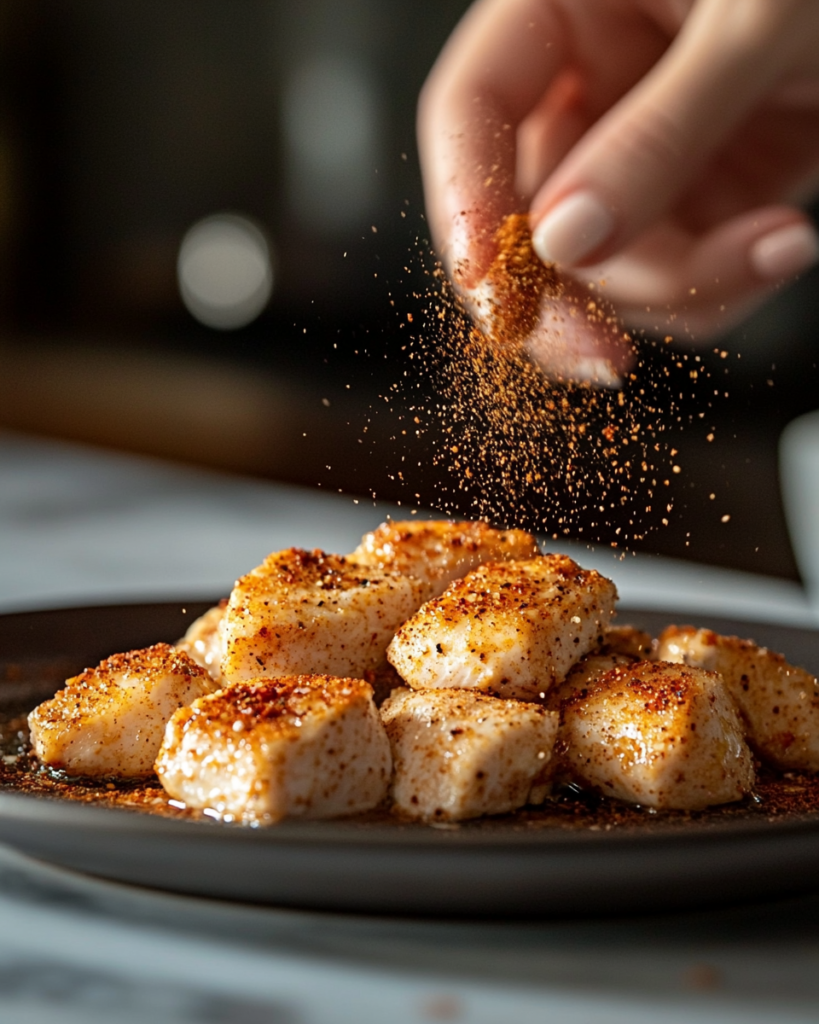
Start by cooking the pasta in a large pot of salted water until it reaches a firm but tender texture. Drain and set aside, keeping a small amount of pasta water in case the sauce needs thinning later.

Season the chicken strips with Cajun seasoning, salt, and black pepper. Make sure the seasoning coats each piece evenly so the flavor develops during cooking.

Heat olive oil in a large skillet over medium-high heat. Add the chicken in a single layer and cook until the pieces turn golden on the outside and reach full doneness inside. Remove the chicken from the pan and set aside.

Lower the heat slightly and add butter to the same skillet. Once melted, stir in minced garlic and cook briefly until fragrant, taking care not to let it brown too quickly.

Pour in heavy cream and chicken broth, stirring to combine. Let the mixture warm through gently so it begins to thicken slightly. Add paprika and cayenne pepper to build depth in the sauce.

Stir in Parmesan cheese gradually, allowing it to melt fully into the sauce. The mixture should turn smooth and slightly thick. If it becomes too thick, a small splash of pasta water can loosen the texture.

Return the cooked chicken to the skillet along with sliced bell peppers. Stir so the sauce coats everything evenly. Let it simmer for a few minutes so the flavors blend.

Add the cooked pasta to the skillet and toss carefully until every strand or piece is coated. Adjust seasoning if needed.

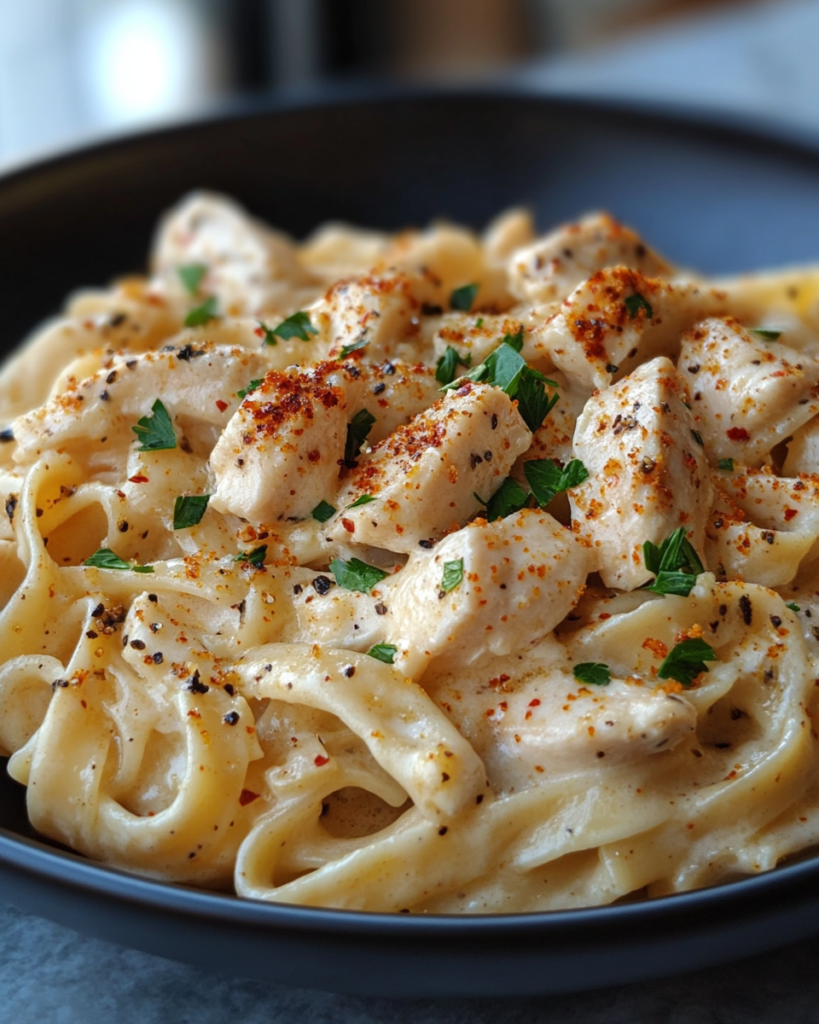
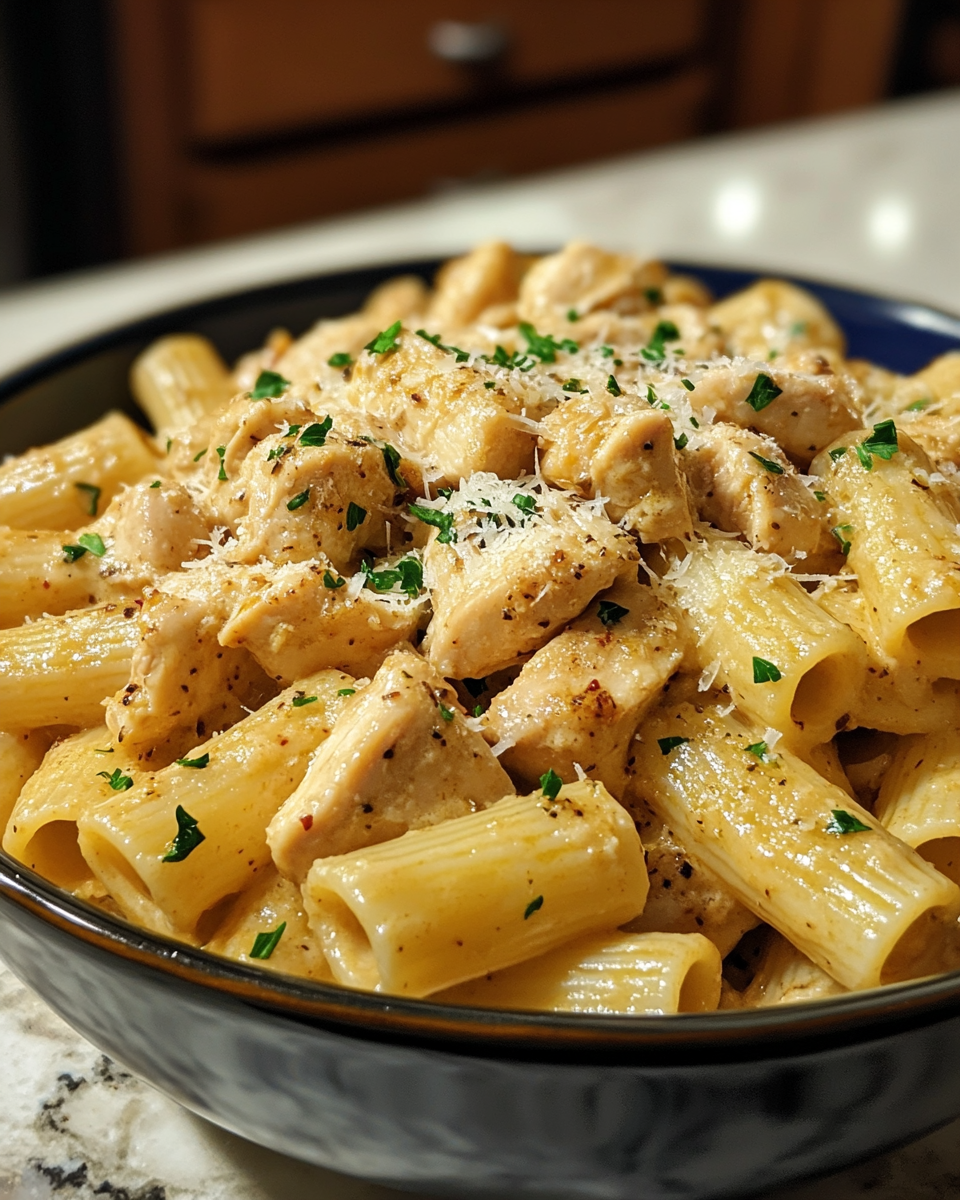
Finish with chopped parsley before serving. The final dish should appear creamy, evenly coated, and lightly speckled with herbs and spices.


Tips, Variations & Substitutions

Chicken thighs can replace chicken breast for a juicier texture. They hold seasoning well and remain tender after searing.

For a stronger spice profile, additional cayenne pepper or a pinch of crushed red pepper can be added during the sauce stage. For a milder version, reduce the Cajun seasoning slightly and balance with extra cream.

Vegetables such as mushrooms or spinach can be added for extra texture. These should be cooked briefly in the skillet before adding the sauce.

Whole milk can replace part of the cream for a lighter sauce, though the texture will be slightly thinner. Extra Parmesan can help restore thickness.

Gluten-free pasta works well in this recipe without changing cooking times significantly, though it should be checked frequently to avoid overcooking.


Serving Ideas & Occasions

This pasta works well as a main dish served on its own or paired with simple sides. Garlic bread complements the creamy sauce and adds a crisp texture contrast. A light salad with vinaigrette balances the richness of the pasta.

It is commonly served during casual dinners, shared meals, or weekend cooking when a filling dish is desired without complicated preparation steps.

A chilled beverage such as iced tea or sparkling water pairs well, as it balances the warmth of the Cajun seasoning.


Nutritional & Health Notes

This dish provides a balance of protein, carbohydrates, and fats. Chicken offers a strong source of protein, while pasta supplies energy-rich carbohydrates. The cream and cheese contribute fats that support a rich texture and flavor.

Portion control can help manage calorie intake, as the sauce is dense due to dairy content. Adding vegetables such as bell peppers or spinach increases fiber and micronutrients.

For a lighter version, reduced-fat cream or smaller amounts of cheese can be used, though this will change the thickness of the sauce.


FAQs

What type of pasta works best for this recipe?

Fettuccine is commonly used because its flat shape holds creamy sauce well. Penne and rigatoni are also suitable since they trap sauce inside their tubes. The key is selecting pasta that can support a thick, creamy coating without becoming too soft. Cooking the pasta to a firm texture helps maintain structure when mixed with the sauce and chicken.

Can I use pre-cooked chicken?

Pre-cooked chicken can be used, though it will not develop the same pan-seared flavor as freshly cooked pieces. If using pre-cooked chicken, it should be added during the final stage of cooking so it warms through without drying out. The seasoning may need adjustment to ensure the flavor blends well with the sauce.

How spicy is Cajun seasoning?

Cajun seasoning typically has a medium heat level, though it varies by brand or homemade mix. It often includes paprika, cayenne, garlic powder, and herbs. The heat can be adjusted by reducing cayenne or increasing cream in the sauce. This allows the dish to suit different spice preferences without changing the core structure.

Can I make the sauce ahead of time?

The sauce can be prepared ahead and stored in a sealed container in the refrigerator. When reheating, it should be warmed slowly over low heat while stirring to maintain smooth texture. A small amount of cream or milk may be needed to restore consistency after chilling.

What can I use instead of heavy cream?

Half-and-half or whole milk can replace heavy cream, though the sauce will be lighter and less thick. Adding extra Parmesan cheese can help improve texture. For a richer dairy-free option, some plant-based cream alternatives can also be used, though flavor may vary slightly.

How do I prevent the sauce from separating?

Keeping heat at medium or lower during sauce preparation helps maintain stability. Adding cheese gradually and stirring continuously allows it to melt evenly. Avoid boiling the sauce, as high heat can cause separation in dairy-based mixtures.

Can vegetables be added to this pasta?

Yes, vegetables such as bell peppers, spinach, or mushrooms work well in this dish. They should be cooked lightly before or during sauce preparation so they blend smoothly with the chicken and pasta. This adds texture and variety without changing the main flavor profile.

[rank_math_breadcrumb]

Spicy Cajun Chicken Alfredo Pasta 1 Simple Surprising

Photo of author
Author: Carol
Published:

Spicy Cajun Chicken Alfredo Pasta brings together creamy sauce, seasoned chicken, and tender pasta in a skillet-style dish that works well for weeknight cooking. The Cajun spice blend adds heat and depth, while the Alfredo base keeps everything rich and smooth without becoming heavy on the palate.

This dish blends Italian-inspired Alfredo techniques with Southern-style seasoning. The result is a pasta meal that feels bold in flavor while staying straightforward in preparation. The chicken is seared until golden, then coated in a sauce made from butter, cream, garlic, and cheese.

Pasta acts as the foundation, holding the sauce and spices so every bite carries consistent flavor. The Cajun seasoning is adjustable, allowing the heat level to match personal preference. The creamy base balances the spice so the dish stays smooth rather than sharp.

This recipe works well for family dinners or casual gatherings because it comes together in one pan after the pasta is cooked separately. The combination of textures—silky sauce, tender chicken, and firm pasta—creates a balanced plate that feels satisfying without requiring complex steps.


Ingredients Overview

The main structure of this dish depends on three core components: chicken, pasta, and Alfredo sauce. Each plays a distinct role in building flavor and texture.

Chicken breast is commonly used because it cooks quickly and absorbs seasoning well. When coated in Cajun spices, it develops a deep color and a slightly smoky edge from the pan sear. Thigh meat can also be used for a juicier result.

Pasta such as fettuccine or penne works best because it holds onto the creamy sauce. Fettuccine provides long strands that wrap around the chicken, while penne captures sauce inside each tube.

The Alfredo sauce is built from butter, heavy cream, garlic, and Parmesan cheese. Butter provides richness, cream forms the base, garlic adds aroma, and Parmesan thickens the sauce while adding a salty finish. The Cajun seasoning introduces paprika, cayenne, garlic powder, and herbs, giving the dish its signature warmth.

Optional ingredients like bell peppers or parsley can add color and freshness. Substitutions are flexible: milk can replace part of the cream for a lighter texture, and gluten-free pasta works without changing the cooking method.


Ingredients

1 pound fettuccine pasta
1 1/2 pounds chicken breast, sliced into strips
2 tablespoons Cajun seasoning
1 teaspoon salt
1/2 teaspoon black pepper
2 tablespoons olive oil
3 tablespoons unsalted butter
4 cloves garlic, minced
2 cups heavy cream
1 cup grated Parmesan cheese
1/2 teaspoon paprika
1/4 teaspoon cayenne pepper
1/2 cup chicken broth
1 small red bell pepper, sliced
2 tablespoons chopped parsley


Step-by-Step Instructions

Start by cooking the pasta in a large pot of salted water until it reaches a firm but tender texture. Drain and set aside, keeping a small amount of pasta water in case the sauce needs thinning later.

Season the chicken strips with Cajun seasoning, salt, and black pepper. Make sure the seasoning coats each piece evenly so the flavor develops during cooking.

Heat olive oil in a large skillet over medium-high heat. Add the chicken in a single layer and cook until the pieces turn golden on the outside and reach full doneness inside. Remove the chicken from the pan and set aside.

Lower the heat slightly and add butter to the same skillet. Once melted, stir in minced garlic and cook briefly until fragrant, taking care not to let it brown too quickly.

Pour in heavy cream and chicken broth, stirring to combine. Let the mixture warm through gently so it begins to thicken slightly. Add paprika and cayenne pepper to build depth in the sauce.

Stir in Parmesan cheese gradually, allowing it to melt fully into the sauce. The mixture should turn smooth and slightly thick. If it becomes too thick, a small splash of pasta water can loosen the texture.

Return the cooked chicken to the skillet along with sliced bell peppers. Stir so the sauce coats everything evenly. Let it simmer for a few minutes so the flavors blend.

Add the cooked pasta to the skillet and toss carefully until every strand or piece is coated. Adjust seasoning if needed.

Finish with chopped parsley before serving. The final dish should appear creamy, evenly coated, and lightly speckled with herbs and spices.


Tips, Variations & Substitutions

Chicken thighs can replace chicken breast for a juicier texture. They hold seasoning well and remain tender after searing.

For a stronger spice profile, additional cayenne pepper or a pinch of crushed red pepper can be added during the sauce stage. For a milder version, reduce the Cajun seasoning slightly and balance with extra cream.

Vegetables such as mushrooms or spinach can be added for extra texture. These should be cooked briefly in the skillet before adding the sauce.

Whole milk can replace part of the cream for a lighter sauce, though the texture will be slightly thinner. Extra Parmesan can help restore thickness.

Gluten-free pasta works well in this recipe without changing cooking times significantly, though it should be checked frequently to avoid overcooking.


Serving Ideas & Occasions

This pasta works well as a main dish served on its own or paired with simple sides. Garlic bread complements the creamy sauce and adds a crisp texture contrast. A light salad with vinaigrette balances the richness of the pasta.

It is commonly served during casual dinners, shared meals, or weekend cooking when a filling dish is desired without complicated preparation steps.

A chilled beverage such as iced tea or sparkling water pairs well, as it balances the warmth of the Cajun seasoning.


Nutritional & Health Notes

This dish provides a balance of protein, carbohydrates, and fats. Chicken offers a strong source of protein, while pasta supplies energy-rich carbohydrates. The cream and cheese contribute fats that support a rich texture and flavor.

Portion control can help manage calorie intake, as the sauce is dense due to dairy content. Adding vegetables such as bell peppers or spinach increases fiber and micronutrients.

For a lighter version, reduced-fat cream or smaller amounts of cheese can be used, though this will change the thickness of the sauce.


FAQs

What type of pasta works best for this recipe?

Fettuccine is commonly used because its flat shape holds creamy sauce well. Penne and rigatoni are also suitable since they trap sauce inside their tubes. The key is selecting pasta that can support a thick, creamy coating without becoming too soft. Cooking the pasta to a firm texture helps maintain structure when mixed with the sauce and chicken.

Can I use pre-cooked chicken?

Pre-cooked chicken can be used, though it will not develop the same pan-seared flavor as freshly cooked pieces. If using pre-cooked chicken, it should be added during the final stage of cooking so it warms through without drying out. The seasoning may need adjustment to ensure the flavor blends well with the sauce.

How spicy is Cajun seasoning?

Cajun seasoning typically has a medium heat level, though it varies by brand or homemade mix. It often includes paprika, cayenne, garlic powder, and herbs. The heat can be adjusted by reducing cayenne or increasing cream in the sauce. This allows the dish to suit different spice preferences without changing the core structure.

Can I make the sauce ahead of time?

The sauce can be prepared ahead and stored in a sealed container in the refrigerator. When reheating, it should be warmed slowly over low heat while stirring to maintain smooth texture. A small amount of cream or milk may be needed to restore consistency after chilling.

What can I use instead of heavy cream?

Half-and-half or whole milk can replace heavy cream, though the sauce will be lighter and less thick. Adding extra Parmesan cheese can help improve texture. For a richer dairy-free option, some plant-based cream alternatives can also be used, though flavor may vary slightly.

How do I prevent the sauce from separating?

Keeping heat at medium or lower during sauce preparation helps maintain stability. Adding cheese gradually and stirring continuously allows it to melt evenly. Avoid boiling the sauce, as high heat can cause separation in dairy-based mixtures.

Can vegetables be added to this pasta?

Yes, vegetables such as bell peppers, spinach, or mushrooms work well in this dish. They should be cooked lightly before or during sauce preparation so they blend smoothly with the chicken and pasta. This adds texture and variety without changing the main flavor profile.
Name

Lorem ipsum dolor sit amet, consectetur adipiscing elit. Suspendisse varius enim in eros elementum tristique. Duis cursus, mi quis viverra ornare, eros dolor interdum nulla, ut commodo diam libero vitae erat.

You Might Also Like...

Lemon Herb Chicken Bowtie Pasta 5 Simple Surprising Meal

Lemon Herb Chicken Bowtie Pasta 5 Simple Surprising Meal

Chicken Scampi Angel Hair 7 Simple Creamy Delight

Chicken Scampi Angel Hair 7 Simple Creamy Delight

Chicken Alfredo Spinach Bake 5 Simple Cozy Comfort

Chicken Alfredo Spinach Bake 5 Simple Cozy Comfort

Homestyle Chicken Noodle Skillet 30-Min Simple Fearless

Homestyle Chicken Noodle Skillet 30-Min Simple Fearless

Tags:

You might also like these recipes

Leave a Comment