Creamy Alfredo Penne Pasta Recipe: 5 Amazing Cozy Comfort

Posted on

Uncategorized

Difficulty

Prep time

Cooking time

Total time

Servings

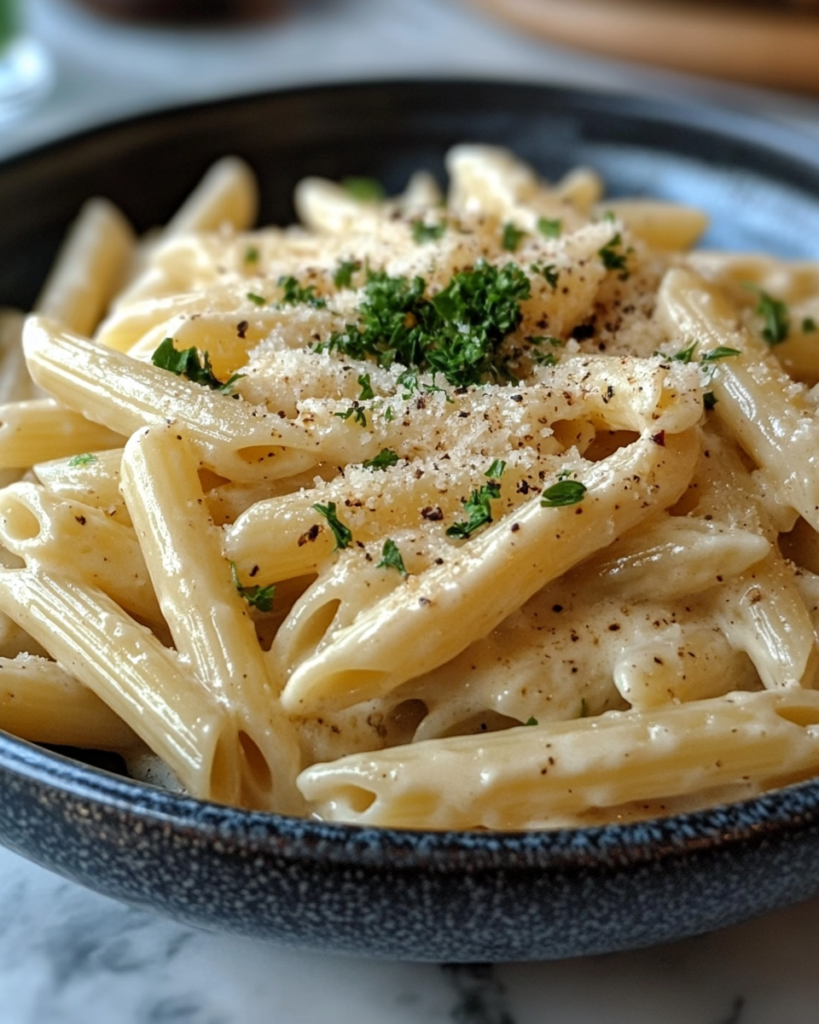
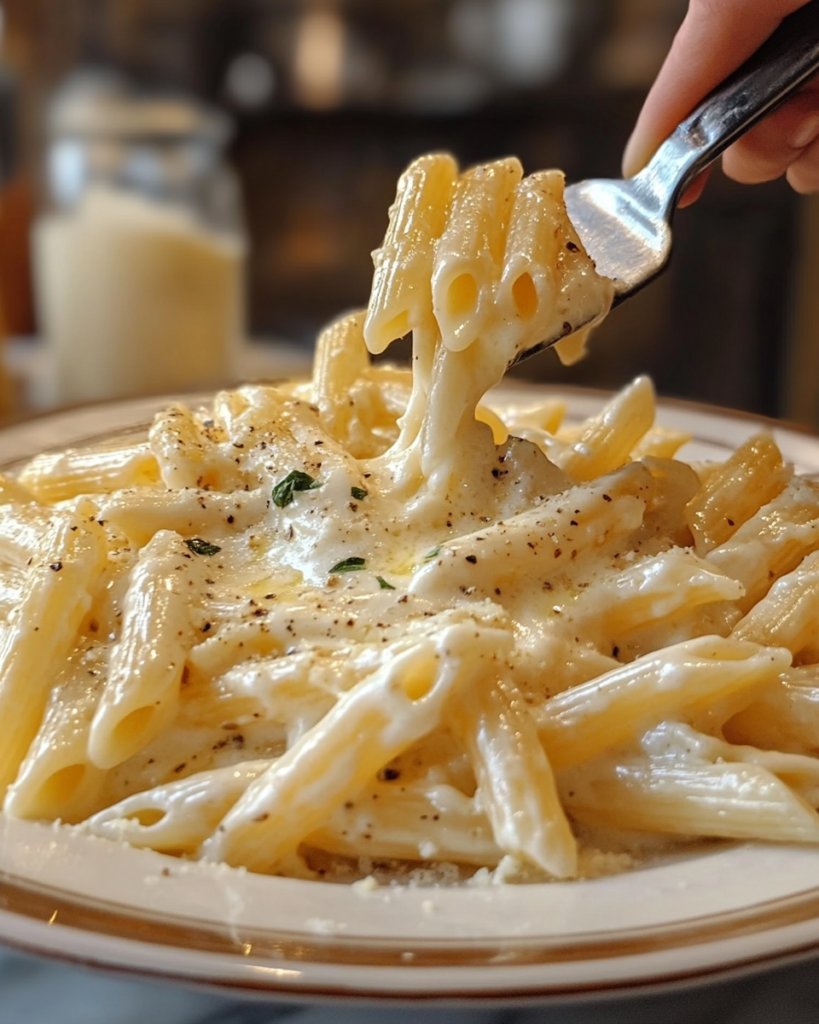
A creamy Alfredo penne pasta recipe brings together tender pasta and a smooth, buttery cheese sauce that clings to every ridge of the penne. This dish is known for its velvety texture and gentle garlic aroma that fills the kitchen as it cooks.

It is a classic pasta preparation often served in Italian-inspired meals, especially when a comforting bowl of pasta is desired without complicated steps. The sauce relies on a careful balance of butter, cream, and cheese, creating a silky coating that pairs naturally with penne pasta.

This preparation works well for casual dinners, family gatherings, or quiet evenings when a warm pasta dish feels satisfying. The ingredients are straightforward, yet the final result carries a depth of flavor that feels refined and satisfying.


Ingredients Overview
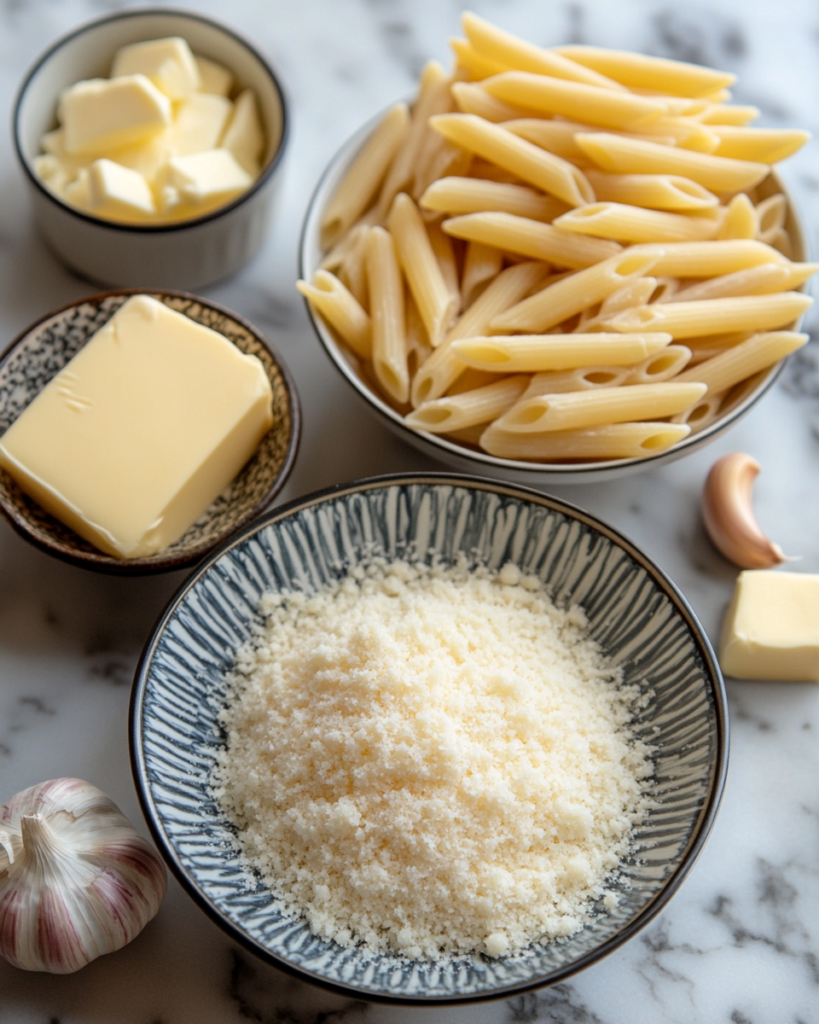
The foundation of creamy Alfredo penne pasta begins with penne, a tubular pasta that holds sauce in its ridges and hollow center. Its shape helps capture the creamy mixture, giving each bite a balanced taste of pasta and sauce.

Butter forms the base of the Alfredo sauce, creating a smooth richness when melted gently. It blends with heavy cream, which adds body and softness to the sauce without overpowering the other ingredients.

Garlic provides aromatic depth. When cooked lightly in butter, it releases a gentle savory note that supports the cream and cheese without becoming sharp or bitter.

Parmesan cheese is essential for flavor and texture. It melts into the warm cream, thickening the sauce naturally while adding a savory, slightly nutty character.

Salt and black pepper bring balance, enhancing the overall taste without overwhelming the creamy profile. Fresh parsley is often added at the end for a mild herbal finish and visual contrast.

Milk can be used alongside cream for a lighter texture if desired. Some variations include a small amount of cream cheese to increase thickness and smoothness.

The harmony of these ingredients creates a sauce that is smooth, cohesive, and ideal for coating penne pasta evenly.


Ingredients

12 ounces penne pasta
4 tablespoons unsalted butter
3 cloves garlic, finely minced
2 cups heavy cream
1 cup whole milk
1 1/2 cups freshly grated Parmesan cheese
1/2 teaspoon salt
1/2 teaspoon black pepper
1/4 teaspoon ground nutmeg
2 tablespoons chopped fresh parsley


Step-by-Step Instructions
Begin by preparing a large pot of salted water. Bring it to a steady boil, then add the penne pasta. Cook until the pasta reaches a tender but firm texture. Drain the pasta and set it aside while retaining a small amount of cooking liquid for later use if the sauce becomes too thick.

Place a large skillet over medium heat and add the butter. Allow it to melt slowly without browning. Add the minced garlic and stir gently. Cook until the garlic releases aroma and turns lightly golden at the edges.

Pour in the heavy cream and milk. Stir slowly to combine with the butter and garlic. Keep the heat moderate so the mixture warms evenly without boiling rapidly. The goal is a smooth base that remains stable and creamy.

Add salt, black pepper, and ground nutmeg. Stir again so the seasoning spreads evenly throughout the sauce. The nutmeg adds subtle depth that supports the cream and cheese.

Gradually add the grated Parmesan cheese in small portions. Stir continuously so the cheese melts smoothly into the sauce. As the cheese blends, the sauce begins to thicken and take on a velvety texture.

If the sauce becomes too thick, add a small amount of reserved pasta water to adjust the consistency. This helps the sauce cling properly to the penne without becoming heavy.

Add the cooked penne into the skillet. Toss gently so each piece becomes coated in the Alfredo sauce. Continue stirring until the pasta is evenly covered and warmed through.

Finish with chopped parsley sprinkled across the top. Serve immediately while the sauce remains smooth and creamy.


Tips, Variations & Substitutions

For a lighter version, replace part of the heavy cream with additional milk. This creates a softer sauce while maintaining a creamy texture. Adjust cheese quantity slightly to preserve thickness.

For added protein, cooked chicken, shrimp, or sautéed mushrooms can be mixed into the pasta before serving. Each option brings its own texture and flavor contrast to the dish.

For a deeper savory note, roasted garlic can replace fresh garlic. This creates a milder, slightly sweet garlic profile that blends smoothly into the sauce.

Whole wheat or gluten-free penne can be used without changing the structure of the dish. These alternatives hold the sauce well when cooked properly.

Freshly grated Parmesan is recommended over pre-packaged versions, as it melts more smoothly and avoids grainy texture in the sauce.


Serving Ideas & Occasions

Creamy Alfredo penne pasta pairs well with light side dishes such as steamed vegetables, roasted asparagus, or a simple green salad with olive oil dressing. These sides balance the creamy texture of the pasta.

It also works well alongside grilled proteins such as chicken or fish. The mild sauce complements rather than overpowers additional components on the plate.

This dish is often served during casual dinners, family meals, or relaxed gatherings where a warm pasta dish fits the setting. It is also suitable for meal preparation in advance, as it reheats gently with added cream or milk.

A warm bread side such as garlic bread or soft rolls can accompany the pasta, helping to enjoy every bit of the sauce.


Nutritional & Health Notes

Creamy Alfredo penne pasta contains a combination of carbohydrates, fats, and protein depending on portion size and optional additions like meat or vegetables. The pasta provides energy from starch, while the sauce contributes fats from butter, cream, and cheese.

Parmesan cheese adds calcium and protein, supporting overall nutritional balance within the dish. Garlic and parsley contribute small amounts of micronutrients and plant compounds.

Adjusting cream and butter quantities can reduce overall richness if a lighter version is preferred. Adding vegetables increases fiber content and creates a more balanced plate.

Portion control plays an important role due to the creamy nature of the sauce. Serving alongside vegetables can help create a more varied meal structure.


FAQs

Can different pasta shapes be used instead of penne?

Yes, other pasta shapes can be used in place of penne. Shapes like fettuccine, rigatoni, or farfalle also hold creamy sauces well. The key factor is selecting pasta that can capture and retain the sauce within its structure. Penne is often chosen due to its ridges and hollow center, but alternatives can still provide a satisfying result when prepared properly. Cooking should follow standard pasta preparation methods, ensuring the texture remains firm enough to support the sauce without becoming soft or overcooked.

What can be used instead of heavy cream?

Heavy cream can be replaced with a mixture of whole milk and a small amount of butter. This combination helps maintain a creamy consistency while reducing overall richness. Some versions use evaporated milk for a similar texture. Another option includes adding a small amount of cream cheese to milk for thickness. Each substitution slightly changes the final texture, so adjustments in cheese quantity may be required to maintain balance in the sauce.

Why does the sauce sometimes become grainy?

A grainy texture often occurs when cheese is added too quickly or at high heat. Parmesan should always be added gradually while stirring continuously. High heat can cause separation, which affects smoothness. Using freshly grated cheese helps it melt evenly. Maintaining moderate heat during preparation supports a stable emulsion between cream, butter, and cheese. If graininess appears, lowering heat and adding a small amount of warm milk can help restore smoothness.

Can vegetables be added to this pasta?

Yes, vegetables can be added to creamy Alfredo penne pasta. Common choices include spinach, mushrooms, broccoli, or peas. These ingredients should be cooked separately before being mixed into the sauce to ensure proper texture. Vegetables add contrast to the creamy base and provide additional flavor and structure. They also increase variety within the dish without altering the core sauce preparation.

How can the sauce thickness be adjusted?

The thickness of the sauce can be controlled by adjusting cream or milk levels during preparation. If the sauce becomes too thick, a small amount of reserved pasta water or warm milk can be added. If it is too thin, additional Parmesan cheese can help thicken it naturally. Gentle heat and continuous stirring support consistent texture. The sauce should coat the pasta evenly without pooling at the bottom of the skillet.

Can this dish be prepared in advance?

Yes, creamy Alfredo penne pasta can be prepared ahead of serving. It should be stored in a covered container after cooling. When reheating, a small amount of milk or cream can be added to restore smooth texture. Gentle reheating on low heat is recommended to avoid separation of the sauce. Stirring during reheating helps maintain consistency and prevents uneven warming.

What proteins pair well with this pasta?

Several proteins pair well with creamy Alfredo penne pasta. Grilled chicken is commonly used due to its mild flavor and firm texture. Shrimp also works well, adding a light seafood note that complements the sauce. For a plant-based option, sautéed tofu or roasted chickpeas can be included. Each protein should be cooked separately before combining with the pasta to maintain texture and flavor balance.

[rank_math_breadcrumb]

Creamy Alfredo Penne Pasta Recipe: 5 Amazing Cozy Comfort

Photo of author
Author: Carol
Published:

A creamy Alfredo penne pasta recipe brings together tender pasta and a smooth, buttery cheese sauce that clings to every ridge of the penne. This dish is known for its velvety texture and gentle garlic aroma that fills the kitchen as it cooks.

It is a classic pasta preparation often served in Italian-inspired meals, especially when a comforting bowl of pasta is desired without complicated steps. The sauce relies on a careful balance of butter, cream, and cheese, creating a silky coating that pairs naturally with penne pasta.

This preparation works well for casual dinners, family gatherings, or quiet evenings when a warm pasta dish feels satisfying. The ingredients are straightforward, yet the final result carries a depth of flavor that feels refined and satisfying.


Ingredients Overview

The foundation of creamy Alfredo penne pasta begins with penne, a tubular pasta that holds sauce in its ridges and hollow center. Its shape helps capture the creamy mixture, giving each bite a balanced taste of pasta and sauce.

Butter forms the base of the Alfredo sauce, creating a smooth richness when melted gently. It blends with heavy cream, which adds body and softness to the sauce without overpowering the other ingredients.

Garlic provides aromatic depth. When cooked lightly in butter, it releases a gentle savory note that supports the cream and cheese without becoming sharp or bitter.

Parmesan cheese is essential for flavor and texture. It melts into the warm cream, thickening the sauce naturally while adding a savory, slightly nutty character.

Salt and black pepper bring balance, enhancing the overall taste without overwhelming the creamy profile. Fresh parsley is often added at the end for a mild herbal finish and visual contrast.

Milk can be used alongside cream for a lighter texture if desired. Some variations include a small amount of cream cheese to increase thickness and smoothness.

The harmony of these ingredients creates a sauce that is smooth, cohesive, and ideal for coating penne pasta evenly.


Ingredients

12 ounces penne pasta
4 tablespoons unsalted butter
3 cloves garlic, finely minced
2 cups heavy cream
1 cup whole milk
1 1/2 cups freshly grated Parmesan cheese
1/2 teaspoon salt
1/2 teaspoon black pepper
1/4 teaspoon ground nutmeg
2 tablespoons chopped fresh parsley


Step-by-Step Instructions

Begin by preparing a large pot of salted water. Bring it to a steady boil, then add the penne pasta. Cook until the pasta reaches a tender but firm texture. Drain the pasta and set it aside while retaining a small amount of cooking liquid for later use if the sauce becomes too thick.

Place a large skillet over medium heat and add the butter. Allow it to melt slowly without browning. Add the minced garlic and stir gently. Cook until the garlic releases aroma and turns lightly golden at the edges.

Pour in the heavy cream and milk. Stir slowly to combine with the butter and garlic. Keep the heat moderate so the mixture warms evenly without boiling rapidly. The goal is a smooth base that remains stable and creamy.

Add salt, black pepper, and ground nutmeg. Stir again so the seasoning spreads evenly throughout the sauce. The nutmeg adds subtle depth that supports the cream and cheese.

Gradually add the grated Parmesan cheese in small portions. Stir continuously so the cheese melts smoothly into the sauce. As the cheese blends, the sauce begins to thicken and take on a velvety texture.

If the sauce becomes too thick, add a small amount of reserved pasta water to adjust the consistency. This helps the sauce cling properly to the penne without becoming heavy.

Add the cooked penne into the skillet. Toss gently so each piece becomes coated in the Alfredo sauce. Continue stirring until the pasta is evenly covered and warmed through.

Finish with chopped parsley sprinkled across the top. Serve immediately while the sauce remains smooth and creamy.


Tips, Variations & Substitutions

For a lighter version, replace part of the heavy cream with additional milk. This creates a softer sauce while maintaining a creamy texture. Adjust cheese quantity slightly to preserve thickness.

For added protein, cooked chicken, shrimp, or sautéed mushrooms can be mixed into the pasta before serving. Each option brings its own texture and flavor contrast to the dish.

For a deeper savory note, roasted garlic can replace fresh garlic. This creates a milder, slightly sweet garlic profile that blends smoothly into the sauce.

Whole wheat or gluten-free penne can be used without changing the structure of the dish. These alternatives hold the sauce well when cooked properly.

Freshly grated Parmesan is recommended over pre-packaged versions, as it melts more smoothly and avoids grainy texture in the sauce.


Serving Ideas & Occasions

Creamy Alfredo penne pasta pairs well with light side dishes such as steamed vegetables, roasted asparagus, or a simple green salad with olive oil dressing. These sides balance the creamy texture of the pasta.

It also works well alongside grilled proteins such as chicken or fish. The mild sauce complements rather than overpowers additional components on the plate.

This dish is often served during casual dinners, family meals, or relaxed gatherings where a warm pasta dish fits the setting. It is also suitable for meal preparation in advance, as it reheats gently with added cream or milk.

A warm bread side such as garlic bread or soft rolls can accompany the pasta, helping to enjoy every bit of the sauce.


Nutritional & Health Notes

Creamy Alfredo penne pasta contains a combination of carbohydrates, fats, and protein depending on portion size and optional additions like meat or vegetables. The pasta provides energy from starch, while the sauce contributes fats from butter, cream, and cheese.

Parmesan cheese adds calcium and protein, supporting overall nutritional balance within the dish. Garlic and parsley contribute small amounts of micronutrients and plant compounds.

Adjusting cream and butter quantities can reduce overall richness if a lighter version is preferred. Adding vegetables increases fiber content and creates a more balanced plate.

Portion control plays an important role due to the creamy nature of the sauce. Serving alongside vegetables can help create a more varied meal structure.


FAQs

Can different pasta shapes be used instead of penne?

Yes, other pasta shapes can be used in place of penne. Shapes like fettuccine, rigatoni, or farfalle also hold creamy sauces well. The key factor is selecting pasta that can capture and retain the sauce within its structure. Penne is often chosen due to its ridges and hollow center, but alternatives can still provide a satisfying result when prepared properly. Cooking should follow standard pasta preparation methods, ensuring the texture remains firm enough to support the sauce without becoming soft or overcooked.

What can be used instead of heavy cream?

Heavy cream can be replaced with a mixture of whole milk and a small amount of butter. This combination helps maintain a creamy consistency while reducing overall richness. Some versions use evaporated milk for a similar texture. Another option includes adding a small amount of cream cheese to milk for thickness. Each substitution slightly changes the final texture, so adjustments in cheese quantity may be required to maintain balance in the sauce.

Why does the sauce sometimes become grainy?

A grainy texture often occurs when cheese is added too quickly or at high heat. Parmesan should always be added gradually while stirring continuously. High heat can cause separation, which affects smoothness. Using freshly grated cheese helps it melt evenly. Maintaining moderate heat during preparation supports a stable emulsion between cream, butter, and cheese. If graininess appears, lowering heat and adding a small amount of warm milk can help restore smoothness.

Can vegetables be added to this pasta?

Yes, vegetables can be added to creamy Alfredo penne pasta. Common choices include spinach, mushrooms, broccoli, or peas. These ingredients should be cooked separately before being mixed into the sauce to ensure proper texture. Vegetables add contrast to the creamy base and provide additional flavor and structure. They also increase variety within the dish without altering the core sauce preparation.

How can the sauce thickness be adjusted?

The thickness of the sauce can be controlled by adjusting cream or milk levels during preparation. If the sauce becomes too thick, a small amount of reserved pasta water or warm milk can be added. If it is too thin, additional Parmesan cheese can help thicken it naturally. Gentle heat and continuous stirring support consistent texture. The sauce should coat the pasta evenly without pooling at the bottom of the skillet.

Can this dish be prepared in advance?

Yes, creamy Alfredo penne pasta can be prepared ahead of serving. It should be stored in a covered container after cooling. When reheating, a small amount of milk or cream can be added to restore smooth texture. Gentle reheating on low heat is recommended to avoid separation of the sauce. Stirring during reheating helps maintain consistency and prevents uneven warming.

What proteins pair well with this pasta?

Several proteins pair well with creamy Alfredo penne pasta. Grilled chicken is commonly used due to its mild flavor and firm texture. Shrimp also works well, adding a light seafood note that complements the sauce. For a plant-based option, sautéed tofu or roasted chickpeas can be included. Each protein should be cooked separately before combining with the pasta to maintain texture and flavor balance.
Name

Lorem ipsum dolor sit amet, consectetur adipiscing elit. Suspendisse varius enim in eros elementum tristique. Duis cursus, mi quis viverra ornare, eros dolor interdum nulla, ut commodo diam libero vitae erat.

You Might Also Like...

Lemon Herb Chicken Bowtie Pasta 5 Simple Surprising Meal

Lemon Herb Chicken Bowtie Pasta 5 Simple Surprising Meal

Chicken Scampi Angel Hair 7 Simple Creamy Delight

Chicken Scampi Angel Hair 7 Simple Creamy Delight

Chicken Alfredo Spinach Bake 5 Simple Cozy Comfort

Chicken Alfredo Spinach Bake 5 Simple Cozy Comfort

Homestyle Chicken Noodle Skillet 30-Min Simple Fearless

Homestyle Chicken Noodle Skillet 30-Min Simple Fearless

Tags:

You might also like these recipes

Leave a Comment