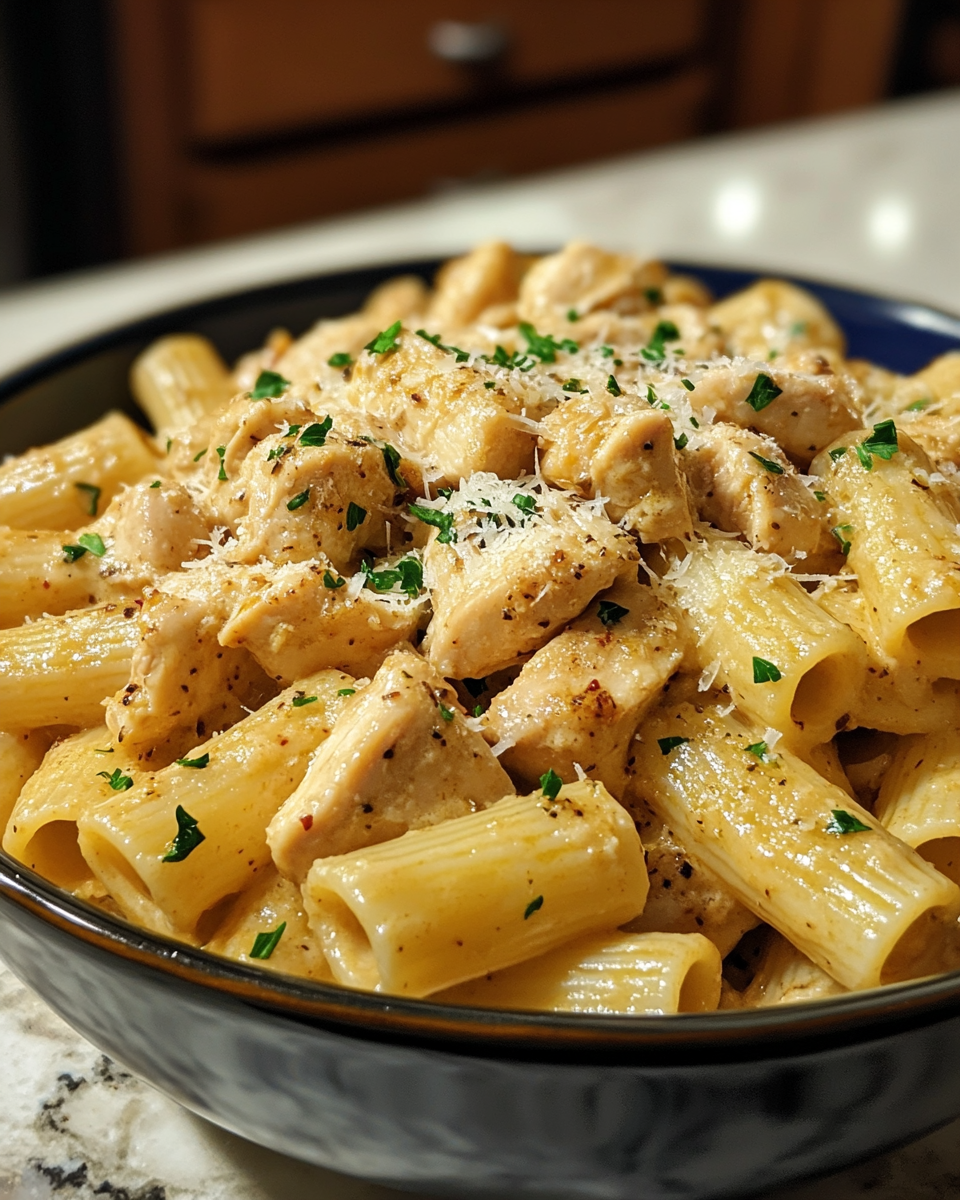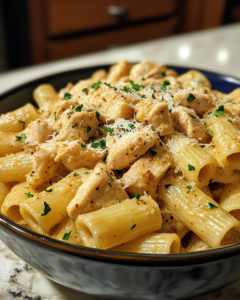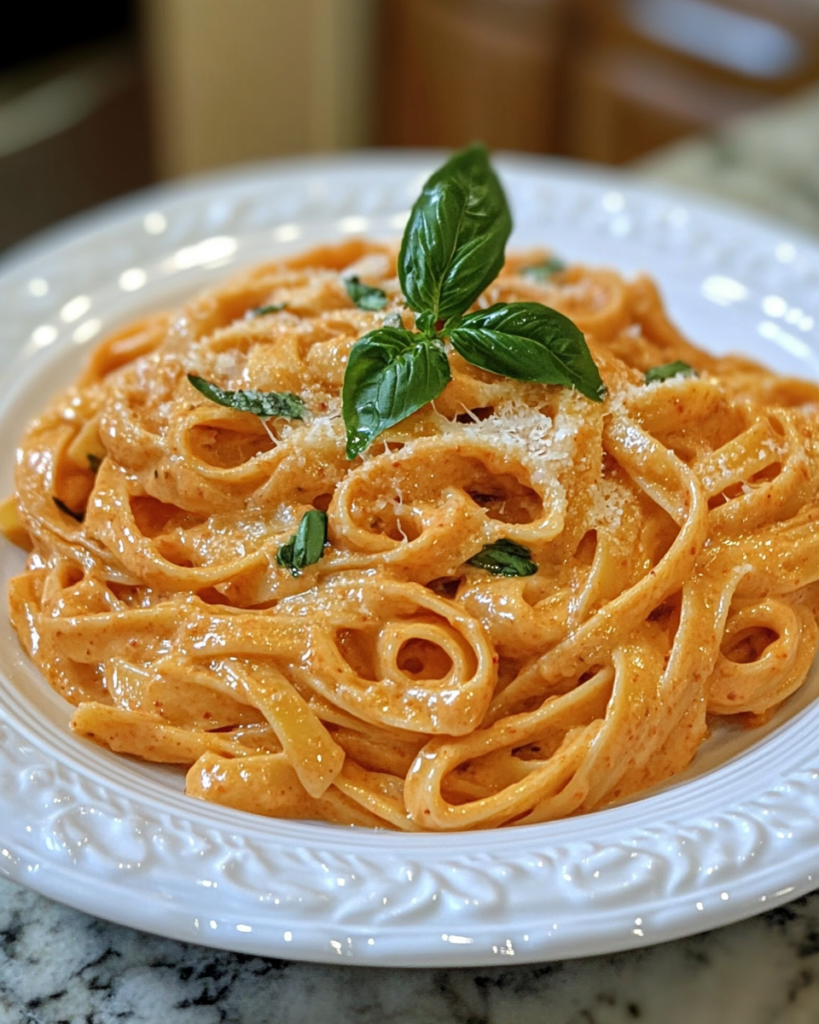
Creamy Roasted Red Pepper Pasta is a rich, velvety dish built around sweet roasted peppers blended into a smooth sauce that clings beautifully to every strand of pasta. The flavor is bold yet balanced, with a gentle smokiness from the peppers and a creamy finish that makes every bite feel satisfying.
This pasta works as a weeknight dinner or a relaxed weekend meal. The sauce comes together quickly once the peppers are prepared, and the final result tastes like something from a cozy Italian-style kitchen. It’s the kind of dish that feels comforting without being heavy.
The roasted red pepper base brings natural sweetness, while garlic and onions add depth. Cream and cheese smooth everything into a silky sauce that coats the pasta evenly. Each forkful delivers a mix of softness, richness, and subtle spice.
Ingredients Overview
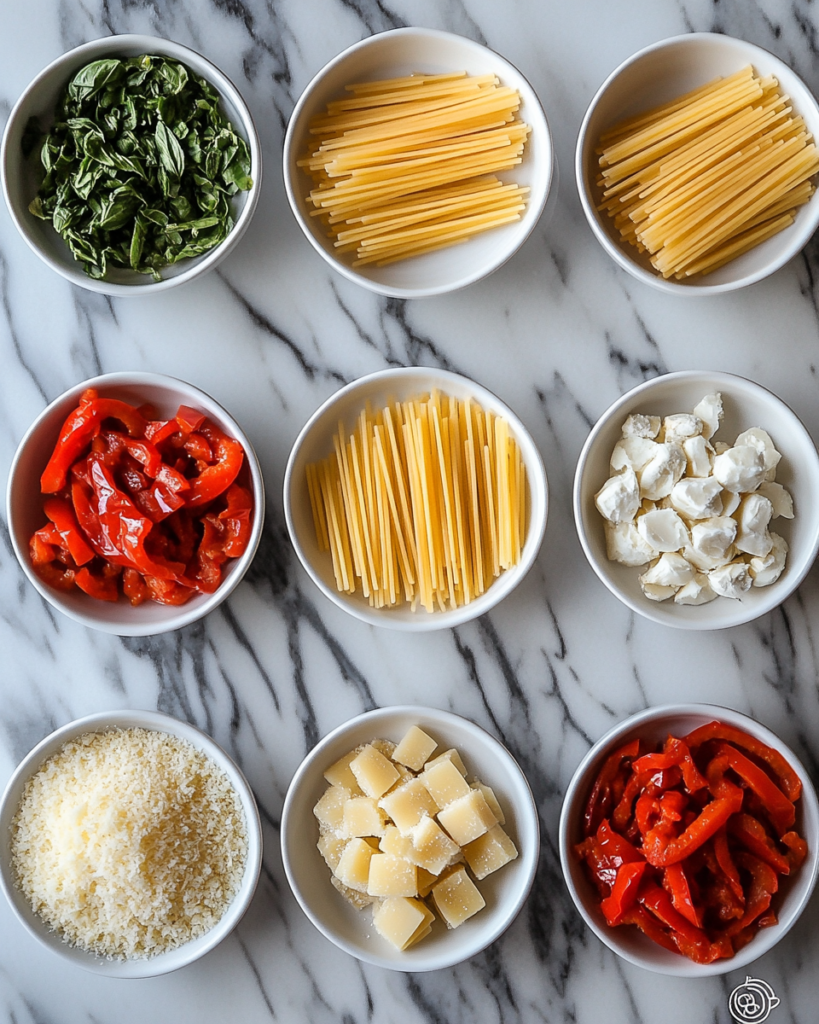
Roasted red peppers are the heart of this dish. Their natural sweetness intensifies during roasting, creating a deep flavor that forms the base of the sauce. They also bring a mild smokiness that gives the pasta its signature taste. You can roast fresh peppers in the oven or use jarred roasted peppers for convenience, both working well in this recipe.
Pasta acts as the structure that holds the sauce. Shapes like penne, fettuccine, or rigatoni are ideal because they catch and hold the creamy mixture. Their texture allows the sauce to cling properly, ensuring every bite is coated.
Heavy cream creates the smooth, rich consistency that defines creamy pasta dishes. It blends with the roasted peppers to form a velvety sauce. For a lighter version, half-and-half can be used, though the sauce will be slightly less thick.
Garlic and onion provide a savory foundation. When sautéed, they release natural sweetness that balances the peppers. Olive oil helps soften them and adds a subtle fruity note.
Parmesan cheese finishes the sauce with a salty, nutty depth. It melts into the cream and helps thicken the mixture slightly. A touch of salt and black pepper rounds out the flavor profile.
For substitutions, cashew cream can replace dairy for a plant-based version. Whole wheat or gluten-free pasta can be used without affecting the sauce quality. Adding spinach or mushrooms can introduce extra texture and nutrition without changing the core flavor.
Ingredients
12 ounces pasta (penne, rigatoni, or fettuccine)
2 tablespoons olive oil
1 small onion, chopped
3 cloves garlic, minced
1 1/2 cups roasted red peppers (jarred or homemade)
1 cup heavy cream
1/2 cup grated Parmesan cheese
1/2 teaspoon salt
1/4 teaspoon black pepper
1/2 teaspoon red pepper flakes (optional)
1/4 cup reserved pasta water
Fresh basil for garnish
Step-by-Step Instructions
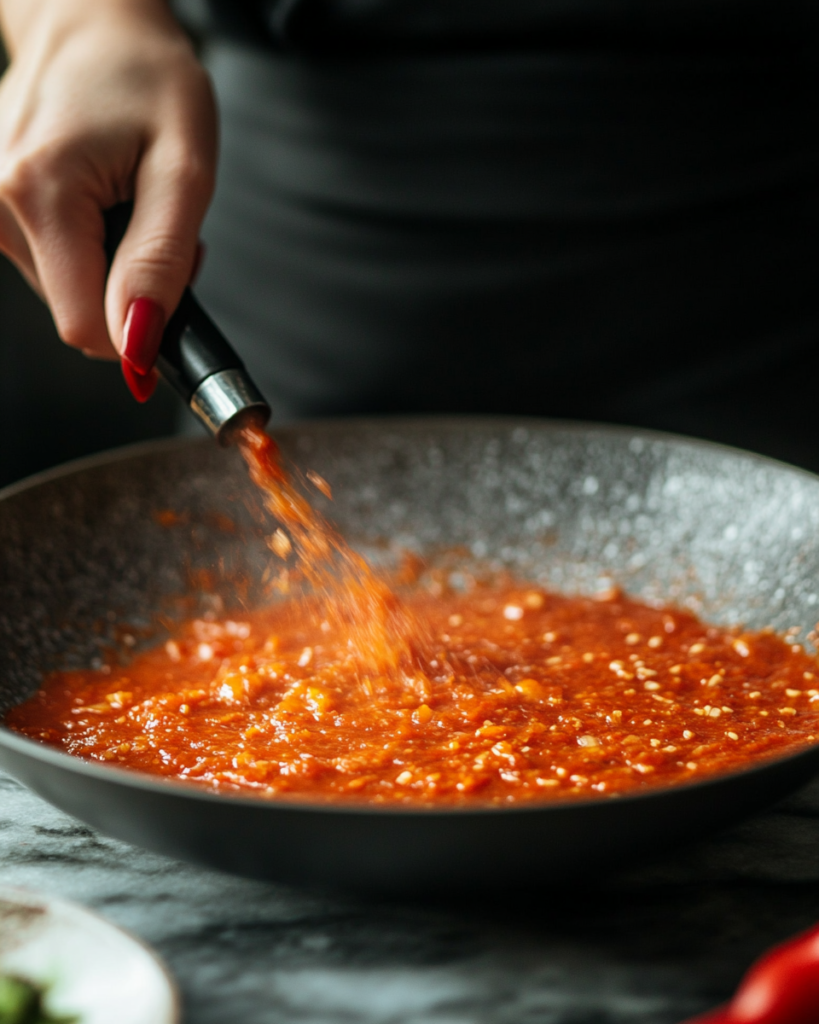
Bring a large pot of salted water to a boil. Cook the pasta according to package instructions until al dente. Reserve about 1/4 cup of pasta water before draining. This starchy water helps adjust the sauce later.
Heat olive oil in a large skillet over medium heat. Add chopped onion and cook for about 4–5 minutes until softened and slightly translucent. Stir occasionally to prevent browning too quickly.
Add minced garlic and cook for about 30 seconds until fragrant. Be careful not to burn the garlic, as it can turn bitter and affect the sauce flavor.
Add roasted red peppers to the skillet. If using jarred peppers, drain them first. Cook for 2–3 minutes, stirring occasionally to blend flavors with the onions and garlic.
Transfer the pepper mixture to a blender. Add heavy cream and blend until completely smooth. This step creates the signature creamy texture of the sauce. Blend until no chunks remain.
Pour the blended sauce back into the skillet. Heat over low to medium heat and stir gently. Add Parmesan cheese, salt, black pepper, and red pepper flakes if using. Stir until the cheese melts and the sauce thickens slightly.
Add the cooked pasta directly into the skillet with the sauce. Toss gently until every piece is coated. If the sauce feels too thick, add a splash of reserved pasta water to loosen it.
Let everything cook together for 1–2 minutes so the pasta absorbs some of the sauce. This step helps the flavors come together and improves texture.
Remove from heat and let the pasta rest briefly before serving. Garnish with fresh basil for a light herbal finish.
Avoid overheating the sauce after adding cream, as high heat can cause separation. Keep the heat gentle for a smooth, silky texture.
Tips, Variations & Substitutions
For a deeper flavor, roast fresh red peppers in the oven until the skins blister and darken slightly. This adds a smoky edge that enhances the sauce.
If a spicier version is preferred, increase the red pepper flakes or add a small amount of chili paste during blending. This creates a gentle heat that balances the creaminess.
To add protein, grilled chicken, shrimp, or sautéed tofu can be mixed into the pasta. These additions make the dish more filling without overpowering the sauce.
Vegetables like spinach, zucchini, or mushrooms can be added to the skillet after the onions cook. They blend well with the sauce and add extra texture.
For a dairy-free version, use coconut cream or unsweetened cashew cream instead of heavy cream. Nutritional yeast can replace Parmesan for a similar savory note.
Whole grain or gluten-free pasta works well and holds the sauce just as effectively. Adjust cooking time based on the pasta type used.
Serving Ideas & Occasions
Creamy Roasted Red Pepper Pasta pairs well with light side dishes that balance its richness. A simple green salad with lemon dressing works especially well. Garlic bread or toasted ciabatta also complements the creamy sauce.
This dish fits casual dinners, family meals, or relaxed gatherings. It’s also a strong option for meal prep since it reheats well with a splash of water or cream to restore its texture.
A chilled sparkling water with citrus or a light iced tea pairs nicely with the creamy and slightly sweet flavors of the sauce.
It can also be served as a main dish for vegetarian-friendly meals when paired with vegetables or plant-based protein.
Nutritional & Health Notes
Roasted red peppers are rich in vitamin C and antioxidants, supporting overall nutrition while adding natural sweetness to the sauce. They also contribute very little fat or calories.
Heavy cream and Parmesan cheese provide richness and calcium but also increase the calorie content. Using moderate portions helps balance the dish.
Olive oil adds healthy fats that support flavor and texture. Choosing whole grain pasta increases fiber content, making the dish more filling and balanced.
Vegetable additions like spinach or mushrooms can increase fiber and micronutrients without significantly changing the flavor profile.
FAQs
Can I use jarred roasted red peppers?
Yes, jarred roasted red peppers work very well in this recipe. They are convenient and already peeled and softened, which saves preparation time. Just make sure to drain them properly before blending to avoid adding excess liquid to the sauce. Their flavor is slightly milder than freshly roasted peppers, but still rich and slightly sweet. Many home cooks prefer them for consistency and ease, especially for quick meals.
Can I make the sauce ahead of time?
The roasted red pepper sauce can be prepared in advance and stored in the refrigerator for up to three days. Keep it in an airtight container. When ready to use, gently reheat it on the stove and add a splash of cream or water if it has thickened too much. Cooking the pasta fresh before serving gives the best texture, but pre-made sauce works well for meal planning.
What pasta shapes work best?
Penne, rigatoni, and fettuccine are excellent choices for this dish. Short pasta shapes like penne and rigatoni hold the sauce inside their ridges, while long pasta like fettuccine allows a smooth coating. The goal is to choose pasta that captures the creamy sauce effectively. Avoid very thin pasta, as it may not hold the sauce as well.
Can I make this dish spicy?
Yes, adding heat is simple. Red pepper flakes can be increased, or a small amount of chili paste can be blended into the sauce. You can also add fresh chopped chili during the onion sauté stage. The creamy base balances spice well, so even moderate heat levels remain smooth and enjoyable without overwhelming the dish.
How do I make it dairy-free?
For a dairy-free version, replace heavy cream with cashew cream or coconut cream. Both provide a smooth texture, though coconut cream adds a slight sweetness. Instead of Parmesan, nutritional yeast can be used for a savory note. The result is still creamy and flavorful, with a slightly different but pleasant profile.
Why is my sauce too thick?
If the sauce becomes too thick, it likely reduced during simmering or absorbed too much into the pasta. Adding reserved pasta water helps loosen it while maintaining flavor. Start with a small amount and mix until the desired consistency is reached. A splash of cream can also help restore smoothness.
Can I add protein to this pasta?
Yes, this dish pairs well with chicken, shrimp, or plant-based proteins like tofu. Cook the protein separately and add it at the end when mixing the pasta and sauce. This keeps the texture balanced and prevents overcooking. Grilled or sautéed options work best for maintaining flavor harmony.
………………..