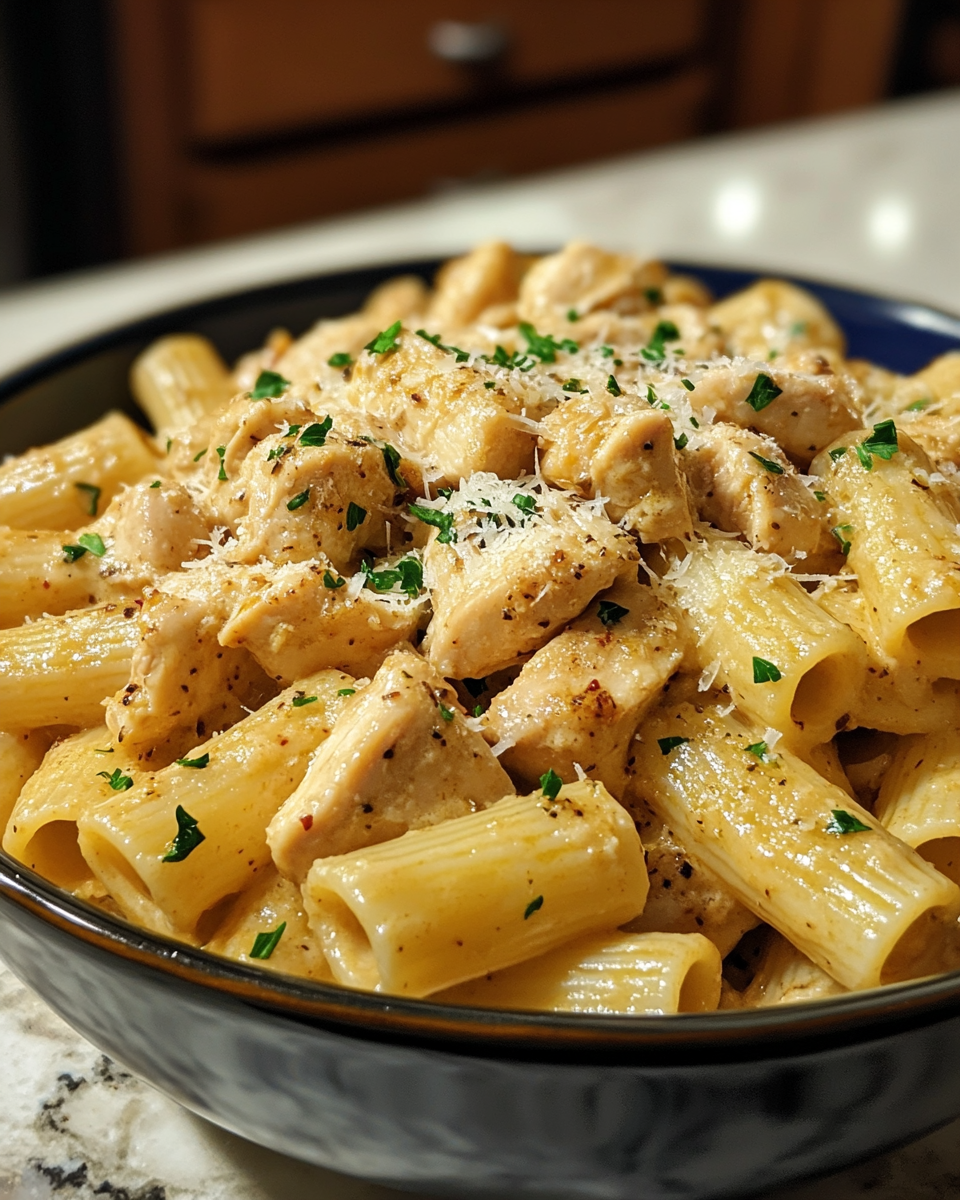
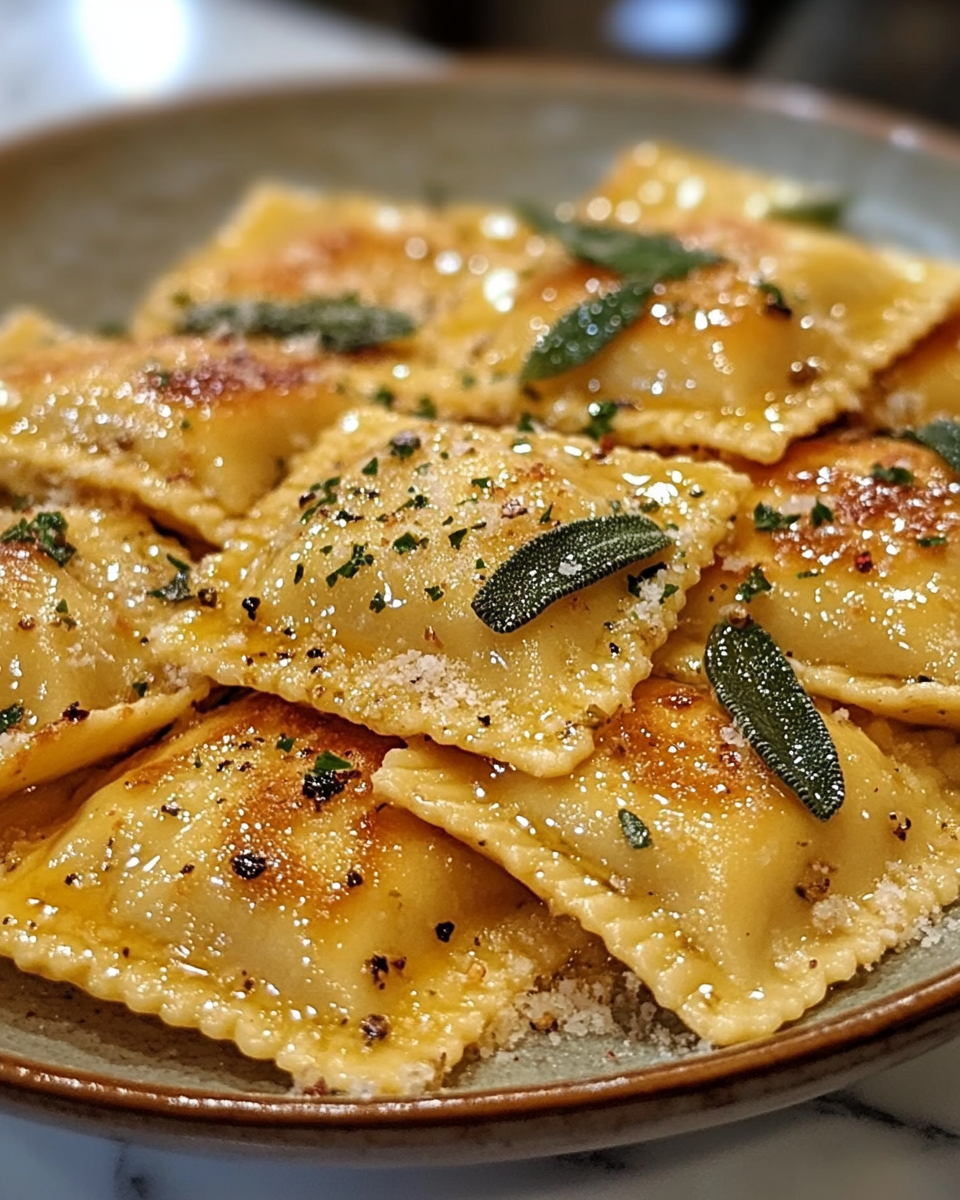
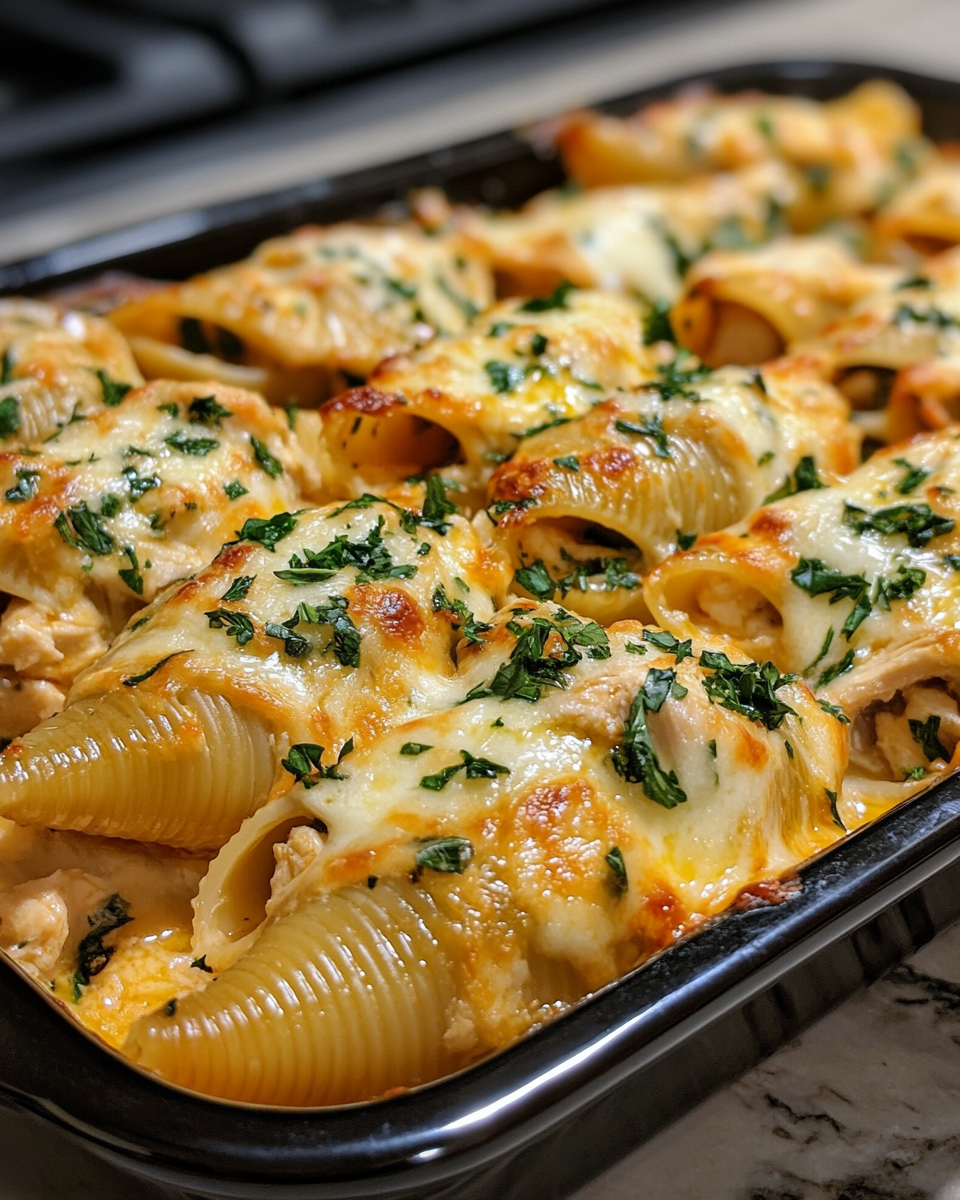
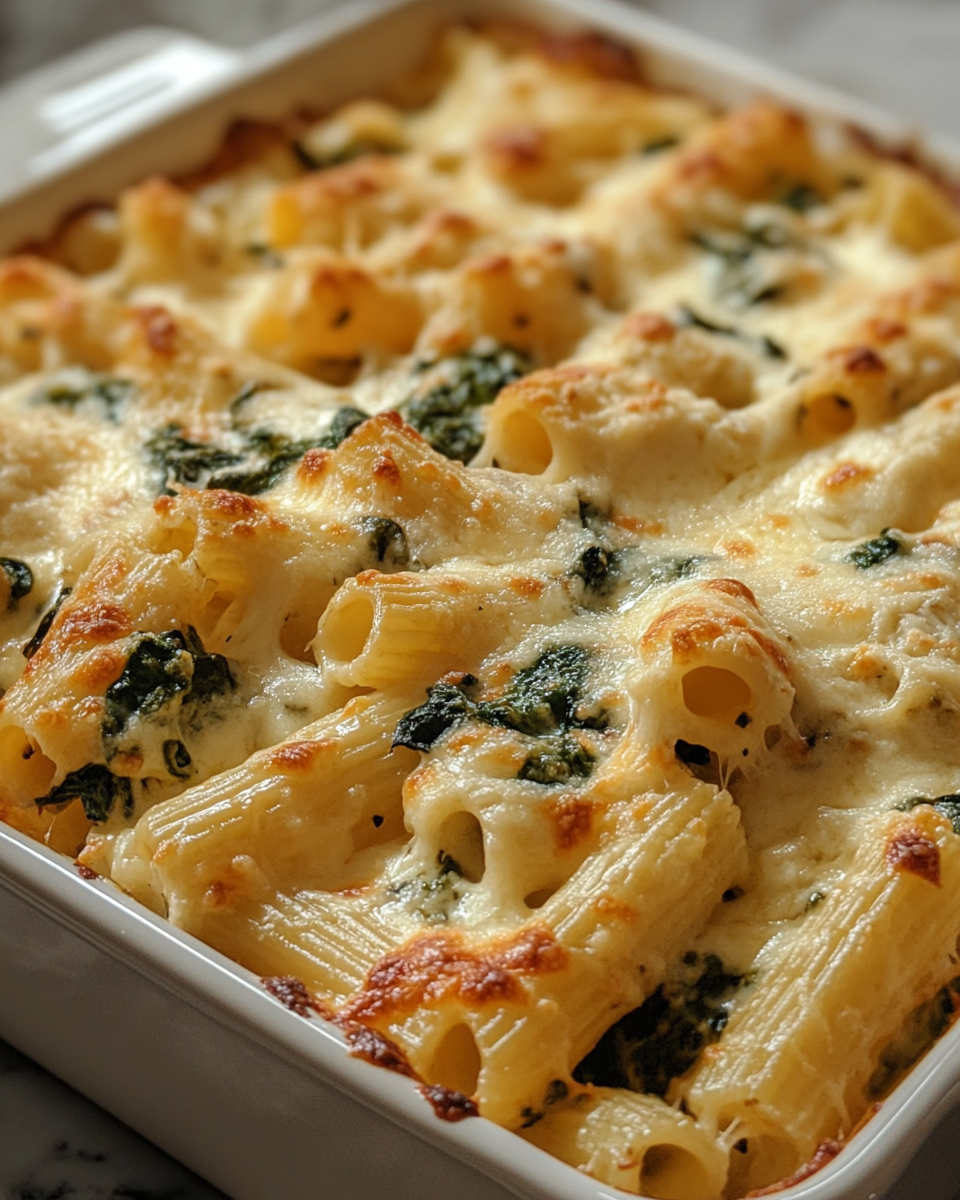
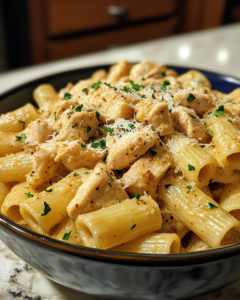
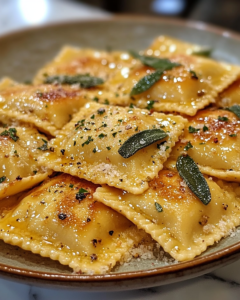
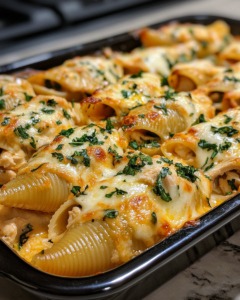
Creamy Turkey Sausage Alfredo is a rich, velvety pasta dish that brings together savory turkey sausage, silky Alfredo sauce, and tender pasta in a single satisfying bowl. The combination creates a warm, comforting meal that feels both hearty and smooth without being overly heavy.
This version leans on turkey sausage for a lighter take while still delivering deep, seasoned flavor. The sauce clings beautifully to every strand of pasta, creating a cohesive dish that works for weeknights or casual gatherings.
What makes this dish stand out is the balance between creamy texture and savory depth. Garlic, parmesan, and cream form the base, while the sausage adds a well-seasoned, slightly smoky note that ties everything together.
Ingredients Overview

The foundation of Creamy Turkey Sausage Alfredo starts with a few simple but important ingredients. Turkey sausage brings a seasoned, savory base that replaces traditional pork sausage while keeping the flavor bold and satisfying. Choosing mild or Italian-style turkey sausage allows flexibility depending on how much seasoning you prefer.
Heavy cream is essential for the Alfredo sauce, giving it a smooth, rich consistency. When combined with freshly grated parmesan cheese, it forms a thick sauce that naturally coats pasta without needing complicated techniques. The cheese also adds a nutty, salty depth that balances the cream.
Garlic and onion build the aromatic layer of the dish. As they cook in the pan, they release sweetness and depth that infuse the sauce. Butter helps carry these flavors and adds a silky mouthfeel.
Pasta choice matters as well. Fettuccine is classic because its wide surface holds the sauce well, but penne or rigatoni also work if you prefer a shorter shape. The starch from the pasta helps the sauce cling better.
A small amount of pasta water is often used to adjust texture. It helps loosen the sauce slightly while keeping it cohesive. Black pepper adds mild heat and rounds out the creamy profile.
Each ingredient plays a specific role, working together to create a balanced dish that is rich without feeling overwhelming.
Ingredients
12 oz fettuccine pasta
1 lb turkey sausage, casings removed
2 tablespoons unsalted butter
1 small yellow onion, finely chopped
3 cloves garlic, minced
1 ½ cups heavy cream
1 cup whole milk
1 ½ cups freshly grated parmesan cheese
1 teaspoon salt
1 teaspoon black pepper
½ teaspoon Italian seasoning
¼ teaspoon red pepper flakes (optional)
½ cup reserved pasta water
2 tablespoons chopped parsley for garnish
Step-by-Step Instructions

Start by bringing a large pot of salted water to a boil. Add the fettuccine and cook until just al dente according to package directions. Before draining, reserve about half a cup of pasta water. Drain the pasta and set it aside.
While the pasta cooks, heat a large skillet over medium heat. Add the turkey sausage, breaking it apart with a spoon as it cooks. Allow it to brown evenly, developing a slightly crisp texture on the edges. This step builds deep savory flavor. Once fully cooked, transfer the sausage to a plate and set aside.
In the same skillet, melt the butter over medium heat. Add the chopped onion and cook until soft and translucent. Stir in the garlic and cook briefly until fragrant, taking care not to let it burn.
Pour in the heavy cream and milk, stirring gently to combine with the aromatics. Allow the mixture to heat slowly until it begins to steam lightly. Avoid boiling, as this can affect the texture of the sauce.
Stir in the parmesan cheese gradually, letting it melt into the cream. The sauce will begin to thicken as the cheese blends in. Add salt, black pepper, Italian seasoning, and red pepper flakes if using.
Return the cooked turkey sausage to the skillet, stirring it into the sauce so the flavors combine evenly. Let it simmer gently for a few minutes so the sausage absorbs some of the creamy mixture.
Add the cooked pasta directly into the skillet. Toss thoroughly so every strand is coated in sauce. If the sauce feels too thick, add a small amount of reserved pasta water until the texture loosens slightly and clings smoothly to the pasta.
Let everything cook together for another minute so the flavors fully blend. Remove from heat and garnish with chopped parsley before serving.
Tips, Variations & Substitutions
For a deeper flavor, brown the turkey sausage well before removing it from the pan. Those browned bits left behind in the skillet add richness to the sauce base. Stirring them into the cream helps build a fuller taste.
If you prefer a lighter version, substitute half of the heavy cream with additional milk. The sauce will be slightly less thick but still smooth and flavorful. You can also use half-and-half for a middle ground.
Vegetables can easily be added to this dish. Spinach, mushrooms, or steamed broccoli blend well without overpowering the sauce. Add them toward the end so they maintain texture.
For extra depth, try adding a small amount of roasted garlic instead of raw garlic. It gives a sweeter, mellow flavor that blends smoothly into the sauce.
Pasta shape can be adjusted based on preference. Short pasta like penne or rotini works well for holding chunks of sausage and sauce in each bite.
Serving Ideas & Occasions
Creamy Turkey Sausage Alfredo pairs well with simple sides that balance its richness. A crisp green salad with light vinaigrette helps cut through the creamy sauce. Garlic bread or toasted baguette slices are also excellent for scooping up extra sauce.
This dish works well for casual family dinners or relaxed gatherings where comfort food is the focus. It can be served as a main course on its own since it already includes protein, pasta, and sauce in one dish.
For beverages, light sparkling water with lemon or a simple iced tea complements the creamy texture without overpowering the flavors.
It also reheats well, making it a practical option for next-day meals.
Nutritional & Health Notes
This dish offers a balance of protein, carbohydrates, and fats. Turkey sausage provides lean protein compared to traditional pork sausage, while the cream and cheese contribute richness and satiety.
Portion control is helpful due to the creamy base, which is calorie-dense. Pairing the dish with vegetables or a salad can create a more balanced plate.
Using whole milk instead of heavy cream can reduce overall fat content while still maintaining a creamy texture. Fresh ingredients like garlic and onion also contribute small amounts of nutrients and antioxidants.
While this dish is indulgent in nature, it can fit into a varied eating pattern when enjoyed in moderation.
FAQs
Can I use a different type of pasta?
Yes, this recipe works well with several pasta shapes beyond fettuccine. Penne, rigatoni, and linguine are all good options. The key is choosing a shape that holds sauce well so each bite carries both creaminess and sausage flavor. Short pasta tends to trap pieces of sausage, while long pasta gives a smoother, more traditional Alfredo experience. Cooking times may vary slightly depending on the type you choose, so always check for al dente texture before draining.
Can I substitute the turkey sausage?
Turkey sausage can be replaced with chicken sausage or even plant-based sausage alternatives. Each option will slightly change the flavor profile, but the creamy sauce works well with all of them. If using a milder sausage, you may want to adjust seasoning with a bit more black pepper or Italian seasoning. Pre-cooked sausage can also be used, though browning it in the skillet adds extra depth to the dish.
How do I keep the sauce from becoming too thick?
If the sauce thickens too much, reserved pasta water is the best solution. Add it gradually while stirring until the texture loosens. The starch in the pasta water helps the sauce stay smooth rather than watery. Heating the sauce too long can also cause thickening, so keep the heat moderate once the cream and cheese are added. Stirring frequently helps maintain a consistent texture.
Can I make this dish ahead of time?
Yes, this dish can be prepared ahead, though it is best enjoyed fresh. If making in advance, store the pasta and sauce together in an airtight container. When reheating, add a small splash of milk or water to restore creaminess. Heat gently over low to medium heat while stirring to prevent separation. Avoid overheating, as it may cause the sauce to break.
What vegetables go well in this recipe?
Several vegetables pair nicely with this creamy pasta. Spinach is a popular choice because it wilts quickly and blends into the sauce. Mushrooms add an earthy flavor that complements the sausage. Broccoli, peas, or zucchini can also be included for added texture and color. Add firmer vegetables earlier in the cooking process and delicate greens toward the end.
Can I use low-fat dairy?
Low-fat dairy can be used, but the sauce will be less rich and slightly thinner. Substituting heavy cream with half-and-half or whole milk is a common adjustment. To help maintain creaminess, you can add a bit more parmesan cheese, which helps thicken the sauce naturally. Keep in mind that the final texture will be lighter compared to the original version.
How do I prevent the sauce from separating?
To keep the sauce smooth, avoid boiling it after adding cream and cheese. Gentle heat is important so the dairy does not break. Stir continuously while incorporating cheese so it melts evenly. Adding cheese gradually instead of all at once also helps maintain stability. If the sauce begins to look grainy, lowering the heat and stirring in a small amount of warm pasta water can help bring it back together.