Creamy Lemon Garlic Pasta 5 Simple Tasty Recipe

Posted on

Uncategorized

Difficulty

Prep time

Cooking time

Total time

Servings

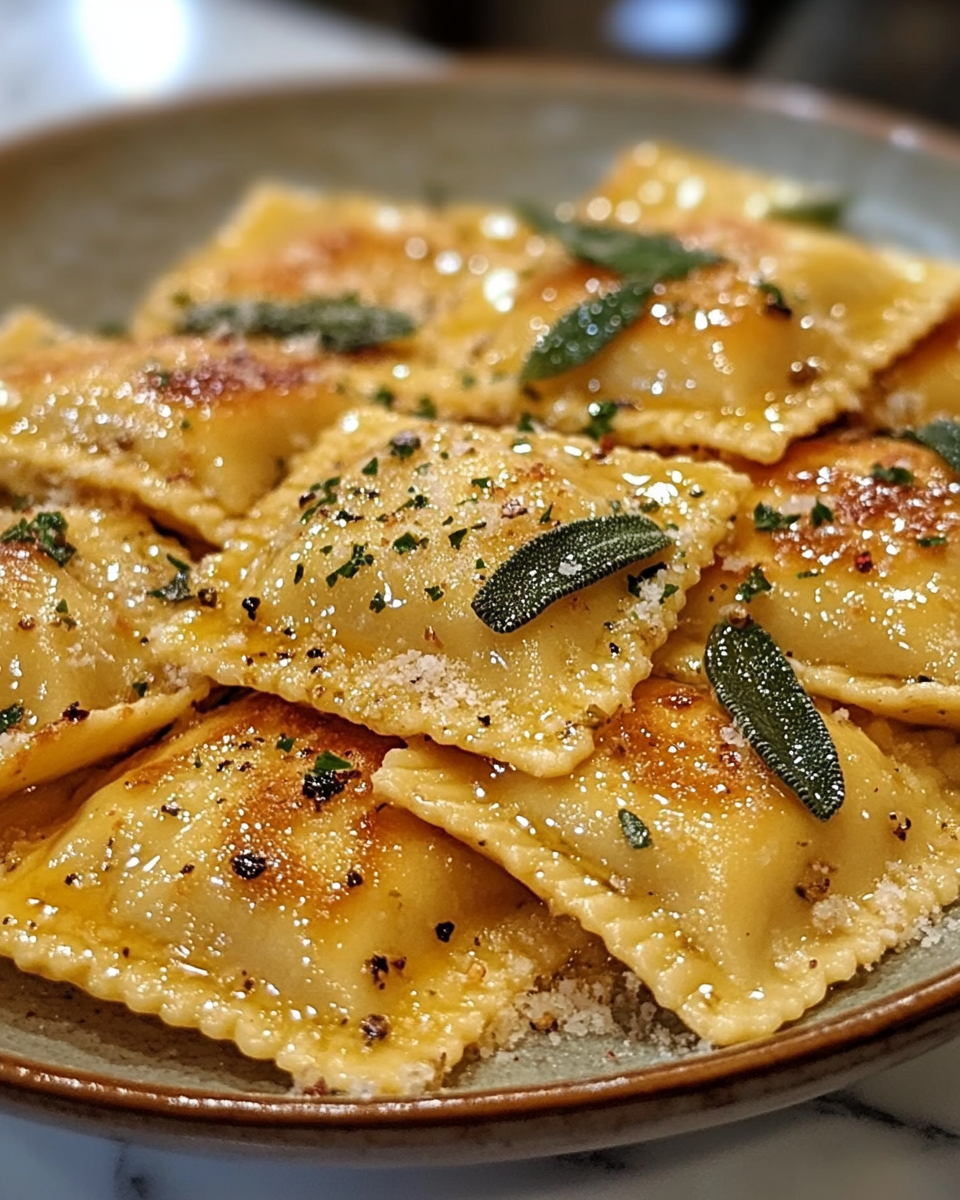
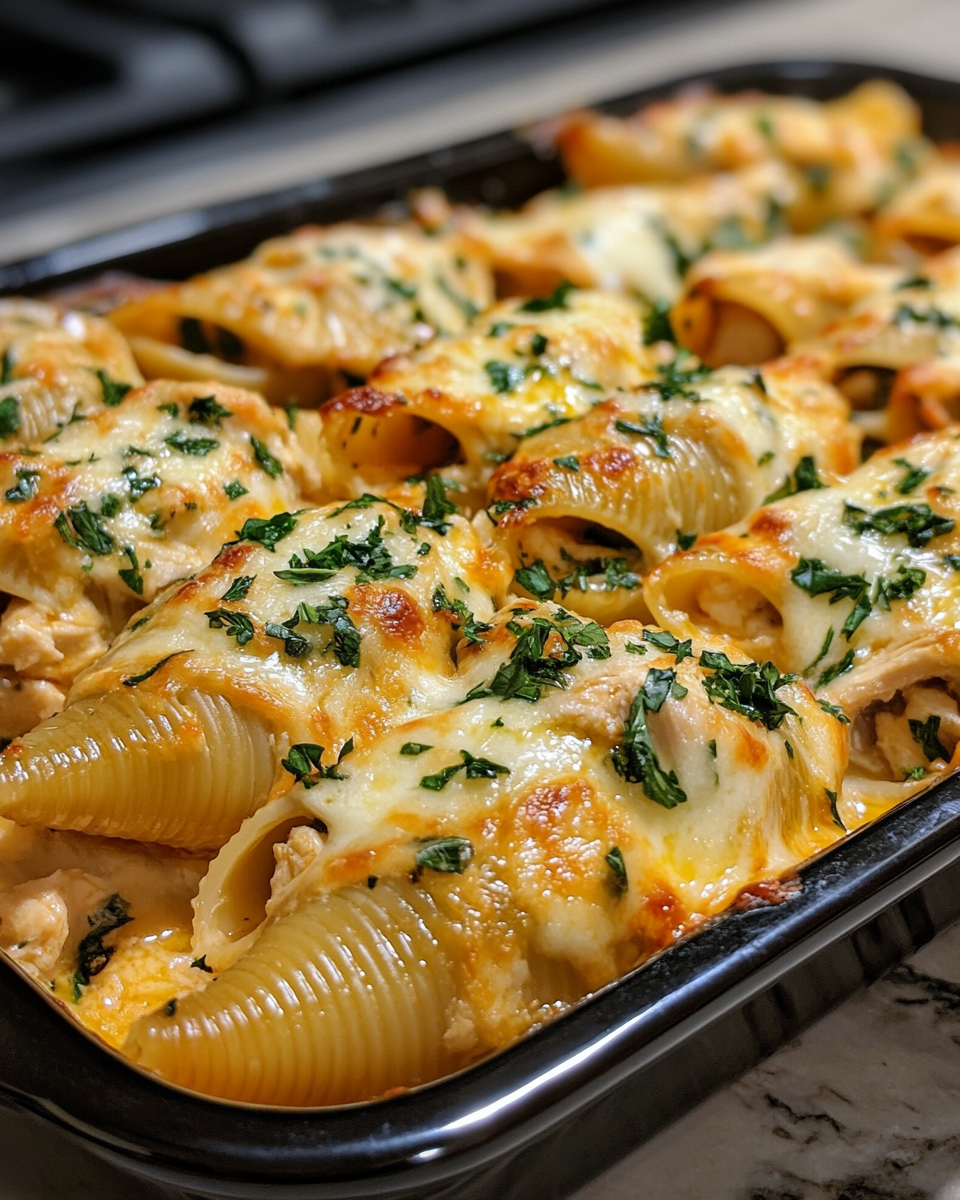
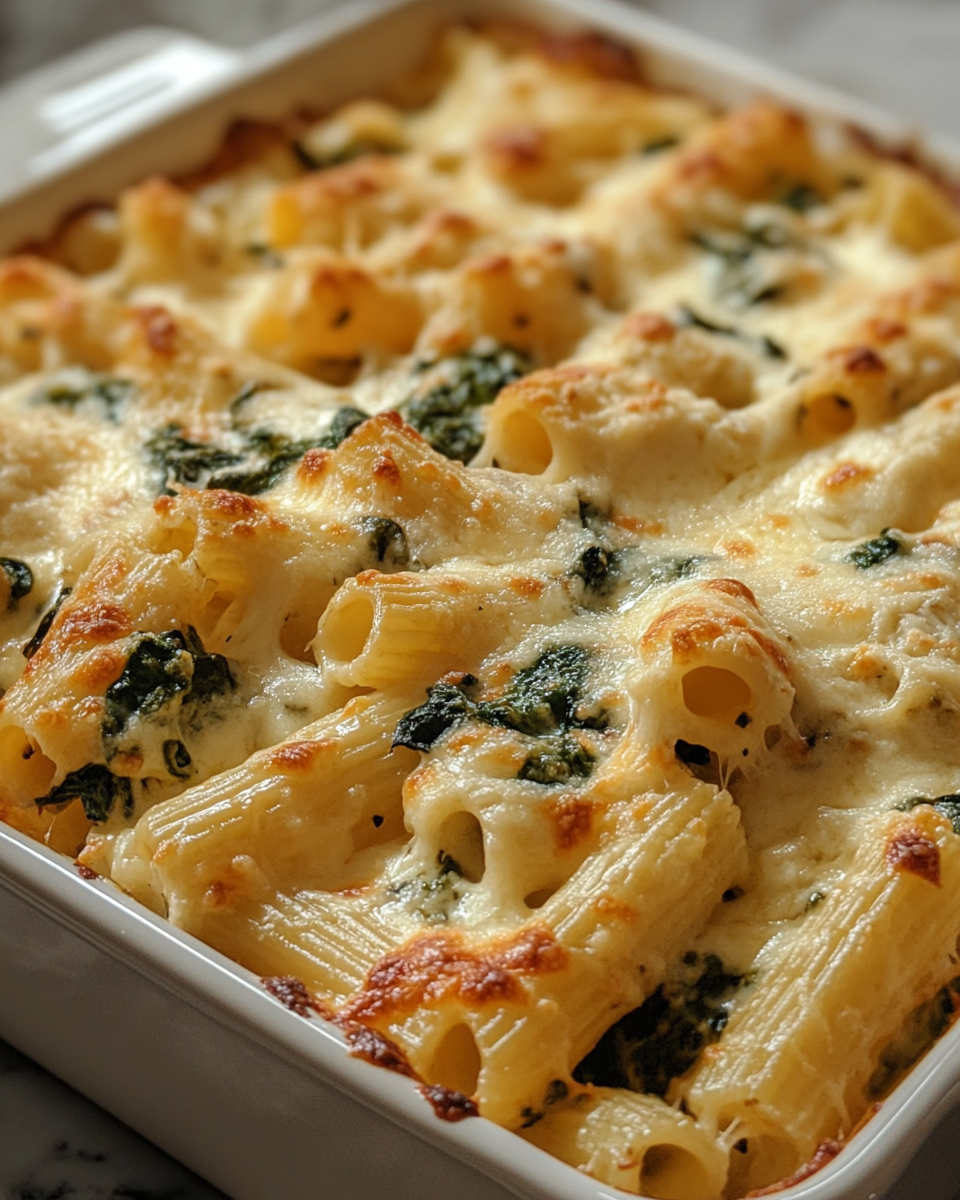
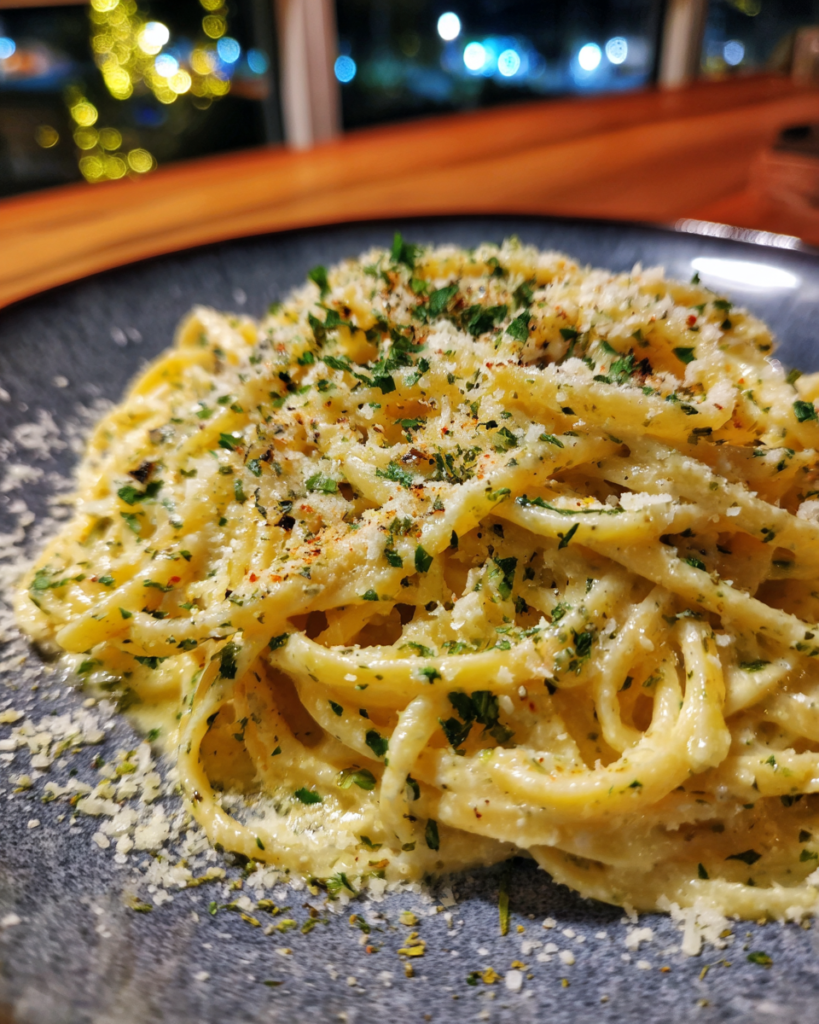
Creamy Lemon Garlic Pasta brings bright citrus aroma together with smooth, velvety sauce coating tender strands of pasta. The dish centers on gentle garlic warmth balanced with fresh lemon notes and a silky cream base.

Each bite carries a light, comforting texture with a refreshing finish that works across casual dinners and relaxed gatherings. The combination feels smooth, fragrant, and satisfying without heavy complexity.


Ingredients Overview

Creamy Lemon Garlic Pasta relies on a short list of familiar ingredients that work in harmony to create depth and balance. Pasta forms the foundation, holding the sauce within its ridges and curves. Long shapes such as spaghetti or linguine perform especially well because they capture the creamy coating evenly.

Garlic brings aromatic depth and warmth. When gently sautéed, garlic softens into a mellow flavor that blends smoothly into the sauce without sharpness. Careful heat control prevents bitterness.

Lemon juice and zest provide brightness. The zest carries essential oils that lift the creaminess, while the juice adds gentle acidity that keeps the dish from feeling heavy.

Heavy cream or a blend of cream and milk forms the sauce base. It creates a smooth texture that clings to the pasta while carrying flavors evenly. Butter adds richness and helps garlic cook evenly at the start.

Parmesan cheese contributes savory depth and slight saltiness. It thickens the sauce naturally while adding a subtle nutty note.

Salt and black pepper round out the profile, allowing each ingredient to stand out without overwhelming the balance. Fresh parsley is often included for a mild herbal finish and visual contrast.

Substitutions are flexible. Plant-based cream alternatives can replace dairy cream. Nutritional yeast can replace cheese for a dairy-free approach. Gluten-free pasta works without altering the sauce structure.


Ingredients

12 oz spaghetti or linguine
2 tablespoons unsalted butter
4 cloves garlic, finely minced
1 cup heavy cream
1/2 cup grated Parmesan cheese
1 medium lemon, zest and juice
1/2 teaspoon salt
1/4 teaspoon black pepper
1/2 cup reserved pasta water
2 tablespoons olive oil
2 tablespoons chopped fresh parsley


Step-by-Step Instructions

Bring a large pot of salted water to a steady boil. Add pasta and cook until tender with a slight firmness at the center. Reserve half a cup of cooking water before draining.

Place a large skillet over medium heat. Add butter and olive oil, allowing them to melt together. Stir in minced garlic and cook gently until fragrant and softened. Avoid browning to prevent bitterness.

Pour in heavy cream while stirring steadily. Keep heat moderate so the cream remains smooth without bubbling aggressively. Allow it to warm through for a few minutes.

Add lemon zest and lemon juice. Stir until the citrus blends evenly into the cream base. The mixture will take on a light, fresh aroma at this stage.

Sprinkle in Parmesan cheese gradually while stirring. The sauce will begin to thicken as the cheese melts. If the texture becomes too thick, add reserved pasta water in small amounts until it loosens slightly.

Season with salt and black pepper. Taste and adjust gently to maintain balance between creaminess and citrus brightness.

Add drained pasta directly into the skillet. Toss continuously so every strand is coated evenly. The sauce should cling smoothly without pooling at the bottom.

Allow the pasta to sit in the sauce for a brief moment over low heat so flavors settle together. Stir once more before removing from heat.

Finish with chopped parsley scattered across the top. Serve immediately while the texture remains silky and warm.

Common mistakes include overheating the cream, which can cause separation, and adding cheese too quickly, which can lead to clumping. Gradual mixing keeps the sauce smooth.


Tips, Variations & Substitutions

For a lighter texture, half-and-half can replace heavy cream, though the sauce will be less rich. A small amount of pasta water helps maintain smooth consistency regardless of cream choice.

Adding sautéed mushrooms or spinach introduces earthy depth and extra texture. Both blend well with the citrus and garlic profile without overpowering it.

Protein additions such as grilled chicken or shrimp pair naturally with the sauce. These should be cooked separately and folded in at the end to maintain tenderness.

For extra citrus intensity, a small additional amount of lemon zest can be stirred in just before serving. This increases brightness without increasing acidity too sharply.

A dairy-free version can be created using coconut cream and nutritional yeast. The flavor shifts slightly but maintains a creamy structure.

Red pepper flakes can be added during the garlic stage for a gentle heat layer.


Serving Ideas & Occasions

Creamy Lemon Garlic Pasta pairs well with light salads featuring vinaigrette dressings or roasted vegetables with mild seasoning. Garlic bread or toasted baguette slices complement the sauce by adding crunch.

A chilled sparkling beverage or simple citrus-infused drink balances the creamy texture on the palate.

This dish fits relaxed dinners, casual gatherings, and quiet evenings. It also works as a quick meal option when a comforting yet bright pasta is preferred.


Nutritional & Health Notes

This pasta dish contains carbohydrates from pasta, fats from cream and butter, and protein from cheese. The balance provides sustained energy with a creamy texture.

Lemon contributes vitamin C and freshness without adding heaviness. Garlic adds aromatic compounds commonly associated with heart-friendly eating patterns.

Portion control can adjust overall richness. Smaller servings paired with vegetables can create a lighter plate while maintaining flavor satisfaction.


FAQs

Can different pasta shapes be used?

Yes, various pasta shapes work well in this dish. Long strands such as fettuccine, linguine, or spaghetti hold the sauce smoothly. Short shapes like penne or rigatoni also perform well because their ridges trap the creamy mixture. Cooking time should follow package guidance, aiming for a tender texture with slight firmness. Sauce adherence remains consistent across most standard wheat or gluten-free pasta types.

Can dairy cream be replaced?

Dairy cream can be replaced with plant-based alternatives such as oat cream, soy cream, or coconut cream. Each option slightly changes the flavor profile. Coconut cream adds a subtle sweetness, while oat cream maintains a neutral base. Texture remains smooth when combined with pasta water and cheese substitutes. Adjust seasoning to maintain balance since dairy-free options vary in richness.

How can sauce thickness be adjusted?

Sauce thickness can be controlled using reserved pasta water. Adding small amounts gradually loosens a thick sauce without diluting flavor. Simmering longer thickens the mixture naturally as moisture reduces. Cheese content also influences texture, so gradual incorporation helps maintain smooth consistency. Heat level should remain moderate to avoid separation.

Can garlic intensity be reduced?

Garlic intensity can be softened by reducing cooking time or using fewer cloves. Slow sautéing over gentle heat produces a mild, sweet garlic flavor. Roasted garlic can also replace fresh garlic for a softer profile. This adjustment suits preferences for lighter aromatic presence while keeping the sauce balanced.

Can this dish be prepared ahead?

Preparation ahead is possible, though freshly served texture remains ideal. If stored, pasta may absorb sauce and thicken. Adding a small amount of warm cream or pasta water during reheating restores consistency. Gentle reheating over low heat prevents separation and maintains smoothness.

What protein pairs well with this pasta?

Grilled chicken, shrimp, or salmon pair well with the citrus and creamy base. Each option should be cooked separately and added at the final stage. Light seasoning on protein pieces keeps the overall flavor balanced. Plant-based proteins such as tofu also blend well when lightly seared.

How can extra citrus flavor be added?

Additional lemon zest added just before serving increases citrus aroma without making the dish overly acidic. A small splash of fresh lemon juice can also be stirred in at the end. Balance is important to avoid overpowering creaminess while keeping brightness present.

[rank_math_breadcrumb]

Creamy Lemon Garlic Pasta 5 Simple Tasty Recipe

Photo of author
Author: Carol
Published:

Creamy Lemon Garlic Pasta brings bright citrus aroma together with smooth, velvety sauce coating tender strands of pasta. The dish centers on gentle garlic warmth balanced with fresh lemon notes and a silky cream base.

Each bite carries a light, comforting texture with a refreshing finish that works across casual dinners and relaxed gatherings. The combination feels smooth, fragrant, and satisfying without heavy complexity.


Ingredients Overview

Creamy Lemon Garlic Pasta relies on a short list of familiar ingredients that work in harmony to create depth and balance. Pasta forms the foundation, holding the sauce within its ridges and curves. Long shapes such as spaghetti or linguine perform especially well because they capture the creamy coating evenly.

Garlic brings aromatic depth and warmth. When gently sautéed, garlic softens into a mellow flavor that blends smoothly into the sauce without sharpness. Careful heat control prevents bitterness.

Lemon juice and zest provide brightness. The zest carries essential oils that lift the creaminess, while the juice adds gentle acidity that keeps the dish from feeling heavy.

Heavy cream or a blend of cream and milk forms the sauce base. It creates a smooth texture that clings to the pasta while carrying flavors evenly. Butter adds richness and helps garlic cook evenly at the start.

Parmesan cheese contributes savory depth and slight saltiness. It thickens the sauce naturally while adding a subtle nutty note.

Salt and black pepper round out the profile, allowing each ingredient to stand out without overwhelming the balance. Fresh parsley is often included for a mild herbal finish and visual contrast.

Substitutions are flexible. Plant-based cream alternatives can replace dairy cream. Nutritional yeast can replace cheese for a dairy-free approach. Gluten-free pasta works without altering the sauce structure.


Ingredients

12 oz spaghetti or linguine
2 tablespoons unsalted butter
4 cloves garlic, finely minced
1 cup heavy cream
1/2 cup grated Parmesan cheese
1 medium lemon, zest and juice
1/2 teaspoon salt
1/4 teaspoon black pepper
1/2 cup reserved pasta water
2 tablespoons olive oil
2 tablespoons chopped fresh parsley


Step-by-Step Instructions

Bring a large pot of salted water to a steady boil. Add pasta and cook until tender with a slight firmness at the center. Reserve half a cup of cooking water before draining.

Place a large skillet over medium heat. Add butter and olive oil, allowing them to melt together. Stir in minced garlic and cook gently until fragrant and softened. Avoid browning to prevent bitterness.

Pour in heavy cream while stirring steadily. Keep heat moderate so the cream remains smooth without bubbling aggressively. Allow it to warm through for a few minutes.

Add lemon zest and lemon juice. Stir until the citrus blends evenly into the cream base. The mixture will take on a light, fresh aroma at this stage.

Sprinkle in Parmesan cheese gradually while stirring. The sauce will begin to thicken as the cheese melts. If the texture becomes too thick, add reserved pasta water in small amounts until it loosens slightly.

Season with salt and black pepper. Taste and adjust gently to maintain balance between creaminess and citrus brightness.

Add drained pasta directly into the skillet. Toss continuously so every strand is coated evenly. The sauce should cling smoothly without pooling at the bottom.

Allow the pasta to sit in the sauce for a brief moment over low heat so flavors settle together. Stir once more before removing from heat.

Finish with chopped parsley scattered across the top. Serve immediately while the texture remains silky and warm.

Common mistakes include overheating the cream, which can cause separation, and adding cheese too quickly, which can lead to clumping. Gradual mixing keeps the sauce smooth.


Tips, Variations & Substitutions

For a lighter texture, half-and-half can replace heavy cream, though the sauce will be less rich. A small amount of pasta water helps maintain smooth consistency regardless of cream choice.

Adding sautéed mushrooms or spinach introduces earthy depth and extra texture. Both blend well with the citrus and garlic profile without overpowering it.

Protein additions such as grilled chicken or shrimp pair naturally with the sauce. These should be cooked separately and folded in at the end to maintain tenderness.

For extra citrus intensity, a small additional amount of lemon zest can be stirred in just before serving. This increases brightness without increasing acidity too sharply.

A dairy-free version can be created using coconut cream and nutritional yeast. The flavor shifts slightly but maintains a creamy structure.

Red pepper flakes can be added during the garlic stage for a gentle heat layer.


Serving Ideas & Occasions

Creamy Lemon Garlic Pasta pairs well with light salads featuring vinaigrette dressings or roasted vegetables with mild seasoning. Garlic bread or toasted baguette slices complement the sauce by adding crunch.

A chilled sparkling beverage or simple citrus-infused drink balances the creamy texture on the palate.

This dish fits relaxed dinners, casual gatherings, and quiet evenings. It also works as a quick meal option when a comforting yet bright pasta is preferred.


Nutritional & Health Notes

This pasta dish contains carbohydrates from pasta, fats from cream and butter, and protein from cheese. The balance provides sustained energy with a creamy texture.

Lemon contributes vitamin C and freshness without adding heaviness. Garlic adds aromatic compounds commonly associated with heart-friendly eating patterns.

Portion control can adjust overall richness. Smaller servings paired with vegetables can create a lighter plate while maintaining flavor satisfaction.


FAQs

Can different pasta shapes be used?

Yes, various pasta shapes work well in this dish. Long strands such as fettuccine, linguine, or spaghetti hold the sauce smoothly. Short shapes like penne or rigatoni also perform well because their ridges trap the creamy mixture. Cooking time should follow package guidance, aiming for a tender texture with slight firmness. Sauce adherence remains consistent across most standard wheat or gluten-free pasta types.

Can dairy cream be replaced?

Dairy cream can be replaced with plant-based alternatives such as oat cream, soy cream, or coconut cream. Each option slightly changes the flavor profile. Coconut cream adds a subtle sweetness, while oat cream maintains a neutral base. Texture remains smooth when combined with pasta water and cheese substitutes. Adjust seasoning to maintain balance since dairy-free options vary in richness.

How can sauce thickness be adjusted?

Sauce thickness can be controlled using reserved pasta water. Adding small amounts gradually loosens a thick sauce without diluting flavor. Simmering longer thickens the mixture naturally as moisture reduces. Cheese content also influences texture, so gradual incorporation helps maintain smooth consistency. Heat level should remain moderate to avoid separation.

Can garlic intensity be reduced?

Garlic intensity can be softened by reducing cooking time or using fewer cloves. Slow sautéing over gentle heat produces a mild, sweet garlic flavor. Roasted garlic can also replace fresh garlic for a softer profile. This adjustment suits preferences for lighter aromatic presence while keeping the sauce balanced.

Can this dish be prepared ahead?

Preparation ahead is possible, though freshly served texture remains ideal. If stored, pasta may absorb sauce and thicken. Adding a small amount of warm cream or pasta water during reheating restores consistency. Gentle reheating over low heat prevents separation and maintains smoothness.

What protein pairs well with this pasta?

Grilled chicken, shrimp, or salmon pair well with the citrus and creamy base. Each option should be cooked separately and added at the final stage. Light seasoning on protein pieces keeps the overall flavor balanced. Plant-based proteins such as tofu also blend well when lightly seared.

How can extra citrus flavor be added?

Additional lemon zest added just before serving increases citrus aroma without making the dish overly acidic. A small splash of fresh lemon juice can also be stirred in at the end. Balance is important to avoid overpowering creaminess while keeping brightness present.
Name

Lorem ipsum dolor sit amet, consectetur adipiscing elit. Suspendisse varius enim in eros elementum tristique. Duis cursus, mi quis viverra ornare, eros dolor interdum nulla, ut commodo diam libero vitae erat.

You Might Also Like...

Lemon Herb Chicken Thighs: 7 Cozy Family Favorites

Lemon Herb Chicken Thighs: 7 Cozy Family Favorites

Beef and Broccoli Stir Fry: 6 Savory Skillet Favorites

Beef and Broccoli Stir Fry: 6 Savory Skillet Favorites

Creamy Cajun Chicken Pasta: 5 Rich Dinner Favorites

Creamy Cajun Chicken Pasta: 5 Rich Dinner Favorites

Garlic Butter Chicken Bake: 5 Cozy Family Dinner Tips

Garlic Butter Chicken Bake: 5 Cozy Family Dinner Tips

Tags:

You might also like these recipes

Leave a Comment