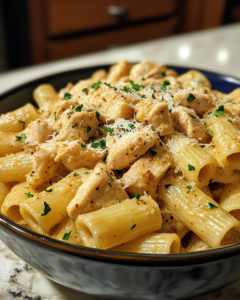
Crispy Parmesan Chicken brings together juicy chicken, a crunchy golden coating, and rich savory flavor in every bite. This dish has become a family dinner favorite because it feels hearty without requiring complicated preparation. The crisp crust forms beautifully in the oven or skillet while the Parmesan adds a salty, nutty finish that pairs well with simple side dishes.
One of the best parts about Crispy Parmesan Chicken is the balance between texture and flavor. Tender chicken stays moist inside while the outside develops a crisp layer from breadcrumbs, cheese, and seasoning. It works beautifully for weeknight meals, casual gatherings, or plated dinners with pasta and vegetables.
This recipe uses pantry staples and straightforward preparation, making it approachable for beginner cooks while still delivering restaurant-style flavor. The coating clings tightly to the chicken, creating crunchy edges and rich browned bits during cooking. Served fresh from the pan, Crispy Parmesan Chicken tastes warm, savory, and deeply satisfying.
Ingredients Overview

The heart of Crispy Parmesan Chicken lies in the coating. Freshly grated Parmesan cheese melts slightly during cooking and forms a savory crust with rich nutty flavor. Panko breadcrumbs add a lighter crunch compared to traditional breadcrumbs, helping the exterior stay crisp rather than dense.
Boneless skinless chicken breasts work beautifully because they cook evenly after being pounded to an even thickness. Chicken cutlets also work well and shorten cooking time. A quick coating of flour and egg helps the breadcrumb mixture stick firmly, creating a crust that stays attached during cooking.
Garlic powder, onion powder, paprika, salt, and black pepper season the coating without overpowering the Parmesan. Italian seasoning adds mild herbal flavor that pairs naturally with chicken and cheese. Olive oil or melted butter helps the coating brown and crisp while adding rich flavor.
For substitutions, crushed crackers can replace panko breadcrumbs for a slightly richer texture. Pecorino Romano can replace part of the Parmesan for a sharper finish. Gluten-free breadcrumbs work successfully for gluten-sensitive diets, while chicken thighs create a juicier result with slightly longer cooking time.
Fresh parsley and lemon wedges brighten the finished dish and balance the richness of the crust. A squeeze of lemon right before serving cuts through the savory coating and gives the chicken a fresh finish.
Ingredients
4 boneless skinless chicken breasts
1 cup panko breadcrumbs
3/4 cup grated Parmesan cheese
1/2 cup all-purpose flour
2 large eggs
2 tablespoons milk
1 teaspoon garlic powder
1 teaspoon onion powder
1 teaspoon Italian seasoning
1/2 teaspoon paprika
1 teaspoon salt
1/2 teaspoon black pepper
3 tablespoons olive oil
2 tablespoons melted butter
2 tablespoons chopped fresh parsley
Lemon wedges for serving
Step-by-Step Instructions

Place the chicken breasts between sheets of parchment paper or plastic wrap and gently pound them to an even thickness of about 1/2 inch. This step helps the chicken cook evenly and prevents dry edges before the center finishes cooking.
Prepare three shallow bowls for breading. Place flour in the first bowl. In the second bowl, whisk together the eggs and milk until smooth. In the third bowl, combine panko breadcrumbs, Parmesan cheese, garlic powder, onion powder, Italian seasoning, paprika, salt, and black pepper.
Pat the chicken dry with paper towels before breading. Dry chicken helps the coating cling better during cooking. Dredge each piece lightly in flour, shaking off excess. Dip into the egg mixture, then press firmly into the Parmesan breadcrumb mixture until fully coated on all sides.
For extra crisp texture, allow the breaded chicken to rest on a plate for about 10 minutes before cooking. This brief resting period helps the coating set and reduces the chance of crumbs falling away in the skillet or oven.
Preheat the oven to 425 degrees Fahrenheit if baking. Lightly grease a baking sheet or line it with parchment paper. Arrange the coated chicken pieces in a single layer without crowding. Drizzle with olive oil and melted butter.
Bake for 20 to 25 minutes, flipping halfway through cooking. The coating should turn deep golden brown and the chicken should reach an internal temperature of 165 degrees Fahrenheit. If a darker crust is preferred, place the chicken under the broiler for 1 to 2 minutes near the end of cooking.
For skillet preparation, heat olive oil in a large skillet over medium heat. Cook the chicken for about 5 to 6 minutes per side until deeply golden and cooked through. Avoid moving the chicken too early or the coating may separate before browning properly.
One common mistake involves overcrowding the pan or baking tray. Tight spacing traps steam and softens the crust. Another issue comes from overly thick chicken pieces, which can brown outside before cooking fully inside.
Once cooked, allow the chicken to rest for several minutes before serving. This keeps the juices inside the meat and helps the coating remain crisp. Finish with chopped parsley and fresh lemon wedges for added brightness.
Tips, Variations & Substitutions
Freshly grated Parmesan produces the richest flavor and crisps better than pre-shredded cheese. Pre-packaged cheese often contains anti-caking ingredients that affect browning and texture. Panko breadcrumbs also create a lighter crust than standard breadcrumbs, giving the chicken a delicate crunch.
For extra flavor, stir finely chopped parsley or basil into the breadcrumb mixture. Red pepper flakes bring gentle heat while smoked paprika adds deeper savory notes. A thin layer of mozzarella placed over the chicken during the final minutes of baking creates a richer version that pairs beautifully with pasta.
Chicken thighs may replace chicken breasts for a juicier result. Thin pork chops also work nicely with the same coating and cooking technique. For gluten-free preparation, substitute gluten-free breadcrumbs and gluten-free flour blends.
Air fryers produce excellent results as well. Cook the breaded chicken at 400 degrees Fahrenheit for about 15 minutes, flipping halfway through cooking. Lightly spraying the coating with oil helps develop a crisp browned finish.
If preparing ahead, bread the chicken several hours before cooking and refrigerate uncovered. This helps the crust adhere firmly while saving preparation time during dinner service.
Serving Ideas & Occasions
Crispy Parmesan Chicken pairs beautifully with creamy mashed potatoes, roasted vegetables, buttered noodles, or simple green salads. Garlic pasta and marinara sauce create a comforting Italian-inspired dinner while roasted broccoli or asparagus balances the richness of the coating.
For casual meals, slice the chicken and serve it over Caesar salad or tuck it into toasted sandwich rolls with lettuce and tomato. The crisp texture also works beautifully alongside rice pilaf or baked potatoes.
This dish fits many occasions, from busy weeknight dinners to relaxed weekend gatherings. Because the recipe feels hearty and familiar, it works well for family meals, potlucks, or small dinner parties. Children usually enjoy the crunchy coating, while adults appreciate the rich Parmesan flavor and juicy texture.
A glass of sparkling water with lemon, iced tea, or crisp white wine complements the savory coating without overpowering the dish.
Nutritional & Health Notes
Crispy Parmesan Chicken provides a strong source of protein from the chicken breasts while Parmesan cheese contributes calcium and savory richness. Baking instead of deep frying keeps the meal lighter while still delivering a crisp exterior.
Using panko breadcrumbs creates a lighter coating compared to dense breading mixtures. Olive oil adds richness along with heart-friendly fats. Pairing the chicken with vegetables or salads creates a balanced meal with fiber and freshness.
Portion size plays a major role in keeping the dish balanced. Serving one chicken breast with vegetables or salad creates a filling meal without feeling overly heavy. Lower-sodium Parmesan and reduced salt seasoning can help moderate sodium levels if preferred.
For lighter preparation, chicken tenders cook quickly and naturally provide smaller portions. Air frying also reduces oil usage while maintaining crisp texture and rich flavor.
FAQs
Can I prepare Crispy Parmesan Chicken ahead of time?
Yes, this recipe works very well for advance preparation. The chicken can be breaded several hours before cooking and stored uncovered in the refrigerator. Chilling helps the coating adhere more firmly and creates a crispier crust during cooking. If preparing a full day ahead, place parchment paper between layers to prevent sticking. Cooked chicken also reheats nicely in the oven at 375 degrees Fahrenheit for about 10 minutes. Avoid microwaving if possible because steam softens the crispy coating. Leftovers taste excellent sliced into salads, wraps, or pasta dishes the following day.
Why does my breading fall off during cooking?
Breading usually separates when the chicken surface contains too much moisture or when the coating layers are rushed. Patting the chicken dry before flouring helps the coating stick properly. Another helpful step involves pressing the breadcrumb mixture firmly onto the chicken instead of sprinkling lightly. Allowing the breaded chicken to rest for several minutes before cooking also helps the layers bond together. During skillet cooking, avoid flipping the chicken too early. Once the crust browns properly, it naturally releases from the pan with less sticking and tearing.
Can I freeze Crispy Parmesan Chicken?
Yes, both cooked and uncooked versions freeze successfully. For uncooked chicken, bread the pieces fully and freeze them in a single layer until solid before transferring to freezer bags. Cook directly from frozen, adding several extra minutes to the cooking time. Cooked chicken should cool completely before freezing to prevent excess moisture from softening the crust. Reheat frozen cooked chicken in the oven rather than the microwave for better texture. A wire rack placed on a baking sheet helps hot air circulate around the chicken while reheating.
What type of Parmesan works best for this recipe?
Freshly grated Parmesan creates the richest flavor and best texture for Crispy Parmesan Chicken. Block Parmesan melts more evenly into the breadcrumb coating and browns beautifully during cooking. Pre-shredded cheese can still work, though it sometimes creates a slightly grainier crust because of added stabilizers. Parmigiano Reggiano produces a deeper savory flavor, while Pecorino Romano brings a saltier sharper finish. Mixing the two cheeses creates a balanced coating with rich complexity and crisp texture.
How can I keep the chicken juicy?
Even thickness is one of the biggest factors in juicy chicken. Pounding the chicken breasts prevents thin edges from drying before the thicker center cooks through. Cooking at high heat also helps seal moisture inside while creating a crisp crust outside. Using a meat thermometer prevents overcooking and keeps the chicken tender. Remove the chicken once it reaches 165 degrees Fahrenheit and allow it to rest briefly before slicing. Resting gives the juices time to settle throughout the meat rather than spilling onto the plate immediately.
Can I use chicken thighs instead of breasts?
Chicken thighs work beautifully in this recipe and often produce an even juicier result. Boneless skinless thighs require slightly longer cooking time because of their richer texture and higher fat content. The savory Parmesan coating pairs naturally with the deeper flavor of dark meat. Because thighs vary in thickness, checking internal temperature helps prevent undercooking. Many cooks prefer thighs for skillet preparation because the meat stays tender while developing a crisp golden crust.
What sauces pair well with Crispy Parmesan Chicken?
This chicken pairs nicely with many sauces depending on the style of meal being served. Warm marinara sauce creates a classic Italian-inspired dinner, especially alongside pasta. Garlic butter sauce adds richness while lemon herb sauce brings freshness and balance. Creamy ranch dressing or Caesar dressing works nicely for casual meals and sandwiches. Honey mustard creates a sweet savory contrast that complements the salty Parmesan crust. When serving with vegetables or salad, a light vinaigrette keeps the meal balanced and fresh.