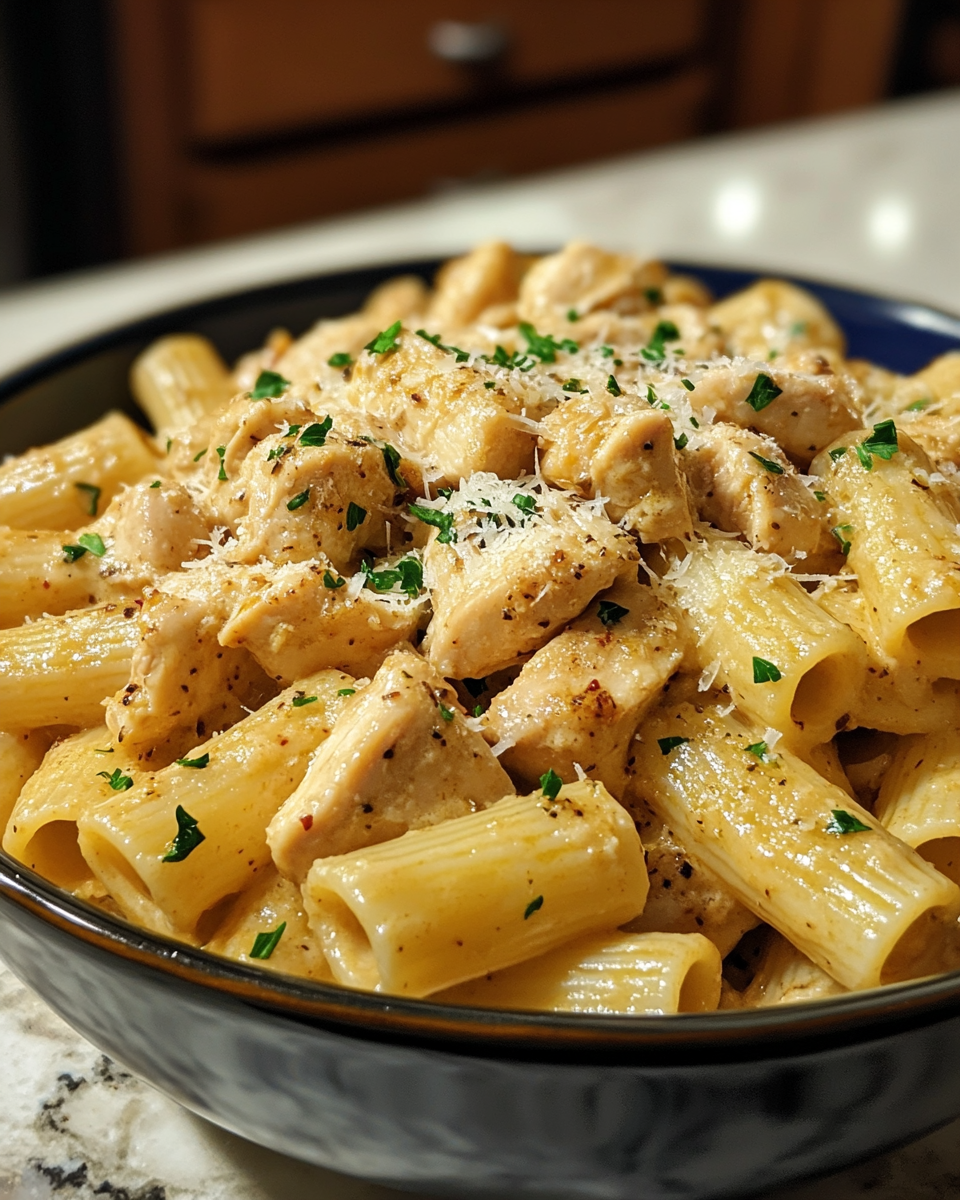
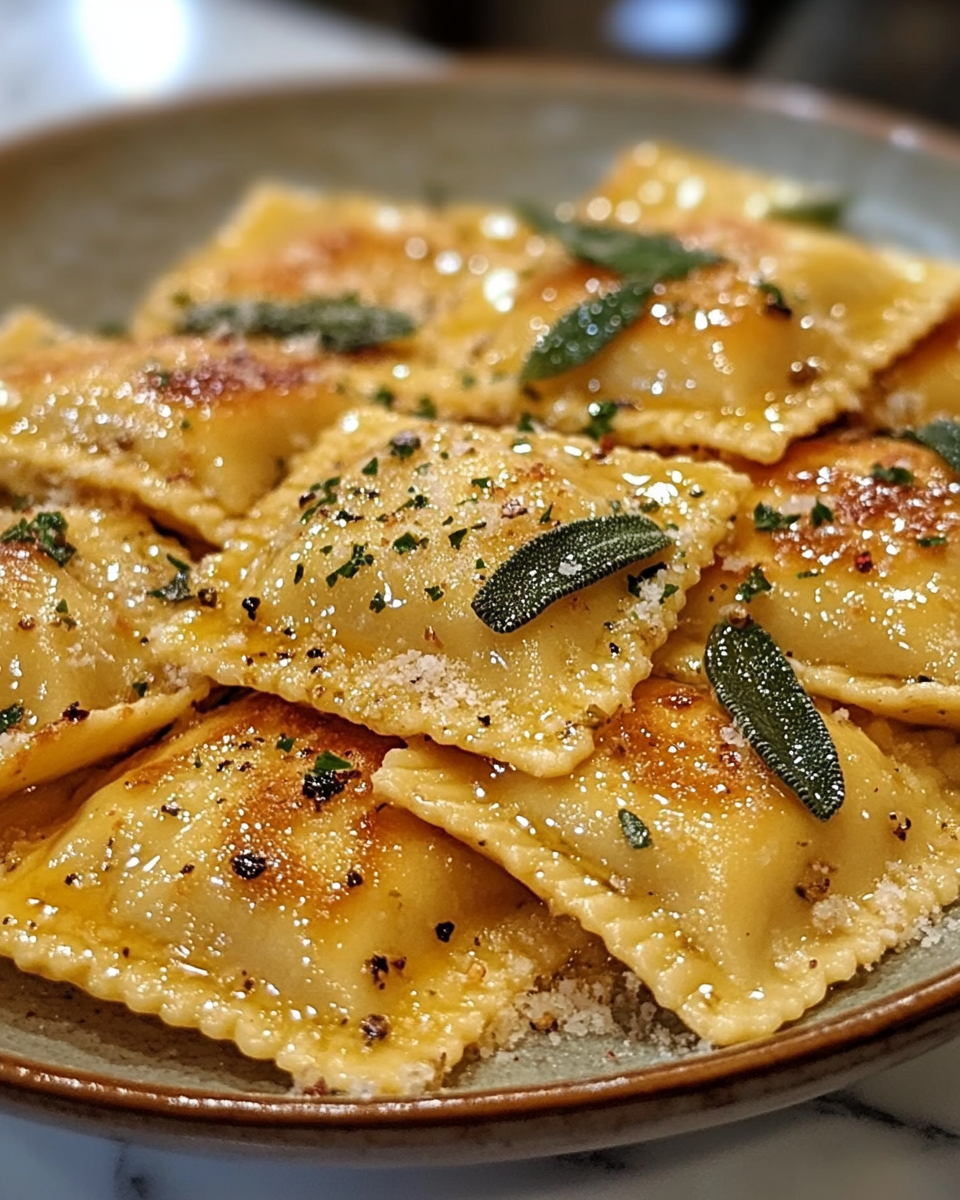
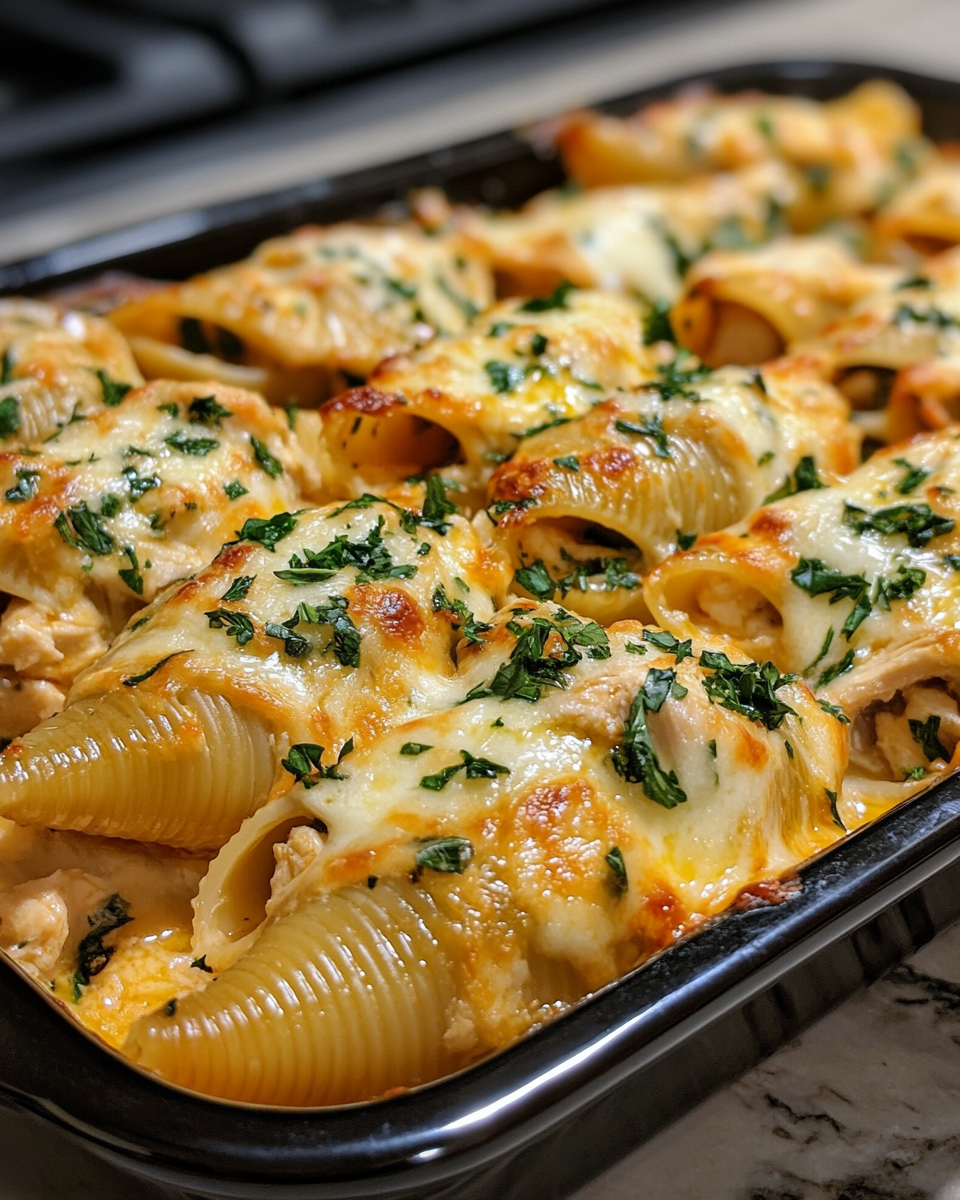
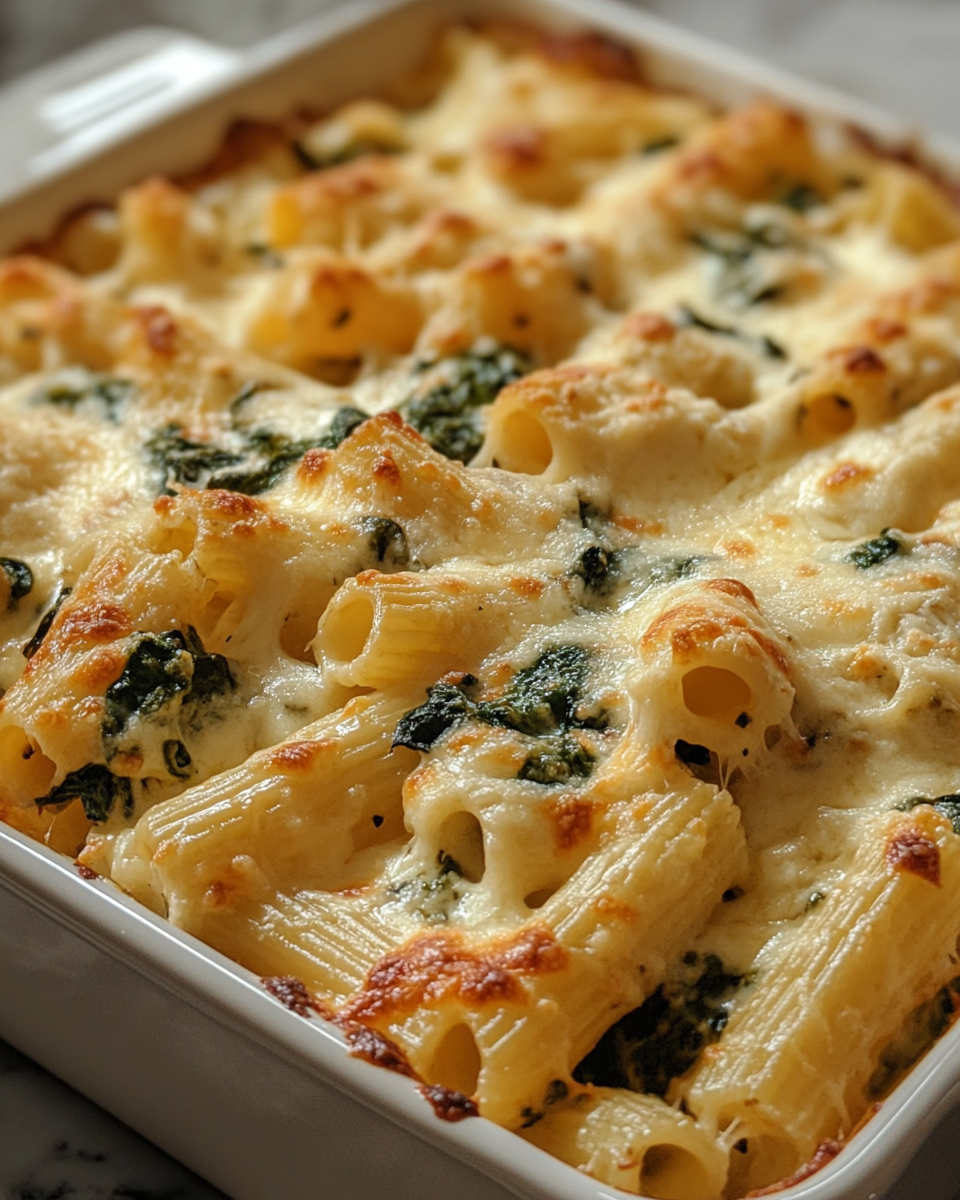
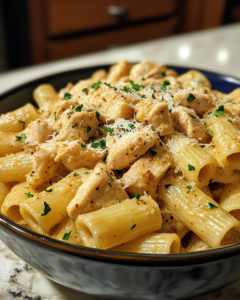
Garlic Parmesan Chicken Pasta brings together tender chicken, buttery garlic, rich Parmesan, and warm pasta in one deeply satisfying skillet meal. The sauce clings to every piece of pasta with a creamy texture that feels hearty without becoming too heavy. Fresh garlic gives the dish its bold character, while Parmesan adds a salty finish that balances the richness of the cream.
This pasta works well for busy weeknights, relaxed family dinners, or casual gatherings with friends. The ingredients stay simple and familiar, yet the final dish tastes comforting and restaurant-worthy. A single pan handles most of the cooking, which keeps cleanup manageable and allows the flavors to build naturally as each ingredient cooks.
Another reason this recipe remains popular comes from its flexibility. Penne, fettuccine, rotini, or spaghetti all pair nicely with the sauce. Chicken breasts or thighs both work beautifully, and extra vegetables can easily join the skillet for additional texture and color.
The creamy garlic sauce coats the pasta without becoming overly thick or sticky. Freshly grated Parmesan melts smoothly into the cream, while a splash of pasta water helps the sauce stay silky. Every bite carries savory garlic flavor balanced by the nutty richness of cheese and the tenderness of seasoned chicken.
Ingredients Overview
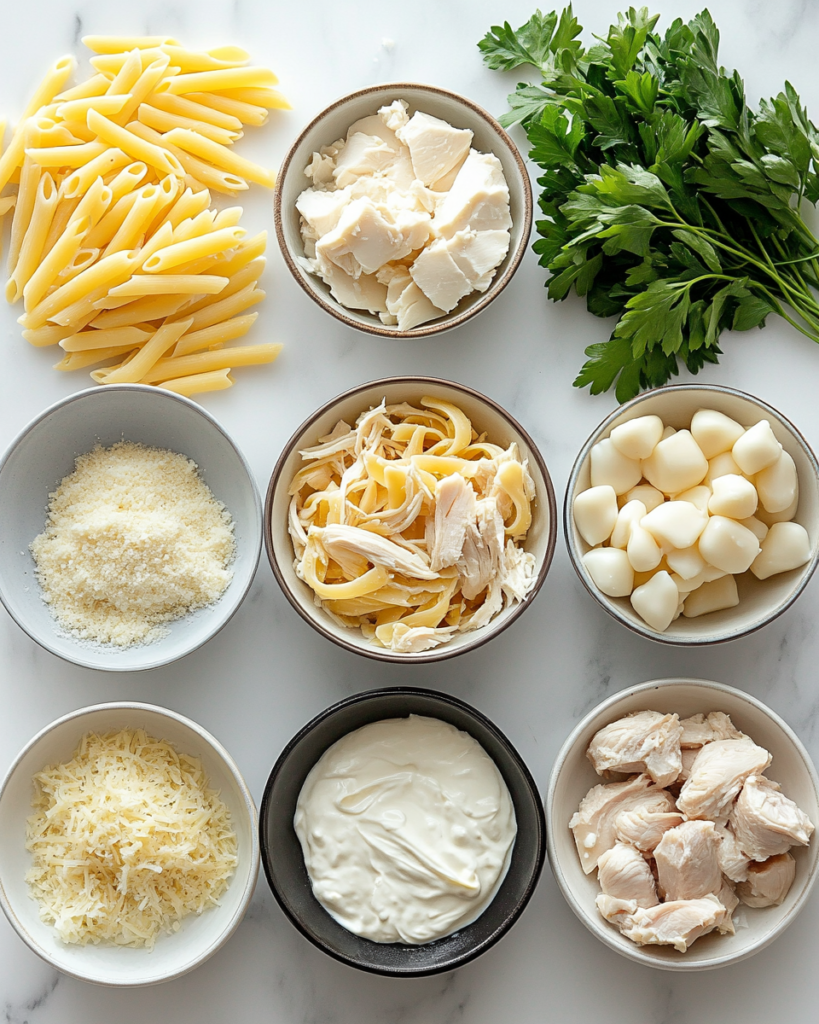
The foundation of Garlic Parmesan Chicken Pasta starts with boneless chicken. Chicken breasts provide a lean texture and cook quickly, while chicken thighs deliver slightly richer flavor and stay juicy during cooking. Cutting the chicken into even bite-sized pieces helps everything cook evenly and prevents dry spots.
Garlic plays a central role in the dish. Fresh garlic cloves produce the strongest flavor and create a warm aroma once they hit the butter and olive oil. Pre-minced garlic can work in a pinch, though the flavor tends to taste slightly flatter.
Parmesan cheese gives the sauce its signature savory depth. Freshly grated Parmesan melts far more smoothly than packaged shredded cheese. The freshly grated version blends into the cream without turning grainy.
Heavy cream creates the rich body of the sauce. Half-and-half can replace it for a lighter texture, though the sauce may become slightly thinner. Whole milk also works when combined with a small spoonful of flour for stability.
Pasta provides structure and absorbs the sauce beautifully. Short pasta shapes such as penne or rotini trap pockets of sauce, while long noodles like fettuccine create a silky texture throughout the dish.
Butter and olive oil work together during cooking. Butter adds richness, while olive oil keeps the butter from browning too quickly. Italian seasoning, salt, black pepper, and parsley round out the flavor profile with mild herb notes and freshness.
Some cooks enjoy adding spinach, mushrooms, or broccoli for extra texture. A pinch of crushed red pepper flakes can also bring gentle heat without overpowering the creamy sauce.
Ingredients
1 pound boneless skinless chicken breasts, diced
12 ounces penne pasta
2 tablespoons olive oil
2 tablespoons butter
6 garlic cloves, minced
1 teaspoon Italian seasoning
1 teaspoon salt
1/2 teaspoon black pepper
1/2 teaspoon paprika
2 cups heavy cream
1 cup freshly grated Parmesan cheese
1/2 cup chicken broth
1/2 cup reserved pasta water
2 tablespoons chopped fresh parsley
Extra Parmesan for serving
Step-by-Step Instructions

Bring a large pot of salted water to a boil. Add the pasta and cook until al dente according to package directions. Reserve about 1/2 cup of pasta water before draining. Set the cooked pasta aside.
Pat the chicken pieces dry with paper towels. Dry chicken browns better and develops deeper flavor in the skillet. Season the chicken with salt, pepper, paprika, and Italian seasoning.
Heat olive oil in a large skillet over medium-high heat. Once the oil becomes hot, add the chicken in a single layer. Avoid overcrowding the pan because packed chicken tends to steam rather than brown. Cook the chicken for about 4 to 5 minutes per side until golden and fully cooked through. The internal temperature should reach 165 degrees Fahrenheit.
Transfer the cooked chicken to a plate. Reduce the heat to medium and add the butter to the skillet. Once melted, stir in the minced garlic. Cook for about 30 seconds to 1 minute, stirring constantly. Garlic burns quickly, so keep the heat moderate and watch closely.
Pour in the chicken broth and gently scrape the bottom of the skillet with a wooden spoon. Those browned bits carry deep savory flavor into the sauce. Add the heavy cream and allow the mixture to simmer gently for 2 to 3 minutes.
Gradually stir in the Parmesan cheese. Add small handfuls at a time while stirring continuously. This method keeps the sauce smooth and prevents clumping. If the sauce appears too thick, stir in some reserved pasta water a little at a time.
Return the chicken to the skillet and add the drained pasta. Toss everything together until fully coated in the creamy garlic Parmesan sauce. Continue cooking for another 2 minutes so the pasta absorbs part of the sauce.
Taste the dish and adjust the seasoning if needed. A small extra pinch of salt or Parmesan can brighten the overall flavor significantly.
Finish with chopped parsley and additional Parmesan before serving. The sauce should appear glossy and creamy rather than stiff. If it thickens too much while sitting, a splash of warm pasta water helps loosen it again.
One common issue with creamy pasta comes from overheating the sauce after adding cheese. High heat can cause separation or graininess. Gentle heat keeps the texture smooth and velvety.
Tips, Variations & Substitutions
Freshly grated Parmesan remains one of the biggest factors in creating a smooth sauce. Packaged shredded cheese often contains anti-caking ingredients that prevent proper melting. A block of Parmesan grated at home creates a silkier finish.
Chicken thighs can replace chicken breasts for richer flavor and softer texture. Shrimp also pairs beautifully with the garlic Parmesan sauce and cooks even faster than chicken.
For additional vegetables, stir in spinach during the final minute of cooking. Mushrooms, broccoli florets, peas, or sun-dried tomatoes also work nicely in this pasta. Roasted vegetables bring slightly deeper flavor than steamed versions.
Whole wheat pasta offers extra fiber and a slightly nutty taste. Gluten-free pasta can also work, though some varieties absorb sauce differently and may soften faster during reheating.
A lighter version can use half-and-half instead of heavy cream. Greek yogurt stirred in at the end can add creaminess with less richness, though it should never boil because it may curdle.
For extra heat, add crushed red pepper flakes alongside the garlic. A small splash of lemon juice near the end brightens the sauce and balances the richness of the cream and cheese.
Leftovers reheat best over low heat with a splash of milk or broth. Microwave reheating sometimes thickens the sauce too much, so stirring halfway through helps maintain a creamy texture.
Serving Ideas & Occasions
Garlic Parmesan Chicken Pasta pairs beautifully with warm garlic bread, roasted green beans, or a crisp garden salad. The creamy sauce balances especially well with fresh vegetables that carry slight crunch and brightness.
For drinks, sparkling water with lemon, iced tea, or light white wine complement the rich sauce nicely. A simple cucumber salad also works well alongside the pasta because it adds freshness without competing with the garlic and Parmesan flavors.
This dish fits comfortably into many occasions. It works as a dependable weeknight dinner because the cooking process stays straightforward and relatively quick. At the same time, the creamy sauce and savory aroma feel special enough for casual dinner gatherings or relaxed weekend meals.
During colder months, the rich texture feels especially comforting. The pasta also travels well for potlucks or family events since the sauce stays creamy for a reasonable amount of time when kept warm.
Nutritional & Health Notes
Garlic Parmesan Chicken Pasta offers a balanced combination of protein, carbohydrates, and fat. Chicken provides substantial protein that helps create a filling meal, while pasta contributes steady energy through carbohydrates.
Parmesan cheese supplies calcium along with savory flavor. Garlic contains natural compounds commonly associated with balanced cooking and aromatic depth. Fresh parsley adds mild freshness and a small boost of vitamins.
Because the sauce contains cream and cheese, the dish carries moderate richness. Portion size plays an important role in keeping the meal balanced. Pairing the pasta with vegetables or salad can help round out the plate with additional fiber and texture.
Using whole wheat pasta or adding vegetables such as broccoli or spinach can increase fiber content and create a more nutrient-dense meal. Lower-fat dairy products can reduce richness slightly, though the sauce may become thinner.
This recipe also reheats well, which makes it practical for meal preparation during busy weeks.
FAQs
Can I prepare Garlic Parmesan Chicken Pasta ahead of time?
Yes, this pasta can be prepared ahead, though the sauce tastes smoothest shortly after cooking. If preparing in advance, slightly undercook the pasta so it stays firm during reheating. Store the pasta in an airtight container in the refrigerator for up to three days.
When reheating, place the pasta in a skillet over low heat with a splash of milk, cream, or chicken broth. Stir gently until the sauce loosens and becomes creamy again. Avoid high heat because dairy sauces can separate if overheated. Fresh parsley and extra Parmesan added after reheating help refresh the flavor and texture before serving.
Which pasta shape works best for this recipe?
Several pasta shapes work beautifully in Garlic Parmesan Chicken Pasta. Penne and rotini remain popular choices because their ridges hold the creamy sauce very well. Fettuccine creates a more classic creamy pasta texture, while spaghetti delivers a lighter feel.
Short pasta tends to mix more evenly with diced chicken pieces, which helps every bite contain sauce, chicken, and pasta together. Long noodles create a silkier presentation and pair nicely with extra Parmesan sprinkled on top. The final choice mostly depends on personal preference and what already sits in the pantry.
Can I freeze Garlic Parmesan Chicken Pasta?
Cream-based pasta dishes can freeze, though the texture may change slightly after thawing. Dairy sauces sometimes separate once frozen and reheated. If freezing, allow the pasta to cool completely before transferring it into freezer-safe containers.
For the best texture, thaw the pasta overnight in the refrigerator before reheating gently on the stovetop. Stirring in a splash of cream, milk, or broth usually helps restore some smoothness. Pasta frozen with slightly undercooked noodles tends to reheat better because the noodles continue softening during warming.
How can I prevent the sauce from turning grainy?
Grainy sauce usually comes from excessive heat or pre-shredded cheese. Parmesan should melt gradually over low to medium heat. Freshly grated Parmesan blends more smoothly because it lacks anti-caking ingredients commonly found in packaged shredded cheese.
Another helpful step involves adding the cheese slowly rather than dumping it into the skillet all at once. Stir continuously while adding small portions. If the sauce thickens too quickly, a splash of reserved pasta water helps maintain a silky consistency. Gentle simmering rather than boiling keeps the dairy stable.
What vegetables pair well with this pasta?
Spinach, broccoli, mushrooms, peas, and asparagus pair especially well with Garlic Parmesan Chicken Pasta. Spinach wilts quickly and blends smoothly into the creamy sauce without changing the flavor too much. Broccoli contributes texture and balances the richness of the cream.
Mushrooms add savory depth that complements the garlic and Parmesan beautifully. Peas bring slight sweetness and soft texture, while asparagus adds freshness and mild crunch. Roasting vegetables beforehand can create slightly deeper flavor compared to steaming or boiling them separately.
Can I use pre-cooked chicken?
Pre-cooked chicken works very well in this recipe and saves cooking time during busy evenings. Rotisserie chicken remains one of the easiest options because it already carries savory flavor and tender texture. Simply shred or dice the chicken before adding it to the sauce.
Since the chicken already comes cooked, it only needs enough time in the skillet to warm through. Add it near the end of cooking after the sauce finishes. This approach prevents dry chicken and keeps the texture tender. Extra seasoning may still help balance the flavor throughout the finished dish.
How do I keep leftovers creamy the next day?
Creamy pasta naturally thickens after refrigeration because the sauce continues absorbing into the noodles. The simplest fix involves reheating gently with added liquid. Milk, cream, or chicken broth all work well for restoring smooth texture.
Place the pasta in a skillet over low heat and stir occasionally while adding small splashes of liquid. Slow reheating prevents the cheese from separating. Microwave reheating can also work if done in short intervals with stirring between each round. Fresh Parmesan added at serving time helps refresh the flavor and appearance.