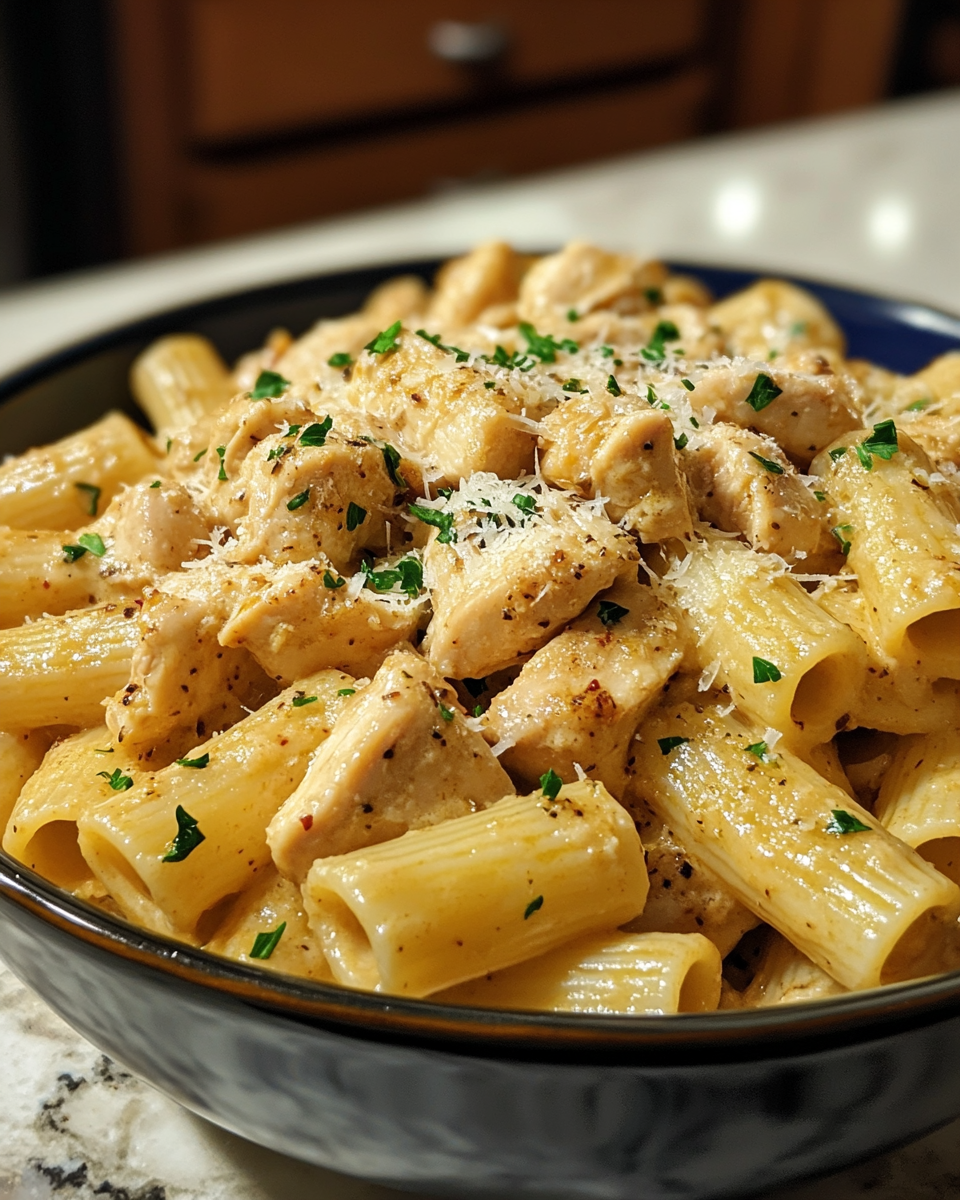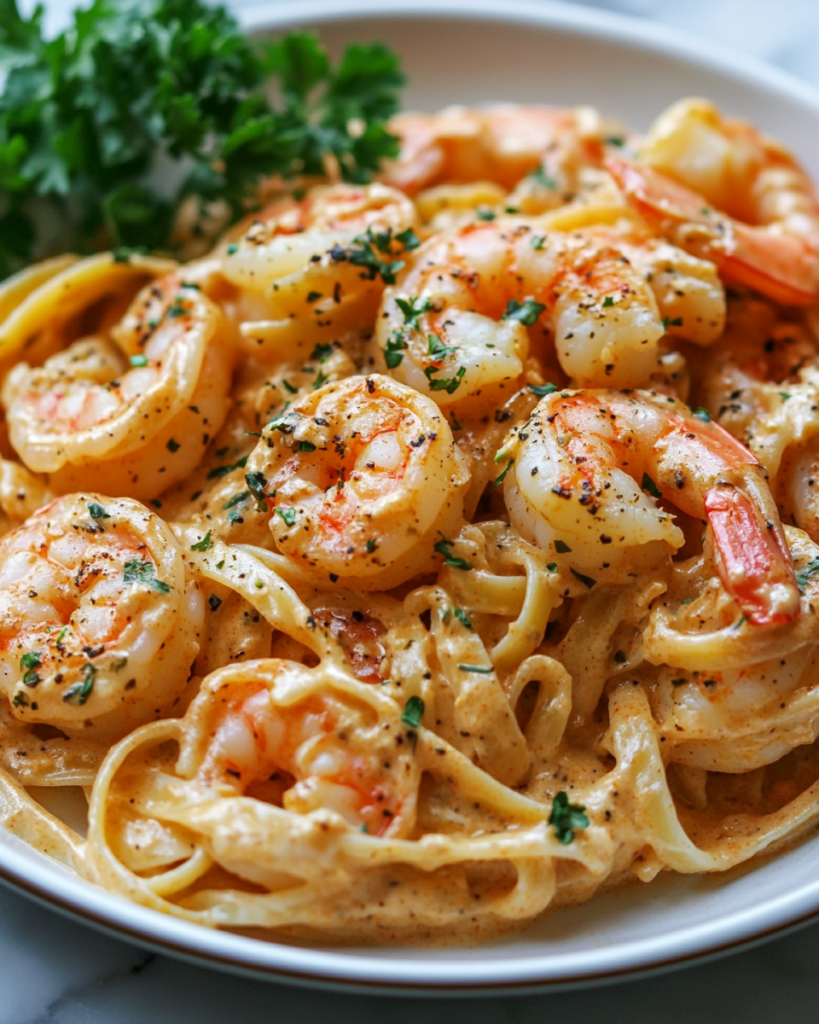
Spicy Cajun Shrimp Pasta brings bold seasoning, tender shrimp, and creamy sauce together in one comforting skillet meal. This pasta dish carries smoky Cajun flavor balanced with garlic, butter, cream, and parmesan for a rich dinner that feels restaurant-worthy without requiring complicated preparation. The shrimp cook quickly, keeping their juicy texture while soaking up every layer of seasoning in the pan.
The creamy sauce clings beautifully to pasta strands, creating a satisfying bite filled with spice, savory depth, and buttery richness. Fresh parsley and a squeeze of lemon brighten the entire dish and balance the heavier ingredients. Spicy Cajun Shrimp Pasta works beautifully for busy weeknights, relaxed family dinners, or casual gatherings where hearty comfort food belongs at the center of the table.
Ingredients Overview
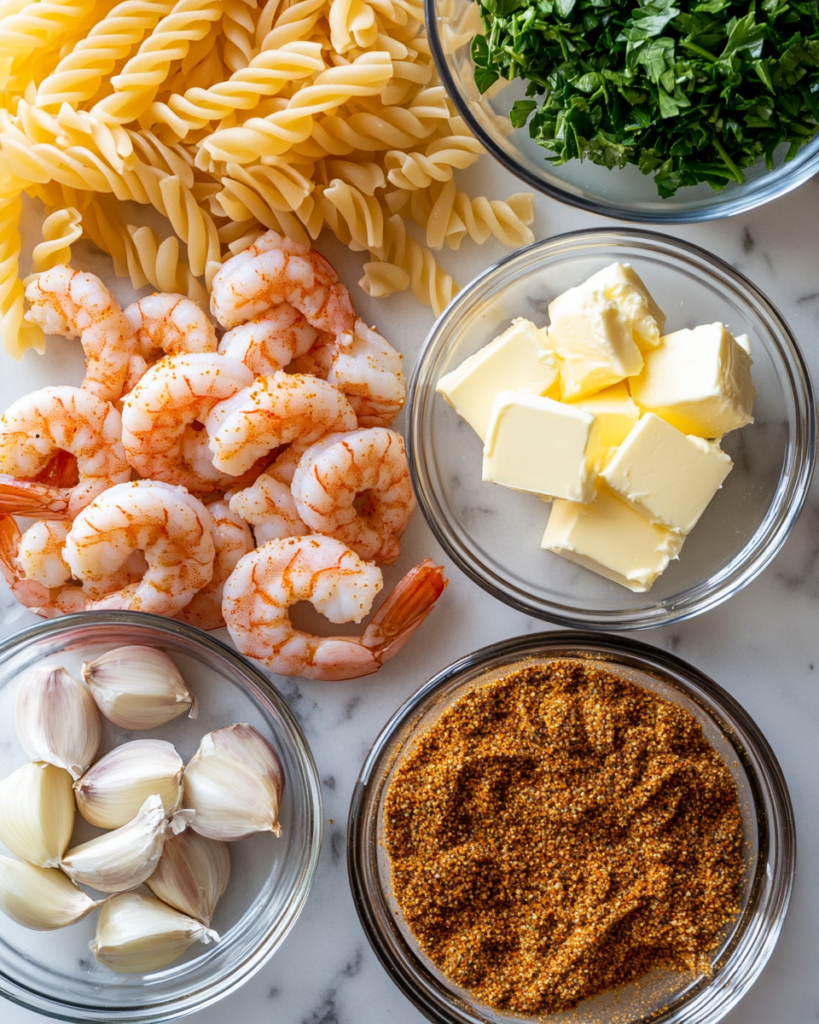
The foundation of Spicy Cajun Shrimp Pasta starts with large shrimp. Fresh or frozen shrimp both work well, though peeled and deveined shrimp save preparation effort. Shrimp cook rapidly and absorb Cajun seasoning beautifully, giving the dish its signature flavor. Medium or large shrimp hold their texture better during cooking and pair nicely with creamy sauce.
Cajun seasoning delivers smoky spice through paprika, garlic powder, onion powder, oregano, thyme, cayenne, and black pepper. Store-bought blends work perfectly, though homemade seasoning allows easier control over salt and heat levels. Heavy cream softens the spice while creating a silky sauce that coats every piece of pasta.
Parmesan cheese thickens the sauce slightly while adding savory richness. Freshly grated parmesan melts smoothly compared to packaged shredded cheese. Garlic and butter build deep flavor in the skillet before the cream enters the pan. Diced bell peppers bring subtle sweetness and texture contrast that balances the creamy elements.
Fettuccine remains a classic pasta choice because its broad shape carries thick sauce well. Penne or linguine also perform beautifully if preferred. Fresh parsley and lemon juice brighten the finished dish and prevent the sauce from tasting overly heavy.
For substitutions, chicken works nicely instead of shrimp. Half-and-half may replace heavy cream for a lighter sauce, though the final texture becomes thinner. Gluten-free pasta also performs well if cooked carefully to avoid softness.
Ingredients
1 pound large shrimp, peeled and deveined
12 ounces fettuccine pasta
2 tablespoons olive oil
2 tablespoons butter
1 red bell pepper, sliced
1 yellow bell pepper, sliced
4 cloves garlic, minced
1 1/2 tablespoons Cajun seasoning
1 teaspoon smoked paprika
1/2 teaspoon salt
1/2 teaspoon black pepper
1/4 teaspoon cayenne pepper
1 cup heavy cream
3/4 cup grated parmesan cheese
1/2 cup chicken broth
1 tablespoon lemon juice
2 tablespoons chopped parsley
Lemon wedges for serving
Step-by-Step Instructions
Bring a large pot of salted water to a rolling boil. Cook the fettuccine according to package directions until al dente. Reserve about one cup of pasta water before draining. The reserved water helps loosen the sauce later if necessary.
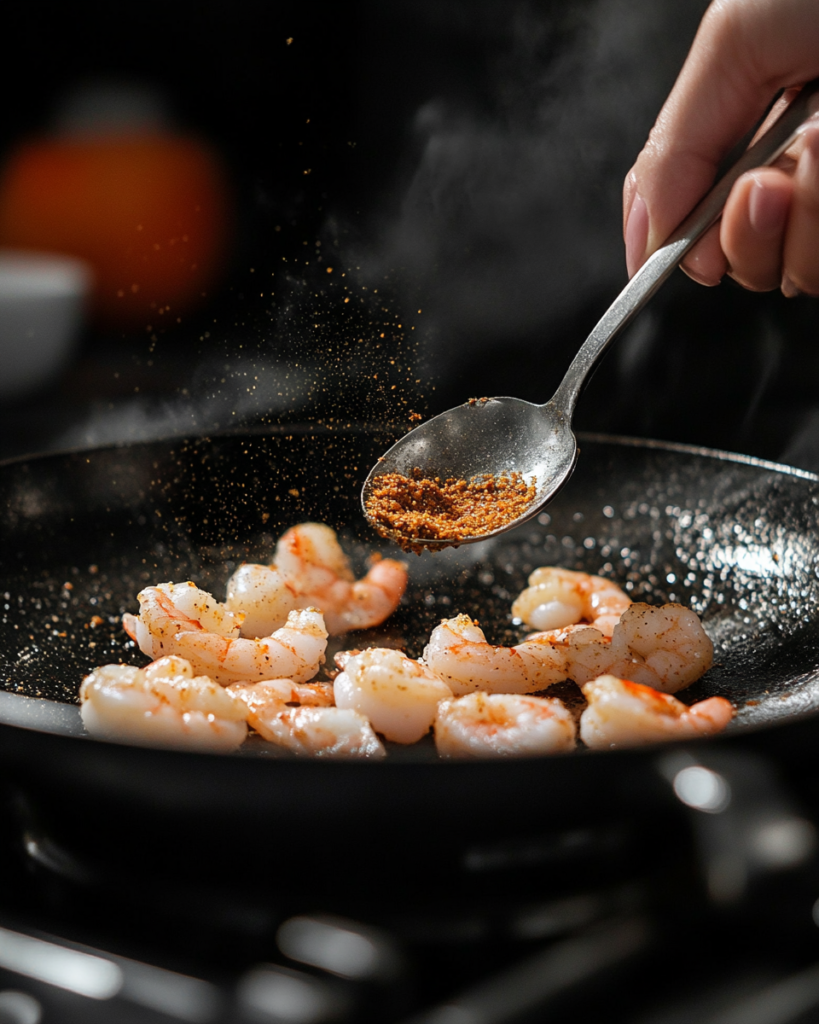
Pat the shrimp dry thoroughly using paper towels. Dry shrimp sear far better than wet shrimp and develop richer flavor in the skillet. Place the shrimp in a bowl and coat with Cajun seasoning, smoked paprika, salt, black pepper, and cayenne.
Heat olive oil in a large skillet over medium-high heat. Once the oil shimmers, arrange the shrimp in a single layer. Cook for about two minutes per side until pink and lightly golden. Avoid overcrowding the skillet because crowded shrimp steam instead of sear. Transfer the cooked shrimp onto a plate immediately to prevent rubbery texture.
Reduce the heat slightly and add butter to the skillet. Stir in sliced bell peppers and cook for four to five minutes until softened but still slightly crisp. Add minced garlic and stir constantly for about thirty seconds until fragrant. Garlic burns quickly, so continuous stirring matters during this stage.
Pour chicken broth into the skillet and scrape any browned bits from the bottom of the pan. Those browned bits carry concentrated flavor that strengthens the entire sauce. Stir in the heavy cream and allow the mixture to simmer gently for several minutes.
Gradually add parmesan cheese while stirring continuously. The sauce should become smooth and creamy without clumps. If the sauce appears too thick, add small amounts of reserved pasta water until the texture feels silky and coats the back of a spoon.
Return the cooked pasta to the skillet and toss thoroughly in the sauce. Add the shrimp back into the pan and stir gently until warmed through. Avoid prolonged cooking after adding the shrimp again because overcooked shrimp become firm and chewy.
Finish the dish with lemon juice and chopped parsley. Taste the sauce before serving and adjust seasoning if desired. Serve immediately with additional parmesan and lemon wedges on the side.
One common mistake involves overheating the cream sauce. High heat may cause separation or grainy texture. Gentle simmering keeps the sauce smooth and glossy. Another frequent issue comes from overcooked pasta. Slightly firm pasta holds up far better once mixed into the hot sauce.
Tips, Variations & Substitutions
For deeper smoky flavor, add a small amount of andouille sausage alongside the shrimp. The sausage releases savory drippings into the skillet that blend beautifully with the cream sauce. Thinly sliced mushrooms also pair nicely with the Cajun seasoning and add earthy depth.
Those preferring milder spice can reduce cayenne pepper or select a low-heat Cajun blend. For stronger heat, diced jalapeños or crushed red pepper flakes work beautifully without overpowering the creamy balance.
Short pasta shapes such as penne or rotini hold sauce very well and create easier serving portions for gatherings. Whole wheat pasta adds a nuttier flavor and slightly firmer bite. Gluten-free pasta performs nicely too, though careful cooking helps maintain texture.
Freshly grated parmesan melts far better than pre-shredded varieties because packaged cheese often contains anti-caking ingredients that affect sauce smoothness. Room-temperature cream also blends more smoothly into the skillet than cold cream straight from refrigeration.
Shrimp should smell fresh and slightly sweet. Strong fishy odor signals lower freshness. Frozen shrimp remain an excellent option when thawed properly overnight in refrigeration.
Fresh spinach stirred into the sauce during the final minutes adds color and extra nutrition. Sun-dried tomatoes also bring tangy richness that pairs wonderfully with Cajun spices and parmesan.
Serving Ideas & Occasions
Spicy Cajun Shrimp Pasta pairs beautifully with warm garlic bread or buttery dinner rolls that soak up the creamy sauce. A crisp green salad with light vinaigrette balances the richness of the pasta and adds refreshing contrast to the meal.
Roasted asparagus, sautéed green beans, or charred broccoli complement the smoky Cajun seasoning beautifully. Fresh lemon wedges on the table brighten each serving and cut through the creamy texture nicely.
This pasta dish fits many occasions, from relaxed weeknight dinners to casual celebrations with friends. Since shrimp cook rapidly, the recipe works especially well for evenings when dinner must reach the table quickly without sacrificing flavor.
For beverages, sparkling water with lemon offers refreshing balance. Sweet iced tea also pairs nicely with spicy Cajun flavors. During colder months, this creamy pasta becomes especially comforting and satisfying for family-style dinners around the table.
Nutritional & Health Notes
Shrimp provide lean protein while remaining relatively low in calories compared to many other protein choices. They also contain selenium, iodine, and vitamin B12, which support balanced nutrition when included within varied meals.
Bell peppers contribute vitamin C and natural sweetness while adding color and texture to the dish. Garlic and parsley provide additional flavor without requiring excessive salt or heavy ingredients.
Heavy cream and parmesan create the rich texture that defines this recipe, though portion size helps maintain balance. Lighter substitutions such as half-and-half may reduce richness while still producing a creamy sauce.
Using whole wheat pasta increases fiber content and creates a more filling meal. Adding vegetables like spinach, mushrooms, or zucchini further boosts nutritional variety while blending naturally into the Cajun flavor profile.
Since Cajun seasoning blends vary widely in sodium content, tasting before adding additional salt helps control seasoning levels more carefully.
FAQs
Can I prepare Spicy Cajun Shrimp Pasta ahead of dinner?
Yes, several components can be prepared earlier in the day for easier cooking later. Shrimp may be cleaned, seasoned, and refrigerated for several hours before cooking. Bell peppers and garlic may also be sliced ahead of schedule. The sauce itself tastes freshest shortly after preparation, though leftovers still remain delicious when reheated gently.
For storage, place cooled pasta into airtight containers and refrigerate for up to three days. During reheating, add a splash of cream, broth, or milk to loosen the sauce because pasta absorbs liquid during refrigeration. Gentle stovetop reheating usually preserves texture better than microwave heating. Avoid overheating because shrimp become firm and lose their tender bite quickly.
Which pasta shape works best for this recipe?
Fettuccine remains a favorite choice because the broad noodles hold creamy sauce beautifully. Linguine also pairs wonderfully with shrimp and creates elegant presentation. Penne and rigatoni provide excellent alternatives because the sauce settles inside the pasta shapes for flavorful bites.
Short pasta shapes often work especially well for family dinners or meal preparation containers since they serve more easily. Whole wheat and gluten-free pasta options perform nicely too. Regardless of pasta choice, cooking until al dente matters because the noodles continue softening slightly once mixed into the hot sauce. Slight firmness helps the final dish maintain satisfying texture rather than becoming overly soft.
How spicy does this pasta become?
The spice level depends largely on the Cajun seasoning blend and the amount of cayenne pepper added. Most versions carry moderate warmth balanced by creamy sauce and parmesan cheese. The cream softens the spice nicely without removing the smoky Cajun flavor.
For milder pasta, reduce cayenne pepper entirely and select a gentle Cajun seasoning. Extra cream or parmesan also tones down heat levels naturally. Those preferring stronger spice can add crushed red pepper flakes, diced jalapeños, or additional Cajun seasoning during cooking. Since seasoning blends differ widely between brands, tasting gradually while cooking allows easier control over the final flavor profile.
Can frozen shrimp work for this recipe?
Frozen shrimp work extremely well and remain convenient for busy cooking schedules. Thaw shrimp overnight in refrigeration whenever possible for best texture. Faster thawing may be done by placing sealed shrimp under cool running water for several minutes.
After thawing, pat the shrimp very dry before seasoning. Excess moisture prevents proper searing and may water down the sauce slightly. Large shrimp usually maintain better texture during cooking compared to smaller shrimp. Avoid overcooking regardless of shrimp type because even high-quality shrimp become rubbery if left too long in the skillet after turning pink and opaque.
What vegetables pair nicely with Cajun shrimp pasta?
Bell peppers remain one of the strongest vegetable pairings because their sweetness balances smoky Cajun spice beautifully. Mushrooms also blend nicely with creamy sauce and contribute savory depth. Fresh spinach wilts quickly into the pasta during the final cooking stage and adds color without changing flavor dramatically.
Zucchini, cherry tomatoes, asparagus, and broccoli also complement this dish well. Vegetables with slight sweetness or mild bitterness generally pair beautifully with Cajun seasoning and parmesan. Roasting vegetables separately before adding them to the pasta creates deeper flavor and prevents excess moisture from thinning the sauce during cooking.
Why did my cream sauce turn grainy?
Grainy sauce usually results from excessive heat or cheese added too rapidly. Cream sauces perform best over gentle simmering temperatures rather than aggressive boiling. High heat may separate dairy ingredients and create uneven texture.
Freshly grated parmesan melts more smoothly than packaged shredded cheese because packaged varieties often contain stabilizers that affect melting. Adding cheese gradually while stirring continuously also helps maintain silky consistency. If the sauce thickens excessively, reserved pasta water or additional broth may restore smoother texture. Patience during sauce preparation creates the richest and smoothest final result.
Can chicken replace shrimp in this recipe?
Chicken works wonderfully in this pasta and carries Cajun seasoning beautifully. Boneless chicken breast or thighs may be sliced into bite-sized pieces and cooked similarly to shrimp. Chicken thighs remain especially juicy and flavorful within creamy sauces.
Cook chicken until fully done before removing it temporarily from the skillet during sauce preparation. Since chicken requires longer cooking than shrimp, allowing enough time for browning and safe internal temperature matters greatly. Smoked sausage may also join the recipe alongside chicken for deeper Southern-style flavor. The creamy Cajun sauce complements many proteins beautifully while keeping the overall dish hearty and comforting.