Creamy Taco Pasta: 5 Simple Cozy Dinners

Posted on

Uncategorized

Difficulty

Prep time

Cooking time

Total time

Servings

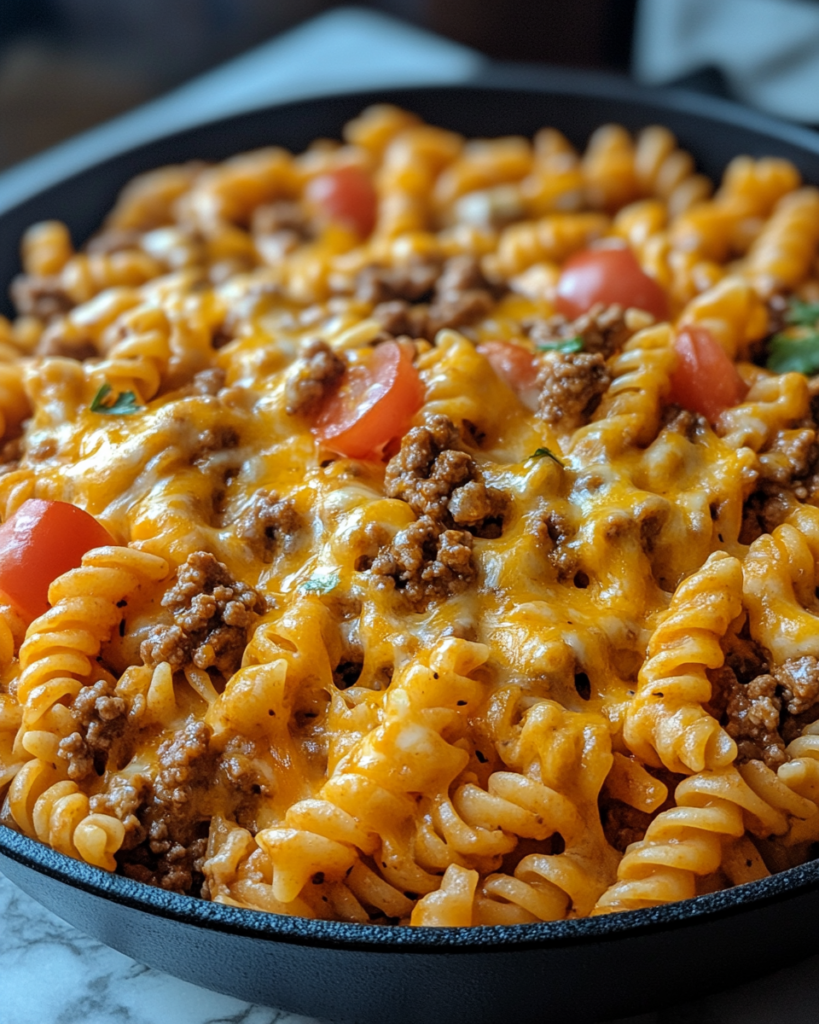
Creamy Taco Pasta brings together the comforting texture of a rich pasta dish with the bold flavors often associated with taco night. Tender pasta, seasoned ground beef, creamy sauce, tomatoes, and cheese combine in a single skillet for a satisfying family meal that feels both familiar and exciting.

This dish is popular because it combines pantry staples with straightforward preparation. The creamy sauce coats every piece of pasta while taco-inspired seasonings add depth and warmth. It is a practical choice for busy weeknights, casual gatherings, or whenever a hearty dinner is on the menu.

The combination of savory meat, pasta, vegetables, and cheese creates a balanced plate with plenty of flavor in every bite. Creamy Taco Pasta also adapts well to personal preferences, allowing cooks to adjust the heat level, protein choice, or toppings without changing the overall character of the dish.

Ingredients Overview
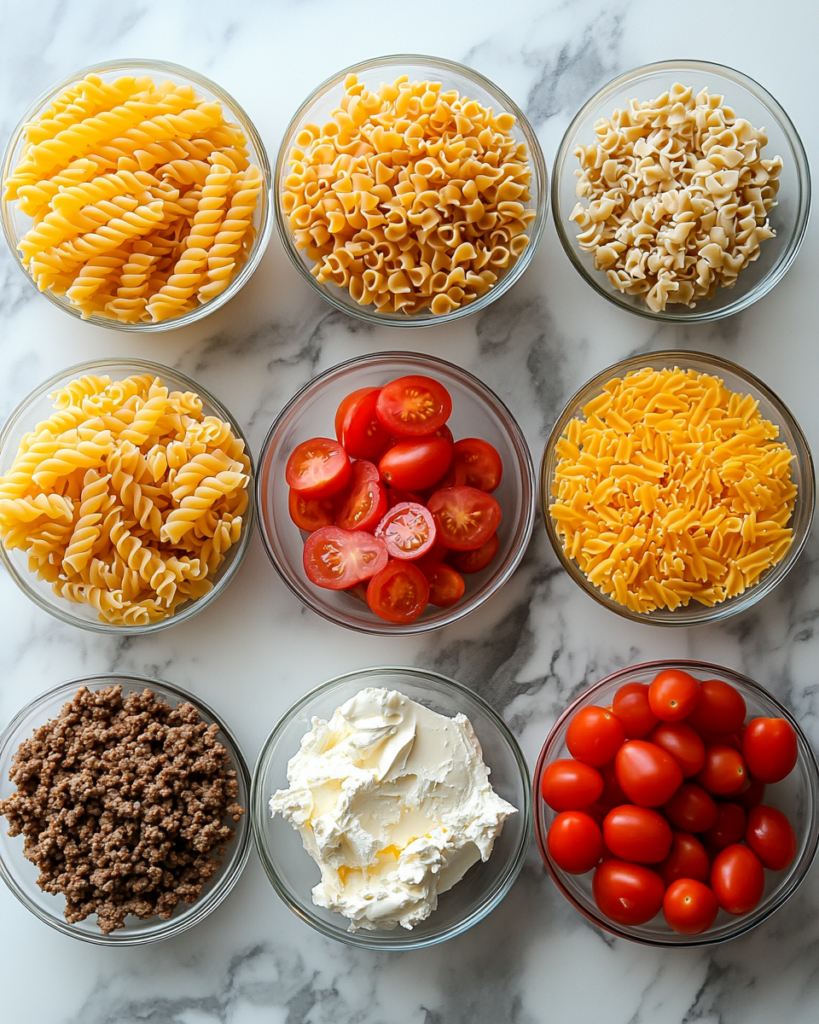
The foundation of Creamy Taco Pasta begins with pasta. Medium shapes such as rotini, shells, penne, or fusilli work particularly well because their ridges and curves hold onto the creamy sauce. The pasta contributes body and texture while helping distribute the flavors throughout the dish.

Ground beef is a traditional choice and brings rich savory flavor. Lean ground beef offers a satisfying balance between flavor and texture. Ground turkey or chicken can be substituted for a lighter variation while still pairing nicely with the taco seasoning.

Taco seasoning provides the signature flavor profile. A blend containing chili powder, cumin, paprika, garlic powder, onion powder, and oregano creates the familiar taste associated with tacos. Homemade seasoning allows greater control over sodium and spice levels.

Diced tomatoes with green chilies add moisture, acidity, and a mild kick. They help balance the richness of the dairy ingredients while contributing color and texture. Regular diced tomatoes can be used if a milder flavor is preferred.

Cream cheese forms the creamy base of the sauce. As it melts, it creates a smooth texture that blends beautifully with the seasonings and cooking liquid. Sour cream can contribute additional creaminess and a subtle tangy note.

Cheddar cheese provides a rich finish and helps thicken the sauce. Monterey Jack, Colby Jack, or a Mexican-style cheese blend also work well.

Onion and garlic deepen the savory character of the dish. Their aromatic qualities help tie together the meat, seasonings, tomatoes, and cheese for a cohesive final result.

Ingredients

12 ounces rotini pasta

1 tablespoon olive oil

1 pound lean ground beef

1 medium yellow onion, diced

3 cloves garlic, minced

1 packet taco seasoning (about 2 tablespoons)

1 can (10 ounces) diced tomatoes with green chilies

2 cups low-sodium beef broth

4 ounces cream cheese, softened

1/2 cup sour cream

1 1/2 cups shredded cheddar cheese

1/2 teaspoon salt

1/4 teaspoon black pepper

2 tablespoons chopped fresh cilantro

2 green onions, sliced

Optional toppings:

Diced avocado

Sliced jalapeños

Crushed tortilla chips

Extra shredded cheese

Diced tomatoes

Step-by-Step Instructions
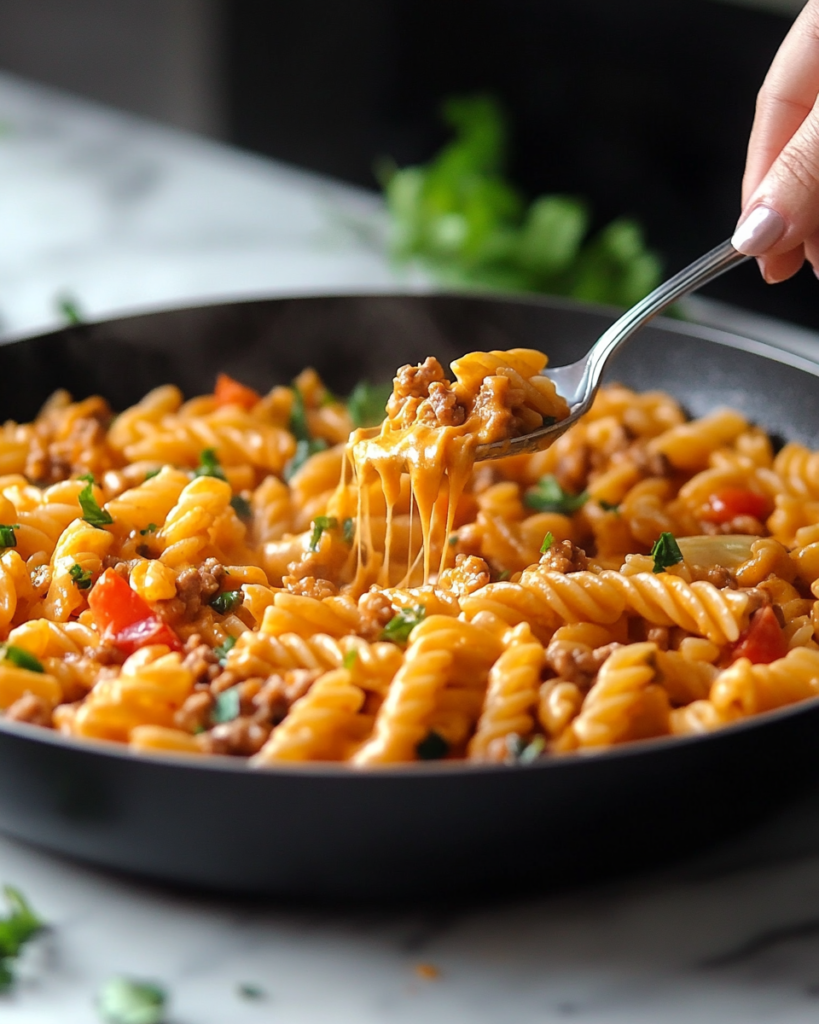
Begin by bringing a large pot of salted water to a boil. Add the rotini pasta and cook until just al dente according to package directions. The pasta should still have a slight firmness because it will continue cooking briefly when combined with the sauce. Drain and set aside.

While the pasta cooks, heat olive oil in a large deep skillet or Dutch oven over medium-high heat. Add the diced onion and cook for about 4 minutes, stirring occasionally, until softened. Add the minced garlic and cook for 30 seconds until fragrant.

Add the ground beef to the skillet. Break it apart with a spoon and cook for approximately 6 to 8 minutes until browned and fully cooked. If excess fat remains, carefully drain it before proceeding.

Sprinkle the taco seasoning over the cooked beef. Stir thoroughly so the seasoning coats the meat evenly. Allow the spices to cook for about 1 minute to deepen their flavor.

Pour in the diced tomatoes with green chilies and the beef broth. Stir well, scraping any flavorful bits from the bottom of the skillet. Bring the mixture to a gentle simmer.

Reduce the heat to medium-low. Add the softened cream cheese in small pieces. Stir continuously until the cream cheese melts completely into the liquid. This step creates the smooth base of the sauce.

Once the cream cheese has fully incorporated, stir in the sour cream. Keep the heat low during this stage to maintain a silky texture. Excessive heat may cause dairy ingredients to separate.

Add the cooked pasta to the skillet. Stir gently until every piece is coated with the creamy taco sauce. Allow the mixture to cook for 2 to 3 minutes so the flavors blend together.

Gradually add the shredded cheddar cheese while stirring. The cheese should melt into the sauce and create a rich, creamy consistency. If the mixture becomes thicker than desired, add a small splash of broth.

Season with salt and black pepper. Taste and adjust if necessary.

Remove the skillet from the heat and allow the pasta to rest for a few minutes. Resting helps the sauce settle and cling to the pasta more effectively.

Finish with chopped cilantro and sliced green onions. For additional texture and flavor, add diced avocado, crushed tortilla chips, jalapeños, or extra cheese before serving.

A common mistake is overcooking the pasta. Slightly firm pasta maintains a pleasant texture after combining with the sauce. Another frequent issue is overheating the dairy ingredients. Gentle heat keeps the sauce smooth and creamy.

Serve warm while the cheese remains soft and the sauce is at its richest consistency.

Tips, Variations & Substitutions

Creamy Taco Pasta adapts easily to different tastes and dietary needs. Ground turkey or ground chicken can replace beef without significantly changing the overall character of the dish. For a vegetarian version, black beans and corn provide protein and texture.

For additional vegetables, stir in diced bell peppers, zucchini, or spinach. These additions blend well with the creamy sauce while increasing color and variety.

Those who enjoy extra heat can add diced jalapeños, chipotle powder, or a pinch of cayenne pepper. A smoky variation can be created with smoked paprika and fire-roasted tomatoes.

Whole wheat pasta offers additional fiber and a slightly nuttier flavor. Gluten-free pasta can also be used successfully. When selecting gluten-free varieties, monitor cooking time carefully to avoid softness.

If a lighter sauce is preferred, reduced-fat cream cheese and light sour cream work well. Greek yogurt may replace sour cream for a slightly tangier profile.

For extra richness, stir in a small amount of heavy cream during the final cooking stage. A blend of cheddar and Monterey Jack cheese creates a particularly smooth and flavorful sauce.

Leftover Creamy Taco Pasta often tastes even richer the following day as the seasonings continue to mingle throughout the dish.

Serving Ideas & Occasions

Creamy Taco Pasta is versatile enough for both everyday dinners and casual entertaining. Its hearty texture pairs nicely with simple side dishes that balance the richness of the sauce.

A crisp green salad with lettuce, cucumber, and tomatoes adds freshness alongside the creamy pasta. Roasted vegetables such as broccoli, cauliflower, or bell peppers also complement the savory flavors.

For a taco-inspired meal, serve the pasta with guacamole, salsa, or a bowl of seasoned black beans. Warm tortillas can accompany the dish for guests who enjoy additional taco-style elements.

Iced tea, sparkling water with citrus, or a light fruit beverage pair well with the bold seasoning. The refreshing flavors help balance the creamy texture.

This recipe is particularly suitable for weeknight family meals, game-day gatherings, potlucks, and relaxed weekend dinners. Because it comes together with familiar ingredients, it often appeals to both adults and children.

Nutritional & Health Notes

Creamy Taco Pasta offers a combination of carbohydrates, protein, and fats that contribute to a satisfying meal. The pasta supplies energy, while the ground beef provides protein and minerals such as iron and zinc.

Cheese, cream cheese, and sour cream contribute calcium and additional protein. Choosing reduced-fat dairy products can lower overall fat content while maintaining a creamy texture.

Adding vegetables such as bell peppers, spinach, or tomatoes increases fiber, vitamins, and visual appeal. Fresh toppings like avocado contribute beneficial fats and additional nutrients.

Portion size plays an important role in balancing the meal. Pairing the pasta with a generous serving of vegetables or salad creates a more varied plate.

Using lean ground beef and low-sodium broth can help moderate saturated fat and sodium levels. Homemade taco seasoning also allows greater control over salt content.

As part of a balanced eating pattern, Creamy Taco Pasta can fit comfortably into many meal plans while providing substantial flavor and satisfying texture.

FAQs

Can I prepare Creamy Taco Pasta in advance?

Yes. Creamy Taco Pasta can be prepared several hours before serving. After cooking, allow it to cool slightly before transferring it to an airtight container. Refrigerate until needed. When reheating, place the pasta in a skillet over low heat and add a small splash of broth, milk, or water to loosen the sauce. Stir frequently until heated through. The flavors often become even more blended after resting in the refrigerator. If preparing for a gathering, consider reserving a small amount of cheese to add during reheating for a freshly melted finish.

Which pasta shape works well for this recipe?

Rotini is a popular option because its spirals hold the creamy sauce effectively. Shells, penne, fusilli, and cavatappi are also excellent choices. Shapes with ridges and curves tend to capture more sauce and seasoning. Long noodles such as spaghetti can be used, though they create a different eating experience. Regardless of the shape selected, cooking the pasta until just al dente is important. Slight firmness helps the pasta maintain texture after it combines with the warm sauce and cheese mixture.

Can I freeze Creamy Taco Pasta?

Cream-based dishes can be frozen, although the texture may change slightly after thawing. Allow the pasta to cool completely before placing it in freezer-safe containers. Freeze for up to three months. Thaw overnight in the refrigerator before reheating. Gentle reheating on the stovetop often produces the smoothest results. Adding a small amount of broth or milk during reheating can help restore creaminess. While the sauce may not be quite as silky as freshly prepared pasta, the flavor remains enjoyable and satisfying.

How can I make the dish spicier?

Several ingredients can increase the heat level. Fresh jalapeños, chipotle peppers, cayenne pepper, or hot sauce blend naturally with the taco-inspired flavors. Pepper jack cheese can also add extra warmth. Start with small amounts and adjust gradually to suit personal preferences. Using diced tomatoes with hotter green chilies is another simple option. Balancing heat with the creamy elements helps maintain a pleasant flavor profile without overwhelming the dish. Toppings can also provide customizable spice levels for different diners.

What protein alternatives can I use?

Ground turkey and ground chicken are common alternatives that work very well. For a vegetarian version, black beans, pinto beans, lentils, or a plant-based ground meat substitute can provide satisfying texture and protein. Shredded cooked chicken is another practical option. When substituting proteins, keep the seasoning quantities similar so the signature taco flavor remains prominent. Different proteins absorb spices differently, so tasting and adjusting seasonings near the end of cooking can help maintain balanced flavor.

Why did my sauce become too thick?

The sauce naturally thickens as it cools because the cheese and cream cheese continue to set. Overcooked pasta can also absorb additional liquid and contribute to a thicker consistency. If the sauce becomes too dense, simply stir in small amounts of warm broth, milk, or water until the desired texture returns. Maintaining gentle heat while incorporating dairy ingredients also helps create a smoother sauce. Avoid prolonged cooking after adding the cheese, as this can further thicken the mixture.

How long will leftovers stay fresh?

Stored in an airtight container, leftover Creamy Taco Pasta typically remains fresh in the refrigerator for three to four days. Reheat individual portions in the microwave or warm larger portions on the stovetop over low heat. Adding a splash of liquid helps restore the creamy consistency. Stir occasionally during reheating so the sauce warms evenly. Fresh garnishes such as cilantro, green onions, or diced avocado can be added just before serving to refresh the flavor and appearance of leftover portions.

[rank_math_breadcrumb]

Creamy Taco Pasta: 5 Simple Cozy Dinners

Photo of author
Author: Carol
Published:

Creamy Taco Pasta brings together the comforting texture of a rich pasta dish with the bold flavors often associated with taco night. Tender pasta, seasoned ground beef, creamy sauce, tomatoes, and cheese combine in a single skillet for a satisfying family meal that feels both familiar and exciting.

This dish is popular because it combines pantry staples with straightforward preparation. The creamy sauce coats every piece of pasta while taco-inspired seasonings add depth and warmth. It is a practical choice for busy weeknights, casual gatherings, or whenever a hearty dinner is on the menu.

The combination of savory meat, pasta, vegetables, and cheese creates a balanced plate with plenty of flavor in every bite. Creamy Taco Pasta also adapts well to personal preferences, allowing cooks to adjust the heat level, protein choice, or toppings without changing the overall character of the dish.

Ingredients Overview

The foundation of Creamy Taco Pasta begins with pasta. Medium shapes such as rotini, shells, penne, or fusilli work particularly well because their ridges and curves hold onto the creamy sauce. The pasta contributes body and texture while helping distribute the flavors throughout the dish.

Ground beef is a traditional choice and brings rich savory flavor. Lean ground beef offers a satisfying balance between flavor and texture. Ground turkey or chicken can be substituted for a lighter variation while still pairing nicely with the taco seasoning.

Taco seasoning provides the signature flavor profile. A blend containing chili powder, cumin, paprika, garlic powder, onion powder, and oregano creates the familiar taste associated with tacos. Homemade seasoning allows greater control over sodium and spice levels.

Diced tomatoes with green chilies add moisture, acidity, and a mild kick. They help balance the richness of the dairy ingredients while contributing color and texture. Regular diced tomatoes can be used if a milder flavor is preferred.

Cream cheese forms the creamy base of the sauce. As it melts, it creates a smooth texture that blends beautifully with the seasonings and cooking liquid. Sour cream can contribute additional creaminess and a subtle tangy note.

Cheddar cheese provides a rich finish and helps thicken the sauce. Monterey Jack, Colby Jack, or a Mexican-style cheese blend also work well.

Onion and garlic deepen the savory character of the dish. Their aromatic qualities help tie together the meat, seasonings, tomatoes, and cheese for a cohesive final result.

Ingredients

12 ounces rotini pasta

1 tablespoon olive oil

1 pound lean ground beef

1 medium yellow onion, diced

3 cloves garlic, minced

1 packet taco seasoning (about 2 tablespoons)

1 can (10 ounces) diced tomatoes with green chilies

2 cups low-sodium beef broth

4 ounces cream cheese, softened

1/2 cup sour cream

1 1/2 cups shredded cheddar cheese

1/2 teaspoon salt

1/4 teaspoon black pepper

2 tablespoons chopped fresh cilantro

2 green onions, sliced

Optional toppings:

Diced avocado

Sliced jalapeños

Crushed tortilla chips

Extra shredded cheese

Diced tomatoes

Step-by-Step Instructions

Begin by bringing a large pot of salted water to a boil. Add the rotini pasta and cook until just al dente according to package directions. The pasta should still have a slight firmness because it will continue cooking briefly when combined with the sauce. Drain and set aside.

While the pasta cooks, heat olive oil in a large deep skillet or Dutch oven over medium-high heat. Add the diced onion and cook for about 4 minutes, stirring occasionally, until softened. Add the minced garlic and cook for 30 seconds until fragrant.

Add the ground beef to the skillet. Break it apart with a spoon and cook for approximately 6 to 8 minutes until browned and fully cooked. If excess fat remains, carefully drain it before proceeding.

Sprinkle the taco seasoning over the cooked beef. Stir thoroughly so the seasoning coats the meat evenly. Allow the spices to cook for about 1 minute to deepen their flavor.

Pour in the diced tomatoes with green chilies and the beef broth. Stir well, scraping any flavorful bits from the bottom of the skillet. Bring the mixture to a gentle simmer.

Reduce the heat to medium-low. Add the softened cream cheese in small pieces. Stir continuously until the cream cheese melts completely into the liquid. This step creates the smooth base of the sauce.

Once the cream cheese has fully incorporated, stir in the sour cream. Keep the heat low during this stage to maintain a silky texture. Excessive heat may cause dairy ingredients to separate.

Add the cooked pasta to the skillet. Stir gently until every piece is coated with the creamy taco sauce. Allow the mixture to cook for 2 to 3 minutes so the flavors blend together.

Gradually add the shredded cheddar cheese while stirring. The cheese should melt into the sauce and create a rich, creamy consistency. If the mixture becomes thicker than desired, add a small splash of broth.

Season with salt and black pepper. Taste and adjust if necessary.

Remove the skillet from the heat and allow the pasta to rest for a few minutes. Resting helps the sauce settle and cling to the pasta more effectively.

Finish with chopped cilantro and sliced green onions. For additional texture and flavor, add diced avocado, crushed tortilla chips, jalapeños, or extra cheese before serving.

A common mistake is overcooking the pasta. Slightly firm pasta maintains a pleasant texture after combining with the sauce. Another frequent issue is overheating the dairy ingredients. Gentle heat keeps the sauce smooth and creamy.

Serve warm while the cheese remains soft and the sauce is at its richest consistency.

Tips, Variations & Substitutions

Creamy Taco Pasta adapts easily to different tastes and dietary needs. Ground turkey or ground chicken can replace beef without significantly changing the overall character of the dish. For a vegetarian version, black beans and corn provide protein and texture.

For additional vegetables, stir in diced bell peppers, zucchini, or spinach. These additions blend well with the creamy sauce while increasing color and variety.

Those who enjoy extra heat can add diced jalapeños, chipotle powder, or a pinch of cayenne pepper. A smoky variation can be created with smoked paprika and fire-roasted tomatoes.

Whole wheat pasta offers additional fiber and a slightly nuttier flavor. Gluten-free pasta can also be used successfully. When selecting gluten-free varieties, monitor cooking time carefully to avoid softness.

If a lighter sauce is preferred, reduced-fat cream cheese and light sour cream work well. Greek yogurt may replace sour cream for a slightly tangier profile.

For extra richness, stir in a small amount of heavy cream during the final cooking stage. A blend of cheddar and Monterey Jack cheese creates a particularly smooth and flavorful sauce.

Leftover Creamy Taco Pasta often tastes even richer the following day as the seasonings continue to mingle throughout the dish.

Serving Ideas & Occasions

Creamy Taco Pasta is versatile enough for both everyday dinners and casual entertaining. Its hearty texture pairs nicely with simple side dishes that balance the richness of the sauce.

A crisp green salad with lettuce, cucumber, and tomatoes adds freshness alongside the creamy pasta. Roasted vegetables such as broccoli, cauliflower, or bell peppers also complement the savory flavors.

For a taco-inspired meal, serve the pasta with guacamole, salsa, or a bowl of seasoned black beans. Warm tortillas can accompany the dish for guests who enjoy additional taco-style elements.

Iced tea, sparkling water with citrus, or a light fruit beverage pair well with the bold seasoning. The refreshing flavors help balance the creamy texture.

This recipe is particularly suitable for weeknight family meals, game-day gatherings, potlucks, and relaxed weekend dinners. Because it comes together with familiar ingredients, it often appeals to both adults and children.

Nutritional & Health Notes

Creamy Taco Pasta offers a combination of carbohydrates, protein, and fats that contribute to a satisfying meal. The pasta supplies energy, while the ground beef provides protein and minerals such as iron and zinc.

Cheese, cream cheese, and sour cream contribute calcium and additional protein. Choosing reduced-fat dairy products can lower overall fat content while maintaining a creamy texture.

Adding vegetables such as bell peppers, spinach, or tomatoes increases fiber, vitamins, and visual appeal. Fresh toppings like avocado contribute beneficial fats and additional nutrients.

Portion size plays an important role in balancing the meal. Pairing the pasta with a generous serving of vegetables or salad creates a more varied plate.

Using lean ground beef and low-sodium broth can help moderate saturated fat and sodium levels. Homemade taco seasoning also allows greater control over salt content.

As part of a balanced eating pattern, Creamy Taco Pasta can fit comfortably into many meal plans while providing substantial flavor and satisfying texture.

FAQs

Can I prepare Creamy Taco Pasta in advance?

Yes. Creamy Taco Pasta can be prepared several hours before serving. After cooking, allow it to cool slightly before transferring it to an airtight container. Refrigerate until needed. When reheating, place the pasta in a skillet over low heat and add a small splash of broth, milk, or water to loosen the sauce. Stir frequently until heated through. The flavors often become even more blended after resting in the refrigerator. If preparing for a gathering, consider reserving a small amount of cheese to add during reheating for a freshly melted finish.

Which pasta shape works well for this recipe?

Rotini is a popular option because its spirals hold the creamy sauce effectively. Shells, penne, fusilli, and cavatappi are also excellent choices. Shapes with ridges and curves tend to capture more sauce and seasoning. Long noodles such as spaghetti can be used, though they create a different eating experience. Regardless of the shape selected, cooking the pasta until just al dente is important. Slight firmness helps the pasta maintain texture after it combines with the warm sauce and cheese mixture.

Can I freeze Creamy Taco Pasta?

Cream-based dishes can be frozen, although the texture may change slightly after thawing. Allow the pasta to cool completely before placing it in freezer-safe containers. Freeze for up to three months. Thaw overnight in the refrigerator before reheating. Gentle reheating on the stovetop often produces the smoothest results. Adding a small amount of broth or milk during reheating can help restore creaminess. While the sauce may not be quite as silky as freshly prepared pasta, the flavor remains enjoyable and satisfying.

How can I make the dish spicier?

Several ingredients can increase the heat level. Fresh jalapeños, chipotle peppers, cayenne pepper, or hot sauce blend naturally with the taco-inspired flavors. Pepper jack cheese can also add extra warmth. Start with small amounts and adjust gradually to suit personal preferences. Using diced tomatoes with hotter green chilies is another simple option. Balancing heat with the creamy elements helps maintain a pleasant flavor profile without overwhelming the dish. Toppings can also provide customizable spice levels for different diners.

What protein alternatives can I use?

Ground turkey and ground chicken are common alternatives that work very well. For a vegetarian version, black beans, pinto beans, lentils, or a plant-based ground meat substitute can provide satisfying texture and protein. Shredded cooked chicken is another practical option. When substituting proteins, keep the seasoning quantities similar so the signature taco flavor remains prominent. Different proteins absorb spices differently, so tasting and adjusting seasonings near the end of cooking can help maintain balanced flavor.

Why did my sauce become too thick?

The sauce naturally thickens as it cools because the cheese and cream cheese continue to set. Overcooked pasta can also absorb additional liquid and contribute to a thicker consistency. If the sauce becomes too dense, simply stir in small amounts of warm broth, milk, or water until the desired texture returns. Maintaining gentle heat while incorporating dairy ingredients also helps create a smoother sauce. Avoid prolonged cooking after adding the cheese, as this can further thicken the mixture.

How long will leftovers stay fresh?

Stored in an airtight container, leftover Creamy Taco Pasta typically remains fresh in the refrigerator for three to four days. Reheat individual portions in the microwave or warm larger portions on the stovetop over low heat. Adding a splash of liquid helps restore the creamy consistency. Stir occasionally during reheating so the sauce warms evenly. Fresh garnishes such as cilantro, green onions, or diced avocado can be added just before serving to refresh the flavor and appearance of leftover portions.
Name

Lorem ipsum dolor sit amet, consectetur adipiscing elit. Suspendisse varius enim in eros elementum tristique. Duis cursus, mi quis viverra ornare, eros dolor interdum nulla, ut commodo diam libero vitae erat.

You Might Also Like...

Creamy Garlic Chicken Rigatoni: 5 Simple Comforts

Creamy Garlic Chicken Rigatoni: 5 Simple Comforts

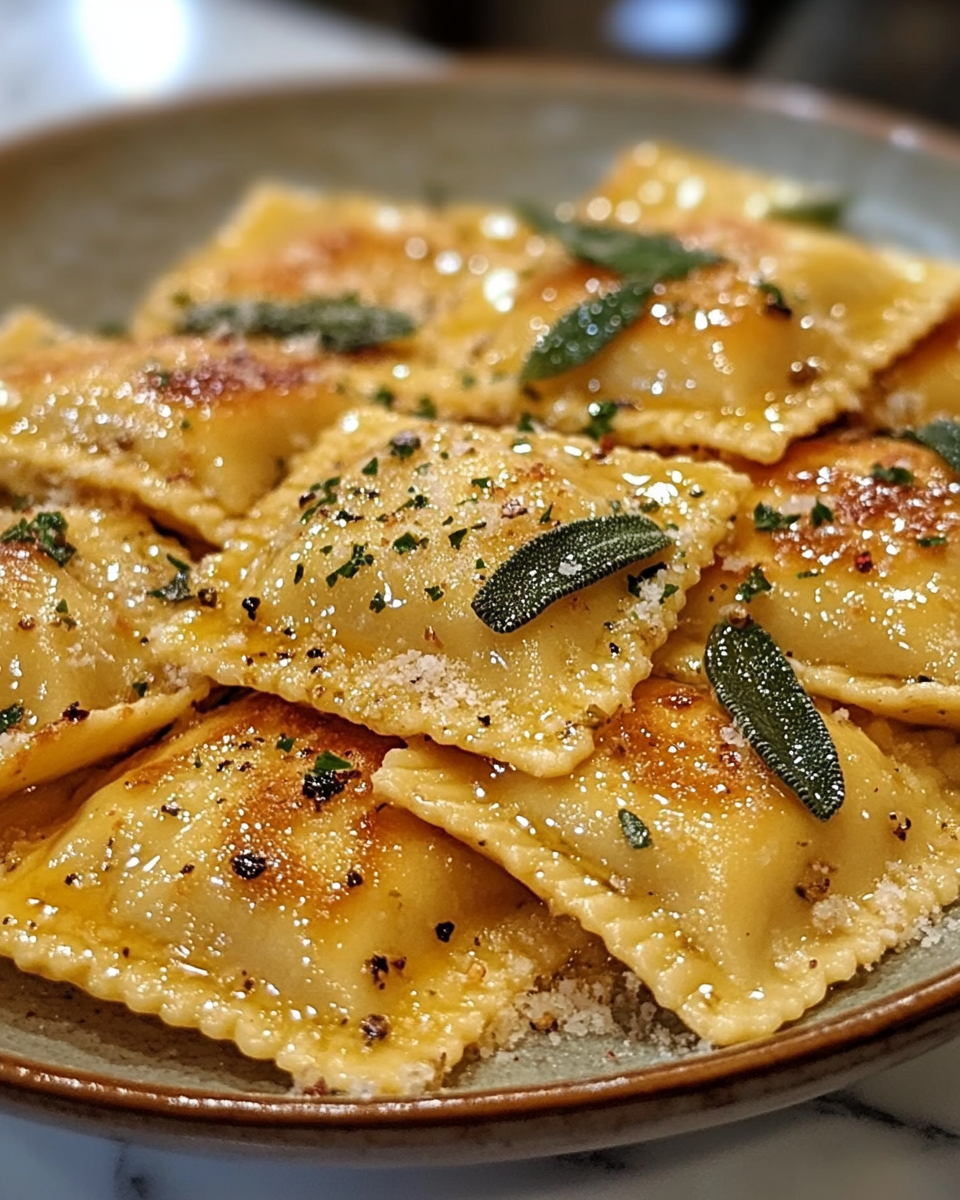
Brown Butter Sage Ravioli: 7 Amazing Cozy Bites

Brown Butter Sage Ravioli: 7 Amazing Cozy Bites

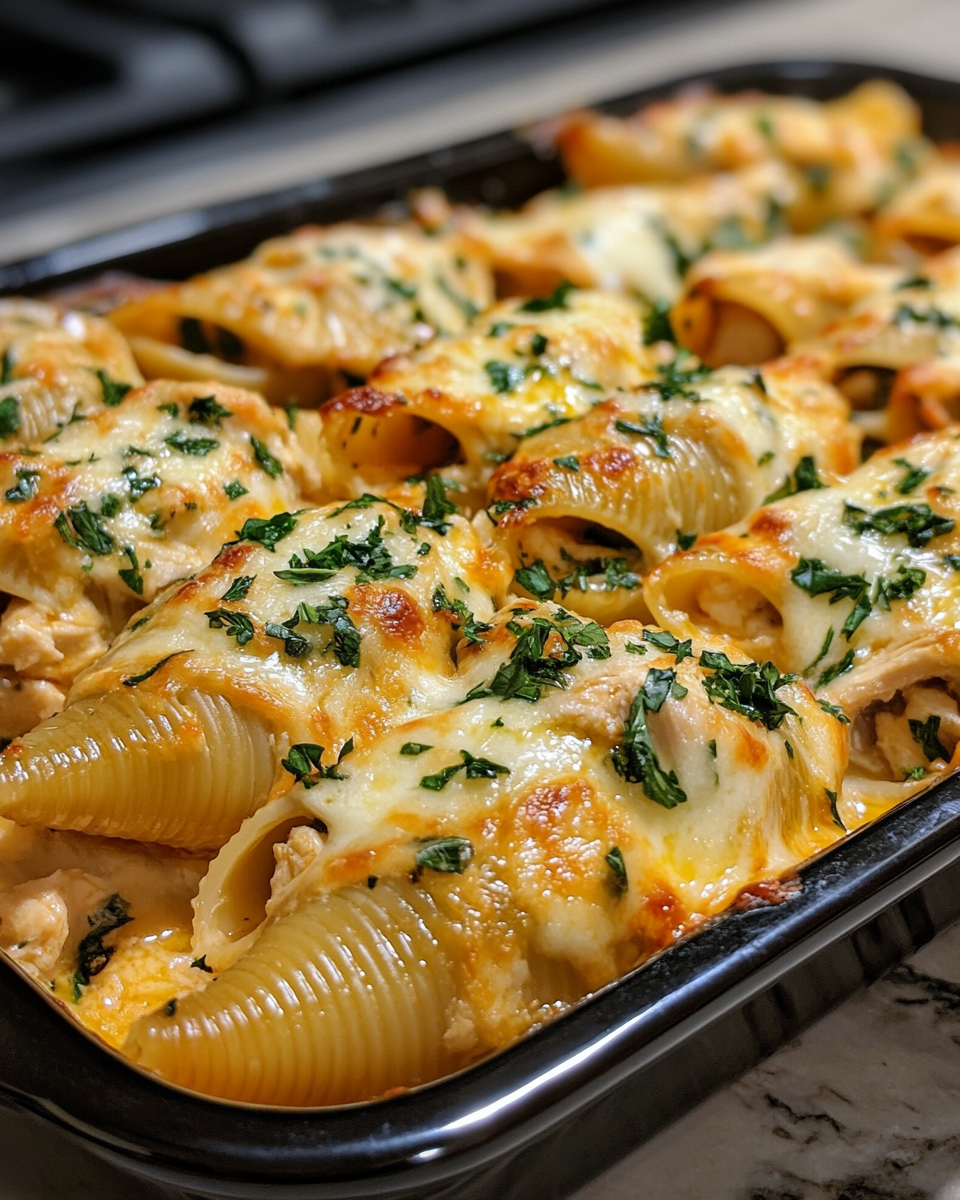
Chicken Alfredo Stuffed Shells: 7 Amazing Comfort Bites

Chicken Alfredo Stuffed Shells: 7 Amazing Comfort Bites

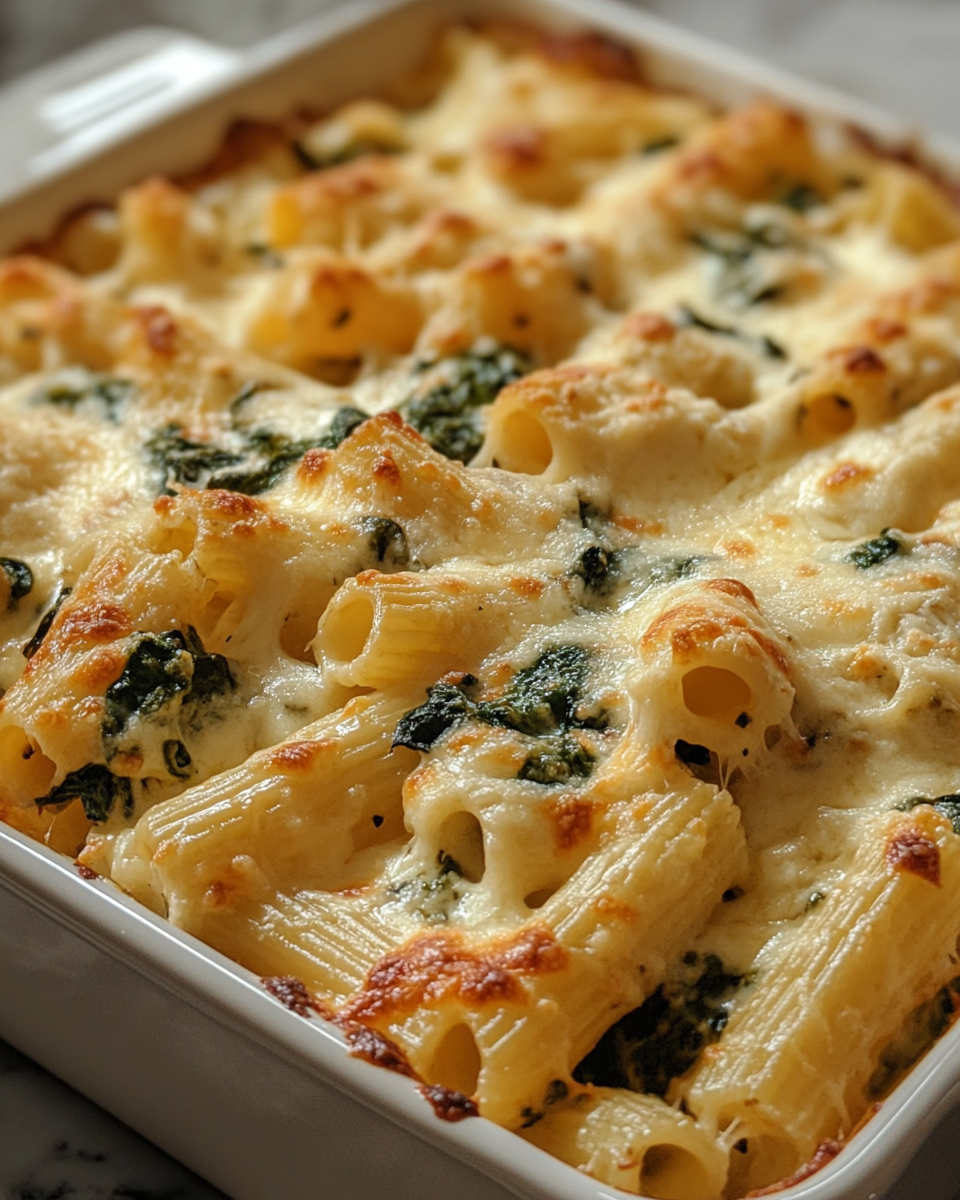
Spinach Artichoke Pasta Bake: 7 Amazing Cozy Bites

Spinach Artichoke Pasta Bake: 7 Amazing Cozy Bites

Tags:

You might also like these recipes

Leave a Comment