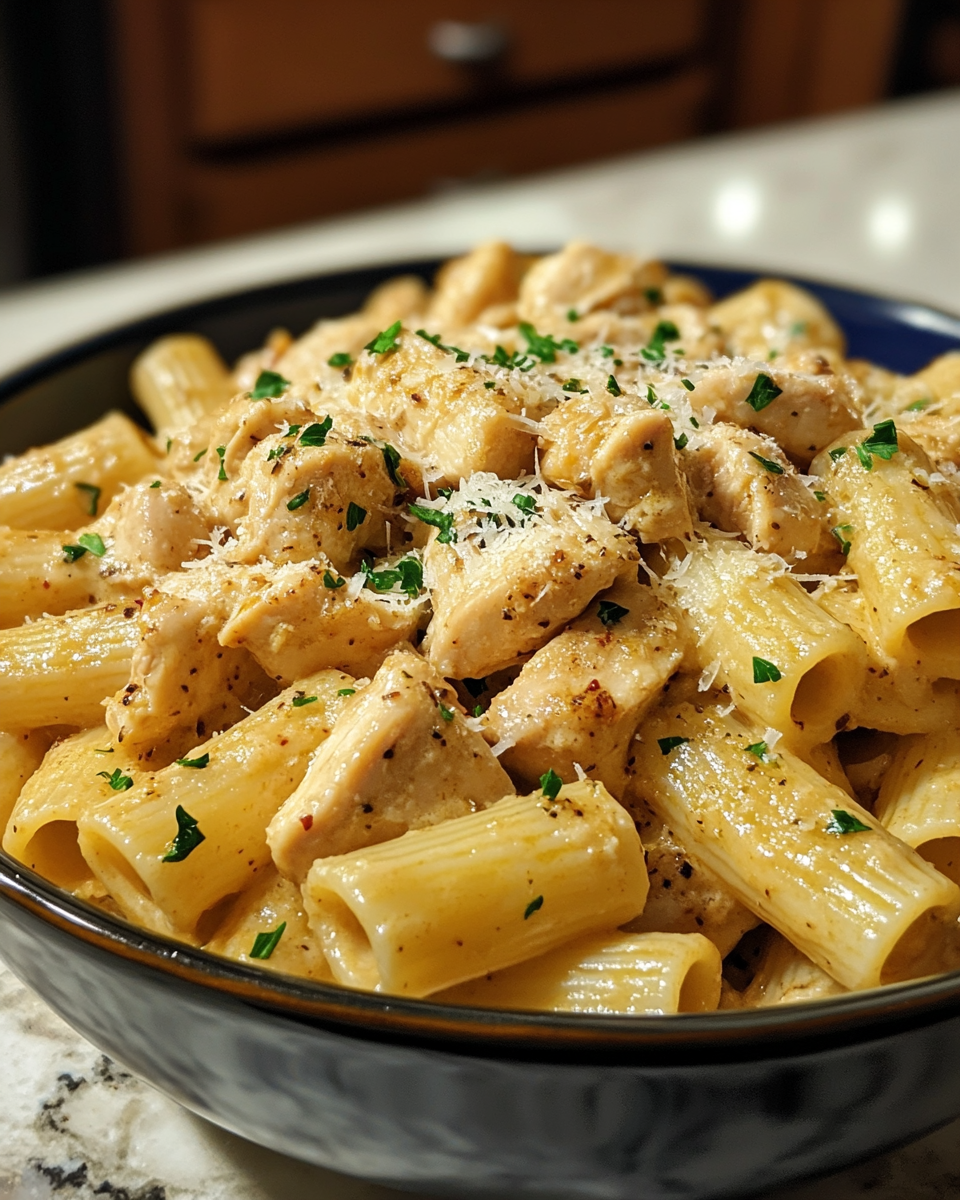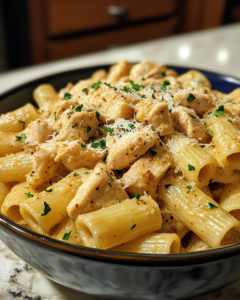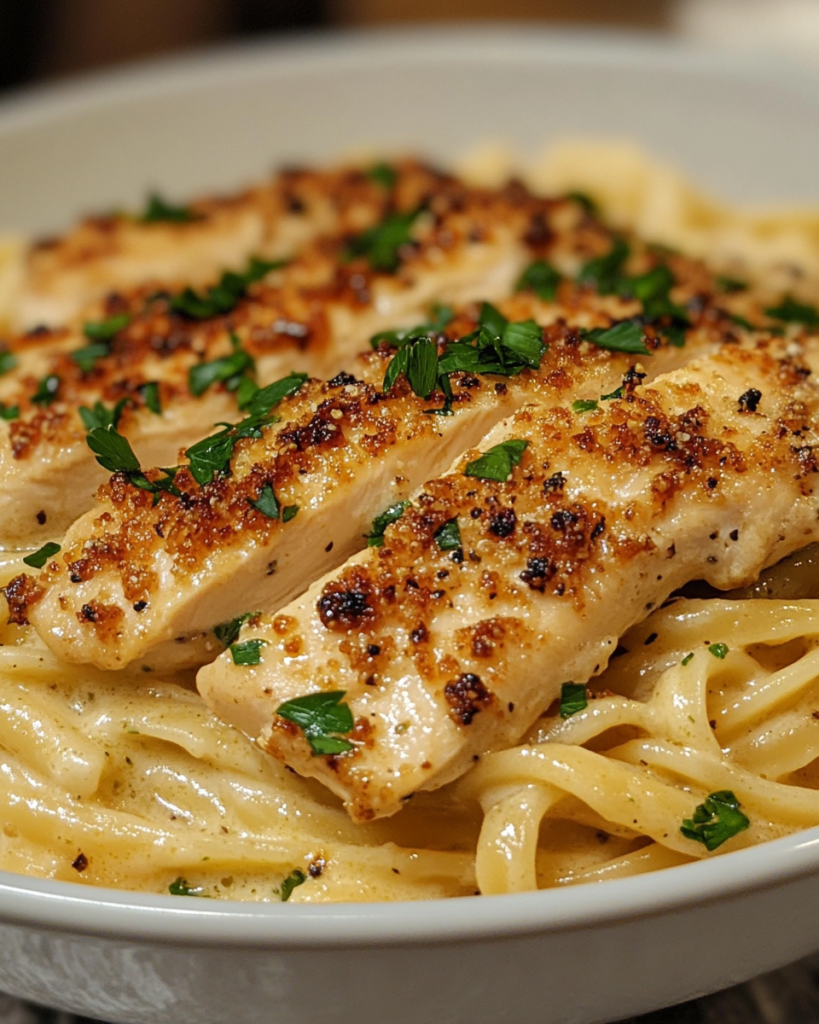
Parmesan Crusted Chicken Pasta combines crisp, golden chicken with a creamy, savory pasta that feels satisfying without being complicated. The contrast between the crunchy Parmesan coating and the tender pasta creates a balanced dish that fits both family dinners and casual gatherings.
This recipe brings together simple pantry staples and fresh ingredients for rich flavor and appealing texture. The chicken develops a flavorful crust during cooking, while the sauce gently coats every strand of pasta. With careful preparation and a few practical techniques, Parmesan Crusted Chicken Pasta becomes a dependable meal that tastes like it came from a favorite neighborhood restaurant.
Ingredients Overview
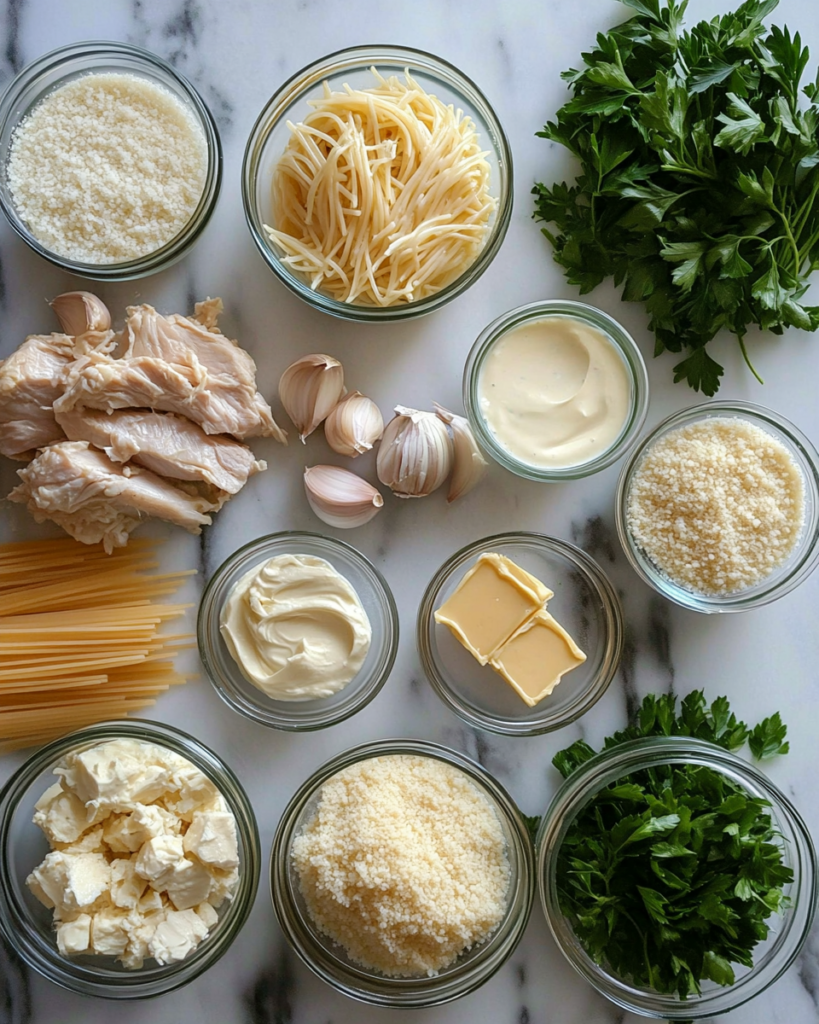
The foundation of Parmesan Crusted Chicken Pasta begins with boneless, skinless chicken breasts. Their mild flavor pairs naturally with the nutty, salty character of Parmesan cheese. When coated and cooked properly, the chicken develops a crisp exterior while remaining juicy inside.
Parmesan cheese serves two important purposes. It forms part of the crust on the chicken and also contributes depth to the creamy pasta sauce. Freshly grated Parmesan melts more smoothly than pre-shredded varieties and provides a richer flavor.
Breadcrumbs help create texture in the crust. Traditional breadcrumbs work well, while panko produces a slightly lighter crunch. A combination of Parmesan and breadcrumbs gives the coating structure and flavor.
Pasta acts as the hearty base of the dish. Fettuccine, linguine, penne, or rigatoni all perform nicely because they hold the sauce effectively. Choosing a sturdy pasta shape helps create balanced bites.
Heavy cream and chicken broth create the sauce. The cream supplies richness, while the broth prevents the sauce from becoming overly heavy. Garlic adds aromatic depth, and a small amount of butter contributes smoothness.
Italian seasoning, black pepper, and parsley round out the flavor profile. Fresh parsley adds brightness that balances the richness of the cheese and cream.
For substitutions, chicken thighs can replace chicken breasts. Half-and-half may be used instead of heavy cream for a lighter sauce. Gluten-free pasta and gluten-free breadcrumbs also work well without changing the character of the dish significantly.
Ingredients
2 large boneless, skinless chicken breasts
1 teaspoon salt
1/2 teaspoon black pepper
1 teaspoon Italian seasoning
1 large egg
1 tablespoon water
1 cup grated Parmesan cheese, divided
1 cup breadcrumbs
2 tablespoons olive oil
12 ounces fettuccine pasta
2 tablespoons butter
4 cloves garlic, minced
1 cup chicken broth
1 cup heavy cream
1/4 teaspoon black pepper
1 tablespoon chopped fresh parsley
Extra Parmesan cheese for serving
Step-by-Step Instructions
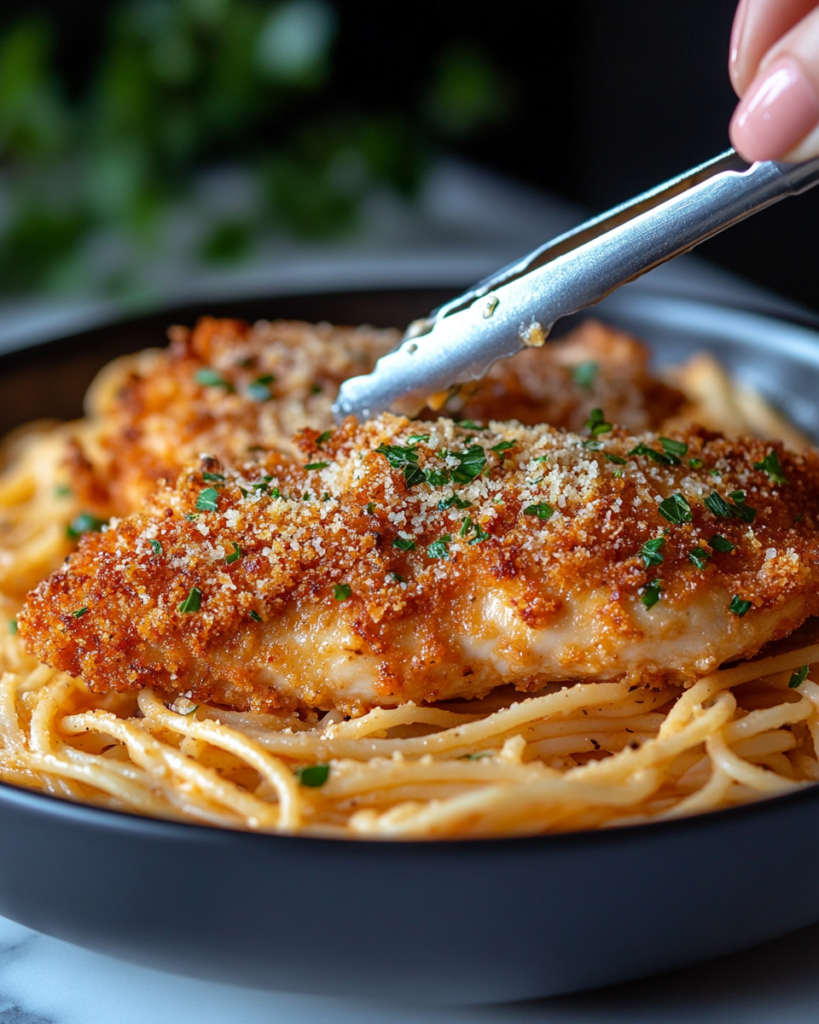
Begin by bringing a large pot of salted water to a boil. Cook the fettuccine according to package directions until al dente. Reserve 1/2 cup of pasta water before draining. Set the pasta aside.
While the pasta cooks, prepare the chicken. Slice each chicken breast horizontally to create thinner cutlets. Pat them dry with paper towels. Season both sides with salt, pepper, and Italian seasoning.
In one shallow bowl, whisk together the egg and water. In another bowl, combine the breadcrumbs with 1/2 cup grated Parmesan cheese.
Dip each chicken cutlet into the egg mixture, allowing excess liquid to drip away. Press the chicken into the breadcrumb mixture, coating all sides evenly. Gently press the coating onto the surface so it adheres well during cooking.
Heat olive oil in a large skillet over medium heat. When the oil is hot, place the coated chicken into the pan. Cook for about 4 to 5 minutes per side. The crust should become golden brown and crisp. The internal temperature should reach 165°F (74°C).
Avoid overcrowding the skillet. Cooking too many pieces at once lowers the pan temperature and can lead to a soft crust rather than a crisp coating.
Transfer the cooked chicken to a cutting board and allow it to rest for several minutes. Resting helps retain moisture and keeps the chicken tender.
Using the same skillet, reduce the heat to medium-low. Add the butter and minced garlic. Cook for about 30 seconds until fragrant, stirring frequently to prevent browning.
Pour in the chicken broth and stir, scraping any flavorful browned bits from the pan. Simmer for 2 minutes.
Add the heavy cream and remaining 1/2 cup Parmesan cheese. Stir continuously until the cheese melts and the sauce becomes smooth. Season with black pepper.
If the sauce appears too thick, add a small amount of reserved pasta water. If it appears thin, allow it to simmer for a few additional minutes.
Add the drained pasta to the skillet and toss until evenly coated. The pasta should appear glossy and well covered with sauce.
Slice the rested chicken into strips. Arrange the pasta on serving plates and place the chicken over the top.
Finish with chopped parsley and additional Parmesan cheese. Serve immediately while the chicken remains crisp and the sauce is warm and creamy.
Tips, Variations & Substitutions
Freshly grated Parmesan produces the finest texture and flavor. Pre-packaged grated cheese often contains anti-caking ingredients that can affect melting.
For extra crispness, place the coated chicken on a wire rack for 10 minutes before cooking. This helps the coating adhere more firmly.
Chicken thighs can replace chicken breasts for a slightly richer result. Cooking times may vary depending on thickness.
For added vegetables, stir sautéed spinach, mushrooms, broccoli florets, or roasted asparagus into the pasta before serving. These additions bring color and texture without overwhelming the dish.
Those avoiding gluten can substitute gluten-free pasta and breadcrumbs. The cooking process remains essentially the same.
A lighter version can be prepared using half-and-half instead of heavy cream. The sauce will be less rich but still flavorful.
A touch of red pepper flakes adds gentle warmth. Sun-dried tomatoes contribute concentrated savory flavor and pair beautifully with Parmesan.
When reheating leftovers, add a small splash of broth or milk to restore the sauce’s smooth consistency. Warm gently over low heat to prevent separation.
Serving Ideas & Occasions
Parmesan Crusted Chicken Pasta works beautifully as a complete dinner, though a few side dishes can round out the meal.
A crisp green salad with a light vinaigrette balances the richness of the creamy sauce. Garlic bread or a warm crusty loaf also pairs naturally with the dish and helps soak up any extra sauce.
Roasted vegetables such as Brussels sprouts, green beans, zucchini, or carrots complement the savory flavors while adding variety to the plate.
For beverages, sparkling water with lemon offers a refreshing contrast. Iced tea and light citrus-based drinks also pair comfortably with the creamy elements of the recipe.
This dish fits weeknight family meals, casual dinner parties, birthday gatherings, and weekend dinners. Its combination of crisp chicken and creamy pasta appeals to a wide range of tastes, making it a dependable choice whenever a hearty and satisfying meal is desired.
Nutritional & Health Notes
Parmesan Crusted Chicken Pasta provides a balanced combination of protein, carbohydrates, and fats. The chicken supplies substantial protein that contributes to satiety, while the pasta provides energy-supporting carbohydrates.
Parmesan cheese contributes calcium and protein along with its distinctive savory flavor. Garlic and parsley add flavor without requiring large amounts of additional ingredients.
The creamy sauce increases richness and contributes fat content. Portion awareness can help balance the meal, particularly when served alongside vegetables or a fresh salad.
Using whole-wheat pasta can increase fiber content. Incorporating vegetables such as spinach, broccoli, or mushrooms adds vitamins, minerals, and texture.
Homemade preparation also allows control over sodium levels, ingredient quality, and portion sizes. Small adjustments, such as reducing cream or increasing vegetables, can tailor the dish to individual preferences while preserving its classic character.
FAQs
Can I prepare Parmesan Crusted Chicken Pasta ahead of time?
Yes. The chicken and pasta components can be prepared separately in advance. Cook the chicken, allow it to cool, and store it in an airtight container in the refrigerator. The pasta and sauce may also be stored separately. When ready to serve, warm the sauce gently over low heat and add a splash of broth, milk, or water if it has thickened. Reheat the chicken in an oven rather than a microwave to help maintain its crisp coating. Assemble everything shortly before serving. This approach helps preserve the contrast between the crunchy chicken and creamy pasta.
Which pasta shape works best for this recipe?
Fettuccine is a popular choice because its broad surface holds the creamy sauce effectively. Linguine offers a similar result and creates elegant presentation. Short pasta shapes such as penne, rigatoni, and rotini are also excellent because their ridges and openings trap sauce. The choice often depends on personal preference and what is available in the pantry. Regardless of shape, cooking the pasta to an al dente texture is important. Slight firmness helps the pasta hold its structure after being mixed with the sauce and served beneath the sliced chicken.
How do I keep the chicken coating from falling off?
Begin by drying the chicken thoroughly before breading. Excess surface moisture can interfere with proper adhesion. Dipping the chicken into the egg mixture and then pressing it firmly into the breadcrumb and Parmesan mixture helps create a stable coating. Allowing the breaded chicken to rest briefly before cooking can also help. During cooking, avoid moving the chicken excessively. Let the crust develop before flipping. Turning it too soon may cause portions of the coating to detach. Maintaining medium heat also encourages even browning without burning the crust.
Can I freeze leftovers?
Yes, though texture changes may occur. The chicken generally freezes better than the creamy pasta sauce. Store cooled portions in freezer-safe containers for up to two months. Thaw overnight in the refrigerator before reheating. For the finest texture, warm the chicken in an oven so the crust regains some crispness. The sauce may separate slightly after freezing, but gentle reheating and stirring can help restore consistency. Adding a small amount of milk or broth during reheating often improves the texture. Freezing works best for convenience rather than preserving the freshly prepared texture.
What vegetables pair well with this dish?
Many vegetables complement Parmesan Crusted Chicken Pasta without competing with its flavor. Broccoli, spinach, mushrooms, asparagus, zucchini, and green beans are popular choices. Roasting vegetables develops natural sweetness and creates pleasant contrast with the creamy sauce. Spinach can be stirred directly into the sauce near the end of cooking for a simple addition. Mushrooms contribute savory depth and blend naturally with Parmesan. Selecting one or two vegetables helps maintain balance while adding color, nutrients, and texture to the meal. Seasonal produce often provides the finest flavor and appearance.
How can I create a lighter version?
Several adjustments can reduce richness while keeping the dish satisfying. Half-and-half may replace heavy cream, creating a lighter sauce. Reducing the amount of cheese slightly and incorporating additional vegetables can also balance the meal. Whole-wheat pasta increases fiber and adds a heartier texture. Chicken can be baked instead of pan-fried if desired. Using cooking spray or a smaller amount of oil further reduces added fat. These modifications change the nutritional profile while maintaining the familiar combination of crispy chicken, savory Parmesan flavor, and creamy pasta.
Why is my sauce too thick or too thin?
Sauce consistency depends on cooking time, heat level, and ingredient proportions. If the sauce becomes too thick, stir in reserved pasta water, broth, or milk a little at a time until it reaches the desired texture. If the sauce seems thin, allow it to simmer gently for several minutes so excess liquid evaporates. Freshly grated Parmesan also helps thicken the sauce naturally. High heat can sometimes cause uneven texture, so moderate heat is preferred. Consistent stirring encourages smooth blending and helps create a silky sauce that coats the pasta evenly.