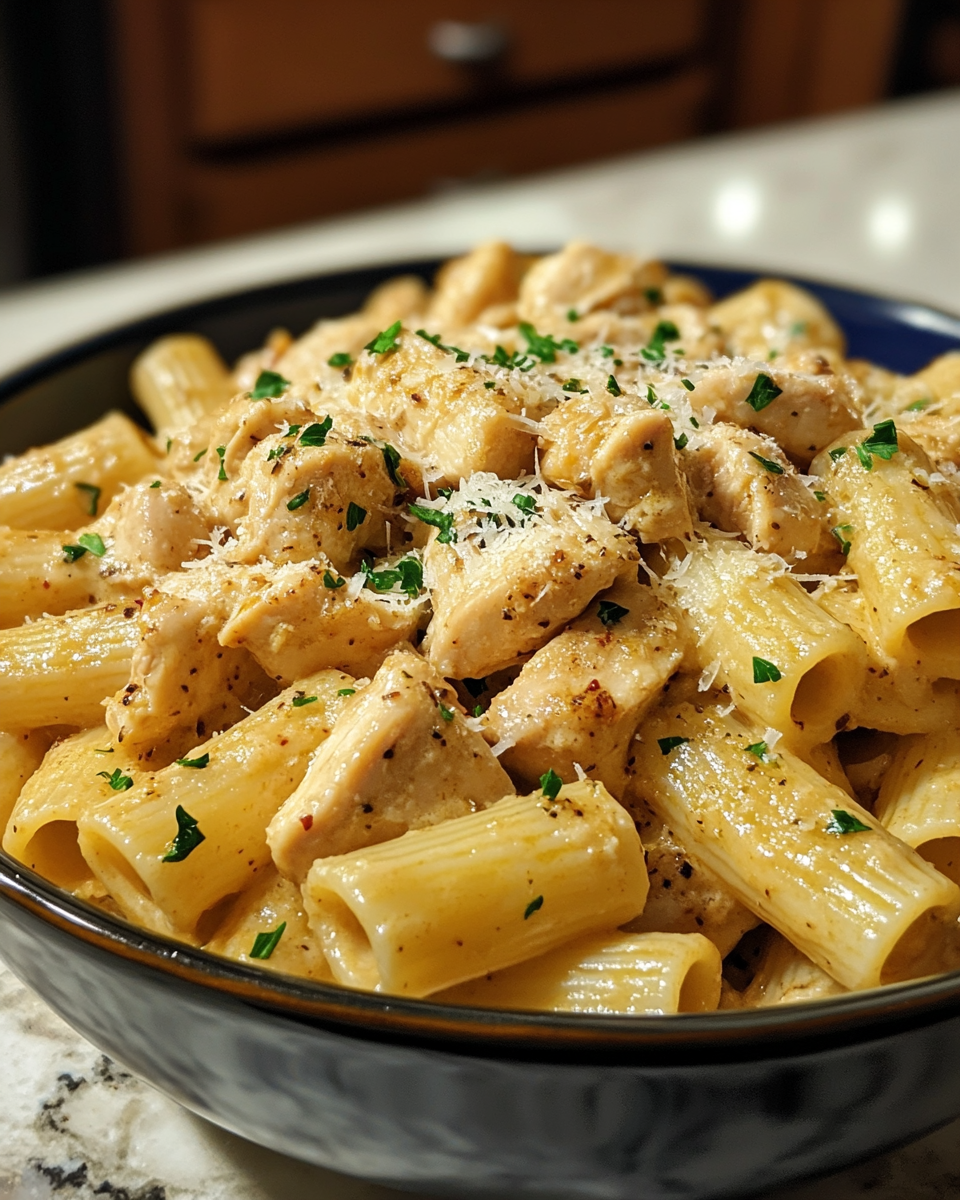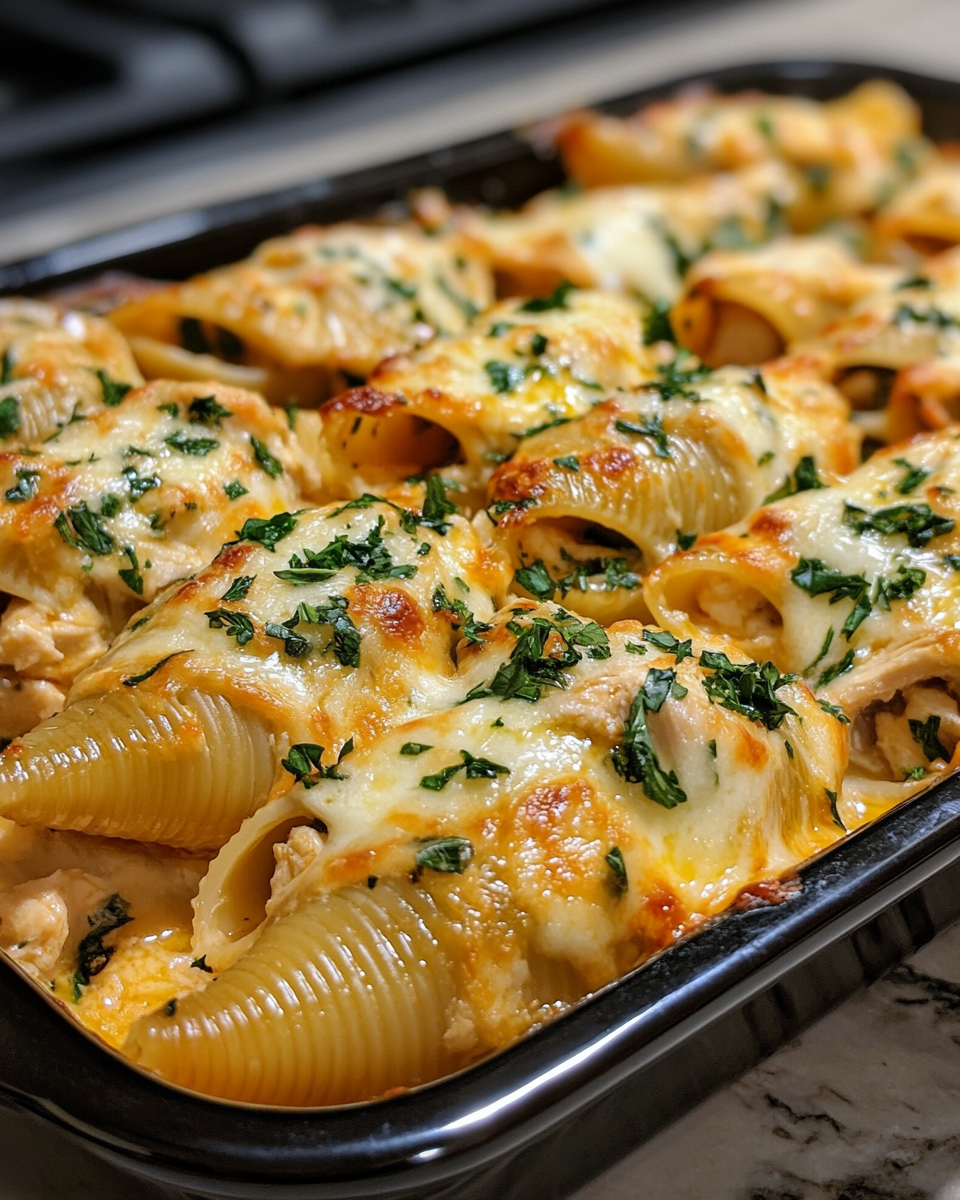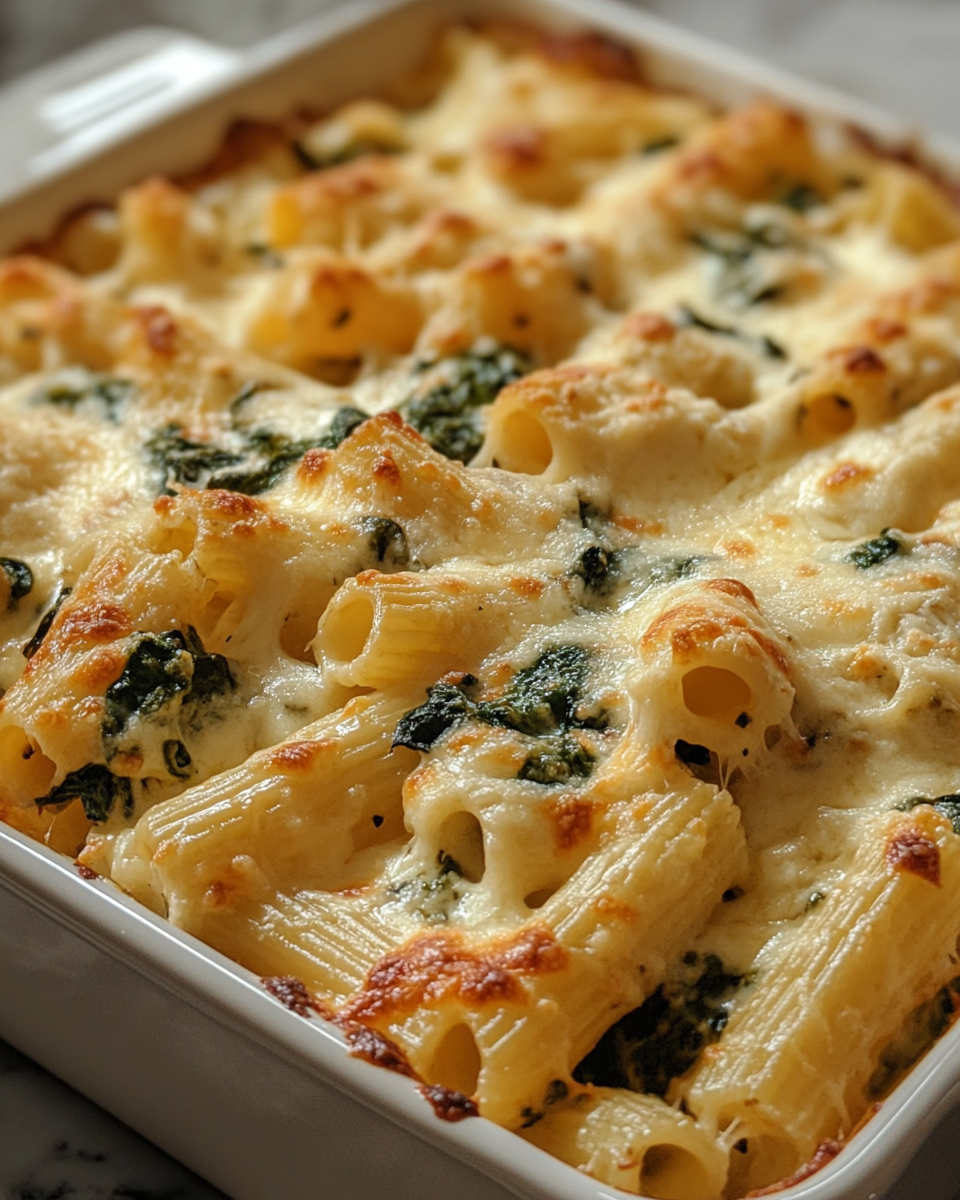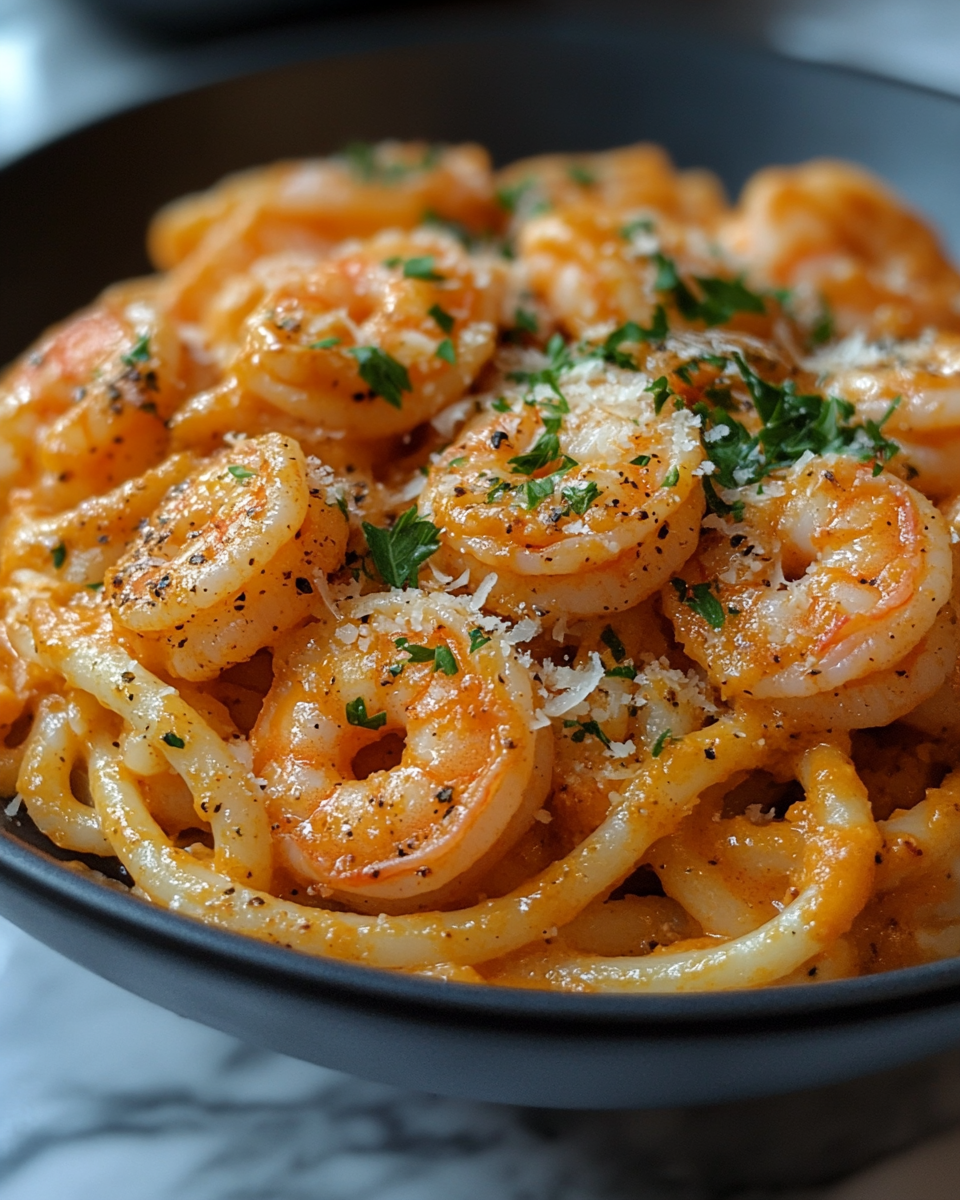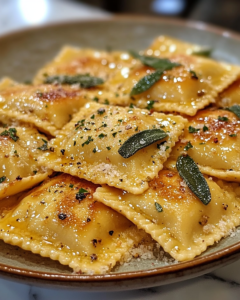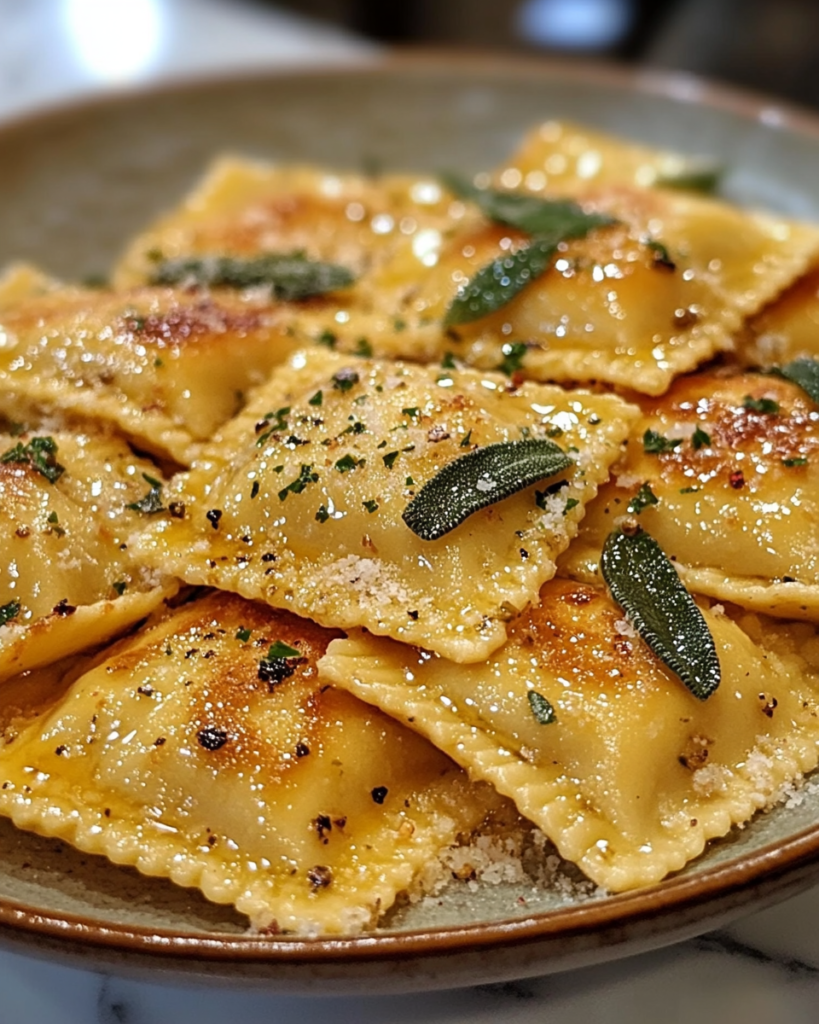
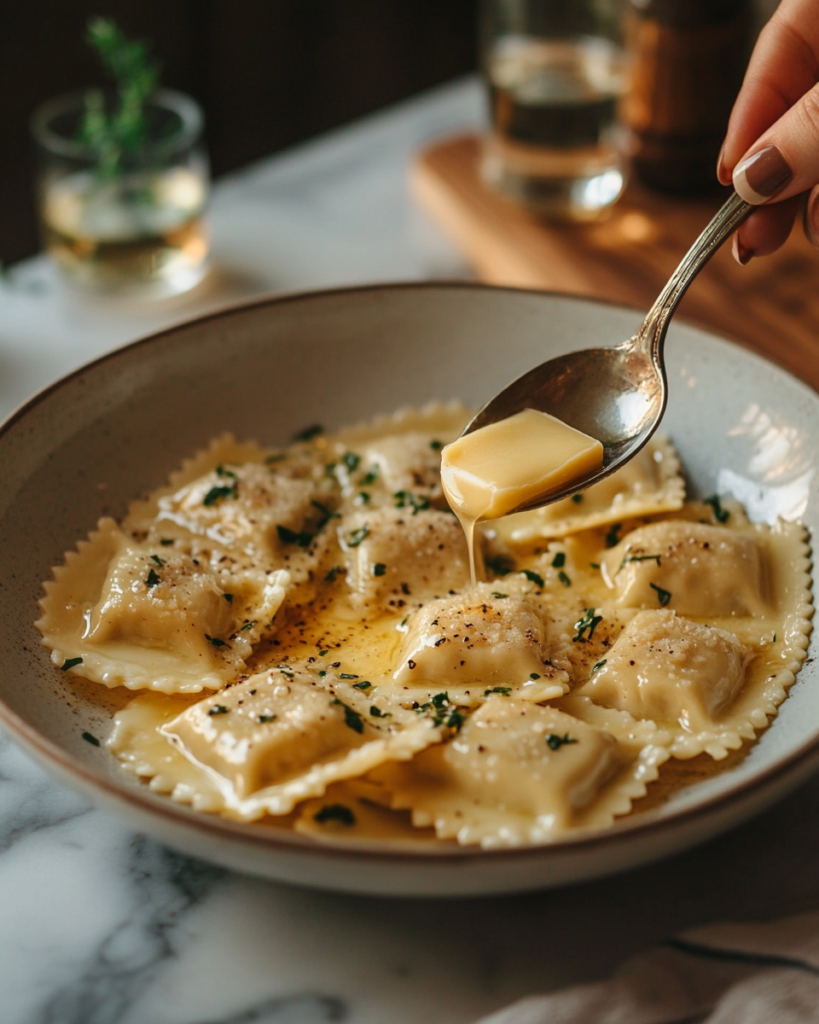
Brown Butter Sage Ravioli is the kind of pasta dish that turns a short ingredient list into a deeply satisfying meal. Tender ravioli coated in nutty brown butter and fragrant sage creates a balance of richness and freshness that feels restaurant worthy while remaining approachable in a home kitchen.
This classic Italian-inspired preparation celebrates contrast. Soft pasta and delicate filling meet crisp sage leaves and lightly toasted milk solids from the butter. Every bite delivers warmth, gentle richness, and an aromatic finish that lingers pleasantly.
Brown Butter Sage Ravioli works beautifully for weeknight dinners, date nights, family gatherings, or a quiet meal at home. Whether the ravioli is filled with cheese, spinach, mushroom, or butternut squash, the sauce allows the filling to remain the center of attention while adding depth and texture.
Ingredients Overview
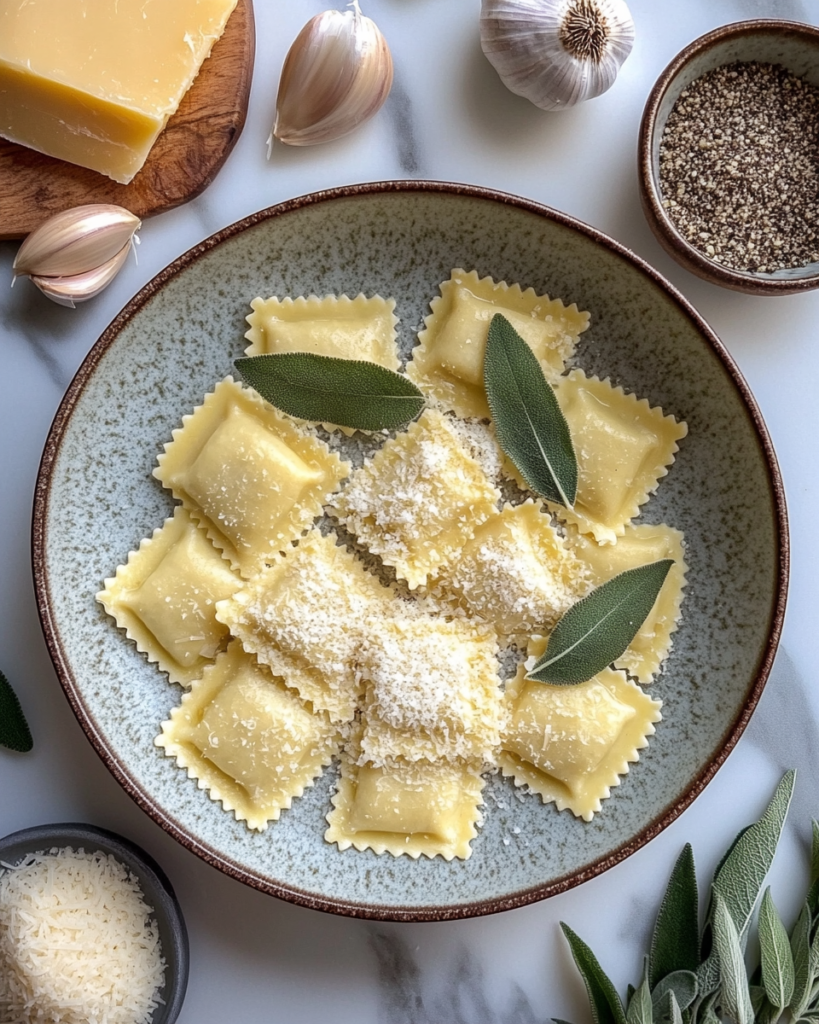
The beauty of Brown Butter Sage Ravioli comes from a small collection of ingredients that each play a distinct role. Since the ingredient list is simple, quality matters.
Ravioli forms the foundation of the dish. Fresh refrigerated ravioli cooks quickly and maintains a delicate texture that pairs especially well with butter sauces. Cheese ravioli offers a creamy and balanced flavor, though spinach and ricotta, mushroom, or squash fillings all work nicely.
Butter is the defining element. Unsalted butter allows better control of seasoning and develops a nutty character as the milk solids toast during cooking. Brown butter has a deeper flavor than melted butter and creates a silky coating without requiring cream.
Fresh sage gives the dish its signature aroma. When cooked briefly in hot butter, the leaves become lightly crisp and release earthy notes that complement the sweetness of browned butter.
Parmesan cheese adds saltiness and a savory finish. Freshly grated cheese melts smoothly and blends naturally into the sauce.
A small amount of garlic adds warmth without overpowering the delicate flavors. Freshly cracked black pepper contributes gentle spice.
Lemon zest is optional but brings brightness and balance to the richness.
If needed, salted butter may replace unsalted butter with lighter seasoning later. Pecorino Romano can replace Parmesan for a sharper finish. Fresh thyme may substitute for sage, though the flavor profile changes.
Ingredients
20 ounces fresh cheese ravioli
8 tablespoons unsalted butter
12 fresh sage leaves
2 cloves garlic, finely minced
1/2 teaspoon kosher salt
1/2 teaspoon freshly cracked black pepper
1/2 cup freshly grated Parmesan cheese
1 teaspoon finely grated lemon zest (optional)
2 tablespoons reserved pasta water
Extra Parmesan for serving
Step-by-Step Instructions
Fill a large pot with water and bring it to a gentle boil. Season generously with salt. Properly seasoned water gives the ravioli flavor from the inside rather than relying entirely on the sauce.
While waiting for the water, prepare the sauce ingredients. Separate the sage leaves, grate the cheese, mince the garlic, and place everything within reach. Brown butter develops quickly, so preparation beforehand keeps the process smooth.
Cook the ravioli according to package directions. Fresh ravioli usually cooks in about 3 to 5 minutes. Avoid aggressive boiling because delicate pasta can break open and lose its filling.
Before draining, reserve about two tablespoons of pasta water. Drain the ravioli carefully and avoid rinsing.
Place a large skillet over medium heat. Add the butter and allow it to melt slowly. Continue cooking as the butter begins to foam. Stir frequently and watch closely.
After several minutes, tiny golden flecks will appear at the bottom of the pan. The aroma should shift from creamy to nutty. This stage creates the characteristic flavor of Brown Butter Sage Ravioli.
Add the sage leaves and cook for about 30 seconds to 1 minute. The leaves should crisp slightly but remain green rather than dark brown.
Add the minced garlic and stir for about 20 seconds. Garlic burns quickly, so avoid prolonged cooking.
Lower the heat and add the reserved pasta water. The mixture will loosen slightly and create a glossy coating.
Transfer the cooked ravioli into the skillet. Use a spoon or gentle tossing motion to coat each piece with the sauce. Avoid stirring aggressively because ravioli can tear.
Sprinkle in Parmesan and black pepper. Toss again until the cheese lightly melts into the butter.
Taste and add salt only if needed. Finish with lemon zest if using.
Serve immediately with extra Parmesan and crisp sage leaves.
Common mistakes include overheating the butter until it turns dark and bitter, overcrowding the pan, or adding wet ravioli directly into hot fat. Gentle handling keeps the dish elegant and smooth.
Tips, Variations & Substitutions
Choose fresh ravioli whenever possible because it cooks evenly and pairs naturally with butter sauces. Frozen ravioli also works but may require an extra minute of cooking.
For extra texture, sprinkle toasted walnuts or pine nuts over the finished dish. Their mild crunch pairs beautifully with soft pasta.
A squash-filled ravioli creates a slightly sweeter profile that works especially well during cooler months. Mushroom ravioli brings deeper savory notes, while spinach and ricotta offers a lighter character.
For a vegetarian dinner, simply keep the recipe as written and use vegetarian Parmesan if preferred.
If dairy reduction is needed, substitute plant-based butter and dairy-free hard cheese alternatives. The flavor will differ slightly but still produce a pleasant result.
Adding a spoonful of mascarpone creates a richer sauce, while a pinch of red pepper flakes gives gentle warmth.
Keep the sauce light. Brown butter should coat the ravioli rather than pool beneath it.
Fresh herbs are preferred over dried. Dried sage can become overpowering and lacks the delicate crisp texture that fresh leaves provide.
Serving Ideas & Occasions
Brown Butter Sage Ravioli pairs beautifully with simple sides that balance its richness.
Serve alongside a crisp green salad dressed with lemon and olive oil for freshness. Roasted asparagus, sautéed green beans, or broccolini add color and texture without competing with the pasta.
Warm artisan bread works well for gathering every bit of sauce from the plate.
For beverages, sparkling water with citrus keeps the meal light. Dry white wines such as Pinot Grigio or Chardonnay also complement the butter and sage notes.
This dish suits relaxed dinners, holiday meals, anniversary evenings, and small celebrations. Because preparation is quick, it also fits busy weekdays when a comforting dinner is desired without spending hours in the kitchen.
Presentation can remain simple: shallow bowls, extra cheese, and a few crisp sage leaves create an inviting finish.
Nutritional & Health Notes
Brown Butter Sage Ravioli offers a balance of carbohydrates, fats, and protein, making it satisfying as a main course.
Ravioli provides energy from pasta and additional protein depending on the filling. Cheese-filled varieties also contribute calcium.
Butter adds richness and contributes the signature flavor of the dish. Since the sauce relies on butter rather than heavy cream, the texture remains rich without becoming overly dense.
Sage contains aromatic compounds that contribute fresh herbal notes while allowing the recipe to rely less on extra seasoning.
Portion balance can be adjusted by serving the ravioli with vegetables or salad. Adding greens creates variety in texture and supports a lighter overall meal.
Using fresh ingredients and moderate amounts of cheese allows the flavors to remain clean and distinct.
FAQs
Can I use frozen ravioli?
Frozen ravioli works very well for Brown Butter Sage Ravioli. Cook it directly from frozen rather than thawing first, since thawing can soften the pasta and increase the chance of splitting. Follow package timing and begin checking slightly early because fillings vary.
Reserve pasta water before draining because it helps bind the sauce and maintain a silky finish. Frozen ravioli often releases a bit more starch, which can help the sauce cling nicely.
Handle the ravioli gently when combining with the butter so the pieces remain intact and attractive on the plate.
What type of ravioli filling works the most naturally?
Cheese ravioli remains a classic pairing because its mild flavor allows the butter and sage to stand out. Ricotta-based fillings create a creamy interior and balanced finish.
Butternut squash ravioli produces a sweet and savory combination that pairs beautifully with nutty butter. Mushroom ravioli offers deeper savory notes.
Spinach and cheese fillings bring freshness and lighter flavor. Meat-filled ravioli can also work but often creates a richer overall meal.
Choose fillings that complement rather than overpower the sauce.
How do I know when the butter is properly browned?
Brown butter changes gradually. It begins as melted butter, then forms bubbles and foam. As moisture cooks away, tiny golden bits appear at the bottom.
The aroma becomes warm and nutty rather than creamy. That fragrance is usually the clearest signal.
Once the butter reaches a deep golden color, remove it from strong heat because it continues cooking briefly.
If the color turns very dark and the smell becomes sharp, it has gone too far and may taste bitter.
Can I prepare Brown Butter Sage Ravioli ahead?
This dish is strongest when served immediately after cooking because the sauce stays glossy and the ravioli texture remains delicate.
You can prepare ingredients ahead by grating cheese, separating sage leaves, and measuring butter.
Cook the ravioli shortly before serving and prepare the sauce at the last moment. Brown butter develops in only a few minutes, making final assembly quick.
If needed, store leftovers in the refrigerator and warm gently in a skillet with a splash of water.
Why did my ravioli break apart?
Broken ravioli usually results from rough boiling or excessive stirring. Fresh ravioli needs gentle cooking rather than vigorous bubbling.
Use plenty of water so the pasta has room to move naturally. Stir carefully only once or twice after adding it.
Drain with care and avoid shaking the colander.
When combining with sauce, use a broad spoon or gentle tossing motion. Delicate handling preserves both appearance and texture.
Can I add vegetables to the dish?
Vegetables pair beautifully with Brown Butter Sage Ravioli. Roasted mushrooms add earthy flavor, while asparagus and broccolini create freshness.
Peas offer sweetness and attractive color. Wilted spinach folds easily into the finished sauce.
Cook vegetables separately so excess moisture does not dilute the butter.
Aim for additions that complement the dish rather than turning it into a heavily loaded pasta bowl.
How should leftovers be stored and reheated?
Store leftovers in an airtight container in the refrigerator for up to three days.
For reheating, place the ravioli in a skillet over low heat with a spoonful of water. This loosens the sauce and helps maintain texture.
Microwaving works in short intervals, though gentle stovetop reheating usually gives smoother results.
Avoid prolonged reheating because ravioli filling can dry out and the butter may separate.
………………..