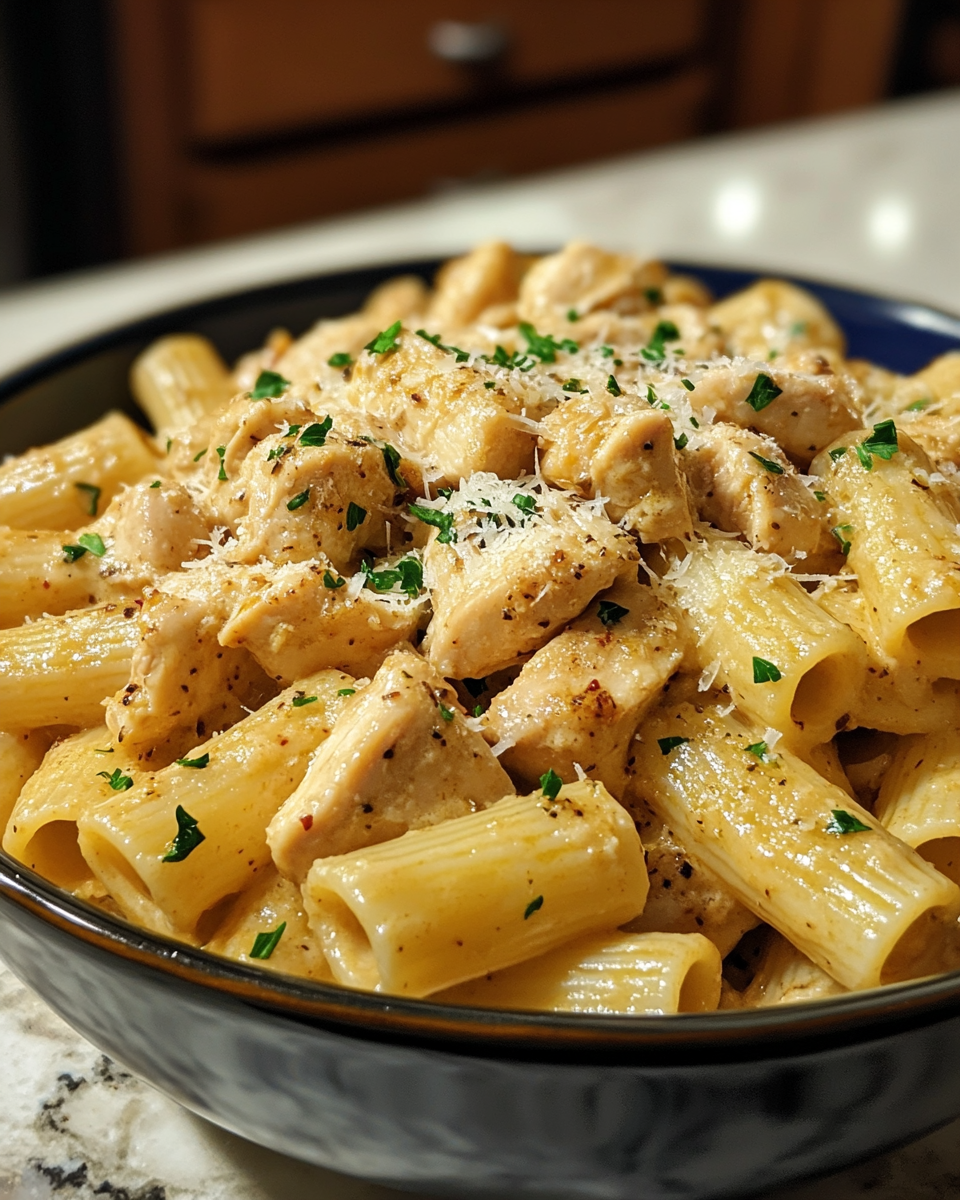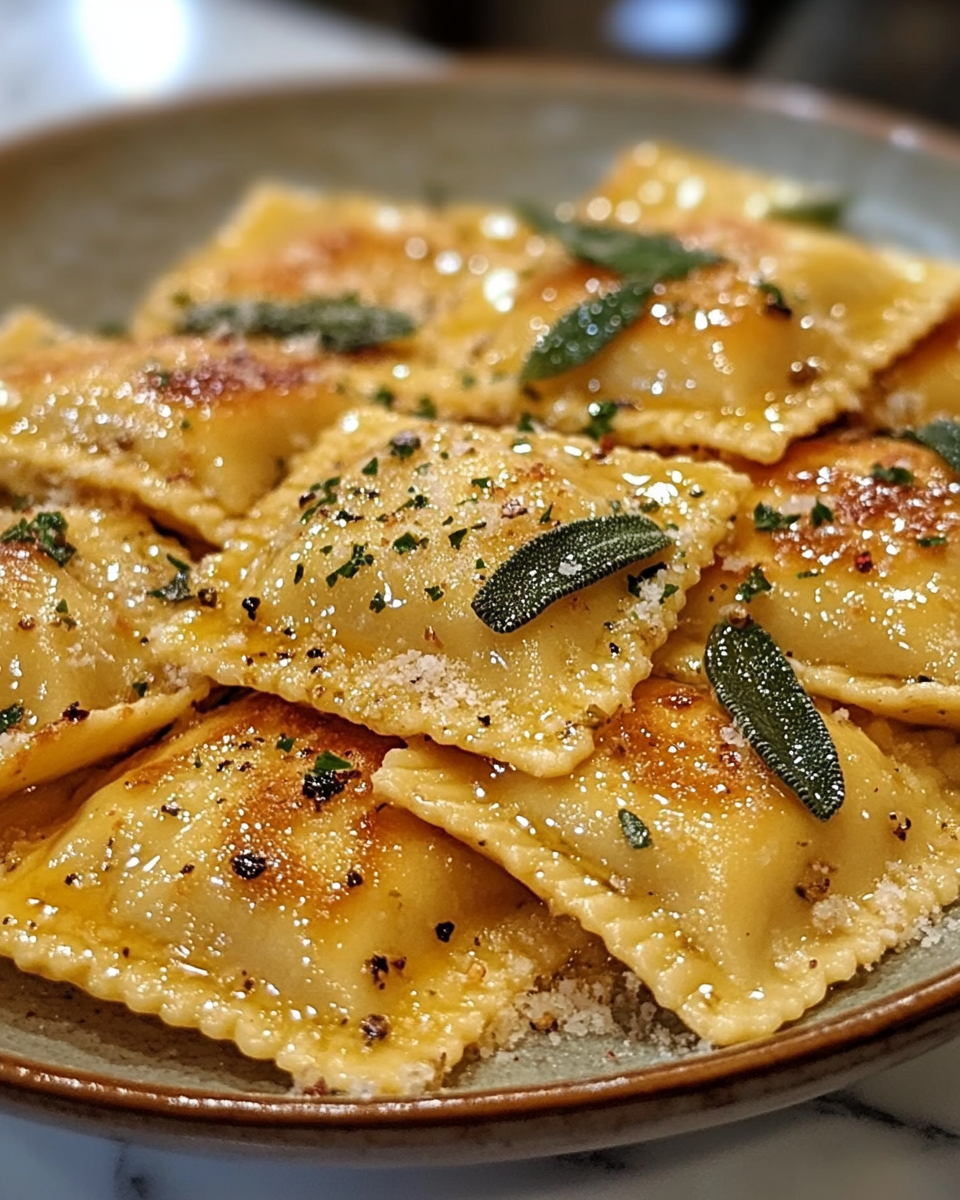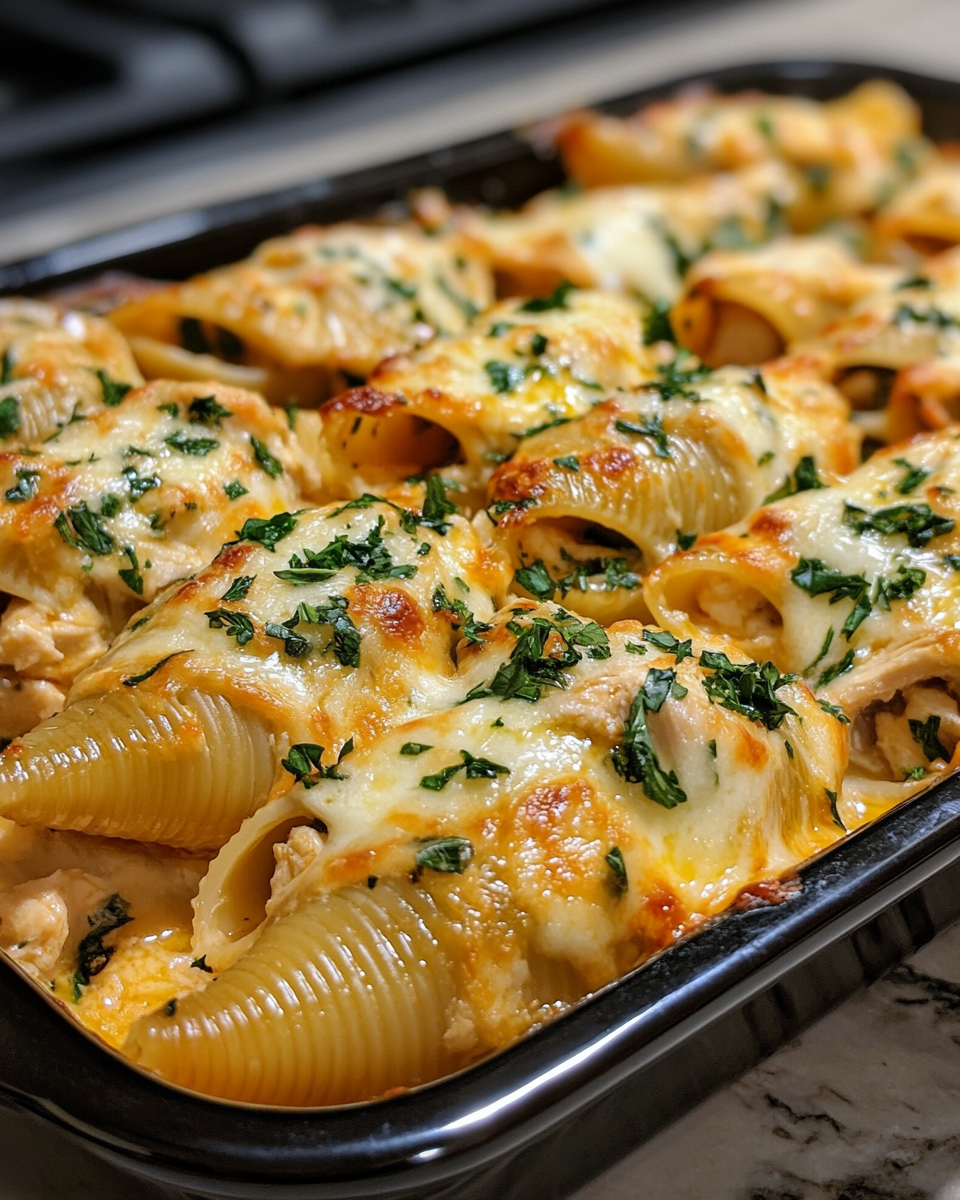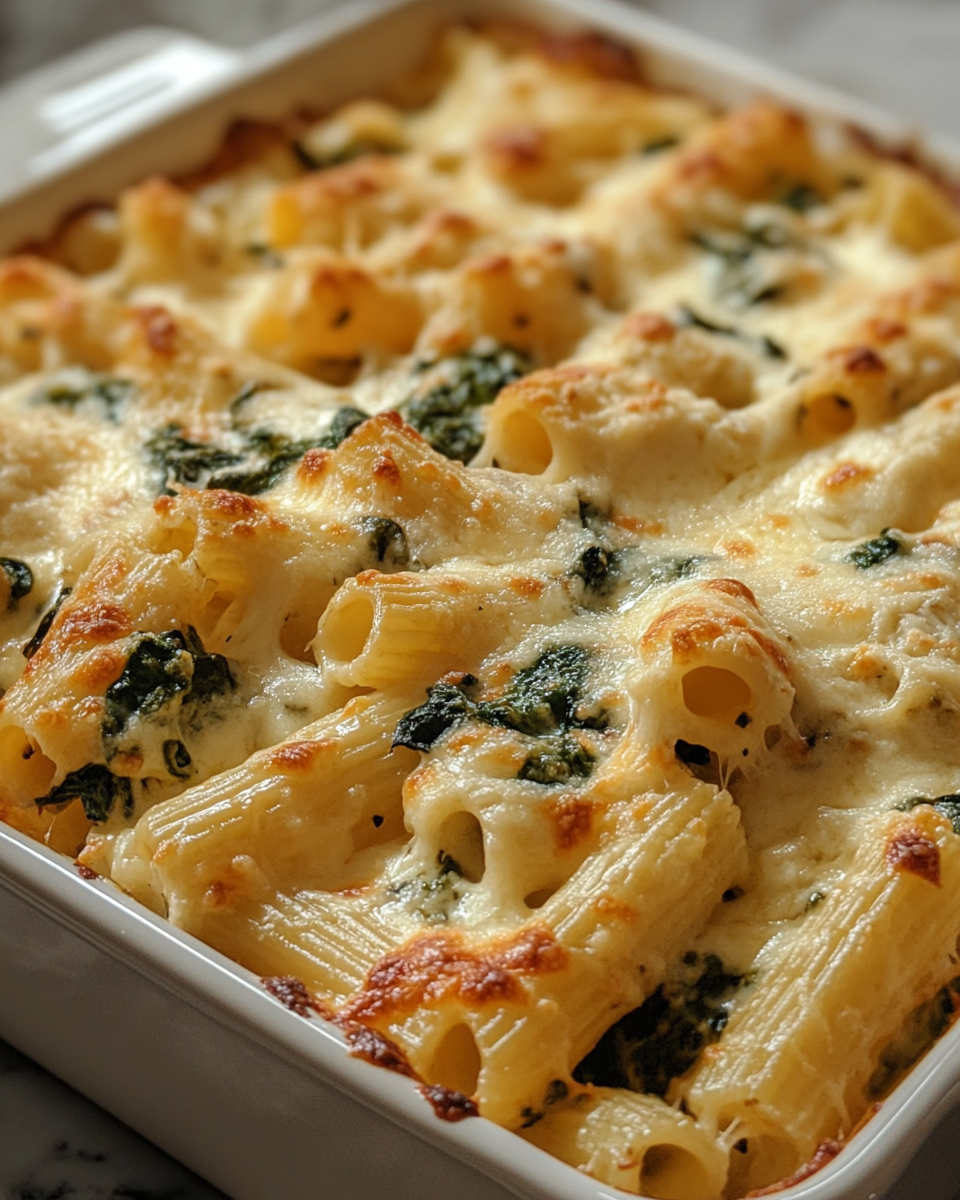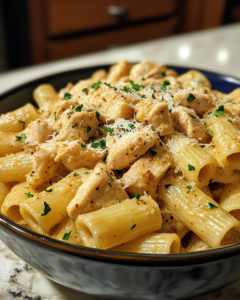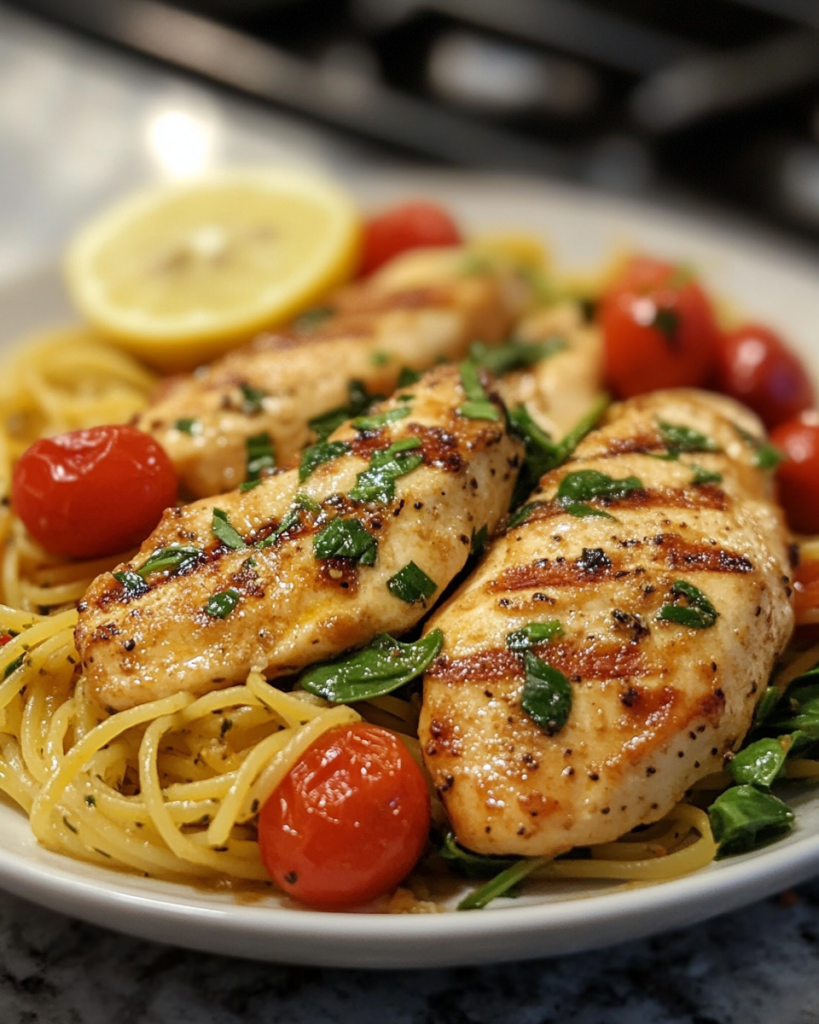
A low calorie pasta meal is the perfect way to enjoy comfort food without feeling heavy afterward. Whether you’re trying to eat healthier, manage your weight, or simply balance your daily meals, this dish offers everything you love about pasta—flavor, warmth, and satisfaction—while keeping things light and nourishing.
This recipe is inspired by simple Mediterranean-style home cooking, where fresh ingredients, olive oil, vegetables, and herbs come together to create meals that are both wholesome and satisfying. Instead of relying on heavy cream or excessive cheese, this version focuses on natural flavors and smart ingredient swaps. It’s ideal for busy weekdays, post-workout dinners, or anytime you want something filling yet guilt-free.
Why You’ll Love This Low Calorie Pasta Meal
This recipe is designed to be both healthy and delicious.
- Low in calories but high in flavor
- Ready in under 30 minutes
- Packed with vegetables and nutrients
- Light yet filling and satisfying
- Easy to customize based on your diet
It’s a perfect everyday meal that doesn’t feel like a compromise.
Ingredients You’ll Need
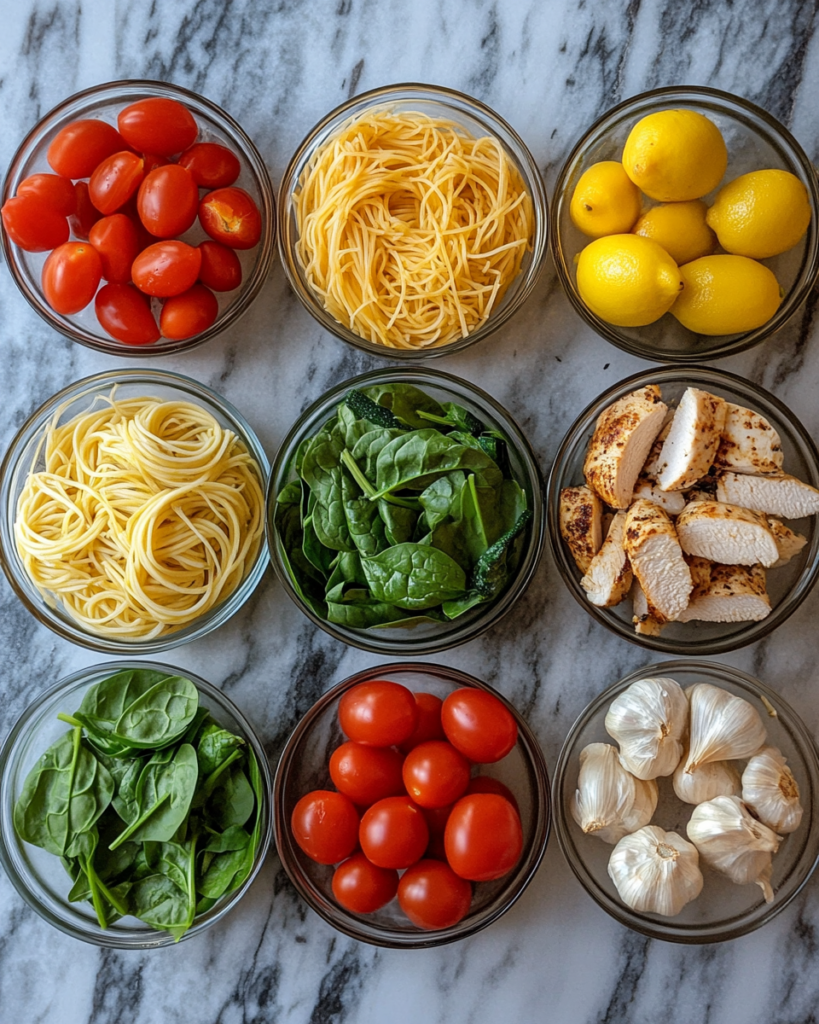
Here are the exact ingredients with measurements:
- 200 grams (7 oz) whole wheat pasta or regular pasta
- 1 tablespoon (15 ml) olive oil
- 3 cloves garlic, minced
- 1 small onion, finely chopped
- 1 medium zucchini, diced (about 150 grams)
- 1 cup (150 grams) cherry tomatoes, halved
- 1 cup (30 grams) spinach leaves
- 1 cup (240 ml) low-sodium tomato sauce
- ½ teaspoon salt (or to taste)
- ¼ teaspoon black pepper
- 1 teaspoon dried oregano
- ½ teaspoon chili flakes (optional)
- 2 tablespoons (10 grams) grated Parmesan cheese (optional, light use)
- 2 tablespoons (8 grams) fresh basil, chopped
Step-by-Step Instructions
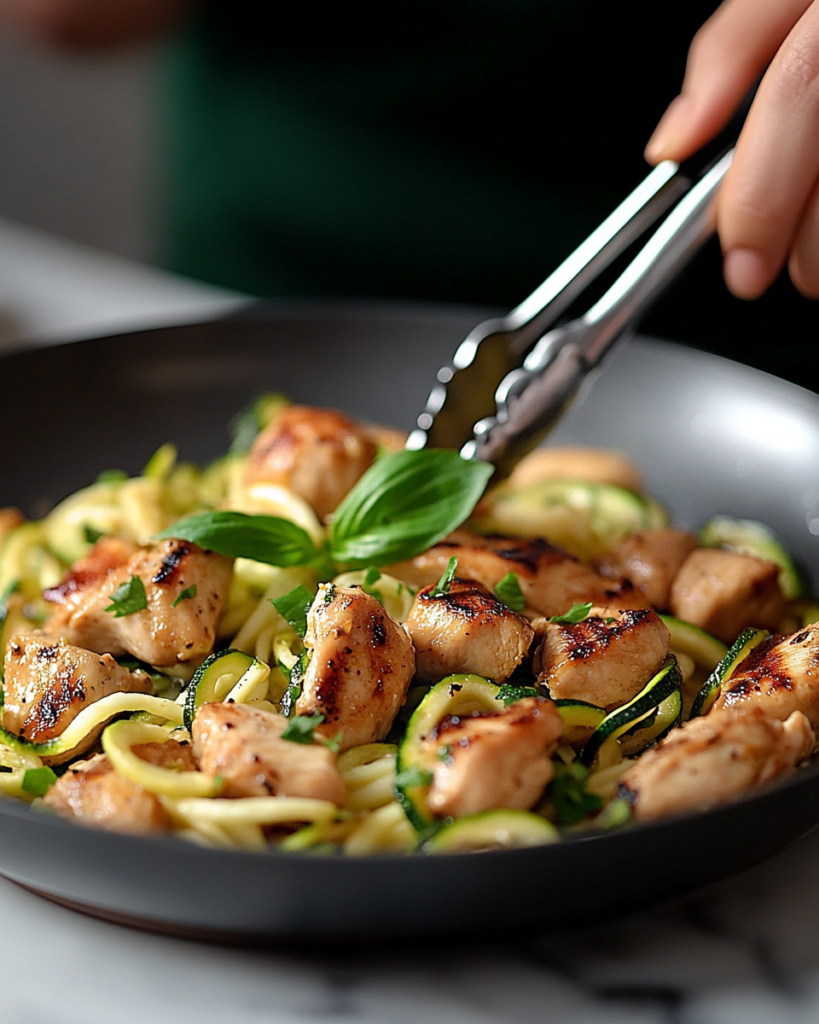
1. Cook the Pasta
Bring a large pot of salted water to a boil. Add the pasta and cook until al dente according to package instructions. Drain and set aside.
2. Sauté the Aromatics
Heat olive oil in a large pan over medium heat. Add onion and cook for 2–3 minutes until soft. Add garlic and sauté for another minute until fragrant.
3. Cook the Vegetables
Add zucchini and cook for 3–4 minutes until slightly tender. Then add cherry tomatoes and cook until they start to soften and release juices.
4. Add Sauce and Seasoning
Pour in the tomato sauce. Stir in salt, black pepper, oregano, and chili flakes. Let it simmer for 5–7 minutes.
5. Add Spinach
Stir in spinach and cook until just wilted. This adds nutrients and a fresh flavor to the dish.
6. Combine with Pasta
Add the cooked pasta to the pan and toss everything together until well coated in the sauce.
7. Finish and Serve
Top with a small sprinkle of Parmesan cheese and fresh basil. Serve warm.
Tips for the Best Low Calorie Pasta Meal
- Use whole wheat pasta: It adds fiber and keeps you full longer
- Don’t overdo the oil: A small amount is enough for flavor
- Load up on vegetables: They add volume without many calories
- Use herbs generously: They enhance flavor naturally
Healthy Variations
This recipe is easy to adjust based on your needs:
- Higher protein: Add grilled chicken breast, tofu, or chickpeas
- Extra veggies: Mushrooms, bell peppers, broccoli, or peas
- Creamy light version: Add a spoon of Greek yogurt instead of cream
- Spicy version: Increase chili flakes or add fresh chili
Serving Suggestions
This low calorie pasta meal pairs well with:
- Fresh cucumber and tomato salad
- Steamed vegetables
- Light vegetable soup
- Sparkling water with lemon
Frequently Asked Questions
1. Is pasta okay for weight loss?
Yes, pasta can be included in a weight loss plan when eaten in controlled portions and paired with nutrient-dense ingredients. Choosing whole wheat pasta and loading the dish with vegetables helps increase fiber, which keeps you full longer. The key is balance—avoiding heavy cream sauces and large portions while focusing on lighter, vegetable-based sauces like in this recipe.
2. How many calories are in a low calorie pasta meal?
The calorie content can vary depending on ingredients and portion size, but a typical serving of this recipe ranges between 350–450 calories. Using whole wheat pasta, minimal oil, and plenty of vegetables keeps it on the lighter side while still being satisfying and nutritious.
3. Can I meal prep this pasta?
Yes, this recipe is great for meal prep. You can store it in airtight containers in the refrigerator for up to 3 days. When reheating, add a splash of water or extra tomato sauce to bring back moisture. It reheats well and maintains its flavor, making it ideal for lunches or quick dinners.
4. What makes this pasta low calorie?
This dish is low in calories because it avoids heavy cream, excessive cheese, and butter. Instead, it uses olive oil in small amounts and relies on vegetables and tomato sauce for flavor. The focus is on whole, nutrient-rich ingredients that provide volume and satisfaction without unnecessary calories.
Final Thoughts
A low calorie pasta meal proves that healthy eating doesn’t have to be boring or restrictive. With the right combination of fresh vegetables, simple seasonings, and mindful ingredient choices, you can enjoy a satisfying bowl of pasta that supports your wellness goals without sacrificing flavor.
One of the best things about this recipe is how balanced it feels. You still get the comforting texture of pasta, the richness of a savory sauce, and the freshness of vegetables—all while keeping the dish light and nourishing. It’s a great option for anyone trying to eat healthier without giving up their favorite foods.
This recipe is also incredibly versatile. You can adjust it based on your dietary needs, add protein for a more filling meal, or swap vegetables depending on what’s in season. It fits easily into different lifestyles, whether you’re counting calories, eating more plant-based meals, or simply trying to eat cleaner.
It’s also perfect for busy days. With minimal prep and simple steps, you can have a wholesome meal on the table in under 30 minutes. That makes it ideal for weeknights when you want something quick but still homemade and satisfying.
Ultimately, this low calorie pasta meal is about balance and enjoyment. It shows that you don’t have to give up comfort food to eat well—you just need the right approach. Once you try it, it may become a regular part of your healthy meal rotation.