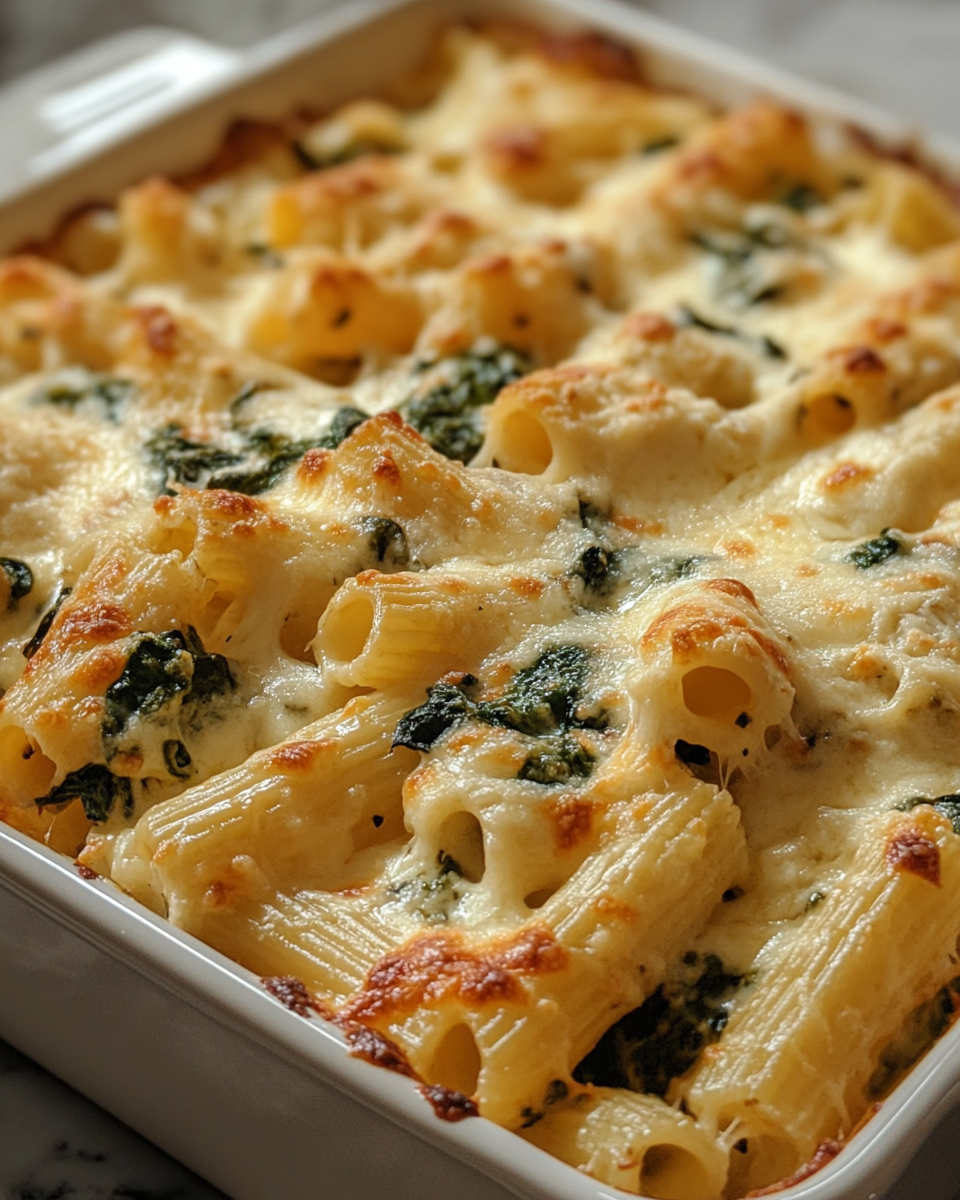
Creamy Spinach Parmesan Pasta 5-Step Simple Surprising

Posted on

Uncategorized

Difficulty

Prep time

Cooking time

Total time

Servings

Blackened Shrimp Pasta is a skillet-style pasta dish built around juicy shrimp coated in a smoky spice blend, then tossed with silky pasta and a rich, creamy sauce. The dish carries a deep Cajun-inspired character balanced with a smooth, buttery texture that coats every strand of pasta.

This recipe brings together heat from spices, sweetness from shrimp, and richness from a cream-based sauce. The result is a balanced pasta bowl that works well for a quick dinner or a relaxed weekend meal. Each component cooks quickly, making it a practical choice without sacrificing depth of flavor.

The blackened seasoning forms a crust on the shrimp when seared in a hot pan, creating a contrast with the creamy pasta sauce. Garlic, butter, and cream round out the sauce, while pasta absorbs all the seasoned drippings from the skillet.


Ingredients Overview

Shrimp sits at the center of this dish. Large shrimp are preferred because they stay juicy after high-heat cooking. The blackening spice mix usually contains paprika, garlic powder, onion powder, thyme, oregano, cayenne, salt, and black pepper. This blend gives the shrimp a smoky, slightly spicy crust when cooked in a hot pan.

Pasta acts as the base. Long noodles such as linguine or fettuccine work especially well because they hold onto the creamy sauce. The starch released during cooking helps thicken the sauce naturally.

Heavy cream creates the silky texture of the sauce. When combined with butter and parmesan cheese, it forms a smooth coating that clings to the pasta. Garlic adds aroma and depth, while a small amount of chicken broth or pasta water loosens the sauce to the right consistency.

Butter plays a key role in both flavor and cooking the shrimp. It helps carry the spices and supports browning in the skillet. Parmesan cheese adds saltiness and body to the sauce, melting into the cream for a cohesive finish.

A touch of lemon juice brightens the dish at the end, balancing the richness. Fresh parsley adds a light herbal note and color contrast.

Substitutions are simple. Shrimp can be replaced with chicken breast slices or scallops. Half-and-half can replace heavy cream for a lighter texture. Gluten-free pasta works well without changing the flavor structure.


Ingredients

1 pound large shrimp, peeled and deveined
2 teaspoons paprika
1 teaspoon garlic powder
1 teaspoon onion powder
1/2 teaspoon dried thyme
1/2 teaspoon dried oregano
1/4 teaspoon cayenne pepper
1 teaspoon salt
1/2 teaspoon black pepper
12 ounces linguine or fettuccine
2 tablespoons olive oil
3 tablespoons butter
4 cloves garlic, minced
1 cup heavy cream
1/2 cup chicken broth
3/4 cup grated parmesan cheese
1 tablespoon lemon juice
2 tablespoons chopped fresh parsley


Step-by-Step Instructions

Start by preparing the shrimp. Pat them dry using a paper towel so the seasoning adheres properly. In a bowl, combine paprika, garlic powder, onion powder, thyme, oregano, cayenne, salt, and black pepper. Coat the shrimp evenly with this spice mixture, making sure each piece is covered.

Bring a large pot of salted water to a boil and cook the pasta until it reaches a tender but firm texture. Reserve about one cup of pasta water before draining. This starchy liquid will help adjust the sauce later.

Heat a large skillet over medium-high heat and add olive oil. Once the pan is hot, place the shrimp in a single layer. Cook for about 1–2 minutes per side until a dark crust forms and the shrimp turn opaque. Remove them from the pan and set aside.

Lower the heat slightly and add butter to the same skillet. Once melted, add minced garlic and cook briefly until fragrant. Avoid browning the garlic to keep the flavor smooth.

Pour in chicken broth and stir, scraping the bottom of the pan to release any browned bits. Add heavy cream and let the mixture come to a gentle simmer. Stir slowly as the sauce begins to thicken.

Add parmesan cheese gradually, stirring until fully melted into the sauce. If the sauce becomes too thick, add a small amount of reserved pasta water until the texture becomes silky and smooth.

Add the cooked pasta directly into the sauce and toss until evenly coated. Return the shrimp to the skillet and gently mix everything together so the seasoning blends into the sauce.

Finish with lemon juice and chopped parsley. Stir lightly and allow the dish to rest for a minute so the sauce settles into the pasta.

Avoid cooking shrimp for too long, as they can become firm and lose tenderness. Also, keep the heat controlled when adding cream to prevent separation.


Tips, Variations & Substitutions

For deeper spice flavor, the shrimp can rest in the seasoning blend for 15–20 minutes before cooking. This allows the spices to absorb into the surface more fully.

If a thicker sauce is preferred, add extra parmesan cheese or reduce the cream slightly during simmering. For a thinner sauce, increase pasta water a little at a time.

Chicken or sliced sausage can replace shrimp while maintaining the same seasoning method. Vegetables like spinach, bell peppers, or mushrooms can be added to the sauce for extra texture.

Smoked paprika can replace regular paprika for a stronger smoky profile. For less heat, reduce cayenne or leave it out entirely.

For a lighter version, half-and-half can replace heavy cream, though the sauce will be slightly less rich.


Serving Ideas & Occasions

Blackened Shrimp Pasta works well as a main dish served fresh from the skillet. It pairs nicely with simple sides like steamed vegetables or a crisp green salad.

Garlic bread or toasted baguette slices complement the creamy sauce and help balance the texture of the meal.

A chilled citrus-based drink or sparkling water fits well alongside the dish, as the brightness contrasts the richness of the pasta.

This recipe suits quick evening meals, casual gatherings, or weekend dinners when a warm, filling dish is preferred without long preparation time.


Nutritional & Health Notes

This dish contains a balance of protein, carbohydrates, and fats. Shrimp provides lean protein with low fat content. Pasta supplies energy-rich carbohydrates, while the cream and butter contribute fat and richness.

Parmesan cheese adds calcium and protein but also increases sodium levels, so portion control can be considered based on dietary preferences.

Using whole wheat pasta can increase fiber content. Reducing cream or using lighter dairy options can lower overall fat content.

Shrimp also contains beneficial nutrients such as selenium and vitamin B12, making it a nutrient-dense protein source within the dish.


FAQs

Can frozen shrimp be used for this recipe?

Frozen shrimp can be used without issue. It is important to thaw them completely before cooking and remove excess moisture. Patting them dry helps the seasoning stick and supports proper browning in the skillet. Excess water can prevent the blackened crust from forming correctly, so drying is an important step.

What type of pasta works best?

Long pasta such as linguine or fettuccine works best because it holds the creamy sauce well. The sauce clings to the strands, creating a balanced bite of shrimp and seasoning in each forkful. Short pasta can also be used, though the texture experience will be slightly different.

Can the sauce be made lighter?

The sauce can be made lighter by replacing heavy cream with half-and-half or evaporated milk. This will reduce richness while still keeping a smooth texture. Reducing the amount of butter also lowers the fat content. The final result will be less thick but still flavorful.

How spicy is blackened shrimp pasta?

The spice level depends on the amount of cayenne used in the seasoning blend. With the listed measurements, the heat remains moderate. Reducing or removing cayenne will create a milder version. Adding extra paprika keeps the smoky depth without increasing heat.

Can this dish be prepared ahead of time?

The components can be prepared ahead, but the final mixing is best done fresh. Shrimp is at its best right after cooking, and the sauce thickens over time. If stored, adding a splash of milk or broth when reheating helps restore the sauce texture.

What vegetables pair well with this dish?

Spinach, bell peppers, mushrooms, or cherry tomatoes pair well with the creamy sauce. These vegetables add texture and balance without overpowering the seasoning of the shrimp. They can be sautéed in the same skillet before adding the sauce.

How do I prevent the sauce from becoming too thick?

If the sauce thickens too much, reserved pasta water can be added gradually while stirring. The starch in the water helps maintain a smooth consistency. Adding small amounts at a time allows better control over the final texture.

[rank_math_breadcrumb]

Creamy Spinach Parmesan Pasta 5-Step Simple Surprising

Photo of author
Author: Carol
Published:

Blackened Shrimp Pasta is a skillet-style pasta dish built around juicy shrimp coated in a smoky spice blend, then tossed with silky pasta and a rich, creamy sauce. The dish carries a deep Cajun-inspired character balanced with a smooth, buttery texture that coats every strand of pasta.

This recipe brings together heat from spices, sweetness from shrimp, and richness from a cream-based sauce. The result is a balanced pasta bowl that works well for a quick dinner or a relaxed weekend meal. Each component cooks quickly, making it a practical choice without sacrificing depth of flavor.

The blackened seasoning forms a crust on the shrimp when seared in a hot pan, creating a contrast with the creamy pasta sauce. Garlic, butter, and cream round out the sauce, while pasta absorbs all the seasoned drippings from the skillet.


Ingredients Overview

Shrimp sits at the center of this dish. Large shrimp are preferred because they stay juicy after high-heat cooking. The blackening spice mix usually contains paprika, garlic powder, onion powder, thyme, oregano, cayenne, salt, and black pepper. This blend gives the shrimp a smoky, slightly spicy crust when cooked in a hot pan.

Pasta acts as the base. Long noodles such as linguine or fettuccine work especially well because they hold onto the creamy sauce. The starch released during cooking helps thicken the sauce naturally.

Heavy cream creates the silky texture of the sauce. When combined with butter and parmesan cheese, it forms a smooth coating that clings to the pasta. Garlic adds aroma and depth, while a small amount of chicken broth or pasta water loosens the sauce to the right consistency.

Butter plays a key role in both flavor and cooking the shrimp. It helps carry the spices and supports browning in the skillet. Parmesan cheese adds saltiness and body to the sauce, melting into the cream for a cohesive finish.

A touch of lemon juice brightens the dish at the end, balancing the richness. Fresh parsley adds a light herbal note and color contrast.

Substitutions are simple. Shrimp can be replaced with chicken breast slices or scallops. Half-and-half can replace heavy cream for a lighter texture. Gluten-free pasta works well without changing the flavor structure.


Ingredients

1 pound large shrimp, peeled and deveined
2 teaspoons paprika
1 teaspoon garlic powder
1 teaspoon onion powder
1/2 teaspoon dried thyme
1/2 teaspoon dried oregano
1/4 teaspoon cayenne pepper
1 teaspoon salt
1/2 teaspoon black pepper
12 ounces linguine or fettuccine
2 tablespoons olive oil
3 tablespoons butter
4 cloves garlic, minced
1 cup heavy cream
1/2 cup chicken broth
3/4 cup grated parmesan cheese
1 tablespoon lemon juice
2 tablespoons chopped fresh parsley


Step-by-Step Instructions

Start by preparing the shrimp. Pat them dry using a paper towel so the seasoning adheres properly. In a bowl, combine paprika, garlic powder, onion powder, thyme, oregano, cayenne, salt, and black pepper. Coat the shrimp evenly with this spice mixture, making sure each piece is covered.

Bring a large pot of salted water to a boil and cook the pasta until it reaches a tender but firm texture. Reserve about one cup of pasta water before draining. This starchy liquid will help adjust the sauce later.

Heat a large skillet over medium-high heat and add olive oil. Once the pan is hot, place the shrimp in a single layer. Cook for about 1–2 minutes per side until a dark crust forms and the shrimp turn opaque. Remove them from the pan and set aside.

Lower the heat slightly and add butter to the same skillet. Once melted, add minced garlic and cook briefly until fragrant. Avoid browning the garlic to keep the flavor smooth.

Pour in chicken broth and stir, scraping the bottom of the pan to release any browned bits. Add heavy cream and let the mixture come to a gentle simmer. Stir slowly as the sauce begins to thicken.

Add parmesan cheese gradually, stirring until fully melted into the sauce. If the sauce becomes too thick, add a small amount of reserved pasta water until the texture becomes silky and smooth.

Add the cooked pasta directly into the sauce and toss until evenly coated. Return the shrimp to the skillet and gently mix everything together so the seasoning blends into the sauce.

Finish with lemon juice and chopped parsley. Stir lightly and allow the dish to rest for a minute so the sauce settles into the pasta.

Avoid cooking shrimp for too long, as they can become firm and lose tenderness. Also, keep the heat controlled when adding cream to prevent separation.


Tips, Variations & Substitutions

For deeper spice flavor, the shrimp can rest in the seasoning blend for 15–20 minutes before cooking. This allows the spices to absorb into the surface more fully.

If a thicker sauce is preferred, add extra parmesan cheese or reduce the cream slightly during simmering. For a thinner sauce, increase pasta water a little at a time.

Chicken or sliced sausage can replace shrimp while maintaining the same seasoning method. Vegetables like spinach, bell peppers, or mushrooms can be added to the sauce for extra texture.

Smoked paprika can replace regular paprika for a stronger smoky profile. For less heat, reduce cayenne or leave it out entirely.

For a lighter version, half-and-half can replace heavy cream, though the sauce will be slightly less rich.


Serving Ideas & Occasions

Blackened Shrimp Pasta works well as a main dish served fresh from the skillet. It pairs nicely with simple sides like steamed vegetables or a crisp green salad.

Garlic bread or toasted baguette slices complement the creamy sauce and help balance the texture of the meal.

A chilled citrus-based drink or sparkling water fits well alongside the dish, as the brightness contrasts the richness of the pasta.

This recipe suits quick evening meals, casual gatherings, or weekend dinners when a warm, filling dish is preferred without long preparation time.


Nutritional & Health Notes

This dish contains a balance of protein, carbohydrates, and fats. Shrimp provides lean protein with low fat content. Pasta supplies energy-rich carbohydrates, while the cream and butter contribute fat and richness.

Parmesan cheese adds calcium and protein but also increases sodium levels, so portion control can be considered based on dietary preferences.

Using whole wheat pasta can increase fiber content. Reducing cream or using lighter dairy options can lower overall fat content.

Shrimp also contains beneficial nutrients such as selenium and vitamin B12, making it a nutrient-dense protein source within the dish.


FAQs

Can frozen shrimp be used for this recipe?

Frozen shrimp can be used without issue. It is important to thaw them completely before cooking and remove excess moisture. Patting them dry helps the seasoning stick and supports proper browning in the skillet. Excess water can prevent the blackened crust from forming correctly, so drying is an important step.

What type of pasta works best?

Long pasta such as linguine or fettuccine works best because it holds the creamy sauce well. The sauce clings to the strands, creating a balanced bite of shrimp and seasoning in each forkful. Short pasta can also be used, though the texture experience will be slightly different.

Can the sauce be made lighter?

The sauce can be made lighter by replacing heavy cream with half-and-half or evaporated milk. This will reduce richness while still keeping a smooth texture. Reducing the amount of butter also lowers the fat content. The final result will be less thick but still flavorful.

How spicy is blackened shrimp pasta?

The spice level depends on the amount of cayenne used in the seasoning blend. With the listed measurements, the heat remains moderate. Reducing or removing cayenne will create a milder version. Adding extra paprika keeps the smoky depth without increasing heat.

Can this dish be prepared ahead of time?

The components can be prepared ahead, but the final mixing is best done fresh. Shrimp is at its best right after cooking, and the sauce thickens over time. If stored, adding a splash of milk or broth when reheating helps restore the sauce texture.

What vegetables pair well with this dish?

Spinach, bell peppers, mushrooms, or cherry tomatoes pair well with the creamy sauce. These vegetables add texture and balance without overpowering the seasoning of the shrimp. They can be sautéed in the same skillet before adding the sauce.

How do I prevent the sauce from becoming too thick?

If the sauce thickens too much, reserved pasta water can be added gradually while stirring. The starch in the water helps maintain a smooth consistency. Adding small amounts at a time allows better control over the final texture.
Name

Lorem ipsum dolor sit amet, consectetur adipiscing elit. Suspendisse varius enim in eros elementum tristique. Duis cursus, mi quis viverra ornare, eros dolor interdum nulla, ut commodo diam libero vitae erat.

You Might Also Like...

Lemon Herb Chicken Thighs: 7 Cozy Family Favorites

Lemon Herb Chicken Thighs: 7 Cozy Family Favorites

Beef and Broccoli Stir Fry: 6 Savory Skillet Favorites

Beef and Broccoli Stir Fry: 6 Savory Skillet Favorites

Creamy Cajun Chicken Pasta: 5 Rich Dinner Favorites

Creamy Cajun Chicken Pasta: 5 Rich Dinner Favorites

Garlic Butter Chicken Bake: 5 Cozy Family Dinner Tips

Garlic Butter Chicken Bake: 5 Cozy Family Dinner Tips

Tags:

You might also like these recipes

Leave a Comment