Lemon Herb Chicken Thighs: 7 Cozy Family Favorites

Posted on

Uncategorized

Difficulty

Prep time

Cooking time

Total time

Servings

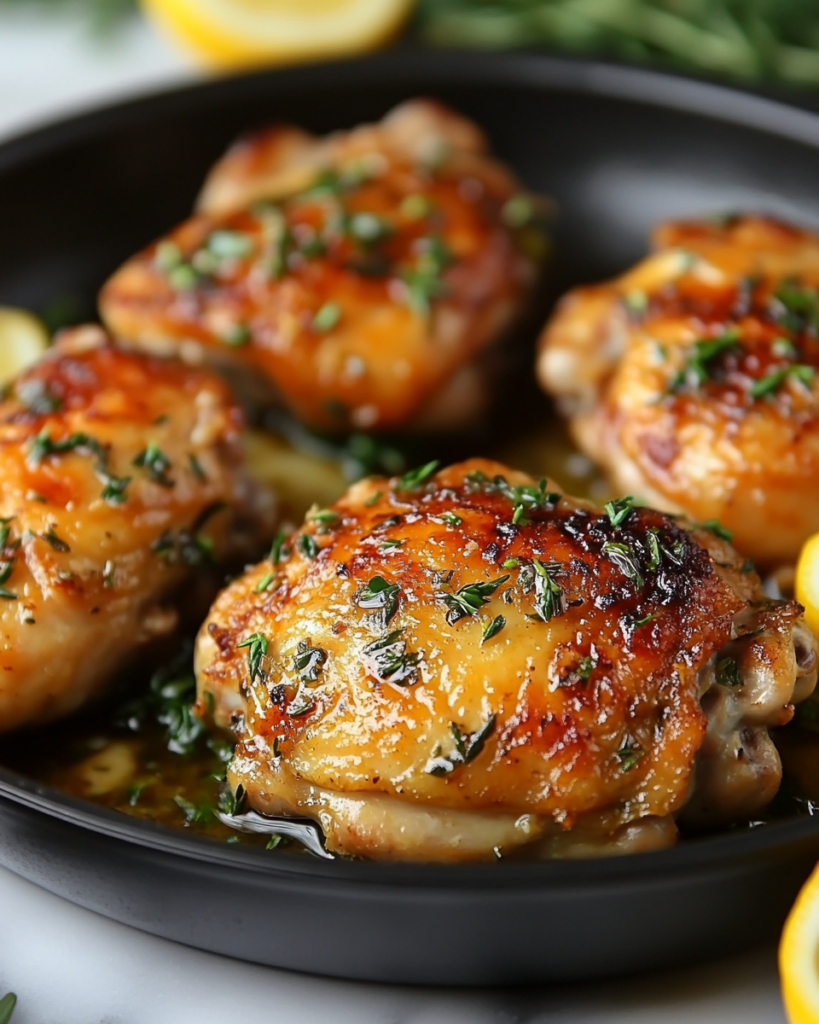
Lemon Herb Chicken Thighs combine juicy chicken, fresh herbs, garlic, and bright citrus flavor in one comforting and satisfying meal. The chicken develops beautifully golden skin while staying tender and flavorful inside, making this recipe perfect for weeknight dinners or relaxed weekend meals.

Fresh lemon juice brings brightness that balances the rich flavor of chicken thighs, while herbs and garlic create savory depth throughout the dish. Roasting the chicken allows the marinade to soak into the meat while the skin becomes crisp around the edges.

Lemon Herb Chicken Thighs pair naturally with vegetables, rice, potatoes, or salads, making the recipe flexible for many dinner situations. The preparation remains simple while delivering rich flavor with very little effort.

Ingredients Overview
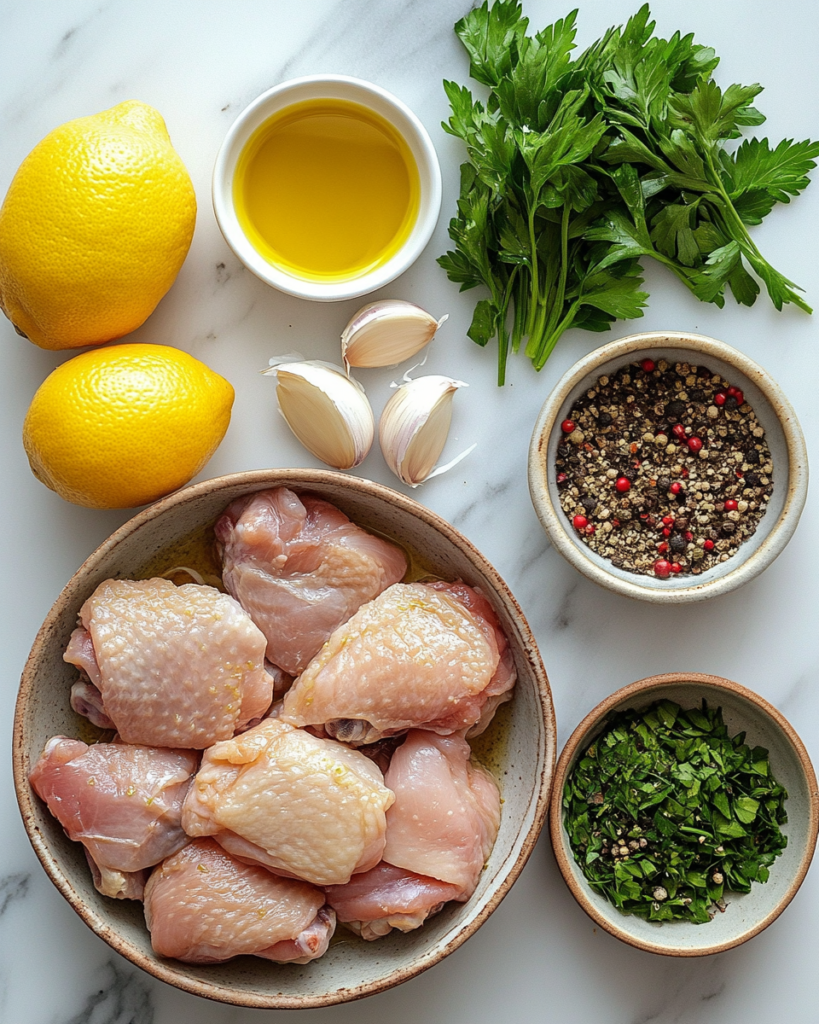
Bone-in, skin-on chicken thighs work especially well for this recipe because they stay juicy during roasting and develop crispy golden skin. Boneless thighs may also be used for quicker cooking, though bone-in thighs usually provide deeper flavor and more moisture.

Fresh lemon juice gives the chicken its bright citrus flavor while helping tenderize the meat slightly during marinating. Lemon zest adds concentrated citrus aroma that blends naturally with garlic and herbs.

Garlic creates savory richness throughout the marinade. Fresh minced garlic works best because it releases natural oils and flavor directly into the chicken as it cooks.

Olive oil helps carry the herbs and seasonings across the chicken while supporting even browning in the oven. Italian seasoning creates balanced herb flavor, while fresh parsley and thyme add freshness near the end of cooking.

Paprika gives mild warmth and richer color to the roasted skin. Salt and black pepper help balance the brightness from the lemon while deepening the savory flavor of the chicken.

Potatoes, carrots, onions, or green beans may roast alongside the chicken beautifully. The juices from the chicken and lemon marinade naturally season the vegetables during cooking.

This recipe adapts easily with different herb combinations. Rosemary, oregano, or basil may all work nicely depending on preference and seasonal ingredients available at home.

Ingredients

6 bone-in, skin-on chicken thighs
3 tablespoons olive oil
3 tablespoons fresh lemon juice
1 tablespoon lemon zest
4 cloves garlic, minced
1 teaspoon Italian seasoning
1 teaspoon chopped fresh thyme
1 teaspoon paprika
1 teaspoon salt
1/2 teaspoon black pepper
1 tablespoon chopped fresh parsley
1 small lemon, sliced

Step-by-Step Instructions
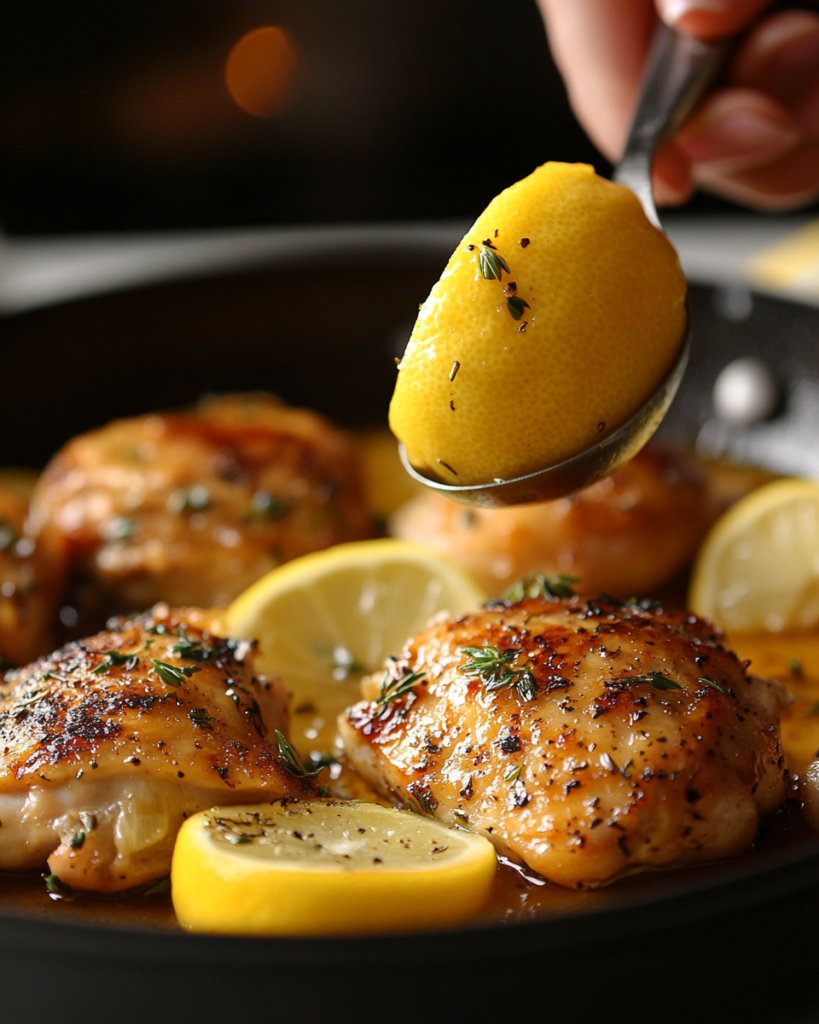
Preheat the oven to 400 degrees Fahrenheit. Lightly grease a large baking dish or oven-safe skillet to prevent sticking during roasting.

Pat the chicken thighs dry thoroughly with paper towels. Dry skin helps the chicken roast properly and become crisp instead of steaming in the oven.

In a medium bowl, whisk together olive oil, lemon juice, lemon zest, garlic, Italian seasoning, thyme, paprika, salt, and black pepper. The marinade should appear smooth and fragrant.

Place the chicken thighs into a large bowl or shallow dish. Pour the marinade over the chicken and rub it thoroughly across both sides and beneath the skin where possible. Allow the chicken to marinate for at least thirty minutes. For deeper flavor, marinate for up to four hours in the refrigerator.

Arrange the chicken thighs skin-side up in the prepared baking dish. Pour any remaining marinade over the chicken. Tuck lemon slices around and slightly beneath the chicken pieces for extra citrus flavor during roasting.

Place the baking dish into the oven uncovered. Roast for about thirty-five to forty-five minutes depending on the size of the thighs. The skin should become golden and slightly crisp while the internal temperature reaches 175 degrees Fahrenheit near the bone.

Halfway through cooking, spoon some of the pan juices over the chicken to keep the surface flavorful and moist. Avoid covering the dish during roasting because trapped steam softens the skin.

If the skin needs additional browning near the end of cooking, place the dish under the broiler for two to three minutes while watching carefully. The lemon slices may caramelize slightly around the edges, adding deeper flavor.

Remove the chicken from the oven and allow it to rest for about five minutes before serving. Resting helps the juices settle back into the meat for tender texture.

Sprinkle chopped parsley over the chicken shortly before serving for fresh color and flavor. Spoon some of the warm lemon juices from the pan over each serving.

Tips, Variations & Substitutions

Bone-in chicken thighs stay especially juicy during roasting, though boneless thighs also work nicely when shorter cooking time is preferred. Boneless thighs usually finish cooking in about twenty-five to thirty minutes.

Fresh lemon juice gives the brightest flavor, while bottled juice may taste slightly sharper and less fresh. Lemon zest should always come from well-washed lemons before juicing.

Fresh herbs bring lighter flavor and color, though dried herbs may work if fresh herbs are unavailable. When using dried herbs, slightly reduce the amount since dried herbs taste more concentrated.

For extra richness, small pieces of butter may be placed over the chicken before roasting. Garlic powder may also supplement fresh garlic for deeper savory flavor.

Potatoes, carrots, onions, or zucchini roast beautifully beside the chicken and absorb the flavorful lemon juices during cooking. Vegetables should be cut into evenly sized pieces for proper roasting.

For stronger herb flavor, rosemary and oregano pair especially well with lemon and chicken. Red pepper flakes may also add gentle warmth if desired.

Store leftovers in airtight containers for up to four days in the refrigerator. Reheat uncovered in the oven to help maintain crisp skin.

Serving Ideas & Occasions

Lemon Herb Chicken Thighs pair beautifully with roasted potatoes, rice pilaf, buttered noodles, or creamy mashed potatoes. The bright lemon flavor balances hearty side dishes very naturally.

Steamed green beans, roasted asparagus, or simple garden salads also work wonderfully beside the savory chicken. Fresh vegetables add texture and freshness that complement the roasted herbs and garlic.

This recipe suits weeknight family dinners, casual gatherings, holiday meals, or outdoor summer dinners. Since the preparation stays straightforward, the dish works well for both busy schedules and relaxed cooking evenings.

Warm dinner rolls or crusty bread pair nicely for soaking up the flavorful pan juices. Sparkling water with lemon or lightly sweetened iced tea also complement the citrus flavor beautifully.

Leftovers slice well for salads, wraps, grain bowls, or lunch plates the following day.

Nutritional & Health Notes

Chicken thighs provide protein, iron, and several important nutrients while offering richer flavor than leaner chicken cuts. Removing some skin after cooking may slightly reduce fat content if preferred.

Lemon juice and herbs bring strong flavor without relying heavily on rich sauces or large amounts of added ingredients. Garlic also contributes savory depth while keeping the dish simple and balanced.

Olive oil supplies healthy fats that help the herbs and citrus coat the chicken evenly during roasting. Pairing the chicken with vegetables or whole grains can create a more balanced meal overall.

Roasting allows excess fat to drip into the pan while concentrating flavor naturally. Using fresh herbs and lemon also helps maintain bright flavor without excessive sodium.

Since seasoning blends and broth are not heavily used in this recipe, salt levels remain easier to control during preparation.

FAQs

Can I use boneless chicken thighs?

Yes, boneless chicken thighs work very well in this recipe and cook faster than bone-in thighs. Boneless pieces usually finish roasting in about twenty-five to thirty minutes depending on thickness. Since boneless thighs contain less insulation from the bone, checking temperature early helps prevent overcooking. They still remain juicy because chicken thighs naturally carry slightly more fat than chicken breast. Boneless thighs also absorb marinade quickly, making them convenient for shorter marinating times. While bone-in thighs often create deeper flavor and crispier skin, boneless versions remain tender and flavorful while offering easier serving and quicker preparation during busy evenings.

How long should I marinate the chicken?

Thirty minutes provides enough time for the lemon, herbs, and garlic to flavor the chicken nicely. However, marinating for two to four hours creates deeper flavor throughout the meat. Extremely long marinating times are usually unnecessary because lemon juice contains acid that may eventually affect texture if left too long. Overnight marinating can sometimes make the surface slightly mushy. Refrigerating the chicken while marinating keeps it safe and helps the herbs blend naturally into the meat. Allowing the chicken to rest briefly at room temperature before roasting also encourages more even cooking and better browning in the oven.

Why are my chicken thighs not crispy?

Moisture usually prevents chicken skin from becoming crisp. Patting the chicken dry thoroughly before adding marinade helps the skin roast properly rather than steam. Roasting uncovered also plays an important role because trapped steam softens the surface. Keeping the oven temperature high enough encourages browning and crisp texture around the edges. If the skin still appears pale near the end of cooking, placing the chicken under the broiler for a few minutes often helps. Avoid overcrowding the baking dish since crowded chicken releases moisture into the pan and limits proper roasting and airflow around the skin.

Can I cook this recipe on the grill?

Yes, Lemon Herb Chicken Thighs taste wonderful on the grill. Bone-in thighs hold up especially well because they stay moist over direct heat. Preheat the grill to medium heat and oil the grates lightly to reduce sticking. Place the chicken skin-side down first to create grill marks and crisp texture. Turn the chicken occasionally and cook until the internal temperature reaches 175 degrees Fahrenheit near the bone. Since lemon marinade contains natural sugars and acids, watching carefully prevents excessive charring. Grilling also adds slight smoky flavor that pairs beautifully with the herbs and bright lemon seasoning throughout the chicken.

What vegetables pair best with this recipe?

Roasted potatoes remain one of the most popular side dishes because they absorb the lemon and garlic juices beautifully during cooking. Carrots, onions, asparagus, zucchini, and green beans also pair naturally with the savory chicken flavor. Vegetables with mild sweetness balance the citrus especially well. Roasting vegetables directly beside the chicken allows them to absorb flavorful juices from the pan while becoming tender and golden. Fresh salads with cucumber or tomatoes also create refreshing contrast beside the warm roasted chicken. Since the dish already contains bright herb flavor, simple vegetable preparations usually work best without overly rich sauces.

Can I freeze cooked chicken thighs?

Cooked Lemon Herb Chicken Thighs freeze well when cooled fully before storage. Place the chicken into airtight freezer-safe containers or tightly wrapped freezer bags. Properly stored chicken generally keeps well for about three months. Thaw overnight in the refrigerator before reheating. Reheating uncovered in the oven helps maintain better texture than microwaving alone, especially for the skin. Adding a spoonful of pan juices or broth during reheating may help maintain moisture. Although the skin may not stay quite as crisp after freezing, the chicken still carries excellent lemon and herb flavor that works beautifully in future meals or lunches.

How do I know when chicken thighs are fully cooked?

The safest way to check doneness is with a meat thermometer inserted near the thickest part of the thigh without touching the bone. Chicken thighs usually taste best around 175 degrees Fahrenheit because the extra cooking time helps break down connective tissue for tender texture. The juices should run mostly clear rather than pink, and the meat should pull apart easily with a fork. Since ovens vary slightly, checking the chicken several minutes before the expected cooking time helps prevent overcooking. Resting the chicken briefly after roasting also allows juices to redistribute evenly throughout the meat for better flavor and texture.

[rank_math_breadcrumb]

Lemon Herb Chicken Thighs: 7 Cozy Family Favorites

Photo of author
Author: Carol
Published:

Lemon Herb Chicken Thighs combine juicy chicken, fresh herbs, garlic, and bright citrus flavor in one comforting and satisfying meal. The chicken develops beautifully golden skin while staying tender and flavorful inside, making this recipe perfect for weeknight dinners or relaxed weekend meals.

Fresh lemon juice brings brightness that balances the rich flavor of chicken thighs, while herbs and garlic create savory depth throughout the dish. Roasting the chicken allows the marinade to soak into the meat while the skin becomes crisp around the edges.

Lemon Herb Chicken Thighs pair naturally with vegetables, rice, potatoes, or salads, making the recipe flexible for many dinner situations. The preparation remains simple while delivering rich flavor with very little effort.

Ingredients Overview

Bone-in, skin-on chicken thighs work especially well for this recipe because they stay juicy during roasting and develop crispy golden skin. Boneless thighs may also be used for quicker cooking, though bone-in thighs usually provide deeper flavor and more moisture.

Fresh lemon juice gives the chicken its bright citrus flavor while helping tenderize the meat slightly during marinating. Lemon zest adds concentrated citrus aroma that blends naturally with garlic and herbs.

Garlic creates savory richness throughout the marinade. Fresh minced garlic works best because it releases natural oils and flavor directly into the chicken as it cooks.

Olive oil helps carry the herbs and seasonings across the chicken while supporting even browning in the oven. Italian seasoning creates balanced herb flavor, while fresh parsley and thyme add freshness near the end of cooking.

Paprika gives mild warmth and richer color to the roasted skin. Salt and black pepper help balance the brightness from the lemon while deepening the savory flavor of the chicken.

Potatoes, carrots, onions, or green beans may roast alongside the chicken beautifully. The juices from the chicken and lemon marinade naturally season the vegetables during cooking.

This recipe adapts easily with different herb combinations. Rosemary, oregano, or basil may all work nicely depending on preference and seasonal ingredients available at home.

Ingredients

6 bone-in, skin-on chicken thighs
3 tablespoons olive oil
3 tablespoons fresh lemon juice
1 tablespoon lemon zest
4 cloves garlic, minced
1 teaspoon Italian seasoning
1 teaspoon chopped fresh thyme
1 teaspoon paprika
1 teaspoon salt
1/2 teaspoon black pepper
1 tablespoon chopped fresh parsley
1 small lemon, sliced

Step-by-Step Instructions

Preheat the oven to 400 degrees Fahrenheit. Lightly grease a large baking dish or oven-safe skillet to prevent sticking during roasting.

Pat the chicken thighs dry thoroughly with paper towels. Dry skin helps the chicken roast properly and become crisp instead of steaming in the oven.

In a medium bowl, whisk together olive oil, lemon juice, lemon zest, garlic, Italian seasoning, thyme, paprika, salt, and black pepper. The marinade should appear smooth and fragrant.

Place the chicken thighs into a large bowl or shallow dish. Pour the marinade over the chicken and rub it thoroughly across both sides and beneath the skin where possible. Allow the chicken to marinate for at least thirty minutes. For deeper flavor, marinate for up to four hours in the refrigerator.

Arrange the chicken thighs skin-side up in the prepared baking dish. Pour any remaining marinade over the chicken. Tuck lemon slices around and slightly beneath the chicken pieces for extra citrus flavor during roasting.

Place the baking dish into the oven uncovered. Roast for about thirty-five to forty-five minutes depending on the size of the thighs. The skin should become golden and slightly crisp while the internal temperature reaches 175 degrees Fahrenheit near the bone.

Halfway through cooking, spoon some of the pan juices over the chicken to keep the surface flavorful and moist. Avoid covering the dish during roasting because trapped steam softens the skin.

If the skin needs additional browning near the end of cooking, place the dish under the broiler for two to three minutes while watching carefully. The lemon slices may caramelize slightly around the edges, adding deeper flavor.

Remove the chicken from the oven and allow it to rest for about five minutes before serving. Resting helps the juices settle back into the meat for tender texture.

Sprinkle chopped parsley over the chicken shortly before serving for fresh color and flavor. Spoon some of the warm lemon juices from the pan over each serving.

Tips, Variations & Substitutions

Bone-in chicken thighs stay especially juicy during roasting, though boneless thighs also work nicely when shorter cooking time is preferred. Boneless thighs usually finish cooking in about twenty-five to thirty minutes.

Fresh lemon juice gives the brightest flavor, while bottled juice may taste slightly sharper and less fresh. Lemon zest should always come from well-washed lemons before juicing.

Fresh herbs bring lighter flavor and color, though dried herbs may work if fresh herbs are unavailable. When using dried herbs, slightly reduce the amount since dried herbs taste more concentrated.

For extra richness, small pieces of butter may be placed over the chicken before roasting. Garlic powder may also supplement fresh garlic for deeper savory flavor.

Potatoes, carrots, onions, or zucchini roast beautifully beside the chicken and absorb the flavorful lemon juices during cooking. Vegetables should be cut into evenly sized pieces for proper roasting.

For stronger herb flavor, rosemary and oregano pair especially well with lemon and chicken. Red pepper flakes may also add gentle warmth if desired.

Store leftovers in airtight containers for up to four days in the refrigerator. Reheat uncovered in the oven to help maintain crisp skin.

Serving Ideas & Occasions

Lemon Herb Chicken Thighs pair beautifully with roasted potatoes, rice pilaf, buttered noodles, or creamy mashed potatoes. The bright lemon flavor balances hearty side dishes very naturally.

Steamed green beans, roasted asparagus, or simple garden salads also work wonderfully beside the savory chicken. Fresh vegetables add texture and freshness that complement the roasted herbs and garlic.

This recipe suits weeknight family dinners, casual gatherings, holiday meals, or outdoor summer dinners. Since the preparation stays straightforward, the dish works well for both busy schedules and relaxed cooking evenings.

Warm dinner rolls or crusty bread pair nicely for soaking up the flavorful pan juices. Sparkling water with lemon or lightly sweetened iced tea also complement the citrus flavor beautifully.

Leftovers slice well for salads, wraps, grain bowls, or lunch plates the following day.

Nutritional & Health Notes

Chicken thighs provide protein, iron, and several important nutrients while offering richer flavor than leaner chicken cuts. Removing some skin after cooking may slightly reduce fat content if preferred.

Lemon juice and herbs bring strong flavor without relying heavily on rich sauces or large amounts of added ingredients. Garlic also contributes savory depth while keeping the dish simple and balanced.

Olive oil supplies healthy fats that help the herbs and citrus coat the chicken evenly during roasting. Pairing the chicken with vegetables or whole grains can create a more balanced meal overall.

Roasting allows excess fat to drip into the pan while concentrating flavor naturally. Using fresh herbs and lemon also helps maintain bright flavor without excessive sodium.

Since seasoning blends and broth are not heavily used in this recipe, salt levels remain easier to control during preparation.

FAQs

Can I use boneless chicken thighs?

Yes, boneless chicken thighs work very well in this recipe and cook faster than bone-in thighs. Boneless pieces usually finish roasting in about twenty-five to thirty minutes depending on thickness. Since boneless thighs contain less insulation from the bone, checking temperature early helps prevent overcooking. They still remain juicy because chicken thighs naturally carry slightly more fat than chicken breast. Boneless thighs also absorb marinade quickly, making them convenient for shorter marinating times. While bone-in thighs often create deeper flavor and crispier skin, boneless versions remain tender and flavorful while offering easier serving and quicker preparation during busy evenings.

How long should I marinate the chicken?

Thirty minutes provides enough time for the lemon, herbs, and garlic to flavor the chicken nicely. However, marinating for two to four hours creates deeper flavor throughout the meat. Extremely long marinating times are usually unnecessary because lemon juice contains acid that may eventually affect texture if left too long. Overnight marinating can sometimes make the surface slightly mushy. Refrigerating the chicken while marinating keeps it safe and helps the herbs blend naturally into the meat. Allowing the chicken to rest briefly at room temperature before roasting also encourages more even cooking and better browning in the oven.

Why are my chicken thighs not crispy?

Moisture usually prevents chicken skin from becoming crisp. Patting the chicken dry thoroughly before adding marinade helps the skin roast properly rather than steam. Roasting uncovered also plays an important role because trapped steam softens the surface. Keeping the oven temperature high enough encourages browning and crisp texture around the edges. If the skin still appears pale near the end of cooking, placing the chicken under the broiler for a few minutes often helps. Avoid overcrowding the baking dish since crowded chicken releases moisture into the pan and limits proper roasting and airflow around the skin.

Can I cook this recipe on the grill?

Yes, Lemon Herb Chicken Thighs taste wonderful on the grill. Bone-in thighs hold up especially well because they stay moist over direct heat. Preheat the grill to medium heat and oil the grates lightly to reduce sticking. Place the chicken skin-side down first to create grill marks and crisp texture. Turn the chicken occasionally and cook until the internal temperature reaches 175 degrees Fahrenheit near the bone. Since lemon marinade contains natural sugars and acids, watching carefully prevents excessive charring. Grilling also adds slight smoky flavor that pairs beautifully with the herbs and bright lemon seasoning throughout the chicken.

What vegetables pair best with this recipe?

Roasted potatoes remain one of the most popular side dishes because they absorb the lemon and garlic juices beautifully during cooking. Carrots, onions, asparagus, zucchini, and green beans also pair naturally with the savory chicken flavor. Vegetables with mild sweetness balance the citrus especially well. Roasting vegetables directly beside the chicken allows them to absorb flavorful juices from the pan while becoming tender and golden. Fresh salads with cucumber or tomatoes also create refreshing contrast beside the warm roasted chicken. Since the dish already contains bright herb flavor, simple vegetable preparations usually work best without overly rich sauces.

Can I freeze cooked chicken thighs?

Cooked Lemon Herb Chicken Thighs freeze well when cooled fully before storage. Place the chicken into airtight freezer-safe containers or tightly wrapped freezer bags. Properly stored chicken generally keeps well for about three months. Thaw overnight in the refrigerator before reheating. Reheating uncovered in the oven helps maintain better texture than microwaving alone, especially for the skin. Adding a spoonful of pan juices or broth during reheating may help maintain moisture. Although the skin may not stay quite as crisp after freezing, the chicken still carries excellent lemon and herb flavor that works beautifully in future meals or lunches.

How do I know when chicken thighs are fully cooked?

The safest way to check doneness is with a meat thermometer inserted near the thickest part of the thigh without touching the bone. Chicken thighs usually taste best around 175 degrees Fahrenheit because the extra cooking time helps break down connective tissue for tender texture. The juices should run mostly clear rather than pink, and the meat should pull apart easily with a fork. Since ovens vary slightly, checking the chicken several minutes before the expected cooking time helps prevent overcooking. Resting the chicken briefly after roasting also allows juices to redistribute evenly throughout the meat for better flavor and texture.
Name

Lorem ipsum dolor sit amet, consectetur adipiscing elit. Suspendisse varius enim in eros elementum tristique. Duis cursus, mi quis viverra ornare, eros dolor interdum nulla, ut commodo diam libero vitae erat.

You Might Also Like...

Beef and Broccoli Stir Fry: 6 Savory Skillet Favorites

Beef and Broccoli Stir Fry: 6 Savory Skillet Favorites

Creamy Cajun Chicken Pasta: 5 Rich Dinner Favorites

Creamy Cajun Chicken Pasta: 5 Rich Dinner Favorites

Garlic Butter Chicken Bake: 5 Cozy Family Dinner Tips

Garlic Butter Chicken Bake: 5 Cozy Family Dinner Tips

Creamy Garlic Beef Pasta: 5 Rich Comfort Food Dinners

Creamy Garlic Beef Pasta: 5 Rich Comfort Food Dinners

Tags:

You might also like these recipes

Leave a Comment