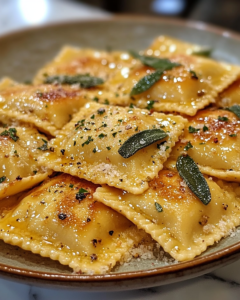
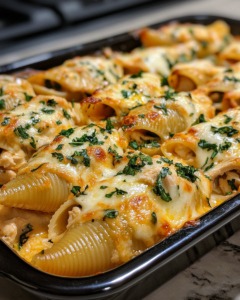
Creamy Parmesan Shell Pasta 1 Easy Cozy Delight

Posted on

Uncategorized

Difficulty

Prep time

Cooking time

Total time

Servings

Juicy chicken thighs coated in a glossy honey garlic glaze bring together rich savory notes with gentle sweetness in a skillet-friendly dish that fits weeknight cooking and relaxed dinners. Honey Garlic Chicken Thighs is a dish known for its caramelized edges, tender meat, and sauce that clings beautifully to every bite.

This recipe works well with bone-in or boneless chicken thighs, and it relies on a short ingredient list that transforms into deep flavor with a quick stovetop sear and simmer. The garlic softens into the sauce while the honey thickens slightly, creating a sticky coating that feels comforting and balanced.

It is the kind of dish that fits rice bowls, simple vegetable sides, or even mashed potatoes. The cooking method stays straightforward, focusing on building flavor in layers without complicated steps or specialty equipment.


Ingredients Overview

Chicken thighs are the foundation of this dish, offering rich flavor and staying juicy even under high heat. Bone-in thighs provide extra depth, while boneless thighs cook a bit faster and are easier to portion for meals. The skin, when left on, becomes crisp during searing and adds texture contrast to the glaze.

Honey brings natural sweetness and helps create the signature glossy coating. It thickens as it cooks, allowing it to cling to the chicken while also balancing the savory elements. Different honey varieties can slightly shift the flavor, from mild floral notes to deeper, more robust tones.

Garlic is essential here, offering aromatic depth that infuses the sauce. Freshly minced garlic gives a stronger punch compared to pre-chopped versions. When cooked gently, it softens and blends into the sauce without bitterness.

Soy sauce provides saltiness and umami, grounding the sweetness of the honey. It also helps deepen the color of the glaze. A light soy sauce keeps the dish balanced, while a darker one will make it richer and more intense.

Apple cider vinegar adds a subtle tang that keeps the sauce from becoming overly sweet. It brightens the overall flavor and helps tenderize the chicken slightly during cooking.

A small amount of butter or oil is used for searing. Butter adds richness, while oil offers a higher heat tolerance. Some versions combine both for balance.

Cornstarch mixed with water can be added if a thicker sauce is preferred. It helps the glaze cling more heavily to the chicken.

Black pepper adds gentle heat, and optional chili flakes can introduce a mild kick for those who prefer a spicier profile.


Ingredients

2 pounds chicken thighs (bone-in or boneless)
2 tablespoons olive oil
1 teaspoon salt
1/2 teaspoon black pepper
4 cloves garlic, minced
1/3 cup honey
1/4 cup soy sauce
2 tablespoons apple cider vinegar
1 tablespoon unsalted butter
1 teaspoon cornstarch (optional)
2 tablespoons water (for cornstarch slurry, optional)
1/2 teaspoon chili flakes (optional)
2 tablespoons chopped parsley for garnish


Step-by-Step Instructions

Start by patting the chicken thighs dry with paper towels. Removing surface moisture helps the skin brown properly and gives a better sear. Season both sides with salt and black pepper, pressing the seasoning gently into the meat.

Place a large skillet over medium-high heat and add olive oil. Once the oil is hot and shimmering, place the chicken thighs in a single layer. Let them cook undisturbed for several minutes until a golden crust forms. Flip and cook the other side until evenly browned. If using bone-in thighs, allow slightly longer cooking time to develop color and render fat.

Remove the chicken temporarily from the pan and reduce the heat to medium. Add minced garlic to the same skillet. Stir continuously for a short time until the garlic becomes fragrant and lightly golden. Avoid letting it burn, as that can affect the sauce flavor.

Pour in honey, soy sauce, and apple cider vinegar. Stir well, scraping the bottom of the pan to lift any browned bits. These bits carry concentrated flavor that enriches the sauce.

Return the chicken to the skillet, coating each piece in the sauce. Reduce heat to low and let everything simmer gently. The sauce will begin to thicken as it reduces and clings to the chicken.

If a thicker glaze is preferred, mix cornstarch with water in a small bowl and stir it into the skillet. Allow it to simmer for a few more minutes until the sauce reaches a glossy consistency.

Add butter at the end of cooking and stir until melted. This gives the sauce a smooth finish and soft richness.

Taste the sauce and adjust seasoning if needed. A small pinch of salt or splash of vinegar can balance flavors if the glaze leans too sweet.

Remove from heat and sprinkle chopped parsley on top for freshness and color. Serve hot, spooning extra sauce over the chicken before plating.


Tips, Variations & Substitutions

For extra crisp texture, sear the chicken skin side longer before flipping. A cast iron skillet works especially well for this step because it holds steady heat.

If chicken breasts are preferred, reduce cooking time slightly to avoid drying out the meat. Thighs remain more forgiving due to their natural fat content.

Maple syrup can replace honey for a deeper, slightly smoky sweetness. Brown sugar is another option but will create a thicker, less floral glaze.

Adding fresh ginger introduces warmth and pairs well with the garlic. A small amount is enough to shift the flavor profile without overpowering the sauce.

For a spicier version, increase chili flakes or add a small amount of chili paste during the sauce stage.

Leftovers store well and can be sliced for wraps, rice bowls, or salad toppings the next day.


Serving Ideas & Occasions

Honey Garlic Chicken Thighs pairs naturally with steamed jasmine rice or fluffy white rice, as the sauce soaks into grains beautifully. Mashed potatoes or roasted potatoes also work well, offering a creamy or crispy contrast to the glaze.

Vegetable sides such as green beans, broccoli, or sautéed spinach bring balance to the dish. A simple cucumber salad adds freshness and crunch.

This dish fits casual weeknight dinners, meal prep routines, and relaxed family meals. It also works well for small gatherings where a single skillet dish can be served easily.


Nutritional & Health Notes

Chicken thighs provide a good source of protein and contain more natural fat than chicken breast, which contributes to tenderness and flavor. Removing the skin reduces overall fat content while still keeping the meat juicy.

Honey adds natural sugars, so portion balance may be considered depending on dietary needs. Soy sauce contributes sodium, which can be adjusted by choosing a lower-sodium version if preferred.

Garlic offers aromatic compounds that enrich flavor without adding calories. The dish overall maintains a balanced profile when paired with vegetables and whole grains.


FAQs

Can I use boneless chicken thighs instead of bone-in?

Boneless chicken thighs work very well in this recipe and often cook faster than bone-in pieces. They are easier to portion and absorb the honey garlic sauce more quickly. Cooking time should be adjusted slightly to prevent overcooking, as boneless meat can dry out if left too long on heat. The flavor remains rich and satisfying even without the bone.

What type of honey works best?

Any natural honey works, though mild varieties create a smoother glaze. Wildflower honey or clover honey blends easily with garlic and soy sauce. Stronger honeys bring deeper flavor but may slightly overpower the balance if used in large amounts. The key is choosing a honey that complements rather than dominates the savory elements.

Can I make this dish ahead of time?

Yes, this dish holds up well when prepared ahead. The sauce may thicken slightly after cooling, but it loosens when reheated over low heat. Storing in an airtight container helps preserve texture and flavor. It is often even more flavorful the next day as the chicken absorbs more of the glaze.

How do I keep the garlic from burning?

Garlic cooks quickly and can turn bitter if exposed to high heat for too long. Adding it after searing the chicken and lowering the heat helps prevent burning. Stirring continuously for a short time before adding liquids also protects its flavor while still building aroma in the sauce.

Can I make this without soy sauce?

Soy sauce adds depth and saltiness, but alternatives exist. Coconut aminos can be used for a slightly sweeter and milder taste. Tamari works as a gluten-free option with similar flavor. Salt can also be adjusted if a simpler version is preferred, though the depth of flavor will shift slightly.

Why is my sauce too thin?

A thin sauce usually means it has not reduced enough. Allowing it to simmer longer helps evaporation thicken the glaze naturally. A small cornstarch slurry can also be added to speed up thickening. Stirring constantly while simmering helps create a smooth, glossy finish.

What sides pair best with this dish?

Rice is the most common pairing because it absorbs the sauce well. Mashed potatoes, roasted vegetables, or even noodles work equally well. Lighter sides like steamed broccoli or green beans help balance the richness of the glaze and complete the meal with texture contrast.

[rank_math_breadcrumb]

Creamy Parmesan Shell Pasta 1 Easy Cozy Delight

Photo of author
Author: Carol
Published:
Updated:

Juicy chicken thighs coated in a glossy honey garlic glaze bring together rich savory notes with gentle sweetness in a skillet-friendly dish that fits weeknight cooking and relaxed dinners. Honey Garlic Chicken Thighs is a dish known for its caramelized edges, tender meat, and sauce that clings beautifully to every bite.

This recipe works well with bone-in or boneless chicken thighs, and it relies on a short ingredient list that transforms into deep flavor with a quick stovetop sear and simmer. The garlic softens into the sauce while the honey thickens slightly, creating a sticky coating that feels comforting and balanced.

It is the kind of dish that fits rice bowls, simple vegetable sides, or even mashed potatoes. The cooking method stays straightforward, focusing on building flavor in layers without complicated steps or specialty equipment.


Ingredients Overview

Chicken thighs are the foundation of this dish, offering rich flavor and staying juicy even under high heat. Bone-in thighs provide extra depth, while boneless thighs cook a bit faster and are easier to portion for meals. The skin, when left on, becomes crisp during searing and adds texture contrast to the glaze.

Honey brings natural sweetness and helps create the signature glossy coating. It thickens as it cooks, allowing it to cling to the chicken while also balancing the savory elements. Different honey varieties can slightly shift the flavor, from mild floral notes to deeper, more robust tones.

Garlic is essential here, offering aromatic depth that infuses the sauce. Freshly minced garlic gives a stronger punch compared to pre-chopped versions. When cooked gently, it softens and blends into the sauce without bitterness.

Soy sauce provides saltiness and umami, grounding the sweetness of the honey. It also helps deepen the color of the glaze. A light soy sauce keeps the dish balanced, while a darker one will make it richer and more intense.

Apple cider vinegar adds a subtle tang that keeps the sauce from becoming overly sweet. It brightens the overall flavor and helps tenderize the chicken slightly during cooking.

A small amount of butter or oil is used for searing. Butter adds richness, while oil offers a higher heat tolerance. Some versions combine both for balance.

Cornstarch mixed with water can be added if a thicker sauce is preferred. It helps the glaze cling more heavily to the chicken.

Black pepper adds gentle heat, and optional chili flakes can introduce a mild kick for those who prefer a spicier profile.


Ingredients

2 pounds chicken thighs (bone-in or boneless)
2 tablespoons olive oil
1 teaspoon salt
1/2 teaspoon black pepper
4 cloves garlic, minced
1/3 cup honey
1/4 cup soy sauce
2 tablespoons apple cider vinegar
1 tablespoon unsalted butter
1 teaspoon cornstarch (optional)
2 tablespoons water (for cornstarch slurry, optional)
1/2 teaspoon chili flakes (optional)
2 tablespoons chopped parsley for garnish


Step-by-Step Instructions

Start by patting the chicken thighs dry with paper towels. Removing surface moisture helps the skin brown properly and gives a better sear. Season both sides with salt and black pepper, pressing the seasoning gently into the meat.

Place a large skillet over medium-high heat and add olive oil. Once the oil is hot and shimmering, place the chicken thighs in a single layer. Let them cook undisturbed for several minutes until a golden crust forms. Flip and cook the other side until evenly browned. If using bone-in thighs, allow slightly longer cooking time to develop color and render fat.

Remove the chicken temporarily from the pan and reduce the heat to medium. Add minced garlic to the same skillet. Stir continuously for a short time until the garlic becomes fragrant and lightly golden. Avoid letting it burn, as that can affect the sauce flavor.

Pour in honey, soy sauce, and apple cider vinegar. Stir well, scraping the bottom of the pan to lift any browned bits. These bits carry concentrated flavor that enriches the sauce.

Return the chicken to the skillet, coating each piece in the sauce. Reduce heat to low and let everything simmer gently. The sauce will begin to thicken as it reduces and clings to the chicken.

If a thicker glaze is preferred, mix cornstarch with water in a small bowl and stir it into the skillet. Allow it to simmer for a few more minutes until the sauce reaches a glossy consistency.

Add butter at the end of cooking and stir until melted. This gives the sauce a smooth finish and soft richness.

Taste the sauce and adjust seasoning if needed. A small pinch of salt or splash of vinegar can balance flavors if the glaze leans too sweet.

Remove from heat and sprinkle chopped parsley on top for freshness and color. Serve hot, spooning extra sauce over the chicken before plating.


Tips, Variations & Substitutions

For extra crisp texture, sear the chicken skin side longer before flipping. A cast iron skillet works especially well for this step because it holds steady heat.

If chicken breasts are preferred, reduce cooking time slightly to avoid drying out the meat. Thighs remain more forgiving due to their natural fat content.

Maple syrup can replace honey for a deeper, slightly smoky sweetness. Brown sugar is another option but will create a thicker, less floral glaze.

Adding fresh ginger introduces warmth and pairs well with the garlic. A small amount is enough to shift the flavor profile without overpowering the sauce.

For a spicier version, increase chili flakes or add a small amount of chili paste during the sauce stage.

Leftovers store well and can be sliced for wraps, rice bowls, or salad toppings the next day.


Serving Ideas & Occasions

Honey Garlic Chicken Thighs pairs naturally with steamed jasmine rice or fluffy white rice, as the sauce soaks into grains beautifully. Mashed potatoes or roasted potatoes also work well, offering a creamy or crispy contrast to the glaze.

Vegetable sides such as green beans, broccoli, or sautéed spinach bring balance to the dish. A simple cucumber salad adds freshness and crunch.

This dish fits casual weeknight dinners, meal prep routines, and relaxed family meals. It also works well for small gatherings where a single skillet dish can be served easily.


Nutritional & Health Notes

Chicken thighs provide a good source of protein and contain more natural fat than chicken breast, which contributes to tenderness and flavor. Removing the skin reduces overall fat content while still keeping the meat juicy.

Honey adds natural sugars, so portion balance may be considered depending on dietary needs. Soy sauce contributes sodium, which can be adjusted by choosing a lower-sodium version if preferred.

Garlic offers aromatic compounds that enrich flavor without adding calories. The dish overall maintains a balanced profile when paired with vegetables and whole grains.


FAQs

Can I use boneless chicken thighs instead of bone-in?

Boneless chicken thighs work very well in this recipe and often cook faster than bone-in pieces. They are easier to portion and absorb the honey garlic sauce more quickly. Cooking time should be adjusted slightly to prevent overcooking, as boneless meat can dry out if left too long on heat. The flavor remains rich and satisfying even without the bone.

What type of honey works best?

Any natural honey works, though mild varieties create a smoother glaze. Wildflower honey or clover honey blends easily with garlic and soy sauce. Stronger honeys bring deeper flavor but may slightly overpower the balance if used in large amounts. The key is choosing a honey that complements rather than dominates the savory elements.

Can I make this dish ahead of time?

Yes, this dish holds up well when prepared ahead. The sauce may thicken slightly after cooling, but it loosens when reheated over low heat. Storing in an airtight container helps preserve texture and flavor. It is often even more flavorful the next day as the chicken absorbs more of the glaze.

How do I keep the garlic from burning?

Garlic cooks quickly and can turn bitter if exposed to high heat for too long. Adding it after searing the chicken and lowering the heat helps prevent burning. Stirring continuously for a short time before adding liquids also protects its flavor while still building aroma in the sauce.

Can I make this without soy sauce?

Soy sauce adds depth and saltiness, but alternatives exist. Coconut aminos can be used for a slightly sweeter and milder taste. Tamari works as a gluten-free option with similar flavor. Salt can also be adjusted if a simpler version is preferred, though the depth of flavor will shift slightly.

Why is my sauce too thin?

A thin sauce usually means it has not reduced enough. Allowing it to simmer longer helps evaporation thicken the glaze naturally. A small cornstarch slurry can also be added to speed up thickening. Stirring constantly while simmering helps create a smooth, glossy finish.

What sides pair best with this dish?

Rice is the most common pairing because it absorbs the sauce well. Mashed potatoes, roasted vegetables, or even noodles work equally well. Lighter sides like steamed broccoli or green beans help balance the richness of the glaze and complete the meal with texture contrast.
Name

Lorem ipsum dolor sit amet, consectetur adipiscing elit. Suspendisse varius enim in eros elementum tristique. Duis cursus, mi quis viverra ornare, eros dolor interdum nulla, ut commodo diam libero vitae erat.

You Might Also Like...

Lemon Herb Chicken Thighs: 7 Cozy Family Favorites

Lemon Herb Chicken Thighs: 7 Cozy Family Favorites

Beef and Broccoli Stir Fry: 6 Savory Skillet Favorites

Beef and Broccoli Stir Fry: 6 Savory Skillet Favorites

Creamy Cajun Chicken Pasta: 5 Rich Dinner Favorites

Creamy Cajun Chicken Pasta: 5 Rich Dinner Favorites

Garlic Butter Chicken Bake: 5 Cozy Family Dinner Tips

Garlic Butter Chicken Bake: 5 Cozy Family Dinner Tips

Tags:

You might also like these recipes

Leave a Comment