Crockpot Beef and Potatoes: 5 Easy Cozy Bowls

Posted on

Uncategorized

Difficulty

Prep time

Cooking time

Total time

Servings

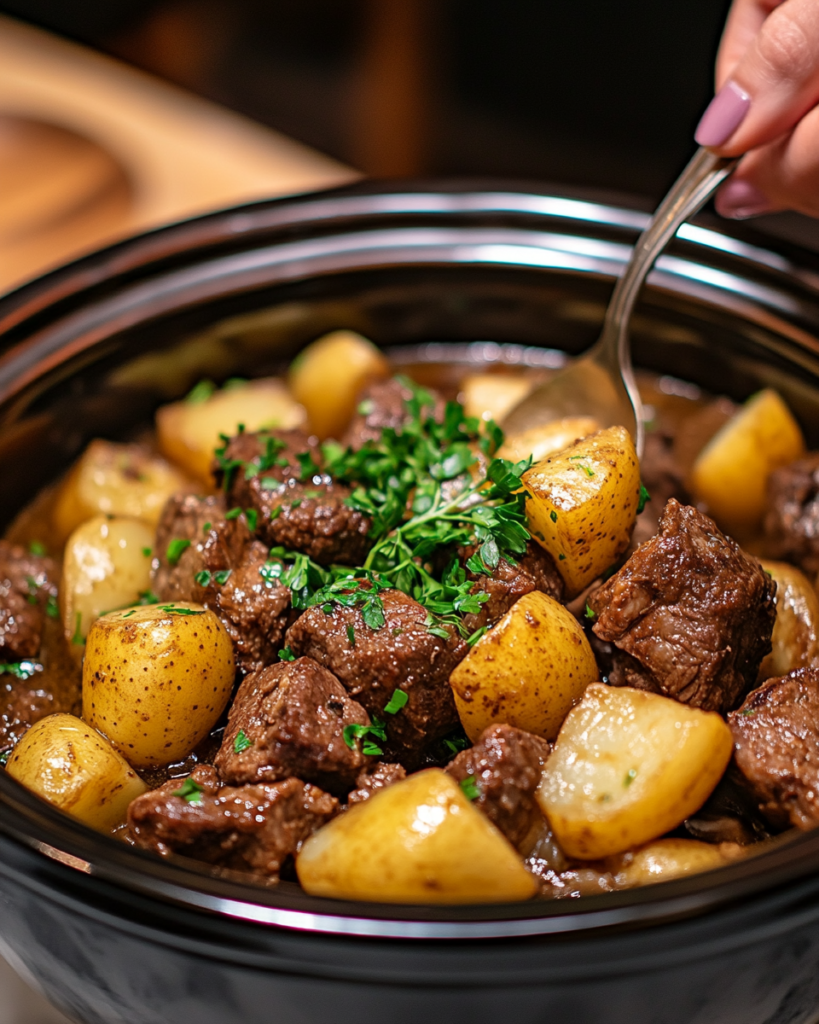
Crockpot Beef and Potatoes brings together tender beef, soft potatoes, savory broth, and simple pantry seasonings in a slow-cooked meal that feels hearty and comforting. This classic dinner works beautifully during busy weekdays because the crockpot handles most of the cooking while the ingredients slowly develop rich flavor throughout the day.

The long cooking time allows the beef to become fork-tender while the potatoes absorb every bit of the seasoned broth. Carrots, onions, and garlic round out the dish with natural sweetness and depth. The result is a warm and filling meal that pairs beautifully with crusty bread, roasted vegetables, or a crisp salad.

Another reason Crockpot Beef and Potatoes remains a household favorite is its flexibility. Different cuts of beef, various potato varieties, and small seasoning changes can create slightly different flavors while keeping the comforting character of the dish intact. The recipe also stores well, making leftovers especially convenient for lunch or another dinner later in the week.

Ingredients Overview

The heart of Crockpot Beef and Potatoes starts with a well-marbled beef roast or stew meat. Chuck roast is especially popular because the connective tissue slowly breaks down during cooking, creating rich texture and deep flavor. Leaner cuts can become dry after several hours in the crockpot, so choosing beef with some marbling creates the most satisfying result.

Potatoes bring body and balance to the meal. Yukon Gold potatoes hold their shape while becoming creamy inside, while russet potatoes create a softer texture that slightly thickens the broth. Red potatoes also work nicely because they remain firm even after long cooking times.

Onions and garlic create the savory base. As they slowly cook, their sharp flavor mellows and blends into the broth. Carrots add subtle sweetness and color, while beef broth ties everything together with a rich, comforting foundation.

Tomato paste gives the broth deeper flavor without overpowering the dish. Worcestershire sauce adds savory richness and mild tanginess. Dried thyme, rosemary, paprika, salt, and black pepper create balanced seasoning that complements the beef beautifully.

Cornstarch mixed with water can be stirred in near the end of cooking if a thicker gravy-style broth is preferred. Fresh parsley added before serving brightens the finished dish and adds fresh contrast to the slow-cooked richness.

Several substitutions work well in this recipe. Sweet potatoes can replace standard potatoes for a slightly sweeter finish. Parsnips or celery can join the vegetables for additional texture. Chicken broth may replace beef broth in a pinch, although the final flavor will be lighter.

Ingredients

2 1/2 pounds chuck roast, cut into large chunks
1 1/2 pounds Yukon Gold potatoes, chopped
4 medium carrots, sliced
1 medium yellow onion, diced
4 cloves garlic, minced
3 cups beef broth
2 tablespoons tomato paste
1 tablespoon Worcestershire sauce
1 teaspoon dried thyme
1 teaspoon dried rosemary
1 teaspoon paprika
1 1/2 teaspoons salt
1/2 teaspoon black pepper
2 tablespoons olive oil
2 tablespoons cornstarch
2 tablespoons cold water
2 tablespoons chopped fresh parsley

Step-by-Step Instructions
Pat the beef dry with paper towels before seasoning it with salt, pepper, paprika, thyme, and rosemary. Drying the meat helps create a deeper browned surface during searing, which adds richer flavor to the crockpot broth later.

Heat olive oil in a large skillet over medium-high heat. Add the beef in batches and brown each side for about 2 to 3 minutes. Avoid crowding the pan because overcrowding creates steam instead of browning. The beef does not need to cook fully during this stage since the crockpot finishes the process.

Place the chopped potatoes, carrots, and onion into the bottom of the crockpot. Spread them into an even layer so they cook evenly. Add the browned beef over the vegetables.

In a bowl, whisk together beef broth, tomato paste, Worcestershire sauce, and garlic. Pour the mixture evenly over the ingredients in the crockpot. The liquid should mostly cover the beef and vegetables without completely submerging them.

Cover the crockpot with the lid and cook on low for 7 to 8 hours or on high for 4 to 5 hours. Low heat usually creates the most tender beef because the slower cooking process gradually softens the connective tissue.

During cooking, avoid lifting the lid repeatedly. Each time the lid opens, heat escapes and lengthens the cooking time. The potatoes should become tender enough to pierce easily with a fork, while the beef should pull apart without resistance.

If a thicker broth is preferred, mix the cornstarch and cold water in a small bowl during the final 30 minutes of cooking. Stir the mixture into the crockpot and continue cooking until the broth thickens slightly into a light gravy consistency.

Taste the broth near the end and adjust seasoning if needed. Some broth brands contain more sodium than others, so final seasoning may vary slightly.

Scatter fresh parsley across the top just before serving. The fresh herbs add color and balance to the rich broth.

One common mistake with Crockpot Beef and Potatoes is using very lean meat. Lean cuts often become dry and chewy after several hours. Another issue comes from cutting potatoes too small, which can cause them to break apart completely before serving. Larger chunks hold their shape much more successfully.

For especially rich flavor, the beef can be browned a little longer until a dark crust develops. Those caramelized bits from the skillet add substantial depth to the broth once transferred into the crockpot.

Tips, Variations & Substitutions

Crockpot Beef and Potatoes adapts beautifully to different flavor preferences and pantry ingredients. Mushrooms create additional earthy flavor and pair especially well with chuck roast. Frozen peas stirred in during the final few minutes add color and mild sweetness without becoming mushy.

For a slightly smoky flavor, add a small amount of smoked paprika instead of regular paprika. Italian seasoning can replace thyme and rosemary for a more herb-forward broth. A splash of red wine added with the broth creates deeper savory flavor during the slow cooking process.

Those who enjoy thicker stew-style texture can mash a few cooked potato pieces directly into the broth before serving. This naturally thickens the liquid without additional starch.

Sweet potatoes can replace standard potatoes for a softer and slightly sweeter dish. Turnips or parsnips also work beautifully during colder months. Boneless beef short ribs provide especially rich flavor when available.

For lighter preparation, trim excess fat from the beef before browning. Reduced-sodium broth also helps control overall salt content while still maintaining rich flavor.

Leftovers store especially well in airtight containers for up to four days in the refrigerator. The flavor often becomes even richer by the following day as the ingredients continue blending together.

When reheating, warm the dish gently over medium-low heat or in the microwave at partial power to keep the beef tender and prevent the potatoes from becoming overly soft.

Serving Ideas & Occasions

Crockpot Beef and Potatoes works beautifully for family dinners, casual gatherings, and cold-weather meals. Since the crockpot handles most of the cooking, the dish is especially convenient during busy workdays or weekends filled with activities.

Warm dinner rolls or crusty bread pair naturally with the rich broth. Roasted green beans, steamed broccoli, or a crisp green salad create fresh contrast beside the hearty beef and potatoes. Buttered egg noodles also pair nicely if additional starch is desired.

For drinks, iced tea, sparkling water with lemon, or dark ale complement the savory flavors nicely. During colder months, the dish pairs beautifully with warm apple cider or hot herbal tea.

This recipe also fits comfortably into meal preparation routines because the leftovers reheat very well. The beef stays tender, and the broth continues developing flavor after resting overnight in the refrigerator.

The comforting texture and simple ingredients make this meal especially popular during autumn and winter, though it remains satisfying throughout the entire year.

Nutritional & Health Notes

Crockpot Beef and Potatoes provides balanced protein, carbohydrates, and vegetables in one filling meal. Beef supplies protein, iron, zinc, and vitamin B12, while potatoes contribute potassium and carbohydrates that help create a satisfying dinner.

Carrots provide vitamin A and natural sweetness without additional sugar. Garlic and onions contribute savory flavor while keeping the ingredient list simple and familiar.

Using chuck roast creates rich flavor, though trimming visible excess fat can slightly reduce overall richness if preferred. Choosing low-sodium broth allows more control over salt levels while still maintaining a flavorful base.

Because the meal cooks slowly in broth rather than deep frying or heavy cream, the final dish feels hearty without becoming overly heavy. Pairing it with green vegetables or salad creates additional balance.

Portion size can also shape the nutritional profile. Serving moderate portions alongside vegetables creates a satisfying and balanced meal suitable for regular family dinners.

For additional fiber, leave potato skins on before chopping. Whole ingredients and slow cooking create a meal with comforting texture and rich flavor using simple pantry staples.

FAQs

Can I use stew meat instead of chuck roast?

Yes, stew meat works well in Crockpot Beef and Potatoes, especially when convenience matters. Since stew meat usually comes pre-cut, it reduces preparation time significantly. The main consideration is choosing stew meat with some marbling because lean pieces can become dry during long cooking periods.

Chuck-based stew meat generally creates the most tender result after several hours in the crockpot. Browning the meat before adding it to the slow cooker still helps create richer flavor and deeper color in the broth. Cooking on low heat rather than high heat also improves tenderness. If the stew meat seems slightly firm after the recommended cooking time, continue cooking another 30 to 60 minutes until fork-tender texture develops fully.

Which potatoes hold their shape best in the crockpot?

Red potatoes and Yukon Gold potatoes usually hold their shape most successfully during slow cooking. Their waxier texture allows them to remain intact even after several hours in hot broth. Yukon Gold potatoes also develop a creamy interior while still maintaining structure.

Russet potatoes create softer texture and may break apart more easily, especially if chopped into smaller pieces. Some cooks prefer russets because they naturally thicken the broth slightly as they soften.

Cutting potatoes into larger chunks helps prevent overly soft texture regardless of variety. Adding potatoes at the beginning of cooking works well because they absorb flavor from the broth while slowly becoming tender alongside the beef.

Can I prepare Crockpot Beef and Potatoes ahead of time?

This recipe works extremely well for advance preparation. Vegetables can be chopped and refrigerated one day ahead, while the broth mixture can also be whisked together early. Some cooks even brown the beef in advance to reduce morning preparation.

The fully cooked dish stores beautifully in airtight containers for several days in the refrigerator. The flavors often deepen overnight, creating even richer taste during reheating.

For freezing, allow the dish to cool completely before transferring it into freezer-safe containers. Freeze for up to three months. Thaw overnight in the refrigerator before reheating slowly on the stovetop or in the microwave. Potatoes may soften slightly after freezing, though the flavor remains rich and comforting.

Why is my beef still tough after slow cooking?

Tough beef usually means the connective tissue has not finished breaking down completely. Chuck roast becomes tender only after sufficient cooking time, especially on low heat. If the beef feels chewy or firm, continue cooking longer rather than stopping early.

Opening the lid frequently can also slow cooking because trapped heat escapes each time the lid lifts. Maintaining steady temperature throughout the cooking process creates the most tender result.

Another factor involves meat selection. Very lean beef cuts lack the fat and connective tissue needed for tender slow-cooked texture. Chuck roast, shoulder roast, or well-marbled stew meat usually provide the most dependable results for Crockpot Beef and Potatoes.

Can I add other vegetables to this recipe?

Many vegetables work beautifully in this dish. Mushrooms add earthy richness, while celery contributes savory depth. Parsnips provide mild sweetness that pairs naturally with beef and potatoes.

Frozen peas or green beans should be added near the end of cooking so they remain bright and tender rather than overly soft. Sweet potatoes also work nicely, though they cook slightly faster than standard potatoes.

When adding vegetables with high water content, such as zucchini, use moderate amounts so the broth does not become overly thin. Root vegetables generally perform best during long crockpot cooking because they maintain texture and absorb flavor gradually throughout the cooking process.

How do I thicken the broth?

Cornstarch slurry remains one of the easiest methods for thickening crockpot broth. Mix equal parts cornstarch and cold water until smooth, then stir the mixture into the crockpot during the final 30 minutes of cooking.

Another method involves mashing several cooked potato pieces directly into the broth. This creates natural thickness while maintaining the same flavor profile.

Removing the lid during the last portion of cooking can also slightly reduce and thicken the liquid through evaporation. Flour may also be used, though cornstarch creates smoother texture and blends more easily into hot broth without lumps.

Is Crockpot Beef and Potatoes suitable for meal prep?

This recipe fits meal preparation extremely well because the flavor remains rich after reheating. The beef stays tender, and the broth continues absorbing flavor from the vegetables during storage.

Divide cooled portions into individual airtight containers for convenient lunches or dinners throughout the week. Refrigerated leftovers usually remain fresh for about four days.

For reheating, warm the portions gently over medium-low heat or microwave using partial power settings. Stir occasionally so the potatoes heat evenly without becoming mushy. Adding a small splash of broth during reheating can refresh the texture if the mixture thickens too much in storage

[rank_math_breadcrumb]

Crockpot Beef and Potatoes: 5 Easy Cozy Bowls

Photo of author
Author: Carol
Published:

Crockpot Beef and Potatoes brings together tender beef, soft potatoes, savory broth, and simple pantry seasonings in a slow-cooked meal that feels hearty and comforting. This classic dinner works beautifully during busy weekdays because the crockpot handles most of the cooking while the ingredients slowly develop rich flavor throughout the day.

The long cooking time allows the beef to become fork-tender while the potatoes absorb every bit of the seasoned broth. Carrots, onions, and garlic round out the dish with natural sweetness and depth. The result is a warm and filling meal that pairs beautifully with crusty bread, roasted vegetables, or a crisp salad.

Another reason Crockpot Beef and Potatoes remains a household favorite is its flexibility. Different cuts of beef, various potato varieties, and small seasoning changes can create slightly different flavors while keeping the comforting character of the dish intact. The recipe also stores well, making leftovers especially convenient for lunch or another dinner later in the week.

Ingredients Overview

The heart of Crockpot Beef and Potatoes starts with a well-marbled beef roast or stew meat. Chuck roast is especially popular because the connective tissue slowly breaks down during cooking, creating rich texture and deep flavor. Leaner cuts can become dry after several hours in the crockpot, so choosing beef with some marbling creates the most satisfying result.

Potatoes bring body and balance to the meal. Yukon Gold potatoes hold their shape while becoming creamy inside, while russet potatoes create a softer texture that slightly thickens the broth. Red potatoes also work nicely because they remain firm even after long cooking times.

Onions and garlic create the savory base. As they slowly cook, their sharp flavor mellows and blends into the broth. Carrots add subtle sweetness and color, while beef broth ties everything together with a rich, comforting foundation.

Tomato paste gives the broth deeper flavor without overpowering the dish. Worcestershire sauce adds savory richness and mild tanginess. Dried thyme, rosemary, paprika, salt, and black pepper create balanced seasoning that complements the beef beautifully.

Cornstarch mixed with water can be stirred in near the end of cooking if a thicker gravy-style broth is preferred. Fresh parsley added before serving brightens the finished dish and adds fresh contrast to the slow-cooked richness.

Several substitutions work well in this recipe. Sweet potatoes can replace standard potatoes for a slightly sweeter finish. Parsnips or celery can join the vegetables for additional texture. Chicken broth may replace beef broth in a pinch, although the final flavor will be lighter.

Ingredients

2 1/2 pounds chuck roast, cut into large chunks
1 1/2 pounds Yukon Gold potatoes, chopped
4 medium carrots, sliced
1 medium yellow onion, diced
4 cloves garlic, minced
3 cups beef broth
2 tablespoons tomato paste
1 tablespoon Worcestershire sauce
1 teaspoon dried thyme
1 teaspoon dried rosemary
1 teaspoon paprika
1 1/2 teaspoons salt
1/2 teaspoon black pepper
2 tablespoons olive oil
2 tablespoons cornstarch
2 tablespoons cold water
2 tablespoons chopped fresh parsley

Step-by-Step Instructions

Pat the beef dry with paper towels before seasoning it with salt, pepper, paprika, thyme, and rosemary. Drying the meat helps create a deeper browned surface during searing, which adds richer flavor to the crockpot broth later.

Heat olive oil in a large skillet over medium-high heat. Add the beef in batches and brown each side for about 2 to 3 minutes. Avoid crowding the pan because overcrowding creates steam instead of browning. The beef does not need to cook fully during this stage since the crockpot finishes the process.

Place the chopped potatoes, carrots, and onion into the bottom of the crockpot. Spread them into an even layer so they cook evenly. Add the browned beef over the vegetables.

In a bowl, whisk together beef broth, tomato paste, Worcestershire sauce, and garlic. Pour the mixture evenly over the ingredients in the crockpot. The liquid should mostly cover the beef and vegetables without completely submerging them.

Cover the crockpot with the lid and cook on low for 7 to 8 hours or on high for 4 to 5 hours. Low heat usually creates the most tender beef because the slower cooking process gradually softens the connective tissue.

During cooking, avoid lifting the lid repeatedly. Each time the lid opens, heat escapes and lengthens the cooking time. The potatoes should become tender enough to pierce easily with a fork, while the beef should pull apart without resistance.

If a thicker broth is preferred, mix the cornstarch and cold water in a small bowl during the final 30 minutes of cooking. Stir the mixture into the crockpot and continue cooking until the broth thickens slightly into a light gravy consistency.

Taste the broth near the end and adjust seasoning if needed. Some broth brands contain more sodium than others, so final seasoning may vary slightly.

Scatter fresh parsley across the top just before serving. The fresh herbs add color and balance to the rich broth.

One common mistake with Crockpot Beef and Potatoes is using very lean meat. Lean cuts often become dry and chewy after several hours. Another issue comes from cutting potatoes too small, which can cause them to break apart completely before serving. Larger chunks hold their shape much more successfully.

For especially rich flavor, the beef can be browned a little longer until a dark crust develops. Those caramelized bits from the skillet add substantial depth to the broth once transferred into the crockpot.

Tips, Variations & Substitutions

Crockpot Beef and Potatoes adapts beautifully to different flavor preferences and pantry ingredients. Mushrooms create additional earthy flavor and pair especially well with chuck roast. Frozen peas stirred in during the final few minutes add color and mild sweetness without becoming mushy.

For a slightly smoky flavor, add a small amount of smoked paprika instead of regular paprika. Italian seasoning can replace thyme and rosemary for a more herb-forward broth. A splash of red wine added with the broth creates deeper savory flavor during the slow cooking process.

Those who enjoy thicker stew-style texture can mash a few cooked potato pieces directly into the broth before serving. This naturally thickens the liquid without additional starch.

Sweet potatoes can replace standard potatoes for a softer and slightly sweeter dish. Turnips or parsnips also work beautifully during colder months. Boneless beef short ribs provide especially rich flavor when available.

For lighter preparation, trim excess fat from the beef before browning. Reduced-sodium broth also helps control overall salt content while still maintaining rich flavor.

Leftovers store especially well in airtight containers for up to four days in the refrigerator. The flavor often becomes even richer by the following day as the ingredients continue blending together.

When reheating, warm the dish gently over medium-low heat or in the microwave at partial power to keep the beef tender and prevent the potatoes from becoming overly soft.

Serving Ideas & Occasions

Crockpot Beef and Potatoes works beautifully for family dinners, casual gatherings, and cold-weather meals. Since the crockpot handles most of the cooking, the dish is especially convenient during busy workdays or weekends filled with activities.

Warm dinner rolls or crusty bread pair naturally with the rich broth. Roasted green beans, steamed broccoli, or a crisp green salad create fresh contrast beside the hearty beef and potatoes. Buttered egg noodles also pair nicely if additional starch is desired.

For drinks, iced tea, sparkling water with lemon, or dark ale complement the savory flavors nicely. During colder months, the dish pairs beautifully with warm apple cider or hot herbal tea.

This recipe also fits comfortably into meal preparation routines because the leftovers reheat very well. The beef stays tender, and the broth continues developing flavor after resting overnight in the refrigerator.

The comforting texture and simple ingredients make this meal especially popular during autumn and winter, though it remains satisfying throughout the entire year.

Nutritional & Health Notes

Crockpot Beef and Potatoes provides balanced protein, carbohydrates, and vegetables in one filling meal. Beef supplies protein, iron, zinc, and vitamin B12, while potatoes contribute potassium and carbohydrates that help create a satisfying dinner.

Carrots provide vitamin A and natural sweetness without additional sugar. Garlic and onions contribute savory flavor while keeping the ingredient list simple and familiar.

Using chuck roast creates rich flavor, though trimming visible excess fat can slightly reduce overall richness if preferred. Choosing low-sodium broth allows more control over salt levels while still maintaining a flavorful base.

Because the meal cooks slowly in broth rather than deep frying or heavy cream, the final dish feels hearty without becoming overly heavy. Pairing it with green vegetables or salad creates additional balance.

Portion size can also shape the nutritional profile. Serving moderate portions alongside vegetables creates a satisfying and balanced meal suitable for regular family dinners.

For additional fiber, leave potato skins on before chopping. Whole ingredients and slow cooking create a meal with comforting texture and rich flavor using simple pantry staples.

FAQs

Can I use stew meat instead of chuck roast?

Yes, stew meat works well in Crockpot Beef and Potatoes, especially when convenience matters. Since stew meat usually comes pre-cut, it reduces preparation time significantly. The main consideration is choosing stew meat with some marbling because lean pieces can become dry during long cooking periods.

Chuck-based stew meat generally creates the most tender result after several hours in the crockpot. Browning the meat before adding it to the slow cooker still helps create richer flavor and deeper color in the broth. Cooking on low heat rather than high heat also improves tenderness. If the stew meat seems slightly firm after the recommended cooking time, continue cooking another 30 to 60 minutes until fork-tender texture develops fully.

Which potatoes hold their shape best in the crockpot?

Red potatoes and Yukon Gold potatoes usually hold their shape most successfully during slow cooking. Their waxier texture allows them to remain intact even after several hours in hot broth. Yukon Gold potatoes also develop a creamy interior while still maintaining structure.

Russet potatoes create softer texture and may break apart more easily, especially if chopped into smaller pieces. Some cooks prefer russets because they naturally thicken the broth slightly as they soften.

Cutting potatoes into larger chunks helps prevent overly soft texture regardless of variety. Adding potatoes at the beginning of cooking works well because they absorb flavor from the broth while slowly becoming tender alongside the beef.

Can I prepare Crockpot Beef and Potatoes ahead of time?

This recipe works extremely well for advance preparation. Vegetables can be chopped and refrigerated one day ahead, while the broth mixture can also be whisked together early. Some cooks even brown the beef in advance to reduce morning preparation.

The fully cooked dish stores beautifully in airtight containers for several days in the refrigerator. The flavors often deepen overnight, creating even richer taste during reheating.

For freezing, allow the dish to cool completely before transferring it into freezer-safe containers. Freeze for up to three months. Thaw overnight in the refrigerator before reheating slowly on the stovetop or in the microwave. Potatoes may soften slightly after freezing, though the flavor remains rich and comforting.

Why is my beef still tough after slow cooking?

Tough beef usually means the connective tissue has not finished breaking down completely. Chuck roast becomes tender only after sufficient cooking time, especially on low heat. If the beef feels chewy or firm, continue cooking longer rather than stopping early.

Opening the lid frequently can also slow cooking because trapped heat escapes each time the lid lifts. Maintaining steady temperature throughout the cooking process creates the most tender result.

Another factor involves meat selection. Very lean beef cuts lack the fat and connective tissue needed for tender slow-cooked texture. Chuck roast, shoulder roast, or well-marbled stew meat usually provide the most dependable results for Crockpot Beef and Potatoes.

Can I add other vegetables to this recipe?

Many vegetables work beautifully in this dish. Mushrooms add earthy richness, while celery contributes savory depth. Parsnips provide mild sweetness that pairs naturally with beef and potatoes.

Frozen peas or green beans should be added near the end of cooking so they remain bright and tender rather than overly soft. Sweet potatoes also work nicely, though they cook slightly faster than standard potatoes.

When adding vegetables with high water content, such as zucchini, use moderate amounts so the broth does not become overly thin. Root vegetables generally perform best during long crockpot cooking because they maintain texture and absorb flavor gradually throughout the cooking process.

How do I thicken the broth?

Cornstarch slurry remains one of the easiest methods for thickening crockpot broth. Mix equal parts cornstarch and cold water until smooth, then stir the mixture into the crockpot during the final 30 minutes of cooking.

Another method involves mashing several cooked potato pieces directly into the broth. This creates natural thickness while maintaining the same flavor profile.

Removing the lid during the last portion of cooking can also slightly reduce and thicken the liquid through evaporation. Flour may also be used, though cornstarch creates smoother texture and blends more easily into hot broth without lumps.

Is Crockpot Beef and Potatoes suitable for meal prep?

This recipe fits meal preparation extremely well because the flavor remains rich after reheating. The beef stays tender, and the broth continues absorbing flavor from the vegetables during storage.

Divide cooled portions into individual airtight containers for convenient lunches or dinners throughout the week. Refrigerated leftovers usually remain fresh for about four days.

For reheating, warm the portions gently over medium-low heat or microwave using partial power settings. Stir occasionally so the potatoes heat evenly without becoming mushy. Adding a small splash of broth during reheating can refresh the texture if the mixture thickens too much in storage
Name

Lorem ipsum dolor sit amet, consectetur adipiscing elit. Suspendisse varius enim in eros elementum tristique. Duis cursus, mi quis viverra ornare, eros dolor interdum nulla, ut commodo diam libero vitae erat.

You Might Also Like...

Lemon Herb Chicken Thighs: 7 Cozy Family Favorites

Lemon Herb Chicken Thighs: 7 Cozy Family Favorites

Beef and Broccoli Stir Fry: 6 Savory Skillet Favorites

Beef and Broccoli Stir Fry: 6 Savory Skillet Favorites

Creamy Cajun Chicken Pasta: 5 Rich Dinner Favorites

Creamy Cajun Chicken Pasta: 5 Rich Dinner Favorites

Garlic Butter Chicken Bake: 5 Cozy Family Dinner Tips

Garlic Butter Chicken Bake: 5 Cozy Family Dinner Tips

Tags:

You might also like these recipes

Leave a Comment