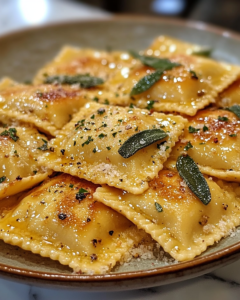
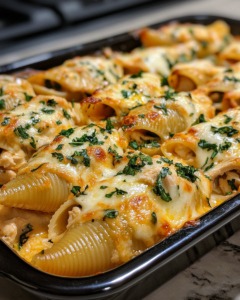
Creamy Beef and Shells: 30-Minute Amazing Cozy Dinner

Posted on

Uncategorized

Difficulty

Prep time

Cooking time

Total time

Servings

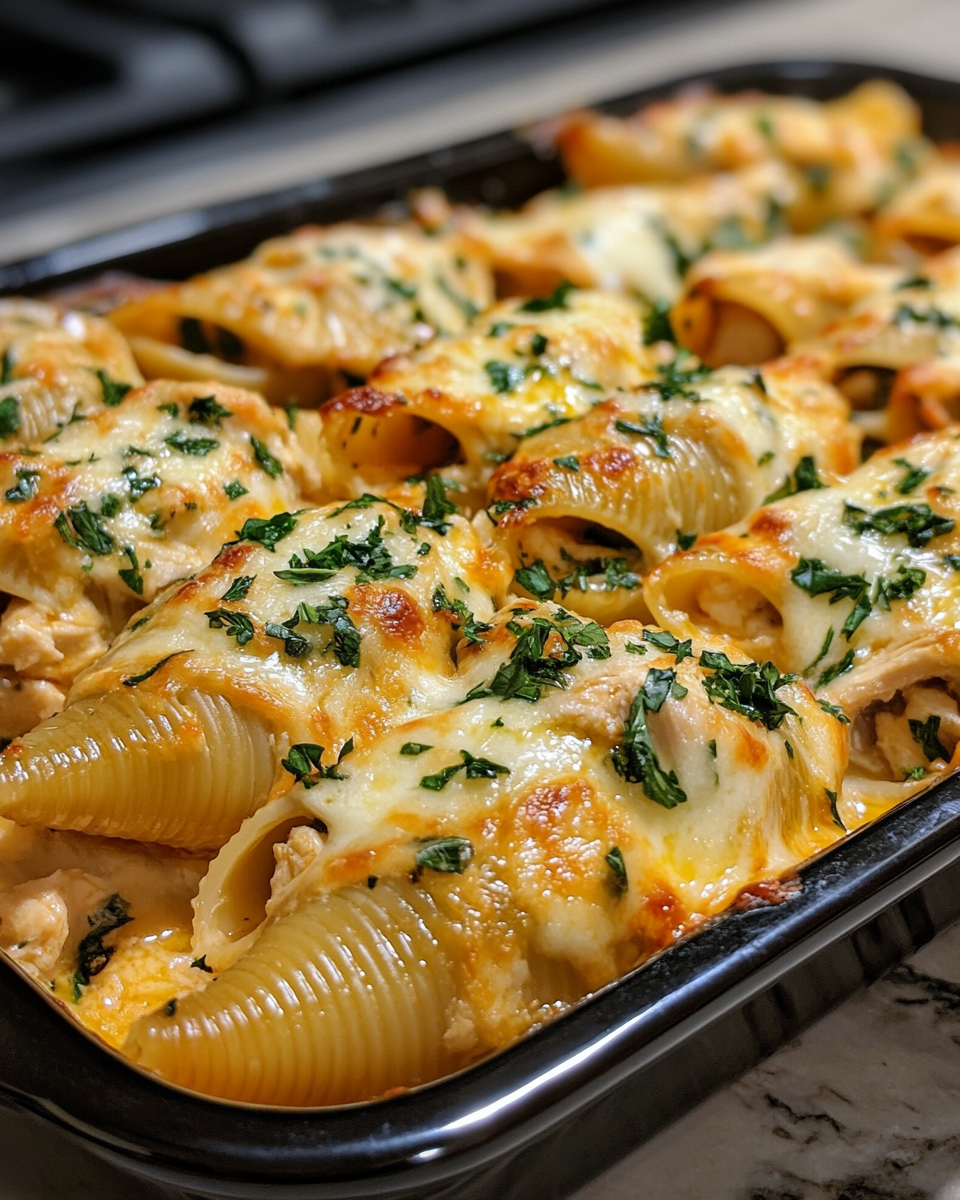
Creamy Beef and Shells brings together tender pasta shells, seasoned ground beef, and a rich tomato cream sauce in a comforting skillet meal that fits busy weeknights and relaxed family dinners alike. The pasta catches the velvety sauce inside every shell, giving each bite plenty of savory flavor and a smooth, hearty texture.

This dish carries the familiar warmth of classic hamburger pasta dinners while adding a silkier finish from cream and melted cheese. It cooks in one pan after the pasta boils, keeping cleanup simple while still delivering deep flavor from garlic, onion, Italian seasoning, and slow-simmered tomatoes.

Creamy Beef and Shells also works well for meal prep since the sauce reheats beautifully without turning dry. A sprinkle of parsley or parmesan at the table gives the finished dish a fresh final touch that balances the richness of the sauce.

Ingredients Overview
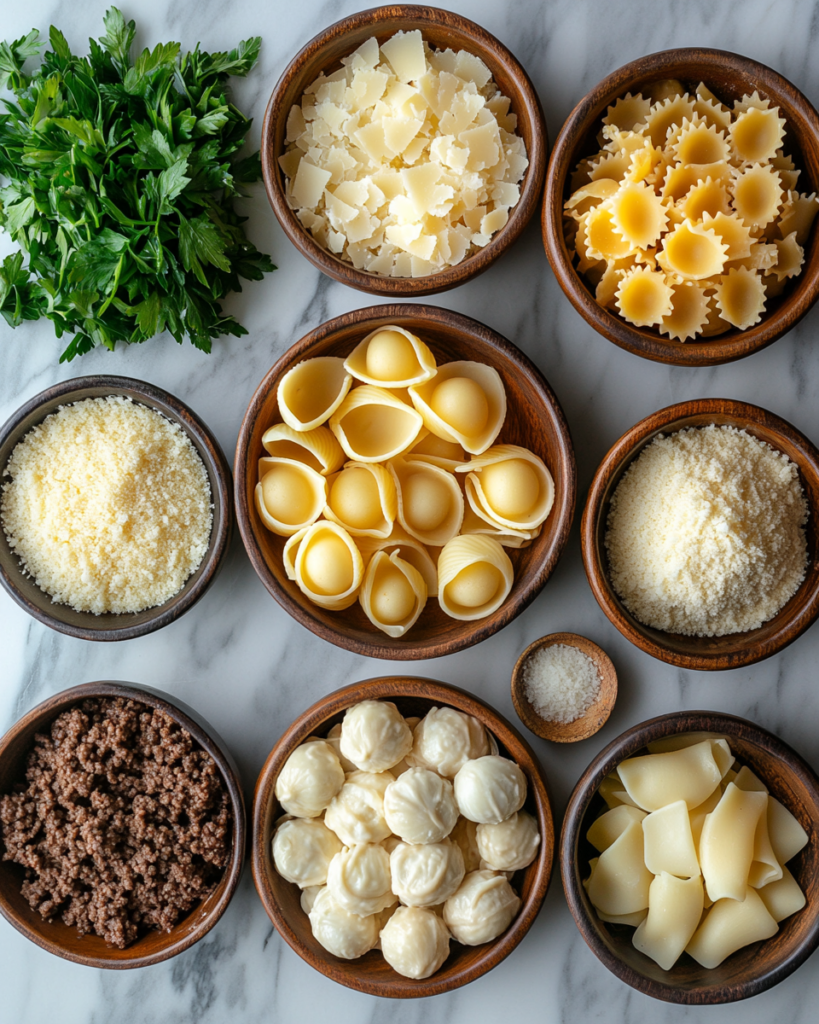
The heart of Creamy Beef and Shells starts with medium pasta shells. Their curved shape holds the creamy sauce inside, giving the finished dish a balanced bite with pasta, meat, and sauce together. Medium shells cook quickly and stay tender without becoming mushy.

Ground beef brings savory depth and richness. An 85/15 blend works nicely because it carries enough fat for flavor while still draining easily after browning. Leaner beef may create a slightly drier sauce, though a splash of cream can help soften the texture.

Onion and garlic build the savory base of the sauce. Yellow onion turns sweet as it cooks, while fresh garlic adds warmth without overpowering the dish. Tomato sauce and diced tomatoes create body and brightness, balancing the cream and cheese.

Heavy cream gives the sauce its silky consistency. Cream cheese and shredded cheddar melt into the tomato mixture for added richness and a smooth finish. Italian seasoning ties the flavors together with dried herbs that pair naturally with beef and tomatoes.

Chicken broth or beef broth loosens the sauce while adding another layer of savory flavor. Fresh parsley brightens the final dish, though basil also pairs nicely. Gluten-free pasta may replace standard shells if needed, and ground turkey works as a lighter substitute for beef.

Ingredients

12 ounces medium pasta shells

1 tablespoon olive oil

1 pound ground beef

1 small yellow onion, finely chopped

3 cloves garlic, minced

1 teaspoon Italian seasoning

1/2 teaspoon paprika

1 teaspoon salt

1/2 teaspoon black pepper

2 tablespoons tomato paste

1 can tomato sauce, 15 ounces

1 can diced tomatoes, 14 ounces

1 cup beef broth

3/4 cup heavy cream

4 ounces cream cheese, softened

1 1/2 cups shredded cheddar cheese

2 tablespoons chopped fresh parsley

Grated parmesan for serving

Step-by-Step Instructions

Bring a large pot of salted water to a boil. Add the pasta shells and cook until just al dente according to package directions. The shells should stay slightly firm since they continue cooking briefly in the sauce later. Drain the pasta and set it aside.

While the pasta cooks, heat olive oil in a large deep skillet over medium heat. Add the ground beef and chopped onion. Cook for about 7 to 8 minutes, stirring occasionally, until the beef browns fully and the onion softens. Drain excess grease if the pan looks overly oily.

Add the minced garlic, Italian seasoning, paprika, salt, and black pepper. Stir for about 1 minute until fragrant. Garlic cooks quickly, so avoid leaving it unattended since burnt garlic may create bitterness in the finished sauce.

Mix in the tomato paste and cook for another minute. This brief cooking step deepens the tomato flavor and removes any sharp canned taste. Pour in the tomato sauce, diced tomatoes, and beef broth. Stir thoroughly and bring the mixture to a gentle simmer.

Reduce the heat to medium-low. Add the heavy cream and softened cream cheese. Stir continuously until the cream cheese melts fully into the sauce. Small lumps usually disappear after several minutes of stirring.

Add the shredded cheddar cheese gradually instead of all at once. Slow addition helps the cheese melt smoothly without clumping. The sauce should look creamy and thick while still flowing easily from a spoon.

Fold the cooked pasta shells into the skillet. Stir gently so the shells stay intact while becoming coated in the sauce. Let everything simmer together for 3 to 4 minutes until heated through.

Taste the sauce and adjust seasoning if needed. A small pinch of salt may help balance the cream and tomatoes. Scatter chopped parsley across the top before serving.

Avoid overcooking the pasta or boiling the sauce aggressively after adding dairy. High heat may cause the sauce to separate. Gentle simmering keeps the texture smooth and creamy.

Serve the pasta hot with grated parmesan and warm garlic bread if desired.

Tips, Variations & Substitutions

For deeper flavor, allow the beef to brown properly before stirring too often. Slight caramelization along the bottom of the skillet adds savory richness that pairs beautifully with the creamy sauce.

Freshly shredded cheese melts more smoothly than pre-shredded varieties since packaged shredded cheese often contains anti-caking ingredients that affect texture. If the sauce thickens too much during simmering, stir in a splash of broth or cream until it loosens slightly.

Ground turkey or Italian sausage may replace the beef for a different flavor profile. Turkey creates a lighter dish, while sausage brings extra seasoning and richness. Mushrooms, spinach, or roasted red peppers also blend nicely into the sauce without overpowering the pasta.

For a spicier version, stir crushed red pepper flakes into the beef mixture while cooking. Smoked paprika also adds subtle warmth and a deeper savory note.

Gluten-free pasta shells work nicely here, though they may cook faster than regular pasta. Watch the cooking time closely to avoid overly soft pasta.

Cream cheese gives the sauce extra body, though mascarpone or ricotta may stand in as alternatives. Sharp cheddar brings stronger flavor, while mozzarella creates a milder and stretchier finish.

Leftovers store well in the refrigerator for up to four days. Reheat gently with a splash of broth or milk to keep the sauce smooth.

Serving Ideas & Occasions

Creamy Beef and Shells fits casual weeknight dinners, relaxed Sunday suppers, and cozy cold-weather meals. Since the dish cooks quickly and fills the table generously, it also works nicely for busy evenings when everyone wants something warm and hearty without lengthy preparation.

Garlic bread, toasted baguette slices, or buttery dinner rolls pair beautifully with the creamy tomato sauce. A crisp green salad with vinaigrette balances the richness of the pasta while adding freshness to the meal.

Roasted broccoli, green beans, or asparagus also complement the savory beef and cheese flavors. For drinks, sparkling water with lemon, iced tea, or red wine pair naturally with the hearty sauce.

This pasta dish travels well for potlucks and reheats smoothly for lunch the next day. Since the flavors deepen slightly after resting overnight, leftovers often taste even richer after reheating gently.

Nutritional & Health Notes

Creamy Beef and Shells contains protein from ground beef and cheese, carbohydrates from pasta, and fats from cream and dairy ingredients. The combination creates a filling meal that works nicely as a complete dinner alongside vegetables or salad.

Using lean ground beef may lower overall fat content while still keeping the dish flavorful. Reduced-fat cream cheese and lighter cheddar may also soften the richness slightly without sacrificing too much texture.

Tomatoes contribute vitamin C and natural acidity that balance the creamy sauce. Adding spinach or mushrooms can increase fiber and vegetable content while blending naturally into the dish.

Portion size plays a large role in keeping the meal balanced. Pairing smaller servings of pasta with vegetables or salad creates a lighter plate while still allowing the creamy sauce and savory beef flavors to shine.

Since the sauce contains dairy, leftovers should stay refrigerated promptly after serving. Gentle reheating helps maintain texture and flavor without separating the sauce.

FAQs

Can I prepare Creamy Beef and Shells ahead of time?

Creamy Beef and Shells works nicely as a prepare-ahead dinner. The sauce stays creamy after refrigeration, and the flavors continue blending as the dish rests overnight. Cook the pasta slightly firm so it keeps its texture during reheating. Store the pasta and sauce together in a covered container in the refrigerator for up to four days. When reheating, place the pasta in a skillet over low heat with a splash of broth, milk, or cream. Stir occasionally until warmed through. Avoid reheating over high heat since the dairy sauce may separate. Fresh parsley or parmesan added just before serving helps refresh the dish after storage.

Which pasta shape works besides shells?

Although shells hold the creamy sauce beautifully, several pasta shapes work nicely in this recipe. Rotini, penne, cavatappi, and elbow macaroni all pair well with the beef and cheese sauce. Pasta with ridges or curves tends to catch more sauce, creating richer bites throughout the dish. Smaller pasta shapes may cook more quickly, so checking doneness early helps avoid overly soft texture. Long pasta such as spaghetti usually does not blend as evenly with the thick creamy sauce. If using gluten-free pasta, stir gently during cooking since certain varieties break apart more easily once mixed into hot sauce.

Can I freeze this pasta dish?

Creamy Beef and Shells may be frozen, though the sauce texture can change slightly after thawing because of the dairy ingredients. For stronger results, cool the pasta completely before transferring it into freezer-safe containers. Freeze for up to two months. Thaw overnight in the refrigerator before reheating slowly on the stove. Adding a splash of cream, milk, or broth while warming helps restore the smooth consistency of the sauce. Pasta sometimes softens slightly during freezing and reheating, so cooking the shells just to al dente before freezing helps preserve texture more successfully.

How do I keep the sauce smooth?

Gentle heat plays the largest role in maintaining a smooth sauce. After adding cream and cheese, avoid boiling the sauce aggressively since dairy can separate under very high heat. Softened cream cheese melts more evenly than cold cream cheese straight from the refrigerator. Shredding cheese at home instead of using packaged shredded cheese also improves texture because freshly shredded cheese melts more cleanly. Stirring steadily while adding cheese gradually prevents clumps from forming. If the sauce thickens too much, adding warm broth or cream in small amounts helps restore a silky consistency without thinning the flavor too much.

What vegetables pair nicely with this recipe?

Several vegetables blend naturally into Creamy Beef and Shells without changing its comforting flavor profile. Spinach wilts smoothly into the sauce during the final minutes of cooking, while mushrooms add savory depth alongside the beef. Roasted red peppers bring subtle sweetness and color. Peas, broccoli florets, or zucchini also pair nicely with the creamy tomato sauce. For extra texture, sauté vegetables separately before stirring them into the finished pasta. Vegetables served on the side, such as roasted asparagus or green beans, create a balanced plate while keeping the pasta itself rich and hearty.

Can I use milk instead of heavy cream?

Milk may replace heavy cream, though the sauce becomes lighter and slightly less rich. Whole milk creates the smoothest texture among milk options. Since milk contains less fat than cream, the sauce may appear thinner. Stirring in extra cream cheese or additional shredded cheddar helps maintain body and creaminess. Half-and-half also works nicely as a middle option between milk and heavy cream. When using milk, keep the heat low during simmering to avoid curdling. Slow cooking and steady stirring help the sauce stay creamy and smooth from start to finish.

What type of cheese tastes strongest in this recipe?

Sharp cheddar gives Creamy Beef and Shells a richer and bolder flavor than mild cheddar. Its tangy bite balances the sweetness of tomatoes and the richness of cream. Parmesan adds another savory layer when sprinkled over the finished pasta. Monterey Jack melts smoothly and creates a milder flavor profile, while mozzarella gives the sauce a softer texture with extra stretchiness. Combining two cheeses often creates the richest flavor and texture balance. Freshly grated cheese melts more evenly and carries fuller flavor than pre-shredded varieties, giving the finished sauce a creamier consistency.

[rank_math_breadcrumb]

Creamy Beef and Shells: 30-Minute Amazing Cozy Dinner

Photo of author
Author: Carol
Published:

Creamy Beef and Shells brings together tender pasta shells, seasoned ground beef, and a rich tomato cream sauce in a comforting skillet meal that fits busy weeknights and relaxed family dinners alike. The pasta catches the velvety sauce inside every shell, giving each bite plenty of savory flavor and a smooth, hearty texture.

This dish carries the familiar warmth of classic hamburger pasta dinners while adding a silkier finish from cream and melted cheese. It cooks in one pan after the pasta boils, keeping cleanup simple while still delivering deep flavor from garlic, onion, Italian seasoning, and slow-simmered tomatoes.

Creamy Beef and Shells also works well for meal prep since the sauce reheats beautifully without turning dry. A sprinkle of parsley or parmesan at the table gives the finished dish a fresh final touch that balances the richness of the sauce.

Ingredients Overview

The heart of Creamy Beef and Shells starts with medium pasta shells. Their curved shape holds the creamy sauce inside, giving the finished dish a balanced bite with pasta, meat, and sauce together. Medium shells cook quickly and stay tender without becoming mushy.

Ground beef brings savory depth and richness. An 85/15 blend works nicely because it carries enough fat for flavor while still draining easily after browning. Leaner beef may create a slightly drier sauce, though a splash of cream can help soften the texture.

Onion and garlic build the savory base of the sauce. Yellow onion turns sweet as it cooks, while fresh garlic adds warmth without overpowering the dish. Tomato sauce and diced tomatoes create body and brightness, balancing the cream and cheese.

Heavy cream gives the sauce its silky consistency. Cream cheese and shredded cheddar melt into the tomato mixture for added richness and a smooth finish. Italian seasoning ties the flavors together with dried herbs that pair naturally with beef and tomatoes.

Chicken broth or beef broth loosens the sauce while adding another layer of savory flavor. Fresh parsley brightens the final dish, though basil also pairs nicely. Gluten-free pasta may replace standard shells if needed, and ground turkey works as a lighter substitute for beef.

Ingredients

12 ounces medium pasta shells

1 tablespoon olive oil

1 pound ground beef

1 small yellow onion, finely chopped

3 cloves garlic, minced

1 teaspoon Italian seasoning

1/2 teaspoon paprika

1 teaspoon salt

1/2 teaspoon black pepper

2 tablespoons tomato paste

1 can tomato sauce, 15 ounces

1 can diced tomatoes, 14 ounces

1 cup beef broth

3/4 cup heavy cream

4 ounces cream cheese, softened

1 1/2 cups shredded cheddar cheese

2 tablespoons chopped fresh parsley

Grated parmesan for serving

Step-by-Step Instructions

Bring a large pot of salted water to a boil. Add the pasta shells and cook until just al dente according to package directions. The shells should stay slightly firm since they continue cooking briefly in the sauce later. Drain the pasta and set it aside.

While the pasta cooks, heat olive oil in a large deep skillet over medium heat. Add the ground beef and chopped onion. Cook for about 7 to 8 minutes, stirring occasionally, until the beef browns fully and the onion softens. Drain excess grease if the pan looks overly oily.

Add the minced garlic, Italian seasoning, paprika, salt, and black pepper. Stir for about 1 minute until fragrant. Garlic cooks quickly, so avoid leaving it unattended since burnt garlic may create bitterness in the finished sauce.

Mix in the tomato paste and cook for another minute. This brief cooking step deepens the tomato flavor and removes any sharp canned taste. Pour in the tomato sauce, diced tomatoes, and beef broth. Stir thoroughly and bring the mixture to a gentle simmer.

Reduce the heat to medium-low. Add the heavy cream and softened cream cheese. Stir continuously until the cream cheese melts fully into the sauce. Small lumps usually disappear after several minutes of stirring.

Add the shredded cheddar cheese gradually instead of all at once. Slow addition helps the cheese melt smoothly without clumping. The sauce should look creamy and thick while still flowing easily from a spoon.

Fold the cooked pasta shells into the skillet. Stir gently so the shells stay intact while becoming coated in the sauce. Let everything simmer together for 3 to 4 minutes until heated through.

Taste the sauce and adjust seasoning if needed. A small pinch of salt may help balance the cream and tomatoes. Scatter chopped parsley across the top before serving.

Avoid overcooking the pasta or boiling the sauce aggressively after adding dairy. High heat may cause the sauce to separate. Gentle simmering keeps the texture smooth and creamy.

Serve the pasta hot with grated parmesan and warm garlic bread if desired.

Tips, Variations & Substitutions

For deeper flavor, allow the beef to brown properly before stirring too often. Slight caramelization along the bottom of the skillet adds savory richness that pairs beautifully with the creamy sauce.

Freshly shredded cheese melts more smoothly than pre-shredded varieties since packaged shredded cheese often contains anti-caking ingredients that affect texture. If the sauce thickens too much during simmering, stir in a splash of broth or cream until it loosens slightly.

Ground turkey or Italian sausage may replace the beef for a different flavor profile. Turkey creates a lighter dish, while sausage brings extra seasoning and richness. Mushrooms, spinach, or roasted red peppers also blend nicely into the sauce without overpowering the pasta.

For a spicier version, stir crushed red pepper flakes into the beef mixture while cooking. Smoked paprika also adds subtle warmth and a deeper savory note.

Gluten-free pasta shells work nicely here, though they may cook faster than regular pasta. Watch the cooking time closely to avoid overly soft pasta.

Cream cheese gives the sauce extra body, though mascarpone or ricotta may stand in as alternatives. Sharp cheddar brings stronger flavor, while mozzarella creates a milder and stretchier finish.

Leftovers store well in the refrigerator for up to four days. Reheat gently with a splash of broth or milk to keep the sauce smooth.

Serving Ideas & Occasions

Creamy Beef and Shells fits casual weeknight dinners, relaxed Sunday suppers, and cozy cold-weather meals. Since the dish cooks quickly and fills the table generously, it also works nicely for busy evenings when everyone wants something warm and hearty without lengthy preparation.

Garlic bread, toasted baguette slices, or buttery dinner rolls pair beautifully with the creamy tomato sauce. A crisp green salad with vinaigrette balances the richness of the pasta while adding freshness to the meal.

Roasted broccoli, green beans, or asparagus also complement the savory beef and cheese flavors. For drinks, sparkling water with lemon, iced tea, or red wine pair naturally with the hearty sauce.

This pasta dish travels well for potlucks and reheats smoothly for lunch the next day. Since the flavors deepen slightly after resting overnight, leftovers often taste even richer after reheating gently.

Nutritional & Health Notes

Creamy Beef and Shells contains protein from ground beef and cheese, carbohydrates from pasta, and fats from cream and dairy ingredients. The combination creates a filling meal that works nicely as a complete dinner alongside vegetables or salad.

Using lean ground beef may lower overall fat content while still keeping the dish flavorful. Reduced-fat cream cheese and lighter cheddar may also soften the richness slightly without sacrificing too much texture.

Tomatoes contribute vitamin C and natural acidity that balance the creamy sauce. Adding spinach or mushrooms can increase fiber and vegetable content while blending naturally into the dish.

Portion size plays a large role in keeping the meal balanced. Pairing smaller servings of pasta with vegetables or salad creates a lighter plate while still allowing the creamy sauce and savory beef flavors to shine.

Since the sauce contains dairy, leftovers should stay refrigerated promptly after serving. Gentle reheating helps maintain texture and flavor without separating the sauce.

FAQs

Can I prepare Creamy Beef and Shells ahead of time?

Creamy Beef and Shells works nicely as a prepare-ahead dinner. The sauce stays creamy after refrigeration, and the flavors continue blending as the dish rests overnight. Cook the pasta slightly firm so it keeps its texture during reheating. Store the pasta and sauce together in a covered container in the refrigerator for up to four days. When reheating, place the pasta in a skillet over low heat with a splash of broth, milk, or cream. Stir occasionally until warmed through. Avoid reheating over high heat since the dairy sauce may separate. Fresh parsley or parmesan added just before serving helps refresh the dish after storage.

Which pasta shape works besides shells?

Although shells hold the creamy sauce beautifully, several pasta shapes work nicely in this recipe. Rotini, penne, cavatappi, and elbow macaroni all pair well with the beef and cheese sauce. Pasta with ridges or curves tends to catch more sauce, creating richer bites throughout the dish. Smaller pasta shapes may cook more quickly, so checking doneness early helps avoid overly soft texture. Long pasta such as spaghetti usually does not blend as evenly with the thick creamy sauce. If using gluten-free pasta, stir gently during cooking since certain varieties break apart more easily once mixed into hot sauce.

Can I freeze this pasta dish?

Creamy Beef and Shells may be frozen, though the sauce texture can change slightly after thawing because of the dairy ingredients. For stronger results, cool the pasta completely before transferring it into freezer-safe containers. Freeze for up to two months. Thaw overnight in the refrigerator before reheating slowly on the stove. Adding a splash of cream, milk, or broth while warming helps restore the smooth consistency of the sauce. Pasta sometimes softens slightly during freezing and reheating, so cooking the shells just to al dente before freezing helps preserve texture more successfully.

How do I keep the sauce smooth?

Gentle heat plays the largest role in maintaining a smooth sauce. After adding cream and cheese, avoid boiling the sauce aggressively since dairy can separate under very high heat. Softened cream cheese melts more evenly than cold cream cheese straight from the refrigerator. Shredding cheese at home instead of using packaged shredded cheese also improves texture because freshly shredded cheese melts more cleanly. Stirring steadily while adding cheese gradually prevents clumps from forming. If the sauce thickens too much, adding warm broth or cream in small amounts helps restore a silky consistency without thinning the flavor too much.

What vegetables pair nicely with this recipe?

Several vegetables blend naturally into Creamy Beef and Shells without changing its comforting flavor profile. Spinach wilts smoothly into the sauce during the final minutes of cooking, while mushrooms add savory depth alongside the beef. Roasted red peppers bring subtle sweetness and color. Peas, broccoli florets, or zucchini also pair nicely with the creamy tomato sauce. For extra texture, sauté vegetables separately before stirring them into the finished pasta. Vegetables served on the side, such as roasted asparagus or green beans, create a balanced plate while keeping the pasta itself rich and hearty.

Can I use milk instead of heavy cream?

Milk may replace heavy cream, though the sauce becomes lighter and slightly less rich. Whole milk creates the smoothest texture among milk options. Since milk contains less fat than cream, the sauce may appear thinner. Stirring in extra cream cheese or additional shredded cheddar helps maintain body and creaminess. Half-and-half also works nicely as a middle option between milk and heavy cream. When using milk, keep the heat low during simmering to avoid curdling. Slow cooking and steady stirring help the sauce stay creamy and smooth from start to finish.

What type of cheese tastes strongest in this recipe?

Sharp cheddar gives Creamy Beef and Shells a richer and bolder flavor than mild cheddar. Its tangy bite balances the sweetness of tomatoes and the richness of cream. Parmesan adds another savory layer when sprinkled over the finished pasta. Monterey Jack melts smoothly and creates a milder flavor profile, while mozzarella gives the sauce a softer texture with extra stretchiness. Combining two cheeses often creates the richest flavor and texture balance. Freshly grated cheese melts more evenly and carries fuller flavor than pre-shredded varieties, giving the finished sauce a creamier consistency.
Name

Lorem ipsum dolor sit amet, consectetur adipiscing elit. Suspendisse varius enim in eros elementum tristique. Duis cursus, mi quis viverra ornare, eros dolor interdum nulla, ut commodo diam libero vitae erat.

You Might Also Like...

Lemon Herb Chicken Thighs: 7 Cozy Family Favorites

Lemon Herb Chicken Thighs: 7 Cozy Family Favorites

Beef and Broccoli Stir Fry: 6 Savory Skillet Favorites

Beef and Broccoli Stir Fry: 6 Savory Skillet Favorites

Creamy Cajun Chicken Pasta: 5 Rich Dinner Favorites

Creamy Cajun Chicken Pasta: 5 Rich Dinner Favorites

Garlic Butter Chicken Bake: 5 Cozy Family Dinner Tips

Garlic Butter Chicken Bake: 5 Cozy Family Dinner Tips

Tags:

You might also like these recipes

Leave a Comment