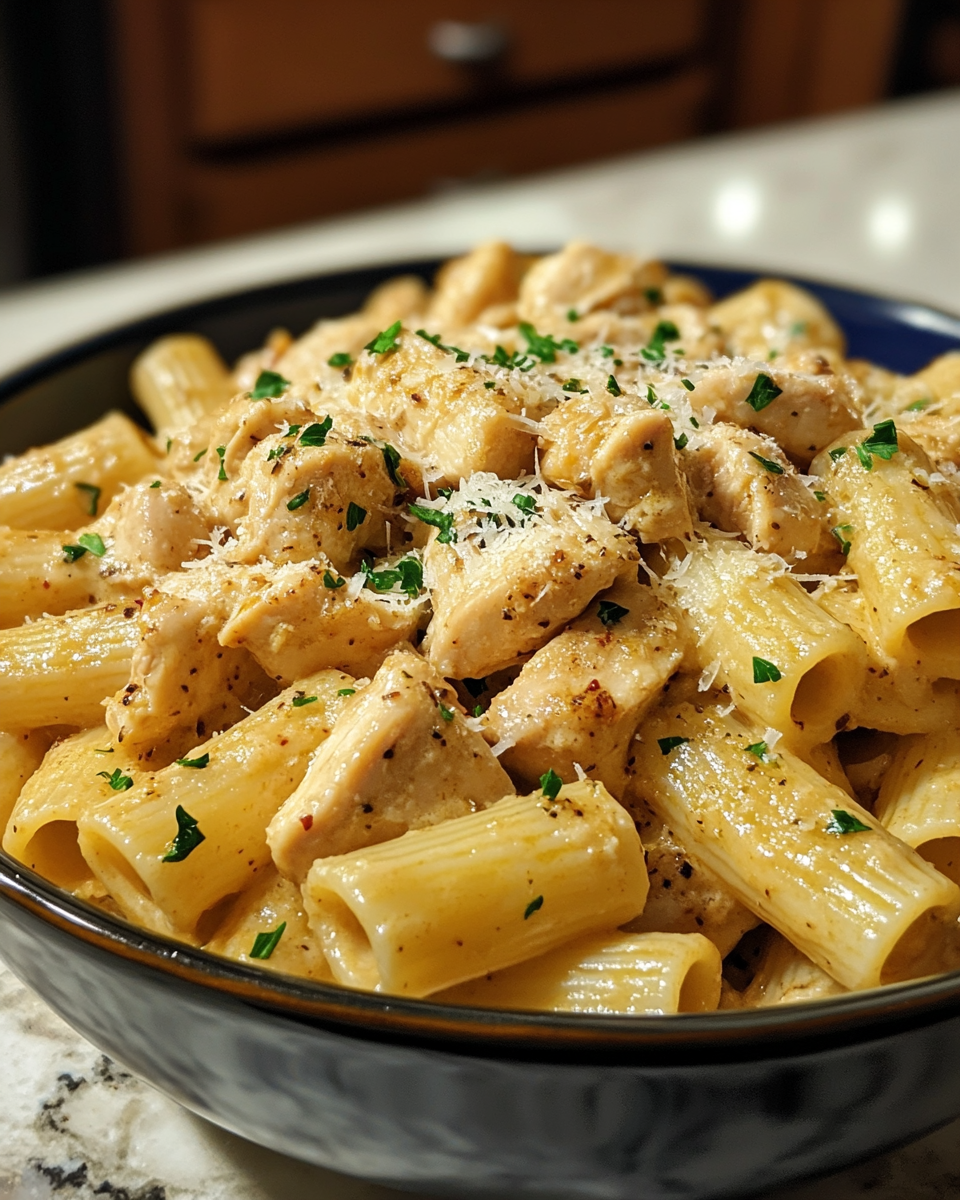
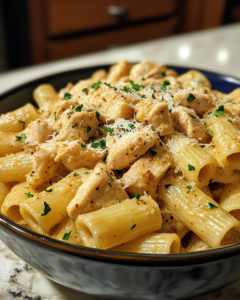
Creamy Garlic Beef Pasta brings together tender pasta, seasoned beef, rich cream, and plenty of garlic in one deeply comforting skillet meal. The sauce coats every bite with a silky texture while browned beef adds hearty flavor that pairs beautifully with parmesan and herbs. This dish works well for busy evenings when a filling dinner needs to come together without complicated preparation.
The balance of creamy sauce and savory beef creates a satisfying meal that feels cozy without requiring hours in the kitchen. Garlic gives the sauce a bold aroma while butter and cream soften the richness into a smooth finish. A sprinkle of parsley and parmesan at the end brightens the entire dish and adds a fresh touch to every serving.
This recipe fits family dinners, casual gatherings, or meal prep for the week. It reheats beautifully and tastes even richer after the flavors settle together. Creamy Garlic Beef Pasta also welcomes small ingredient swaps depending on what is already in the kitchen, making it practical as well as comforting.
Ingredients Overview

The heart of Creamy Garlic Beef Pasta comes from a short list of familiar ingredients that work together naturally. Ground beef creates a savory base with plenty of rich flavor. Lean ground beef works well because it keeps the sauce hearty without becoming greasy. If slightly higher fat beef is used, draining excess fat after browning helps keep the sauce balanced.
Garlic is one of the most important ingredients in this recipe. Fresh minced garlic gives the sauce a strong aroma and warm depth that powdered garlic cannot fully match. Butter softens the garlic while helping carry its flavor throughout the sauce.
Heavy cream creates the smooth texture that makes this pasta comforting and rich. Parmesan cheese melts into the cream and thickens the sauce naturally while adding salty, nutty flavor. Freshly grated parmesan melts more smoothly than pre-shredded cheese.
Pasta acts as the foundation of the meal. Penne, rotini, or fettuccine all work well because the sauce clings easily to their surfaces. Pasta water also plays a small role by loosening the sauce if it thickens too much during cooking.
Italian seasoning, onion, black pepper, and parsley round out the dish with extra flavor and freshness. For lighter versions, half-and-half can replace some cream, while ground turkey or chicken can replace beef without changing the cooking method very much.
Ingredients
12 ounces penne pasta
1 pound lean ground beef
2 tablespoons butter
1 tablespoon olive oil
1 small yellow onion, finely chopped
6 cloves garlic, minced
1 teaspoon Italian seasoning
1/2 teaspoon paprika
1 teaspoon salt
1/2 teaspoon black pepper
2 tablespoons all-purpose flour
2 cups heavy cream
1/2 cup beef broth
1 cup freshly grated parmesan cheese
2 tablespoons chopped fresh parsley
1/4 teaspoon red pepper flakes
1/2 cup reserved pasta water
Step-by-Step Instructions

Bring a large pot of salted water to a boil over medium-high heat. Add the pasta and cook until just al dente according to package directions. Reserve about half a cup of pasta water before draining. Set the cooked pasta aside while preparing the sauce.
Place a large skillet over medium heat and add the olive oil along with the butter. Once the butter melts, add the chopped onion and cook for about 4 minutes until softened and lightly golden. Stir often so the onion cooks evenly without browning too quickly.
Add the ground beef to the skillet and break it apart with a wooden spoon. Cook for 6 to 8 minutes until browned and fully cooked through. If too much grease collects in the pan, carefully drain the extra fat while leaving a small amount behind for flavor.
Stir in the minced garlic, Italian seasoning, paprika, salt, black pepper, and red pepper flakes. Cook for about 1 minute. Garlic cooks quickly, so stirring constantly prevents bitterness from developing.
Sprinkle the flour evenly across the beef mixture and stir well. The flour helps thicken the sauce later. Cook the flour for about 1 minute so the finished sauce does not carry a raw flour taste.
Slowly pour in the beef broth while stirring continuously. This keeps lumps from forming in the skillet. Once the broth blends smoothly into the beef mixture, pour in the heavy cream and reduce the heat to medium-low.
Allow the sauce to simmer gently for about 4 to 5 minutes. Stir occasionally as the cream thickens slightly. Avoid high heat because cream can separate if boiled aggressively.
Add the grated parmesan cheese a little at a time while stirring. The cheese melts into the sauce and creates a velvety texture. If the sauce becomes thicker than preferred, add small splashes of reserved pasta water until the consistency looks smooth and glossy.
Fold the cooked pasta into the skillet and toss until every piece becomes coated in sauce. Let the pasta cook in the sauce for another 2 minutes so the flavors settle together fully.
Taste the pasta and adjust salt or pepper if needed. Scatter chopped parsley across the top before serving.
One common mistake with creamy pasta recipes comes from overheating the dairy. Gentle heat keeps the sauce smooth rather than grainy. Another issue happens when pasta gets overcooked before mixing with sauce. Slightly firm pasta holds texture better once combined with the hot cream sauce.
Serve the pasta immediately while warm and creamy. Fresh parmesan on top adds extra richness and a finishing layer of flavor.
Tips, Variations & Substitutions
Creamy Garlic Beef Pasta adapts easily depending on personal taste or available ingredients. Ground turkey or Italian sausage both work nicely in place of beef. Sausage adds extra seasoning while turkey creates a lighter flavor profile.
For extra texture, mushrooms or spinach can be added during cooking. Mushrooms pair especially well with garlic and cream because they absorb flavor while adding an earthy taste. Spinach wilts quickly into the sauce and adds color without much extra preparation.
Different pasta shapes also change the final texture slightly. Rotini traps sauce inside its spirals while fettuccine creates a richer, restaurant-style presentation. Short pasta shapes usually work best for easy serving during weeknight dinners.
Fresh parmesan melts more evenly than packaged shredded cheese. Pre-shredded cheese sometimes contains anti-caking ingredients that can leave the sauce slightly grainy.
If the sauce thickens too much after sitting, a splash of milk or broth helps loosen it again during reheating. Leftovers should be warmed gently over low heat to keep the cream sauce smooth.
For a slightly sharper flavor, a small spoonful of cream cheese can be stirred into the sauce near the end of cooking. Crushed red pepper also adds mild heat without overpowering the creamy garlic flavor.
Gluten-free pasta works well in this recipe too. Just cook it carefully because gluten-free pasta can soften faster than traditional pasta.
Serving Ideas & Occasions
Creamy Garlic Beef Pasta fits many occasions because it feels comforting while still simple enough for everyday cooking. It works beautifully for family dinners, especially during colder months when hearty meals feel extra satisfying.
Garlic bread makes one of the best side dishes because it pairs naturally with the creamy sauce. A crisp green salad with light vinaigrette balances the richness nicely. Roasted broccoli, asparagus, or green beans also add freshness and texture to the plate.
For drinks, sparkling water with lemon keeps the meal refreshing. Iced tea or light fruit drinks also complement the creamy flavors well without overpowering the dish.
This pasta works wonderfully for casual gatherings since it can be prepared in one large skillet and served easily. It also reheats well for lunches throughout the week, making it practical for meal preparation.
A small bowl of extra parmesan and parsley on the table allows everyone to finish their serving exactly how they like it.
Nutritional & Health Notes
Creamy Garlic Beef Pasta contains a balanced mix of protein, carbohydrates, and fats that creates a filling meal. Ground beef provides protein and iron while pasta supplies energy through carbohydrates. Parmesan cheese adds calcium along with rich savory flavor.
Using lean beef keeps the dish hearty without excessive grease. Fresh garlic contributes bold flavor naturally, reducing the need for large amounts of added salt.
Heavy cream gives the sauce its signature texture, though lighter dairy options may be used for lower fat content. Adding vegetables such as spinach, peas, or broccoli increases fiber and brings more nutritional variety to the meal.
Portion size plays an important role with creamy pasta dishes because the rich sauce can become very filling. Serving the pasta alongside vegetables or salad creates a more balanced plate.
Homemade pasta dishes also allow better control over ingredients compared to many restaurant versions, especially regarding sodium and added fats.
FAQs
Can I make Creamy Garlic Beef Pasta ahead of time?
Yes, this recipe works well for advance preparation. The sauce thickens slightly after chilling, which often creates even deeper flavor the next day. Store the pasta in an airtight container in the refrigerator for up to three days. When reheating, place the pasta in a skillet over low heat with a small splash of milk, broth, or cream. Stir gently while warming so the sauce returns to a smooth texture. Microwaving also works, though shorter heating intervals with stirring between each round help prevent the sauce from separating. If preparing the dish ahead for guests, cooking the pasta slightly firm helps maintain texture after reheating later.
Which pasta shape works best for this recipe?
Several pasta shapes pair beautifully with this creamy sauce. Penne and rotini work especially well because the sauce settles into their ridges and curves. Fettuccine creates a richer texture that feels similar to restaurant-style cream pasta dishes. Shell pasta also holds sauce nicely inside each piece. Short pasta shapes usually make serving easier for family dinners and leftovers. Thin pasta like angel hair may become too soft beneath the heavier sauce. Whatever pasta shape gets selected, cooking it only until al dente keeps the final dish from turning mushy once mixed into the warm cream sauce.
Can I freeze Creamy Garlic Beef Pasta?
Freezing creamy pasta dishes can slightly change the sauce texture because dairy sometimes separates after thawing. Still, this recipe can be frozen successfully with careful reheating. Allow the pasta to cool completely before transferring it into freezer-safe containers. Freeze for up to two months. Thaw overnight in the refrigerator before reheating gently over low heat. Stirring in a splash of cream or milk while reheating helps smooth the sauce again. Pasta texture may soften slightly after freezing, though the flavor remains rich and satisfying. For best texture, freshly prepared pasta always gives the smoothest final result.
How can I make the sauce thicker?
Several methods help create a thicker sauce. Simmering the cream a little longer naturally reduces liquid and creates a richer consistency. Parmesan cheese also thickens the sauce as it melts. If more thickness is still preferred, mixing a small spoonful of flour or cornstarch with broth before adding it to the skillet can help. Pasta water should be added gradually because too much can thin the sauce quickly. Another helpful tip involves allowing the pasta to rest in the skillet for a minute before serving since the sauce thickens slightly as it cools.
What vegetables pair well with this pasta?
Many vegetables blend naturally into Creamy Garlic Beef Pasta without overpowering the sauce. Mushrooms add hearty texture and absorb garlic flavor beautifully. Spinach wilts quickly into the warm sauce and brings fresh color. Broccoli adds slight crunch and balances the richness nicely. Peas contribute sweetness while roasted bell peppers bring mild smoky flavor. Vegetables can either be stirred directly into the pasta or served on the side. Roasted vegetables often pair especially well because their caramelized flavor balances the creamy sauce. Adding vegetables also stretches the meal further for larger portions.
Can I use milk instead of heavy cream?
Milk can replace part of the cream, though the sauce will become thinner and slightly less rich. Whole milk works better than lower-fat milk because it creates a smoother texture. Half-and-half offers a nice middle option for lighter sauce while still keeping some creaminess. If using milk alone, adding a little extra parmesan or a small amount of cream cheese helps the sauce stay thick and velvety. Cooking the sauce slowly over gentle heat becomes even more important with lighter dairy because thinner liquids separate more easily during high heat cooking.
How do I keep the garlic from tasting bitter?
Garlic cooks very quickly, so timing matters greatly. Adding garlic after the onion softens protects it from burning too early. Garlic only needs about 30 seconds to 1 minute in the skillet before liquids are added. Constant stirring during this stage helps prevent dark spots from forming. Lower heat also helps create sweeter garlic flavor rather than sharp bitterness. Fresh garlic gives the richest flavor in this recipe, while jarred garlic may taste slightly milder. If garlic accidentally browns too much, starting that step again often creates a much better final flavor in the sauce.