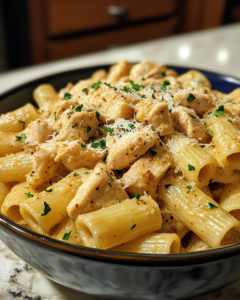
Beef and Broccoli Stir Fry brings tender beef strips, crisp broccoli florets, garlic, ginger, and a glossy soy-based sauce together within a single skillet. This classic takeout-style supper carries deep savory flavor paired with fresh vegetable texture, creating a balanced dinner suitable for busy weekdays or relaxed family evenings.
Thin beef slices cook rapidly across high heat, allowing caramelized edges while keeping the center juicy. Broccoli absorbs the rich sauce without turning soft or watery. Steamed rice alongside the stir fry balances the bold savory character from soy sauce, sesame oil, and aromatics.
A wide skillet or wok helps every ingredient cook evenly. Fast preparation remains central for this dish, so arranging ingredients before cooking keeps the process smooth and organized. Fresh garlic and ginger create depth, while cornstarch gives the sauce a silky finish that lightly coats every bite.
Ingredients Overview

Flank steak remains a classic selection for Beef and Broccoli Stir Fry because thin slices stay tender during rapid cooking. Sirloin also works nicely when sliced against the grain. A brief marinade with soy sauce and cornstarch helps the beef stay juicy while creating gentle browning across the surface.
Broccoli delivers freshness, texture, and earthy flavor. Fresh florets hold their shape during stir frying better than frozen broccoli, although frozen florets can still work after careful thawing and draining. Smaller florets cook evenly and absorb sauce more effectively than oversized pieces.
Garlic and ginger build the aromatic foundation. Freshly minced garlic carries stronger flavor than jarred versions, while grated ginger contributes warmth and subtle brightness. Sesame oil adds nutty depth near the end of cooking, helping the sauce cling beautifully across the beef and broccoli.
Soy sauce forms the backbone for the sauce. Low-sodium soy sauce allows balanced seasoning without overwhelming saltiness. Oyster sauce contributes savory richness and slight sweetness. Beef broth loosens the sauce while maintaining hearty flavor.
Cornstarch serves two purposes within this dish. First, it protects the beef during cooking. Second, it thickens the sauce into a smooth glossy coating. Brown sugar balances salty notes and rounds out the sauce without overwhelming sweetness.
Rice vinegar contributes slight tanginess that balances the richness from the beef and sauce. White rice, jasmine rice, or brown rice all pair beautifully alongside this stir fry. Noodles also work well for a heartier presentation.
Ingredients
1 1/2 pounds flank steak, thinly sliced against the grain
4 cups broccoli florets
2 tablespoons soy sauce
1 tablespoon oyster sauce
1 tablespoon cornstarch
1 teaspoon brown sugar
1 teaspoon sesame oil
1 tablespoon rice vinegar
3 cloves garlic, minced
1 tablespoon fresh ginger, grated
1/2 cup beef broth
2 tablespoons vegetable oil
1/4 teaspoon black pepper
1/4 teaspoon red pepper flakes
Cooked white rice for serving
2 green onions, sliced
1 teaspoon sesame seeds
Step-by-Step Instructions

Begin by placing the sliced flank steak inside a bowl. Add one tablespoon soy sauce together with the cornstarch. Toss thoroughly until every slice carries a light coating. Allow the beef to rest for about fifteen minutes while arranging the remaining ingredients nearby.
Whisk the remaining soy sauce, oyster sauce, brown sugar, rice vinegar, sesame oil, beef broth, and black pepper inside another bowl. Stir until fully combined. Keeping the sauce prepared before heating the skillet helps prevent overcooking later.
Bring a large skillet or wok across medium-high heat. Add one tablespoon vegetable oil. Once the surface appears hot and lightly shimmering, spread half the beef across the pan in a single layer. Avoid overcrowding because crowded beef releases moisture instead of browning properly.
Cook the beef for roughly two minutes per side until caramelized edges appear. Transfer cooked beef onto a plate, then repeat with the remaining beef and another small drizzle of oil if needed.
Add the broccoli florets directly into the skillet. Stir frequently for about four minutes. The broccoli should turn bright green while remaining slightly crisp. If the pan appears dry, add two tablespoons water and cover briefly so steam softens the broccoli gently.
Stir garlic, ginger, and red pepper flakes into the skillet. Cook for about thirty seconds until fragrant. Avoid prolonged cooking during this stage because garlic can darken rapidly and create bitterness.
Return the cooked beef together with any juices back into the skillet. Pour the prepared sauce across the mixture and stir continuously. Within two to three minutes, the sauce thickens into a glossy coating surrounding the beef and broccoli evenly.
Taste the sauce before serving. Additional soy sauce can deepen savoriness, while another splash of rice vinegar adds brightness. Scatter sliced green onions and sesame seeds across the surface immediately before plating.
Serve the stir fry hot over steamed rice. Properly cooked beef should remain tender rather than chewy. Slicing against the grain and rapid cooking across high heat remain essential for ideal texture.
Tips, Variations & Substitutions
Chicken breast or boneless chicken thighs substitute beautifully for beef within this stir fry. Thin pork slices also pair nicely alongside broccoli and the savory sauce. Tofu creates a satisfying vegetarian variation when pressed thoroughly before cooking.
Snow peas, sliced carrots, mushrooms, or bell peppers bring additional color and texture. Vegetables with high moisture content should cook briefly so the sauce remains rich rather than watery.
For deeper flavor, marinate the beef for up to one hour inside the refrigerator. A longer marinade helps tenderize lean cuts while allowing the sauce ingredients to penetrate more fully.
A cast-iron skillet works nicely when a wok remains unavailable. High heat remains important because rapid cooking prevents steaming. Stir constantly once the aromatics enter the pan.
Tamari substitutes well for soy sauce within gluten-conscious kitchens. Coconut aminos create a slightly sweeter sauce with gentler sodium levels. Brown rice offers additional fiber while noodles create a heartier presentation.
Fresh ginger carries brighter flavor than powdered ginger. Likewise, freshly minced garlic produces stronger aroma and richer savoriness than pre-minced varieties stored inside jars.
Serving Ideas & Occasions
Beef and Broccoli Stir Fry pairs naturally alongside jasmine rice, brown rice, or lightly seasoned noodles. Steamed dumplings, cucumber salad, or roasted green beans round out the meal beautifully without competing against the savory sauce.
This dish suits busy weekday suppers because preparation moves rapidly once ingredients become arranged. It also works nicely for casual family gatherings since the recipe scales easily for larger portions.
Sparkling water with lime balances the richness from the beef nicely. Unsweetened iced tea also complements the savory flavors without overpowering the dish.
For buffet-style dinners, place the stir fry inside a wide serving bowl beside rice and assorted toppings such as sliced green onions, sesame seeds, chili flakes, or sautéed mushrooms. The glossy sauce remains appealing across both casual and slightly dressier dinner tables.
Nutritional & Health Notes
Beef and Broccoli Stir Fry contains balanced protein, vegetables, and carbohydrates when paired with rice. Flank steak provides iron and protein, while broccoli contributes fiber, vitamin C, and potassium.
Cooking across high heat with limited oil keeps the dish lighter than heavily battered takeout versions. Broccoli retains pleasant texture and nutritional value through brief cooking rather than prolonged simmering.
Low-sodium soy sauce helps moderate salt content while still delivering savory depth. Brown rice contributes additional fiber and creates a more filling meal for many diners.
Portion balance remains important. Serving generous broccoli alongside moderate rice creates a satisfying plate without excessive heaviness. Sesame oil contributes concentrated flavor, so only a small quantity remains necessary.
Homemade preparation also allows careful ingredient selection. Fresh vegetables, lean beef, and controlled sauce quantities contribute to a balanced supper suitable for frequent rotation within meal planning.
FAQs
Which beef cut works nicely for stir fry?
Flank steak remains one of the strongest choices because thin slices cook rapidly while staying tender when sliced against the grain. Sirloin also performs beautifully and carries rich beef flavor. Ribeye creates extra richness due to marbling, although it costs slightly more.
Freezing the beef for about twenty minutes before slicing helps create thinner pieces with cleaner edges. Thin slices remain essential because thick pieces can turn chewy before browning properly.
Rapid cooking across high heat also matters greatly. Overcooking even quality beef can create toughness. Small batches help maintain strong heat inside the skillet while encouraging caramelization rather than steaming.
Can frozen broccoli work within this recipe?
Frozen broccoli can absolutely work when fresh broccoli remains unavailable. Thaw the florets first and pat them dry using paper towels. Excess moisture can thin the sauce and reduce browning inside the skillet.
Frozen broccoli softens faster than fresh florets, so cooking time should remain shorter. Add the broccoli during the later cooking stage and stir gently until heated through.
Fresh broccoli still carries firmer texture and brighter appearance, although frozen broccoli remains practical for busy evenings. Either version pairs beautifully alongside the savory sauce and tender beef.
Why did the beef turn chewy?
Chewy beef often results from slicing incorrectly or cooking too long. Always slice against the grain because shorter muscle fibers create a more tender bite. Thin slices remain especially important for rapid stir frying.
Crowding the skillet can also create steaming instead of browning. Steam keeps the surface from caramelizing while encouraging tougher texture. Cooking the beef in smaller batches helps maintain strong heat.
A brief marinade containing soy sauce and cornstarch further protects tenderness. Rapid cooking across medium-high or high heat usually delivers the strongest texture and flavor.
Can this dish stay inside the refrigerator?
Beef and Broccoli Stir Fry stores nicely within airtight containers for up to four days. Allow the stir fry to cool slightly before refrigeration so condensation does not thin the sauce excessively.
Reheat gently inside a skillet across medium heat with a small splash of broth or water. Microwave reheating also works, although the broccoli may soften further.
Rice should remain stored separately whenever possible. Fresh garnishes such as green onions and sesame seeds taste brightest when added immediately before serving rather than during storage.
Which rice pairs nicely alongside this stir fry?
Jasmine rice remains especially popular because its light floral aroma complements the savory sauce beautifully. White rice absorbs sauce nicely while maintaining soft texture.
Brown rice offers nuttier flavor together with additional fiber. Fried rice also works beautifully when serving this dish for larger gatherings or relaxed weekend suppers.
Noodles such as lo mein or rice noodles provide another satisfying alternative. Regardless of the base selected, warm freshly cooked grains or noodles help balance the bold sauce and tender beef.
Is oyster sauce necessary?
Oyster sauce contributes deep savory richness together with subtle sweetness. While traditional within many stir fry recipes, substitutes remain available when necessary.
Additional soy sauce mixed with a small amount of brown sugar can imitate some flavor depth. Hoisin sauce also creates richness, although it introduces sweeter notes.
Vegetarian mushroom-based stir fry sauces work nicely for meat-free kitchens. Even without oyster sauce, garlic, ginger, soy sauce, and sesame oil still create a flavorful and satisfying dish.
How can the sauce become thicker?
Cornstarch remains the primary thickening ingredient within this recipe. If the sauce still appears thin after simmering, whisk one teaspoon cornstarch together with one tablespoon cold water until smooth.
Pour the mixture gradually into the skillet while stirring continuously. Within about one minute, the sauce should tighten into a glossy coating surrounding the beef and broccoli.
Avoid adding dry cornstarch directly into the pan because clumps may form. Gentle simmering also matters because the sauce thickens more effectively once heated fully.