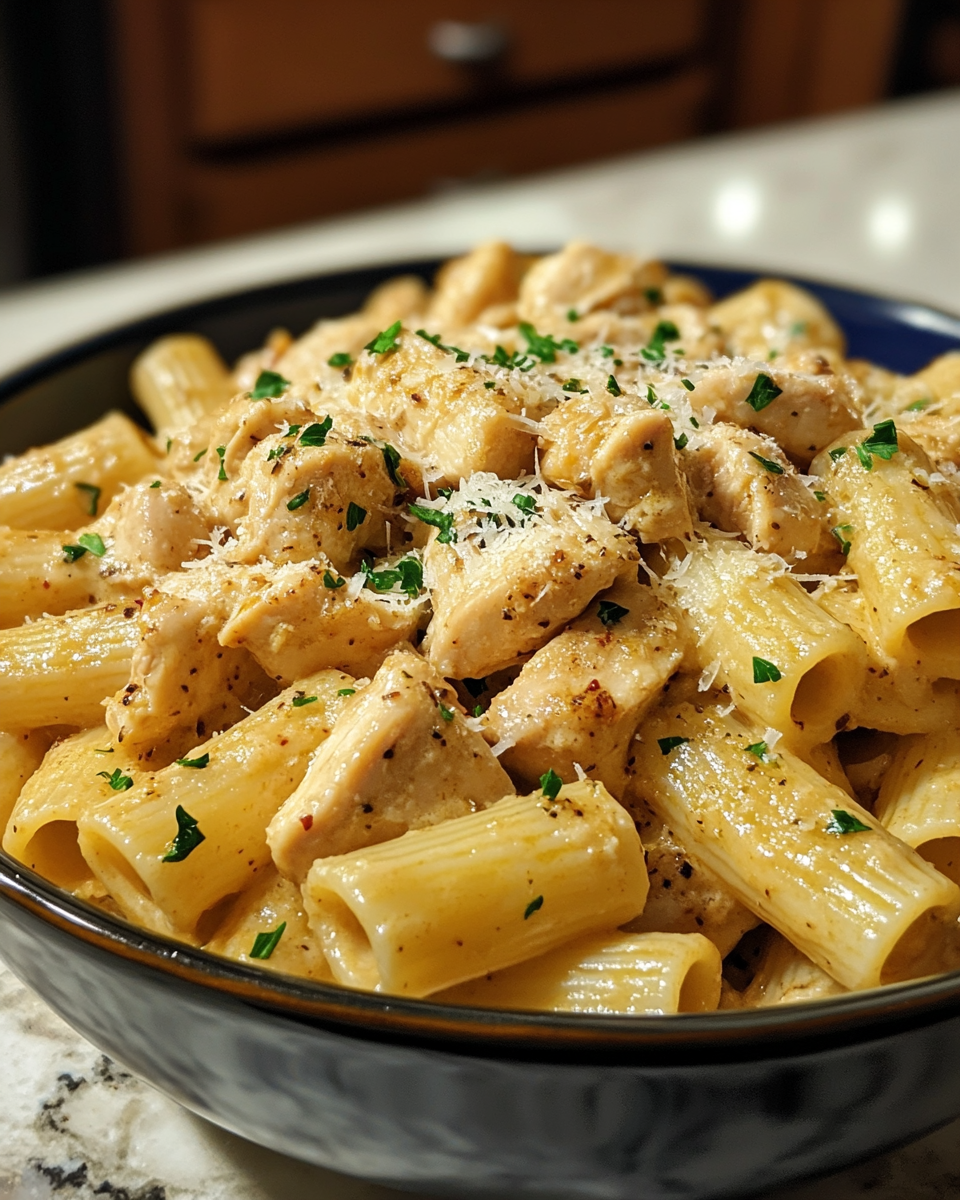
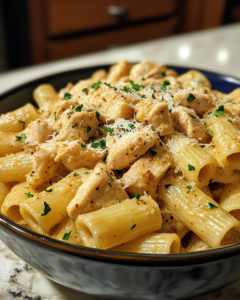
Creamy Beef and Shells is a hearty pasta dinner filled with tender shell pasta, seasoned ground beef, and a rich tomato cream sauce. This family-style meal comes together in one skillet and delivers a warm, cozy texture that works well for busy weeknights or relaxed weekend dinners. The pasta shells hold the creamy sauce beautifully, giving every bite plenty of flavor without feeling heavy.
This dish combines pantry staples with a smooth cheese sauce and savory beef for a meal that feels homemade and satisfying. The balanced mix of garlic, onion, tomato sauce, Italian seasoning, and cream creates a rich finish that pairs perfectly with pasta. Creamy Beef and Shells also reheats well, making it a practical option for meal prep or leftovers during the week.
Ingredients Overview

The heart of Creamy Beef and Shells comes from a small group of dependable ingredients that blend into a rich and filling pasta dinner. Medium pasta shells are ideal because their curved shape catches the creamy sauce and bits of beef in every spoonful. Shell pasta also cooks quickly and keeps a pleasant texture even after reheating.
Ground beef gives the dish its savory depth. An 85/15 blend works nicely because it contains enough fat for flavor without making the sauce greasy. Lean ground beef may also be used, though a small splash of olive oil can help keep the meat tender while cooking.
Onion and garlic form the flavor base of the sauce. They soften into the beef mixture and add warmth without overpowering the creamy finish. Tomato sauce and tomato paste bring balance to the richness of the cream and cheese. Italian seasoning ties the flavors together with herbs that complement both the beef and pasta.
Heavy cream creates the silky texture that makes this dish comforting and smooth. Shredded cheddar cheese melts into the sauce and gives it body and mild sharpness. Freshly shredded cheese works better than pre-shredded varieties because it melts more evenly.
Beef broth deepens the savory flavor while helping the sauce coat the shells evenly. For a lighter version, half-and-half may replace heavy cream, though the sauce will be thinner. Ground turkey can stand in for beef if preferred, and gluten-free pasta works well with careful cooking.
Ingredients
12 ounces medium pasta shells
1 pound ground beef
1 tablespoon olive oil
1 small yellow onion, finely diced
3 cloves garlic, minced
1 teaspoon Italian seasoning
1/2 teaspoon paprika
1 teaspoon salt
1/2 teaspoon black pepper
2 tablespoons tomato paste
1 can tomato sauce (15 ounces)
2 cups beef broth
3/4 cup heavy cream
1 1/2 cups shredded cheddar cheese
2 tablespoons chopped parsley
Step-by-Step Instructions

Bring a large pot of salted water to a boil. Add the pasta shells and cook until just al dente according to the package directions. The shells should remain slightly firm because they will continue cooking in the sauce later. Drain the pasta and set it aside.
While the pasta cooks, heat a large skillet or deep sauté pan over medium heat. Add the olive oil followed by the ground beef. Break the beef apart with a wooden spoon and cook for about 6 to 8 minutes until browned. If excess grease collects in the pan, carefully drain most of it away while leaving a small amount for flavor.
Add the diced onion to the skillet and cook for 4 minutes until softened. Stir in the garlic, Italian seasoning, paprika, salt, and black pepper. Cook for another minute until fragrant. This step allows the seasonings to blend into the meat before the liquid ingredients are added.
Mix in the tomato paste and stir well so it coats the beef mixture evenly. Let it cook for about 1 minute to deepen the tomato flavor slightly. Pour in the tomato sauce and beef broth, stirring until smooth. Bring the mixture to a gentle simmer.
Reduce the heat to medium-low and allow the sauce to simmer for 5 to 7 minutes. The liquid should reduce slightly and develop a thicker consistency. Stir occasionally so the sauce does not stick to the bottom of the skillet.
Slowly pour in the heavy cream while stirring continuously. The sauce will become smooth and creamy almost immediately. Keep the heat low at this stage because high heat can cause dairy to separate.
Add the shredded cheddar cheese a handful at a time, stirring after each addition until melted. The sauce should appear thick, glossy, and evenly combined. If the sauce feels too thick, add a splash of beef broth to loosen it slightly.
Fold the cooked pasta shells into the sauce and stir gently until every shell is coated. Allow the pasta to cook in the sauce for 2 to 3 minutes so the flavors blend together fully.
Taste the sauce and adjust seasoning if needed. Scatter chopped parsley over the top before serving.
One common mistake with Creamy Beef and Shells is overcooking the pasta. Soft shells may break apart after being mixed into the sauce. Another issue comes from adding cheese over high heat, which can create a grainy texture instead of a creamy finish. Keeping the heat low while stirring steadily helps create a smooth sauce every time.
Tips, Variations & Substitutions
Freshly grated cheese melts more smoothly than packaged shredded cheese, making the sauce creamier and richer. If the sauce thickens too much while sitting, stir in a small splash of warm broth or milk before serving.
Ground turkey or ground chicken may replace the beef for a lighter version. Italian sausage also works nicely for a richer flavor. When using sausage, reduce the added salt slightly because sausage often contains extra seasoning already.
For extra vegetables, stir in spinach, mushrooms, or diced bell peppers during the cooking process. Spinach wilts quickly and blends naturally into the creamy sauce. Mushrooms add an earthy flavor that pairs well with beef and cheese.
Different cheeses can shift the flavor profile of the dish. Monterey Jack creates a milder sauce, while mozzarella produces a stretchy texture. A small amount of Parmesan can also add savory depth without changing the creamy consistency too much.
Gluten-free pasta shells can be used if needed, though they should be cooked carefully to avoid splitting. Whole wheat pasta gives the dish a slightly nuttier flavor and additional fiber.
A pinch of red pepper flakes may be added for gentle heat. Some cooks also stir in a spoonful of sour cream near the end for extra richness and tang.
Serving Ideas & Occasions
Creamy Beef and Shells pairs nicely with garlic bread, roasted vegetables, or a crisp green salad. The creamy sauce balances especially well with lighter side dishes such as cucumber salad or steamed green beans.
This pasta dinner fits naturally into busy weeknight schedules because it cooks quickly and uses familiar ingredients. It also works well for casual family gatherings, game nights, or cold-weather dinners when hearty comfort food feels especially welcome.
For drinks, sparkling water with lemon keeps the meal balanced and refreshing. Iced tea or light fruit drinks also pair nicely with the creamy sauce.
If serving this dish for guests, garnish each bowl with parsley and extra shredded cheese for a polished finish. Creamy Beef and Shells may also be prepared ahead and gently reheated before serving. The flavors often deepen after resting for several hours.
Nutritional & Health Notes
Creamy Beef and Shells contains a balanced mix of protein, carbohydrates, and fats, making it a filling main-course meal. Ground beef provides protein and iron, while pasta contributes energy-rich carbohydrates that help make the dish satisfying.
Using moderate amounts of cream and cheese creates a rich texture without requiring large portions. Lean ground beef may reduce the overall fat content while still giving the sauce savory flavor. Adding vegetables such as spinach or mushrooms can increase fiber and nutritional value.
The tomato sauce contributes acidity that balances the dairy ingredients while also adding vitamins and natural sweetness. Portion size plays an important role with rich pasta dishes, and pairing this meal with vegetables or salad can create a more balanced dinner plate.
Those watching sodium intake may use low-sodium broth and reduced-salt cheese. Whole wheat pasta can increase fiber and help create a more filling meal.
FAQs
Can I make Creamy Beef and Shells ahead of time?
Yes, this recipe works very well as a make-ahead meal. Prepare the pasta and sauce fully, then allow everything to cool before storing it in an airtight container in the refrigerator. When reheating, add a small splash of broth, milk, or cream to loosen the sauce because pasta tends to absorb liquid while sitting. Warm the dish gently over medium-low heat while stirring occasionally. Avoid boiling the sauce during reheating because high heat can affect the creamy texture. This meal is especially useful for busy schedules since the flavors remain rich and balanced even after a day or two in the refrigerator.
What type of pasta works best for this recipe?
Medium shell pasta is ideal because the curved shape holds the creamy sauce and small bits of beef very well. Each shell acts like a small scoop that catches the rich sauce in every bite. If shells are unavailable, other short pasta shapes such as rotini, penne, or elbow macaroni can also work. Pasta with ridges or curves tends to hold creamy sauces better than smooth varieties. Cook the pasta just until al dente because it continues softening once mixed into the hot sauce. Overcooked pasta may become too soft after reheating or mixing.
Can I freeze Creamy Beef and Shells?
This dish can be frozen, though cream-based sauces sometimes change texture slightly after thawing. Allow the pasta to cool fully before placing it into freezer-safe containers. Freeze for up to two months for the freshest flavor. Thaw overnight in the refrigerator before reheating gently on the stove. Stirring in a little cream or broth during reheating helps bring back the smooth consistency. If preparing the recipe specifically for freezing, slightly undercook the pasta so it keeps a firmer texture after reheating. The flavor remains rich and hearty even after storage.
How can I make the sauce thicker?
A thicker sauce usually comes from simmering the tomato and broth mixture long enough before adding cream and cheese. Allowing the liquid to reduce naturally helps create a richer consistency. Freshly shredded cheese also melts more smoothly and thickens the sauce better than packaged shredded cheese. If the sauce still feels thin, simmer it gently for several extra minutes while stirring occasionally. Avoid using high heat because dairy sauces can separate. Another option is adding a small amount of cream cheese for extra body and richness.
Can I add vegetables to this dish?
Vegetables blend nicely into Creamy Beef and Shells without changing the comforting texture too much. Spinach is a common addition because it wilts quickly and adds color. Mushrooms pair especially well with beef and creamy sauces, while bell peppers add sweetness and texture. Peas can also work nicely for a touch of freshness. Add firmer vegetables early in the cooking process so they soften properly. Delicate greens should be stirred in near the end. These additions can stretch the recipe further while bringing extra texture and nutrition.
What cheese melts best in the sauce?
Cheddar cheese creates a creamy texture with mild sharpness that complements the beef and tomato flavors nicely. Freshly grated cheddar melts more evenly than packaged shredded cheese because it lacks anti-caking ingredients. Monterey Jack melts smoothly and creates a milder flavor, while mozzarella gives the sauce a softer and stretchier texture. Parmesan may also be added in small amounts for savory richness. Mixing two cheeses together often creates the richest flavor. Keep the heat low while adding cheese so the sauce remains smooth rather than grainy.
How long will leftovers stay fresh?
Stored properly in an airtight container, Creamy Beef and Shells usually stays fresh in the refrigerator for about three to four days. Reheat portions gently on the stove or in the microwave with a small splash of milk or broth to refresh the sauce. Stir occasionally while reheating so the heat spreads evenly throughout the pasta. Cream-based pasta dishes often taste even richer the next day because the flavors continue blending during storage. For the freshest texture, avoid overheating during reheating since the pasta can soften too much.