Arrabbiata Pasta 7 Simple Cozy Spicy Recipe

Posted on

Uncategorized

Difficulty

Prep time

Cooking time

Total time

Servings

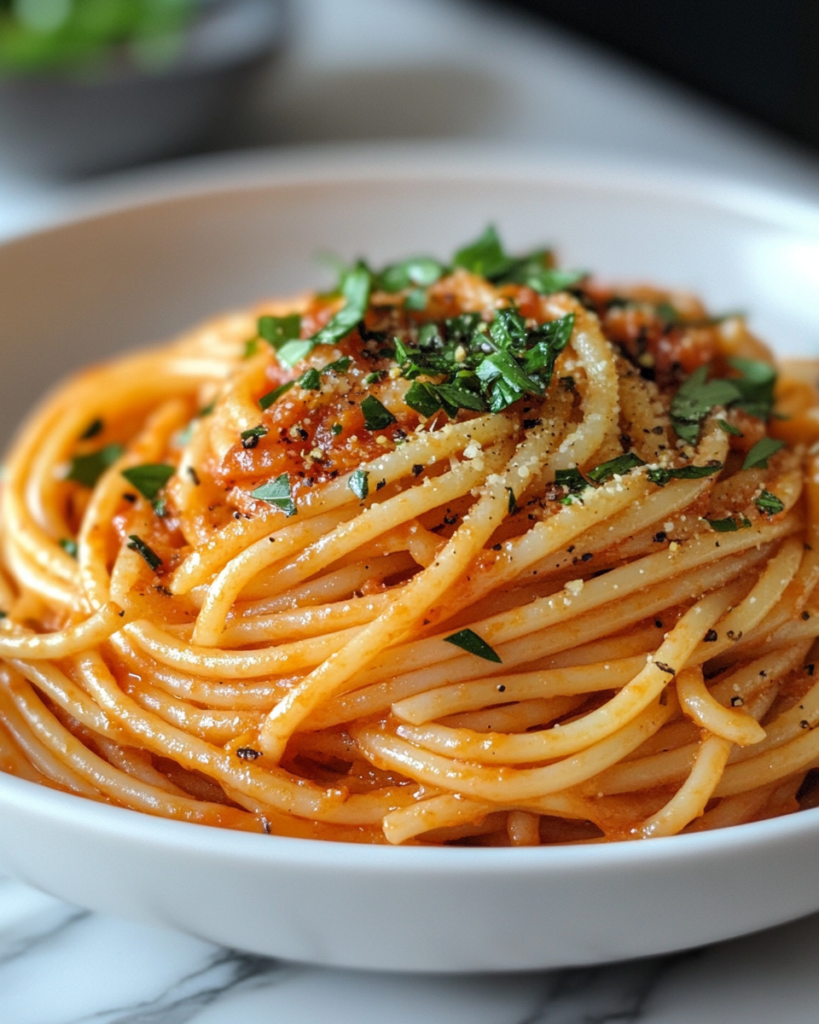
A bowl of Arrabbiata pasta brings a bold tomato-garlic chili sauce clinging to tender strands of pasta. This Arrabbiata pasta recipe focuses on balanced heat, rich tomato depth, and a silky finish that coats every bite.

The dish has roots in Roman cooking traditions, where simple pantry ingredients turn into a vibrant sauce with character. Each element works together to create a warming plate that feels satisfying without being complicated.

Arrabbiata pasta is known for its chili-forward sauce, yet the heat can be adjusted to suit personal taste. The combination of olive oil, garlic, tomatoes, and red pepper flakes forms a base that develops flavor as it simmers.

This version keeps the method straightforward, making it suitable for both quick dinners and relaxed cooking sessions. The result is a comforting pasta with a steady kick and a rich tomato aroma.

Ingredients Overview
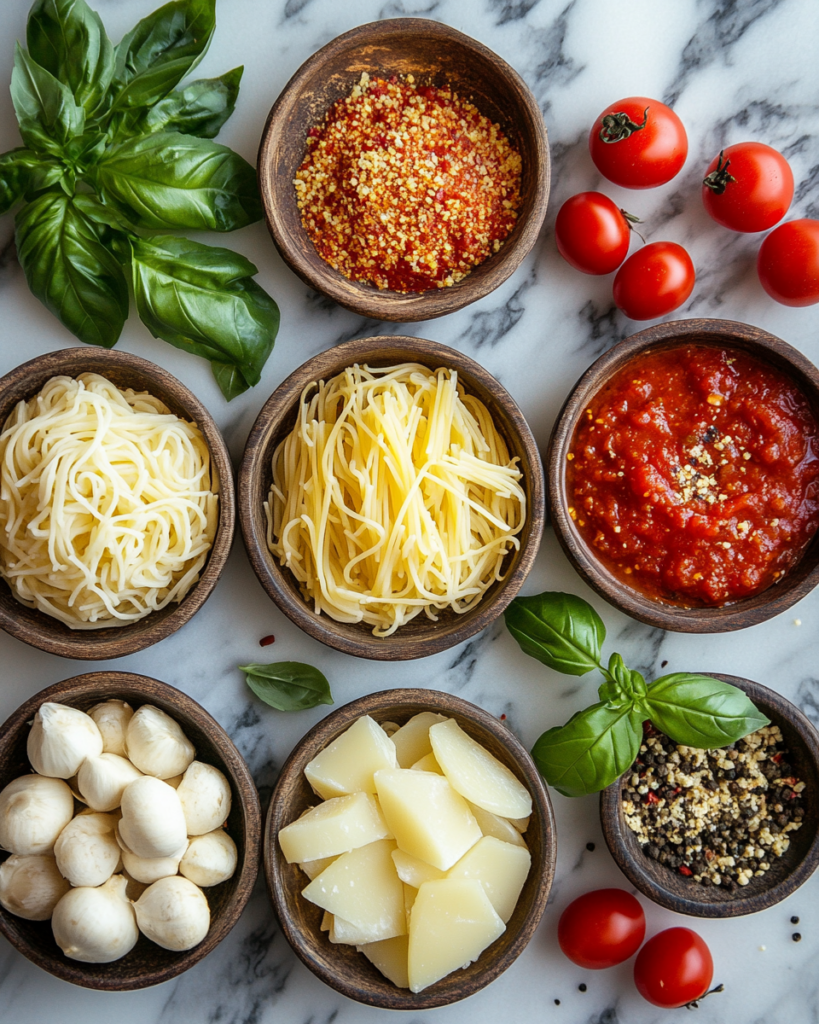
Arrabbiata pasta relies on a short list of ingredients that each play a clear role in shaping flavor and texture. The base begins with ripe tomatoes, often used as canned whole peeled tomatoes or crushed tomatoes. These provide body, acidity, and a naturally sweet tomato note that deepens as it cooks.

Garlic is another key component, offering a sharp aromatic foundation. When gently sautéed in olive oil, it softens and releases its fragrance without turning bitter. Red chili flakes bring the signature heat, and the quantity can be adjusted depending on how strong the spice level is desired.

Olive oil helps carry all the flavors and gives the sauce a smooth finish. A good quality oil adds richness without overpowering the tomato base. Salt is essential for balancing acidity and enhancing natural flavors, while black pepper adds subtle warmth.

Pasta choice also matters. Penne is traditionally used because its ridges hold sauce well, but other short pasta shapes such as rigatoni or fusilli can be used. Fresh parsley can be added at the end for a light herbal note.

Optional additions include grated cheese for creaminess or a small amount of pasta water to adjust sauce consistency. The ingredients come together quickly, making this dish suitable for a straightforward cooking routine.

Ingredients

12 ounces penne pasta
3 tablespoons olive oil
4 garlic cloves, thinly sliced
1 teaspoon red chili flakes
1 can (28 ounces) crushed tomatoes
1 teaspoon salt
1/2 teaspoon black pepper
1 teaspoon sugar (optional, to balance acidity)
1/2 cup reserved pasta water
1/4 cup fresh parsley, chopped
1/3 cup grated Pecorino Romano cheese (optional)

Step-by-Step Instructions
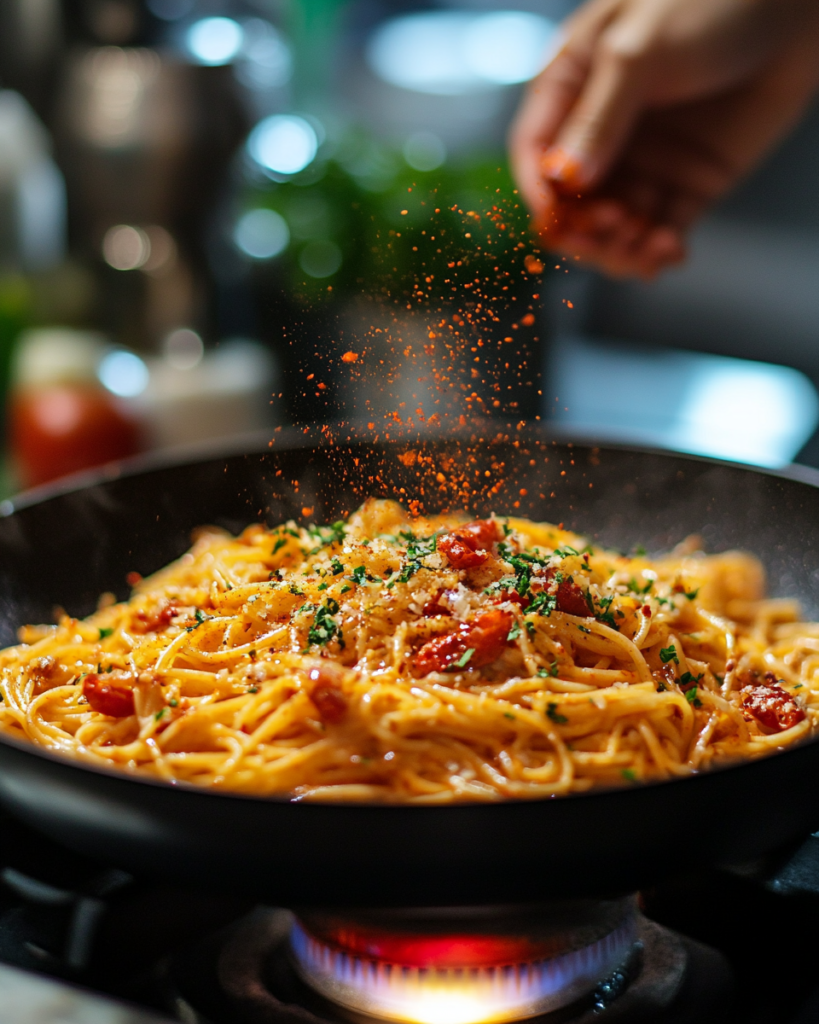
Begin by filling a large pot with water and bringing it to a steady boil. Add a generous pinch of salt, then add the penne pasta. Stir occasionally to prevent sticking. Cook until the pasta reaches a firm yet tender texture, usually around 10 to 11 minutes depending on the brand. Before draining, reserve about half a cup of the cooking water to adjust the sauce later.

While the pasta cooks, place a large skillet over medium heat and pour in olive oil. Add sliced garlic and gently cook until it becomes fragrant and lightly golden. Keep the heat moderate, as garlic can turn bitter if it cooks too quickly or becomes too dark.

Sprinkle in the chili flakes and stir for a few seconds to release their heat into the oil. This step allows the spice to infuse the base of the sauce evenly. Pour in the crushed tomatoes and stir well to combine everything in the pan.

Season with salt and black pepper, then reduce heat slightly and allow the sauce to simmer. Let it cook for about 15 to 20 minutes, stirring occasionally. During this time, the sauce thickens and the flavors deepen into a rich tomato base.

If the sauce becomes too thick, add small amounts of reserved pasta water until it reaches a smooth, silky consistency. A small pinch of sugar can be added if the tomatoes taste too sharp, though this is optional.

Once the pasta is ready, drain it and transfer it directly into the skillet with the sauce. Toss thoroughly so each piece is coated evenly. Allow the pasta to sit in the sauce for a minute so it absorbs additional flavor.

Finish by sprinkling fresh parsley over the top and adding grated Pecorino Romano if desired. Serve immediately while warm, ensuring the sauce remains glossy and clings to the pasta.

Common mistakes include burning the garlic or overcooking the pasta. Keeping a close eye on both steps helps maintain ideal texture and flavor balance.

Tips, Variations & Substitutions

Adjusting the chili level is the simplest way to modify this dish. For a milder version, reduce the chili flakes or replace part of them with sweet paprika. For a stronger heat profile, increase the chili flakes slightly or add a pinch of chili powder.

Whole wheat or gluten-free pasta can replace traditional penne without changing the structure of the dish. Each type will absorb the sauce slightly differently, so minor adjustments in cooking time may be needed.

Adding vegetables such as spinach, zucchini, or roasted bell peppers can introduce extra texture and color. These should be cooked separately or sautéed briefly before combining with the sauce.

For a richer finish, a small amount of butter can be stirred into the sauce just before mixing with pasta. This creates a smoother texture without changing the core flavor profile.

Leftover Arrabbiata pasta can be stored and reheated gently with a splash of water to loosen the sauce. This keeps the texture consistent when serving again.

Serving Ideas & Occasions

Arrabbiata pasta fits well into casual dining settings and quick evening meals. It pairs nicely with simple side dishes such as a fresh green salad or roasted vegetables. A slice of crusty bread also works well for absorbing extra sauce.

For drinks, light beverages with crisp notes complement the chili heat without overwhelming the palate. Sparkling water with citrus or a mild iced herbal tea can balance the richness of the tomato sauce.

This dish is often served as a main course in a multi-dish meal or as a standalone plate for a straightforward dining experience. It suits both weekday cooking and relaxed weekend meals due to its quick preparation and bold flavor profile.

Nutritional & Health Notes

Arrabbiata pasta provides a balance of carbohydrates from pasta and nutrients from tomato-based sauce. Tomatoes contribute natural vitamins and antioxidants, while olive oil adds healthy fats that support flavor and texture.

Garlic offers aromatic compounds that enhance depth without requiring large quantities. Chili flakes contribute heat while remaining low in calories, allowing flavor intensity without heaviness.

Portion size can be adjusted based on dietary needs. Adding vegetables increases fiber content and adds volume to the dish without significantly changing preparation steps.

Grated cheese, if used, adds protein and richness but can be omitted for a lighter version. The dish remains adaptable for different eating preferences while maintaining its core structure.

FAQs

What type of pasta works for Arrabbiata pasta?

Penne is the most commonly used shape due to its ridges, which hold sauce effectively. However, other short pasta types such as rigatoni or fusilli can also be used. These alternatives maintain a similar texture experience and allow the sauce to cling well. Long pasta can also be used, though the coating effect may feel slightly different.

Can the spice level be adjusted?

Yes, the heat level depends entirely on the amount of chili flakes used. Reducing the quantity creates a milder sauce, while increasing it results in a stronger heat profile. The sauce remains flexible, so adjustments can be made without changing cooking time or structure.

Can fresh tomatoes replace canned ones?

Fresh tomatoes can be used if they are ripe and flavorful. They should be peeled and cooked longer to reach a similar consistency to canned tomatoes. The cooking time may increase slightly to allow the sauce to thicken properly.

How can sauce thickness be controlled?

Reserved pasta water is useful for adjusting consistency. Adding small amounts helps loosen a thick sauce while maintaining flavor. Simmering longer reduces excess liquid if the sauce feels too thin.

Is cheese required in this dish?

Cheese is optional. Pecorino Romano adds a salty and rich finish, but the dish remains complete without it. The sauce itself carries strong flavor through tomatoes, garlic, and chili.

Can Arrabbiata pasta be prepared ahead of time?

The sauce can be prepared in advance and stored separately. When ready to serve, it can be reheated and combined with freshly cooked pasta. This helps maintain texture and prevents the pasta from becoming overly soft.

What can be served alongside this pasta?

Simple sides such as salad greens or roasted vegetables pair well. Bread can also accompany the dish to soak up remaining sauce. These additions balance the strong tomato and chili flavors.

[rank_math_breadcrumb]

Arrabbiata Pasta 7 Simple Cozy Spicy Recipe

Photo of author
Author: Carol
Published:

A bowl of Arrabbiata pasta brings a bold tomato-garlic chili sauce clinging to tender strands of pasta. This Arrabbiata pasta recipe focuses on balanced heat, rich tomato depth, and a silky finish that coats every bite.

The dish has roots in Roman cooking traditions, where simple pantry ingredients turn into a vibrant sauce with character. Each element works together to create a warming plate that feels satisfying without being complicated.

Arrabbiata pasta is known for its chili-forward sauce, yet the heat can be adjusted to suit personal taste. The combination of olive oil, garlic, tomatoes, and red pepper flakes forms a base that develops flavor as it simmers.

This version keeps the method straightforward, making it suitable for both quick dinners and relaxed cooking sessions. The result is a comforting pasta with a steady kick and a rich tomato aroma.

Ingredients Overview

Arrabbiata pasta relies on a short list of ingredients that each play a clear role in shaping flavor and texture. The base begins with ripe tomatoes, often used as canned whole peeled tomatoes or crushed tomatoes. These provide body, acidity, and a naturally sweet tomato note that deepens as it cooks.

Garlic is another key component, offering a sharp aromatic foundation. When gently sautéed in olive oil, it softens and releases its fragrance without turning bitter. Red chili flakes bring the signature heat, and the quantity can be adjusted depending on how strong the spice level is desired.

Olive oil helps carry all the flavors and gives the sauce a smooth finish. A good quality oil adds richness without overpowering the tomato base. Salt is essential for balancing acidity and enhancing natural flavors, while black pepper adds subtle warmth.

Pasta choice also matters. Penne is traditionally used because its ridges hold sauce well, but other short pasta shapes such as rigatoni or fusilli can be used. Fresh parsley can be added at the end for a light herbal note.

Optional additions include grated cheese for creaminess or a small amount of pasta water to adjust sauce consistency. The ingredients come together quickly, making this dish suitable for a straightforward cooking routine.

Ingredients

12 ounces penne pasta
3 tablespoons olive oil
4 garlic cloves, thinly sliced
1 teaspoon red chili flakes
1 can (28 ounces) crushed tomatoes
1 teaspoon salt
1/2 teaspoon black pepper
1 teaspoon sugar (optional, to balance acidity)
1/2 cup reserved pasta water
1/4 cup fresh parsley, chopped
1/3 cup grated Pecorino Romano cheese (optional)

Step-by-Step Instructions

Begin by filling a large pot with water and bringing it to a steady boil. Add a generous pinch of salt, then add the penne pasta. Stir occasionally to prevent sticking. Cook until the pasta reaches a firm yet tender texture, usually around 10 to 11 minutes depending on the brand. Before draining, reserve about half a cup of the cooking water to adjust the sauce later.

While the pasta cooks, place a large skillet over medium heat and pour in olive oil. Add sliced garlic and gently cook until it becomes fragrant and lightly golden. Keep the heat moderate, as garlic can turn bitter if it cooks too quickly or becomes too dark.

Sprinkle in the chili flakes and stir for a few seconds to release their heat into the oil. This step allows the spice to infuse the base of the sauce evenly. Pour in the crushed tomatoes and stir well to combine everything in the pan.

Season with salt and black pepper, then reduce heat slightly and allow the sauce to simmer. Let it cook for about 15 to 20 minutes, stirring occasionally. During this time, the sauce thickens and the flavors deepen into a rich tomato base.

If the sauce becomes too thick, add small amounts of reserved pasta water until it reaches a smooth, silky consistency. A small pinch of sugar can be added if the tomatoes taste too sharp, though this is optional.

Once the pasta is ready, drain it and transfer it directly into the skillet with the sauce. Toss thoroughly so each piece is coated evenly. Allow the pasta to sit in the sauce for a minute so it absorbs additional flavor.

Finish by sprinkling fresh parsley over the top and adding grated Pecorino Romano if desired. Serve immediately while warm, ensuring the sauce remains glossy and clings to the pasta.

Common mistakes include burning the garlic or overcooking the pasta. Keeping a close eye on both steps helps maintain ideal texture and flavor balance.

Tips, Variations & Substitutions

Adjusting the chili level is the simplest way to modify this dish. For a milder version, reduce the chili flakes or replace part of them with sweet paprika. For a stronger heat profile, increase the chili flakes slightly or add a pinch of chili powder.

Whole wheat or gluten-free pasta can replace traditional penne without changing the structure of the dish. Each type will absorb the sauce slightly differently, so minor adjustments in cooking time may be needed.

Adding vegetables such as spinach, zucchini, or roasted bell peppers can introduce extra texture and color. These should be cooked separately or sautéed briefly before combining with the sauce.

For a richer finish, a small amount of butter can be stirred into the sauce just before mixing with pasta. This creates a smoother texture without changing the core flavor profile.

Leftover Arrabbiata pasta can be stored and reheated gently with a splash of water to loosen the sauce. This keeps the texture consistent when serving again.

Serving Ideas & Occasions

Arrabbiata pasta fits well into casual dining settings and quick evening meals. It pairs nicely with simple side dishes such as a fresh green salad or roasted vegetables. A slice of crusty bread also works well for absorbing extra sauce.

For drinks, light beverages with crisp notes complement the chili heat without overwhelming the palate. Sparkling water with citrus or a mild iced herbal tea can balance the richness of the tomato sauce.

This dish is often served as a main course in a multi-dish meal or as a standalone plate for a straightforward dining experience. It suits both weekday cooking and relaxed weekend meals due to its quick preparation and bold flavor profile.

Nutritional & Health Notes

Arrabbiata pasta provides a balance of carbohydrates from pasta and nutrients from tomato-based sauce. Tomatoes contribute natural vitamins and antioxidants, while olive oil adds healthy fats that support flavor and texture.

Garlic offers aromatic compounds that enhance depth without requiring large quantities. Chili flakes contribute heat while remaining low in calories, allowing flavor intensity without heaviness.

Portion size can be adjusted based on dietary needs. Adding vegetables increases fiber content and adds volume to the dish without significantly changing preparation steps.

Grated cheese, if used, adds protein and richness but can be omitted for a lighter version. The dish remains adaptable for different eating preferences while maintaining its core structure.

FAQs

What type of pasta works for Arrabbiata pasta?

Penne is the most commonly used shape due to its ridges, which hold sauce effectively. However, other short pasta types such as rigatoni or fusilli can also be used. These alternatives maintain a similar texture experience and allow the sauce to cling well. Long pasta can also be used, though the coating effect may feel slightly different.

Can the spice level be adjusted?

Yes, the heat level depends entirely on the amount of chili flakes used. Reducing the quantity creates a milder sauce, while increasing it results in a stronger heat profile. The sauce remains flexible, so adjustments can be made without changing cooking time or structure.

Can fresh tomatoes replace canned ones?

Fresh tomatoes can be used if they are ripe and flavorful. They should be peeled and cooked longer to reach a similar consistency to canned tomatoes. The cooking time may increase slightly to allow the sauce to thicken properly.

How can sauce thickness be controlled?

Reserved pasta water is useful for adjusting consistency. Adding small amounts helps loosen a thick sauce while maintaining flavor. Simmering longer reduces excess liquid if the sauce feels too thin.

Is cheese required in this dish?

Cheese is optional. Pecorino Romano adds a salty and rich finish, but the dish remains complete without it. The sauce itself carries strong flavor through tomatoes, garlic, and chili.

Can Arrabbiata pasta be prepared ahead of time?

The sauce can be prepared in advance and stored separately. When ready to serve, it can be reheated and combined with freshly cooked pasta. This helps maintain texture and prevents the pasta from becoming overly soft.

What can be served alongside this pasta?

Simple sides such as salad greens or roasted vegetables pair well. Bread can also accompany the dish to soak up remaining sauce. These additions balance the strong tomato and chili flavors.
Name

Lorem ipsum dolor sit amet, consectetur adipiscing elit. Suspendisse varius enim in eros elementum tristique. Duis cursus, mi quis viverra ornare, eros dolor interdum nulla, ut commodo diam libero vitae erat.

You Might Also Like...

Lemon Herb Chicken Bowtie Pasta 5 Simple Surprising Meal

Lemon Herb Chicken Bowtie Pasta 5 Simple Surprising Meal

Chicken Scampi Angel Hair 7 Simple Creamy Delight

Chicken Scampi Angel Hair 7 Simple Creamy Delight

Chicken Alfredo Spinach Bake 5 Simple Cozy Comfort

Chicken Alfredo Spinach Bake 5 Simple Cozy Comfort

Homestyle Chicken Noodle Skillet 30-Min Simple Fearless

Homestyle Chicken Noodle Skillet 30-Min Simple Fearless

Tags:

You might also like these recipes

Leave a Comment