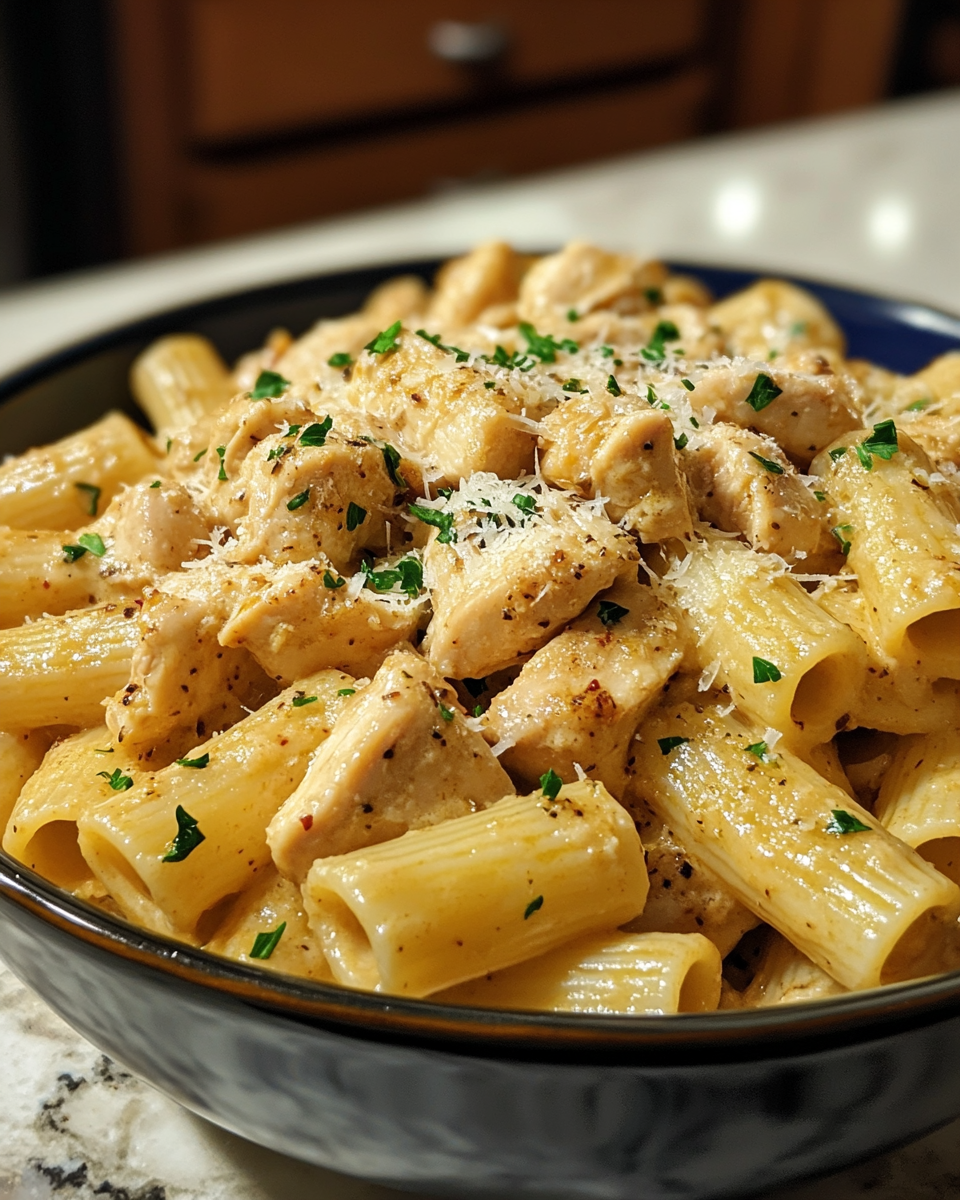
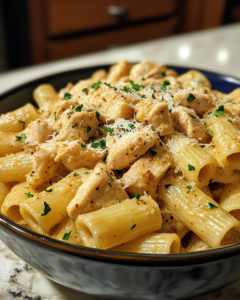
Chicken Garlic Butter Pasta brings together tender chicken, silky pasta, rich butter, and fragrant garlic in a comforting meal that fits both busy weeknights and relaxed family dinners. The sauce lightly coats every strand of pasta while the chicken stays juicy and flavorful. A touch of Parmesan and herbs rounds out the dish with savory depth without turning it into a heavy cream-based pasta.
This recipe comes together with pantry staples and simple cooking steps. The butter and garlic create a rich base, while chicken broth helps the sauce cling to the pasta for a smooth finish. Fresh parsley and Parmesan add brightness and balance to the richness of the butter.
The beauty of Chicken Garlic Butter Pasta lies in its flexibility. It works with spaghetti, fettuccine, penne, or linguine, and the chicken can be adjusted with extra seasoning or vegetables depending on the occasion. Whether served for a casual dinner or a small gathering, it feels warm, filling, and comforting every time.
Ingredients Overview

The heart of Chicken Garlic Butter Pasta starts with boneless chicken breast or chicken thighs. Chicken breast gives the dish a leaner texture, while thighs add slightly richer flavor and stay juicy during cooking. Thin slices cook quickly and absorb the garlic butter sauce beautifully.
Garlic plays a major role in the recipe. Fresh garlic cloves create a deep savory aroma that blends naturally with melted butter. Pre-minced garlic can work in a pinch, though freshly chopped garlic gives stronger flavor and better texture.
Butter forms the base of the sauce. Unsalted butter allows better control over seasoning, especially once Parmesan cheese is added. A small amount of olive oil keeps the butter from browning too quickly while helping the chicken develop a golden exterior.
Pasta acts as the foundation of the dish. Long pasta like linguine or fettuccine catches the buttery sauce nicely, though shorter shapes such as penne or rotini also work well. Cooking the pasta until just tender helps it hold texture after mixing with the sauce.
Chicken broth adds savory depth while helping loosen the sauce. Parmesan cheese melts into the butter mixture for a slightly creamy texture without needing heavy cream. Italian seasoning, black pepper, parsley, and a touch of red pepper flakes create balance and warmth throughout the dish.
For substitutions, shrimp can replace chicken, and gluten-free pasta works well if cooked carefully. Spinach, mushrooms, or broccoli can also be added for extra texture and color.
Ingredients
1 pound boneless skinless chicken breast, sliced thin
12 ounces linguine or fettuccine
4 tablespoons unsalted butter
1 tablespoon olive oil
6 cloves garlic, minced
1 teaspoon Italian seasoning
1/2 teaspoon paprika
1/2 teaspoon salt
1/2 teaspoon black pepper
1/4 teaspoon red pepper flakes
1 cup chicken broth
3/4 cup grated Parmesan cheese
2 tablespoons chopped fresh parsley
1 tablespoon lemon juice
Reserved pasta water as needed
Step-by-Step Instructions

Bring a large pot of salted water to a boil. Add the pasta and cook until just tender according to package directions. Before draining, reserve about one cup of pasta water. Drain the pasta and set it aside.
While the pasta cooks, prepare the chicken. Pat the sliced chicken dry with paper towels. Dry chicken browns better and develops richer flavor during cooking. Season the chicken with salt, black pepper, paprika, and Italian seasoning.
Heat a large skillet over medium heat. Add olive oil and two tablespoons of butter. Once the butter melts and begins to bubble gently, place the chicken into the skillet in a single layer. Avoid overcrowding the pan because crowded chicken releases moisture instead of browning.
Cook the chicken for about four to five minutes on each side until golden and fully cooked. The internal temperature should reach 165 degrees Fahrenheit. Transfer the cooked chicken to a plate and keep warm.
Lower the heat slightly and add the remaining butter to the same skillet. Stir in the minced garlic and cook for about thirty seconds to one minute. Garlic cooks quickly, so keep it moving to prevent bitterness. Once fragrant, pour in the chicken broth and gently scrape the bottom of the skillet to lift the browned bits left from the chicken.
Allow the broth to simmer for two to three minutes so the flavors blend together. Add the Parmesan cheese gradually while stirring continuously. The sauce should become glossy and lightly creamy.
Return the cooked chicken to the skillet. Add the drained pasta and toss carefully until every strand becomes coated in the garlic butter sauce. If the pasta seems dry, stir in small splashes of reserved pasta water until the texture becomes smooth and silky.
Add lemon juice and red pepper flakes. Taste the pasta and adjust the seasoning if needed. Scatter chopped parsley over the top before serving.
One common mistake with Chicken Garlic Butter Pasta is overcooking the garlic. Burned garlic creates a bitter taste that affects the entire dish. Another issue comes from adding Parmesan too quickly over high heat, which can create clumps instead of a smooth sauce. Gentle heat and slow stirring help the sauce stay silky.
For extra flavor, allow the cooked chicken to rest for a few minutes before slicing. Resting helps keep the juices inside the meat rather than running into the skillet immediately.
Serve the pasta warm with extra Parmesan cheese and parsley over the top.
Tips, Variations & Substitutions
Chicken Garlic Butter Pasta adapts easily to different tastes and ingredients already in the kitchen. Chicken thighs bring richer flavor and stay tender during cooking, while chicken breast gives a lighter texture. Thinly slicing the chicken helps it cook evenly and blend naturally into the pasta.
Fresh herbs such as basil or thyme add extra aroma to the finished dish. Spinach can be stirred into the sauce during the final minute of cooking for extra greens without changing the texture too much. Mushrooms also pair beautifully with garlic butter and add earthy flavor.
For a slightly creamier version, stir in a few tablespoons of heavy cream after adding the broth. The sauce becomes smoother while still keeping the buttery garlic flavor at the center of the dish.
Whole wheat pasta gives the recipe a nuttier flavor and more fiber, while gluten-free pasta works nicely if cooked carefully and rinsed lightly after draining. Shrimp also works well instead of chicken and cooks even faster.
If the sauce thickens too much while sitting, a splash of warm pasta water loosens it again without weakening flavor. Freshly grated Parmesan melts more smoothly than packaged grated cheese, giving the sauce a better finish.
Leftovers keep well in the refrigerator for up to three days. Reheat gently over low heat with a small splash of broth or water to keep the pasta from drying out.
Serving Ideas & Occasions
Chicken Garlic Butter Pasta fits many occasions because it feels comforting without requiring complicated preparation. It works beautifully for weeknight dinners, casual gatherings, or cozy weekend meals with family and friends.
A crisp green salad with a light vinaigrette balances the richness of the butter sauce. Garlic bread or warm dinner rolls also pair nicely because they soak up the extra sauce left on the plate. Roasted vegetables such as asparagus, broccoli, or zucchini bring freshness and color alongside the pasta.
For drinks, sparkling water with lemon works well for a lighter pairing, while iced tea or a light white wine complements the garlic and Parmesan flavors beautifully.
This pasta also works nicely for small dinner parties because it comes together quickly and stays warm for serving. Since the recipe feels rich and filling, smaller portions with salad and vegetables create a balanced meal without feeling too heavy.
Nutritional & Health Notes
Chicken Garlic Butter Pasta contains a balanced mix of protein, carbohydrates, and fats. Chicken provides lean protein that helps make the meal satisfying and filling. Pasta contributes carbohydrates that supply energy, while butter and Parmesan add richness and flavor.
Using olive oil alongside butter helps balance the fat content while adding savory depth. Fresh garlic and parsley contribute natural flavor without relying heavily on extra salt or processed ingredients.
For a lighter version, smaller amounts of butter can be used while increasing chicken broth slightly to maintain the sauce texture. Whole wheat pasta increases fiber content and helps create a more filling meal. Adding vegetables such as spinach or broccoli also increases nutrients and texture.
Portion size plays an important role with rich pasta dishes. Serving the pasta alongside vegetables or salad helps create a more balanced plate. Since the dish already contains protein and carbohydrates, lighter side dishes pair especially well.
Fresh ingredients and moderate seasoning help the flavors remain rich and satisfying without becoming overly heavy.
FAQs
Can I use chicken thighs instead of chicken breast?
Yes, chicken thighs work very well in Chicken Garlic Butter Pasta. Boneless skinless thighs stay juicy during cooking and bring slightly richer flavor to the dish. They also hold up nicely if the pasta sits for a few minutes before serving. Slice the thighs into thin strips so they cook evenly and blend naturally into the pasta. Since thighs contain a little more fat than chicken breast, they can create even deeper flavor in the garlic butter sauce. Cook them until the outside becomes golden and the inside reaches a safe temperature. Many people enjoy thighs in this recipe because they remain tender even after reheating leftovers.
Which pasta shape works best for this recipe?
Long pasta shapes such as linguine, spaghetti, and fettuccine work especially well because they hold the garlic butter sauce evenly from end to end. Short pasta like penne or rotini also works nicely and can make serving easier for family meals. The main goal is cooking the pasta until just tender so it keeps its texture after mixing with the sauce. Overcooked pasta can become too soft once combined with the warm butter mixture. Reserve pasta water before draining because the starchy water helps the sauce cling to every piece of pasta while keeping the texture smooth and glossy.
Can I prepare Chicken Garlic Butter Pasta ahead of time?
This pasta tastes best freshly prepared, though parts of the recipe can be prepared earlier in the day. The chicken can be sliced and seasoned ahead of time, and the garlic and parsley can also be chopped in advance. If fully cooked ahead, store the pasta in an airtight container in the refrigerator for up to three days. Reheat slowly over low heat with a splash of broth or water to refresh the sauce. High heat during reheating may dry out the chicken or separate the butter sauce. Stir gently while reheating so the pasta warms evenly without becoming mushy.
How do I keep the garlic from burning?
Garlic cooks very quickly, so lower heat helps prevent bitterness. After removing the chicken from the skillet, reduce the heat slightly before adding fresh garlic to the butter. Stir constantly and cook only until fragrant, usually less than one minute. Garlic should smell rich and savory without turning dark brown. If the skillet feels extremely hot after cooking the chicken, allow it to cool briefly before adding the butter and garlic. Burned garlic can affect the flavor of the entire dish, so gentle cooking creates the best balance and keeps the sauce smooth and pleasant.
Can I add vegetables to the pasta?
Yes, vegetables fit beautifully into Chicken Garlic Butter Pasta. Spinach wilts quickly into the warm sauce and adds color without changing the flavor too much. Broccoli, asparagus, peas, or mushrooms also pair nicely with garlic butter and chicken. Roasted vegetables create slightly deeper flavor, while steamed vegetables keep the dish lighter. Add delicate vegetables near the end of cooking so they stay tender rather than overcooked. If adding watery vegetables like zucchini, cook them separately first to prevent the sauce from becoming too thin. Vegetables turn the pasta into a fuller one-pan style dinner while adding texture and freshness.
What can I use instead of Parmesan cheese?
If Parmesan is unavailable, Pecorino Romano offers a similar salty and savory flavor. Asiago also melts nicely into the sauce and creates a smooth texture. Freshly grated cheese works better than pre-shredded varieties because it melts more evenly into the warm butter and broth mixture. For a dairy-free version, nutritional yeast can provide savory flavor though the texture will be slightly different. The cheese helps create richness in the sauce without needing heavy cream, so using a flavorful substitute keeps the balance of the dish close to the original recipe while still tasting rich and comforting.
Why is pasta water important in this recipe?
Pasta water contains starch released during cooking, which helps the garlic butter sauce coat the noodles evenly. Adding small splashes of reserved pasta water helps loosen the sauce while keeping it silky instead of watery. Without pasta water, the sauce may feel too thick or separate slightly after mixing. The warm starchy liquid also helps Parmesan melt smoothly into the butter and broth mixture. Only a small amount is usually needed, so add it gradually while tossing the pasta. This simple step gives Chicken Garlic Butter Pasta its smooth restaurant-style texture while keeping the flavors balanced and rich.