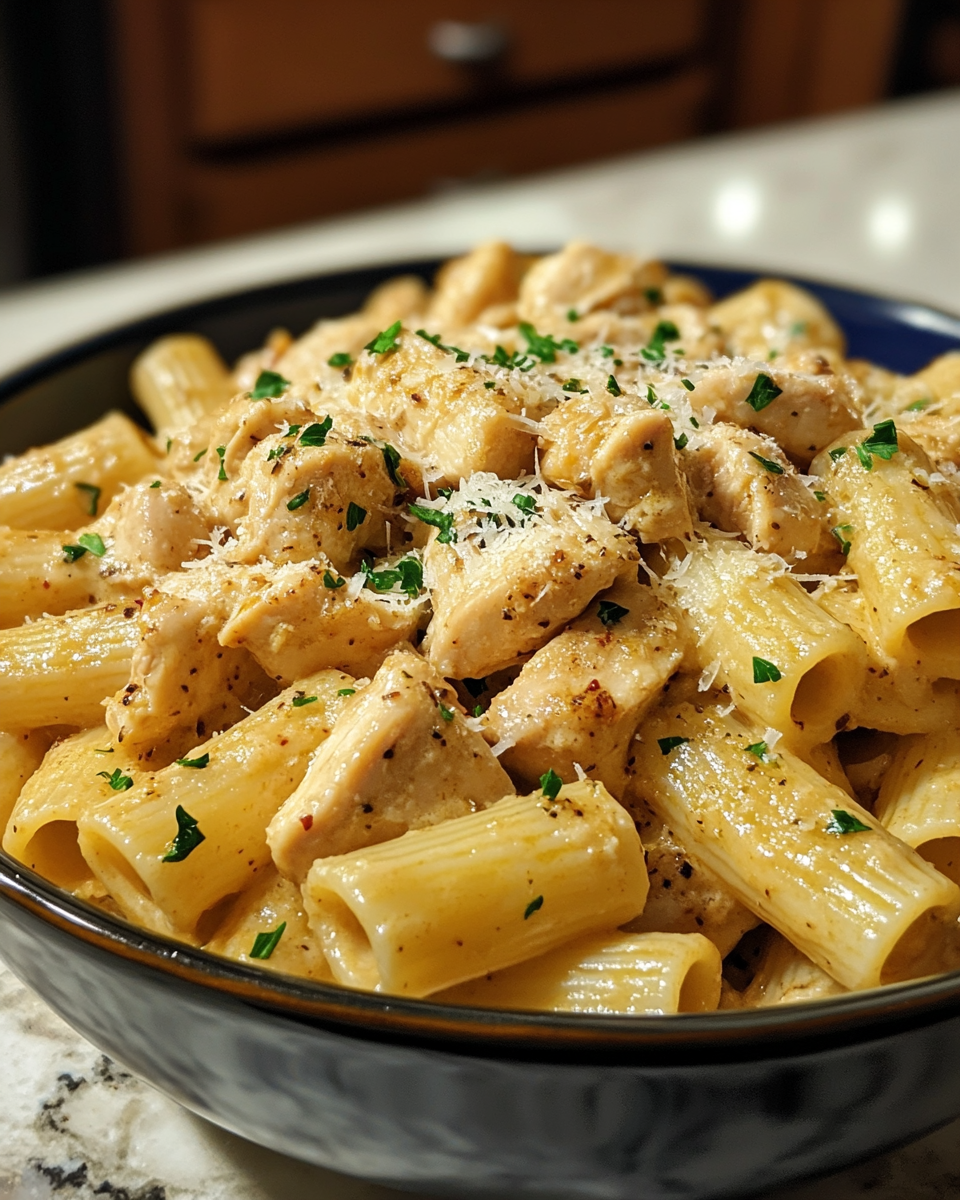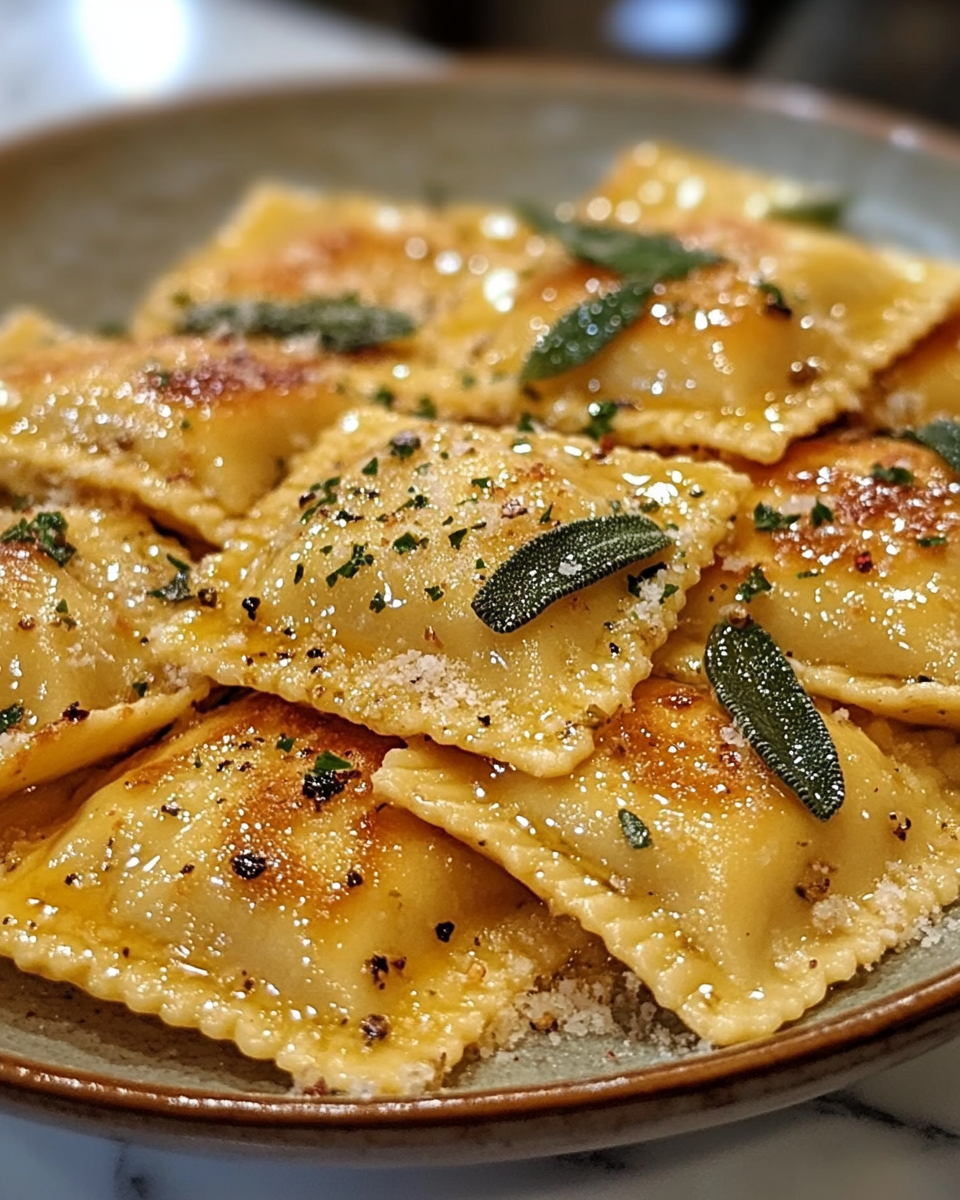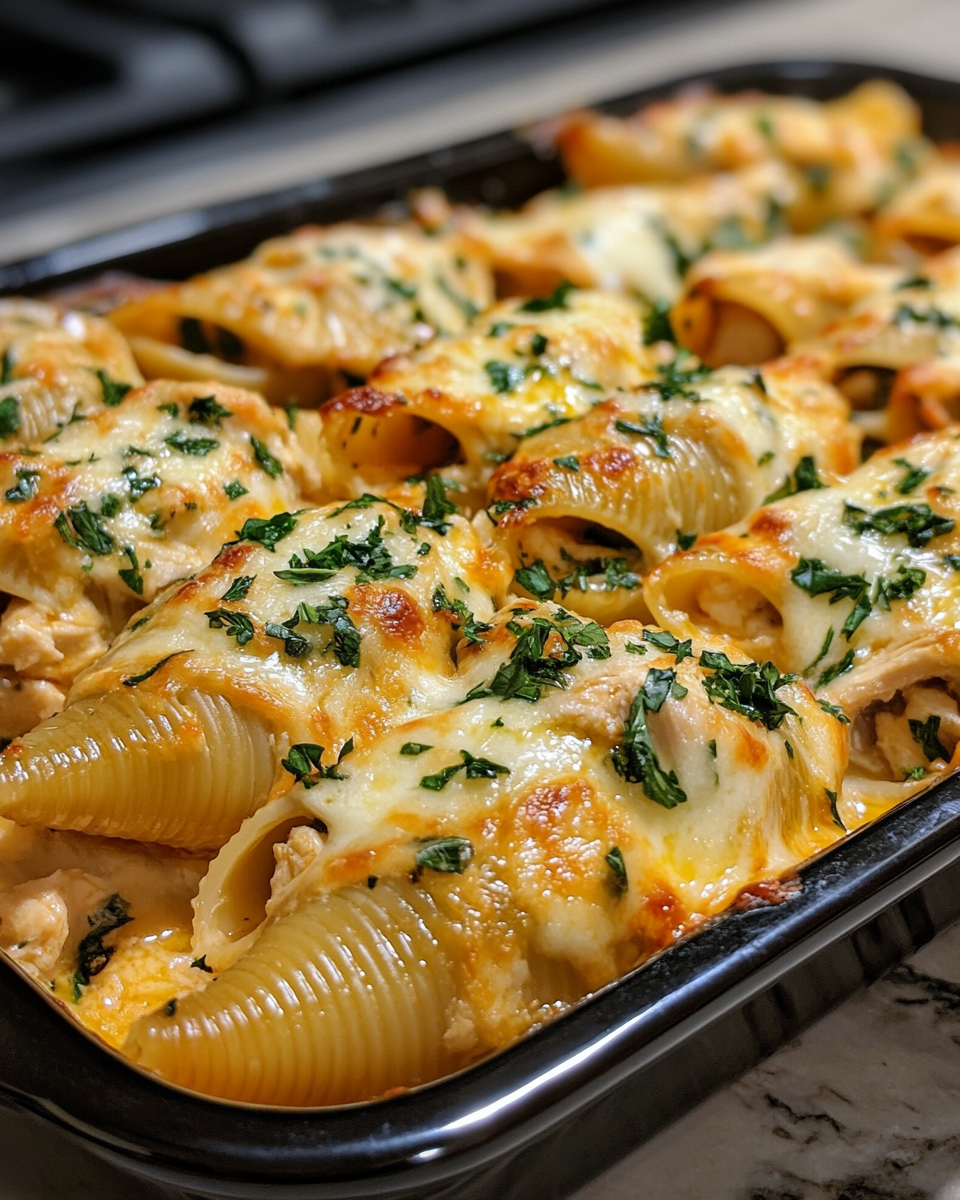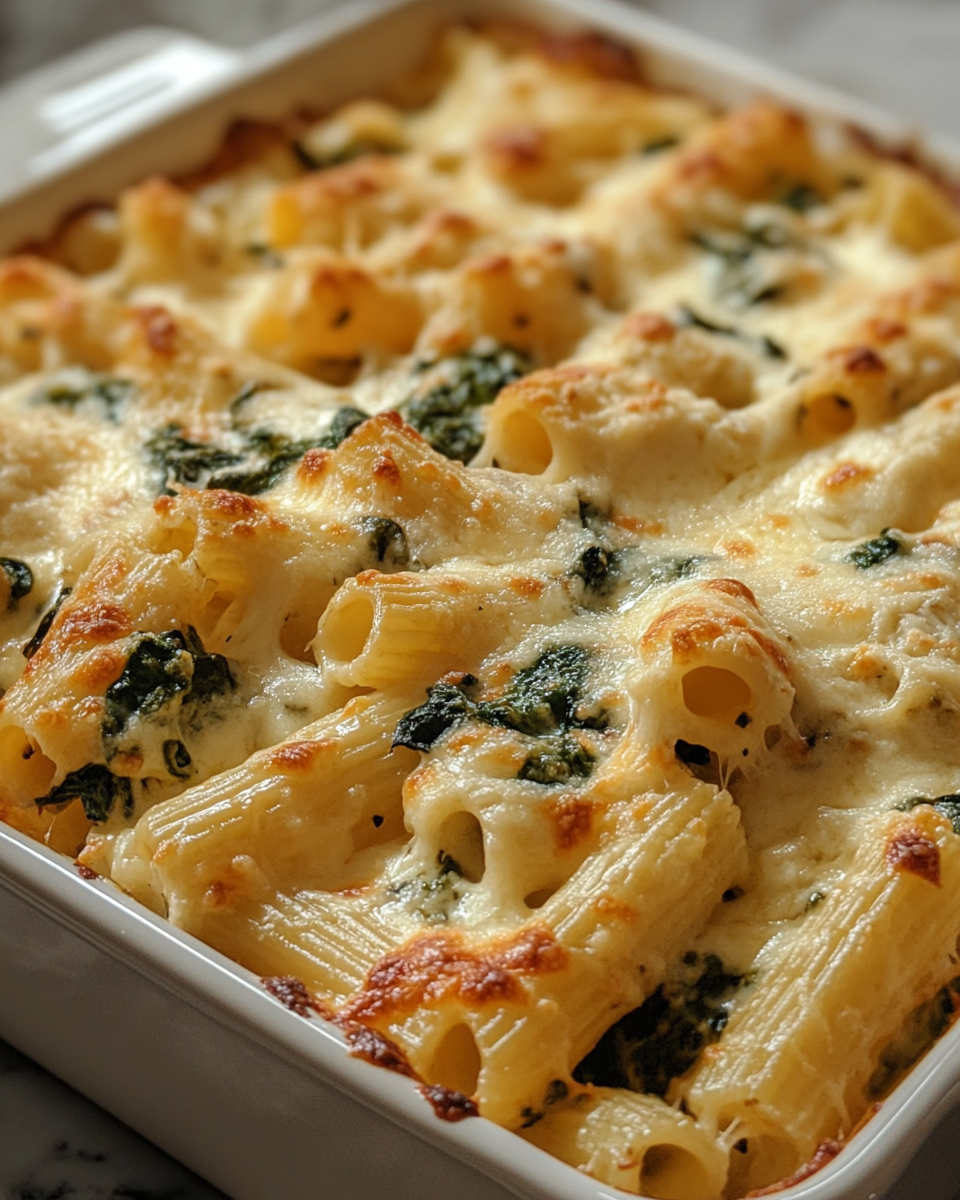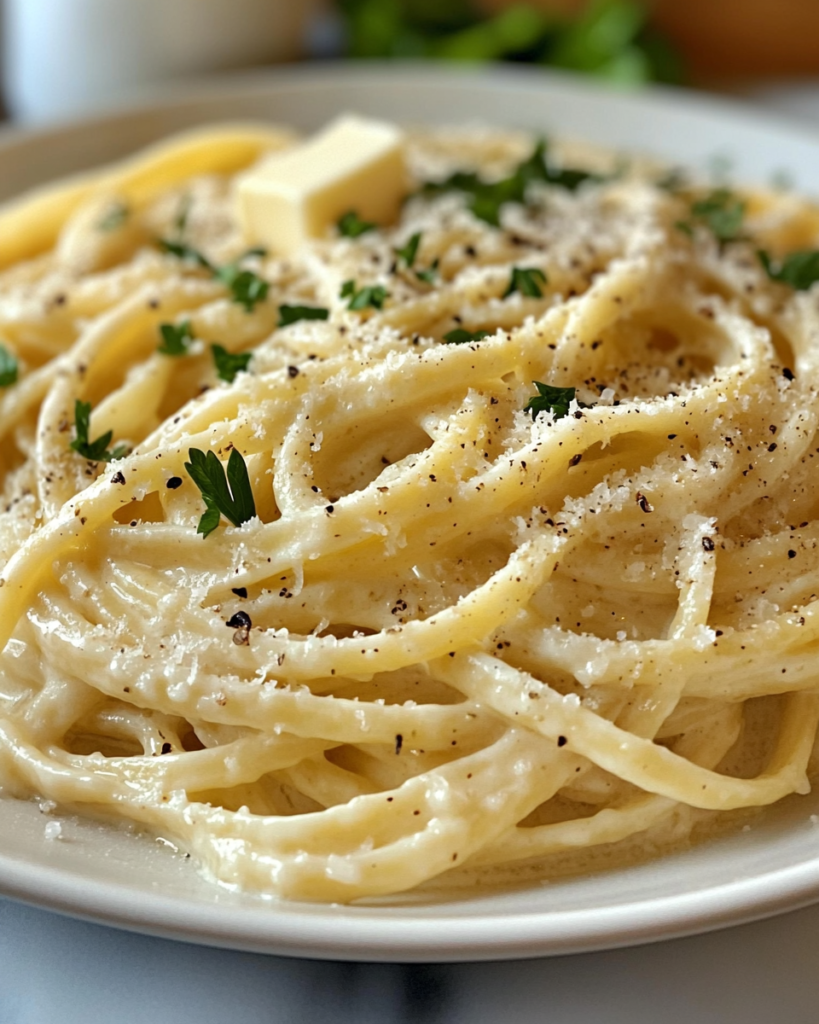
A bowl of Creamy Alfredo Linguine Pasta Recipe brings together silky pasta strands and a rich, buttery sauce that clings to every bite. This dish is rooted in traditional Italian-inspired cooking, where a handful of simple components come together into a smooth, velvety sauce.
Linguine works especially well here because its flat shape holds onto the creamy Alfredo mixture. The result is a plate that feels rich, comforting, and satisfying without requiring complicated steps or hard-to-find ingredients.
This version focuses on a classic approach using butter, cream, and cheese to create a sauce that coats the pasta evenly. Garlic adds depth, while freshly grated cheese provides a smooth finish that melts directly into the sauce.
Ingredients Overview
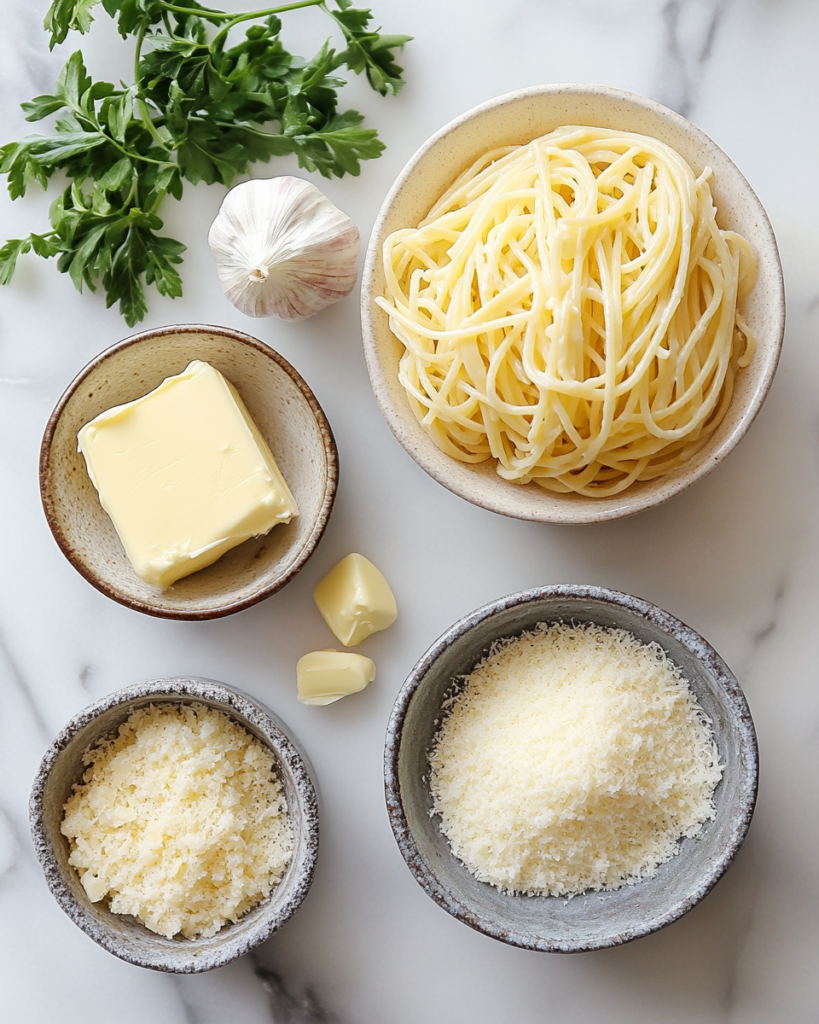
The foundation of Creamy Alfredo Linguine Pasta Recipe begins with a short list of everyday ingredients that transform into a rich sauce through gentle heat and steady stirring. Butter forms the base, giving the sauce its smooth texture and slight richness. It melts slowly and carries the flavor of garlic throughout the dish.
Heavy cream is the key liquid element. When warmed, it thickens slightly and blends with butter to create the signature Alfredo consistency. The cream also helps carry seasoning and cheese evenly across the pasta.
Fresh garlic adds aromatic depth. When sautéed lightly, it releases a warm, mellow flavor that blends into the sauce without overpowering it. Garlic should be cooked carefully to avoid bitterness.
Parmesan cheese is essential for structure and flavor. It melts into the sauce, helping it thicken while adding a salty, nutty profile. Freshly grated cheese works best because it melts smoothly and avoids graininess.
Linguine pasta is chosen for its flat, ribbon-like shape. It holds sauce well and provides a satisfying bite. Salt is used both in the pasta water and in the sauce to balance richness. Black pepper adds a gentle sharpness that cuts through the creaminess.
Optional additions like parsley can bring a fresh finish, while a small amount of pasta water helps adjust sauce consistency if needed. Each ingredient plays a direct role in building a cohesive, creamy texture that coats every strand evenly.
Ingredients
12 ounces linguine pasta
4 tablespoons unsalted butter
2 cups heavy cream
4 cloves garlic, finely minced
1 1/2 cups freshly grated Parmesan cheese
1/2 teaspoon salt (adjust to taste)
1/4 teaspoon ground black pepper
1/2 cup reserved pasta cooking water
2 tablespoons chopped fresh parsley (optional)
Step-by-Step Instructions
Begin by filling a large pot with water and bringing it to a steady boil. Add a generous pinch of salt to season the water. Add the linguine and cook until it reaches a tender but slightly firm texture. This usually takes around 9 to 11 minutes depending on the brand.
Before draining, reserve about half a cup of the pasta water. This starchy liquid will help adjust the sauce later if it becomes too thick. Drain the pasta and set it aside while preparing the sauce.
Place a large skillet over medium heat. Add the butter and allow it to melt fully without browning. Once melted, add the minced garlic and stir gently for about 30 to 60 seconds. The goal is to soften the garlic and release its aroma without letting it darken.
Pour in the heavy cream and stir continuously. Allow the mixture to warm through for a few minutes until it begins to thicken slightly. Keep the heat moderate to prevent separation or scorching.
Gradually add the Parmesan cheese, stirring constantly so it melts smoothly into the cream. The sauce will begin to thicken and take on a smooth, glossy texture. If it becomes too thick, add small amounts of reserved pasta water until the desired consistency is reached.
Season the sauce with salt and black pepper. Taste lightly and adjust seasoning if needed. Avoid over-salting, as Parmesan already adds saltiness.
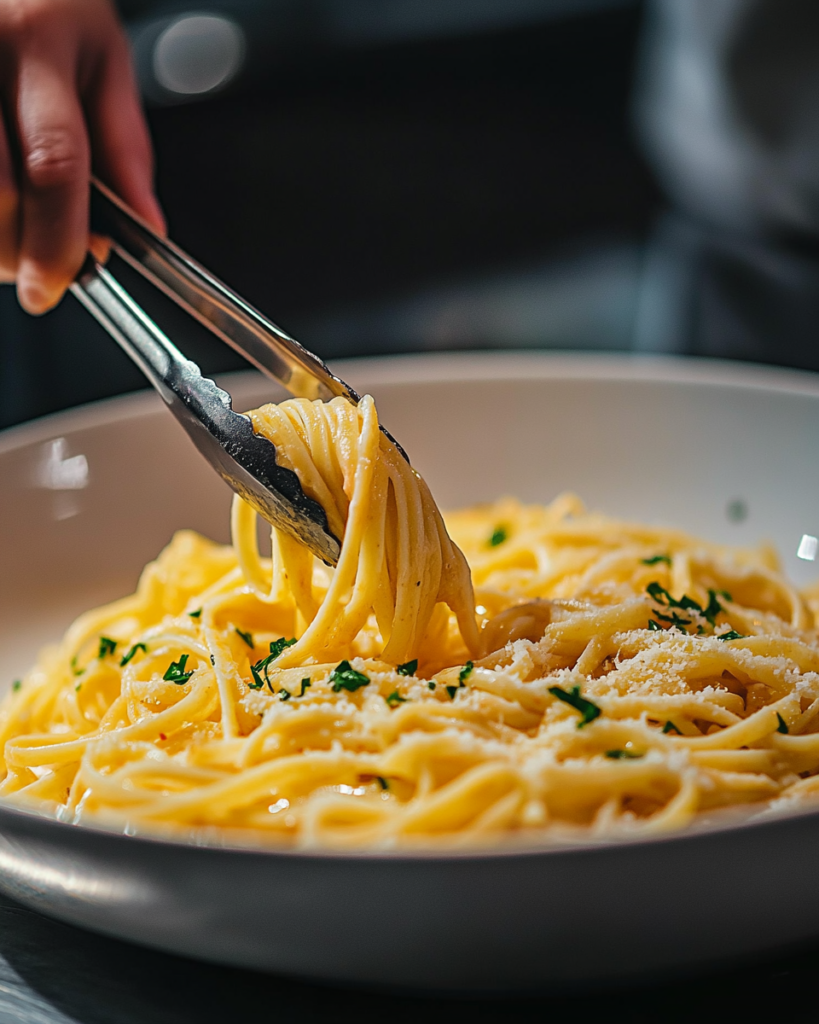
Add the cooked linguine directly into the skillet. Toss gently using tongs until every strand is coated in the creamy sauce. Allow the pasta to sit in the sauce for a minute so it absorbs flavor and thickens slightly.
If the sauce tightens too much, add a splash of pasta water and stir until smooth again. Finish with chopped parsley if desired. Serve immediately while the sauce remains silky and warm.
Common mistakes include overheating the cream or adding cheese too quickly, which can cause clumping. Keeping steady heat and gradual mixing prevents these issues and keeps the sauce smooth.
Tips, Variations & Substitutions
For a slightly lighter version, half-and-half can replace heavy cream, though the sauce will be less thick. Adding grilled chicken or sautéed mushrooms turns this pasta into a more filling meal without changing the base structure of the sauce.
A small pinch of nutmeg can add subtle depth to the cream sauce. This is a traditional addition in many Alfredo-style dishes and blends well with Parmesan.
For extra garlic flavor, roasted garlic can be used instead of raw minced garlic. It gives a softer, slightly sweet taste that blends smoothly into the sauce.
If Parmesan is unavailable, a mix of Romano and Grana Padano can be used. These cheeses offer similar melting qualities and salty notes.
Whole wheat linguine can be used for a firmer texture and slightly nuttier flavor. Gluten-free pasta also works, though cooking time may vary slightly.
Serving Ideas & Occasions
Creamy Alfredo Linguine Pasta Recipe fits well as a main dish for casual dinners, family meals, or small gatherings. It pairs nicely with simple side dishes such as roasted vegetables, steamed broccoli, or a light green salad.
Garlic bread or toasted bread slices work well for soaking up extra sauce from the plate. For drinks, sparkling water with citrus or a mild herbal tea complements the richness of the dish.
This pasta is often served fresh from the skillet, as the sauce is at its smoothest right after cooking. It can be plated in shallow bowls for easier twirling and serving.
Nutritional & Health Notes
This dish contains a balance of carbohydrates, fats, and protein, primarily from pasta, cream, and cheese. It is rich and filling, making smaller portions suitable for a single serving.
Heavy cream and butter contribute most of the fat content, while Parmesan adds protein and calcium. Garlic provides trace nutrients and aromatic compounds.
For those watching calorie intake, portion size adjustment is the simplest way to enjoy this dish while maintaining balance. Adding vegetables like spinach or broccoli can increase fiber content and nutritional variety.
FAQs
What type of pasta works well for Alfredo sauce?
Linguine is commonly used because its flat shape holds creamy sauces effectively. Fettuccine is another traditional option with similar results. Both pasta types allow the sauce to cling evenly, giving each bite a consistent texture. While other shapes can be used, long pasta varieties generally work better for cream-based sauces due to their surface area.
Can I use milk instead of heavy cream?
Milk can be used, but the sauce will be noticeably thinner and less rich. To improve texture, a small amount of flour or cornstarch can be used as a thickening agent. However, the traditional creamy consistency comes from heavy cream, which naturally thickens when heated and combined with cheese and butter.
Why does my Alfredo sauce turn grainy?
Grainy texture usually happens when cheese is added too quickly or when heat is too high. Parmesan should be added gradually over low to medium heat while stirring constantly. Using freshly grated cheese instead of pre-packaged versions also helps maintain a smooth sauce.
Can I add protein to this pasta?
Yes, grilled chicken, shrimp, or even sautéed tofu can be added. These proteins should be cooked separately and folded into the pasta at the end. This allows the sauce to remain smooth while still incorporating additional ingredients.
How can I thin out thick Alfredo sauce?
Reserved pasta water works best for adjusting thickness. Add small amounts gradually while stirring until the sauce reaches the desired consistency. The starch in the water helps the sauce stay creamy rather than watery.
Can this dish be reheated?
Reheating is possible, but the sauce may thicken. Warm it gently over low heat and add a small splash of cream or milk to restore texture. Stir continuously to prevent separation and maintain smoothness.
What can I serve with Alfredo linguine?
Simple side dishes work well, such as roasted vegetables, steamed greens, or a light salad. Bread-based sides also pair nicely, especially those that can absorb extra sauce. Keeping sides mild allows the creamy pasta to remain the focus of the meal.