Creamy Alfredo Pasta with Mixed Veggies 5 Easy Delightful

Posted on

Uncategorized

Difficulty

Prep time

Cooking time

Total time

Servings

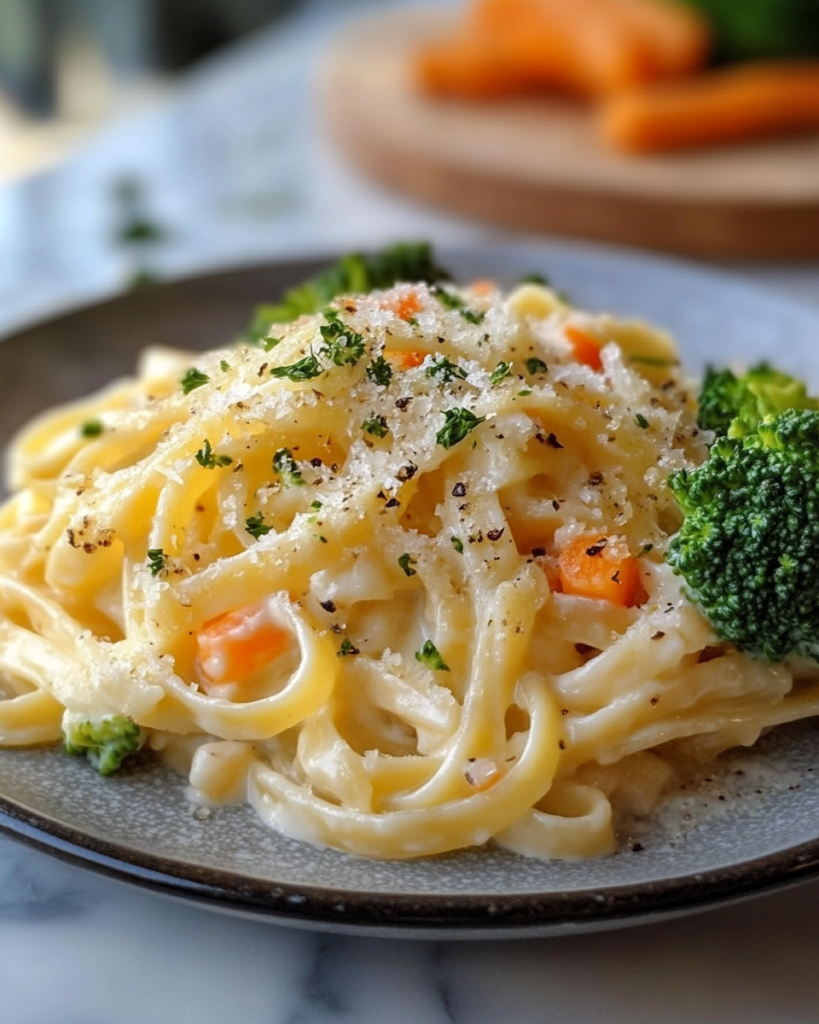
A warm bowl of Creamy Alfredo Pasta with Mixed Veggies brings together silky sauce, tender pasta, and colorful vegetables in a comforting meal that works for busy weeknights or relaxed family dinners. The creamy Alfredo base coats every bite, while the mixed veggies add freshness, light crunch, and natural sweetness.

This dish balances richness and freshness in a way that feels satisfying without being heavy. It is also flexible, allowing you to use whatever vegetables you already have in your kitchen.

Creamy Alfredo Pasta with Mixed Veggies is a dependable recipe that fits both casual meals and planned gatherings, offering a smooth texture and comforting flavor in every forkful.

Ingredients Overview
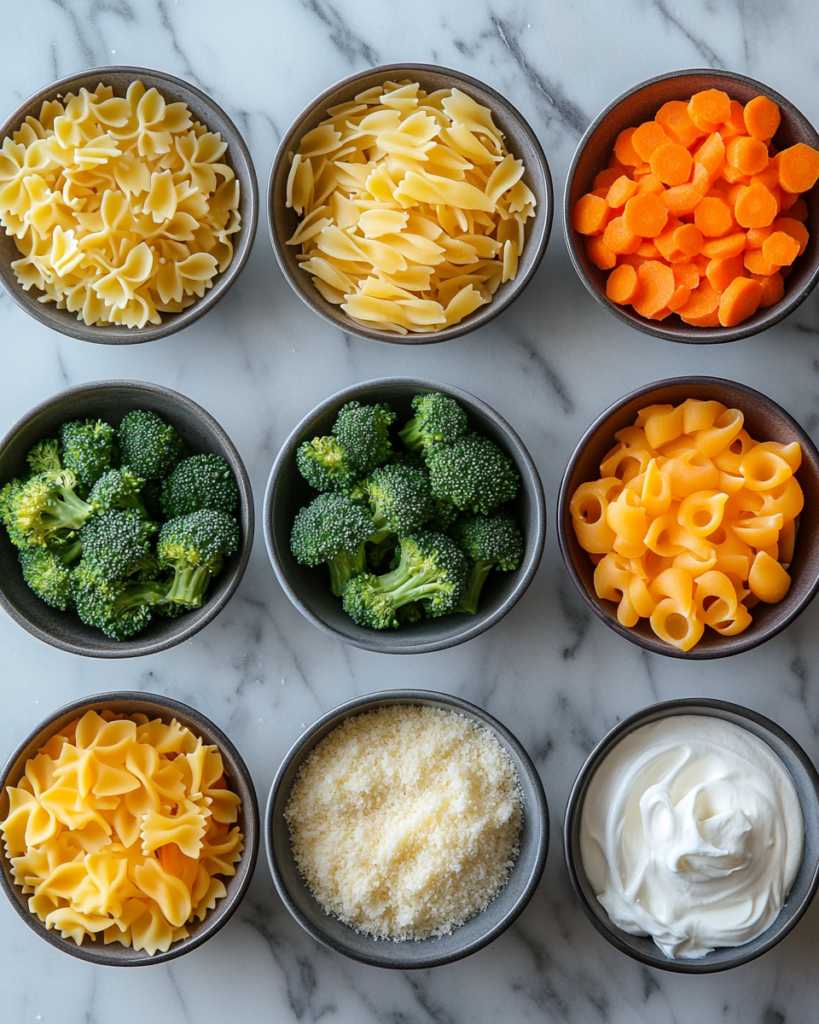
The foundation of this dish is the Alfredo sauce, traditionally made with butter, cream, and Parmesan cheese. These ingredients combine to create a smooth, rich base that clings beautifully to pasta. Heavy cream provides body, while butter adds depth and a silky finish. Parmesan contributes a savory, slightly nutty flavor that defines the sauce.

Pasta plays an important role in holding the sauce. Fettuccine is commonly used, but penne or linguine also work well. The shape matters because it helps trap the creamy sauce so every bite feels full and balanced.

The mixed vegetables bring color, texture, and freshness. Common choices include broccoli, bell peppers, carrots, peas, and zucchini. Each vegetable contributes something different: broccoli adds bite, carrots bring mild sweetness, and bell peppers add a light crispness.

Garlic is essential for aromatic depth, while olive oil helps sauté the vegetables gently. Salt and black pepper round out the flavor, ensuring the sauce and vegetables blend smoothly.

You can substitute dairy components with plant-based alternatives if needed. Coconut cream or oat cream can replace heavy cream, while nutritional yeast can stand in for Parmesan for a dairy-free version.

The combination of creamy sauce, hearty pasta, and fresh vegetables creates a balanced dish that feels both comforting and wholesome.

Ingredients

12 oz fettuccine pasta
2 cups broccoli florets
1 cup sliced carrots
1 cup chopped bell peppers
1 cup zucchini, sliced
1/2 cup green peas
2 tablespoons olive oil
3 cloves garlic, minced
2 tablespoons unsalted butter
1 1/2 cups heavy cream
1 cup grated Parmesan cheese
1/2 teaspoon salt
1/2 teaspoon black pepper
1/4 teaspoon nutmeg (optional)
2 tablespoons chopped parsley

Step-by-Step Instructions
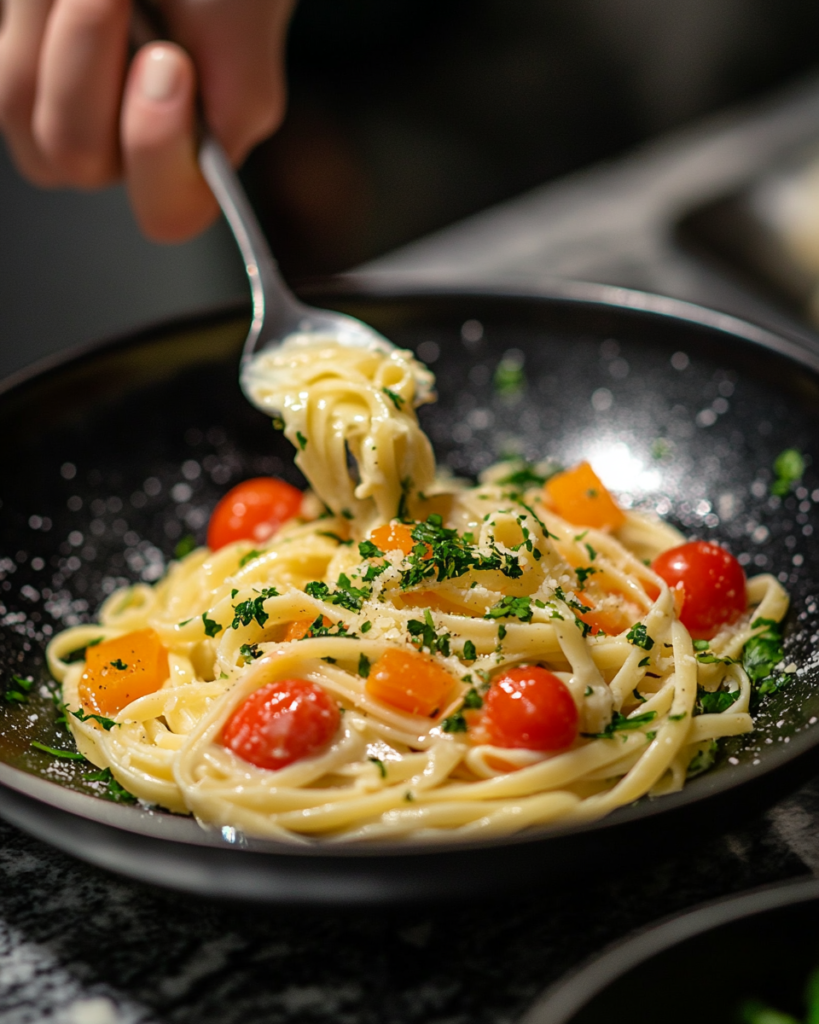
Start by bringing a large pot of salted water to a boil. Add the fettuccine and cook until al dente according to package directions. Reserve about half a cup of pasta water before draining, as it can help adjust the sauce later if needed.

While the pasta cooks, prepare the vegetables. Heat olive oil in a large skillet over medium heat. Add broccoli, carrots, and bell peppers first since they take longer to soften. Sauté for about 4–5 minutes until they begin to become tender but still retain some bite.

Add zucchini and green peas to the skillet. Continue cooking for another 3–4 minutes, stirring occasionally to ensure even cooking. The vegetables should look vibrant and slightly crisp.

Push the vegetables to one side of the skillet and add butter and minced garlic. Cook the garlic for about 30–60 seconds until fragrant, being careful not to let it brown.

Pour in the heavy cream and stir everything together. Lower the heat slightly and let the mixture simmer gently for 3–5 minutes. The sauce will begin to thicken as it heats.

Add Parmesan cheese gradually while stirring. This helps it melt smoothly into the sauce without clumping. Season with salt, black pepper, and a small pinch of nutmeg if using.

Add the cooked pasta directly into the skillet. Toss everything together so the pasta becomes fully coated in the Alfredo sauce. If the sauce feels too thick, add a small amount of reserved pasta water until the texture becomes silky.

Let the pasta sit on low heat for another 1–2 minutes so the flavors blend well. Stir gently to avoid breaking the pasta or vegetables.

Remove from heat and sprinkle chopped parsley on top before serving. The dish should look creamy, glossy, and evenly coated, with vegetables distributed throughout.

Tips, Variations & Substitutions

For a lighter version, you can replace part of the heavy cream with whole milk, though the sauce will be slightly less thick. Stirring continuously while simmering helps maintain a smooth texture.

You can switch up the vegetables based on season or preference. Mushrooms add an earthy note, spinach blends smoothly into the sauce, and asparagus brings a tender bite.

If you prefer added protein, cooked chicken, shrimp, or tofu can be mixed in without changing the structure of the dish. Add them after sautéing the vegetables to warm them through.

Freshly grated Parmesan melts more smoothly than pre-packaged versions, giving the sauce a creamier finish. For extra depth, a small amount of garlic powder can be added along with fresh garlic.

Avoid boiling the sauce at high heat, as this may cause separation. Gentle simmering keeps everything smooth and consistent.

Serving Ideas & Occasions

Creamy Alfredo Pasta with Mixed Veggies pairs well with simple side dishes like garlic bread, toasted baguette slices, or a light green salad with lemon dressing. These sides balance the richness of the pasta.

It also works well as a standalone main dish for lunch or dinner. The combination of pasta and vegetables makes it filling enough for everyday meals.

For gatherings, it can be served in a large platter with extra Parmesan sprinkled on top. A glass of chilled sparkling water or light juice pairs nicely with the creamy texture.

This dish is suitable for casual family dinners, small get-togethers, or quiet evenings when a comforting meal is desired.

Nutritional & Health Notes

This dish provides a balanced mix of carbohydrates, fats, and vegetables. The pasta supplies energy, while the vegetables contribute fiber and essential nutrients.

The Alfredo sauce contains dairy fats and protein from cream and cheese, making it rich and satisfying. Using a variety of vegetables helps add vitamins and minerals to the meal.

Portion control is helpful due to the creamy nature of the sauce. Adding more vegetables can increase volume without significantly increasing calories.

For those reducing dairy intake, plant-based substitutes can adjust the nutritional profile while keeping the creamy texture.

Overall, this dish can fit into a balanced eating pattern when enjoyed in reasonable portions alongside fresh vegetables.

FAQs

Can I use a different type of pasta?

Yes, this recipe works well with several pasta types. Fettuccine is traditional because its wide shape holds the sauce effectively, but penne, rigatoni, or linguine are also great choices. Short pasta varieties tend to capture bits of vegetables in their ridges, while long strands create a smooth, coated texture. The cooking time may vary slightly depending on the pasta you choose, so always follow package instructions for best results.

Can I make the sauce thicker?

If you prefer a thicker Alfredo sauce, allow it to simmer a little longer before adding the pasta. Stirring in extra Parmesan cheese also helps increase thickness naturally. Another method is reducing the cream slightly before mixing in the cheese. If the sauce becomes too thick, reserved pasta water can be added gradually to adjust the consistency without losing flavor or texture.

What vegetables work best in this recipe?

A variety of vegetables work well in this dish. Broccoli, carrots, bell peppers, zucchini, peas, and spinach are commonly used because they hold their texture and blend well with the creamy sauce. Mushrooms can add depth, while asparagus offers a slightly crisp bite. The key is to cut vegetables into similar sizes so they cook evenly and maintain a balanced texture throughout the dish.

Can I make this dish ahead of time?

This pasta is best enjoyed fresh, but it can be prepared ahead if needed. Store it in an airtight container in the refrigerator for up to two days. When reheating, add a small splash of milk or cream to restore the sauce’s smooth consistency. Warm it slowly over low heat to prevent the sauce from separating or becoming too thick.

Is it possible to make this without dairy?

Yes, a dairy-free version can be made using plant-based alternatives. Coconut cream, oat cream, or cashew cream can replace heavy cream. Nutritional yeast can be used instead of Parmesan cheese to provide a savory flavor. The texture will still be creamy, though the taste will differ slightly from the traditional version.

How do I prevent the sauce from separating?

To keep the sauce smooth, avoid high heat after adding cream and cheese. Simmer gently and stir continuously while the cheese melts. Adding cheese gradually instead of all at once helps maintain a stable texture. If separation occurs, lowering the heat and whisking in a small amount of pasta water can help bring the sauce back together.

Can I add protein to this recipe?

Yes, adding protein works very well with this dish. Cooked chicken, shrimp, or tofu can be mixed in after sautéing the vegetables. These proteins absorb the creamy sauce and blend smoothly with the pasta. Make sure they are fully cooked before combining them with the sauce to maintain both flavor and texture.

[rank_math_breadcrumb]

Creamy Alfredo Pasta with Mixed Veggies 5 Easy Delightful

Photo of author
Author: Carol
Published:

A warm bowl of Creamy Alfredo Pasta with Mixed Veggies brings together silky sauce, tender pasta, and colorful vegetables in a comforting meal that works for busy weeknights or relaxed family dinners. The creamy Alfredo base coats every bite, while the mixed veggies add freshness, light crunch, and natural sweetness.

This dish balances richness and freshness in a way that feels satisfying without being heavy. It is also flexible, allowing you to use whatever vegetables you already have in your kitchen.

Creamy Alfredo Pasta with Mixed Veggies is a dependable recipe that fits both casual meals and planned gatherings, offering a smooth texture and comforting flavor in every forkful.

Ingredients Overview

The foundation of this dish is the Alfredo sauce, traditionally made with butter, cream, and Parmesan cheese. These ingredients combine to create a smooth, rich base that clings beautifully to pasta. Heavy cream provides body, while butter adds depth and a silky finish. Parmesan contributes a savory, slightly nutty flavor that defines the sauce.

Pasta plays an important role in holding the sauce. Fettuccine is commonly used, but penne or linguine also work well. The shape matters because it helps trap the creamy sauce so every bite feels full and balanced.

The mixed vegetables bring color, texture, and freshness. Common choices include broccoli, bell peppers, carrots, peas, and zucchini. Each vegetable contributes something different: broccoli adds bite, carrots bring mild sweetness, and bell peppers add a light crispness.

Garlic is essential for aromatic depth, while olive oil helps sauté the vegetables gently. Salt and black pepper round out the flavor, ensuring the sauce and vegetables blend smoothly.

You can substitute dairy components with plant-based alternatives if needed. Coconut cream or oat cream can replace heavy cream, while nutritional yeast can stand in for Parmesan for a dairy-free version.

The combination of creamy sauce, hearty pasta, and fresh vegetables creates a balanced dish that feels both comforting and wholesome.

Ingredients

12 oz fettuccine pasta
2 cups broccoli florets
1 cup sliced carrots
1 cup chopped bell peppers
1 cup zucchini, sliced
1/2 cup green peas
2 tablespoons olive oil
3 cloves garlic, minced
2 tablespoons unsalted butter
1 1/2 cups heavy cream
1 cup grated Parmesan cheese
1/2 teaspoon salt
1/2 teaspoon black pepper
1/4 teaspoon nutmeg (optional)
2 tablespoons chopped parsley

Step-by-Step Instructions

Start by bringing a large pot of salted water to a boil. Add the fettuccine and cook until al dente according to package directions. Reserve about half a cup of pasta water before draining, as it can help adjust the sauce later if needed.

While the pasta cooks, prepare the vegetables. Heat olive oil in a large skillet over medium heat. Add broccoli, carrots, and bell peppers first since they take longer to soften. Sauté for about 4–5 minutes until they begin to become tender but still retain some bite.

Add zucchini and green peas to the skillet. Continue cooking for another 3–4 minutes, stirring occasionally to ensure even cooking. The vegetables should look vibrant and slightly crisp.

Push the vegetables to one side of the skillet and add butter and minced garlic. Cook the garlic for about 30–60 seconds until fragrant, being careful not to let it brown.

Pour in the heavy cream and stir everything together. Lower the heat slightly and let the mixture simmer gently for 3–5 minutes. The sauce will begin to thicken as it heats.

Add Parmesan cheese gradually while stirring. This helps it melt smoothly into the sauce without clumping. Season with salt, black pepper, and a small pinch of nutmeg if using.

Add the cooked pasta directly into the skillet. Toss everything together so the pasta becomes fully coated in the Alfredo sauce. If the sauce feels too thick, add a small amount of reserved pasta water until the texture becomes silky.

Let the pasta sit on low heat for another 1–2 minutes so the flavors blend well. Stir gently to avoid breaking the pasta or vegetables.

Remove from heat and sprinkle chopped parsley on top before serving. The dish should look creamy, glossy, and evenly coated, with vegetables distributed throughout.

Tips, Variations & Substitutions

For a lighter version, you can replace part of the heavy cream with whole milk, though the sauce will be slightly less thick. Stirring continuously while simmering helps maintain a smooth texture.

You can switch up the vegetables based on season or preference. Mushrooms add an earthy note, spinach blends smoothly into the sauce, and asparagus brings a tender bite.

If you prefer added protein, cooked chicken, shrimp, or tofu can be mixed in without changing the structure of the dish. Add them after sautéing the vegetables to warm them through.

Freshly grated Parmesan melts more smoothly than pre-packaged versions, giving the sauce a creamier finish. For extra depth, a small amount of garlic powder can be added along with fresh garlic.

Avoid boiling the sauce at high heat, as this may cause separation. Gentle simmering keeps everything smooth and consistent.

Serving Ideas & Occasions

Creamy Alfredo Pasta with Mixed Veggies pairs well with simple side dishes like garlic bread, toasted baguette slices, or a light green salad with lemon dressing. These sides balance the richness of the pasta.

It also works well as a standalone main dish for lunch or dinner. The combination of pasta and vegetables makes it filling enough for everyday meals.

For gatherings, it can be served in a large platter with extra Parmesan sprinkled on top. A glass of chilled sparkling water or light juice pairs nicely with the creamy texture.

This dish is suitable for casual family dinners, small get-togethers, or quiet evenings when a comforting meal is desired.

Nutritional & Health Notes

This dish provides a balanced mix of carbohydrates, fats, and vegetables. The pasta supplies energy, while the vegetables contribute fiber and essential nutrients.

The Alfredo sauce contains dairy fats and protein from cream and cheese, making it rich and satisfying. Using a variety of vegetables helps add vitamins and minerals to the meal.

Portion control is helpful due to the creamy nature of the sauce. Adding more vegetables can increase volume without significantly increasing calories.

For those reducing dairy intake, plant-based substitutes can adjust the nutritional profile while keeping the creamy texture.

Overall, this dish can fit into a balanced eating pattern when enjoyed in reasonable portions alongside fresh vegetables.

FAQs

Can I use a different type of pasta?

Yes, this recipe works well with several pasta types. Fettuccine is traditional because its wide shape holds the sauce effectively, but penne, rigatoni, or linguine are also great choices. Short pasta varieties tend to capture bits of vegetables in their ridges, while long strands create a smooth, coated texture. The cooking time may vary slightly depending on the pasta you choose, so always follow package instructions for best results.

Can I make the sauce thicker?

If you prefer a thicker Alfredo sauce, allow it to simmer a little longer before adding the pasta. Stirring in extra Parmesan cheese also helps increase thickness naturally. Another method is reducing the cream slightly before mixing in the cheese. If the sauce becomes too thick, reserved pasta water can be added gradually to adjust the consistency without losing flavor or texture.

What vegetables work best in this recipe?

A variety of vegetables work well in this dish. Broccoli, carrots, bell peppers, zucchini, peas, and spinach are commonly used because they hold their texture and blend well with the creamy sauce. Mushrooms can add depth, while asparagus offers a slightly crisp bite. The key is to cut vegetables into similar sizes so they cook evenly and maintain a balanced texture throughout the dish.

Can I make this dish ahead of time?

This pasta is best enjoyed fresh, but it can be prepared ahead if needed. Store it in an airtight container in the refrigerator for up to two days. When reheating, add a small splash of milk or cream to restore the sauce’s smooth consistency. Warm it slowly over low heat to prevent the sauce from separating or becoming too thick.

Is it possible to make this without dairy?

Yes, a dairy-free version can be made using plant-based alternatives. Coconut cream, oat cream, or cashew cream can replace heavy cream. Nutritional yeast can be used instead of Parmesan cheese to provide a savory flavor. The texture will still be creamy, though the taste will differ slightly from the traditional version.

How do I prevent the sauce from separating?

To keep the sauce smooth, avoid high heat after adding cream and cheese. Simmer gently and stir continuously while the cheese melts. Adding cheese gradually instead of all at once helps maintain a stable texture. If separation occurs, lowering the heat and whisking in a small amount of pasta water can help bring the sauce back together.

Can I add protein to this recipe?

Yes, adding protein works very well with this dish. Cooked chicken, shrimp, or tofu can be mixed in after sautéing the vegetables. These proteins absorb the creamy sauce and blend smoothly with the pasta. Make sure they are fully cooked before combining them with the sauce to maintain both flavor and texture.
Name

Lorem ipsum dolor sit amet, consectetur adipiscing elit. Suspendisse varius enim in eros elementum tristique. Duis cursus, mi quis viverra ornare, eros dolor interdum nulla, ut commodo diam libero vitae erat.

You Might Also Like...

Lemon Herb Chicken Bowtie Pasta 5 Simple Surprising Meal

Lemon Herb Chicken Bowtie Pasta 5 Simple Surprising Meal

Chicken Scampi Angel Hair 7 Simple Creamy Delight

Chicken Scampi Angel Hair 7 Simple Creamy Delight

Chicken Alfredo Spinach Bake 5 Simple Cozy Comfort

Chicken Alfredo Spinach Bake 5 Simple Cozy Comfort

Homestyle Chicken Noodle Skillet 30-Min Simple Fearless

Homestyle Chicken Noodle Skillet 30-Min Simple Fearless

Tags:

You might also like these recipes

Leave a Comment