Creamy Alfredo Spaghetti Recipe 5 Simple Delightful Sauce

Posted on

Uncategorized

Difficulty

Prep time

Cooking time

Total time

Servings

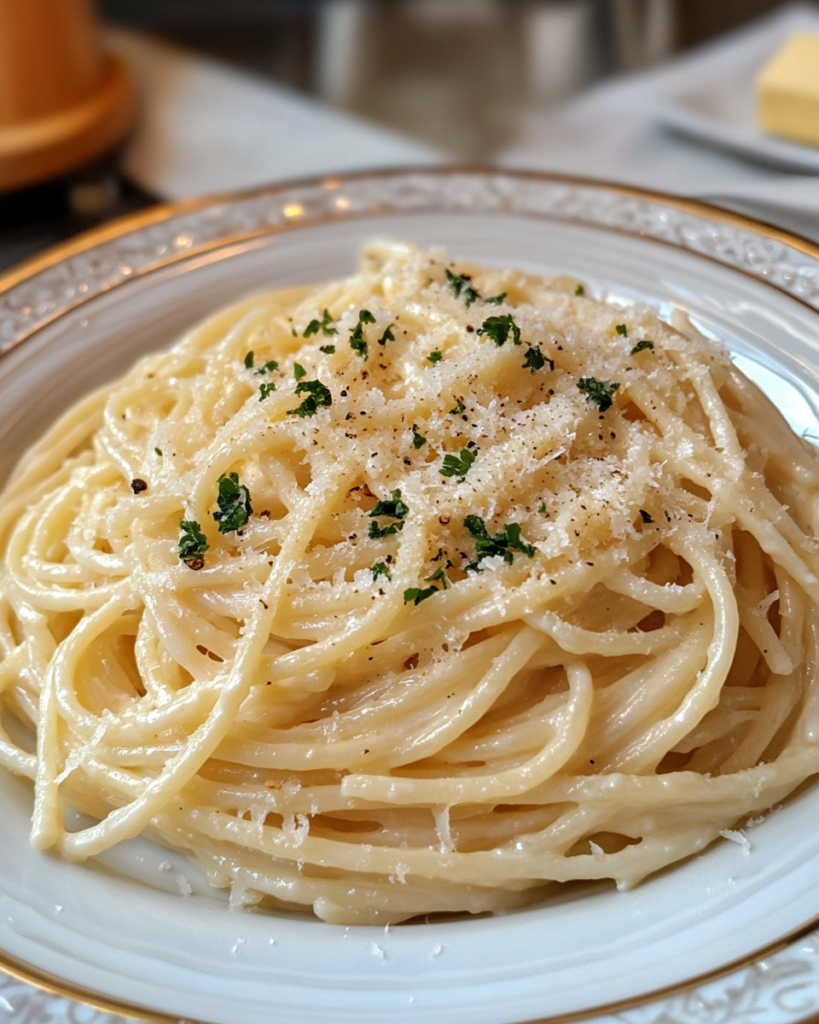
A creamy Alfredo spaghetti recipe brings together silky pasta strands and a rich, velvety sauce built from butter, cream, and cheese. The dish has roots in Italian-inspired comfort cooking and remains a staple in many kitchens due to its smooth texture and comforting aroma.

Spaghetti coated in Alfredo sauce creates a luxurious pasta experience without complex cooking methods. The sauce clings gently to every strand, forming a cohesive dish that feels rich without being heavy when balanced correctly.

This version focuses on a traditional approach using basic ingredients and careful heat control. The result is a smooth, restaurant-style pasta that works for weeknight dinners or special meals shared at the table.

Ingredients Overview
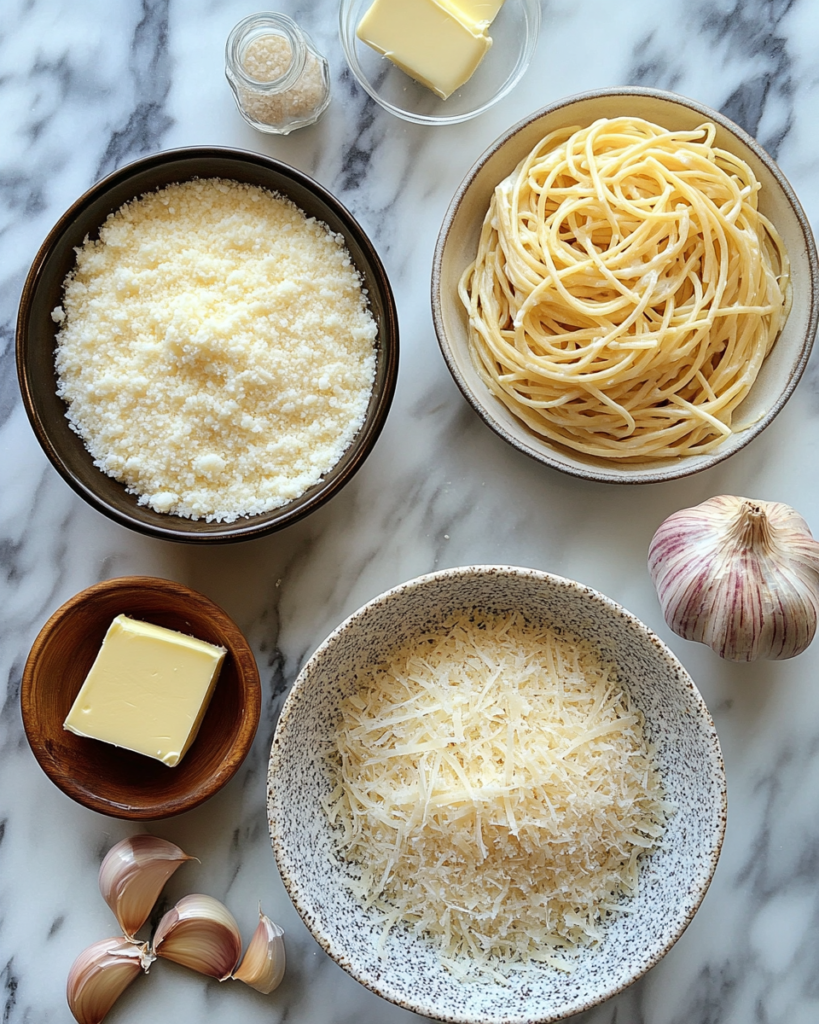
The foundation of creamy Alfredo spaghetti lies in a few core ingredients that work together to build depth and texture. Butter forms the base of the sauce, creating a rich starting point that carries flavor evenly across the dish. It also helps emulsify the cream and cheese into a smooth consistency.

Heavy cream provides the signature silkiness associated with Alfredo sauce. When gently heated, it thickens slightly and blends with the butter to form a cohesive mixture. Maintaining gentle heat is important to avoid separation.

Parmesan cheese contributes sharpness and saltiness. Freshly grated cheese melts more evenly, helping the sauce stay smooth rather than grainy. Its savory profile balances the richness of the cream.

Garlic adds aroma and depth without overpowering the sauce. Light sautéing releases its natural oils, infusing the butter base with subtle warmth.

Spaghetti serves as the ideal pasta choice because its long shape holds sauce evenly. Proper cooking creates a firm yet tender texture that supports the creamy coating.

Salt and black pepper round out the flavor. Salt enhances the cheese, while pepper adds a light contrast that cuts through the richness.

Optional additions such as parsley or a small amount of nutmeg can add subtle complexity without changing the core identity of the dish.

Ingredients

12 ounces spaghetti
4 tablespoons unsalted butter
3 cloves garlic, finely minced
2 cups heavy cream
1 cup freshly grated Parmesan cheese
1/2 teaspoon salt
1/4 teaspoon black pepper
1/4 teaspoon ground nutmeg (optional)
2 tablespoons chopped parsley (optional for garnish)

Step-by-Step Instructions
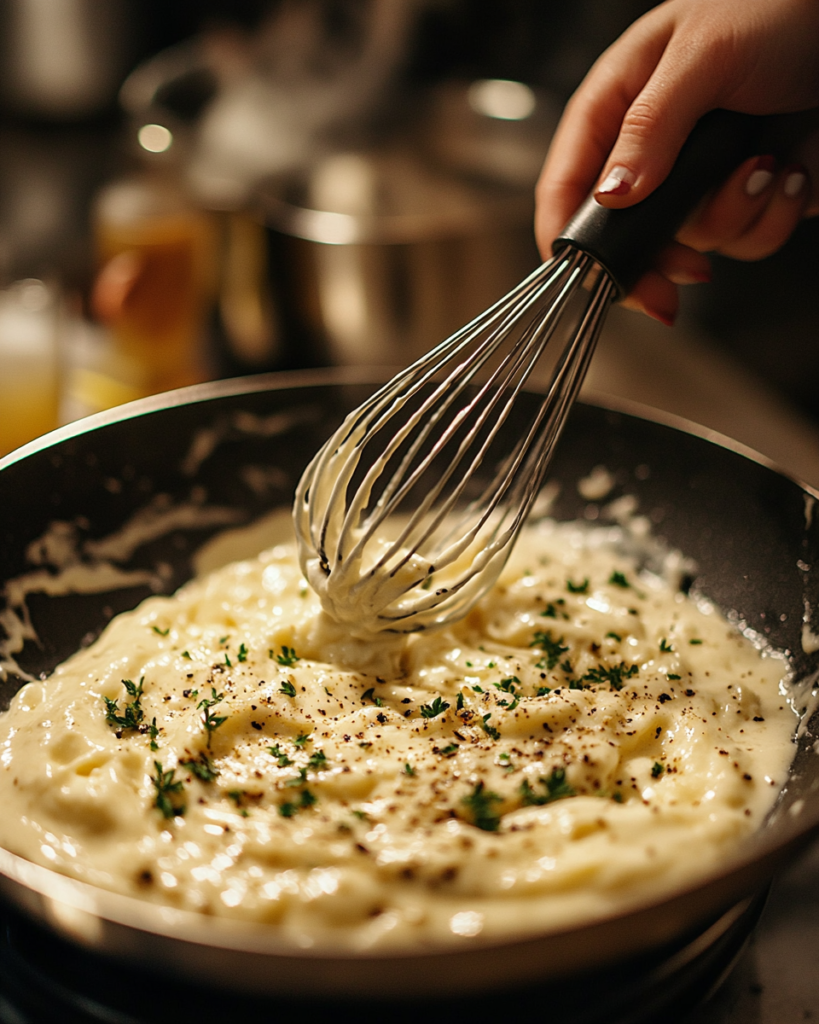
Begin by preparing the spaghetti in a large pot of salted boiling water. Cook until the pasta reaches a tender yet slightly firm texture. Stir occasionally to prevent sticking. Once ready, reserve a small cup of pasta water before draining.

Place a large skillet over low to medium heat. Add the butter and allow it to melt slowly without browning. Once fully melted, add the minced garlic and stir gently for about one minute. The goal is to release aroma without allowing the garlic to darken, which could introduce bitterness.

Pour the heavy cream into the skillet while stirring continuously. Keep the heat moderate to maintain a gentle simmer. Avoid rapid boiling, as this may affect the texture of the sauce.

Allow the cream and butter mixture to warm gradually until small bubbles appear at the edges. Stir consistently to maintain a smooth consistency across the surface of the skillet.

Add the grated Parmesan cheese in small portions. Stir each addition until fully melted before adding more. This gradual approach helps maintain a creamy and even texture without clumping.

Season the sauce with salt, black pepper, and optional nutmeg. Taste lightly and adjust seasoning if necessary, keeping balance between creaminess and savory depth.

Add the drained spaghetti directly into the skillet. Toss gently using tongs to coat each strand evenly with sauce. If the sauce appears too thick, add a small amount of reserved pasta water to loosen it slightly while maintaining creaminess.

Continue tossing until the spaghetti is fully coated and the sauce clings smoothly to the pasta. Allow the dish to sit on low heat for one to two minutes so flavors blend together.

Remove from heat and transfer to serving plates. Garnish with chopped parsley if desired for a light contrast in color and aroma.

Avoid overheating at any stage, as high heat may cause the sauce to separate. Patience during mixing and melting ensures a stable, smooth Alfredo coating.

Tips, Variations & Substitutions

Using freshly grated Parmesan cheese improves texture significantly compared to pre-shredded varieties, which may contain anti-caking agents. These additives can prevent smooth melting.

For a lighter version, half-and-half can replace part of the heavy cream, though the sauce will be slightly less rich. Balancing with a small amount of butter helps maintain texture.

Garlic quantity can be adjusted depending on preference. Roasted garlic creates a sweeter profile, while raw minced garlic delivers sharper notes.

Protein additions such as grilled chicken or sautéed shrimp pair well with the creamy base. These should be cooked separately and added at the end to maintain texture.

For a hint of freshness, lemon zest can be sprinkled lightly before serving. This adds brightness without altering the core flavor profile.

Whole wheat or gluten-free spaghetti can be used as substitutes, though cooking times may vary slightly depending on the brand.

Serving Ideas & Occasions

Creamy Alfredo spaghetti fits well into casual dinners, family meals, or small gatherings. It pairs nicely with simple side dishes that balance its richness.

Garlic bread or toasted baguette slices complement the sauce and help carry any remaining cream from the plate. A light green salad with vinaigrette provides contrast to the creamy texture.

For beverages, sparkling water with citrus or a light iced tea works well alongside the dish. These options refresh the palate between bites.

The dish is often served as a main course but can also accompany grilled proteins or roasted vegetables for a more complete spread.

Nutritional & Health Notes

Creamy Alfredo spaghetti contains a balance of carbohydrates, fats, and protein depending on optional additions. The pasta provides energy-rich carbohydrates, while cream and cheese contribute fats and protein.

Portion control plays an important role due to the richness of the sauce. Pairing with vegetables can help balance the overall meal composition.

Using moderate amounts of cheese and cream helps maintain flavor while avoiding excessive heaviness. Homemade preparation allows control over salt levels and ingredient quality.

This dish is best enjoyed as part of a varied eating pattern that includes lighter meals throughout the day.

FAQs

What type of pasta works for Alfredo sauce?

Spaghetti is commonly used because its long strands hold sauce evenly. Other pasta types such as fettuccine or linguine also work well. The key factor is choosing a shape that allows the creamy sauce to coat surfaces effectively without pooling excessively at the bottom of the plate.

Can milk replace heavy cream?

Milk can be used, but the sauce will be thinner and less rich. A mixture of milk and a small amount of butter can help improve texture. Heating gently and allowing slight reduction may also help achieve a smoother consistency.

Why does Alfredo sauce sometimes become grainy?

Graininess often occurs when cheese is added too quickly or when heat is too high. Adding cheese gradually and maintaining low to moderate heat helps it melt evenly. Freshly grated cheese also reduces the chance of uneven texture.

Can garlic be omitted?

Garlic is optional and can be reduced or removed entirely. Without it, the sauce will have a milder flavor profile focused mainly on cream and cheese. Some variations use roasted garlic for a softer aroma instead.

How can leftover Alfredo spaghetti be stored?

Leftovers should be placed in an airtight container and kept refrigerated. When reheating, adding a small amount of cream or water helps restore the sauce’s smooth texture. Gentle heat is recommended to prevent separation.

Is it possible to add vegetables?

Vegetables such as spinach, mushrooms, or peas can be included. These should be cooked separately and mixed in at the end to maintain texture and prevent excess moisture from thinning the sauce.

What causes Alfredo sauce to separate?

Separation usually occurs due to high heat or prolonged cooking. Maintaining steady low heat and stirring continuously helps keep the sauce stable. Adding cheese gradually also supports a smooth emulsion

[rank_math_breadcrumb]

Creamy Alfredo Spaghetti Recipe 5 Simple Delightful Sauce

Photo of author
Author: Carol
Published:

A creamy Alfredo spaghetti recipe brings together silky pasta strands and a rich, velvety sauce built from butter, cream, and cheese. The dish has roots in Italian-inspired comfort cooking and remains a staple in many kitchens due to its smooth texture and comforting aroma.

Spaghetti coated in Alfredo sauce creates a luxurious pasta experience without complex cooking methods. The sauce clings gently to every strand, forming a cohesive dish that feels rich without being heavy when balanced correctly.

This version focuses on a traditional approach using basic ingredients and careful heat control. The result is a smooth, restaurant-style pasta that works for weeknight dinners or special meals shared at the table.

Ingredients Overview

The foundation of creamy Alfredo spaghetti lies in a few core ingredients that work together to build depth and texture. Butter forms the base of the sauce, creating a rich starting point that carries flavor evenly across the dish. It also helps emulsify the cream and cheese into a smooth consistency.

Heavy cream provides the signature silkiness associated with Alfredo sauce. When gently heated, it thickens slightly and blends with the butter to form a cohesive mixture. Maintaining gentle heat is important to avoid separation.

Parmesan cheese contributes sharpness and saltiness. Freshly grated cheese melts more evenly, helping the sauce stay smooth rather than grainy. Its savory profile balances the richness of the cream.

Garlic adds aroma and depth without overpowering the sauce. Light sautéing releases its natural oils, infusing the butter base with subtle warmth.

Spaghetti serves as the ideal pasta choice because its long shape holds sauce evenly. Proper cooking creates a firm yet tender texture that supports the creamy coating.

Salt and black pepper round out the flavor. Salt enhances the cheese, while pepper adds a light contrast that cuts through the richness.

Optional additions such as parsley or a small amount of nutmeg can add subtle complexity without changing the core identity of the dish.

Ingredients

12 ounces spaghetti
4 tablespoons unsalted butter
3 cloves garlic, finely minced
2 cups heavy cream
1 cup freshly grated Parmesan cheese
1/2 teaspoon salt
1/4 teaspoon black pepper
1/4 teaspoon ground nutmeg (optional)
2 tablespoons chopped parsley (optional for garnish)

Step-by-Step Instructions

Begin by preparing the spaghetti in a large pot of salted boiling water. Cook until the pasta reaches a tender yet slightly firm texture. Stir occasionally to prevent sticking. Once ready, reserve a small cup of pasta water before draining.

Place a large skillet over low to medium heat. Add the butter and allow it to melt slowly without browning. Once fully melted, add the minced garlic and stir gently for about one minute. The goal is to release aroma without allowing the garlic to darken, which could introduce bitterness.

Pour the heavy cream into the skillet while stirring continuously. Keep the heat moderate to maintain a gentle simmer. Avoid rapid boiling, as this may affect the texture of the sauce.

Allow the cream and butter mixture to warm gradually until small bubbles appear at the edges. Stir consistently to maintain a smooth consistency across the surface of the skillet.

Add the grated Parmesan cheese in small portions. Stir each addition until fully melted before adding more. This gradual approach helps maintain a creamy and even texture without clumping.

Season the sauce with salt, black pepper, and optional nutmeg. Taste lightly and adjust seasoning if necessary, keeping balance between creaminess and savory depth.

Add the drained spaghetti directly into the skillet. Toss gently using tongs to coat each strand evenly with sauce. If the sauce appears too thick, add a small amount of reserved pasta water to loosen it slightly while maintaining creaminess.

Continue tossing until the spaghetti is fully coated and the sauce clings smoothly to the pasta. Allow the dish to sit on low heat for one to two minutes so flavors blend together.

Remove from heat and transfer to serving plates. Garnish with chopped parsley if desired for a light contrast in color and aroma.

Avoid overheating at any stage, as high heat may cause the sauce to separate. Patience during mixing and melting ensures a stable, smooth Alfredo coating.

Tips, Variations & Substitutions

Using freshly grated Parmesan cheese improves texture significantly compared to pre-shredded varieties, which may contain anti-caking agents. These additives can prevent smooth melting.

For a lighter version, half-and-half can replace part of the heavy cream, though the sauce will be slightly less rich. Balancing with a small amount of butter helps maintain texture.

Garlic quantity can be adjusted depending on preference. Roasted garlic creates a sweeter profile, while raw minced garlic delivers sharper notes.

Protein additions such as grilled chicken or sautéed shrimp pair well with the creamy base. These should be cooked separately and added at the end to maintain texture.

For a hint of freshness, lemon zest can be sprinkled lightly before serving. This adds brightness without altering the core flavor profile.

Whole wheat or gluten-free spaghetti can be used as substitutes, though cooking times may vary slightly depending on the brand.

Serving Ideas & Occasions

Creamy Alfredo spaghetti fits well into casual dinners, family meals, or small gatherings. It pairs nicely with simple side dishes that balance its richness.

Garlic bread or toasted baguette slices complement the sauce and help carry any remaining cream from the plate. A light green salad with vinaigrette provides contrast to the creamy texture.

For beverages, sparkling water with citrus or a light iced tea works well alongside the dish. These options refresh the palate between bites.

The dish is often served as a main course but can also accompany grilled proteins or roasted vegetables for a more complete spread.

Nutritional & Health Notes

Creamy Alfredo spaghetti contains a balance of carbohydrates, fats, and protein depending on optional additions. The pasta provides energy-rich carbohydrates, while cream and cheese contribute fats and protein.

Portion control plays an important role due to the richness of the sauce. Pairing with vegetables can help balance the overall meal composition.

Using moderate amounts of cheese and cream helps maintain flavor while avoiding excessive heaviness. Homemade preparation allows control over salt levels and ingredient quality.

This dish is best enjoyed as part of a varied eating pattern that includes lighter meals throughout the day.

FAQs

What type of pasta works for Alfredo sauce?

Spaghetti is commonly used because its long strands hold sauce evenly. Other pasta types such as fettuccine or linguine also work well. The key factor is choosing a shape that allows the creamy sauce to coat surfaces effectively without pooling excessively at the bottom of the plate.

Can milk replace heavy cream?

Milk can be used, but the sauce will be thinner and less rich. A mixture of milk and a small amount of butter can help improve texture. Heating gently and allowing slight reduction may also help achieve a smoother consistency.

Why does Alfredo sauce sometimes become grainy?

Graininess often occurs when cheese is added too quickly or when heat is too high. Adding cheese gradually and maintaining low to moderate heat helps it melt evenly. Freshly grated cheese also reduces the chance of uneven texture.

Can garlic be omitted?

Garlic is optional and can be reduced or removed entirely. Without it, the sauce will have a milder flavor profile focused mainly on cream and cheese. Some variations use roasted garlic for a softer aroma instead.

How can leftover Alfredo spaghetti be stored?

Leftovers should be placed in an airtight container and kept refrigerated. When reheating, adding a small amount of cream or water helps restore the sauce’s smooth texture. Gentle heat is recommended to prevent separation.

Is it possible to add vegetables?

Vegetables such as spinach, mushrooms, or peas can be included. These should be cooked separately and mixed in at the end to maintain texture and prevent excess moisture from thinning the sauce.

What causes Alfredo sauce to separate?

Separation usually occurs due to high heat or prolonged cooking. Maintaining steady low heat and stirring continuously helps keep the sauce stable. Adding cheese gradually also supports a smooth emulsion
Name

Lorem ipsum dolor sit amet, consectetur adipiscing elit. Suspendisse varius enim in eros elementum tristique. Duis cursus, mi quis viverra ornare, eros dolor interdum nulla, ut commodo diam libero vitae erat.

You Might Also Like...

Lemon Herb Chicken Bowtie Pasta 5 Simple Surprising Meal

Lemon Herb Chicken Bowtie Pasta 5 Simple Surprising Meal

Chicken Scampi Angel Hair 7 Simple Creamy Delight

Chicken Scampi Angel Hair 7 Simple Creamy Delight

Chicken Alfredo Spinach Bake 5 Simple Cozy Comfort

Chicken Alfredo Spinach Bake 5 Simple Cozy Comfort

Homestyle Chicken Noodle Skillet 30-Min Simple Fearless

Homestyle Chicken Noodle Skillet 30-Min Simple Fearless

Tags:

You might also like these recipes

Leave a Comment