Creamy Broccoli Parmesan Pasta 30-Minute Ultimate Cozy

Posted on

Uncategorized

Difficulty

Prep time

Cooking time

Total time

Servings

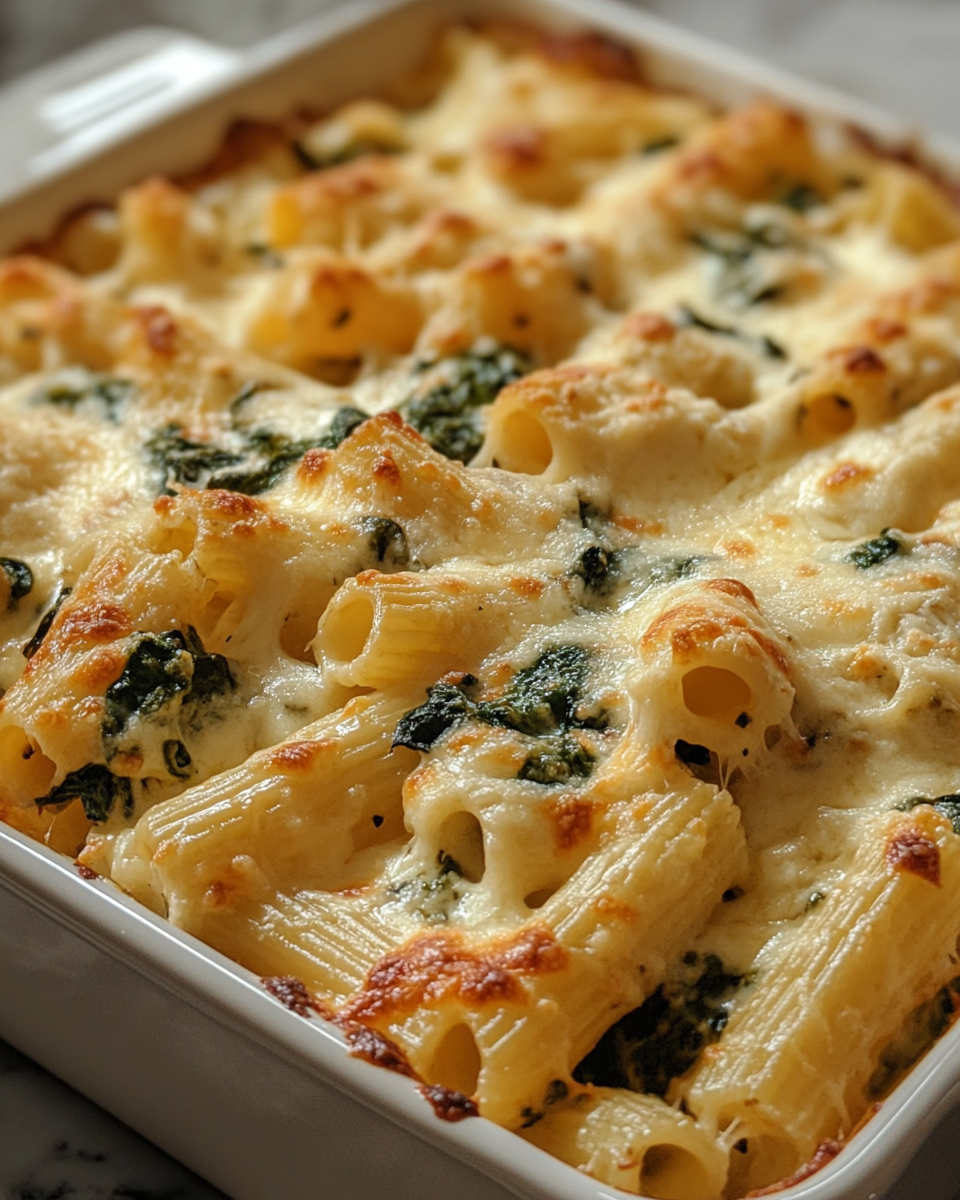
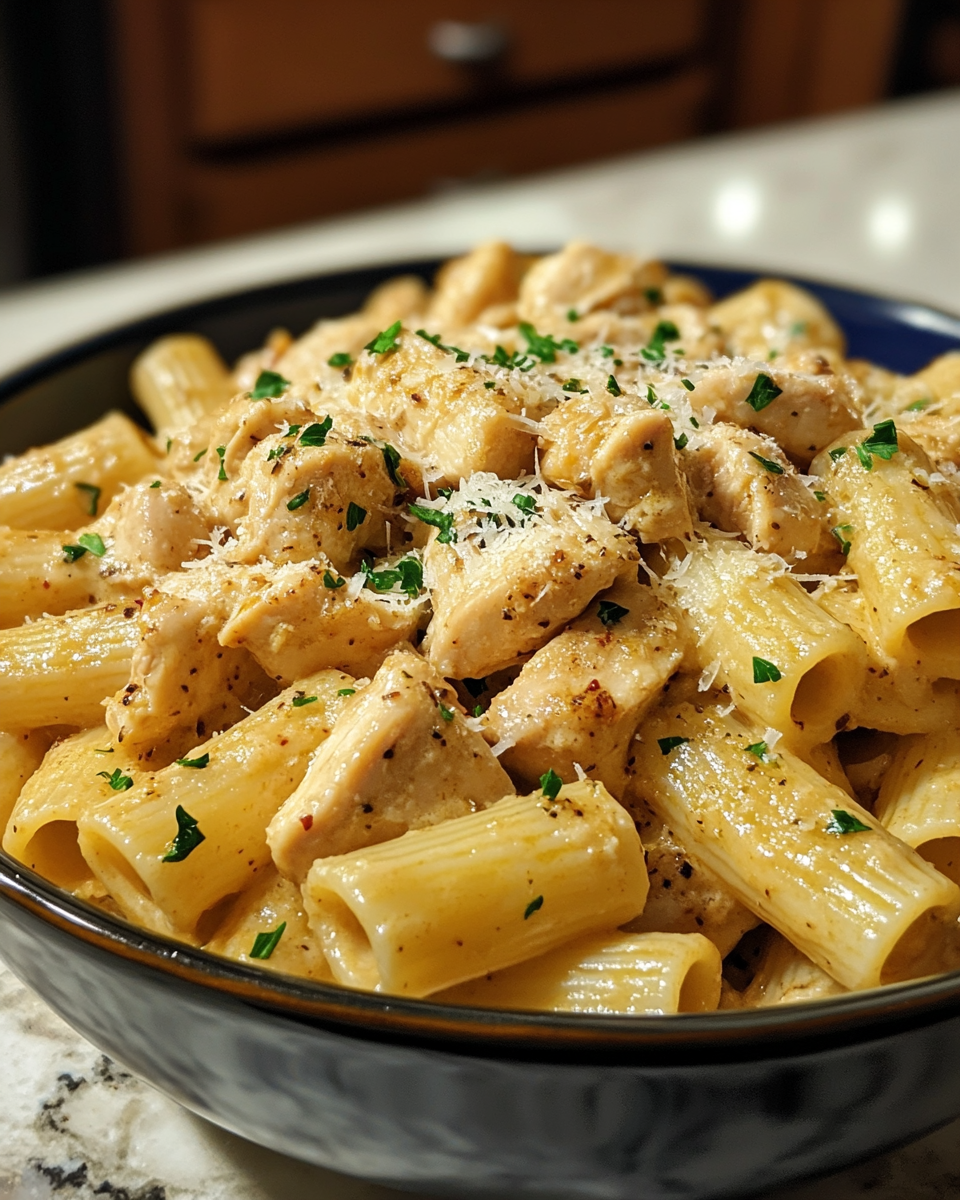
This Creamy Broccoli Parmesan Pasta brings together tender pasta, fresh broccoli, and a velvety Parmesan sauce that clings to every bite. It’s the kind of weeknight dish that feels both comforting and practical, using simple ingredients that come together in one pan for a smooth, rich finish.

The broccoli softens just enough to stay vibrant while blending into the sauce, adding a light earthiness that balances the richness of cream and cheese. Parmesan melts into the base, giving the dish its signature savory depth without overpowering the other elements.

What makes this pasta especially appealing is how quickly it comes together while still feeling like a full, satisfying meal. It works well for busy evenings, relaxed weekends, or whenever a bowl of creamy pasta sounds like the right choice.

The sauce is built gradually, starting with aromatics and cream, then finished with pasta water and cheese to create a silky coating. Every ingredient plays a role in building flavor and texture without unnecessary complexity.


Ingredients Overview
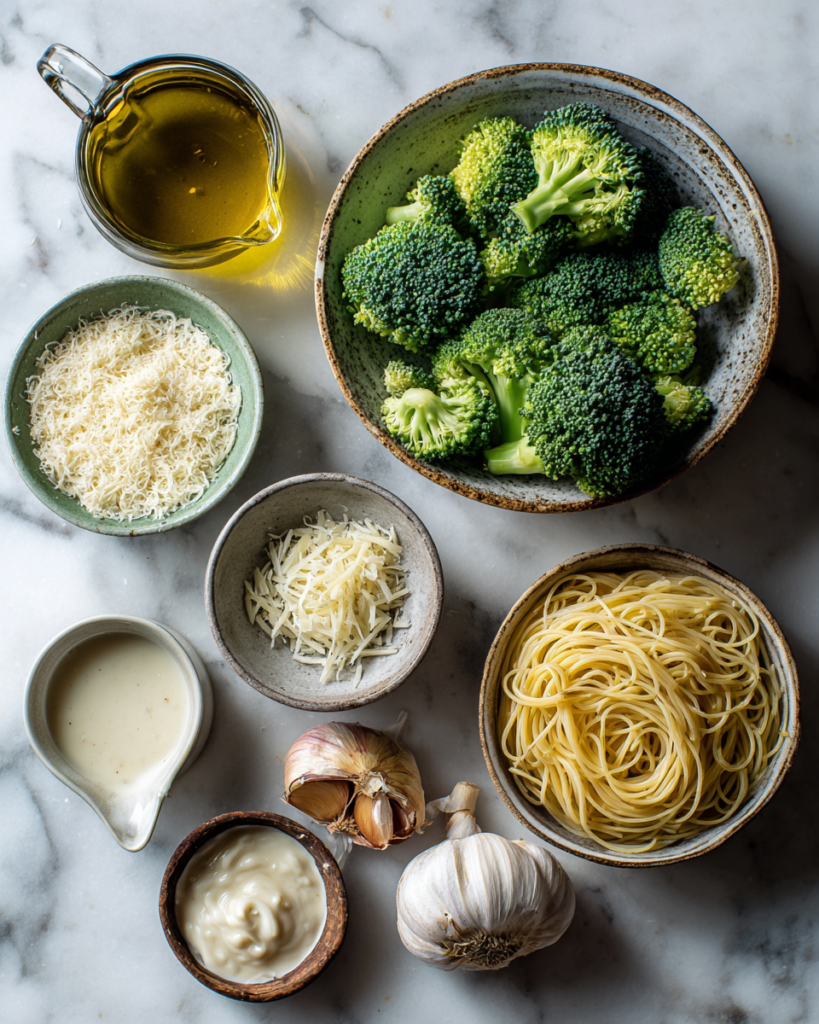
The foundation of this dish starts with pasta that holds sauce well, such as penne, fusilli, or rigatoni. Their ridges and curves help trap the creamy Parmesan sauce, making each bite consistent and flavorful.

Broccoli adds freshness and a gentle bite. It is lightly cooked so it stays bright green and tender without becoming mushy. Smaller florets blend more easily into the pasta, ensuring even distribution throughout the dish.

Parmesan cheese is essential for depth and saltiness. Freshly grated Parmesan melts smoothly into the sauce, creating a rich, nutty flavor that defines the overall profile. Pre-grated versions can be used, but they may not melt as evenly.

Heavy cream forms the base of the sauce, giving it a smooth, luscious texture. It balances the sharpness of the cheese and helps coat the pasta evenly. For a lighter version, half-and-half can be used, though the sauce will be slightly less thick.

Garlic and onion provide aromatic depth. When sautéed gently in olive oil or butter, they build a savory foundation that supports the creamy elements without overpowering them.

A small amount of pasta water is key for adjusting the sauce consistency. The starch in the water helps bind the sauce to the pasta, giving it a cohesive, silky finish.

Seasonings like salt, black pepper, and a pinch of red pepper flakes bring balance and subtle warmth. These simple additions round out the flavor without complicating the dish.


Ingredients

12 ounces pasta (penne, fusilli, or rigatoni)
3 cups broccoli florets
2 tablespoons olive oil
3 cloves garlic, minced
1 small onion, finely chopped
1 cup heavy cream
1 cup freshly grated Parmesan cheese
1/2 cup reserved pasta water
1/2 teaspoon salt
1/4 teaspoon black pepper
1/4 teaspoon red pepper flakes (optional)
1 tablespoon butter


Step-by-Step Instructions
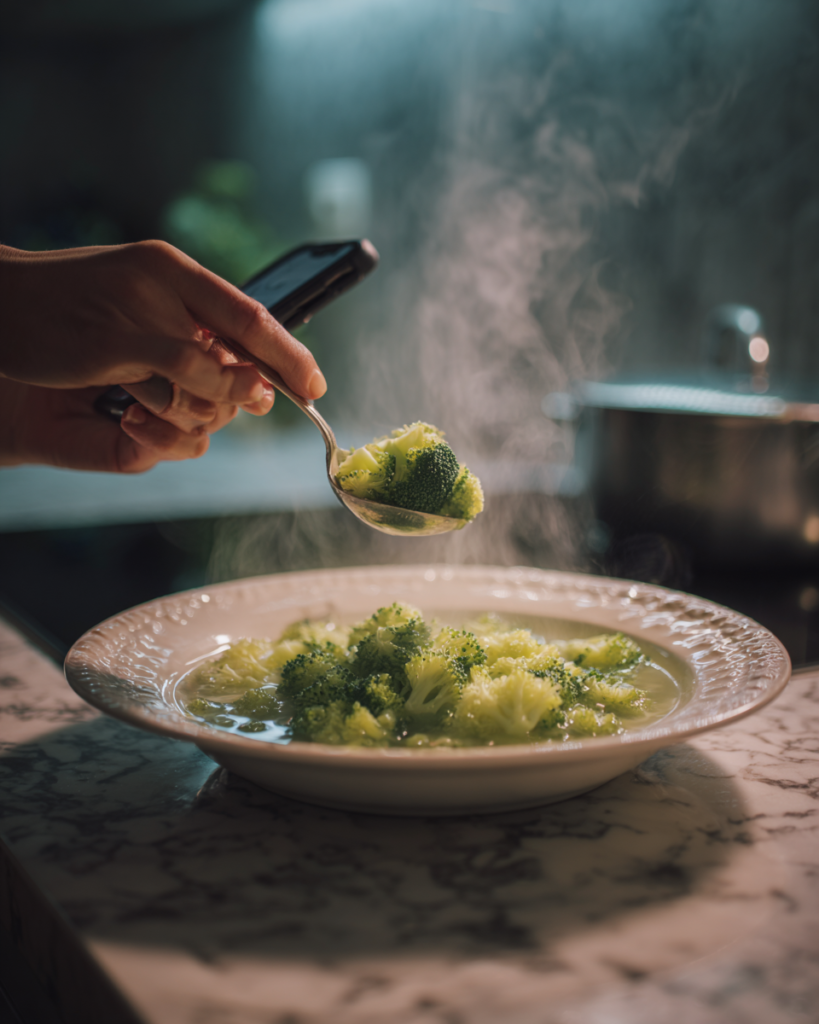
Bring a large pot of salted water to a boil and cook the pasta according to package directions until al dente. In the last 2–3 minutes of cooking, add the broccoli florets directly into the pot. This allows the broccoli to soften slightly while staying bright and tender.

Before draining, reserve about half a cup of the pasta water. This starchy liquid will help bring the sauce together later. Drain the pasta and broccoli, then set aside.

In a large skillet, heat olive oil over medium heat. Add the chopped onion and cook until soft and translucent, stirring occasionally. This step builds the savory base of the sauce.

Add the minced garlic and cook briefly until fragrant. Be careful not to let it brown, as this can create a bitter taste.

Pour in the heavy cream and stir gently, allowing it to warm through. Lower the heat slightly to keep the cream from boiling too rapidly.

Add butter and stir until melted into the cream mixture. This adds a smooth, rounded richness to the sauce.

Gradually stir in the grated Parmesan cheese, allowing it to melt fully before adding more. The sauce will begin to thicken as the cheese incorporates.

Season with salt, black pepper, and red pepper flakes if using. Taste and adjust lightly, keeping the balance between creamy and savory.

Add the drained pasta and broccoli to the skillet. Toss everything together until evenly coated in the sauce.

Slowly add reserved pasta water, a little at a time, until the sauce reaches a silky consistency that clings to the pasta without being too thick.

Let everything simmer gently for another minute so the flavors blend fully. Stir occasionally to prevent sticking and to keep the sauce smooth.

Remove from heat and serve immediately while warm and creamy.


Tips, Variations & Substitutions

For extra texture, lightly roast the broccoli instead of boiling it. This adds a subtle caramelized note that pairs well with the creamy sauce.

If you prefer a lighter version, substitute half-and-half for heavy cream. The sauce will be slightly thinner but still flavorful.

Add cooked chicken, shrimp, or chickpeas for additional protein. These mix in easily and make the dish more filling.

For extra depth, a small amount of lemon zest can be added at the end. It brightens the richness of the sauce without overpowering it.

Whole wheat or chickpea pasta can be used for a heartier texture and slightly nuttier taste.


Serving Ideas & Occasions

This pasta pairs well with simple sides like a green salad or roasted vegetables. A slice of crusty bread also works well for soaking up extra sauce.

It fits nicely into weeknight dinners due to its quick preparation and minimal cleanup. It also works for casual gatherings where a warm, shared dish is needed.

A light white wine or sparkling water with lemon complements the creamy texture and balances the richness of the sauce.


Nutritional & Health Notes

This dish provides a balanced mix of carbohydrates, fats, and some fiber from the broccoli. The pasta supplies energy, while the cream and cheese contribute richness and satiety.

Broccoli adds vitamins and minerals, making the dish more nutrient-dense than standard cream-based pasta recipes. Adjusting portion size can help manage calorie intake while still enjoying the flavors.

Using whole grain pasta or reducing cream slightly can shift the nutritional profile toward a lighter meal without changing the overall character of the dish.


FAQs

Can I use frozen broccoli instead of fresh?

Yes, frozen broccoli works well in this recipe. It should be added directly to the boiling pasta water during the final minutes of cooking. Since frozen broccoli is usually pre-blanched, it softens quickly, so avoid overcooking it. Drain thoroughly to prevent extra water from thinning the sauce.

What type of pasta works best for this dish?

Short pasta shapes like penne, rigatoni, or fusilli work best because they hold onto the creamy sauce. Their structure allows the Parmesan mixture to cling inside ridges and curves, ensuring even flavor in every bite. Long pasta like spaghetti can be used, but the sauce may not coat it as evenly.

Can I make this recipe without cream?

Yes, you can replace heavy cream with whole milk or a mix of milk and a small amount of butter. The sauce will be lighter and slightly less thick, but still flavorful thanks to the Parmesan cheese. Adding a bit more pasta water can help improve the texture if needed.

How do I prevent the cheese from clumping?

To avoid clumping, always lower the heat before adding Parmesan cheese. Stir it in gradually rather than all at once, allowing it to melt slowly into the cream base. Freshly grated cheese also melts more smoothly compared to pre-shredded varieties, which often contain anti-caking agents.

Can I add protein to this pasta?

Yes, cooked chicken, shrimp, or even white beans can be added to make the dish more filling. Simply stir the cooked protein into the skillet at the same time as the pasta and broccoli. This allows everything to warm together and absorb the creamy sauce evenly.

How can I store leftovers?

Leftovers can be stored in an airtight container in the refrigerator for up to three days. When reheating, add a splash of milk or water to loosen the sauce, as it will thicken when chilled. Warm gently on the stove or in the microwave while stirring occasionally.

Why is my sauce too thick or too thin?

If the sauce is too thick, add small amounts of reserved pasta water until it loosens to your desired consistency. If it is too thin, let it simmer gently for a few extra minutes so it reduces and thickens naturally. The balance depends on how much liquid is absorbed by the pasta.

[rank_math_breadcrumb]

Creamy Broccoli Parmesan Pasta 30-Minute Ultimate Cozy

Photo of author
Author: Carol
Published:

This Creamy Broccoli Parmesan Pasta brings together tender pasta, fresh broccoli, and a velvety Parmesan sauce that clings to every bite. It’s the kind of weeknight dish that feels both comforting and practical, using simple ingredients that come together in one pan for a smooth, rich finish.

The broccoli softens just enough to stay vibrant while blending into the sauce, adding a light earthiness that balances the richness of cream and cheese. Parmesan melts into the base, giving the dish its signature savory depth without overpowering the other elements.

What makes this pasta especially appealing is how quickly it comes together while still feeling like a full, satisfying meal. It works well for busy evenings, relaxed weekends, or whenever a bowl of creamy pasta sounds like the right choice.

The sauce is built gradually, starting with aromatics and cream, then finished with pasta water and cheese to create a silky coating. Every ingredient plays a role in building flavor and texture without unnecessary complexity.


Ingredients Overview

The foundation of this dish starts with pasta that holds sauce well, such as penne, fusilli, or rigatoni. Their ridges and curves help trap the creamy Parmesan sauce, making each bite consistent and flavorful.

Broccoli adds freshness and a gentle bite. It is lightly cooked so it stays bright green and tender without becoming mushy. Smaller florets blend more easily into the pasta, ensuring even distribution throughout the dish.

Parmesan cheese is essential for depth and saltiness. Freshly grated Parmesan melts smoothly into the sauce, creating a rich, nutty flavor that defines the overall profile. Pre-grated versions can be used, but they may not melt as evenly.

Heavy cream forms the base of the sauce, giving it a smooth, luscious texture. It balances the sharpness of the cheese and helps coat the pasta evenly. For a lighter version, half-and-half can be used, though the sauce will be slightly less thick.

Garlic and onion provide aromatic depth. When sautéed gently in olive oil or butter, they build a savory foundation that supports the creamy elements without overpowering them.

A small amount of pasta water is key for adjusting the sauce consistency. The starch in the water helps bind the sauce to the pasta, giving it a cohesive, silky finish.

Seasonings like salt, black pepper, and a pinch of red pepper flakes bring balance and subtle warmth. These simple additions round out the flavor without complicating the dish.


Ingredients

12 ounces pasta (penne, fusilli, or rigatoni)
3 cups broccoli florets
2 tablespoons olive oil
3 cloves garlic, minced
1 small onion, finely chopped
1 cup heavy cream
1 cup freshly grated Parmesan cheese
1/2 cup reserved pasta water
1/2 teaspoon salt
1/4 teaspoon black pepper
1/4 teaspoon red pepper flakes (optional)
1 tablespoon butter


Step-by-Step Instructions

Bring a large pot of salted water to a boil and cook the pasta according to package directions until al dente. In the last 2–3 minutes of cooking, add the broccoli florets directly into the pot. This allows the broccoli to soften slightly while staying bright and tender.

Before draining, reserve about half a cup of the pasta water. This starchy liquid will help bring the sauce together later. Drain the pasta and broccoli, then set aside.

In a large skillet, heat olive oil over medium heat. Add the chopped onion and cook until soft and translucent, stirring occasionally. This step builds the savory base of the sauce.

Add the minced garlic and cook briefly until fragrant. Be careful not to let it brown, as this can create a bitter taste.

Pour in the heavy cream and stir gently, allowing it to warm through. Lower the heat slightly to keep the cream from boiling too rapidly.

Add butter and stir until melted into the cream mixture. This adds a smooth, rounded richness to the sauce.

Gradually stir in the grated Parmesan cheese, allowing it to melt fully before adding more. The sauce will begin to thicken as the cheese incorporates.

Season with salt, black pepper, and red pepper flakes if using. Taste and adjust lightly, keeping the balance between creamy and savory.

Add the drained pasta and broccoli to the skillet. Toss everything together until evenly coated in the sauce.

Slowly add reserved pasta water, a little at a time, until the sauce reaches a silky consistency that clings to the pasta without being too thick.

Let everything simmer gently for another minute so the flavors blend fully. Stir occasionally to prevent sticking and to keep the sauce smooth.

Remove from heat and serve immediately while warm and creamy.


Tips, Variations & Substitutions

For extra texture, lightly roast the broccoli instead of boiling it. This adds a subtle caramelized note that pairs well with the creamy sauce.

If you prefer a lighter version, substitute half-and-half for heavy cream. The sauce will be slightly thinner but still flavorful.

Add cooked chicken, shrimp, or chickpeas for additional protein. These mix in easily and make the dish more filling.

For extra depth, a small amount of lemon zest can be added at the end. It brightens the richness of the sauce without overpowering it.

Whole wheat or chickpea pasta can be used for a heartier texture and slightly nuttier taste.


Serving Ideas & Occasions

This pasta pairs well with simple sides like a green salad or roasted vegetables. A slice of crusty bread also works well for soaking up extra sauce.

It fits nicely into weeknight dinners due to its quick preparation and minimal cleanup. It also works for casual gatherings where a warm, shared dish is needed.

A light white wine or sparkling water with lemon complements the creamy texture and balances the richness of the sauce.


Nutritional & Health Notes

This dish provides a balanced mix of carbohydrates, fats, and some fiber from the broccoli. The pasta supplies energy, while the cream and cheese contribute richness and satiety.

Broccoli adds vitamins and minerals, making the dish more nutrient-dense than standard cream-based pasta recipes. Adjusting portion size can help manage calorie intake while still enjoying the flavors.

Using whole grain pasta or reducing cream slightly can shift the nutritional profile toward a lighter meal without changing the overall character of the dish.


FAQs

Can I use frozen broccoli instead of fresh?

Yes, frozen broccoli works well in this recipe. It should be added directly to the boiling pasta water during the final minutes of cooking. Since frozen broccoli is usually pre-blanched, it softens quickly, so avoid overcooking it. Drain thoroughly to prevent extra water from thinning the sauce.

What type of pasta works best for this dish?

Short pasta shapes like penne, rigatoni, or fusilli work best because they hold onto the creamy sauce. Their structure allows the Parmesan mixture to cling inside ridges and curves, ensuring even flavor in every bite. Long pasta like spaghetti can be used, but the sauce may not coat it as evenly.

Can I make this recipe without cream?

Yes, you can replace heavy cream with whole milk or a mix of milk and a small amount of butter. The sauce will be lighter and slightly less thick, but still flavorful thanks to the Parmesan cheese. Adding a bit more pasta water can help improve the texture if needed.

How do I prevent the cheese from clumping?

To avoid clumping, always lower the heat before adding Parmesan cheese. Stir it in gradually rather than all at once, allowing it to melt slowly into the cream base. Freshly grated cheese also melts more smoothly compared to pre-shredded varieties, which often contain anti-caking agents.

Can I add protein to this pasta?

Yes, cooked chicken, shrimp, or even white beans can be added to make the dish more filling. Simply stir the cooked protein into the skillet at the same time as the pasta and broccoli. This allows everything to warm together and absorb the creamy sauce evenly.

How can I store leftovers?

Leftovers can be stored in an airtight container in the refrigerator for up to three days. When reheating, add a splash of milk or water to loosen the sauce, as it will thicken when chilled. Warm gently on the stove or in the microwave while stirring occasionally.

Why is my sauce too thick or too thin?

If the sauce is too thick, add small amounts of reserved pasta water until it loosens to your desired consistency. If it is too thin, let it simmer gently for a few extra minutes so it reduces and thickens naturally. The balance depends on how much liquid is absorbed by the pasta.
Name

Lorem ipsum dolor sit amet, consectetur adipiscing elit. Suspendisse varius enim in eros elementum tristique. Duis cursus, mi quis viverra ornare, eros dolor interdum nulla, ut commodo diam libero vitae erat.

You Might Also Like...

Lemon Herb Chicken Thighs: 7 Cozy Family Favorites

Lemon Herb Chicken Thighs: 7 Cozy Family Favorites

Beef and Broccoli Stir Fry: 6 Savory Skillet Favorites

Beef and Broccoli Stir Fry: 6 Savory Skillet Favorites

Creamy Cajun Chicken Pasta: 5 Rich Dinner Favorites

Creamy Cajun Chicken Pasta: 5 Rich Dinner Favorites

Garlic Butter Chicken Bake: 5 Cozy Family Dinner Tips

Garlic Butter Chicken Bake: 5 Cozy Family Dinner Tips

Tags:

You might also like these recipes

Leave a Comment