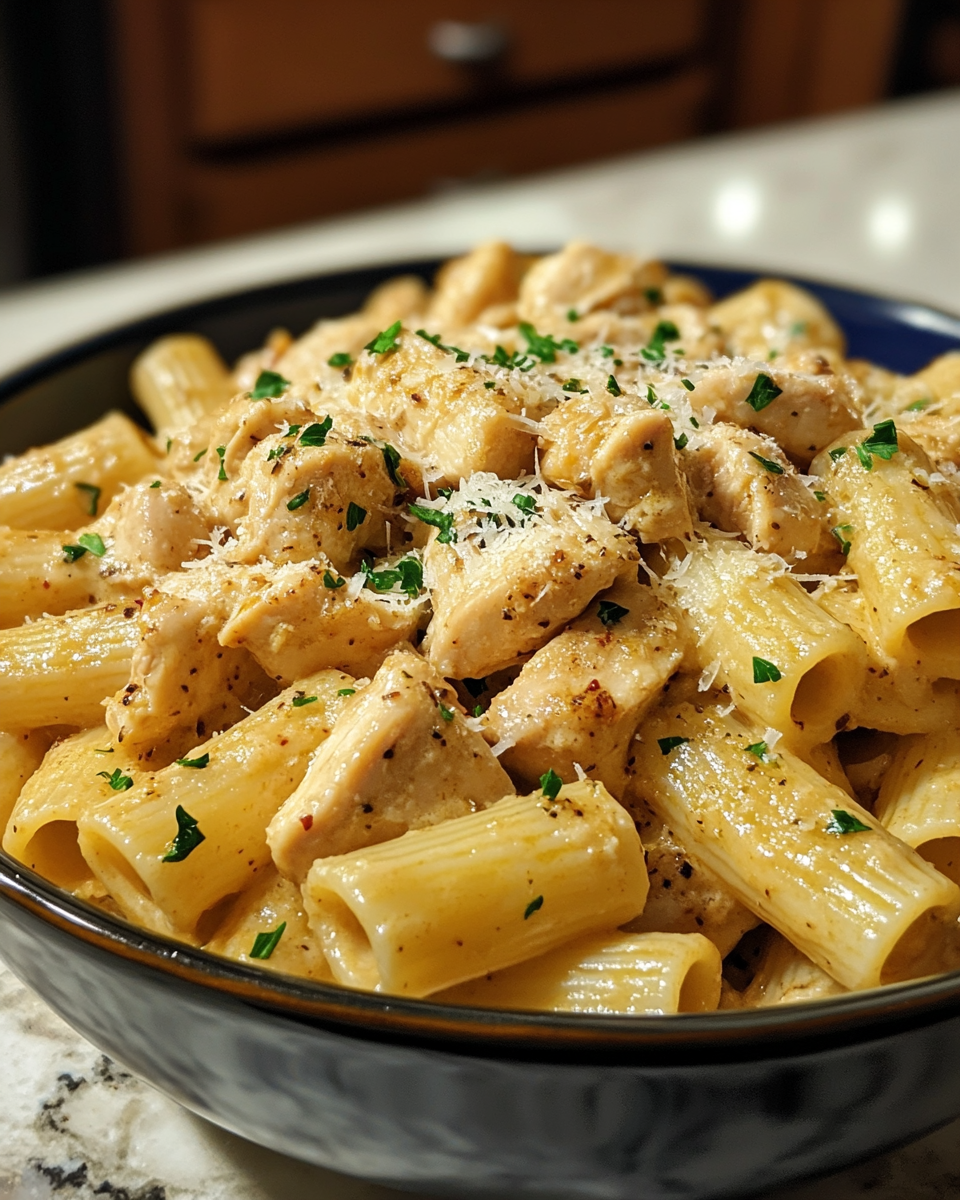
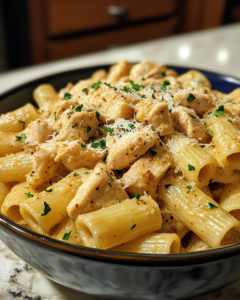
Creamy Buffalo Chicken Pasta brings together tender chicken, a smooth creamy sauce, and the tangy heat of buffalo seasoning in a comforting pasta dish that works for weeknight meals or casual gatherings. The balance between richness and spice makes every bite full of character without overwhelming the palate.
This dish is built around simple kitchen staples, turning them into a hearty pasta that feels satisfying and comforting. The sauce coats each piece of pasta and chicken, creating a consistent texture that holds flavor in every forkful. It’s a reliable option when you want something filling without complicated preparation.
The combination of creamy dairy, hot sauce, and seasoned chicken creates a layered taste profile. Pasta acts as the base, absorbing the sauce while keeping its structure. The result is a warm, cohesive dish that feels both familiar and slightly bold in flavor direction.
Ingredients Overview

The foundation of Creamy Buffalo Chicken Pasta begins with pasta that can hold sauce well, such as penne or rotini. These shapes trap the creamy mixture in their curves and ridges, ensuring every bite carries flavor.
Chicken breast is the main protein, offering a lean and tender base once cooked. When seasoned and seared properly, it develops a light crust that adds depth to the dish. Some variations may use chicken thighs for a juicier texture, though both options work well depending on preference.
Buffalo sauce provides the signature tangy heat. It blends vinegar, chili, and butter notes that cut through the richness of the cream. The amount can be adjusted depending on spice preference.
Cream cheese and heavy cream form the base of the sauce, creating a smooth and rich consistency. Cream cheese adds body, while heavy cream loosens the texture for easy coating of the pasta. Together, they balance the heat from the buffalo sauce.
Garlic and onion build a savory foundation. They soften during cooking and blend into the sauce, adding depth without overpowering the main flavors. A small amount of butter helps sauté these aromatics and supports the overall richness.
Cheddar cheese is often added at the end to give a slightly sharp, melty finish. It blends into the sauce and enhances its creamy texture.
Salt, black pepper, and optional paprika round out the seasoning, giving structure to the flavor without distracting from the main elements.
Ingredients
12 ounces penne pasta
2 large chicken breasts, diced
1 tablespoon olive oil
1 tablespoon butter
3 cloves garlic, minced
1 small onion, finely chopped
1 cup buffalo sauce
4 ounces cream cheese, softened
1 cup heavy cream
1 cup shredded cheddar cheese
1/2 teaspoon salt
1/2 teaspoon black pepper
1/2 teaspoon paprika
2 tablespoons chopped parsley
Step-by-Step Instructions

Start by cooking the pasta in a large pot of salted water until it reaches a firm but tender texture. Drain and set aside while reserving a small amount of pasta water in case the sauce needs thinning later.
Heat olive oil in a large skillet over medium heat. Add diced chicken pieces and season with salt, pepper, and paprika. Cook until the chicken is golden on the outside and fully cooked inside. Remove the chicken from the pan and set aside.
In the same skillet, melt butter and add chopped onion. Cook until the onion softens and becomes slightly translucent. Add minced garlic and stir briefly until fragrant, making sure it does not brown.
Pour in buffalo sauce and stir to combine with the aromatics. Lower the heat slightly and add cream cheese, stirring until it melts into the sauce and forms a smooth base.
Slowly pour in heavy cream while stirring continuously. The sauce should become smooth and slightly thick. If it becomes too thick, a small splash of reserved pasta water can help loosen it.
Return the cooked chicken to the skillet and stir to coat it evenly with the sauce. Add the drained pasta and mix thoroughly so the sauce covers every piece.
Sprinkle shredded cheddar cheese into the pan and stir until melted. The sauce should now be creamy, cohesive, and cling to the pasta well.
Let everything cook together for a few minutes on low heat so the flavors combine. Stir occasionally to prevent sticking.
Finish with chopped parsley for a fresh touch before serving. The final texture should be creamy, slightly thick, and well-coated.
Tips, Variations & Substitutions
For a milder version, reduce the amount of buffalo sauce and increase the cream slightly. This softens the heat while keeping the flavor present.
If you prefer a richer texture, add extra cream cheese or a small amount of grated parmesan. This will create a thicker sauce that clings more heavily to the pasta.
Chicken thighs can be used instead of chicken breast for a juicier result. They hold moisture well and bring a deeper flavor.
Vegetable additions like steamed broccoli or sautéed bell peppers can be mixed in for added texture and color. These ingredients also balance the richness of the sauce.
For a lighter variation, use half-and-half instead of heavy cream. The sauce will be slightly thinner but still flavorful.
Gluten-free pasta works well in this dish, though cooking times may vary slightly depending on the brand used.
Serving Ideas & Occasions
Creamy Buffalo Chicken Pasta pairs well with simple side dishes like a green salad or roasted vegetables. These sides balance the richness of the pasta.
Garlic bread or toasted rolls also complement the dish, especially when used to scoop up extra sauce.
It works well for family dinners, casual gatherings, or meal prep for the week. The dish reheats well, maintaining its creamy texture when warmed gently.
A chilled drink like iced tea or sparkling water helps balance the heat from the buffalo sauce.
This pasta is often served as a main course since it already combines protein, starch, and sauce in one dish.
Nutritional & Health Notes
This dish provides a balance of protein, carbohydrates, and fats. Chicken contributes lean protein, while pasta supplies energy-rich carbohydrates.
The creamy sauce adds fat content, which contributes to satiety and flavor richness. Portion size can be adjusted depending on dietary needs.
Using lighter dairy options can reduce overall calorie content while still maintaining a creamy texture.
Adding vegetables increases fiber and micronutrient content, making the dish more balanced.
It is best enjoyed as part of a varied diet that includes fresh produce and lighter meals throughout the day.
FAQs
Can I use a different type of pasta?
Yes, different pasta shapes can be used based on preference. Short pasta like penne, rotini, or rigatoni works best because it holds sauce well. Longer shapes like fettuccine can also work, though the texture will feel slightly different. Cooking time may vary depending on the type chosen, so it is important to follow package instructions for best results.
How spicy is this dish?
The spice level depends mainly on the amount of buffalo sauce used. Standard buffalo sauce brings a noticeable heat balanced by the creamy base. If a milder taste is preferred, the sauce amount can be reduced or mixed with extra cream. For more heat, an additional splash of hot sauce can be added during cooking.
Can I prepare this ahead of time?
Yes, this dish can be made ahead and stored in the refrigerator. When reheating, it is best to warm it slowly over low heat with a small amount of cream or milk to restore its creamy texture. Stirring while reheating helps maintain consistency and prevents the sauce from separating.
What type of chicken works best?
Chicken breast is commonly used because it is lean and cooks quickly. However, chicken thighs are also a good option since they remain tender and juicy. Both choices absorb the buffalo sauce well, so the decision depends on personal preference for texture and richness.
Can I make this without dairy?
A dairy-free version is possible by using plant-based cream alternatives and dairy-free cheese. Coconut cream or oat-based cooking cream can replace heavy cream, though the flavor will shift slightly. The sauce will still have a creamy texture but may taste less rich than the original version.
How do I prevent the sauce from becoming too thick?
If the sauce thickens too much, reserved pasta water can be added gradually while stirring. This helps loosen the consistency without changing the flavor. Adding a small amount of milk or cream also works well to restore smoothness.
What vegetables go well in this pasta?
Vegetables like broccoli, spinach, bell peppers, and peas pair well with this dish. They add color, texture, and balance to the creamy sauce. It is best to cook or steam them lightly before mixing them into the pasta so they blend smoothly with the other ingredients.