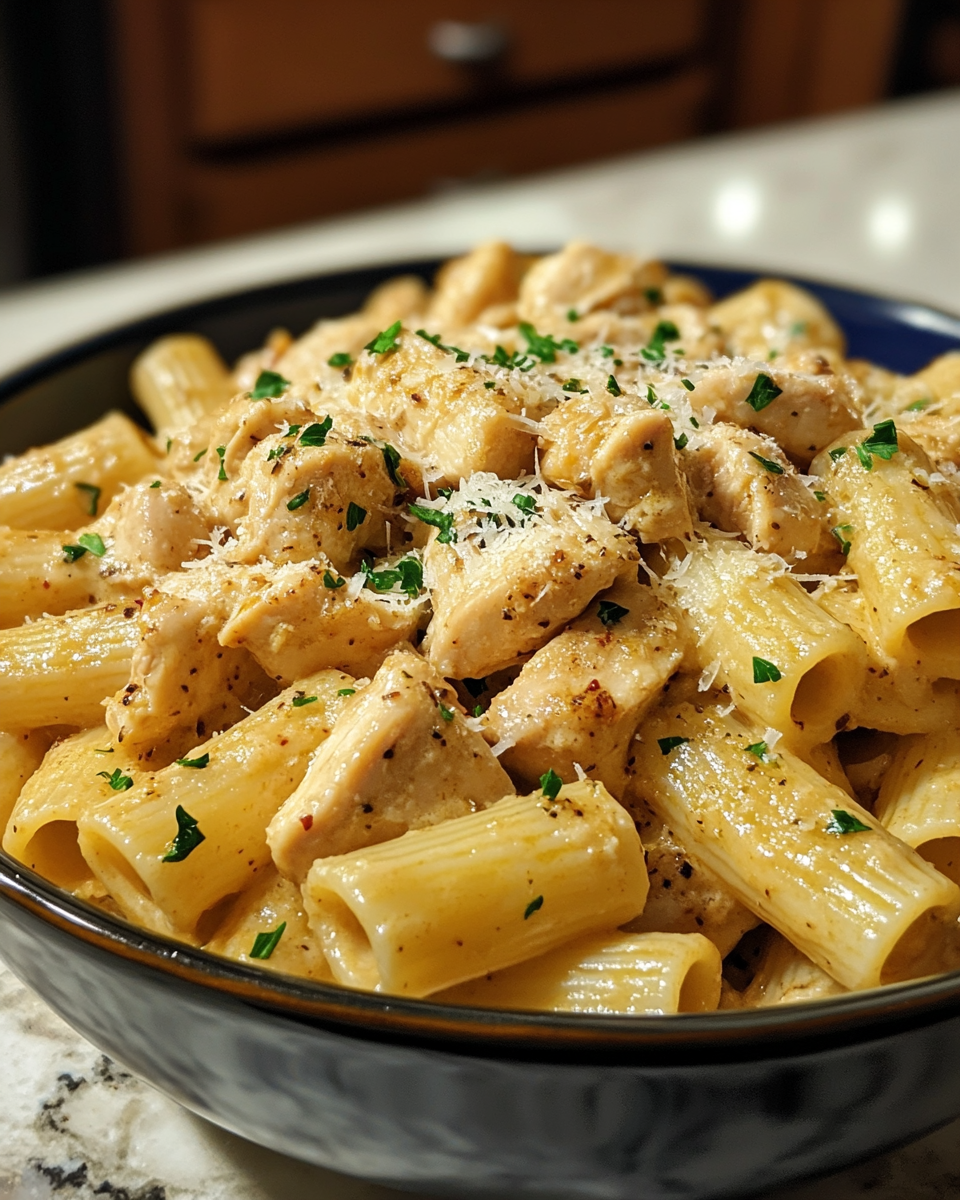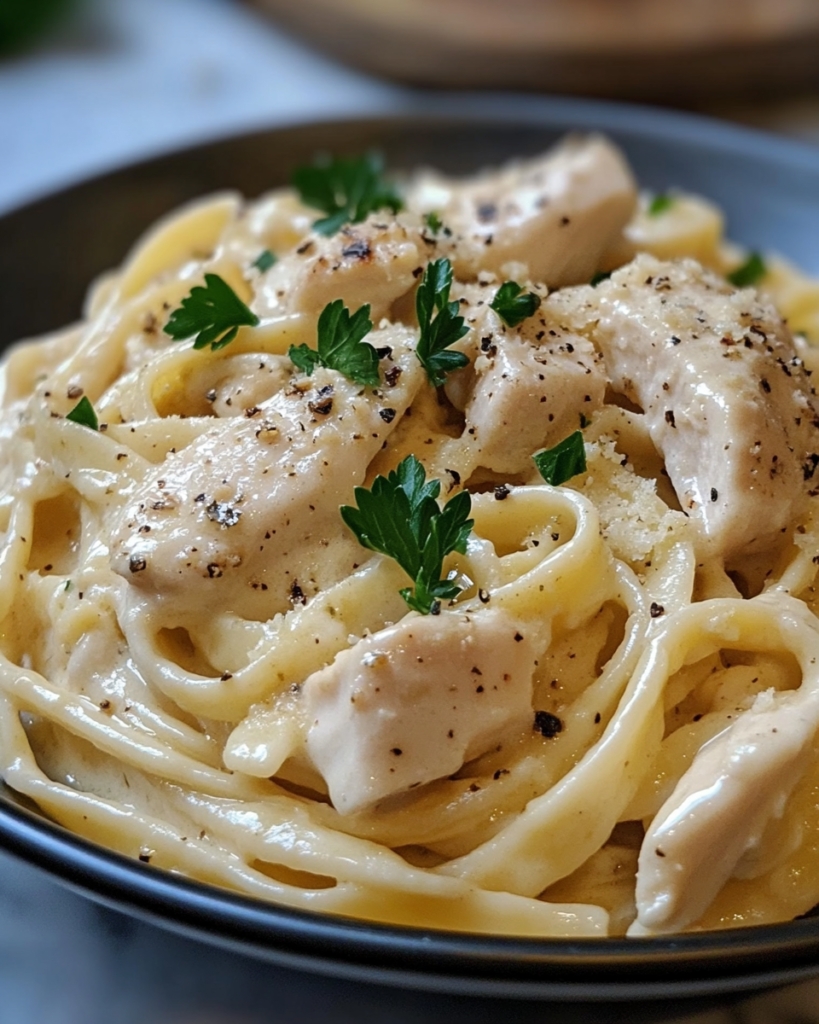
This Creamy Chicken Alfredo Pasta (Easy Dinner) brings together tender chicken, silky sauce, and perfectly coated pasta in a way that feels both comforting and practical for busy evenings. It’s a stovetop meal that comes together with everyday ingredients and delivers a rich, velvety texture in every bite.
The dish is built around a classic Alfredo-style sauce made from butter, cream, and Parmesan cheese, which clings beautifully to fettuccine or similar pasta shapes. Juicy chicken adds substance, making it a complete meal that works well for both weeknight cooking and casual gatherings.
What makes this recipe especially appealing is its balance of simplicity and depth of flavor. The sauce is smooth and creamy without being heavy, while garlic and seasoning bring warmth and aroma. Each component plays a clear role in creating a cohesive and satisfying pasta dish.
Ingredients Overview
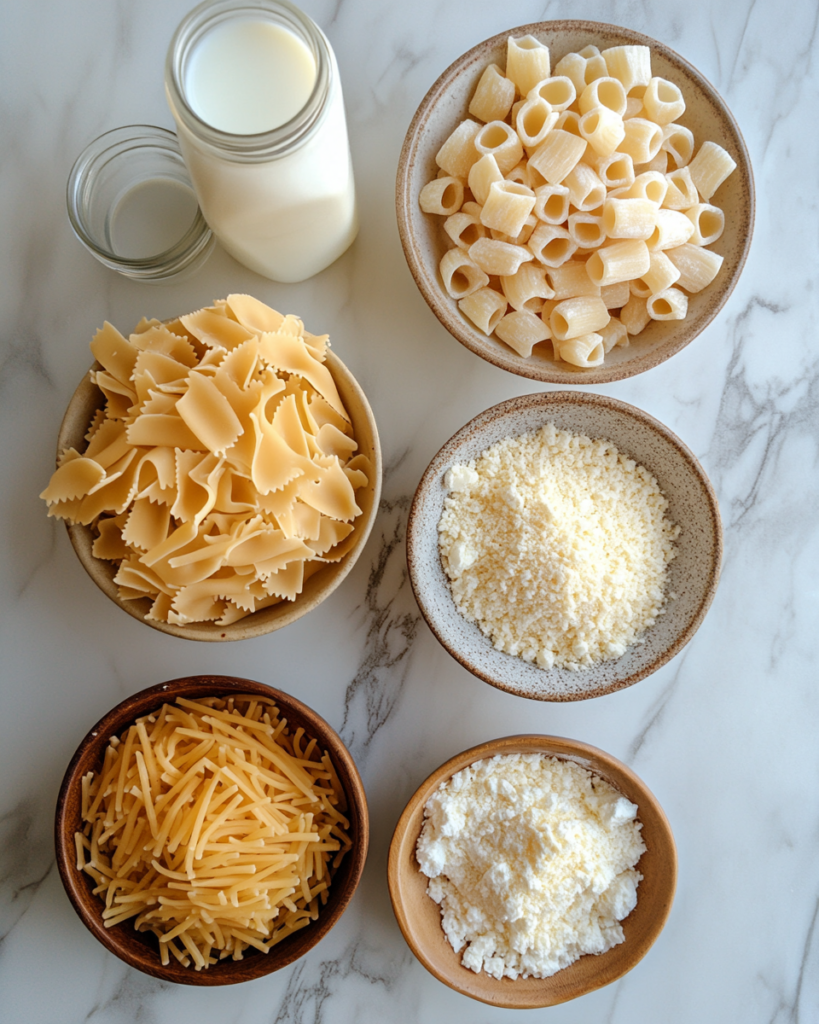
The foundation of Creamy Chicken Alfredo Pasta relies on a short list of ingredients that work together to create a rich and cohesive dish. Chicken breast is commonly used because it cooks quickly and absorbs seasoning well, offering a lean protein that pairs nicely with the creamy sauce. When cooked properly, it stays juicy and tender.
The sauce begins with butter and garlic, which form an aromatic base. Garlic softens in the butter, releasing a gentle depth that supports the cream without overpowering it. Heavy cream is then added to build the signature smooth texture that defines Alfredo-style pasta.
Parmesan cheese is essential for both flavor and consistency. As it melts into the sauce, it thickens naturally while adding a salty, nutty profile. Freshly grated cheese works best, as it blends more smoothly than pre-shredded versions.
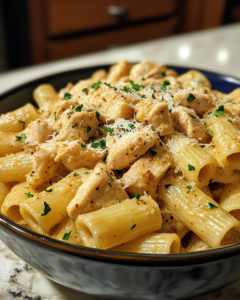
Pasta choice also matters. Fettuccine is traditional because its wide surface holds the sauce well, but penne or linguine also perform nicely. Salt and black pepper round out the seasoning, keeping the dish balanced.
Optional additions like parsley or a light pinch of red pepper flakes can add freshness or gentle heat. Substitutions are flexible—milk can replace part of the cream for a lighter result, and boneless thighs can be used instead of chicken breast for a richer flavor.
Ingredients
12 ounces fettuccine pasta
2 large chicken breasts, sliced into strips
2 tablespoons olive oil
3 tablespoons unsalted butter
4 cloves garlic, minced
1 1/2 cups heavy cream
1 cup freshly grated Parmesan cheese
1/2 teaspoon salt
1/2 teaspoon black pepper
1/2 teaspoon Italian seasoning
1/4 teaspoon garlic powder
1/4 teaspoon onion powder
1/2 cup reserved pasta water
2 tablespoons chopped parsley (optional)
Step-by-Step Instructions
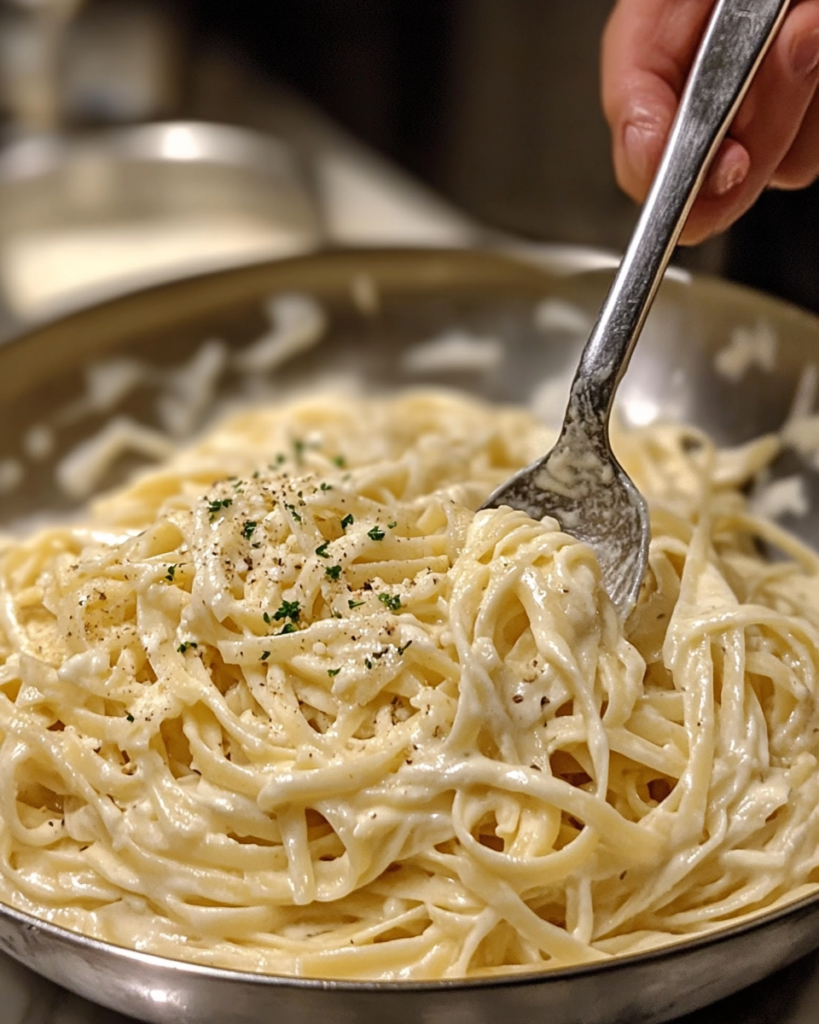
Begin by bringing a large pot of salted water to a boil. Add the fettuccine and cook until al dente according to package directions. Before draining, reserve about half a cup of the pasta water, then set the pasta aside.
While the pasta cooks, heat olive oil in a large skillet over medium heat. Add the sliced chicken in a single layer and season with salt, pepper, and Italian seasoning. Cook for several minutes on each side until the chicken develops a light golden color and is fully cooked through. Remove the chicken from the skillet and set aside.
In the same skillet, reduce the heat slightly and add the butter. Once melted, stir in the minced garlic. Let it cook briefly until fragrant, taking care not to let it brown, as that can create a bitter taste.
Pour in the heavy cream while stirring continuously. Allow it to heat gently so it begins to thicken slightly. Gradually add the Parmesan cheese, stirring until it melts into a smooth sauce. The texture should become creamy and slightly thickened.
Season the sauce with salt, black pepper, garlic powder, and onion powder. Taste and adjust lightly if needed. If the sauce becomes too thick, add small amounts of reserved pasta water until it reaches a smooth, silky consistency.
Return the cooked chicken to the skillet, stirring it into the sauce so it becomes well coated. Add the drained pasta directly into the pan and toss everything together. Make sure each strand is evenly covered in sauce.
Allow the pasta to cook together with the sauce for a minute or two over low heat. This helps the flavors blend and gives the sauce time to cling to the noodles. Finish with chopped parsley if desired.
Serve immediately while warm and creamy. The texture is best enjoyed fresh from the pan when the sauce is at its smoothest point.
Tips, Variations & Substitutions
For the best texture, avoid overheating the cream once it is added to the pan. Gentle heat helps maintain a smooth sauce without separation. Stirring consistently while adding cheese also prevents clumping and keeps the sauce even.
Chicken thighs can be used instead of chicken breast for a richer and juicier result. If you prefer a lighter version, you can substitute part of the cream with milk, though the sauce will be slightly thinner.
Vegetable additions such as sautéed mushrooms, spinach, or steamed broccoli can bring extra color and variety to the dish. These should be cooked separately before being mixed into the pasta to maintain texture.
If Parmesan is unavailable, a similar hard aged cheese can be used, though the flavor may vary slightly. Freshly grated cheese always blends more smoothly into the sauce compared to packaged versions.
A small pinch of red pepper flakes can be added for gentle heat without overpowering the creamy base. Adjust seasoning at the end to match personal taste preferences.
Serving Ideas & Occasions
Creamy Chicken Alfredo Pasta works well as a main dish served on its own or paired with simple sides. Garlic bread is a classic companion, offering a crisp contrast to the soft pasta. A light green salad with a mild vinaigrette also balances the richness of the sauce.
This dish is often served during relaxed dinners, family meals, or casual gatherings where a warm, filling option is appreciated. It is also suitable for preparing ahead of time and reheating gently on the stovetop with a splash of cream or milk.
For drinks, sparkling water with lemon or a light iced beverage pairs well without overpowering the flavors of the pasta. The dish holds its place as a comforting centerpiece for both everyday meals and slightly special occasions.
Nutritional & Health Notes
This pasta dish provides a balanced mix of protein, carbohydrates, and fats. Chicken contributes lean protein, while pasta supplies energy-rich carbohydrates that help make the meal satisfying and filling.
The sauce contains dairy-based fats from cream and cheese, which add richness and flavor. Portion size plays an important role in maintaining balance, especially when enjoying a dish with a creamy base.
Adding vegetables such as spinach or broccoli can increase fiber content and bring additional nutrients to the meal. Using whole wheat pasta is another option for those looking to increase fiber intake.
While this dish is indulgent in texture and flavor, it can still fit into a balanced eating pattern when served alongside lighter sides and appropriate portions.
FAQs
What type of pasta works best for this recipe?
Fettuccine is the most commonly used pasta for this dish because its wide, flat shape holds the creamy sauce very well. The sauce clings to each strand, giving a consistent flavor in every bite. However, other pasta types such as linguine or penne also work nicely. Penne offers a slightly different texture because the sauce collects inside the tubes, while linguine provides a similar experience to fettuccine but with a slightly thinner shape.
Can I use pre-cooked chicken?
Yes, pre-cooked chicken can be used if you want to shorten the cooking time. Simply slice or shred it and add it to the sauce when combining everything with the pasta. Warm it gently in the skillet so it absorbs some of the sauce flavors. Keep in mind that freshly cooked chicken usually provides better texture and juiciness, but pre-cooked options are convenient for quick meals.
How do I keep the sauce smooth?
The key to a smooth sauce is gentle heat and steady stirring. When adding Parmesan cheese, do so gradually rather than all at once. This allows it to melt evenly into the cream base. Avoid boiling the sauce, as high heat can cause separation. If the sauce becomes too thick, a small amount of reserved pasta water can help restore a silky consistency.
Can I make this dish lighter?
Yes, a lighter version can be made by replacing part of the heavy cream with milk. You can also reduce the amount of cheese slightly or use a lower-fat cheese option. Adding vegetables such as spinach or zucchini can increase volume without making the dish heavier. These adjustments keep the dish enjoyable while reducing richness.
What vegetables go well with this pasta?
Several vegetables pair well with this creamy pasta. Spinach is a popular choice because it wilts quickly and blends into the sauce. Broccoli adds texture and a mild flavor contrast. Mushrooms bring an earthy depth that complements the creamy base. These vegetables should be cooked separately or sautéed before being mixed into the pasta for best results.
Can I store leftovers?
Leftovers can be stored in an airtight container in the refrigerator. When reheating, add a small splash of cream or milk to help loosen the sauce, as it tends to thicken when chilled. Warm gently over low heat on the stovetop, stirring frequently. This helps restore the creamy texture without separating the sauce.
Why did my sauce turn grainy?
A grainy sauce usually happens when the cheese is added too quickly or the heat is too high. Parmesan needs gentle heat to melt smoothly into the cream. If it overheats, the proteins can separate, leading to a rough texture. To prevent this, always reduce heat before adding cheese and stir continuously until fully incorporated.