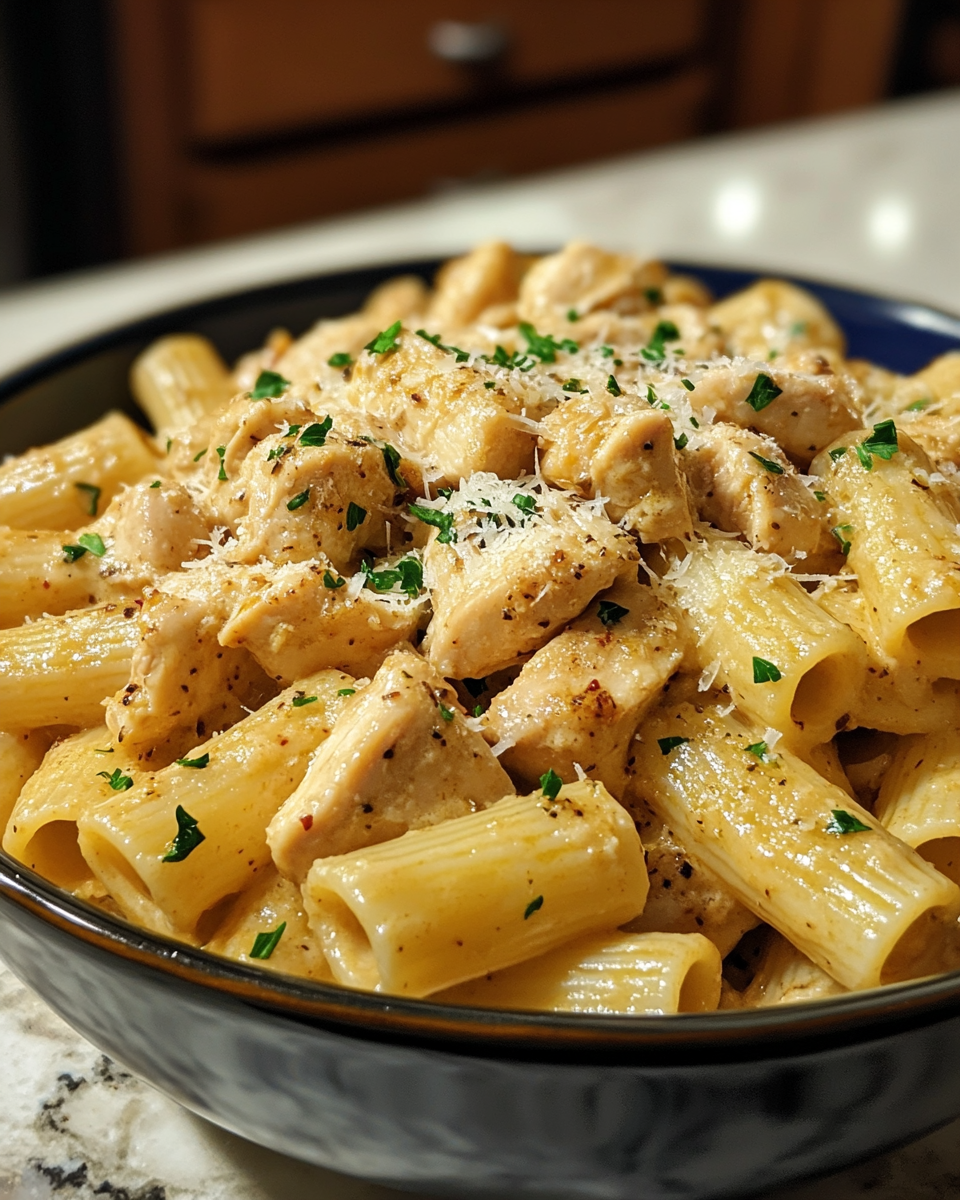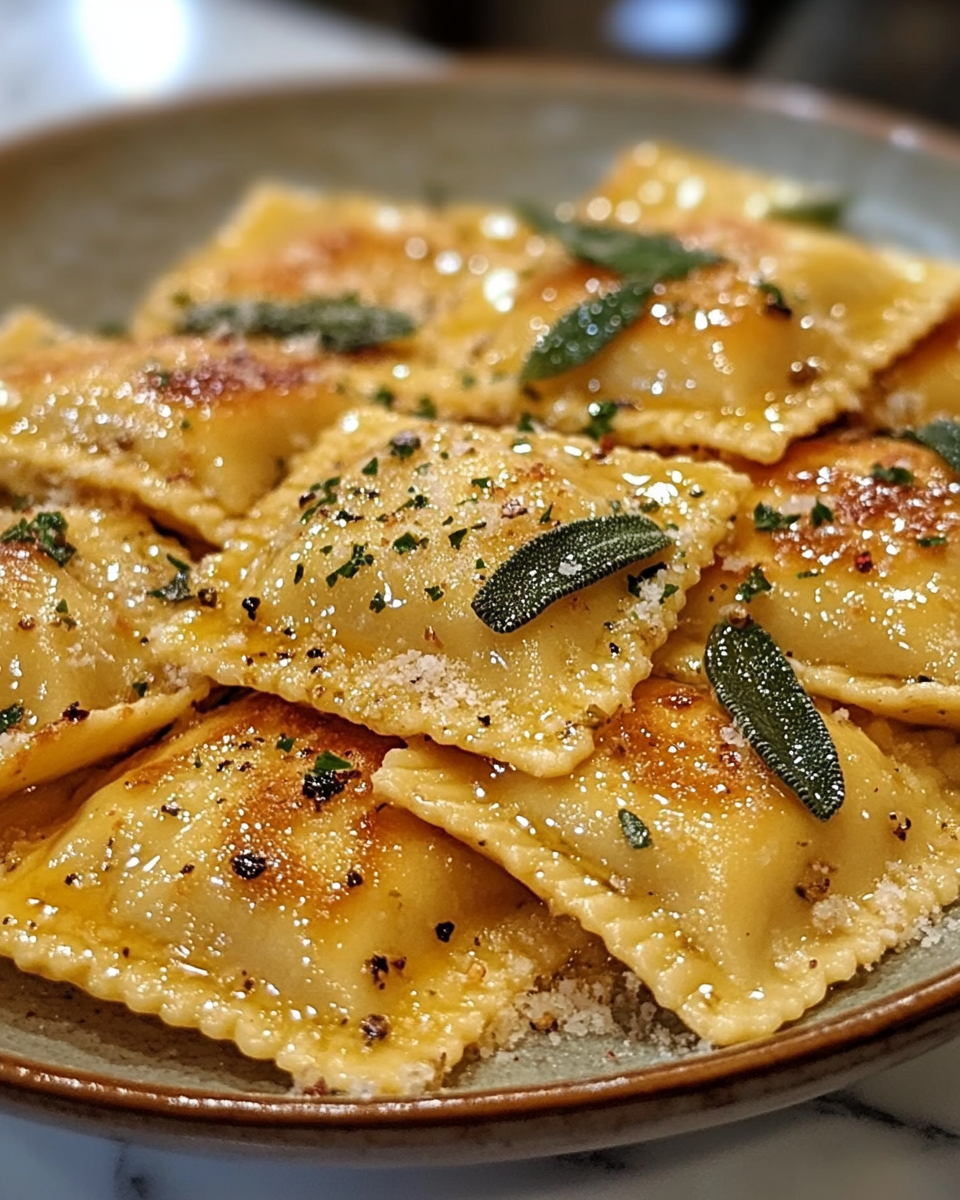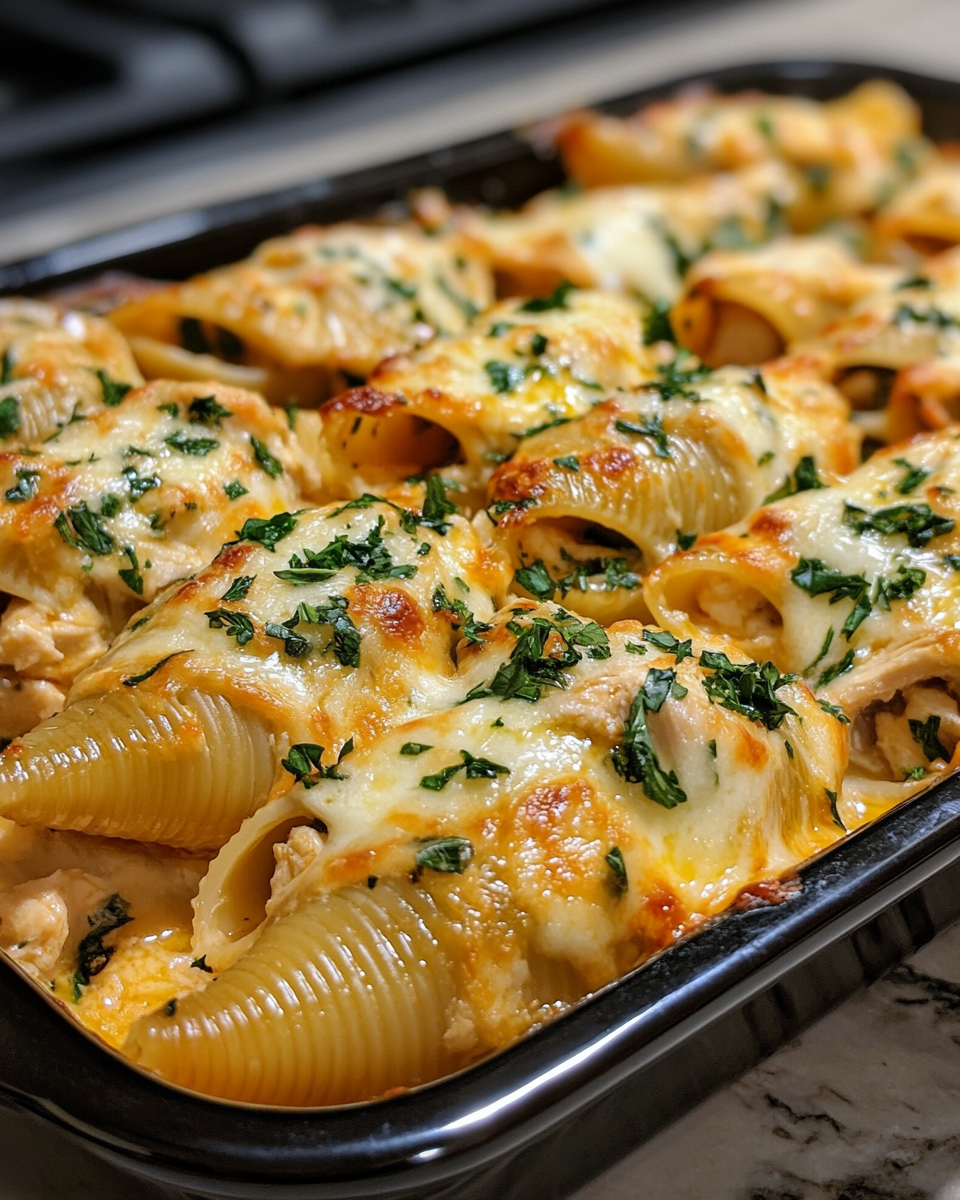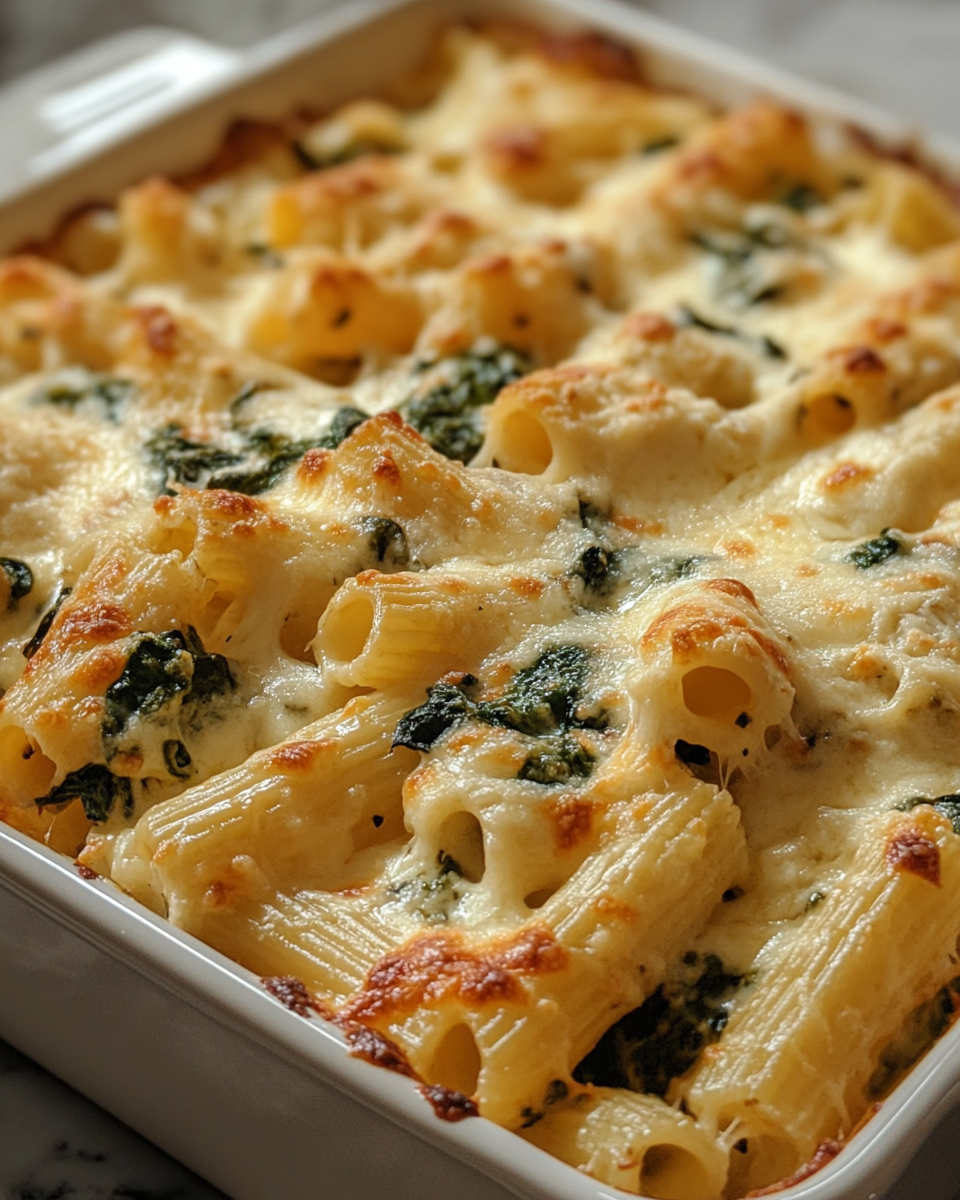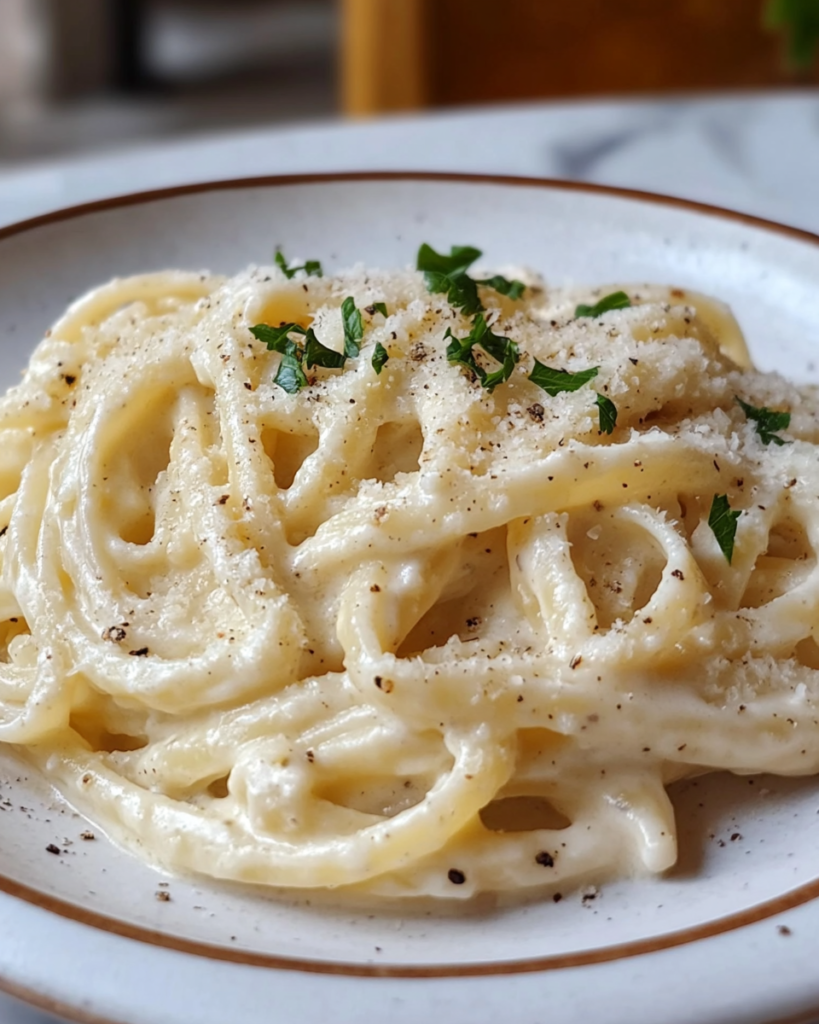
Creamy Garlic Parmesan Pasta brings rich flavor, silky texture, and deep savory character into one comforting meal. Tender pasta strands coat beautifully in a velvety garlic parmesan sauce that clings to every bite without feeling heavy. This dish suits quiet family dinners, relaxed weekend lunches, or casual gatherings when a warm plate of pasta feels especially satisfying.
Fresh garlic gently cooks in butter before cream and parmesan create a smooth sauce with balanced richness. A touch of black pepper and parsley adds contrast, while pasta water helps the sauce wrap around the noodles perfectly. Creamy Garlic Parmesan Pasta also pairs beautifully with grilled chicken, sautéed mushrooms, shrimp, or roasted vegetables, giving plenty of room for personal touches.
The recipe comes together with pantry staples and straightforward cooking steps. Careful heat control keeps the cheese smooth rather than grainy, while proper pasta timing creates the ideal texture. The result feels comforting, flavorful, and satisfying from the first forkful to the last.
Ingredients Overview
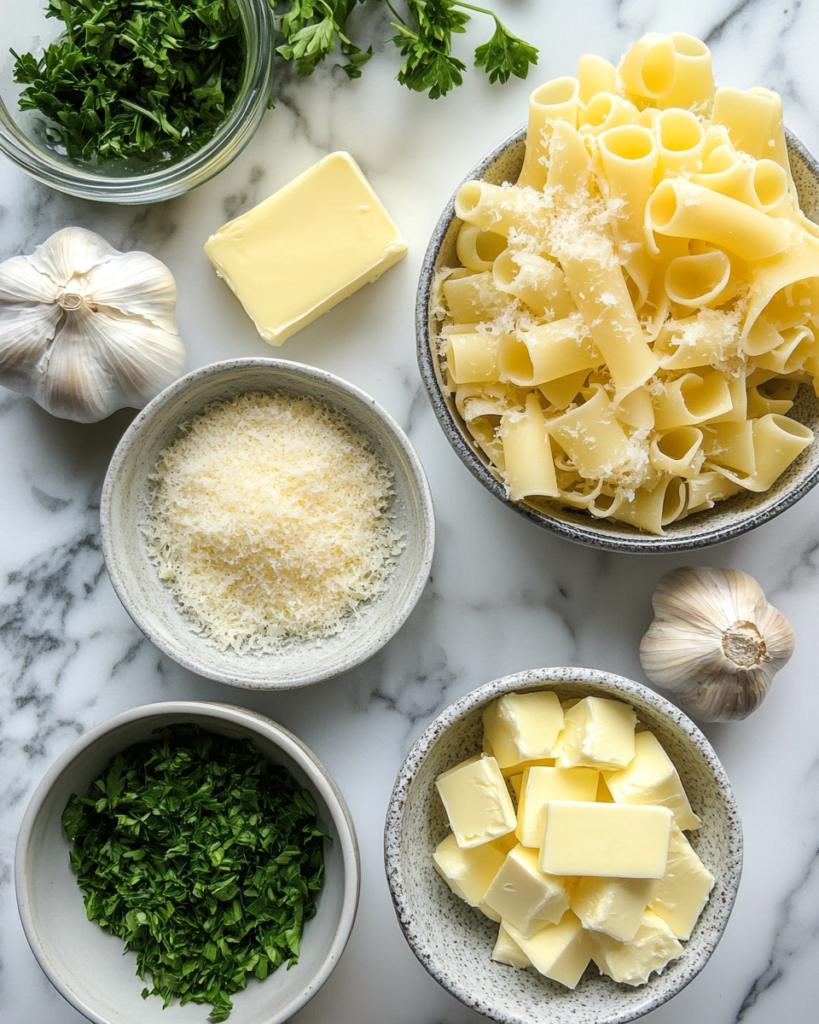
The foundation of Creamy Garlic Parmesan Pasta begins with sturdy pasta that can carry the creamy sauce well. Fettuccine, linguine, spaghetti, or penne all work beautifully because their surfaces hold onto the rich garlic parmesan coating. Pasta cooked until al dente keeps the dish balanced and prevents softness after mixing with the warm sauce.
Butter and garlic create the savory backbone of the recipe. Fresh garlic gives sharper flavor and richer aroma than jarred versions. Cooking the garlic gently prevents bitterness while allowing mellow sweetness to develop naturally.
Heavy cream forms the silky texture that defines the sauce. Half-and-half can work for a lighter consistency, though the final result becomes slightly thinner. Parmesan cheese adds salty depth and nutty richness. Freshly grated parmesan melts more smoothly than pre-shredded varieties because it lacks anti-caking agents that can affect texture.
Chicken broth adds savory depth without overpowering the sauce. Vegetable broth also works well for a vegetarian version. Black pepper contributes gentle warmth, while parsley brightens the finished pasta with color and freshness.
Reserved pasta water plays an important role in consistency. The starch helps the sauce cling to the noodles instead of separating. Small adjustments with pasta water create a glossy coating that feels smooth rather than overly thick.
Optional additions such as spinach, mushrooms, grilled chicken, or shrimp blend naturally into the creamy garlic parmesan base while adding variety and heartiness.
Ingredients
12 ounces fettuccine pasta
2 tablespoons unsalted butter
5 cloves garlic, minced
1 tablespoon olive oil
1 cup chicken broth
1 1/4 cups heavy cream
1 1/2 cups freshly grated parmesan cheese
1/2 teaspoon salt
1/2 teaspoon black pepper
1/4 teaspoon crushed red pepper flakes
2 tablespoons chopped fresh parsley
1/3 cup reserved pasta water
Optional additions:
1 cup sautéed mushrooms
2 cups fresh spinach
1 pound grilled chicken breast, sliced
1/2 pound cooked shrimp
Step-by-Step Instructions
Bring a large pot of salted water to a rolling boil. Add the fettuccine and cook until al dente according to package directions. Stir occasionally so the pasta cooks evenly and does not stick together. Before draining, reserve about one-third cup of pasta water. Drain the pasta and set aside.
Place a large skillet over medium heat. Add the butter and olive oil. Once the butter melts fully, stir in the minced garlic. Cook for about one minute while stirring frequently. The garlic should smell fragrant and lightly mellowed without turning dark brown. Burned garlic can introduce bitterness into the finished sauce.
Pour in the chicken broth and allow it to simmer gently for two to three minutes. This step deepens flavor while slightly reducing the liquid. Lower the heat slightly before adding the heavy cream. Stir slowly and allow the cream to warm through without boiling aggressively.
Add the salt, black pepper, and crushed red pepper flakes. Gradually sprinkle in the parmesan cheese while whisking continuously. Slow addition helps the cheese melt evenly and keeps the sauce smooth. If the heat becomes too high, the cheese may clump or separate.
Once the sauce turns silky and slightly thickened, add the drained pasta directly into the skillet. Toss thoroughly using tongs until every strand becomes coated. If the sauce feels too thick, stir in small amounts of reserved pasta water until the consistency becomes glossy and smooth.
At this stage, add optional ingredients such as sautéed mushrooms, spinach, grilled chicken, or cooked shrimp. Spinach only needs a minute or two to wilt into the warm sauce.
Allow the pasta to cook together for another minute so the flavors combine fully. Taste the sauce and adjust seasoning if necessary. Extra parmesan can add deeper savory character, while another spoonful of pasta water can loosen the sauce slightly.
Scatter chopped parsley across the top before serving. Creamy Garlic Parmesan Pasta tastes richest while hot, when the sauce still coats the noodles smoothly and evenly.
Avoid overcrowding the skillet if adding proteins or vegetables. Too many ingredients can thin the sauce and reduce the creamy texture. Gentle heat and steady stirring remain the main keys to a smooth finish.
Tips, Variations & Substitutions
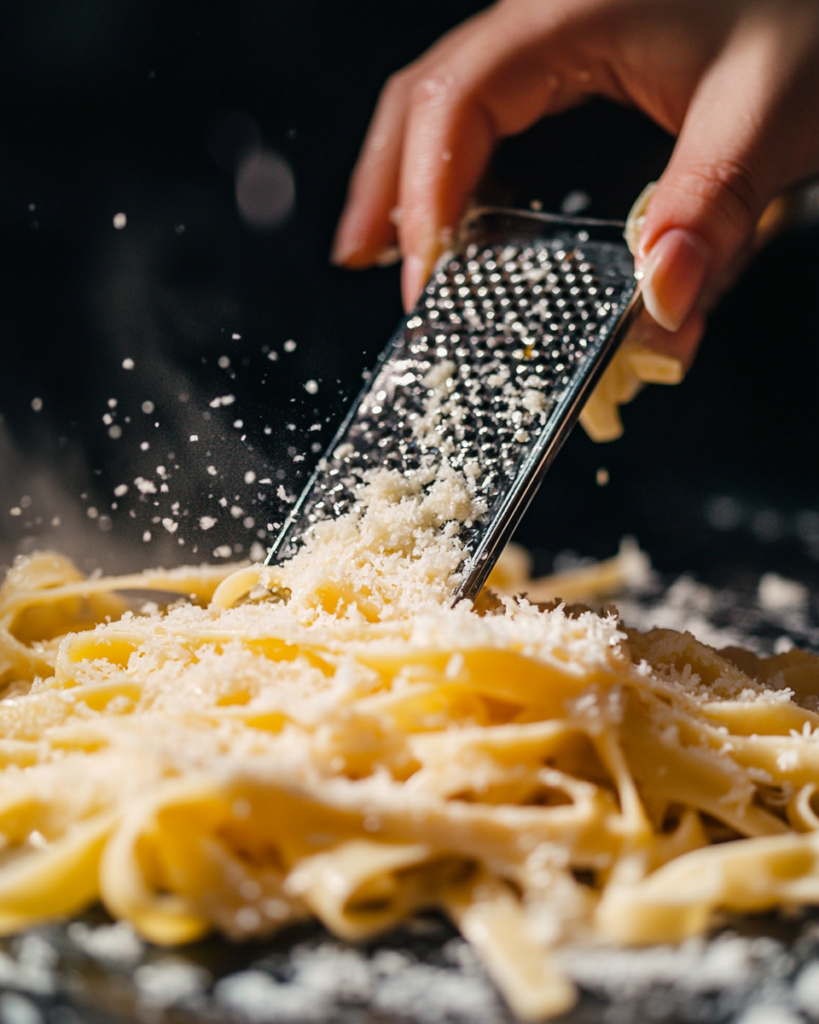
Freshly grated parmesan creates the smoothest sauce texture. Pre-packaged shredded cheese often contains starches that can affect melting and leave a grainy consistency. A microplane or fine grater produces delicate parmesan strands that blend quickly into warm cream.
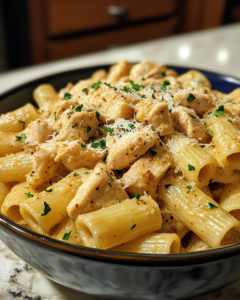
Different pasta shapes create slightly different results. Long noodles such as linguine and fettuccine provide elegant presentation, while shorter pasta shapes hold sauce inside ridges and curves. Penne and rigatoni work especially well for heartier versions containing chicken or vegetables.
For added richness, stir in a spoonful of cream cheese during the final mixing stage. A small amount creates deeper creaminess without overpowering the garlic and parmesan flavors.
Vegetarian versions taste wonderful with roasted broccoli, mushrooms, spinach, or peas. Protein additions such as shrimp, salmon, or grilled chicken turn the pasta into a fuller meal suitable for dinner gatherings.
Milk can replace part of the heavy cream for a lighter sauce, though the texture becomes less velvety. Gluten-free pasta also works successfully if cooked carefully to avoid over-softening.
A squeeze of lemon juice right before serving adds gentle brightness that balances the creamy richness beautifully. Fresh basil or thyme can replace parsley for subtle herbal variation.
Leftover pasta reheats best over low heat with a splash of milk or broth stirred into the sauce to restore smooth consistency.
Serving Ideas & Occasions
Creamy Garlic Parmesan Pasta pairs beautifully with crisp green salads, roasted asparagus, garlic bread, or sautéed green beans. The creamy texture balances nicely alongside vegetables with slight crunch or freshness.
Sparkling water with lemon, chilled iced tea, or light white wine complement the savory parmesan flavor without overwhelming the dish. For family dinners, warm bread and simple roasted vegetables create a balanced and satisfying table.
This pasta fits many occasions comfortably. It works beautifully for weeknight meals because the preparation stays relatively simple while still feeling comforting and filling. The creamy sauce also feels suitable for relaxed dinner gatherings, holiday lunches, or cozy cold-weather evenings.
For larger gatherings, serve the pasta alongside grilled chicken, baked salmon, or roasted vegetables so guests can customize portions easily. Smaller servings also function nicely as a side dish next to roasted meats.
A finishing sprinkle of parmesan and parsley right before serving gives the dish an inviting appearance while adding another layer of savory flavor.
Nutritional & Health Notes
Creamy Garlic Parmesan Pasta contains carbohydrates for energy along with protein and calcium from parmesan cheese and cream. The sauce provides satisfying richness that makes smaller portions feel filling and comforting.
Garlic contributes aromatic depth while parsley adds freshness and a small boost of vitamins. Adding spinach, broccoli, mushrooms, or grilled chicken increases nutritional balance and introduces additional texture and flavor.
Heavy cream and parmesan naturally create a richer dish, so pairing the pasta with vegetables or salad can help balance the meal. Portion size also plays an important role since creamy pasta dishes can feel especially hearty.
Whole wheat pasta offers additional fiber and slightly nuttier flavor while still working beautifully with the creamy sauce. Lower-fat dairy substitutions can reduce richness somewhat, though the sauce texture may become lighter.
Cooking the pasta until al dente rather than overly soft helps maintain better structure and texture throughout the dish.
FAQs
Can I prepare Creamy Garlic Parmesan Pasta ahead of time?
Creamy Garlic Parmesan Pasta tastes richest immediately after cooking because the sauce stays silky and smooth while hot. Still, portions can absolutely be prepared earlier in the day and reheated later. Store the pasta in an airtight container inside the refrigerator for up to three days. During reheating, place the pasta into a skillet over low heat and stir in a splash of milk, cream, or broth. Gentle heat helps restore smooth texture without separating the sauce. Avoid microwaving at very high temperatures because parmesan-based sauces can become oily or grainy if overheated too quickly. Stirring frequently during reheating keeps the sauce creamy and evenly coated around the noodles.
Which pasta shape works most successfully for this recipe?
Fettuccine remains one of the strongest choices because its broad noodles hold creamy sauce beautifully from edge to edge. Linguine and spaghetti also create satisfying texture and elegant presentation. Short pasta shapes such as penne, rigatoni, or rotini work wonderfully if the dish includes vegetables or proteins like chicken and shrimp. Their ridges and hollow centers trap extra sauce for flavorful bites throughout the bowl. Fresh pasta creates softer texture and slightly richer flavor, while dried pasta offers firmer structure. Regardless of the shape selected, cooking until al dente remains important so the noodles stay tender without turning overly soft after mixing with the sauce.
Why did my parmesan sauce turn grainy?
Grainy sauce usually develops when the heat becomes too high during cheese addition. Parmesan melts best over gentle heat with steady stirring. Boiling cream aggressively can cause separation and uneven texture. Freshly grated parmesan also melts far more smoothly than packaged shredded cheese because it lacks added starches and anti-caking ingredients. Gradually adding small handfuls of cheese while whisking continuously helps maintain a silky consistency. Another helpful step involves saving pasta water. The starch in reserved pasta water blends naturally with cream and cheese, helping the sauce stay smooth and cling properly to the noodles instead of becoming thick or clumpy.
Can I add chicken or seafood to the pasta?
Creamy Garlic Parmesan Pasta pairs beautifully with grilled chicken, shrimp, salmon, or scallops. Chicken breast seasoned simply with salt, pepper, and garlic blends naturally into the creamy sauce. Shrimp cooks quickly and contributes delicate sweetness that balances parmesan richness nicely. If using seafood, cook it separately before adding during the final mixing stage. Overcooking seafood inside the sauce can create rubbery texture. Crispy pancetta or cooked bacon also bring savory depth and slight crunch. Additional proteins transform the dish into a fuller dinner while keeping the creamy garlic parmesan flavor as the central focus throughout the meal.
How can I lighten the sauce slightly?
Replacing part of the heavy cream with milk or half-and-half creates a lighter version while still keeping creamy texture. Vegetable broth can also replace part of the cream for a thinner but still flavorful consistency. Whole wheat pasta introduces additional fiber and slightly firmer texture that balances richness nicely. Adding vegetables such as spinach, broccoli, peas, or zucchini helps create a more balanced plate while stretching the sauce across extra ingredients. Smaller parmesan quantities still provide savory flavor without overwhelming richness. Careful seasoning remains important when reducing cream because lighter sauces sometimes need slightly stronger garlic or pepper flavor to maintain depth.
What vegetables pair nicely with this pasta?
Spinach remains one of the most popular additions because it wilts quickly into the warm sauce without requiring separate preparation. Mushrooms contribute earthy flavor that pairs naturally with parmesan and garlic. Roasted broccoli adds slight crispness and balances the creamy texture beautifully. Peas introduce gentle sweetness and bright color, while asparagus offers fresh spring flavor. Sun-dried tomatoes bring concentrated savory notes and attractive contrast throughout the pasta. Vegetables should remain lightly cooked rather than overly soft so they maintain pleasant texture inside the creamy sauce. Adding vegetables near the final mixing stage helps preserve both color and structure.
How should leftovers be stored and reheated?
Allow leftover pasta to cool slightly before transferring it into airtight containers. Refrigerated leftovers usually stay fresh for about three days. Cream-based sauces naturally thicken after chilling, so reheating requires gentle heat and extra liquid. Place the pasta into a skillet over low heat with a splash of milk, cream, or broth. Stir slowly until the sauce loosens and returns to creamy consistency. Avoid high heat because parmesan can separate and create oily texture. Microwaving works in shorter intervals with stirring between each round. Fresh parsley and extra parmesan sprinkled on top during serving help restore flavor and appearance after reheating.