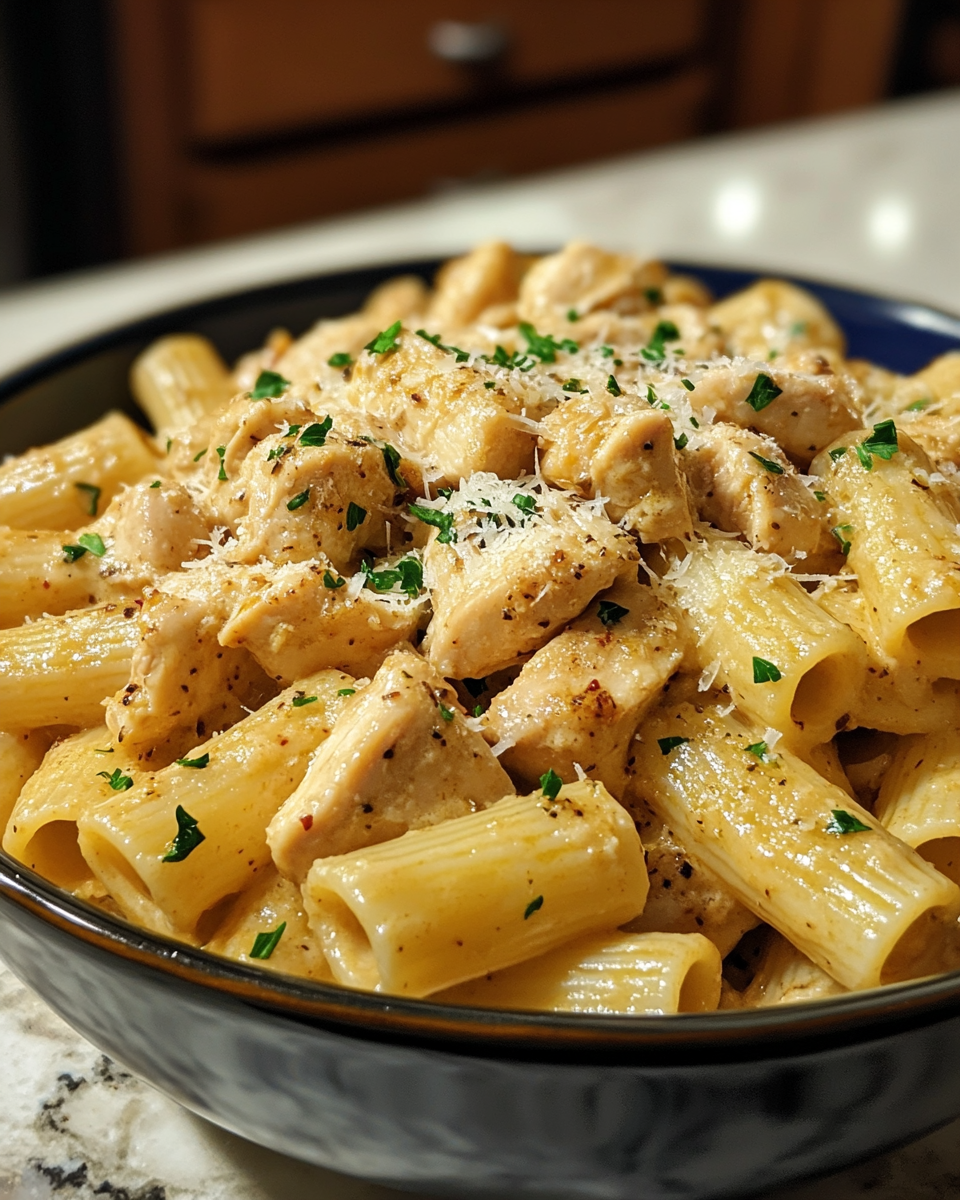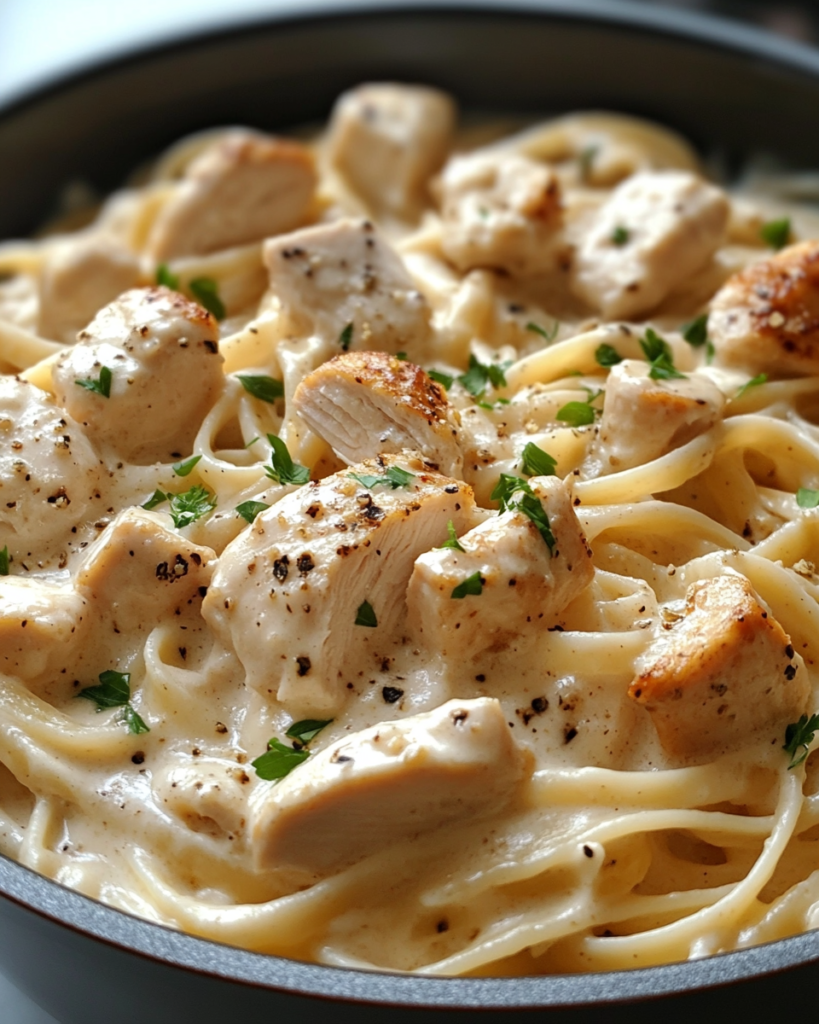
Creamy One Pot Alfredo Chicken Pasta brings together tender chicken, silky pasta, and a velvety sauce cooked in a single pan for a comforting dinner that feels smooth and satisfying. The sauce clings to every strand of pasta, creating a rich, garlicky profile balanced with savory cheese and gentle seasoning.
This dish is popular for weeknight cooking because everything cooks in one pot, reducing cleanup while still delivering deep flavor. The chicken browns lightly before simmering with pasta in a creamy base, allowing the starch from the pasta to naturally thicken the sauce as it cooks.
It is a practical recipe for busy evenings, family meals, or casual gatherings where warmth and comfort on the plate matter most. Each bite blends protein, carbs, and creamy sauce in a balanced way that feels hearty without being overly heavy.
Ingredients Overview
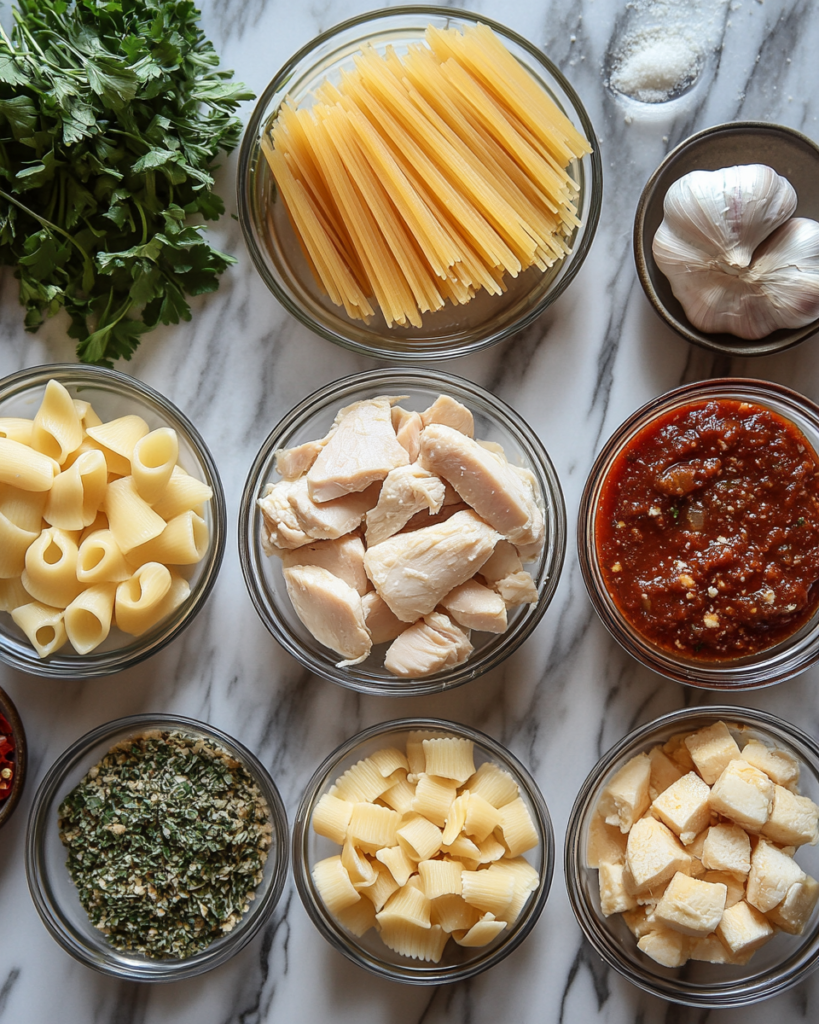
The foundation of this dish begins with boneless chicken breast, which provides a lean, tender protein that absorbs the surrounding flavors as it cooks. When seared properly, it develops a light golden surface that adds depth to the final dish.
Pasta plays an important structural role. Fettuccine or linguine works especially well because the long strands hold onto the sauce. As the pasta cooks directly in broth and cream, it releases starch that naturally thickens the sauce without extra steps.
Heavy cream forms the base of the Alfredo-style sauce, giving it a smooth and silky texture. When combined with chicken broth, it balances richness with a lighter savory undertone, preventing the dish from becoming overly dense.
Garlic and onion add aromatic depth. Garlic brings warmth, while onion provides a subtle sweetness after sautéing. Together, they build a flavorful foundation before liquids are added.
Parmesan cheese is essential for a classic Alfredo profile. It melts into the sauce, adding saltiness and a nutty character that rounds out the cream. Freshly grated cheese blends more smoothly than pre-packaged versions.
Butter and olive oil are used for cooking the chicken and aromatics. Butter enhances richness, while olive oil helps prevent burning during the initial sear. Italian seasoning, salt, and black pepper tie everything together with balanced seasoning.
Optional additions like parsley or spinach can introduce color and freshness without overpowering the creamy base.
Ingredients
1 1/2 pounds boneless skinless chicken breast, sliced into bite-sized pieces
12 ounces fettuccine pasta
2 tablespoons olive oil
2 tablespoons unsalted butter
4 cloves garlic, minced
1 small onion, finely chopped
3 cups chicken broth
2 cups heavy cream
1 cup freshly grated Parmesan cheese
1 teaspoon Italian seasoning
1/2 teaspoon salt
1/2 teaspoon black pepper
1 cup baby spinach (optional)
2 tablespoons chopped parsley for garnish
Step-by-Step Instructions
Begin by heating a large deep skillet or wide pot over medium-high heat. Add olive oil and butter, allowing the butter to melt fully and blend with the oil. This combination helps develop a flavorful base while preventing sticking.
Add the sliced chicken pieces in a single layer. Allow them to cook without frequent stirring for a few minutes so a light golden surface forms. Turn pieces occasionally until they are cooked through and lightly browned. Remove the chicken from the pot and set aside.
In the same pot, add chopped onion. Cook until softened and lightly translucent, stirring gently to lift any browned bits from the bottom of the pan. Add minced garlic and cook briefly until fragrant, taking care not to let it darken.
Pour in chicken broth and heavy cream, stirring to combine. Bring the mixture to a gentle simmer. The liquid will appear thin at this stage, which is expected.
Add the uncooked fettuccine directly into the pot. Press the pasta down so it is mostly submerged. Stir occasionally to prevent sticking as it softens. The pasta will gradually absorb liquid while releasing starch, which thickens the sauce naturally.
As the pasta becomes tender, return the cooked chicken to the pot. Stir to distribute evenly throughout the sauce. Continue simmering until the pasta reaches a soft but slightly firm texture.
Sprinkle in Parmesan cheese gradually while stirring. The cheese will melt into the sauce, creating a smooth and creamy consistency. Adjust seasoning with salt, black pepper, and Italian seasoning.
If using spinach, add it during the final minutes of cooking. It will wilt quickly and blend into the sauce without overpowering the flavor.
Remove the pot from heat once the sauce has thickened and coats the pasta evenly. Let it rest briefly so the sauce settles before serving.
Tips, Variations & Substitutions
Cutting chicken into evenly sized pieces helps it cook at the same rate and prevents dryness. A quick sear before simmering adds depth without requiring extra steps.
For a lighter version, half-and-half can replace heavy cream, though the sauce will be slightly less thick. Adding a small amount of cream cheese can help restore creaminess if desired.
Pasta shape can be adjusted based on preference. Short pasta like penne works, but long strands provide a more traditional Alfredo experience because they hold more sauce.
Vegetables such as mushrooms, broccoli, or peas can be added for variety. These should be cooked briefly before combining with the sauce to maintain texture.
For extra flavor depth, a small pinch of nutmeg can be stirred into the cream base. This adds subtle warmth without changing the core profile of the dish.
Serving Ideas & Occasions
This pasta works well as a standalone dinner because it contains protein, starch, and a creamy sauce in a single dish. It pairs nicely with a simple green salad dressed in light vinaigrette to balance the richness.
Garlic bread or toasted baguette slices are common side options, especially for soaking up extra sauce left on the plate. A light vegetable side such as steamed green beans also complements the creamy texture.
It is suitable for family dinners, casual gatherings, or relaxed weekend meals. The one-pot approach also makes it convenient for serving multiple portions without extensive preparation.
Nutritional & Health Notes
This dish contains a balanced mix of protein from chicken, carbohydrates from pasta, and fats from cream and cheese. It provides sustained energy, making it suitable for a filling main course.
The use of heavy cream and cheese contributes to higher fat content, which supports the creamy texture and flavor. Portion size can be adjusted based on dietary preferences.
Adding vegetables like spinach or broccoli increases fiber and micronutrient content without changing the core character of the dish. Using whole wheat pasta can also increase fiber intake.
FAQs
Can I use another type of pasta?
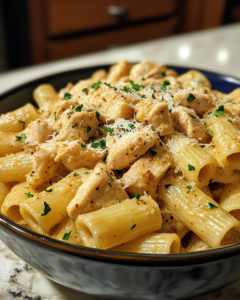
Yes, different pasta shapes work well in this recipe. Short pasta such as penne, rotini, or rigatoni can be used instead of fettuccine. Cooking time may vary slightly depending on the shape, so monitoring texture is important. The key is allowing the pasta to cook directly in the sauce so it absorbs flavor and helps thicken the mixture naturally.
Can chicken thighs be used instead of chicken breast?
Chicken thighs are an excellent substitute and often provide more juiciness. They may require slightly longer cooking time to become tender. The richer fat content of thighs adds additional depth to the sauce, making the final dish slightly more savory. Both boneless and skinless cuts work well in this preparation.
How do I prevent the sauce from becoming too thick?
If the sauce thickens too much during cooking, adding a small amount of warm chicken broth can restore a smoother consistency. Stir gently until the texture loosens. It is helpful to monitor the pasta closely during simmering since starch release increases thickness as it cooks.
Can I prepare this dish ahead of time?
This dish is best enjoyed shortly after cooking, but it can be stored in an airtight container and reheated. When reheating, adding a splash of broth or cream helps restore creaminess. Gentle heating on the stovetop is preferable to maintain texture.
Can vegetables be added directly into the pot?
Yes, vegetables such as spinach, mushrooms, or broccoli can be added during cooking. Softer greens should be added near the end, while firmer vegetables should be cooked earlier to allow proper softening. This method keeps everything in a single cooking vessel.
Is it possible to make this dish lighter?
A lighter version can be prepared by using reduced-fat cream or substituting part of the cream with milk. The sauce will be less dense but still flavorful. Increasing the amount of broth can also reduce richness while maintaining volume.
What causes the sauce to become grainy?
Grainy texture usually occurs when cheese is added at too high heat or too quickly. Adding Parmesan gradually while stirring over gentle heat helps it melt smoothly. Using freshly grated cheese also improves texture compared to pre-shredded varieties.