Creamy One Pot Chicken Pasta 7 Simple Cozy Delight

Posted on

Uncategorized

Difficulty

Prep time

Cooking time

Total time

Servings

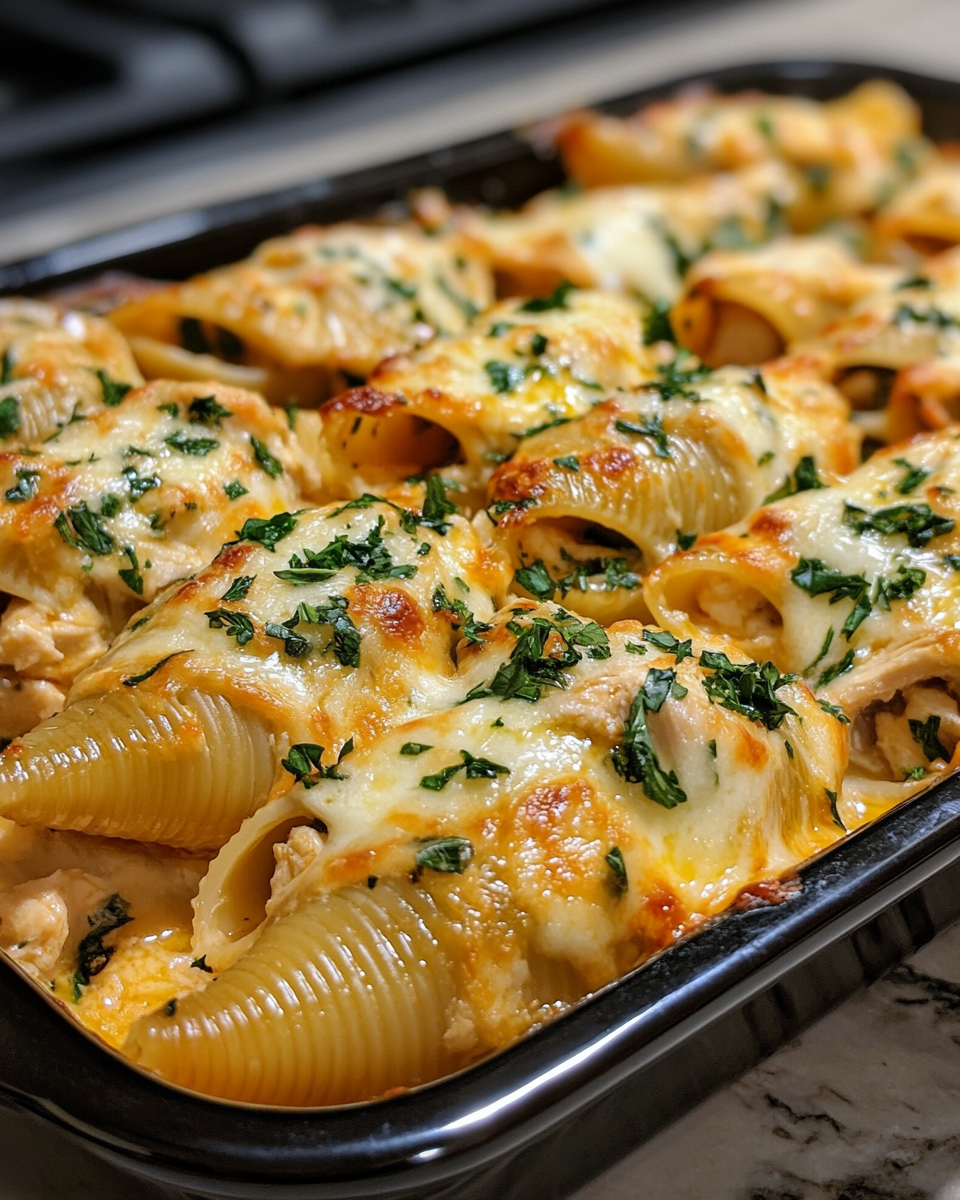
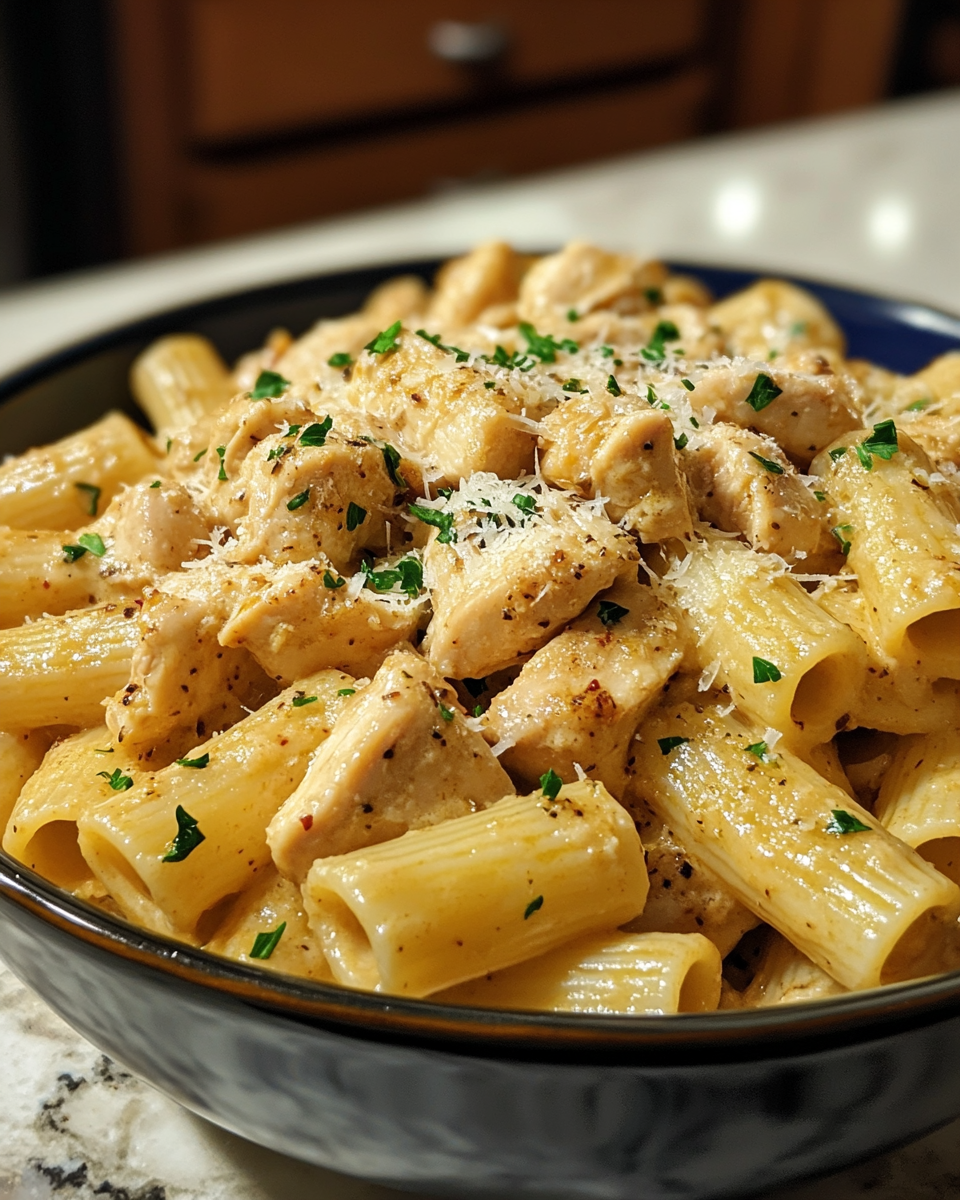
Creamy Parmesan Shell Pasta is a comforting pasta dish that brings together tender shell pasta coated in a silky, cheese-rich sauce. The shape of the shells helps capture every bit of the creamy Parmesan coating, making each bite full of flavor and texture. This dish is often prepared for quick dinners when something warm, filling, and satisfying is needed without complicated steps.

The sauce is built from a gentle combination of butter, garlic, cream, and freshly grated Parmesan cheese. As it simmers, it thickens naturally and clings to the pasta, creating a smooth and rich consistency. The simplicity of the method makes it a dependable meal for both busy weeknights and relaxed home cooking.

What makes this pasta stand out is the balance between creaminess and savory depth. The Parmesan adds a salty, nutty flavor that blends into the soft pasta shells, while a touch of black pepper brings light warmth. It is a versatile dish that can be served on its own or paired with proteins and vegetables for a fuller plate.

Ingredients Overview

The foundation of Creamy Parmesan Shell Pasta lies in a short list of everyday ingredients that work together to create a rich and smooth sauce. Medium shell pasta is ideal because its curved shape holds onto the creamy mixture, giving a more flavorful bite compared to smoother pasta types.

Butter and garlic form the base of the flavor. The butter melts slowly and carries the garlic’s aroma throughout the sauce, giving it depth without overpowering the dish. Garlic should be gently cooked so it becomes fragrant rather than browned, which keeps the flavor soft and balanced.

Heavy cream is the key to the sauce’s smooth texture. It thickens slightly when heated and helps bind the Parmesan into a cohesive coating for the pasta. Whole milk can be used in place of cream for a lighter texture, though the sauce will be less thick.

Freshly grated Parmesan cheese is essential for the best flavor and melting quality. Pre-shredded cheese may not melt as smoothly due to added stabilizers. Parmesan provides a salty, nutty taste that defines the dish.

Salt and black pepper round out the seasoning. The salt should be added carefully since Parmesan already contributes saltiness. Black pepper adds a mild heat that complements the creamy base. Optional additions like parsley or red pepper flakes can be included for extra freshness or warmth.

Ingredients

12 ounces medium shell pasta
2 tablespoons unsalted butter
3 cloves garlic, minced
1 1/2 cups heavy cream
1 cup freshly grated Parmesan cheese
1/2 teaspoon salt
1/2 teaspoon black pepper
1/4 teaspoon red pepper flakes (optional)
2 tablespoons chopped fresh parsley (optional)

Step-by-Step Instructions

Begin by cooking the shell pasta in a large pot of salted boiling water. Stir occasionally to prevent sticking and cook until the pasta is tender but still slightly firm in the center. This texture helps the shells hold the sauce better. Once cooked, reserve a small cup of pasta water before draining.

While the pasta cooks, place a large skillet over medium heat and melt the butter. Once melted, add the minced garlic and cook gently for about one minute. The goal is to soften the garlic and release its aroma without letting it brown, which could create a bitter taste.

Pour the heavy cream into the skillet and stir slowly to combine it with the butter and garlic. Allow the mixture to heat until it begins to steam lightly. Avoid boiling at a high temperature, as gentle heat keeps the sauce smooth.

Reduce the heat slightly and stir in the grated Parmesan cheese in small handfuls. Stir continuously as the cheese melts into the cream. The sauce will gradually thicken and become smooth. If it becomes too thick, add a small amount of reserved pasta water to loosen it.

Season the sauce with salt, black pepper, and optional red pepper flakes. Taste lightly and adjust if needed, keeping in mind the saltiness of the cheese. The sauce should be creamy, smooth, and able to coat the back of a spoon.

Add the drained pasta directly into the skillet. Toss gently so the shells become fully coated in the sauce. If needed, add a splash of pasta water to help the sauce cling evenly to the pasta.

Let the pasta sit in the sauce for a minute or two over low heat so the flavors blend together. Stir once more before serving to distribute the sauce evenly.

Finish with chopped parsley if desired. Serve warm for the best texture and flavor.

Tips, Variations & Substitutions

For a lighter version, whole milk can replace heavy cream, though the sauce will be thinner. A small amount of cream cheese can also be added to increase creaminess without using extra cream.

Adding cooked chicken, shrimp, or sautéed mushrooms can turn this pasta into a more filling meal. These additions pair well with the mild, creamy sauce and do not overpower the Parmesan flavor.

For extra depth, a small pinch of nutmeg can be added to the sauce. It blends well with cream-based dishes and adds gentle warmth.

If the sauce becomes too thick, pasta water is the best way to adjust consistency. It contains starch that helps the sauce stay smooth and cling to the pasta.

Fresh herbs like basil or thyme can also be used in place of parsley for a different herbal note.

Serving Ideas & Occasions

Creamy Parmesan Shell Pasta is often served as a main dish for lunch or dinner. It pairs well with simple sides such as garlic bread, roasted vegetables, or a light salad with vinaigrette dressing.

It works well for family meals, casual gatherings, or quick home dinners when time is limited but a satisfying dish is still desired. A glass of sparkling water or light iced tea complements the richness of the sauce.

This pasta is best served immediately while the sauce is warm and silky, as it tends to thicken slightly as it cools.

Nutritional & Health Notes

This dish provides a balance of carbohydrates, fats, and protein mainly from the pasta, cream, and Parmesan cheese. It is rich and filling, making it suitable for a main meal portion.

The cheese contributes calcium and protein, while the pasta supplies energy through complex carbohydrates. Using lighter cream or reducing the cheese slightly can lower the overall richness if desired.

Portion size plays an important role in keeping the meal balanced, especially since the sauce is naturally rich.

FAQs

Can I use a different pasta shape?

Yes, other short pasta shapes like penne, rotini, or fusilli can be used. However, shell pasta is especially effective because its curves hold the creamy sauce well. This helps each bite carry more flavor. If using a different shape, the cooking time may vary slightly, so it is best to follow package instructions and taste for texture before draining.

Can I make this pasta ahead of time?

This dish is best enjoyed fresh because the sauce thickens as it sits. If made ahead, the pasta may absorb some of the sauce and become less creamy. To reheat, add a small amount of milk or cream while warming it gently on the stove, stirring until the texture becomes smooth again.

What type of Parmesan works best?

Freshly grated Parmesan cheese is recommended for the smoothest sauce. It melts more evenly compared to pre-shredded versions, which often contain additives that affect texture. Grating the cheese just before cooking helps maintain its flavor and ensures a creamy consistency in the sauce.

Can I add vegetables to this dish?

Yes, vegetables such as spinach, peas, or sautéed mushrooms work well. They add texture and balance to the creamy sauce. It is best to cook or soften vegetables before mixing them with the pasta so they blend evenly without changing the sauce consistency.

Why is my sauce grainy?

A grainy sauce usually happens when the cheese is added at too high a temperature or too quickly. Lower heat and gradual stirring help the Parmesan melt smoothly. Using freshly grated cheese also reduces the chance of graininess and improves overall texture.

Can I make it without cream?

Yes, milk can be used instead of cream for a lighter version. The sauce will be thinner, but adding a small amount of butter or a bit more cheese can help maintain creaminess. Stirring gently over low heat is important to keep the sauce smooth.

How do I store leftovers?

Leftovers should be stored in an airtight container in the refrigerator. When reheating, add a splash of milk or cream to restore the sauce’s texture. Warm it slowly over low heat while stirring to prevent separation.

[rank_math_breadcrumb]

Creamy One Pot Chicken Pasta 7 Simple Cozy Delight

Photo of author
Author: Carol
Published:

Creamy Parmesan Shell Pasta is a comforting pasta dish that brings together tender shell pasta coated in a silky, cheese-rich sauce. The shape of the shells helps capture every bit of the creamy Parmesan coating, making each bite full of flavor and texture. This dish is often prepared for quick dinners when something warm, filling, and satisfying is needed without complicated steps.

The sauce is built from a gentle combination of butter, garlic, cream, and freshly grated Parmesan cheese. As it simmers, it thickens naturally and clings to the pasta, creating a smooth and rich consistency. The simplicity of the method makes it a dependable meal for both busy weeknights and relaxed home cooking.

What makes this pasta stand out is the balance between creaminess and savory depth. The Parmesan adds a salty, nutty flavor that blends into the soft pasta shells, while a touch of black pepper brings light warmth. It is a versatile dish that can be served on its own or paired with proteins and vegetables for a fuller plate.

Ingredients Overview

The foundation of Creamy Parmesan Shell Pasta lies in a short list of everyday ingredients that work together to create a rich and smooth sauce. Medium shell pasta is ideal because its curved shape holds onto the creamy mixture, giving a more flavorful bite compared to smoother pasta types.

Butter and garlic form the base of the flavor. The butter melts slowly and carries the garlic’s aroma throughout the sauce, giving it depth without overpowering the dish. Garlic should be gently cooked so it becomes fragrant rather than browned, which keeps the flavor soft and balanced.

Heavy cream is the key to the sauce’s smooth texture. It thickens slightly when heated and helps bind the Parmesan into a cohesive coating for the pasta. Whole milk can be used in place of cream for a lighter texture, though the sauce will be less thick.

Freshly grated Parmesan cheese is essential for the best flavor and melting quality. Pre-shredded cheese may not melt as smoothly due to added stabilizers. Parmesan provides a salty, nutty taste that defines the dish.

Salt and black pepper round out the seasoning. The salt should be added carefully since Parmesan already contributes saltiness. Black pepper adds a mild heat that complements the creamy base. Optional additions like parsley or red pepper flakes can be included for extra freshness or warmth.

Ingredients

12 ounces medium shell pasta
2 tablespoons unsalted butter
3 cloves garlic, minced
1 1/2 cups heavy cream
1 cup freshly grated Parmesan cheese
1/2 teaspoon salt
1/2 teaspoon black pepper
1/4 teaspoon red pepper flakes (optional)
2 tablespoons chopped fresh parsley (optional)

Step-by-Step Instructions

Begin by cooking the shell pasta in a large pot of salted boiling water. Stir occasionally to prevent sticking and cook until the pasta is tender but still slightly firm in the center. This texture helps the shells hold the sauce better. Once cooked, reserve a small cup of pasta water before draining.

While the pasta cooks, place a large skillet over medium heat and melt the butter. Once melted, add the minced garlic and cook gently for about one minute. The goal is to soften the garlic and release its aroma without letting it brown, which could create a bitter taste.

Pour the heavy cream into the skillet and stir slowly to combine it with the butter and garlic. Allow the mixture to heat until it begins to steam lightly. Avoid boiling at a high temperature, as gentle heat keeps the sauce smooth.

Reduce the heat slightly and stir in the grated Parmesan cheese in small handfuls. Stir continuously as the cheese melts into the cream. The sauce will gradually thicken and become smooth. If it becomes too thick, add a small amount of reserved pasta water to loosen it.

Season the sauce with salt, black pepper, and optional red pepper flakes. Taste lightly and adjust if needed, keeping in mind the saltiness of the cheese. The sauce should be creamy, smooth, and able to coat the back of a spoon.

Add the drained pasta directly into the skillet. Toss gently so the shells become fully coated in the sauce. If needed, add a splash of pasta water to help the sauce cling evenly to the pasta.

Let the pasta sit in the sauce for a minute or two over low heat so the flavors blend together. Stir once more before serving to distribute the sauce evenly.

Finish with chopped parsley if desired. Serve warm for the best texture and flavor.

Tips, Variations & Substitutions

For a lighter version, whole milk can replace heavy cream, though the sauce will be thinner. A small amount of cream cheese can also be added to increase creaminess without using extra cream.

Adding cooked chicken, shrimp, or sautéed mushrooms can turn this pasta into a more filling meal. These additions pair well with the mild, creamy sauce and do not overpower the Parmesan flavor.

For extra depth, a small pinch of nutmeg can be added to the sauce. It blends well with cream-based dishes and adds gentle warmth.

If the sauce becomes too thick, pasta water is the best way to adjust consistency. It contains starch that helps the sauce stay smooth and cling to the pasta.

Fresh herbs like basil or thyme can also be used in place of parsley for a different herbal note.

Serving Ideas & Occasions

Creamy Parmesan Shell Pasta is often served as a main dish for lunch or dinner. It pairs well with simple sides such as garlic bread, roasted vegetables, or a light salad with vinaigrette dressing.

It works well for family meals, casual gatherings, or quick home dinners when time is limited but a satisfying dish is still desired. A glass of sparkling water or light iced tea complements the richness of the sauce.

This pasta is best served immediately while the sauce is warm and silky, as it tends to thicken slightly as it cools.

Nutritional & Health Notes

This dish provides a balance of carbohydrates, fats, and protein mainly from the pasta, cream, and Parmesan cheese. It is rich and filling, making it suitable for a main meal portion.

The cheese contributes calcium and protein, while the pasta supplies energy through complex carbohydrates. Using lighter cream or reducing the cheese slightly can lower the overall richness if desired.

Portion size plays an important role in keeping the meal balanced, especially since the sauce is naturally rich.

FAQs

Can I use a different pasta shape?

Yes, other short pasta shapes like penne, rotini, or fusilli can be used. However, shell pasta is especially effective because its curves hold the creamy sauce well. This helps each bite carry more flavor. If using a different shape, the cooking time may vary slightly, so it is best to follow package instructions and taste for texture before draining.

Can I make this pasta ahead of time?

This dish is best enjoyed fresh because the sauce thickens as it sits. If made ahead, the pasta may absorb some of the sauce and become less creamy. To reheat, add a small amount of milk or cream while warming it gently on the stove, stirring until the texture becomes smooth again.

What type of Parmesan works best?

Freshly grated Parmesan cheese is recommended for the smoothest sauce. It melts more evenly compared to pre-shredded versions, which often contain additives that affect texture. Grating the cheese just before cooking helps maintain its flavor and ensures a creamy consistency in the sauce.

Can I add vegetables to this dish?

Yes, vegetables such as spinach, peas, or sautéed mushrooms work well. They add texture and balance to the creamy sauce. It is best to cook or soften vegetables before mixing them with the pasta so they blend evenly without changing the sauce consistency.

Why is my sauce grainy?

A grainy sauce usually happens when the cheese is added at too high a temperature or too quickly. Lower heat and gradual stirring help the Parmesan melt smoothly. Using freshly grated cheese also reduces the chance of graininess and improves overall texture.

Can I make it without cream?

Yes, milk can be used instead of cream for a lighter version. The sauce will be thinner, but adding a small amount of butter or a bit more cheese can help maintain creaminess. Stirring gently over low heat is important to keep the sauce smooth.

How do I store leftovers?

Leftovers should be stored in an airtight container in the refrigerator. When reheating, add a splash of milk or cream to restore the sauce’s texture. Warm it slowly over low heat while stirring to prevent separation.
Name

Lorem ipsum dolor sit amet, consectetur adipiscing elit. Suspendisse varius enim in eros elementum tristique. Duis cursus, mi quis viverra ornare, eros dolor interdum nulla, ut commodo diam libero vitae erat.

You Might Also Like...

Lemon Herb Chicken Thighs: 7 Cozy Family Favorites

Lemon Herb Chicken Thighs: 7 Cozy Family Favorites

Beef and Broccoli Stir Fry: 6 Savory Skillet Favorites

Beef and Broccoli Stir Fry: 6 Savory Skillet Favorites

Creamy Cajun Chicken Pasta: 5 Rich Dinner Favorites

Creamy Cajun Chicken Pasta: 5 Rich Dinner Favorites

Garlic Butter Chicken Bake: 5 Cozy Family Dinner Tips

Garlic Butter Chicken Bake: 5 Cozy Family Dinner Tips

Tags:

You might also like these recipes

Leave a Comment