Creamy Spinach Chicken Pasta: 30-Minute Amazing Comfort

Posted on

Uncategorized

Difficulty

Prep time

Cooking time

Total time

Servings

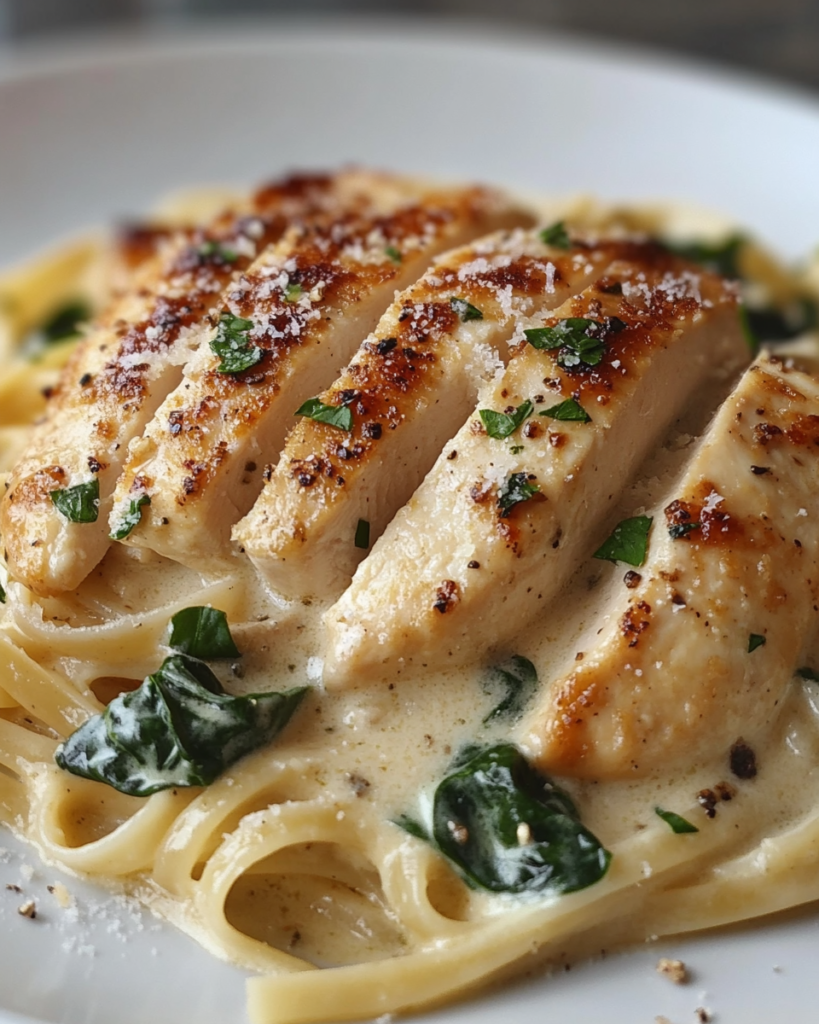
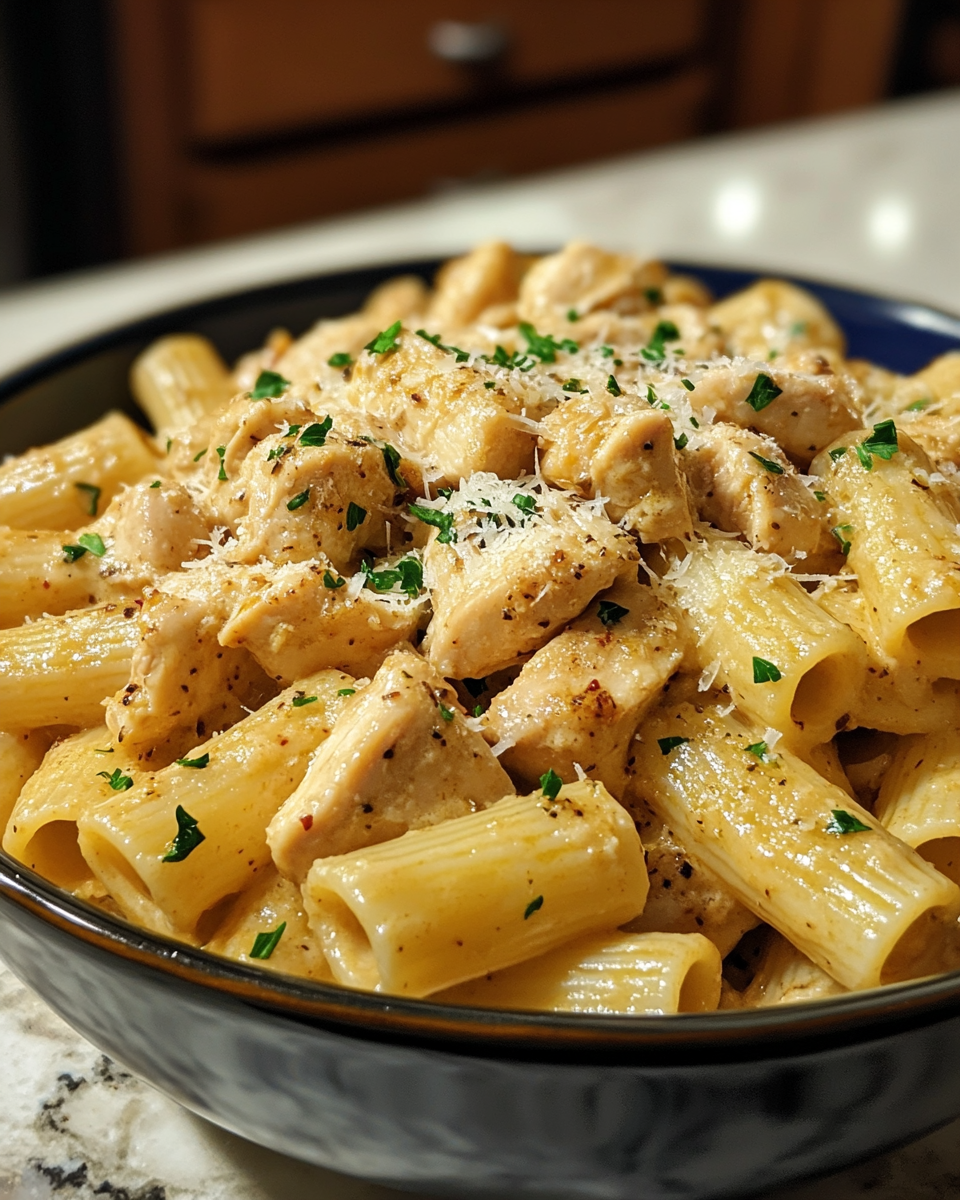
Creamy Spinach Chicken Pasta brings together tender chicken, silky sauce, fresh spinach, and perfectly cooked pasta in one cozy skillet dinner. The rich cream sauce clings to every bite while garlic and Parmesan add deep savory flavor without feeling too heavy.

This dish works beautifully for busy evenings, relaxed family dinners, or casual gatherings with friends. The creamy texture balances the mild sweetness of spinach and the savory chicken, creating a pasta dinner that feels hearty yet fresh at the same time.

Another reason this recipe stands out is its flexibility. Penne, fettuccine, or rotini all work nicely, and the sauce pairs well with extra vegetables or different proteins. The result is a warm, satisfying meal with restaurant-style flavor using simple pantry ingredients.

Ingredients Overview

The heart of Creamy Spinach Chicken Pasta comes from a handful of simple ingredients working together in harmony. Boneless skinless chicken breasts provide a lean, hearty base that absorbs the flavors of garlic, cream, and Parmesan beautifully. Chicken thighs can also work well if you prefer richer flavor and slightly juicier texture.

Fresh spinach softens quickly into the sauce and adds a mild earthy balance to the creamy richness. Baby spinach is especially convenient because it cooks rapidly and requires very little preparation. Frozen spinach can also work, though it should be thawed and drained thoroughly so the sauce stays smooth rather than watery.

Heavy cream forms the foundation of the sauce. It creates a velvety consistency that coats the pasta evenly. Parmesan cheese thickens the sauce naturally while adding nutty salty depth. Freshly grated Parmesan melts more smoothly than pre-shredded varieties.

Garlic and onion build savory flavor from the beginning. Italian seasoning adds warmth and gentle herb flavor without overpowering the dish. A touch of chicken broth loosens the sauce and helps blend all the ingredients together smoothly.

Pasta shape matters too. Penne and rotini trap creamy sauce inside their ridges, while fettuccine gives the dish a more classic comforting texture. Whole wheat pasta can be used for extra fiber, and gluten-free pasta also works well if cooked carefully to avoid softness.

Ingredients

2 boneless skinless chicken breasts, sliced thinly
12 ounces penne pasta
2 tablespoons olive oil
1 tablespoon butter
1 small onion, finely chopped
4 cloves garlic, minced
1 teaspoon Italian seasoning
1/2 teaspoon paprika
1 teaspoon salt
1/2 teaspoon black pepper
2 cups fresh baby spinach
1 1/2 cups heavy cream
3/4 cup chicken broth
1 cup freshly grated Parmesan cheese
1/2 teaspoon crushed red pepper flakes
1 tablespoon chopped fresh parsley

Step-by-Step Instructions

Bring a large pot of salted water to a gentle boil. Cook the pasta according to package directions until just al dente. Reserve about 1/2 cup of pasta water before draining. Set the pasta aside while preparing the sauce.

Pat the chicken slices dry with paper towels. Dry chicken browns more evenly and develops richer flavor in the skillet. Season the chicken with salt, black pepper, paprika, and Italian seasoning.

Heat olive oil and butter in a large skillet over medium-high heat. Once the butter melts fully, add the chicken in a single layer. Cook for about 4 to 5 minutes per side until golden brown and fully cooked. The chicken should reach 165 degrees Fahrenheit in the thickest portion. Transfer the cooked chicken to a plate and keep it nearby.

Lower the heat to medium. Add chopped onion to the same skillet and cook for about 3 minutes until soft and lightly golden. Stir frequently so the onion cooks evenly without dark spots. Add the garlic and cook for 30 seconds until fragrant.

Pour in the chicken broth and scrape the bottom of the skillet gently with a wooden spoon. This step lifts the browned bits from the pan and builds deeper flavor in the sauce.

Slowly stir in the heavy cream. Allow the mixture to simmer gently for 3 to 4 minutes. Avoid high heat because cream can separate if boiled aggressively.

Add the Parmesan cheese gradually while stirring constantly. The sauce should become smooth and thick. If the sauce becomes too thick, stir in a small splash of reserved pasta water.

Add the spinach and stir until wilted. This usually takes about 1 to 2 minutes. Return the cooked chicken to the skillet and mix gently so the pieces absorb the sauce.

Fold in the drained pasta and toss carefully until every piece is coated evenly. Sprinkle in crushed red pepper flakes for subtle warmth.

Taste the sauce and adjust the seasoning if needed. A little extra Parmesan or black pepper can deepen the flavor nicely.

Scatter chopped parsley over the finished pasta before serving. Serve immediately while the sauce remains creamy and silky.

One common mistake is overcooking the pasta before adding it to the sauce. Slightly firm pasta holds texture much better after mixing. Another issue comes from overheating the cream sauce, which may cause graininess. Gentle heat creates the smoothest finish.

Tips, Variations & Substitutions

Freshly grated Parmesan melts much more smoothly than packaged shredded cheese. Pre-shredded cheese often contains anti-caking ingredients that can leave the sauce slightly grainy.

For richer flavor, substitute half of the chicken broth with white cooking wine. The sauce gains subtle depth without overpowering the spinach or cream.

Mushrooms pair beautifully with this pasta. Sauté sliced mushrooms after cooking the chicken, then continue with the onions and garlic. Sun-dried tomatoes also bring pleasant sweetness and color.

If you prefer lighter sauce, use half-and-half instead of heavy cream. The sauce will be slightly thinner yet still creamy and flavorful. Greek yogurt can also replace a small portion of the cream for extra tanginess.

Rotisserie chicken works nicely for quicker preparation. Simply shred the cooked chicken and stir it into the sauce near the end.

For extra heat, increase the crushed red pepper flakes or stir in diced chili peppers. A small squeeze of lemon juice at the end brightens the entire dish and balances the richness.

Gluten-free pasta fits this recipe well, though it should be cooked carefully because softer noodles can break apart when tossed into cream sauce.

Serving Ideas & Occasions

Creamy Spinach Chicken Pasta pairs wonderfully with warm garlic bread or toasted baguette slices that soak up the extra sauce. A crisp green salad with light vinaigrette balances the richness beautifully.

Roasted vegetables such as asparagus, broccoli, or zucchini also complement the creamy pasta nicely. Their slightly charred flavor contrasts well with the smooth sauce.

For drinks, sparkling water with lemon keeps the meal fresh and balanced. Iced tea or light white wine also pair pleasantly with the creamy garlic flavors.

This pasta fits many occasions. It works well for quick weekday dinners because it cooks relatively fast in one skillet. It also feels comforting enough for relaxed weekend meals or cold-weather gatherings.

Since the dish reheats well, leftovers are convenient for lunch the following day. The flavors deepen slightly overnight, creating an even richer taste after reheating gently.

Nutritional & Health Notes

Creamy Spinach Chicken Pasta offers a balanced combination of protein, carbohydrates, and fats. Chicken supplies lean protein that helps create a filling meal, while spinach contributes vitamins, minerals, and fiber.

Spinach contains iron, vitamin K, and folate, adding nutritional value alongside the creamy sauce. Parmesan cheese contributes calcium and savory flavor, though it also raises sodium content slightly.

Heavy cream creates the signature texture of the dish, though lighter dairy products can reduce fat content if preferred. Whole wheat pasta raises fiber levels and creates longer-lasting fullness.

Portion size matters with cream-based pasta dishes. Pairing the pasta with salad or roasted vegetables creates a more balanced plate without sacrificing comfort or flavor.

Homemade preparation also gives better control over sodium, dairy content, and ingredient quality compared with many restaurant pasta dishes.

FAQs

Can I use frozen spinach instead of fresh spinach?

Frozen spinach works very well in Creamy Spinach Chicken Pasta, especially when fresh spinach is unavailable. The key step is draining it thoroughly after thawing. Excess water can thin the sauce and reduce the creamy texture. About one cup of thawed frozen spinach usually replaces two cups of fresh spinach comfortably.

Frozen spinach also blends smoothly into the sauce because it softens completely during cooking. Add it after the cream sauce thickens so it warms evenly without releasing too much moisture into the skillet.

What pasta shapes work best for this recipe?

Penne, rotini, rigatoni, and fettuccine all pair nicely with creamy sauces. Short pasta shapes such as penne trap the sauce inside their ridges, creating flavorful bites throughout the dish.

Fettuccine creates a more classic creamy pasta texture because the long noodles hold sauce evenly across their surface. Whole wheat pasta also works well if slightly firmer texture is preferred. Regardless of shape, cooking the pasta just to al dente keeps it from becoming overly soft after mixing into the hot sauce.

How should leftovers be stored?

Store leftovers in an airtight container in the refrigerator for up to three days. Cream sauces naturally thicken while chilled, so reheating gently helps restore smooth texture.

Warm the pasta slowly in a skillet over low heat with a splash of milk, broth, or cream. Stir occasionally until heated through. Microwaving also works, though shorter heating intervals prevent the chicken from becoming dry.

Freezing is possible, though cream sauces sometimes separate slightly after thawing. Freshly cooked pasta generally gives the smoothest texture.

Can I prepare this dish ahead of time?

Creamy Spinach Chicken Pasta can be prepared partially ahead for easier dinner preparation later. The chicken may be cooked and refrigerated earlier in the day, while onions and garlic can also be chopped ahead.

For the best creamy texture, cook the sauce shortly before serving. Pasta absorbs sauce over time, so freshly combined ingredients create the richest consistency. If preparing entirely ahead, save extra broth or cream for reheating so the sauce loosens smoothly.

Gentle reheating keeps the sauce silky rather than thick or grainy.

What protein substitutes work well?

Shrimp, salmon, turkey, or Italian sausage all pair nicely with the creamy spinach sauce. Shrimp cooks rapidly and adds delicate seafood flavor that balances beautifully with garlic and Parmesan.

Italian sausage creates a heartier pasta with deeper savory flavor. Turkey breast provides a lean alternative similar to chicken. Vegetarian versions also work nicely using mushrooms or white beans in place of meat.

Regardless of protein choice, avoid overcrowding the skillet while browning. Proper browning creates deeper flavor throughout the final dish.

Why did my sauce turn grainy?

Grainy sauce usually develops when cream or cheese overheats. High temperatures can cause dairy ingredients to separate rather than blend smoothly. Gentle simmering creates the best creamy consistency.

Adding Parmesan gradually while stirring continuously also helps the cheese melt evenly. Freshly grated cheese melts more smoothly than packaged shredded cheese because it lacks added starches.

If the sauce thickens too rapidly, adding a splash of warm pasta water or broth can restore smoother texture without weakening flavor significantly.

Can I add extra vegetables?

This recipe welcomes many additional vegetables without changing the creamy texture too much. Mushrooms, broccoli, peas, cherry tomatoes, and asparagus all pair naturally with spinach and chicken.

Vegetables with higher moisture levels should be sautéed first so excess liquid cooks away before the cream is added. Roasted vegetables also bring deeper flavor and pleasant texture contrast.

Adding vegetables increases color and freshness while creating a slightly lighter balance against the richness of the cream sauce. Keeping the vegetable pieces bite-sized helps them blend evenly throughout the pasta.

[rank_math_breadcrumb]

Creamy Spinach Chicken Pasta: 30-Minute Amazing Comfort

Photo of author
Author: Carol
Published:

Creamy Spinach Chicken Pasta brings together tender chicken, silky sauce, fresh spinach, and perfectly cooked pasta in one cozy skillet dinner. The rich cream sauce clings to every bite while garlic and Parmesan add deep savory flavor without feeling too heavy.

This dish works beautifully for busy evenings, relaxed family dinners, or casual gatherings with friends. The creamy texture balances the mild sweetness of spinach and the savory chicken, creating a pasta dinner that feels hearty yet fresh at the same time.

Another reason this recipe stands out is its flexibility. Penne, fettuccine, or rotini all work nicely, and the sauce pairs well with extra vegetables or different proteins. The result is a warm, satisfying meal with restaurant-style flavor using simple pantry ingredients.

Ingredients Overview

The heart of Creamy Spinach Chicken Pasta comes from a handful of simple ingredients working together in harmony. Boneless skinless chicken breasts provide a lean, hearty base that absorbs the flavors of garlic, cream, and Parmesan beautifully. Chicken thighs can also work well if you prefer richer flavor and slightly juicier texture.

Fresh spinach softens quickly into the sauce and adds a mild earthy balance to the creamy richness. Baby spinach is especially convenient because it cooks rapidly and requires very little preparation. Frozen spinach can also work, though it should be thawed and drained thoroughly so the sauce stays smooth rather than watery.

Heavy cream forms the foundation of the sauce. It creates a velvety consistency that coats the pasta evenly. Parmesan cheese thickens the sauce naturally while adding nutty salty depth. Freshly grated Parmesan melts more smoothly than pre-shredded varieties.

Garlic and onion build savory flavor from the beginning. Italian seasoning adds warmth and gentle herb flavor without overpowering the dish. A touch of chicken broth loosens the sauce and helps blend all the ingredients together smoothly.

Pasta shape matters too. Penne and rotini trap creamy sauce inside their ridges, while fettuccine gives the dish a more classic comforting texture. Whole wheat pasta can be used for extra fiber, and gluten-free pasta also works well if cooked carefully to avoid softness.

Ingredients

2 boneless skinless chicken breasts, sliced thinly
12 ounces penne pasta
2 tablespoons olive oil
1 tablespoon butter
1 small onion, finely chopped
4 cloves garlic, minced
1 teaspoon Italian seasoning
1/2 teaspoon paprika
1 teaspoon salt
1/2 teaspoon black pepper
2 cups fresh baby spinach
1 1/2 cups heavy cream
3/4 cup chicken broth
1 cup freshly grated Parmesan cheese
1/2 teaspoon crushed red pepper flakes
1 tablespoon chopped fresh parsley

Step-by-Step Instructions

Bring a large pot of salted water to a gentle boil. Cook the pasta according to package directions until just al dente. Reserve about 1/2 cup of pasta water before draining. Set the pasta aside while preparing the sauce.

Pat the chicken slices dry with paper towels. Dry chicken browns more evenly and develops richer flavor in the skillet. Season the chicken with salt, black pepper, paprika, and Italian seasoning.

Heat olive oil and butter in a large skillet over medium-high heat. Once the butter melts fully, add the chicken in a single layer. Cook for about 4 to 5 minutes per side until golden brown and fully cooked. The chicken should reach 165 degrees Fahrenheit in the thickest portion. Transfer the cooked chicken to a plate and keep it nearby.

Lower the heat to medium. Add chopped onion to the same skillet and cook for about 3 minutes until soft and lightly golden. Stir frequently so the onion cooks evenly without dark spots. Add the garlic and cook for 30 seconds until fragrant.

Pour in the chicken broth and scrape the bottom of the skillet gently with a wooden spoon. This step lifts the browned bits from the pan and builds deeper flavor in the sauce.

Slowly stir in the heavy cream. Allow the mixture to simmer gently for 3 to 4 minutes. Avoid high heat because cream can separate if boiled aggressively.

Add the Parmesan cheese gradually while stirring constantly. The sauce should become smooth and thick. If the sauce becomes too thick, stir in a small splash of reserved pasta water.

Add the spinach and stir until wilted. This usually takes about 1 to 2 minutes. Return the cooked chicken to the skillet and mix gently so the pieces absorb the sauce.

Fold in the drained pasta and toss carefully until every piece is coated evenly. Sprinkle in crushed red pepper flakes for subtle warmth.

Taste the sauce and adjust the seasoning if needed. A little extra Parmesan or black pepper can deepen the flavor nicely.

Scatter chopped parsley over the finished pasta before serving. Serve immediately while the sauce remains creamy and silky.

One common mistake is overcooking the pasta before adding it to the sauce. Slightly firm pasta holds texture much better after mixing. Another issue comes from overheating the cream sauce, which may cause graininess. Gentle heat creates the smoothest finish.

Tips, Variations & Substitutions

Freshly grated Parmesan melts much more smoothly than packaged shredded cheese. Pre-shredded cheese often contains anti-caking ingredients that can leave the sauce slightly grainy.

For richer flavor, substitute half of the chicken broth with white cooking wine. The sauce gains subtle depth without overpowering the spinach or cream.

Mushrooms pair beautifully with this pasta. Sauté sliced mushrooms after cooking the chicken, then continue with the onions and garlic. Sun-dried tomatoes also bring pleasant sweetness and color.

If you prefer lighter sauce, use half-and-half instead of heavy cream. The sauce will be slightly thinner yet still creamy and flavorful. Greek yogurt can also replace a small portion of the cream for extra tanginess.

Rotisserie chicken works nicely for quicker preparation. Simply shred the cooked chicken and stir it into the sauce near the end.

For extra heat, increase the crushed red pepper flakes or stir in diced chili peppers. A small squeeze of lemon juice at the end brightens the entire dish and balances the richness.

Gluten-free pasta fits this recipe well, though it should be cooked carefully because softer noodles can break apart when tossed into cream sauce.

Serving Ideas & Occasions

Creamy Spinach Chicken Pasta pairs wonderfully with warm garlic bread or toasted baguette slices that soak up the extra sauce. A crisp green salad with light vinaigrette balances the richness beautifully.

Roasted vegetables such as asparagus, broccoli, or zucchini also complement the creamy pasta nicely. Their slightly charred flavor contrasts well with the smooth sauce.

For drinks, sparkling water with lemon keeps the meal fresh and balanced. Iced tea or light white wine also pair pleasantly with the creamy garlic flavors.

This pasta fits many occasions. It works well for quick weekday dinners because it cooks relatively fast in one skillet. It also feels comforting enough for relaxed weekend meals or cold-weather gatherings.

Since the dish reheats well, leftovers are convenient for lunch the following day. The flavors deepen slightly overnight, creating an even richer taste after reheating gently.

Nutritional & Health Notes

Creamy Spinach Chicken Pasta offers a balanced combination of protein, carbohydrates, and fats. Chicken supplies lean protein that helps create a filling meal, while spinach contributes vitamins, minerals, and fiber.

Spinach contains iron, vitamin K, and folate, adding nutritional value alongside the creamy sauce. Parmesan cheese contributes calcium and savory flavor, though it also raises sodium content slightly.

Heavy cream creates the signature texture of the dish, though lighter dairy products can reduce fat content if preferred. Whole wheat pasta raises fiber levels and creates longer-lasting fullness.

Portion size matters with cream-based pasta dishes. Pairing the pasta with salad or roasted vegetables creates a more balanced plate without sacrificing comfort or flavor.

Homemade preparation also gives better control over sodium, dairy content, and ingredient quality compared with many restaurant pasta dishes.

FAQs

Can I use frozen spinach instead of fresh spinach?

Frozen spinach works very well in Creamy Spinach Chicken Pasta, especially when fresh spinach is unavailable. The key step is draining it thoroughly after thawing. Excess water can thin the sauce and reduce the creamy texture. About one cup of thawed frozen spinach usually replaces two cups of fresh spinach comfortably.

Frozen spinach also blends smoothly into the sauce because it softens completely during cooking. Add it after the cream sauce thickens so it warms evenly without releasing too much moisture into the skillet.

What pasta shapes work best for this recipe?

Penne, rotini, rigatoni, and fettuccine all pair nicely with creamy sauces. Short pasta shapes such as penne trap the sauce inside their ridges, creating flavorful bites throughout the dish.

Fettuccine creates a more classic creamy pasta texture because the long noodles hold sauce evenly across their surface. Whole wheat pasta also works well if slightly firmer texture is preferred. Regardless of shape, cooking the pasta just to al dente keeps it from becoming overly soft after mixing into the hot sauce.

How should leftovers be stored?

Store leftovers in an airtight container in the refrigerator for up to three days. Cream sauces naturally thicken while chilled, so reheating gently helps restore smooth texture.

Warm the pasta slowly in a skillet over low heat with a splash of milk, broth, or cream. Stir occasionally until heated through. Microwaving also works, though shorter heating intervals prevent the chicken from becoming dry.

Freezing is possible, though cream sauces sometimes separate slightly after thawing. Freshly cooked pasta generally gives the smoothest texture.

Can I prepare this dish ahead of time?

Creamy Spinach Chicken Pasta can be prepared partially ahead for easier dinner preparation later. The chicken may be cooked and refrigerated earlier in the day, while onions and garlic can also be chopped ahead.

For the best creamy texture, cook the sauce shortly before serving. Pasta absorbs sauce over time, so freshly combined ingredients create the richest consistency. If preparing entirely ahead, save extra broth or cream for reheating so the sauce loosens smoothly.

Gentle reheating keeps the sauce silky rather than thick or grainy.

What protein substitutes work well?

Shrimp, salmon, turkey, or Italian sausage all pair nicely with the creamy spinach sauce. Shrimp cooks rapidly and adds delicate seafood flavor that balances beautifully with garlic and Parmesan.

Italian sausage creates a heartier pasta with deeper savory flavor. Turkey breast provides a lean alternative similar to chicken. Vegetarian versions also work nicely using mushrooms or white beans in place of meat.

Regardless of protein choice, avoid overcrowding the skillet while browning. Proper browning creates deeper flavor throughout the final dish.

Why did my sauce turn grainy?

Grainy sauce usually develops when cream or cheese overheats. High temperatures can cause dairy ingredients to separate rather than blend smoothly. Gentle simmering creates the best creamy consistency.

Adding Parmesan gradually while stirring continuously also helps the cheese melt evenly. Freshly grated cheese melts more smoothly than packaged shredded cheese because it lacks added starches.

If the sauce thickens too rapidly, adding a splash of warm pasta water or broth can restore smoother texture without weakening flavor significantly.

Can I add extra vegetables?

This recipe welcomes many additional vegetables without changing the creamy texture too much. Mushrooms, broccoli, peas, cherry tomatoes, and asparagus all pair naturally with spinach and chicken.

Vegetables with higher moisture levels should be sautéed first so excess liquid cooks away before the cream is added. Roasted vegetables also bring deeper flavor and pleasant texture contrast.

Adding vegetables increases color and freshness while creating a slightly lighter balance against the richness of the cream sauce. Keeping the vegetable pieces bite-sized helps them blend evenly throughout the pasta.
Name

Lorem ipsum dolor sit amet, consectetur adipiscing elit. Suspendisse varius enim in eros elementum tristique. Duis cursus, mi quis viverra ornare, eros dolor interdum nulla, ut commodo diam libero vitae erat.

You Might Also Like...

Lemon Herb Chicken Thighs: 7 Cozy Family Favorites

Lemon Herb Chicken Thighs: 7 Cozy Family Favorites

Beef and Broccoli Stir Fry: 6 Savory Skillet Favorites

Beef and Broccoli Stir Fry: 6 Savory Skillet Favorites

Creamy Cajun Chicken Pasta: 5 Rich Dinner Favorites

Creamy Cajun Chicken Pasta: 5 Rich Dinner Favorites

Garlic Butter Chicken Bake: 5 Cozy Family Dinner Tips

Garlic Butter Chicken Bake: 5 Cozy Family Dinner Tips

Tags:

You might also like these recipes

Leave a Comment