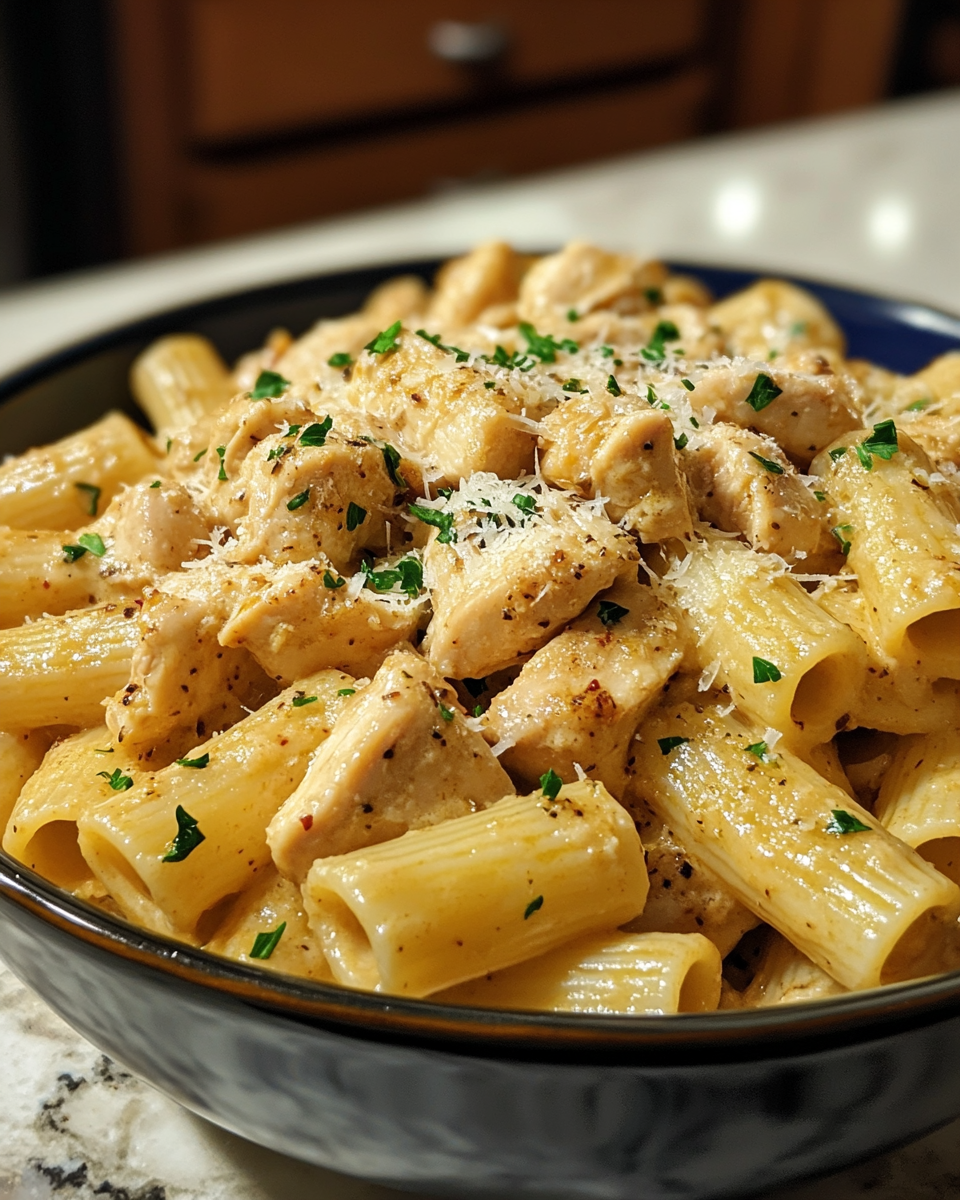
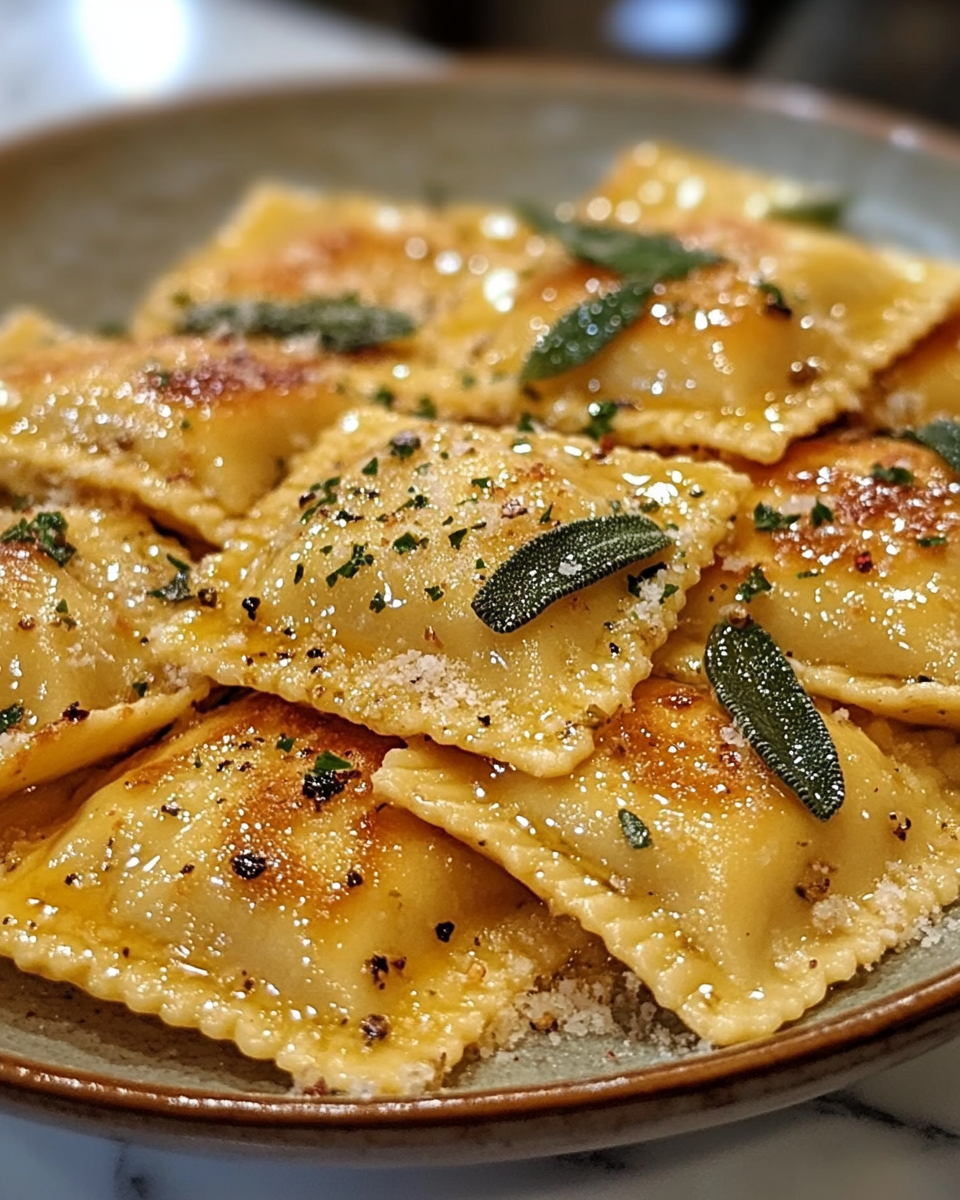
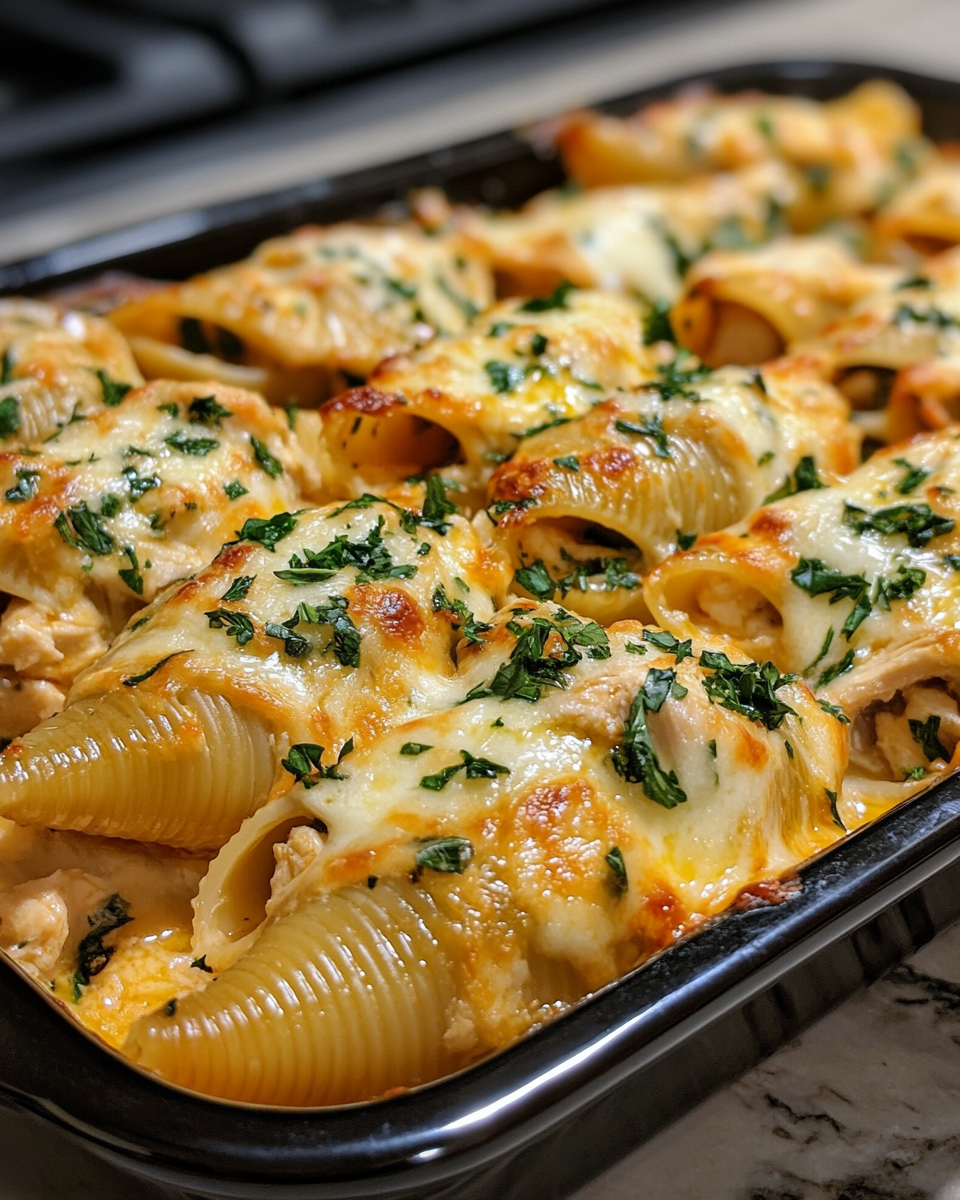
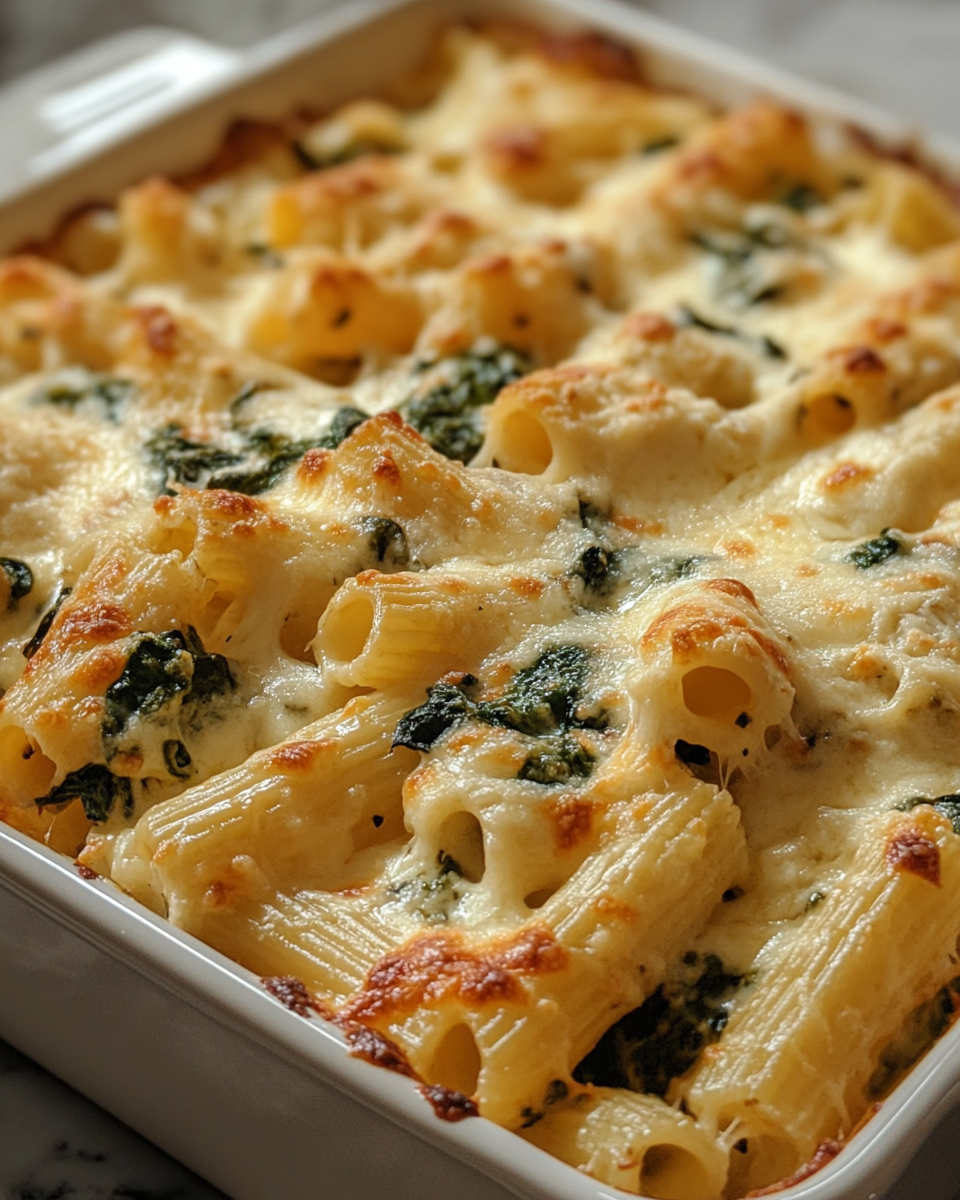
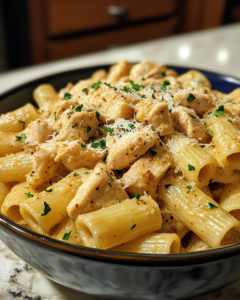
Creamy Spinach Chicken Sausage Pasta is a comforting, flavorful dish that brings together tender pasta, savory chicken sausage, and a rich, velvety sauce. The balance of creamy texture with the freshness of spinach makes it both satisfying and well-rounded for weeknight dinners or relaxed gatherings.
This recipe delivers a hearty bowl without feeling overly heavy. The chicken sausage adds a seasoned depth, while the spinach introduces a gentle contrast that keeps each bite balanced. With simple ingredients and a straightforward method, this dish fits easily into a busy schedule while still feeling thoughtfully prepared.
Ingredients Overview

The heart of Creamy Spinach Chicken Sausage Pasta lies in its carefully chosen ingredients that work together to create a cohesive dish. Pasta acts as the base, absorbing the creamy sauce and holding onto every bit of flavor. Short pasta shapes like penne or rigatoni are especially suitable because their ridges catch the sauce well.
Chicken sausage plays a key role in delivering a savory and slightly spiced element. It offers a lighter alternative to pork sausage while still providing richness. Depending on preference, mild or spicy varieties can be used to adjust the flavor profile.
Fresh spinach brings color and a subtle earthy taste. It wilts quickly into the sauce, blending seamlessly without overpowering the dish. For convenience, frozen spinach can be used, but it should be thawed and well-drained to prevent excess moisture.
The creamy base typically comes from heavy cream combined with grated Parmesan cheese. This combination creates a smooth, slightly thick sauce with a gentle salty note. Garlic and onion build the aromatic foundation, while olive oil helps carry the flavors.
For substitutions, half-and-half can replace heavy cream for a lighter texture, though the sauce will be less rich. Kale can stand in for spinach if a sturdier green is preferred. Gluten-free pasta works well without compromising taste or structure.
Ingredients
12 ounces penne pasta
1 tablespoon olive oil
12 ounces chicken sausage, sliced
3 cloves garlic, minced
1 small yellow onion, finely chopped
3 cups fresh spinach
1 cup heavy cream
1/2 cup grated Parmesan cheese
1/2 teaspoon salt
1/2 teaspoon black pepper
1/4 teaspoon red pepper flakes (optional)
1/2 teaspoon Italian seasoning
1/2 cup reserved pasta water
Step-by-Step Instructions

Begin by bringing a large pot of salted water to a boil. Add the pasta and cook according to package instructions until al dente. Before draining, reserve about half a cup of the pasta cooking water. This starchy liquid will help adjust the sauce consistency later.
While the pasta cooks, heat olive oil in a large skillet over medium heat. Add the sliced chicken sausage and cook for 5 to 7 minutes, turning occasionally until browned on both sides. This step builds flavor, so avoid overcrowding the pan to allow proper browning.
Once the sausage is cooked, remove it from the skillet and set aside. In the same pan, add the chopped onion and cook for about 3 to 4 minutes until softened. Stir in the minced garlic and cook for another 30 seconds, just until fragrant. Be careful not to let the garlic burn, as it can turn bitter quickly.
Add the fresh spinach to the skillet and cook until wilted, which should take about 2 minutes. If using frozen spinach, ensure it is thoroughly drained before adding. Stir gently to combine with the onion and garlic mixture.
Pour in the heavy cream and bring it to a gentle simmer. Lower the heat and stir in the grated Parmesan cheese. Continue stirring until the cheese melts and the sauce becomes smooth. If the sauce appears too thick, gradually add some of the reserved pasta water to loosen it.
Return the cooked sausage to the skillet and stir to coat it in the sauce. Add the drained pasta and toss everything together until evenly combined. Season with salt, black pepper, red pepper flakes if using, and Italian seasoning.
Allow the pasta to sit in the sauce for a minute or two so it can absorb the flavors. The final texture should be creamy but not overly thick or dry. If needed, add a splash of pasta water to maintain a silky consistency.
Serve immediately while warm. Avoid overcooking after combining, as the sauce can become too thick and the pasta may lose its ideal texture.
Tips, Variations & Substitutions
For the best results, cook the pasta just until al dente. Overcooked pasta can become too soft when mixed with the sauce. Reserving pasta water is a simple step that makes a noticeable difference in achieving the right consistency.
If you prefer a lighter version, swap heavy cream with half-and-half or a mixture of milk and a small amount of cream. The sauce will be thinner but still flavorful. Adding a bit more Parmesan can help maintain richness.
For added depth, consider including mushrooms or sun-dried tomatoes. These ingredients pair well with the creamy base and bring extra texture. A squeeze of lemon juice at the end can also brighten the dish.
Vegetarian variations can be made by replacing chicken sausage with plant-based sausage or sautéed mushrooms. Gluten-free pasta works well and holds the sauce nicely when cooked properly.
Adjust seasoning based on preference. A pinch of nutmeg can complement the cream sauce, while extra red pepper flakes can add heat.
Serving Ideas & Occasions
Creamy Spinach Chicken Sausage Pasta fits comfortably into both casual and slightly more special meals. It works well as a main dish for family dinners, especially when paired with a simple green salad or roasted vegetables.
Garlic bread or a warm baguette makes a natural companion, helping to soak up the creamy sauce. For drinks, a crisp white wine like Pinot Grigio or a light sparkling beverage pairs nicely with the richness of the dish.
This pasta is also suitable for small gatherings, as it can be made in larger batches without much extra effort. It holds well for short periods, making it practical for serving guests without stress.
Nutritional & Health Notes
This dish offers a balance of protein, carbohydrates, and fats. Chicken sausage provides protein with less fat than traditional pork sausage, while spinach contributes vitamins such as A and C along with iron.
The creamy sauce adds richness, so portion size plays a role in maintaining balance. Using lighter dairy options can reduce overall fat content without sacrificing too much flavor.
Pasta delivers energy through carbohydrates, making this a filling meal. Adding extra vegetables can increase fiber and make the dish more nutrient-dense.
While indulgent, this recipe can fit into a varied diet when enjoyed in moderation and paired with lighter sides.
FAQs
Can I use a different type of pasta?
Yes, many pasta shapes work well in this recipe. Penne and rigatoni are ideal because they hold the sauce effectively, but fusilli or farfalle are also good options. Long pasta like fettuccine can be used, though it creates a slightly different texture. The key is to cook the pasta until al dente so it maintains structure when mixed with the sauce. Whole wheat or gluten-free pasta can also be used with good results, though cooking times may vary slightly.
Can I make this dish ahead of time?
This pasta can be prepared ahead, but it is best enjoyed fresh. If making in advance, cook the pasta and sauce separately, then combine them just before serving. When reheating, add a splash of milk or cream to restore the sauce’s smooth texture, as it tends to thicken when cooled. Gentle reheating over low heat helps prevent the sauce from separating or becoming overly thick.
What type of chicken sausage works best?
Both mild and spicy chicken sausages work well in this recipe. Mild varieties provide a balanced flavor that lets the creamy sauce stand out, while spicy versions add a bit of heat. Choose fully cooked sausages for convenience, as they only need to be browned. Flavored options like garlic or herb can also complement the dish nicely.
Can I use frozen spinach instead of fresh?
Frozen spinach is a practical alternative. It should be thawed completely and squeezed to remove excess water before adding it to the skillet. This prevents the sauce from becoming watery. While fresh spinach offers a slightly brighter flavor and texture, frozen spinach blends well into the sauce and still provides a similar overall result.
How do I keep the sauce from becoming too thick?
The reserved pasta water is the easiest way to control sauce consistency. Adding small amounts while stirring helps maintain a smooth texture. Cooking over low heat after adding the cheese also prevents the sauce from tightening too much. If it thickens too much during serving, a small splash of warm water or milk can help bring it back to the desired consistency.
Can I make this recipe dairy-free?
Yes, dairy-free alternatives can be used. Replace heavy cream with a plant-based cream such as oat or cashew cream. Use a dairy-free Parmesan-style cheese or nutritional yeast for a similar savory note. The texture may differ slightly, but the overall dish will still be creamy and satisfying when prepared carefully.
How long can leftovers be stored?
Leftovers can be stored in an airtight container in the refrigerator for up to three days. When reheating, use low heat and add a bit of liquid to refresh the sauce. Avoid microwaving for too long, as it can dry out the pasta and separate the sauce. Stirring occasionally during reheating helps maintain an even texture.