Creamy Tuscan Chicken Pasta: 30-Minute Remarkable Comfort

Posted on

Uncategorized

Difficulty

Prep time

Cooking time

Total time

Servings

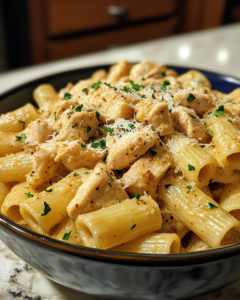
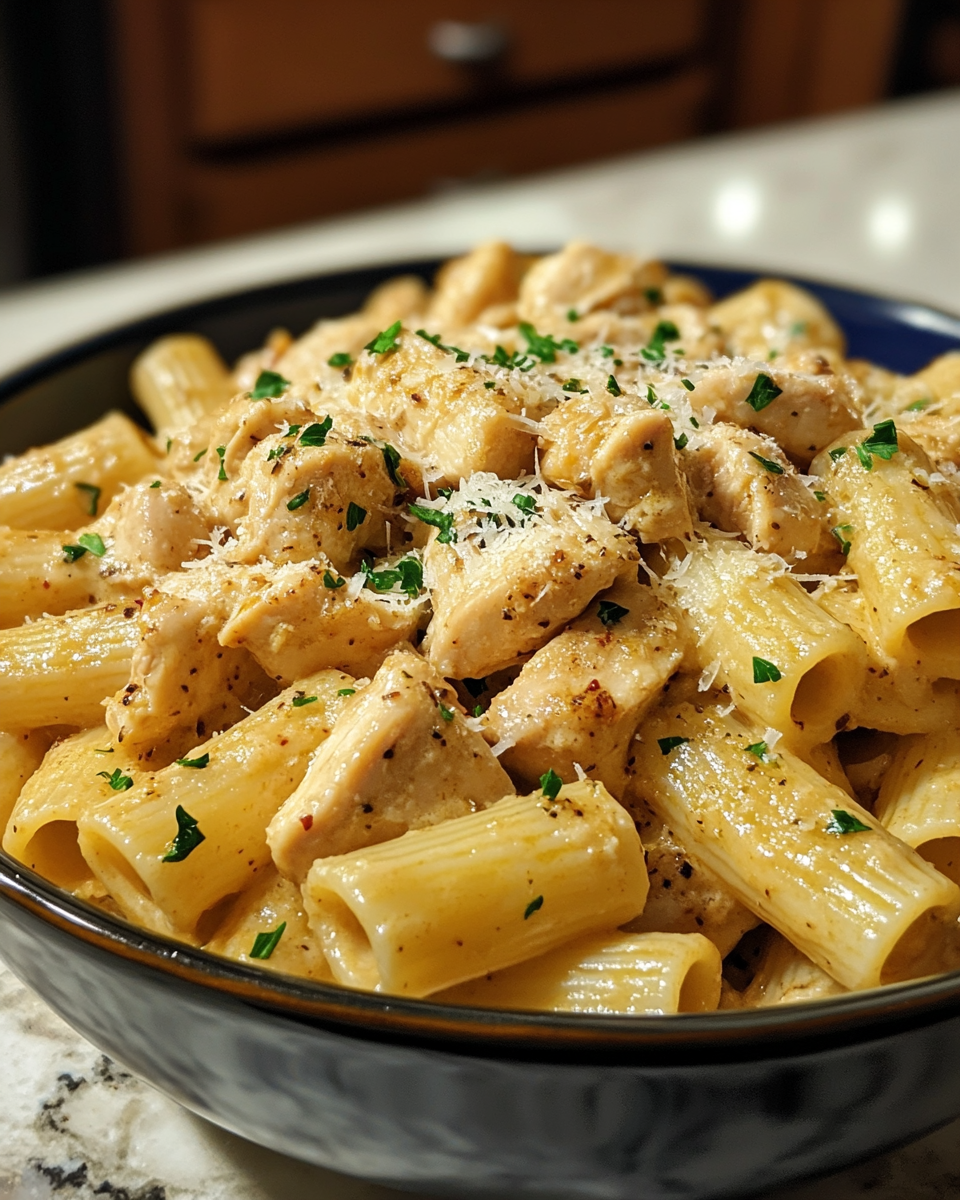
Creamy Tuscan Chicken Pasta brings together tender chicken, silky sauce, garlic, spinach, and sun-dried tomatoes in a rich pasta dinner that feels welcoming after a long day. The creamy texture coats every strand of pasta while savory parmesan and Italian seasoning add depth without making the dish overly heavy.

This pasta recipe works well for both busy weeknights and relaxed family dinners. The chicken stays juicy when cooked quickly over medium-high heat, and the sauce comes together in the same pan, allowing every ingredient to blend beautifully. Sun-dried tomatoes bring a slightly tangy contrast that balances the richness of the cream and cheese.

One reason this recipe remains popular is its flexibility. Penne, fettuccine, or rigatoni all work nicely, and the sauce pairs well with extra vegetables if desired. The ingredients are simple yet layered with comforting flavor, making Creamy Tuscan Chicken Pasta a dependable dinner that tastes like it came from a cozy Italian kitchen.

Ingredients Overview

The heart of Creamy Tuscan Chicken Pasta comes from a balance of rich dairy, savory chicken, aromatic garlic, and vibrant vegetables. Boneless skinless chicken breasts are commonly used because they cook quickly and stay tender when sliced thinly. Chicken thighs can also work if a slightly richer flavor is preferred.

Heavy cream forms the base of the sauce and creates the smooth texture associated with Tuscan-style pasta dishes. Parmesan cheese melts into the cream and adds a salty, nutty finish that thickens the sauce naturally. Freshly grated parmesan works far better than pre-shredded varieties because it melts more evenly.

Garlic plays a major role in flavor. Fresh cloves cooked briefly in butter release a mellow aroma that spreads through the entire dish. Sun-dried tomatoes provide concentrated sweetness and gentle acidity, preventing the sauce from tasting flat. Spinach softens quickly in the warm sauce and adds freshness without overpowering the creamy base.

Italian seasoning ties the ingredients together with herbs such as oregano and basil. A small amount of chicken broth lightens the cream slightly while carrying savory flavor throughout the pan.

Pasta choice matters as well. Penne and rigatoni hold sauce inside their ridges, while fettuccine creates a more classic creamy presentation. Cooking the pasta until just al dente keeps the texture pleasant after it mixes with the sauce.

For substitutions, half-and-half may replace heavy cream for a lighter result, though the sauce will be thinner. Kale can replace spinach, and roasted mushrooms fit naturally into the dish. Rotisserie chicken also works for a faster preparation.

Ingredients

12 ounces penne pasta
2 boneless skinless chicken breasts, sliced thinly
1 teaspoon salt
1/2 teaspoon black pepper
1 teaspoon Italian seasoning
2 tablespoons olive oil
2 tablespoons butter
4 garlic cloves, minced
1/2 cup chopped sun-dried tomatoes
2 cups fresh spinach
1 1/2 cups heavy cream
1/2 cup chicken broth
1 cup freshly grated parmesan cheese
1/2 teaspoon paprika
1/4 teaspoon crushed red pepper flakes
2 tablespoons chopped fresh parsley

Step-by-Step Instructions

Bring a large pot of salted water to a boil and cook the pasta according to package directions until al dente. Reserve about 1/2 cup of pasta water before draining. The reserved water helps loosen the sauce later if needed.

While the pasta cooks, pat the chicken dry with paper towels. Thin slices cook evenly and remain tender, while thick pieces often dry out before browning properly. Season the chicken with salt, pepper, Italian seasoning, and paprika on both sides.

Heat olive oil in a large skillet over medium-high heat. Add the chicken in a single layer without overcrowding the pan. Crowding traps steam and prevents proper browning. Cook for about 4 to 5 minutes per side until lightly golden and fully cooked through. Transfer the chicken to a plate and keep warm.

Reduce the heat to medium. Add butter to the same skillet, allowing the browned bits from the chicken to remain in the pan for extra flavor. Stir in the garlic and cook for about 30 seconds until fragrant. Avoid cooking garlic too long because it can become bitter quickly.

Add the sun-dried tomatoes and stir for another minute. Pour in the chicken broth and gently scrape the bottom of the skillet to loosen any flavorful browned pieces. Stir in the heavy cream and allow the mixture to simmer gently for 3 to 4 minutes.

Add parmesan cheese gradually while stirring continuously. The cheese should melt smoothly into the cream without clumping. If the sauce becomes too thick, add a splash of reserved pasta water.

Stir in the spinach and crushed red pepper flakes. The spinach will wilt within a minute or two. Return the cooked chicken to the skillet along with the drained pasta. Toss everything carefully until the pasta becomes fully coated in the creamy sauce.

Allow the pasta to cook together for another 2 minutes so the flavors blend properly. Taste the sauce and adjust salt if necessary. Sprinkle chopped parsley over the top before serving.

One common mistake with creamy pasta dishes is overheating the sauce after adding cheese. High heat may cause separation or graininess. Keeping the heat moderate creates a smooth finish. Another helpful detail is seasoning the pasta water well since pasta absorbs a large portion of its flavor during boiling.

Serve immediately while the sauce remains silky and warm.

Tips, Variations & Substitutions

Freshly grated parmesan creates the smoothest sauce texture. Packaged grated cheese often contains anti-caking ingredients that may create a slightly grainy consistency. For the richest flavor, grate the cheese just before adding it to the skillet.

Chicken thighs bring a slightly deeper savory flavor and remain juicy even if cooked a bit longer. Shrimp also pairs beautifully with the creamy Tuscan sauce and cooks in only a few minutes. If using shrimp, cook them separately and return them to the pan at the end.

Vegetables can easily be adjusted based on preference. Mushrooms, roasted red peppers, zucchini, and asparagus blend naturally into the creamy sauce. Kale may replace spinach, though it benefits from a slightly longer cooking time.

For a lighter version, substitute half-and-half for heavy cream and reduce the parmesan slightly. The sauce will not be quite as thick but still tastes rich and satisfying. Gluten-free pasta also works nicely, though cooking times vary by brand.

A touch of lemon juice added at the end brightens the creamy sauce without changing the overall character of the dish. Extra red pepper flakes can add warmth for those who enjoy a slightly spicier pasta dinner.

Creamy Tuscan Chicken Pasta reheats well when warmed slowly with a splash of broth or cream. Gentle reheating keeps the sauce smooth and prevents drying.

Serving Ideas & Occasions

Creamy Tuscan Chicken Pasta fits beautifully into casual family dinners, weekend gatherings, and comforting cold-weather meals. The rich sauce and savory chicken create a filling centerpiece that pairs nicely with lighter side dishes.

Garlic bread remains a classic companion because it soaks up the creamy sauce beautifully. A crisp green salad with vinaigrette balances the richness of the pasta and adds freshness to the plate. Roasted broccoli, asparagus, or green beans also pair well alongside the creamy flavors.

Sparkling water with lemon or iced tea complements the meal nicely without overpowering the dish. For larger gatherings, the pasta can be served buffet-style with bowls of grated parmesan, chopped parsley, and red pepper flakes nearby.

This recipe also works well for meal preparation since the flavors remain delicious the next day. Packed into individual containers, it creates a satisfying lunch that reheats comfortably for busy schedules.

Nutritional & Health Notes

Creamy Tuscan Chicken Pasta offers a balance of protein, carbohydrates, and fats in one hearty dish. Chicken provides a strong source of protein that helps make the meal filling and satisfying. Spinach contributes fiber, iron, and vitamins while adding freshness to the rich sauce.

The heavy cream and parmesan create the signature creamy texture, though they also raise the fat content of the dish. Using smaller portions alongside vegetables can create a more balanced meal. Half-and-half may reduce richness slightly while still maintaining a creamy consistency.

Sun-dried tomatoes contribute concentrated flavor and a small amount of natural sweetness, helping the sauce taste layered without large amounts of added ingredients. Garlic and herbs provide savory depth while keeping the recipe approachable and simple.

Pasta supplies energy through carbohydrates, making this meal especially satisfying after long days or active evenings. Choosing whole wheat pasta can add extra fiber and a slightly nuttier flavor.

Portion size plays an important role with creamy pasta dishes. Pairing the pasta with salad or roasted vegetables creates a balanced dinner while still allowing the rich sauce to remain the highlight of the meal.

FAQs

Can I prepare Creamy Tuscan Chicken Pasta ahead of time?

Yes, this recipe can be prepared ahead, though the sauce tastes smoothest when freshly cooked. If preparing early, cook the pasta slightly under al dente so it does not soften too much during reheating. Store the pasta and sauce together in an airtight container in the refrigerator for up to three days.

When reheating, place the pasta in a skillet over low heat and add a splash of cream, milk, or chicken broth. Stir gently until warmed through. Heating too quickly may cause the sauce to separate. The flavors often deepen overnight, making leftovers especially satisfying for lunch or dinner the next day.

Which pasta shape works best for this recipe?

Penne remains one of the most popular choices because the sauce clings nicely to its ridges and fills the center of each piece. Rigatoni also works beautifully for the same reason. Fettuccine creates a softer, more traditional creamy pasta texture that feels especially comforting.

Short pasta shapes tend to mix more evenly with sliced chicken and spinach, while longer noodles create a richer presentation. Regardless of shape, cooking the pasta until just al dente is important because it continues absorbing sauce after mixing into the skillet. Overcooked pasta may become too soft once combined with the cream sauce.

Can I freeze Creamy Tuscan Chicken Pasta?

Cream-based sauces sometimes change texture after freezing, though this dish can still be frozen successfully with careful reheating. Allow the pasta to cool completely before transferring it into airtight freezer-safe containers. Freeze for up to two months.

For reheating, thaw overnight in the refrigerator if possible. Warm slowly in a skillet over low heat with a splash of cream or broth to help restore the smooth texture. Stir frequently while reheating. The sauce may not appear quite as silky as freshly made, but the flavor remains rich and comforting. Pasta texture can soften slightly after freezing, so avoid overcooking the noodles initially.

How can I keep the sauce from becoming too thick?

Cream sauces naturally thicken as they simmer and continue thickening after mixing with hot pasta. Reserving pasta water before draining is one of the easiest ways to control consistency. A few spoonfuls stirred into the skillet loosen the sauce while helping it cling smoothly to the noodles.

Cooking over moderate heat also helps maintain a silky texture. High heat can reduce the sauce too quickly and create heaviness. If leftovers become thick after refrigeration, gently warming the pasta with broth, cream, or milk helps restore the creamy consistency without affecting flavor significantly.

Can I add extra vegetables to the pasta?

Yes, this recipe adapts very well to additional vegetables. Mushrooms are especially popular because they absorb the creamy sauce beautifully and bring savory depth. Roasted red peppers add sweetness and color, while zucchini and asparagus provide lighter texture.

If using firmer vegetables such as broccoli, blanch or roast them first before adding them to the skillet. Softer vegetables like spinach can simply wilt directly into the sauce near the end of cooking. Balancing the vegetables with the sauce keeps the pasta hearty without overwhelming the creamy Tuscan flavor profile that makes the dish comforting and rich.

What type of chicken should I use?

Boneless skinless chicken breasts are widely used because they cook quickly and slice neatly into strips that blend evenly with the pasta. Thinly slicing the chicken before cooking helps it remain juicy and tender. Chicken thighs also work very well and provide a richer flavor with slightly softer texture.

Rotisserie chicken offers a convenient shortcut for busy evenings. Simply shred the cooked chicken and stir it into the sauce near the end of cooking so it warms without drying out. Regardless of the cut used, seasoning the chicken before cooking creates stronger flavor throughout the entire dish.

How spicy is Creamy Tuscan Chicken Pasta?

This recipe is generally mild and family-friendly. The crushed red pepper flakes add only a gentle warmth that balances the richness of the cream sauce rather than creating intense heat. The amount can easily be adjusted based on personal preference.

For a milder version, simply leave out the pepper flakes entirely. Those who enjoy additional warmth can add more red pepper flakes or stir in a small amount of cayenne pepper. Because the cream softens spicy flavors naturally, even slightly hotter variations usually remain balanced and pleasant rather than overwhelming.

[rank_math_breadcrumb]

Creamy Tuscan Chicken Pasta: 30-Minute Remarkable Comfort

Photo of author
Author: Carol
Published:

Creamy Tuscan Chicken Pasta brings together tender chicken, silky sauce, garlic, spinach, and sun-dried tomatoes in a rich pasta dinner that feels welcoming after a long day. The creamy texture coats every strand of pasta while savory parmesan and Italian seasoning add depth without making the dish overly heavy.

This pasta recipe works well for both busy weeknights and relaxed family dinners. The chicken stays juicy when cooked quickly over medium-high heat, and the sauce comes together in the same pan, allowing every ingredient to blend beautifully. Sun-dried tomatoes bring a slightly tangy contrast that balances the richness of the cream and cheese.

One reason this recipe remains popular is its flexibility. Penne, fettuccine, or rigatoni all work nicely, and the sauce pairs well with extra vegetables if desired. The ingredients are simple yet layered with comforting flavor, making Creamy Tuscan Chicken Pasta a dependable dinner that tastes like it came from a cozy Italian kitchen.

Ingredients Overview

The heart of Creamy Tuscan Chicken Pasta comes from a balance of rich dairy, savory chicken, aromatic garlic, and vibrant vegetables. Boneless skinless chicken breasts are commonly used because they cook quickly and stay tender when sliced thinly. Chicken thighs can also work if a slightly richer flavor is preferred.

Heavy cream forms the base of the sauce and creates the smooth texture associated with Tuscan-style pasta dishes. Parmesan cheese melts into the cream and adds a salty, nutty finish that thickens the sauce naturally. Freshly grated parmesan works far better than pre-shredded varieties because it melts more evenly.

Garlic plays a major role in flavor. Fresh cloves cooked briefly in butter release a mellow aroma that spreads through the entire dish. Sun-dried tomatoes provide concentrated sweetness and gentle acidity, preventing the sauce from tasting flat. Spinach softens quickly in the warm sauce and adds freshness without overpowering the creamy base.

Italian seasoning ties the ingredients together with herbs such as oregano and basil. A small amount of chicken broth lightens the cream slightly while carrying savory flavor throughout the pan.

Pasta choice matters as well. Penne and rigatoni hold sauce inside their ridges, while fettuccine creates a more classic creamy presentation. Cooking the pasta until just al dente keeps the texture pleasant after it mixes with the sauce.

For substitutions, half-and-half may replace heavy cream for a lighter result, though the sauce will be thinner. Kale can replace spinach, and roasted mushrooms fit naturally into the dish. Rotisserie chicken also works for a faster preparation.

Ingredients

12 ounces penne pasta
2 boneless skinless chicken breasts, sliced thinly
1 teaspoon salt
1/2 teaspoon black pepper
1 teaspoon Italian seasoning
2 tablespoons olive oil
2 tablespoons butter
4 garlic cloves, minced
1/2 cup chopped sun-dried tomatoes
2 cups fresh spinach
1 1/2 cups heavy cream
1/2 cup chicken broth
1 cup freshly grated parmesan cheese
1/2 teaspoon paprika
1/4 teaspoon crushed red pepper flakes
2 tablespoons chopped fresh parsley

Step-by-Step Instructions

Bring a large pot of salted water to a boil and cook the pasta according to package directions until al dente. Reserve about 1/2 cup of pasta water before draining. The reserved water helps loosen the sauce later if needed.

While the pasta cooks, pat the chicken dry with paper towels. Thin slices cook evenly and remain tender, while thick pieces often dry out before browning properly. Season the chicken with salt, pepper, Italian seasoning, and paprika on both sides.

Heat olive oil in a large skillet over medium-high heat. Add the chicken in a single layer without overcrowding the pan. Crowding traps steam and prevents proper browning. Cook for about 4 to 5 minutes per side until lightly golden and fully cooked through. Transfer the chicken to a plate and keep warm.

Reduce the heat to medium. Add butter to the same skillet, allowing the browned bits from the chicken to remain in the pan for extra flavor. Stir in the garlic and cook for about 30 seconds until fragrant. Avoid cooking garlic too long because it can become bitter quickly.

Add the sun-dried tomatoes and stir for another minute. Pour in the chicken broth and gently scrape the bottom of the skillet to loosen any flavorful browned pieces. Stir in the heavy cream and allow the mixture to simmer gently for 3 to 4 minutes.

Add parmesan cheese gradually while stirring continuously. The cheese should melt smoothly into the cream without clumping. If the sauce becomes too thick, add a splash of reserved pasta water.

Stir in the spinach and crushed red pepper flakes. The spinach will wilt within a minute or two. Return the cooked chicken to the skillet along with the drained pasta. Toss everything carefully until the pasta becomes fully coated in the creamy sauce.

Allow the pasta to cook together for another 2 minutes so the flavors blend properly. Taste the sauce and adjust salt if necessary. Sprinkle chopped parsley over the top before serving.

One common mistake with creamy pasta dishes is overheating the sauce after adding cheese. High heat may cause separation or graininess. Keeping the heat moderate creates a smooth finish. Another helpful detail is seasoning the pasta water well since pasta absorbs a large portion of its flavor during boiling.

Serve immediately while the sauce remains silky and warm.

Tips, Variations & Substitutions

Freshly grated parmesan creates the smoothest sauce texture. Packaged grated cheese often contains anti-caking ingredients that may create a slightly grainy consistency. For the richest flavor, grate the cheese just before adding it to the skillet.

Chicken thighs bring a slightly deeper savory flavor and remain juicy even if cooked a bit longer. Shrimp also pairs beautifully with the creamy Tuscan sauce and cooks in only a few minutes. If using shrimp, cook them separately and return them to the pan at the end.

Vegetables can easily be adjusted based on preference. Mushrooms, roasted red peppers, zucchini, and asparagus blend naturally into the creamy sauce. Kale may replace spinach, though it benefits from a slightly longer cooking time.

For a lighter version, substitute half-and-half for heavy cream and reduce the parmesan slightly. The sauce will not be quite as thick but still tastes rich and satisfying. Gluten-free pasta also works nicely, though cooking times vary by brand.

A touch of lemon juice added at the end brightens the creamy sauce without changing the overall character of the dish. Extra red pepper flakes can add warmth for those who enjoy a slightly spicier pasta dinner.

Creamy Tuscan Chicken Pasta reheats well when warmed slowly with a splash of broth or cream. Gentle reheating keeps the sauce smooth and prevents drying.

Serving Ideas & Occasions

Creamy Tuscan Chicken Pasta fits beautifully into casual family dinners, weekend gatherings, and comforting cold-weather meals. The rich sauce and savory chicken create a filling centerpiece that pairs nicely with lighter side dishes.

Garlic bread remains a classic companion because it soaks up the creamy sauce beautifully. A crisp green salad with vinaigrette balances the richness of the pasta and adds freshness to the plate. Roasted broccoli, asparagus, or green beans also pair well alongside the creamy flavors.

Sparkling water with lemon or iced tea complements the meal nicely without overpowering the dish. For larger gatherings, the pasta can be served buffet-style with bowls of grated parmesan, chopped parsley, and red pepper flakes nearby.

This recipe also works well for meal preparation since the flavors remain delicious the next day. Packed into individual containers, it creates a satisfying lunch that reheats comfortably for busy schedules.

Nutritional & Health Notes

Creamy Tuscan Chicken Pasta offers a balance of protein, carbohydrates, and fats in one hearty dish. Chicken provides a strong source of protein that helps make the meal filling and satisfying. Spinach contributes fiber, iron, and vitamins while adding freshness to the rich sauce.

The heavy cream and parmesan create the signature creamy texture, though they also raise the fat content of the dish. Using smaller portions alongside vegetables can create a more balanced meal. Half-and-half may reduce richness slightly while still maintaining a creamy consistency.

Sun-dried tomatoes contribute concentrated flavor and a small amount of natural sweetness, helping the sauce taste layered without large amounts of added ingredients. Garlic and herbs provide savory depth while keeping the recipe approachable and simple.

Pasta supplies energy through carbohydrates, making this meal especially satisfying after long days or active evenings. Choosing whole wheat pasta can add extra fiber and a slightly nuttier flavor.

Portion size plays an important role with creamy pasta dishes. Pairing the pasta with salad or roasted vegetables creates a balanced dinner while still allowing the rich sauce to remain the highlight of the meal.

FAQs

Can I prepare Creamy Tuscan Chicken Pasta ahead of time?

Yes, this recipe can be prepared ahead, though the sauce tastes smoothest when freshly cooked. If preparing early, cook the pasta slightly under al dente so it does not soften too much during reheating. Store the pasta and sauce together in an airtight container in the refrigerator for up to three days.

When reheating, place the pasta in a skillet over low heat and add a splash of cream, milk, or chicken broth. Stir gently until warmed through. Heating too quickly may cause the sauce to separate. The flavors often deepen overnight, making leftovers especially satisfying for lunch or dinner the next day.

Which pasta shape works best for this recipe?

Penne remains one of the most popular choices because the sauce clings nicely to its ridges and fills the center of each piece. Rigatoni also works beautifully for the same reason. Fettuccine creates a softer, more traditional creamy pasta texture that feels especially comforting.

Short pasta shapes tend to mix more evenly with sliced chicken and spinach, while longer noodles create a richer presentation. Regardless of shape, cooking the pasta until just al dente is important because it continues absorbing sauce after mixing into the skillet. Overcooked pasta may become too soft once combined with the cream sauce.

Can I freeze Creamy Tuscan Chicken Pasta?

Cream-based sauces sometimes change texture after freezing, though this dish can still be frozen successfully with careful reheating. Allow the pasta to cool completely before transferring it into airtight freezer-safe containers. Freeze for up to two months.

For reheating, thaw overnight in the refrigerator if possible. Warm slowly in a skillet over low heat with a splash of cream or broth to help restore the smooth texture. Stir frequently while reheating. The sauce may not appear quite as silky as freshly made, but the flavor remains rich and comforting. Pasta texture can soften slightly after freezing, so avoid overcooking the noodles initially.

How can I keep the sauce from becoming too thick?

Cream sauces naturally thicken as they simmer and continue thickening after mixing with hot pasta. Reserving pasta water before draining is one of the easiest ways to control consistency. A few spoonfuls stirred into the skillet loosen the sauce while helping it cling smoothly to the noodles.

Cooking over moderate heat also helps maintain a silky texture. High heat can reduce the sauce too quickly and create heaviness. If leftovers become thick after refrigeration, gently warming the pasta with broth, cream, or milk helps restore the creamy consistency without affecting flavor significantly.

Can I add extra vegetables to the pasta?

Yes, this recipe adapts very well to additional vegetables. Mushrooms are especially popular because they absorb the creamy sauce beautifully and bring savory depth. Roasted red peppers add sweetness and color, while zucchini and asparagus provide lighter texture.

If using firmer vegetables such as broccoli, blanch or roast them first before adding them to the skillet. Softer vegetables like spinach can simply wilt directly into the sauce near the end of cooking. Balancing the vegetables with the sauce keeps the pasta hearty without overwhelming the creamy Tuscan flavor profile that makes the dish comforting and rich.

What type of chicken should I use?

Boneless skinless chicken breasts are widely used because they cook quickly and slice neatly into strips that blend evenly with the pasta. Thinly slicing the chicken before cooking helps it remain juicy and tender. Chicken thighs also work very well and provide a richer flavor with slightly softer texture.

Rotisserie chicken offers a convenient shortcut for busy evenings. Simply shred the cooked chicken and stir it into the sauce near the end of cooking so it warms without drying out. Regardless of the cut used, seasoning the chicken before cooking creates stronger flavor throughout the entire dish.

How spicy is Creamy Tuscan Chicken Pasta?

This recipe is generally mild and family-friendly. The crushed red pepper flakes add only a gentle warmth that balances the richness of the cream sauce rather than creating intense heat. The amount can easily be adjusted based on personal preference.

For a milder version, simply leave out the pepper flakes entirely. Those who enjoy additional warmth can add more red pepper flakes or stir in a small amount of cayenne pepper. Because the cream softens spicy flavors naturally, even slightly hotter variations usually remain balanced and pleasant rather than overwhelming.
Name

Lorem ipsum dolor sit amet, consectetur adipiscing elit. Suspendisse varius enim in eros elementum tristique. Duis cursus, mi quis viverra ornare, eros dolor interdum nulla, ut commodo diam libero vitae erat.

You Might Also Like...

Lemon Herb Chicken Thighs: 7 Cozy Family Favorites

Lemon Herb Chicken Thighs: 7 Cozy Family Favorites

Beef and Broccoli Stir Fry: 6 Savory Skillet Favorites

Beef and Broccoli Stir Fry: 6 Savory Skillet Favorites

Creamy Cajun Chicken Pasta: 5 Rich Dinner Favorites

Creamy Cajun Chicken Pasta: 5 Rich Dinner Favorites

Garlic Butter Chicken Bake: 5 Cozy Family Dinner Tips

Garlic Butter Chicken Bake: 5 Cozy Family Dinner Tips

Tags:

You might also like these recipes

Leave a Comment