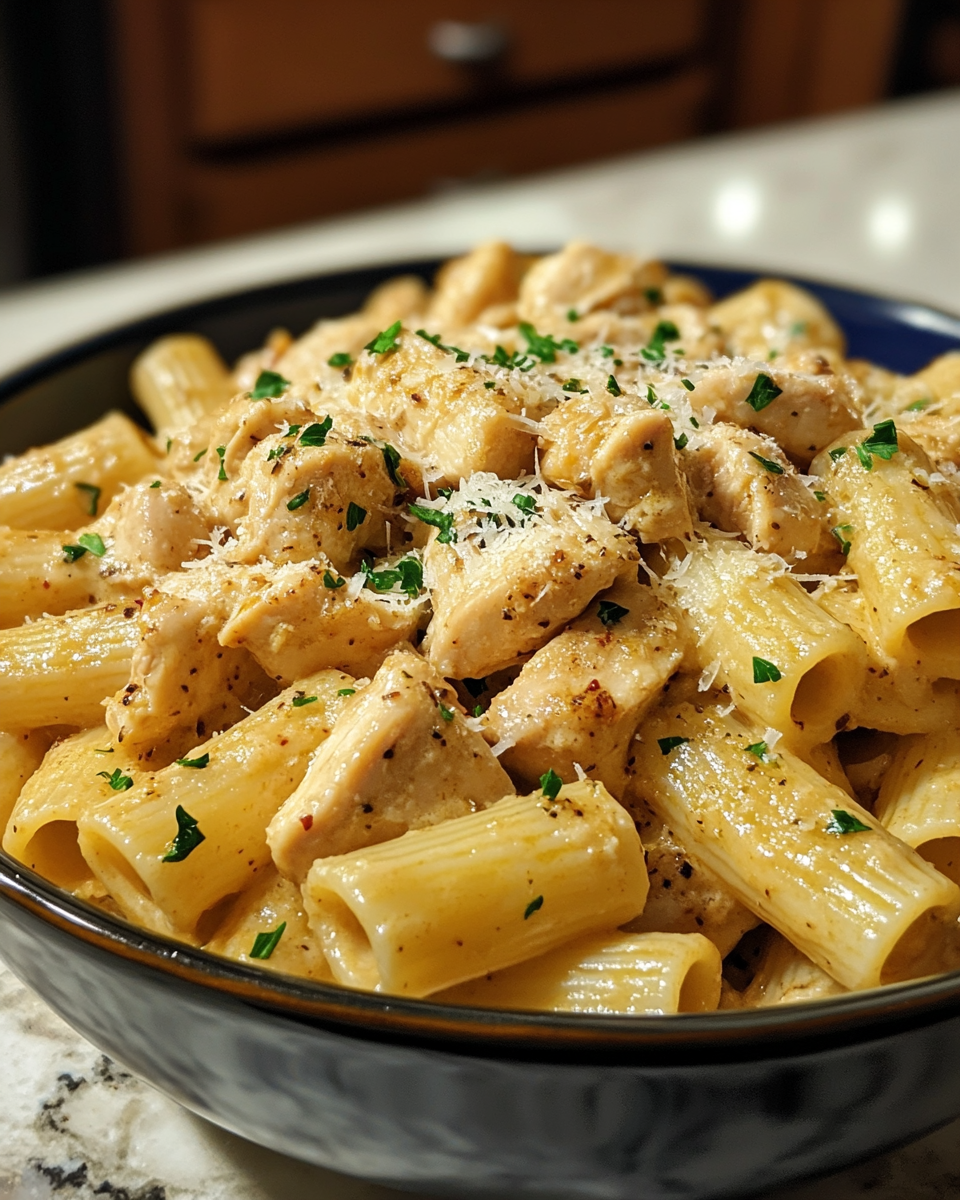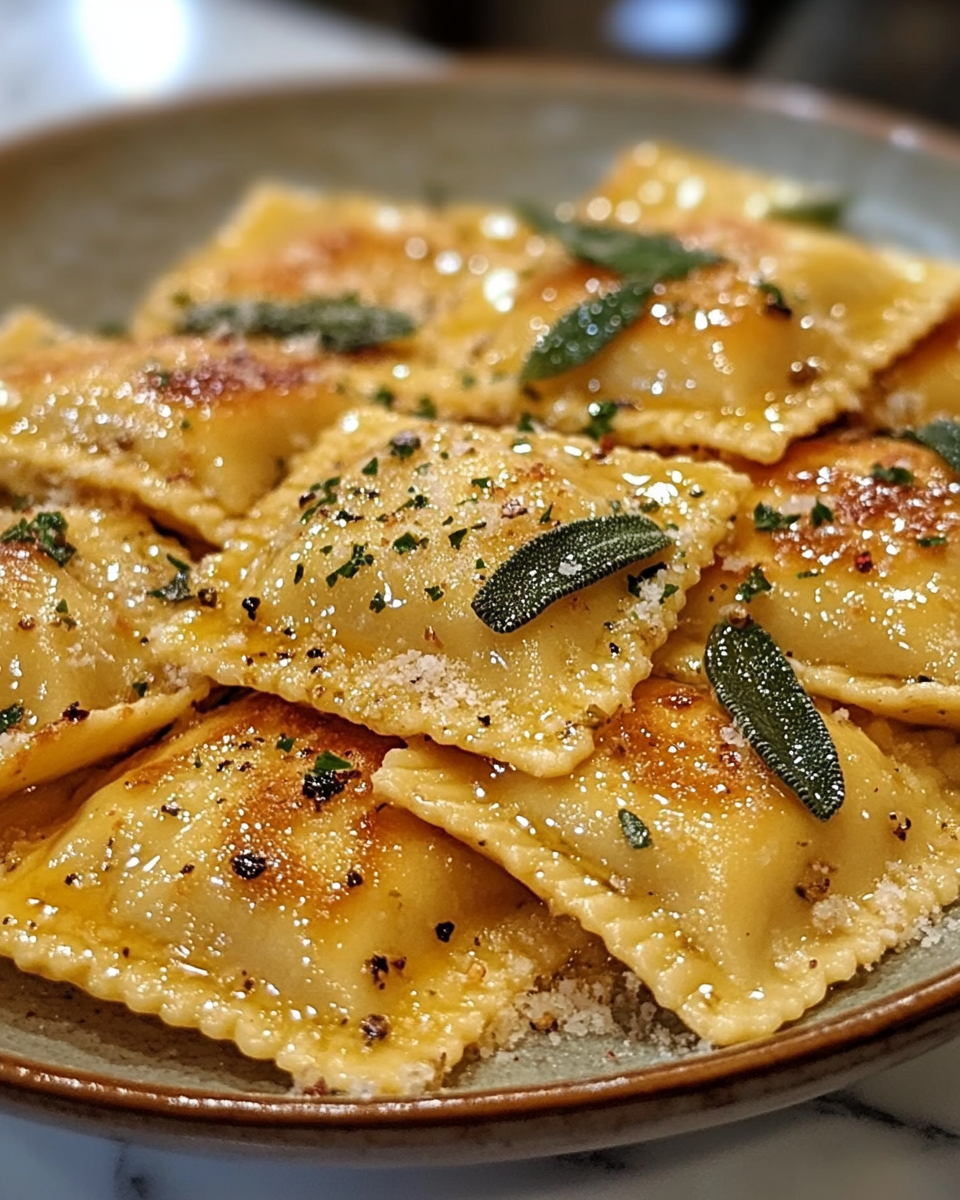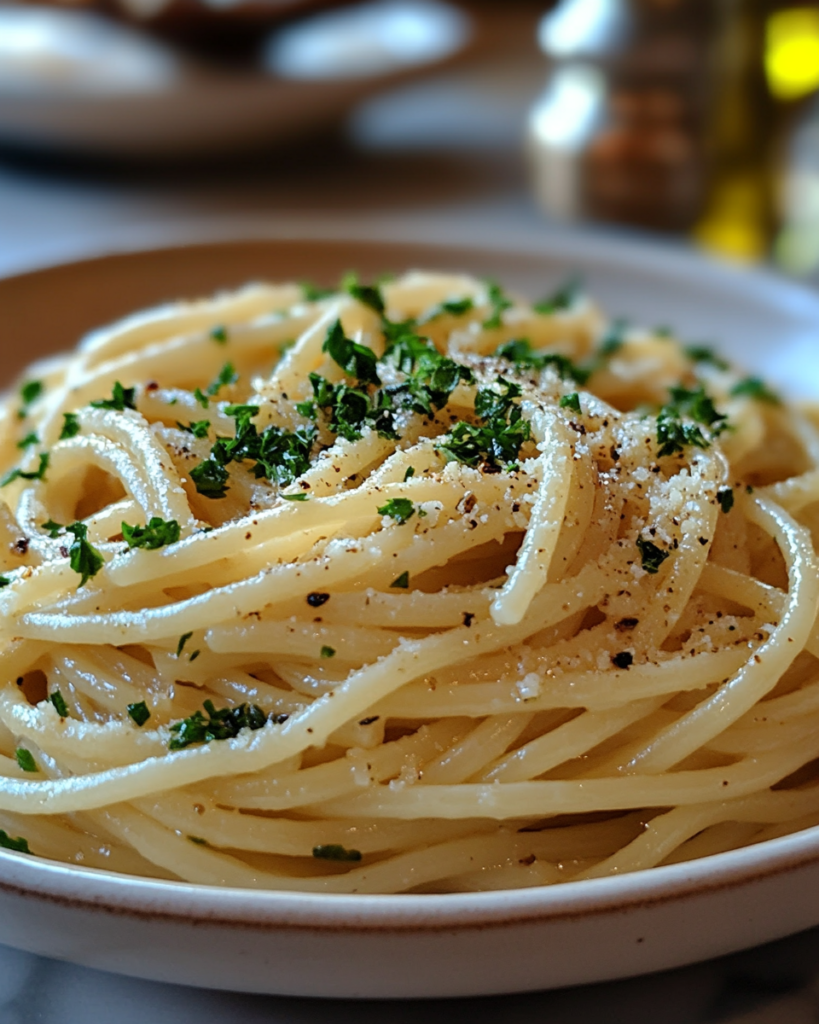
Garlic olive oil pasta is one of those dishes that proves how a few pantry staples can come together into something deeply satisfying. With its silky strands of pasta coated in fragrant olive oil and gently toasted garlic, this recipe delivers comfort in every bite. It’s a staple in many Italian kitchens, often prepared late at night or as a quick meal when time is short but flavor still matters.
What makes garlic olive oil pasta stand out is its balance. The garlic brings warmth and depth, the olive oil adds richness, and the pasta provides the perfect base to carry everything together. When cooked properly, the result is glossy, aromatic, and full of character without feeling heavy.
This dish is also incredibly flexible. It can be kept simple or dressed up with herbs, chili flakes, or a sprinkle of cheese. Whether served as a main course or a side, garlic olive oil pasta fits effortlessly into everyday cooking.
Ingredients Overview
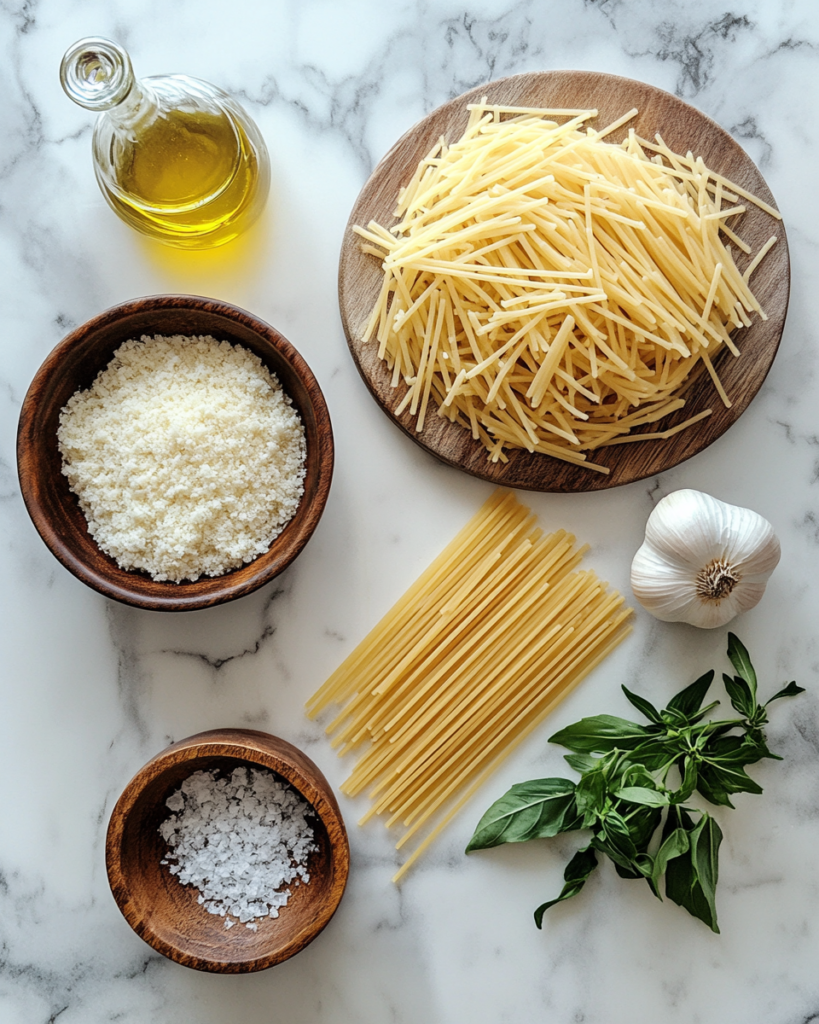
The beauty of garlic olive oil pasta lies in its minimal ingredient list, where each component plays an essential role. Since there are so few elements, quality matters more than quantity.
Pasta is the foundation of the dish. Long shapes like spaghetti or linguine work especially well because they allow the oil and garlic to coat every strand evenly. The texture should be firm yet tender, giving the dish structure and bite.
Garlic is the heart of the recipe. Fresh cloves are thinly sliced or gently minced to release their aroma without becoming overpowering. When cooked slowly in olive oil, garlic transforms from sharp and pungent to mellow and slightly sweet, creating a deeply comforting flavor.
Olive oil is just as important as the garlic. A good-quality extra virgin olive oil adds richness and a smooth mouthfeel. It carries the garlic flavor throughout the dish and gives the pasta its signature glossy finish.
Salt enhances every element, especially the pasta itself when added to the cooking water. Red pepper flakes can be included for a subtle kick, adding warmth without overwhelming the dish.
Parsley is often used as a finishing touch, bringing a fresh contrast to the richness of the oil. Parmesan cheese, while optional, adds a savory depth and slight nuttiness.
If substitutions are needed, whole wheat pasta can replace traditional pasta for a heartier texture. Garlic powder is not recommended, as it lacks the same depth as fresh garlic. Butter can be added alongside olive oil for a richer variation, though it changes the classic profile.
Ingredients
12 ounces spaghetti or linguine
1/3 cup extra virgin olive oil
6 cloves garlic, thinly sliced
1/2 teaspoon red pepper flakes (optional)
1 teaspoon salt (plus more for pasta water)
1/4 teaspoon black pepper
1/4 cup chopped fresh parsley
1/2 cup grated Parmesan cheese (optional)
Step-by-Step Instructions
Begin by bringing a large pot of water to a rolling boil. Add a generous amount of salt to the water; it should taste slightly salty, as this is the only chance to season the pasta itself. Add the spaghetti or linguine and cook according to the package instructions until al dente. This usually takes about 8 to 10 minutes.
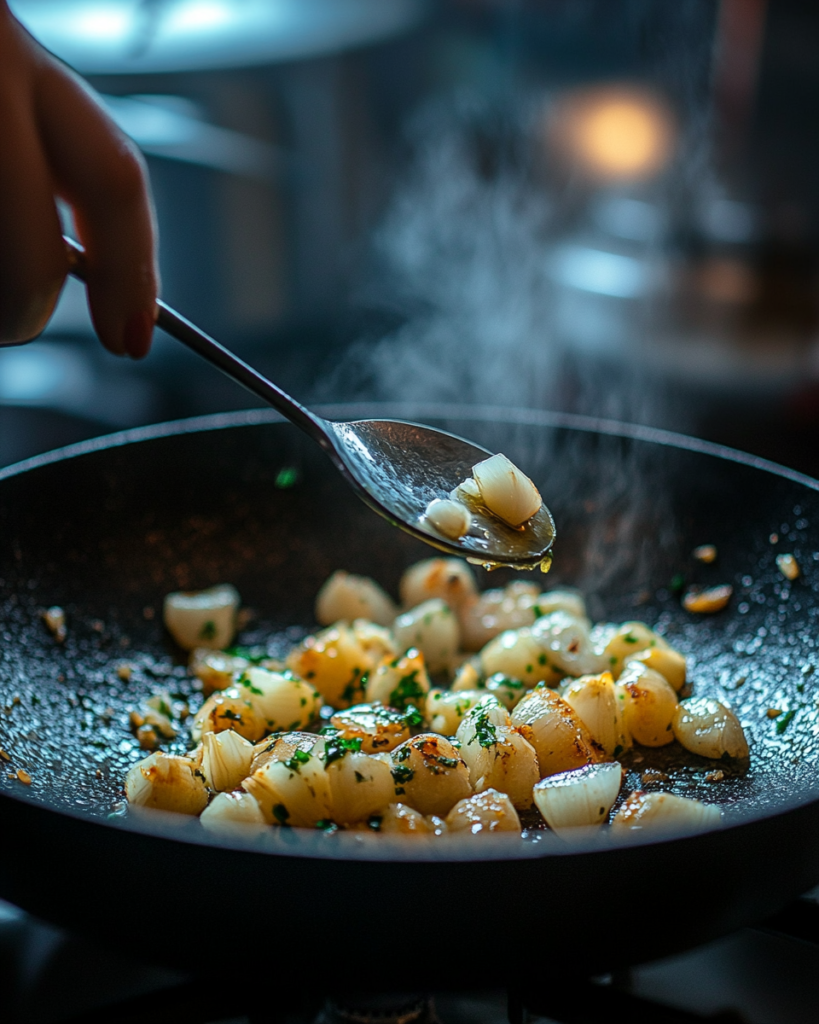
While the pasta cooks, prepare the garlic olive oil base. In a wide skillet, pour in the olive oil and place it over medium-low heat. Add the sliced garlic and allow it to cook slowly. Stir frequently to prevent burning. The garlic should turn lightly golden and release a fragrant aroma. This process takes about 2 to 3 minutes.
Be careful not to rush this step. If the heat is too high, the garlic can burn quickly, turning bitter and affecting the entire dish. The goal is a gentle, even cooking that brings out sweetness and depth.
Once the garlic reaches a pale golden color, add the red pepper flakes if using. Stir briefly to allow the heat to release their flavor into the oil.
Before draining the pasta, reserve about 1/2 cup of the pasta cooking water. This starchy liquid helps bind the sauce and gives the final dish a smooth texture.
Drain the pasta and transfer it directly into the skillet with the garlic oil. Toss the pasta gently to coat each strand. Add a small amount of the reserved pasta water and continue tossing until the sauce clings lightly to the pasta.
Season with salt and black pepper, adjusting to taste. Remove the skillet from heat and sprinkle in the chopped parsley. If using Parmesan cheese, add it now and toss again until evenly distributed.
Serve immediately while warm. The pasta should appear glossy, lightly coated, and fragrant with garlic.
Common mistakes to avoid include overheating the garlic, skipping the pasta water, or using too little salt in the cooking water. Each of these can affect the final flavor and texture.
Tips, Variations & Substitutions
For the best flavor, slice the garlic evenly so it cooks at the same rate. Uneven pieces can lead to some burning while others remain undercooked.
If a richer flavor is desired, a small amount of butter can be added to the olive oil. This creates a slightly creamier finish while still maintaining the character of the dish.
For added protein, grilled chicken, shrimp, or even chickpeas can be mixed in. These additions turn the pasta into a more filling meal without overpowering the garlic base.
Vegetables like spinach, mushrooms, or cherry tomatoes can also be included. They add color and freshness while keeping the dish balanced.
For a brighter flavor, a squeeze of fresh lemon juice just before serving can lift the richness of the oil. Lemon zest can also be added for a subtle citrus aroma.
Whole wheat or gluten-free pasta can be used as substitutes. Both options work well, though cooking times and textures may vary slightly.
If parsley is not available, fresh basil or even a small amount of oregano can provide a similar fresh note.
Serving Ideas & Occasions
Garlic olive oil pasta works well in a variety of settings. It can be served as a quick weeknight dinner when time is limited or as part of a larger meal alongside other dishes.
Pair it with a crisp green salad dressed with a light vinaigrette to balance the richness of the pasta. Crusty bread is also a natural companion, perfect for soaking up any remaining oil.
For drinks, a light white wine such as Pinot Grigio or Sauvignon Blanc complements the garlic and olive oil flavors. Sparkling water with a slice of lemon also works well for a refreshing option.
This dish is often served during casual gatherings or family dinners. Its simplicity makes it approachable, while its flavor makes it memorable.
Nutritional & Health Notes
Garlic olive oil pasta offers a balanced combination of carbohydrates and healthy fats. Olive oil is a source of monounsaturated fats, which are commonly associated with heart-friendly diets when used in moderation.
Garlic contains natural compounds that contribute to its distinct aroma and may support general wellness as part of a varied diet. Fresh herbs like parsley add small amounts of vitamins and minerals.
The dish can be adjusted to fit different dietary needs. Using whole wheat pasta increases fiber content, while reducing the amount of oil can lower overall calorie intake.
Portion size plays an important role, as the dish is rich due to the olive oil. Pairing it with vegetables or lean proteins can create a more balanced meal.
FAQs
Can I make garlic olive oil pasta ahead of time?
Garlic olive oil pasta is best enjoyed immediately after cooking, as the texture and flavor are at their peak. If made ahead, the pasta may absorb too much oil and become dry or clumpy. To refresh leftovers, reheat gently in a skillet with a splash of water or additional olive oil. This helps loosen the sauce and restore some of its original texture. Avoid microwaving for too long, as it can cause uneven heating and affect the garlic flavor.
What type of pasta works best for this recipe?
Long pasta shapes like spaghetti and linguine are ideal because they allow the garlic oil to coat each strand evenly. However, shorter shapes such as penne or fusilli can also be used if needed. The key is to choose a pasta with a surface that पकड़s the oil well. Cooking the pasta to al dente is important, as it provides the right texture and prevents the dish from becoming too soft.
How do I prevent the garlic from burning?
The key to preventing burnt garlic is controlling the heat. Always cook the garlic over medium-low heat and stir frequently. Thin slices cook more evenly than large chunks. As soon as the garlic turns a light golden color, it should be removed from direct heat or combined with other ingredients. Burnt garlic has a bitter taste that can overpower the dish, so patience during this step is essential.
Can I add protein to garlic olive oil pasta?
Yes, adding protein can turn this dish into a more complete meal. Grilled chicken, sautéed shrimp, or even canned tuna are popular choices. For plant-based options, chickpeas or white beans work well. These additions should be cooked separately and then mixed into the pasta just before serving. Keeping the seasoning simple allows the garlic and olive oil to remain the focus.
Is Parmesan cheese necessary?
Parmesan cheese is optional and depends on personal preference. It adds a savory, slightly salty flavor that complements the garlic and oil. If you prefer a lighter dish or want to keep it dairy-free, the pasta can be served without cheese. Nutritional yeast can be used as a substitute for a similar flavor in plant-based versions.
Can I make this dish spicy?
Yes, adding red pepper flakes is a simple way to introduce heat. The amount can be adjusted based on preference. Start with a small pinch and increase gradually. The heat should complement the garlic rather than overpower it. For a different kind of spice, a drizzle of chili oil can also be used as a finishing touch.
What should I do if the pasta seems dry?
If the pasta appears dry, it likely needs more moisture to bind the sauce. Adding a small amount of reserved pasta cooking water can help. The starch in the water creates a light coating that brings the dish together. Toss the pasta gently while adding the water until it reaches the desired consistency. A drizzle of extra olive oil can also help restore its silky texture.