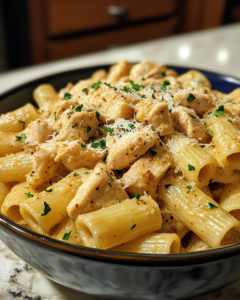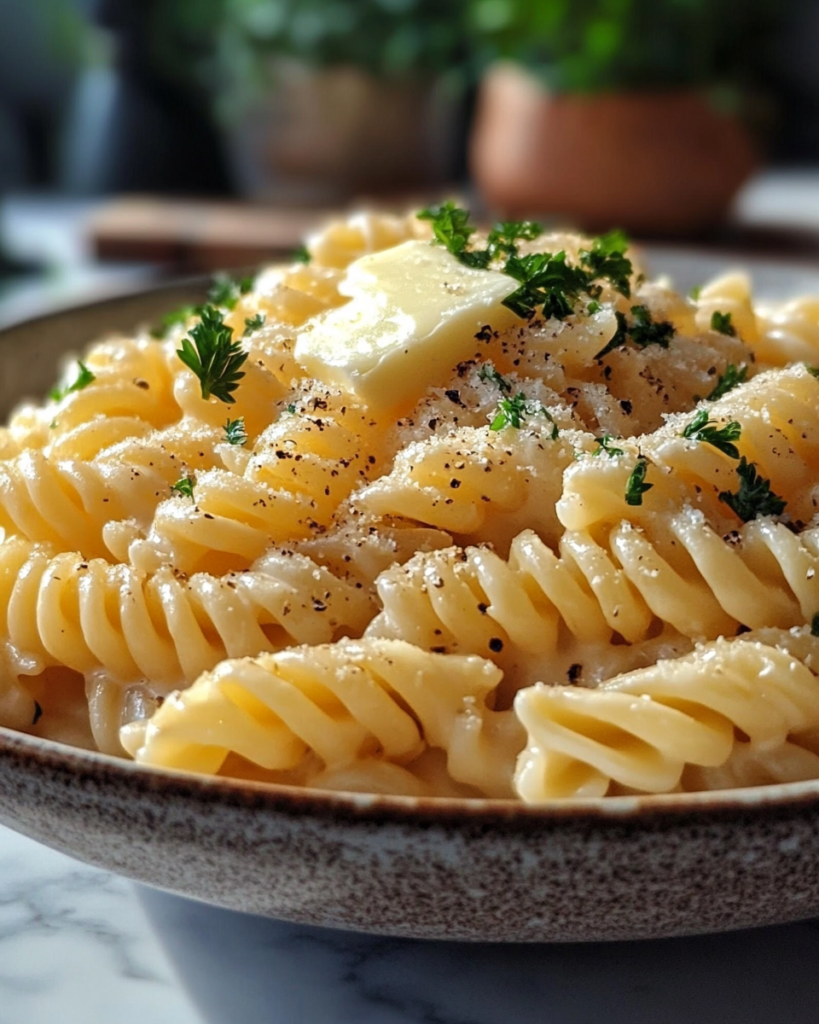
Garlic Parmesan Rotini is a rich, satisfying pasta dish that brings together tender spiral-shaped pasta, buttery garlic, and savory Parmesan cheese in every forkful. The twists and curves of rotini are especially suited for holding onto creamy sauces and flavorful seasonings, making this dish a favorite for busy weeknights as well as casual gatherings.
One of the reasons Garlic Parmesan Rotini remains so popular is its balance of simplicity and flavor. A handful of pantry staples transform into a comforting meal with a creamy texture, a savory cheese finish, and the unmistakable aroma of freshly cooked garlic.
Whether served as a main course or alongside grilled chicken, roasted vegetables, or seafood, Garlic Parmesan Rotini offers a versatile option that feels both hearty and inviting. The combination of butter, garlic, Parmesan, and pasta creates a timeless pairing that appeals to both children and adults.
Ingredients Overview
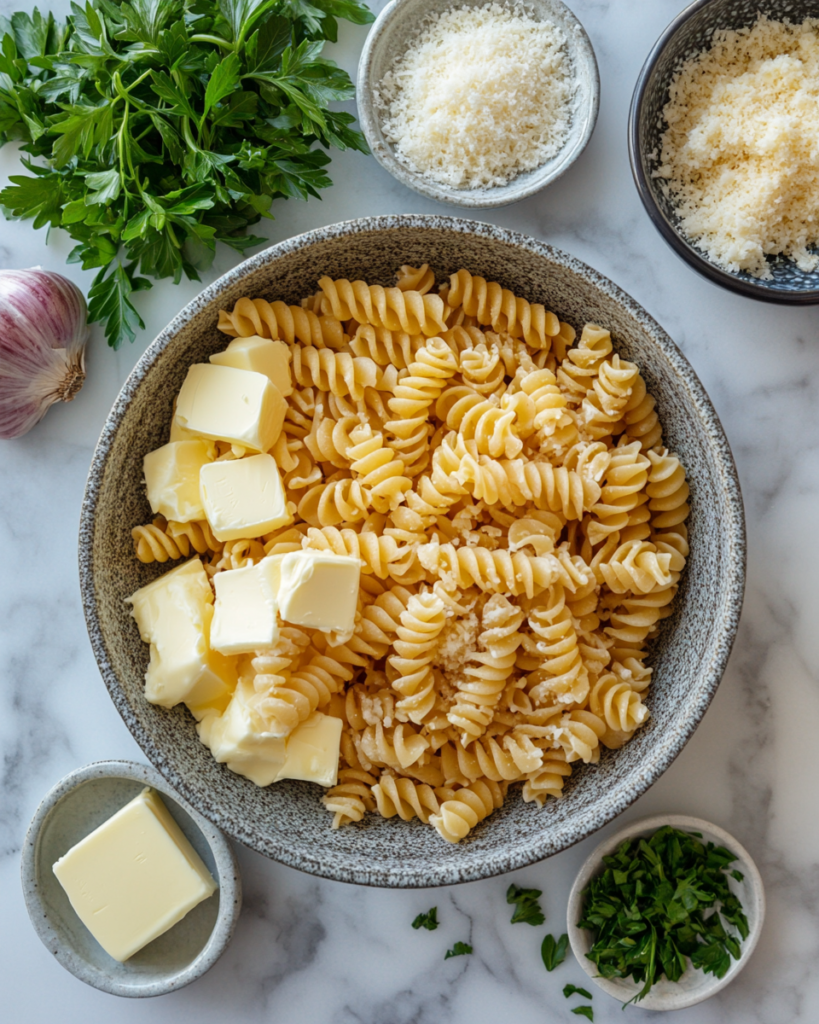
The success of Garlic Parmesan Rotini starts with a few carefully chosen ingredients. Rotini pasta serves as the foundation of the dish. Its spiral shape catches bits of garlic, cheese, and sauce, creating flavorful bites throughout the bowl.
Garlic is the signature ingredient. Fresh garlic provides a rich aroma and deep savory character that dried garlic powder cannot fully match. Finely minced cloves cook quickly in butter, releasing their fragrance without becoming bitter.
Parmesan cheese contributes a salty, nutty richness. Freshly grated Parmesan melts more smoothly than pre-shredded varieties and helps create a creamy texture when combined with warm pasta and cooking liquid.
Butter brings richness and carries the garlic flavor throughout the dish. A small amount of olive oil can be added to help prevent the butter from browning too quickly.
Heavy cream creates a smooth, silky sauce. While some versions rely solely on butter and cheese, cream adds body and helps the Parmesan blend evenly into the mixture.
Chicken broth contributes extra depth without overpowering the garlic and cheese. It also helps thin the sauce to the ideal consistency.
Parsley adds freshness and color. Freshly ground black pepper balances the richness, while salt sharpens the overall flavor profile.
Substitutions are straightforward. Half-and-half may replace heavy cream for a lighter sauce. Pecorino Romano can substitute for Parmesan when a sharper cheese flavor is desired. Gluten-free rotini works well for those avoiding traditional wheat pasta, and vegetable broth can replace chicken broth for a vegetarian variation.
Ingredients
12 ounces rotini pasta
2 tablespoons olive oil
4 tablespoons unsalted butter
6 cloves garlic, finely minced
1 cup heavy cream
1/2 cup chicken broth
1 1/2 cups freshly grated Parmesan cheese
1 teaspoon salt
1/2 teaspoon black pepper
2 tablespoons chopped fresh parsley
1/4 teaspoon red pepper flakes (optional)
Extra Parmesan cheese for serving
Step-by-Step Instructions
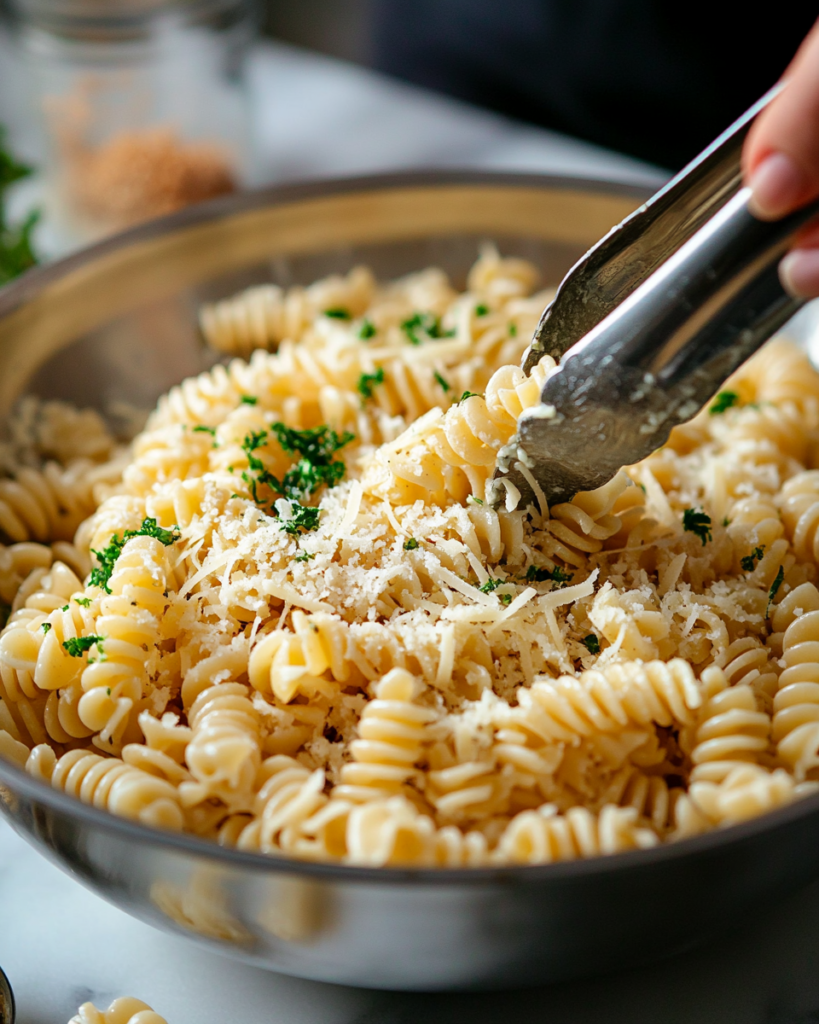
Begin by bringing a large pot of generously salted water to a rolling boil. Add the rotini and cook according to the package directions until al dente, usually about 8 to 10 minutes. The pasta should remain slightly firm in the center because it will continue cooking briefly in the sauce.
Before draining, reserve about one cup of the pasta cooking water. This starchy liquid can help adjust the consistency of the finished sauce. Drain the pasta and set it aside.
Place a large skillet over medium heat. Add the olive oil and butter. Once the butter has melted completely, stir in the minced garlic. Cook for about 30 to 60 seconds, stirring frequently. Watch carefully because garlic can turn bitter if browned too much.
Pour in the chicken broth and stir gently to loosen any flavorful bits from the bottom of the pan. Add the heavy cream and bring the mixture to a gentle simmer. Avoid high heat, which can cause dairy to separate.
Allow the sauce to simmer for approximately 3 to 4 minutes, stirring occasionally. The liquid should begin to thicken slightly. Add the salt, black pepper, and optional red pepper flakes.
Reduce the heat to low. Gradually add the Parmesan cheese while stirring continuously. Adding the cheese slowly helps it melt smoothly into the sauce rather than forming clumps.
Once the cheese has melted, add the cooked rotini directly into the skillet. Toss thoroughly until every piece of pasta is coated with the creamy garlic Parmesan sauce. If the mixture appears too thick, add a few tablespoons of reserved pasta water at a time until the desired texture is reached.
Continue stirring for 1 to 2 minutes so the flavors blend together. The sauce should cling to the pasta rather than pool at the bottom of the skillet.
Remove the pan from the heat and stir in the chopped parsley. Taste and adjust seasoning if necessary.
Serve immediately with additional Parmesan cheese sprinkled over the top.
A common mistake is overheating the sauce after the cheese has been added. Excessive heat can create a grainy texture. Another frequent issue is under-seasoning the pasta water. Properly salted water seasons the pasta itself and improves the finished dish significantly.
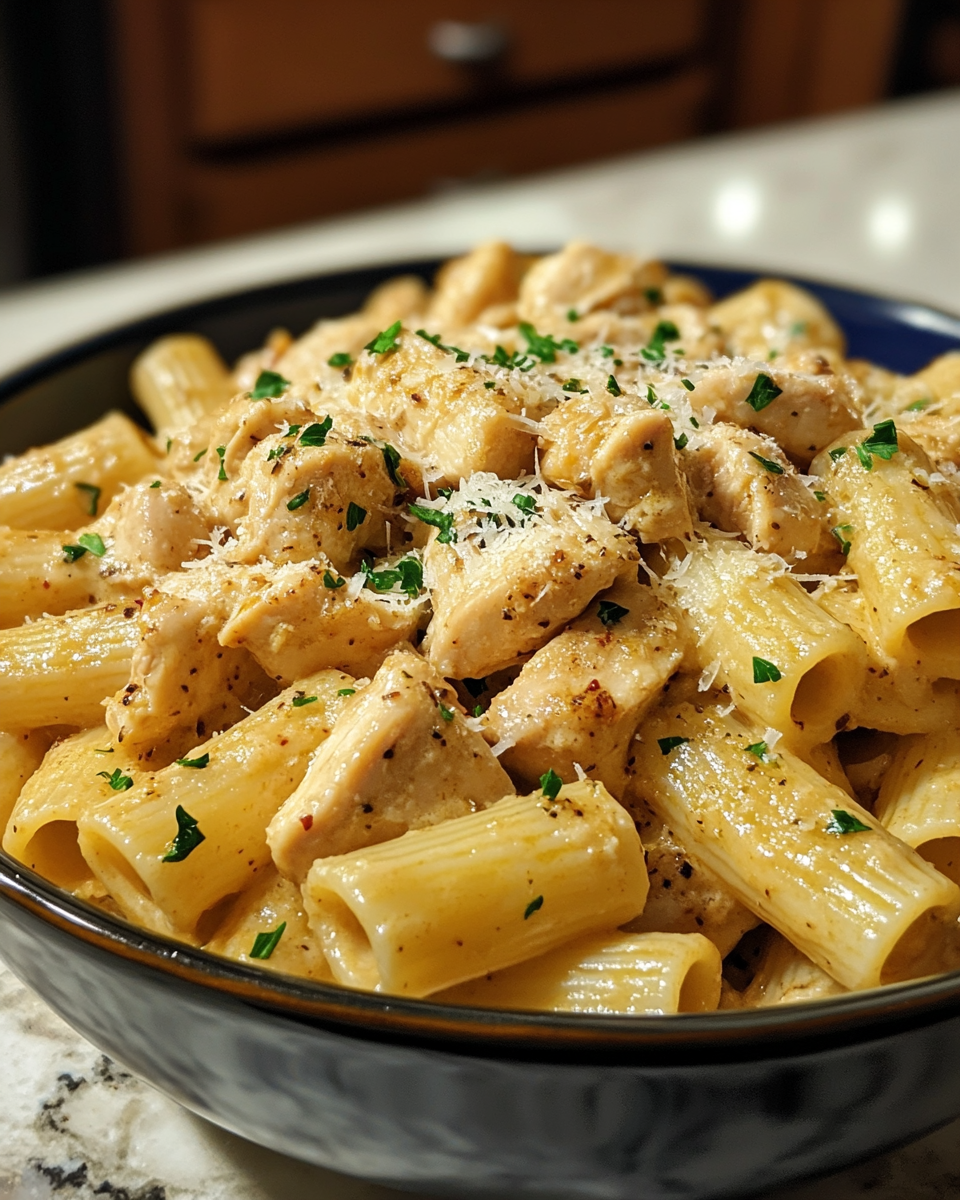
The finished Garlic Parmesan Rotini should appear glossy, creamy, and evenly coated, with visible flecks of parsley and aromatic garlic throughout.
Tips, Variations & Substitutions
Freshly grated Parmesan is one of the simplest ways to improve this recipe. Packaged grated cheese often contains anti-caking ingredients that can affect how smoothly it melts into sauces.
For additional protein, add sliced grilled chicken, sautéed shrimp, or cooked Italian sausage. These additions transform Garlic Parmesan Rotini into a complete meal while maintaining the rich flavor profile.
Vegetables also pair beautifully with the sauce. Broccoli florets, spinach, peas, mushrooms, and roasted asparagus can be stirred into the pasta shortly before serving.
For a lighter version, replace the heavy cream with half-and-half or evaporated milk. The sauce will be slightly less rich but still flavorful.
Those who enjoy a stronger cheese flavor can replace part of the Parmesan with Pecorino Romano. A small amount goes a long way due to its sharper taste.
If preparing the dish ahead of time, keep extra pasta water available when reheating. The sauce naturally thickens as it cools, and a splash of liquid helps restore its creamy consistency.
Fresh herbs such as basil, chives, or thyme can bring additional layers of flavor without overwhelming the garlic and cheese combination.
Serving Ideas & Occasions
Garlic Parmesan Rotini fits into many dining situations. It works beautifully as a quick family dinner, a comforting weekend meal, or a side dish for larger gatherings.
For a complete dinner, serve it alongside grilled chicken breasts, roasted salmon, or garlic-seasoned shrimp. A crisp green salad with a light vinaigrette provides a refreshing contrast to the rich sauce.
Warm bread, breadsticks, or garlic toast pair naturally with the creamy pasta and help soak up every bit of sauce left on the plate.
Roasted vegetables such as Brussels sprouts, carrots, zucchini, or broccoli add color and balance. Their slightly caramelized flavors complement the savory Parmesan notes.
For beverages, sparkling water with lemon, iced tea, or a crisp white wine can accompany the dish nicely.
Garlic Parmesan Rotini is especially popular during cooler months when hearty comfort foods are often welcomed, but its versatility makes it suitable throughout the year.
Nutritional & Health Notes
Garlic Parmesan Rotini provides a combination of carbohydrates, protein, and fat, creating a filling meal that can satisfy hunger for several hours.
Rotini pasta supplies carbohydrates that serve as the primary energy source in the dish. Parmesan cheese contributes protein and calcium, while dairy ingredients provide additional richness and nutrients.
Garlic contains naturally occurring compounds that contribute flavor while allowing the recipe to rely less heavily on excessive seasoning. Fresh parsley adds small amounts of vitamins and a bright finish.
Portion size plays an important role when serving richer pasta dishes. Pairing Garlic Parmesan Rotini with vegetables or lean proteins can create a more balanced plate.
Using whole-wheat pasta can increase fiber content, while reduced-fat dairy products may lower overall fat levels. Small adjustments like these allow the dish to fit a variety of dietary preferences without dramatically changing its character.
As with many pasta recipes, the nutritional profile depends on serving size and ingredient choices, making it easy to tailor the meal to individual needs.
FAQs
Can I prepare Garlic Parmesan Rotini in advance?
Yes, Garlic Parmesan Rotini can be prepared ahead of time. The pasta and sauce may be cooked separately and combined when ready to serve. This approach helps preserve the creamy texture and prevents the pasta from absorbing too much liquid during storage.
Store the components in airtight containers in the refrigerator for up to three days. When reheating, warm the sauce gently over low heat and add a splash of broth, milk, or reserved pasta water to loosen it. Stir frequently until smooth. Once heated, toss with the pasta and serve immediately. This method helps maintain a texture that remains close to freshly prepared Garlic Parmesan Rotini.
What is the best Parmesan cheese to use?
Freshly grated Parmesan cheese is generally the preferred option for Garlic Parmesan Rotini. A wedge of authentic Parmesan grated just before cooking melts smoothly and provides a rich, nutty flavor.
Pre-packaged grated varieties are convenient, but they sometimes contain ingredients that affect melting and texture. If purchasing a wedge is possible, the difference in flavor and consistency is noticeable.
Pecorino Romano can be blended with Parmesan for a sharper taste, though it tends to be saltier. Regardless of the variety chosen, adding the cheese gradually while stirring helps create a smooth sauce and prevents clumping.
Can I freeze Garlic Parmesan Rotini?
Freezing is possible, although cream-based sauces may change texture after thawing. The sauce can sometimes separate slightly, resulting in a less smooth consistency.
For the most satisfying results, freeze portions in airtight containers and use them within two months. Thaw overnight in the refrigerator before reheating.
Warm the pasta slowly over low heat while stirring. Adding a small amount of milk, cream, or broth can help restore some of the original texture. While freshly prepared Garlic Parmesan Rotini offers the finest consistency, frozen leftovers can still provide a convenient meal option for busy schedules.
How do I prevent the sauce from becoming grainy?
A grainy sauce usually results from excessive heat or adding cheese too quickly. Parmesan cheese should be incorporated gradually while the sauce is warm but not boiling.
Reducing the heat before adding the cheese is an important step. Stir continuously so the cheese melts evenly throughout the cream mixture.
Using freshly grated cheese also contributes to a smoother result. If the sauce begins to thicken too much, a small amount of reserved pasta water can help maintain a creamy texture. Careful temperature control is often the key to achieving a silky Garlic Parmesan Rotini sauce.
Can I add protein to this dish?
Absolutely. Garlic Parmesan Rotini pairs well with numerous protein options. Grilled chicken is one of the most popular additions because its mild flavor complements the garlic and Parmesan without competing for attention.
Shrimp is another excellent choice and cooks quickly, making it convenient for weeknight meals. Cooked Italian sausage introduces a richer, heartier flavor profile, while diced turkey can provide a leaner alternative.
When adding protein, cook it separately and stir it into the finished pasta shortly before serving. This keeps the texture appealing and allows each ingredient to maintain its own character.
Which vegetables work best in Garlic Parmesan Rotini?
Many vegetables pair naturally with the creamy sauce. Broccoli, spinach, peas, mushrooms, asparagus, and zucchini are among the most common choices.
Broccoli adds texture and a pleasant contrast to the richness of the cheese sauce. Spinach wilts quickly and blends smoothly into the pasta. Mushrooms contribute savory depth, while peas offer a subtle sweetness.
Roasted vegetables provide additional flavor because caramelization creates richer notes that complement the garlic and Parmesan. Adding vegetables is also an easy way to create a more substantial meal while introducing extra color and variety to the plate.
How long will leftovers stay fresh?
Properly stored leftovers generally remain fresh for three to four days in the refrigerator. Place the cooled pasta in an airtight container as soon as practical after serving.
When reheating, use gentle heat and stir frequently. Cream sauces often thicken during storage, so adding a small amount of milk, broth, or water helps restore a smoother consistency.
Avoid repeated reheating cycles, as they can affect both flavor and texture. If stored correctly and reheated carefully, leftover Garlic Parmesan Rotini can remain flavorful and satisfying while retaining much of its original creamy character.