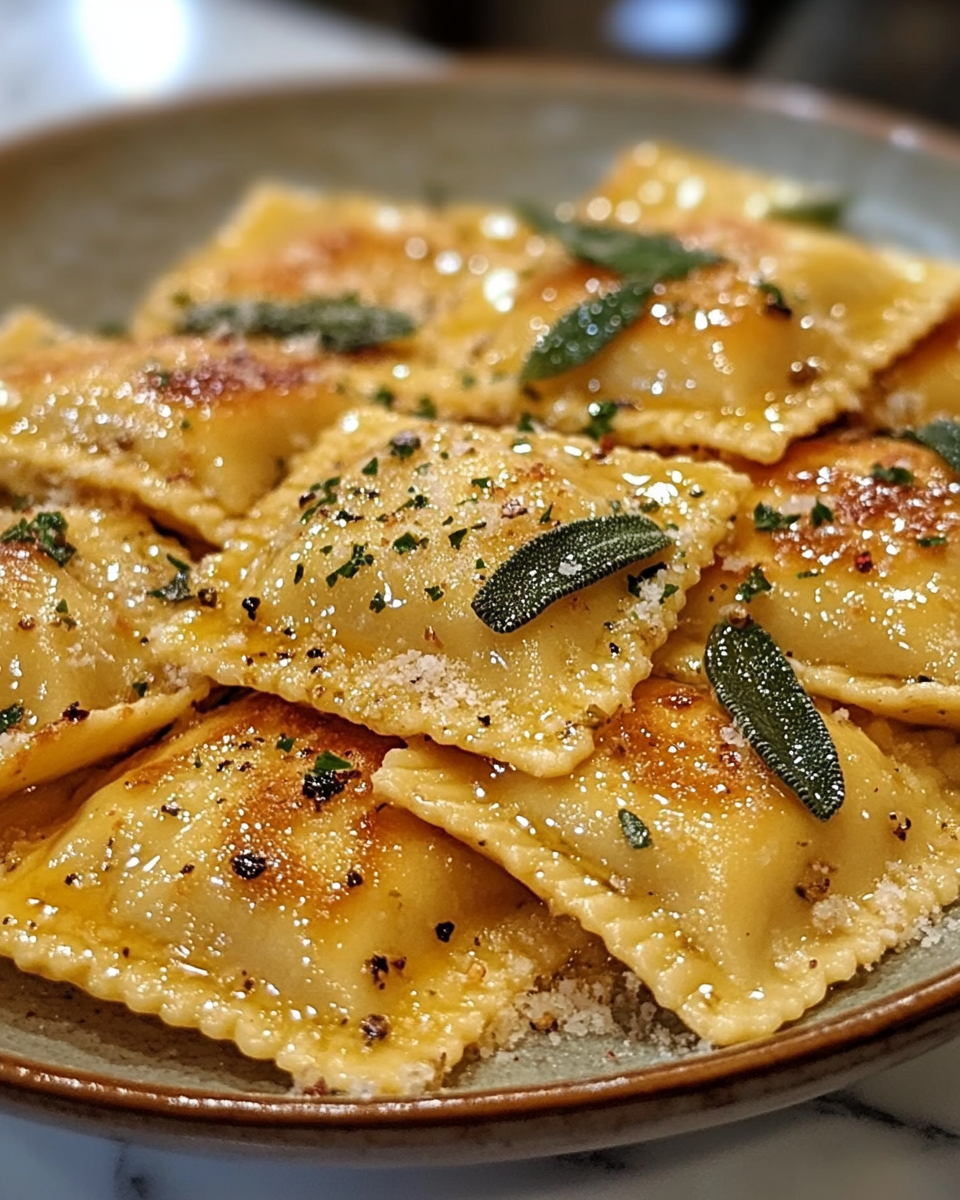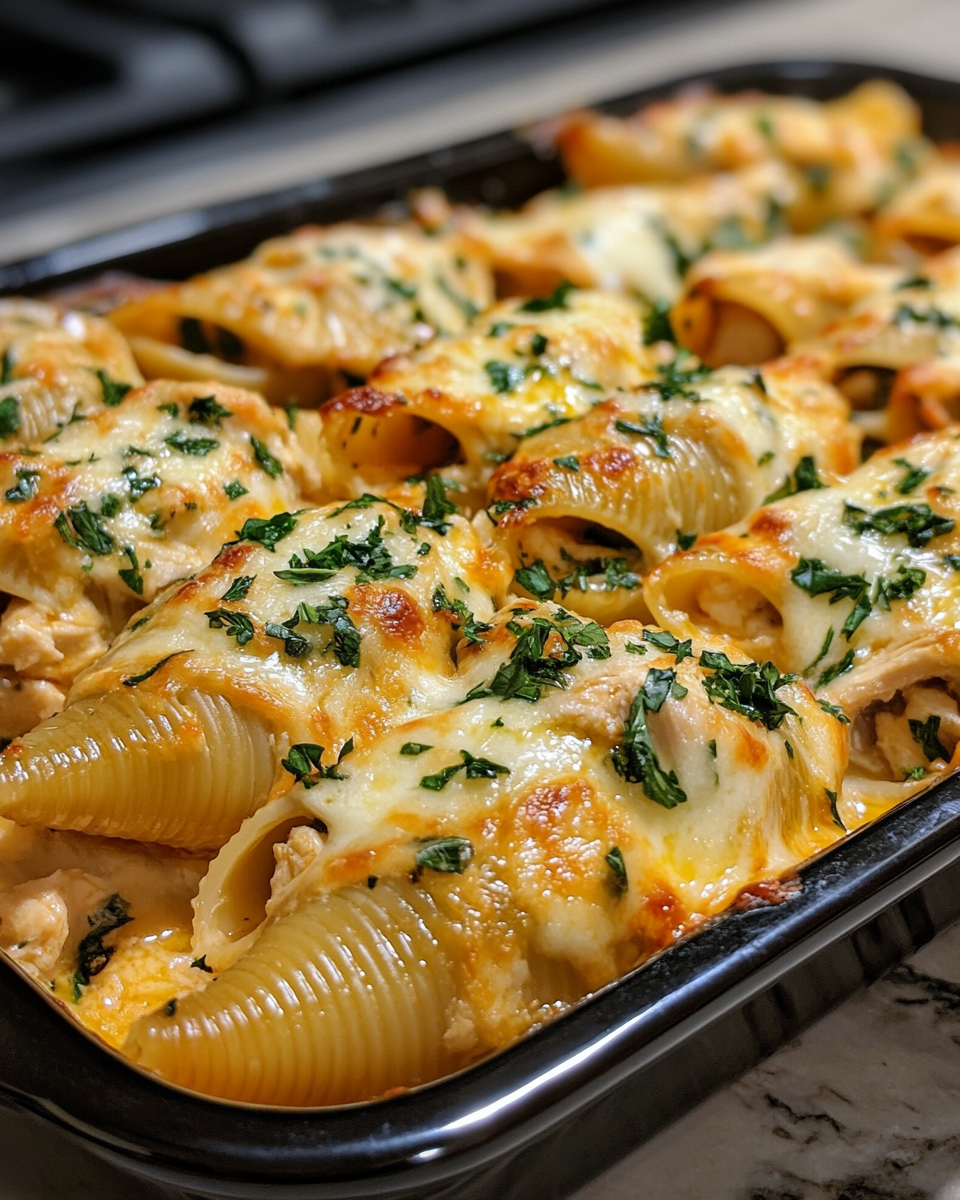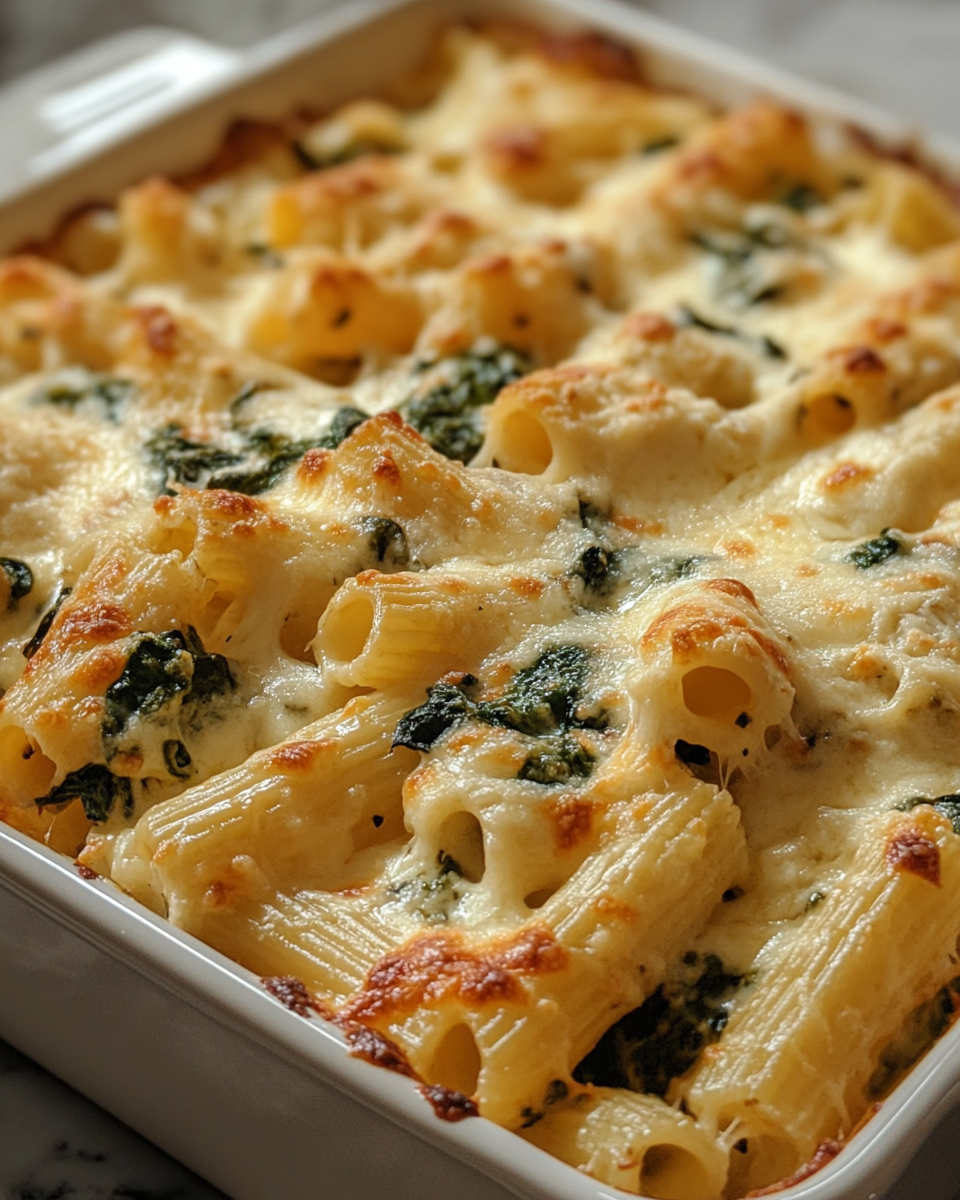
Garlic Tomato Basil Pasta 5 Simple Surprising Pasta

Posted on

Uncategorized

Difficulty

Prep time

Cooking time

Total time

Servings

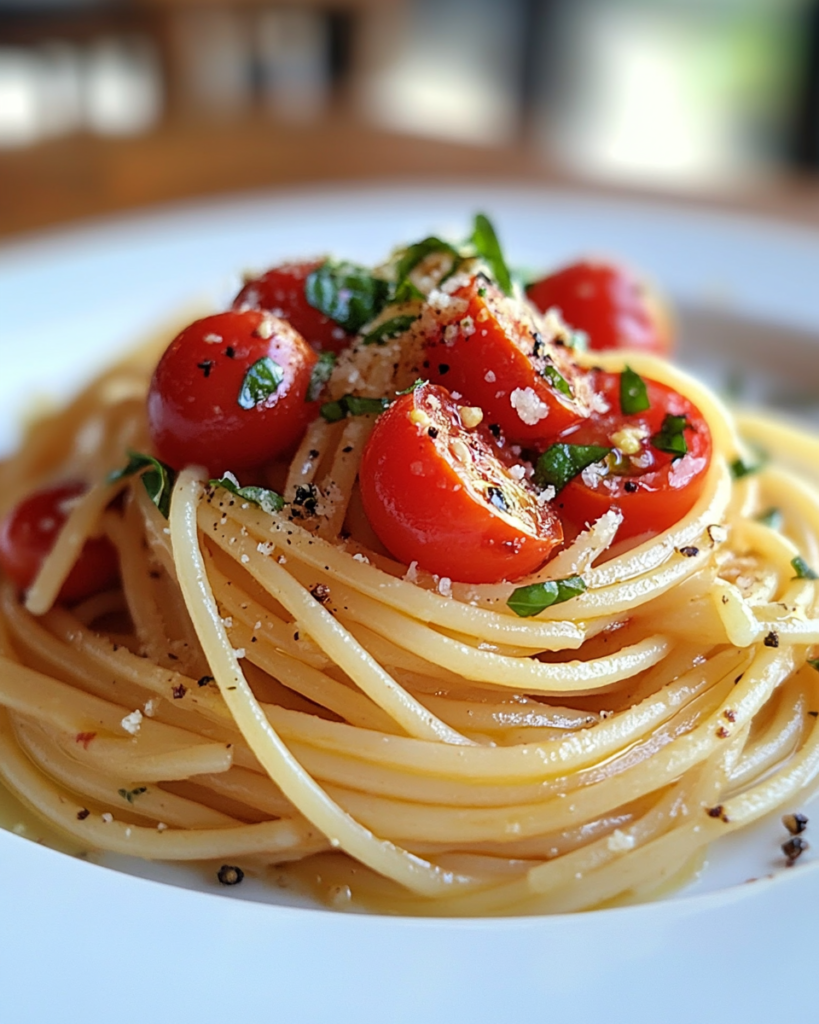
This garlic tomato basil pasta brings together warm garlic, ripe tomatoes, and fresh basil in a comforting pasta dish that feels both rustic and inviting. The garlic tomato basil pasta comes together with everyday pantry ingredients, creating a rich aroma that fills the kitchen as it cooks.

Each bite blends soft pasta coated in a light tomato sauce, lifted by fragrant basil and gently sautéed garlic. The garlic tomato basil pasta works well for a quick dinner or a relaxed evening meal when something satisfying is desired without complicated steps.

The sauce is light yet full of flavor, clinging to every strand or piece of pasta. Fresh basil added at the end brings a bright finish that balances the tomato base and savory garlic notes.


Ingredients Overview
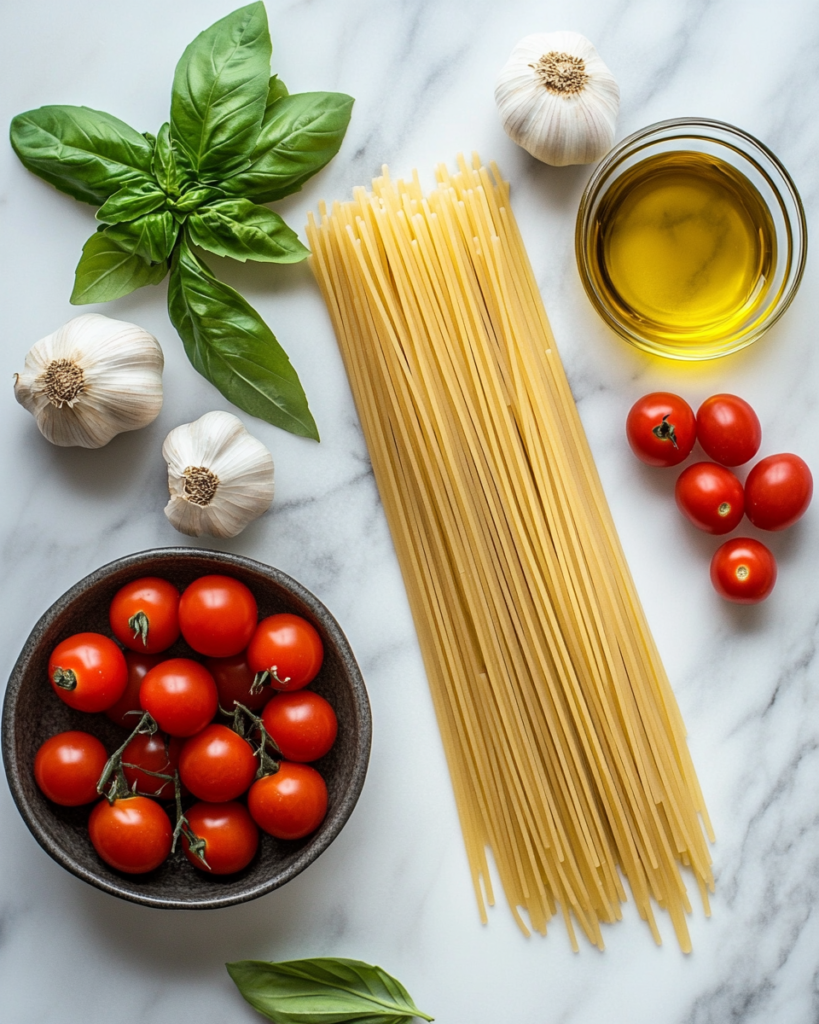
Garlic tomato basil pasta relies on a small group of fresh, simple ingredients that work together to build layers of flavor. Garlic forms the base aroma, releasing its natural savory character when gently cooked in olive oil. Tomatoes provide body and natural sweetness, especially when simmered down into a soft sauce.

Fresh basil plays a key role in finishing the dish, offering a fragrant lift that keeps the pasta from feeling too heavy. Pasta acts as the foundation, absorbing the sauce and carrying all the flavors in each bite. Olive oil helps carry the garlic flavor and brings smoothness to the sauce texture.

A small amount of salt and black pepper rounds everything out, balancing acidity from the tomatoes. Optional additions like red pepper flakes can introduce gentle heat, while a sprinkle of grated cheese adds richness.

If fresh tomatoes are not available, canned whole tomatoes or crushed tomatoes work well. Basil can be replaced with a smaller amount of dried basil, though fresh leaves give a brighter finish. Any pasta shape works, though spaghetti, linguine, or penne hold the sauce especially well.


Ingredients

12 ounces spaghetti or linguine
3 tablespoons olive oil
5 cloves garlic, thinly sliced
1 can (14 ounces) crushed tomatoes
1/2 teaspoon salt
1/4 teaspoon black pepper
1/2 teaspoon red pepper flakes (optional)
1/4 cup pasta cooking water
1 cup fresh basil leaves, torn
1/4 cup grated Parmesan cheese (optional)


Step-by-Step Instructions
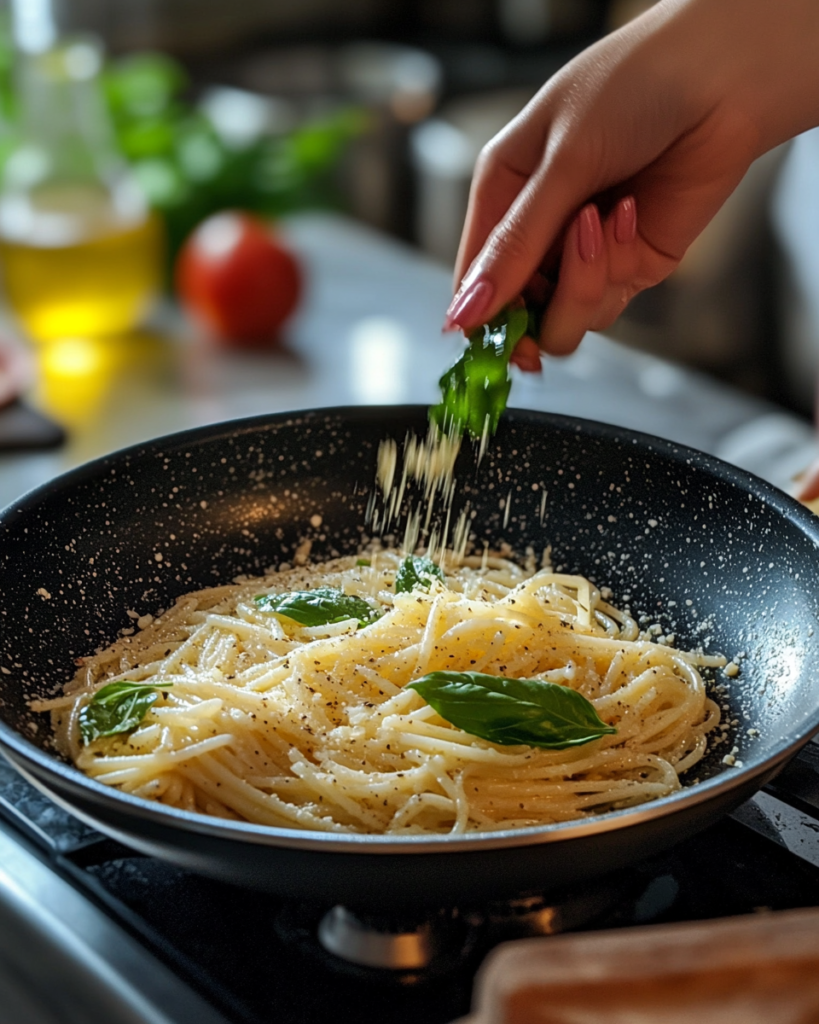
Begin by bringing a large pot of salted water to a boil. Add the pasta and cook according to package directions until tender but still slightly firm in the center. Reserve about 1/4 cup of the pasta water before draining.

While the pasta cooks, place a large skillet over medium heat and add olive oil. Once the oil is warm, add sliced garlic and cook gently for 1 to 2 minutes. Stir frequently to prevent browning, as garlic can turn bitter if it cooks too quickly.

Pour in the crushed tomatoes and stir well to combine with the garlic and oil. Add salt, black pepper, and red pepper flakes if using. Lower the heat slightly and let the sauce simmer for about 10 to 12 minutes. The sauce should thicken slightly and develop a deeper flavor as it cooks.

Add a small amount of reserved pasta water to loosen the sauce if it becomes too thick. This helps the sauce coat the pasta evenly.

Add the drained pasta directly into the skillet with the sauce. Toss gently until every strand or piece is coated. Let it cook together for 1 to 2 minutes so the pasta absorbs some of the sauce.

Turn off the heat and add torn basil leaves. Stir gently so the basil softens slightly without losing its fresh aroma. Taste and adjust seasoning if needed.

Serve immediately with grated Parmesan cheese if desired. The pasta should look glossy, with sauce clinging lightly to each piece and basil scattered throughout.

Avoid cooking garlic on high heat, as it can burn quickly and change the flavor. Also avoid overcooking the pasta, as it may become too soft when mixed with the sauce.


Tips, Variations & Substitutions

For a deeper flavor, slow cook the tomato sauce a bit longer over low heat. This allows the tomatoes to break down more fully and blend with the garlic. If a smoother sauce is preferred, crush the tomatoes further while cooking.

Whole wheat pasta can be used for a heartier texture and slightly nutty flavor. Gluten-free pasta also works well, though cooking time may vary depending on the type.

For added protein, cooked chicken pieces or sautéed shrimp can be mixed in at the end. White beans also work well for a plant-based option, adding creaminess and substance.

If fresh basil is not available, a small amount of dried basil can be added during the simmering stage. A drizzle of olive oil just before serving adds extra richness.

A pinch of sugar can be added to balance acidity if the tomatoes taste too sharp. This should be used lightly so it does not overpower the natural tomato flavor.


Serving Ideas & Occasions

Garlic tomato basil pasta pairs well with simple sides like a green salad, roasted vegetables, or warm bread. A light drizzle of olive oil over the finished dish can add a smooth finish.

This pasta works well for weeknight dinners, casual gatherings, or relaxed meals shared with family. It also fits nicely as a base for larger spreads where multiple dishes are served.

For drinks, sparkling water with lemon or a mild herbal iced tea complements the flavors without overpowering them. The dish holds well for short periods, making it suitable for shared meals where timing varies.


Nutritional & Health Notes

Garlic tomato basil pasta offers a balance of carbohydrates from the pasta, healthy fats from olive oil, and vitamins from tomatoes and basil. Tomatoes provide natural compounds that support general wellness, while basil adds small amounts of micronutrients.

Portion size can be adjusted depending on dietary needs. Whole grain pasta increases fiber content, while reducing cheese keeps the dish lighter.

This meal can fit into a balanced eating pattern when paired with vegetables or lean proteins. The olive oil provides a source of unsaturated fat, contributing to satiety and flavor.


FAQs

Can I use fresh tomatoes instead of canned?

Fresh tomatoes can be used in place of canned crushed tomatoes. Roma or plum tomatoes work especially well due to their lower moisture content. They should be chopped and cooked longer to break down into a sauce-like texture. Cooking time may increase slightly to allow the tomatoes to soften and release their juices. The final flavor may be lighter and more delicate compared to canned tomatoes, but still rich when simmered properly with garlic and olive oil.

What type of pasta works best?

Spaghetti and linguine are popular choices because they hold the sauce evenly and create a smooth eating experience. Penne also works well since its shape captures bits of tomato and garlic. Whole wheat pasta can be used for a firmer texture and deeper flavor. Gluten-free pasta is also suitable, though cooking times vary. The key is to cook the pasta until it is tender yet slightly firm so it blends well with the sauce without becoming soft.

How can I make the sauce thicker?

To create a thicker sauce, allow it to simmer longer over low heat so excess liquid reduces naturally. Stir occasionally to prevent sticking. Another method is to add less pasta water when combining the sauce and pasta. Crushing the tomatoes more finely also helps create a denser consistency. If a slightly richer texture is desired, a small spoon of tomato paste can be added during cooking to intensify the base.

Can I add protein to this dish?

Yes, this pasta pairs well with several protein options. Grilled chicken, sautéed shrimp, or even ground turkey can be mixed into the sauce before combining with pasta. For plant-based choices, white beans or chickpeas blend nicely with the tomato base. These additions should be cooked separately before being added to avoid changing the texture of the sauce. Protein additions make the dish more filling while keeping the same flavor profile intact.

Is dried basil a good substitute for fresh basil?

Dried basil can be used when fresh basil is not available, though the flavor will be less bright. It should be added during the simmering stage so it has time to release its aroma into the sauce. Fresh basil is typically added at the end to preserve its fragrance, while dried basil blends into the sauce more fully. Using both is not necessary, but fresh basil gives a stronger herbal finish.

How do I prevent garlic from burning?

Garlic should be cooked over medium or low heat and stirred frequently. Once it begins to turn golden, it should be watched closely, as it can burn quickly. Burnt garlic creates a bitter flavor that affects the entire dish. Adding it to warm oil rather than very hot oil helps control the cooking speed. Keeping the heat steady and gentle is the best way to maintain its sweet, savory character.

Can this pasta be stored and reheated?

Yes, leftover pasta can be stored in an airtight container in the refrigerator for up to three days. When reheating, adding a small splash of water or olive oil helps loosen the sauce. It can be warmed on the stove over low heat or in the microwave. Stirring during reheating helps distribute the sauce evenly. Fresh basil added after reheating can help restore some of the original aroma.

[rank_math_breadcrumb]

Garlic Tomato Basil Pasta 5 Simple Surprising Pasta

Photo of author
Author: Carol
Published:

This garlic tomato basil pasta brings together warm garlic, ripe tomatoes, and fresh basil in a comforting pasta dish that feels both rustic and inviting. The garlic tomato basil pasta comes together with everyday pantry ingredients, creating a rich aroma that fills the kitchen as it cooks.

Each bite blends soft pasta coated in a light tomato sauce, lifted by fragrant basil and gently sautéed garlic. The garlic tomato basil pasta works well for a quick dinner or a relaxed evening meal when something satisfying is desired without complicated steps.

The sauce is light yet full of flavor, clinging to every strand or piece of pasta. Fresh basil added at the end brings a bright finish that balances the tomato base and savory garlic notes.


Ingredients Overview

Garlic tomato basil pasta relies on a small group of fresh, simple ingredients that work together to build layers of flavor. Garlic forms the base aroma, releasing its natural savory character when gently cooked in olive oil. Tomatoes provide body and natural sweetness, especially when simmered down into a soft sauce.

Fresh basil plays a key role in finishing the dish, offering a fragrant lift that keeps the pasta from feeling too heavy. Pasta acts as the foundation, absorbing the sauce and carrying all the flavors in each bite. Olive oil helps carry the garlic flavor and brings smoothness to the sauce texture.

A small amount of salt and black pepper rounds everything out, balancing acidity from the tomatoes. Optional additions like red pepper flakes can introduce gentle heat, while a sprinkle of grated cheese adds richness.

If fresh tomatoes are not available, canned whole tomatoes or crushed tomatoes work well. Basil can be replaced with a smaller amount of dried basil, though fresh leaves give a brighter finish. Any pasta shape works, though spaghetti, linguine, or penne hold the sauce especially well.


Ingredients

12 ounces spaghetti or linguine
3 tablespoons olive oil
5 cloves garlic, thinly sliced
1 can (14 ounces) crushed tomatoes
1/2 teaspoon salt
1/4 teaspoon black pepper
1/2 teaspoon red pepper flakes (optional)
1/4 cup pasta cooking water
1 cup fresh basil leaves, torn
1/4 cup grated Parmesan cheese (optional)


Step-by-Step Instructions

Begin by bringing a large pot of salted water to a boil. Add the pasta and cook according to package directions until tender but still slightly firm in the center. Reserve about 1/4 cup of the pasta water before draining.

While the pasta cooks, place a large skillet over medium heat and add olive oil. Once the oil is warm, add sliced garlic and cook gently for 1 to 2 minutes. Stir frequently to prevent browning, as garlic can turn bitter if it cooks too quickly.

Pour in the crushed tomatoes and stir well to combine with the garlic and oil. Add salt, black pepper, and red pepper flakes if using. Lower the heat slightly and let the sauce simmer for about 10 to 12 minutes. The sauce should thicken slightly and develop a deeper flavor as it cooks.

Add a small amount of reserved pasta water to loosen the sauce if it becomes too thick. This helps the sauce coat the pasta evenly.

Add the drained pasta directly into the skillet with the sauce. Toss gently until every strand or piece is coated. Let it cook together for 1 to 2 minutes so the pasta absorbs some of the sauce.

Turn off the heat and add torn basil leaves. Stir gently so the basil softens slightly without losing its fresh aroma. Taste and adjust seasoning if needed.

Serve immediately with grated Parmesan cheese if desired. The pasta should look glossy, with sauce clinging lightly to each piece and basil scattered throughout.

Avoid cooking garlic on high heat, as it can burn quickly and change the flavor. Also avoid overcooking the pasta, as it may become too soft when mixed with the sauce.


Tips, Variations & Substitutions

For a deeper flavor, slow cook the tomato sauce a bit longer over low heat. This allows the tomatoes to break down more fully and blend with the garlic. If a smoother sauce is preferred, crush the tomatoes further while cooking.

Whole wheat pasta can be used for a heartier texture and slightly nutty flavor. Gluten-free pasta also works well, though cooking time may vary depending on the type.

For added protein, cooked chicken pieces or sautéed shrimp can be mixed in at the end. White beans also work well for a plant-based option, adding creaminess and substance.

If fresh basil is not available, a small amount of dried basil can be added during the simmering stage. A drizzle of olive oil just before serving adds extra richness.

A pinch of sugar can be added to balance acidity if the tomatoes taste too sharp. This should be used lightly so it does not overpower the natural tomato flavor.


Serving Ideas & Occasions

Garlic tomato basil pasta pairs well with simple sides like a green salad, roasted vegetables, or warm bread. A light drizzle of olive oil over the finished dish can add a smooth finish.

This pasta works well for weeknight dinners, casual gatherings, or relaxed meals shared with family. It also fits nicely as a base for larger spreads where multiple dishes are served.

For drinks, sparkling water with lemon or a mild herbal iced tea complements the flavors without overpowering them. The dish holds well for short periods, making it suitable for shared meals where timing varies.


Nutritional & Health Notes

Garlic tomato basil pasta offers a balance of carbohydrates from the pasta, healthy fats from olive oil, and vitamins from tomatoes and basil. Tomatoes provide natural compounds that support general wellness, while basil adds small amounts of micronutrients.

Portion size can be adjusted depending on dietary needs. Whole grain pasta increases fiber content, while reducing cheese keeps the dish lighter.

This meal can fit into a balanced eating pattern when paired with vegetables or lean proteins. The olive oil provides a source of unsaturated fat, contributing to satiety and flavor.


FAQs

Can I use fresh tomatoes instead of canned?

Fresh tomatoes can be used in place of canned crushed tomatoes. Roma or plum tomatoes work especially well due to their lower moisture content. They should be chopped and cooked longer to break down into a sauce-like texture. Cooking time may increase slightly to allow the tomatoes to soften and release their juices. The final flavor may be lighter and more delicate compared to canned tomatoes, but still rich when simmered properly with garlic and olive oil.

What type of pasta works best?

Spaghetti and linguine are popular choices because they hold the sauce evenly and create a smooth eating experience. Penne also works well since its shape captures bits of tomato and garlic. Whole wheat pasta can be used for a firmer texture and deeper flavor. Gluten-free pasta is also suitable, though cooking times vary. The key is to cook the pasta until it is tender yet slightly firm so it blends well with the sauce without becoming soft.

How can I make the sauce thicker?

To create a thicker sauce, allow it to simmer longer over low heat so excess liquid reduces naturally. Stir occasionally to prevent sticking. Another method is to add less pasta water when combining the sauce and pasta. Crushing the tomatoes more finely also helps create a denser consistency. If a slightly richer texture is desired, a small spoon of tomato paste can be added during cooking to intensify the base.

Can I add protein to this dish?

Yes, this pasta pairs well with several protein options. Grilled chicken, sautéed shrimp, or even ground turkey can be mixed into the sauce before combining with pasta. For plant-based choices, white beans or chickpeas blend nicely with the tomato base. These additions should be cooked separately before being added to avoid changing the texture of the sauce. Protein additions make the dish more filling while keeping the same flavor profile intact.

Is dried basil a good substitute for fresh basil?

Dried basil can be used when fresh basil is not available, though the flavor will be less bright. It should be added during the simmering stage so it has time to release its aroma into the sauce. Fresh basil is typically added at the end to preserve its fragrance, while dried basil blends into the sauce more fully. Using both is not necessary, but fresh basil gives a stronger herbal finish.

How do I prevent garlic from burning?

Garlic should be cooked over medium or low heat and stirred frequently. Once it begins to turn golden, it should be watched closely, as it can burn quickly. Burnt garlic creates a bitter flavor that affects the entire dish. Adding it to warm oil rather than very hot oil helps control the cooking speed. Keeping the heat steady and gentle is the best way to maintain its sweet, savory character.

Can this pasta be stored and reheated?

Yes, leftover pasta can be stored in an airtight container in the refrigerator for up to three days. When reheating, adding a small splash of water or olive oil helps loosen the sauce. It can be warmed on the stove over low heat or in the microwave. Stirring during reheating helps distribute the sauce evenly. Fresh basil added after reheating can help restore some of the original aroma.
Name

Lorem ipsum dolor sit amet, consectetur adipiscing elit. Suspendisse varius enim in eros elementum tristique. Duis cursus, mi quis viverra ornare, eros dolor interdum nulla, ut commodo diam libero vitae erat.

You Might Also Like...

Lemon Herb Chicken Bowtie Pasta 5 Simple Surprising Meal

Lemon Herb Chicken Bowtie Pasta 5 Simple Surprising Meal

Chicken Scampi Angel Hair 7 Simple Creamy Delight

Chicken Scampi Angel Hair 7 Simple Creamy Delight

Chicken Alfredo Spinach Bake 5 Simple Cozy Comfort

Chicken Alfredo Spinach Bake 5 Simple Cozy Comfort

Homestyle Chicken Noodle Skillet 30-Min Simple Fearless

Homestyle Chicken Noodle Skillet 30-Min Simple Fearless

Tags:

You might also like these recipes

Leave a Comment