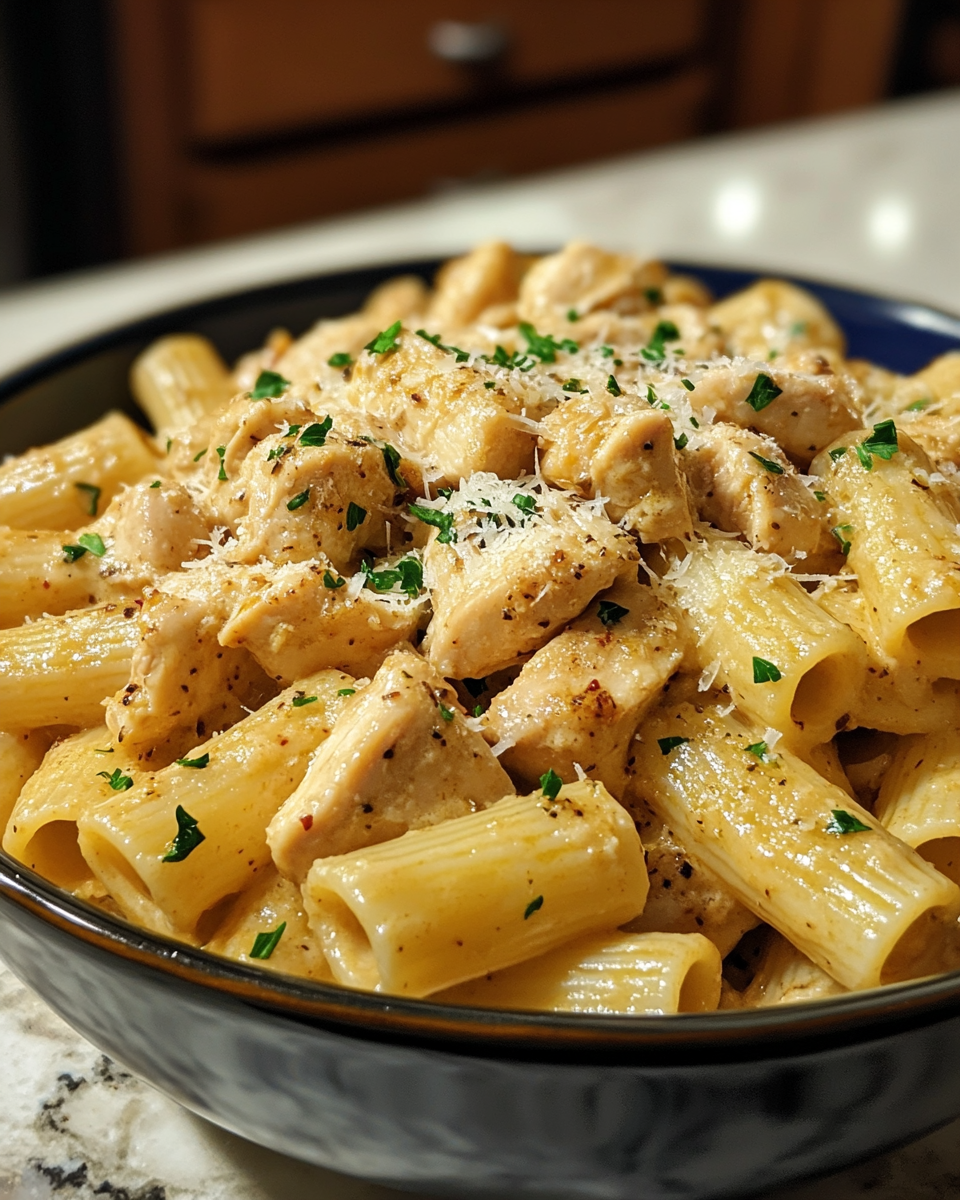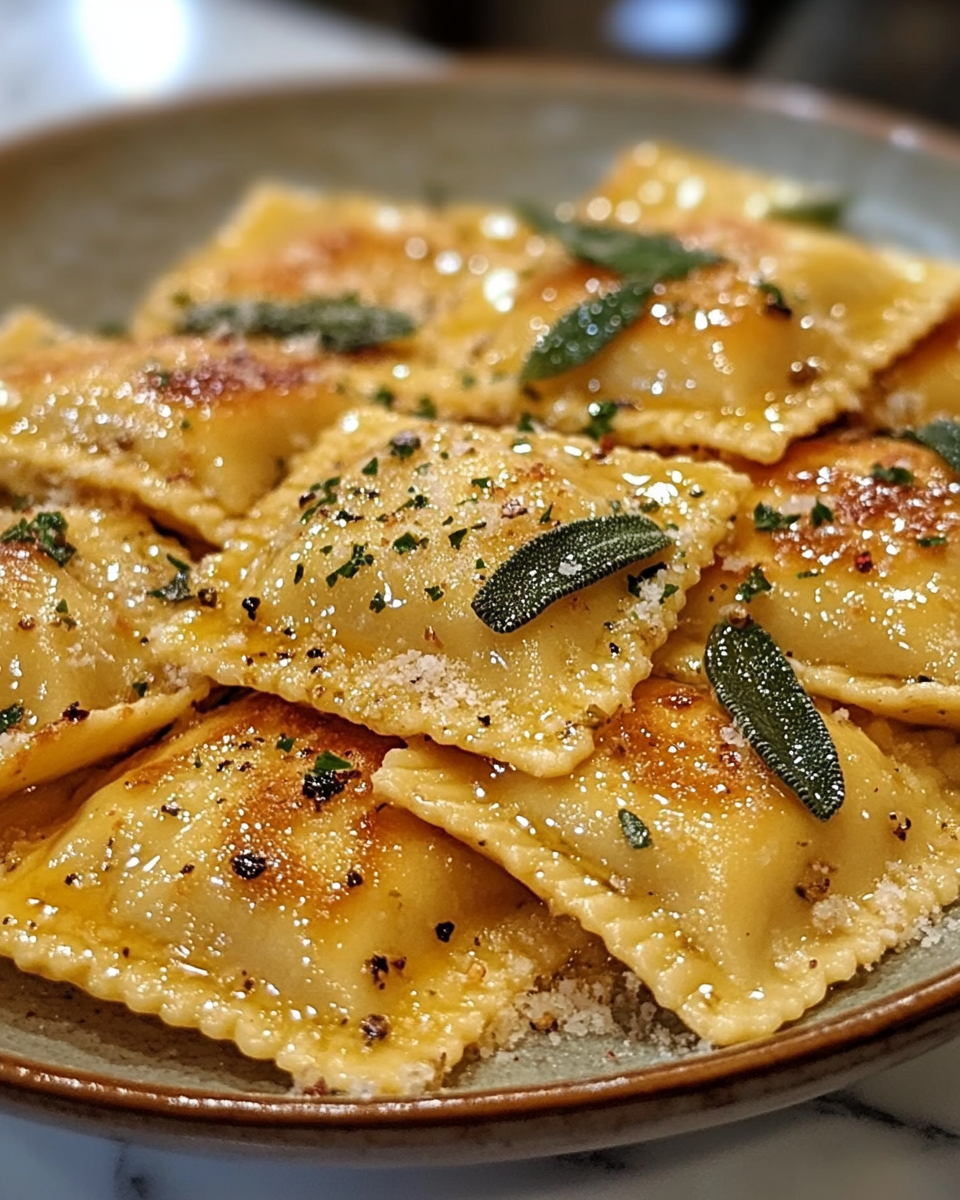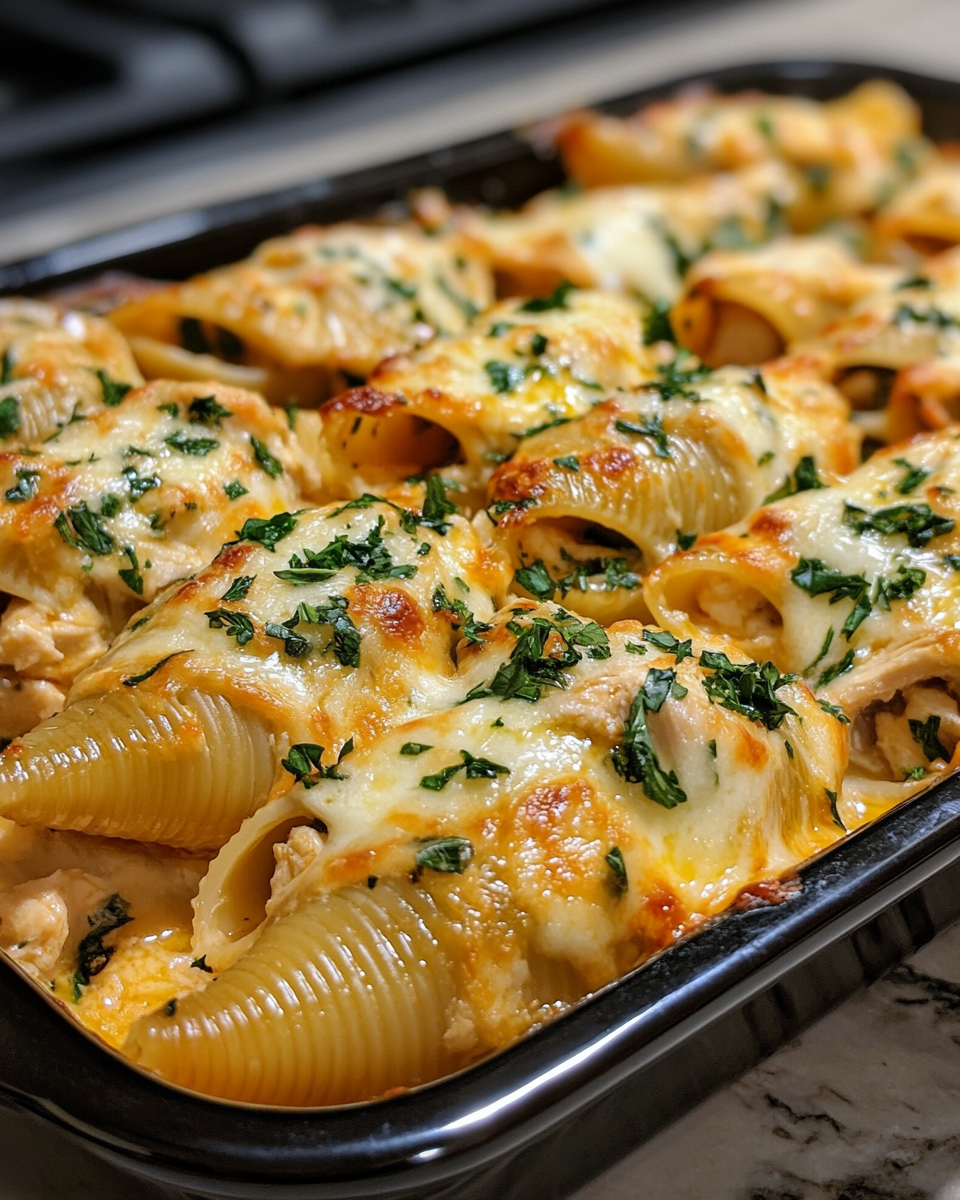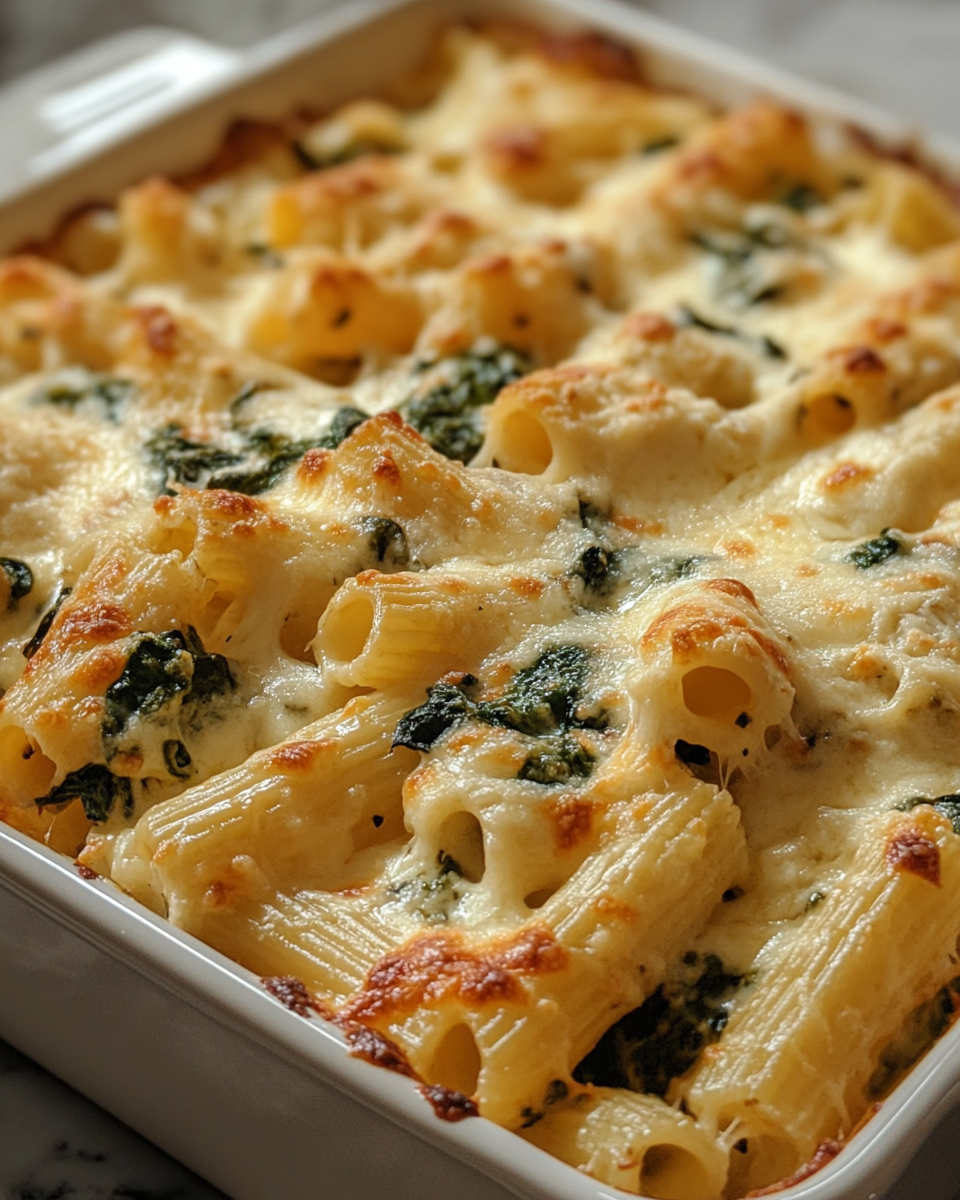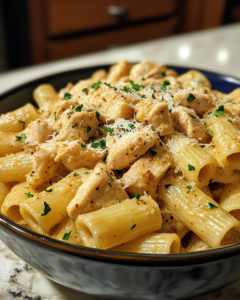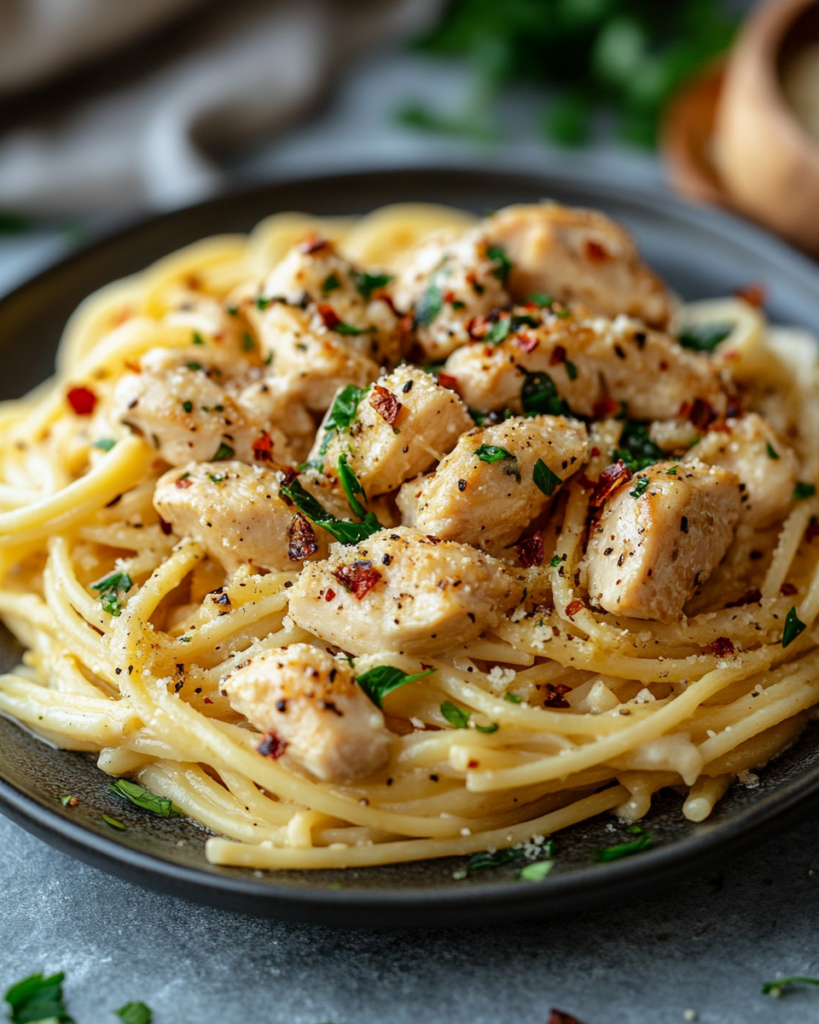
A comforting bowl of One-pot creamy pasta brings together tender pasta, a velvety sauce, and gentle seasoning all cooked in a single pot for rich flavor without extra steps. This One-pot creamy pasta fits busy evenings when a warm, satisfying meal is needed with minimal cleanup and steady, balanced taste in every bite.
The beauty of One-pot creamy pasta lies in how the pasta cooks directly in the sauce, releasing starch that naturally thickens the mixture. Garlic, onions, and broth build a savory base while cream and cheese create a smooth, silky texture that clings to every strand or piece of pasta.
This dish works well with pantry staples and flexible ingredients, making it easy to adapt depending on what is available in the kitchen. The result is a creamy, cohesive meal that feels comforting and filling while staying straightforward to prepare.
Ingredients Overview
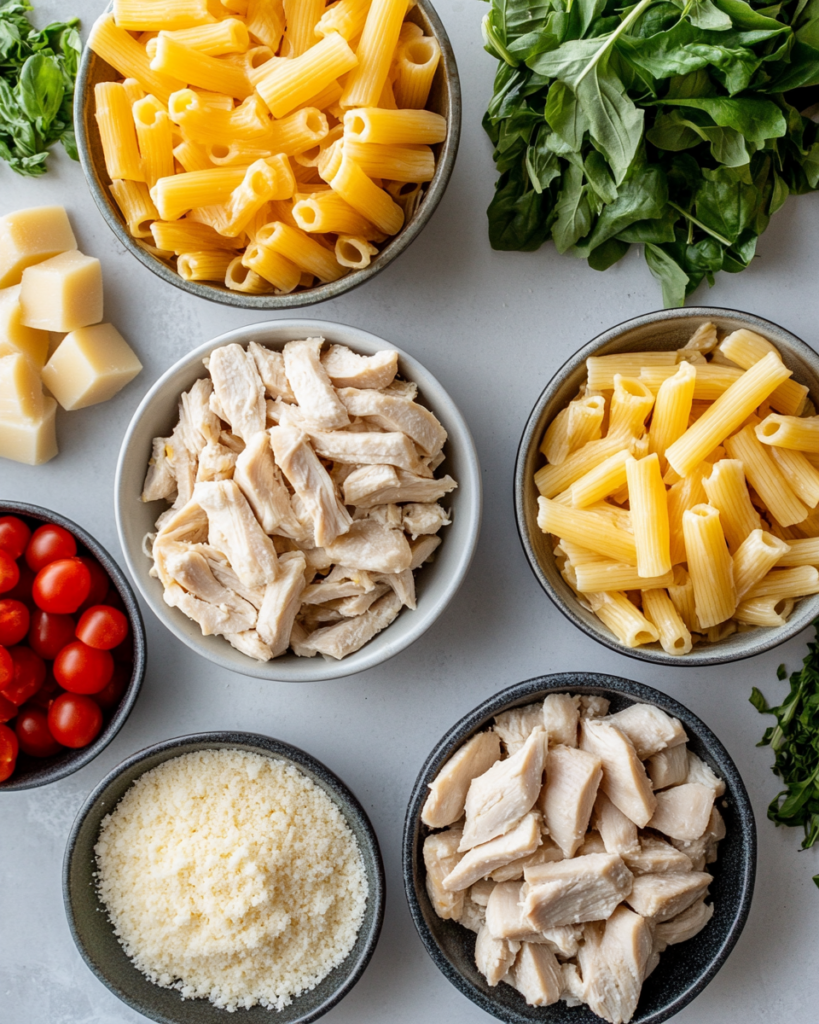
One-pot creamy pasta relies on a careful balance of starch, fat, and seasoning to create its signature texture. Pasta is the backbone of the dish, and as it cooks, it releases starch that naturally thickens the cooking liquid into a smooth, rich sauce. Short pasta like penne, fusilli, or shells works especially well because the shapes hold onto the creamy coating.
The liquid base usually combines broth and milk or cream. Broth adds depth and savory notes, while milk or cream provides richness and a soft, velvety finish. Together, they form a balanced sauce that is neither too heavy nor too thin.
Aromatics such as garlic and onion build a flavorful foundation. They are gently sautéed to release sweetness and depth without overpowering the dish. Cheese, often Parmesan or a similar hard variety, melts into the sauce and adds body along with a slightly nutty taste.
Butter or olive oil helps carry flavor and supports the sautéing stage. Seasonings like salt, black pepper, and optional herbs bring everything together. Some variations include spinach, mushrooms, or cooked chicken for added texture and substance.
Substitutions are simple: dairy milk can be swapped with unsweetened plant-based milk, and vegetable broth can replace chicken broth. Cheese can also be adjusted based on preference, though hard aged cheeses work best for smooth melting.
Ingredients
12 ounces penne pasta
2 tablespoons olive oil
1 small onion, finely chopped
3 cloves garlic, minced
3 cups chicken broth
1 1/2 cups milk
1/2 cup heavy cream
1 teaspoon salt
1/2 teaspoon black pepper
1/2 teaspoon dried oregano
1/4 teaspoon red pepper flakes (optional)
1 cup grated Parmesan cheese
2 tablespoons butter
2 cups baby spinach (optional)
1/2 cup sliced mushrooms (optional)
Step-by-Step Instructions
Begin by placing a large, deep skillet or pot over medium heat. Add olive oil and allow it to warm before adding the chopped onion. Cook the onion for several minutes until it softens and becomes slightly translucent. Stir in the garlic and cook briefly until fragrant, being careful not to let it brown.
Pour in the chicken broth, milk, and cream, stirring gently to combine. Bring the mixture to a steady simmer. This liquid will form the base that cooks the pasta directly, so it should be well blended before adding anything else.
Add the uncooked pasta into the pot. Stir frequently during the first few minutes to prevent sticking. As the pasta cooks, it will release starch that naturally thickens the liquid into a creamy sauce.
Season with salt, black pepper, oregano, and red pepper flakes if using. Continue cooking over medium-low heat, stirring often, until the pasta becomes tender and the sauce begins to coat the back of a spoon. This usually takes around 10–12 minutes depending on the pasta type.
If using mushrooms, add them during the cooking process so they soften and absorb flavor. Spinach can be added near the end, allowing it to wilt gently into the sauce without overcooking.
Once the pasta is fully cooked, reduce the heat to low and stir in the butter and Parmesan cheese. Mix until the sauce becomes smooth and glossy. If the mixture feels too thick, add a small splash of broth or milk to adjust consistency.
Taste and adjust seasoning before serving. The final texture should be creamy, cohesive, and rich without being heavy or dry.
Tips, Variations & Substitutions
For a deeper flavor base, allow the onions to cook a bit longer before adding garlic. This builds a gentle sweetness that balances the creamy sauce. Stirring frequently during pasta cooking helps prevent sticking and promotes even texture throughout the pot.
For added protein, cooked chicken, shrimp, or sautéed sausage can be mixed in near the end. These additions blend well with the creamy base and make the dish more filling. Vegetarian versions can rely on mushrooms or extra greens for substance.
Different cheeses can shift the flavor profile. Parmesan offers a nutty finish, while mozzarella creates a softer, stretchier texture. A small amount of cream cheese can also be used for extra smoothness.
If the sauce becomes too thick, a splash of warm broth or milk will loosen it without affecting flavor. For a lighter version, use more broth and reduce the amount of cream.
Serving Ideas & Occasions
One-pot creamy pasta pairs well with simple sides like green salad, roasted vegetables, or warm garlic bread. These additions help balance the richness of the dish while keeping the meal satisfying.
It works well for weeknight dinners, casual gatherings, or quiet evenings at home when a warm, filling meal is preferred. A glass of sparkling water or a light herbal drink complements the creamy texture nicely.
This dish is also suitable for meal prep, as it reheats well with a small splash of liquid to restore its creamy consistency.
Nutritional & Health Notes
One-pot creamy pasta offers a balance of carbohydrates, fats, and protein depending on ingredient choices. Pasta provides energy-rich carbohydrates, while dairy contributes calcium and protein. Adding vegetables like spinach or mushrooms increases fiber and micronutrients.
Portion size can be adjusted based on dietary needs. Using milk instead of cream reduces overall richness while still maintaining a smooth texture. Whole grain pasta can also be used for added fiber.
This dish is best enjoyed as part of a balanced eating pattern that includes fresh vegetables and lighter meals throughout the day.
FAQs
Can I use a different type of pasta?
Yes, different pasta shapes work well in One-pot creamy pasta. Short shapes like penne, fusilli, or shells hold sauce effectively, while long pasta such as spaghetti can also be used with more frequent stirring. Cooking times may vary slightly depending on the type chosen. The key is to monitor texture closely so the pasta cooks evenly while absorbing the creamy base.
Can I make One-pot creamy pasta without dairy?
Yes, dairy-free versions are possible by using plant-based milk such as oat or almond milk and replacing cream with a non-dairy alternative. Nutritional yeast can help add a mild cheesy flavor. The texture may be slightly lighter, but the dish still becomes creamy when pasta starch thickens the cooking liquid. Adjust seasoning to maintain depth of flavor.
Why is my sauce too thick?
If the sauce becomes too thick, it usually means the pasta absorbed more liquid than expected. This can be corrected by adding small amounts of warm broth or milk while stirring over low heat. Continue adjusting until the desired consistency returns. Stirring gently helps the sauce remain smooth without breaking down the pasta texture.
Can I add protein to this dish?
Yes, cooked proteins like chicken, shrimp, or sausage can be added toward the end of cooking. This prevents overcooking and keeps textures balanced. Plant-based options like chickpeas or white beans also work well. Adding protein turns One-pot creamy pasta into a more filling meal while maintaining its creamy consistency.
How do I prevent pasta from sticking?
Frequent stirring during the first several minutes of cooking helps prevent sticking. Using enough liquid is also important, as the pasta needs room to move while absorbing moisture. A wide pot allows even cooking and reduces clumping. If sticking begins, lowering the heat slightly can help stabilize the mixture.
Can I store leftovers?
Yes, leftovers can be stored in an airtight container in the refrigerator. The sauce will thicken as it cools, so adding a small splash of milk or broth when reheating helps restore creaminess. Warm gently over low heat while stirring to bring back the original texture without separating the sauce.
What vegetables work best in this recipe?
Spinach, mushrooms, peas, and zucchini all work well in One-pot creamy pasta. These vegetables cook quickly and blend into the creamy sauce without overpowering it. Adding them at different stages of cooking helps control texture, with firmer vegetables added earlier and leafy greens added near the end.